


We spend years in classrooms learning math, science, and grammar—but when it comes to love, friendship, and emotional well-being, most of us graduate without any formal education.
Sure, we might have sat through a health class that touched on biology and consent, but what about the deeper skills that help us build healthy, fulfilling connections? Things like emotional intelligence, communication, and setting boundaries often get left out—and many of us are left figuring them out through trial and error.
It’s time to talk about the real lessons in love we wish school had taught us. Whether you’re single, in a relationship, or somewhere in between, these skills can transform how you connect with others—and yourself.
1. Emotional Intelligence Is Everything
What it is: Emotional intelligence (EQ) is the ability to recognize, understand, and manage your emotions—and to respond thoughtfully to the emotions of others.
Why it matters: High EQ helps you communicate more clearly, resolve conflict more effectively, and build deeper, more trusting relationships.
How to start practicing:
-
Get curious about your own feelings: ask yourself “What am I really feeling right now?”
-
Practice active listening when someone is sharing with you, instead of thinking about your reply.
-
Learn to pause before reacting—especially during moments of frustration or stress.
Building emotional intelligence doesn’t happen overnight, but it’s one of the most valuable skills for any relationship.
2. Communication Is More Than Just Talking
Good communication isn’t just about saying what’s on your mind—it’s about expressing yourself clearly, listening with empathy, and creating space for honest conversations.
What we wish school taught us:
-
How to have hard conversations. Learning to express needs and feelings without blaming or shutting down is a game changer.
-
Non-verbal cues matter. Tone of voice, facial expressions, and body language can sometimes speak louder than words.
-
Active listening is a skill. Truly hearing what someone is saying (instead of planning your rebuttal) can diffuse tension and strengthen trust.
3. Boundaries Are Healthy, Not “Mean”
Many of us grew up thinking that saying no or setting limits makes us selfish or difficult. In reality, boundaries are what allow relationships to thrive.
Healthy boundaries might look like:
-
Saying no to plans when you need time to recharge.
-
Asking for privacy around certain parts of your life.
-
Letting a partner know what kind of communication works best for you (e.g., “I need some space when I’m upset, but I’d like to talk once I’ve calmed down.”)
Boundaries aren’t walls—they’re guidelines that help keep relationships respectful and balanced.
4. Self-Worth Shouldn’t Depend on Someone Else
One of the biggest lessons we should’ve been taught early on: your value isn’t tied to whether you’re in a relationship, how many friends you have, or whether someone likes you back.
Why it matters:
When you know your worth, you’re less likely to settle for toxic relationships or let others treat you poorly. You’re also more likely to build relationships that are rooted in mutual respect, rather than fear or insecurity.
Take time to get to know yourself, celebrate your wins, and nurture your interests outside of your relationships.
5. Conflict Can Be Healthy
We often associate conflict with drama, but disagreements are a normal part of any close (and healthy) relationship. The key is learning to handle conflict with care.
Healthy conflict resolution tips:
-
Focus on the issue, not the person.
-
Use “I” statements (“I felt hurt when…” rather than “You always…”)
-
Take breaks if emotions are running too high.
-
Work toward solutions instead of just proving a point.
When done right, conflict can actually deepen connection by helping both people feel heard and understood.
6. Friendships Deserve Just as Much Effort as Romance
Society often puts romance on a pedestal, but friendships are equally important to our happiness and mental health.
Make time to check in with your friends, celebrate their milestones, and be present for the small moments—not just the big ones. Friendships are a lifelong source of joy, and they deserve nurturing.
7. Vulnerability Is Strength
Being open about your feelings, fears, and dreams might feel scary, but vulnerability is the foundation of deep connection.
When you share honestly (with trusted friends, partners, or family), you create space for intimacy and trust to grow.
The Bottom Line
We might not have learned these lessons in school, but it’s never too late to start practicing them. Emotional intelligence, clear communication, healthy boundaries, and self-worth are skills that can transform every relationship in your life—from your best friend to your romantic partner, and even the relationship you have with yourself.
The best part? You can start today. Pick one skill—maybe having an honest conversation, setting a boundary, or taking time for self-reflection—and see how it changes the way you connect.
Love and relationships may not come with a textbook, but you’re always allowed to rewrite the rules and create something healthier, happier, and more fulfilling. 💛
-----------------------------
👇 About The Other Half 👇
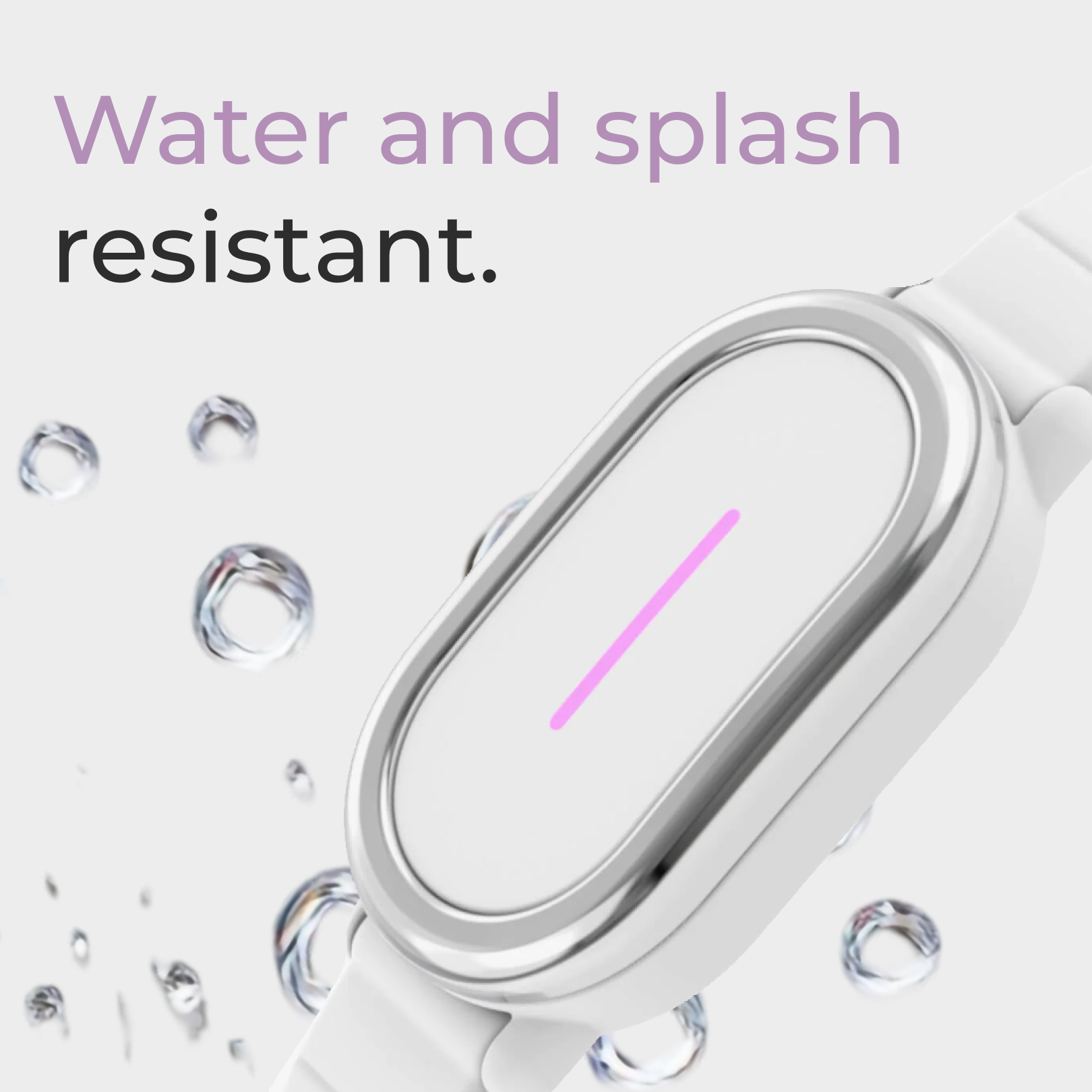
Thanks for reading this! FYI, The Other Half is brought to you by Bond Touch: the brand that has been helping build healthier and happier relationships through emotional wearables since 2017. Connecting over 1 million people globally so far and counting!
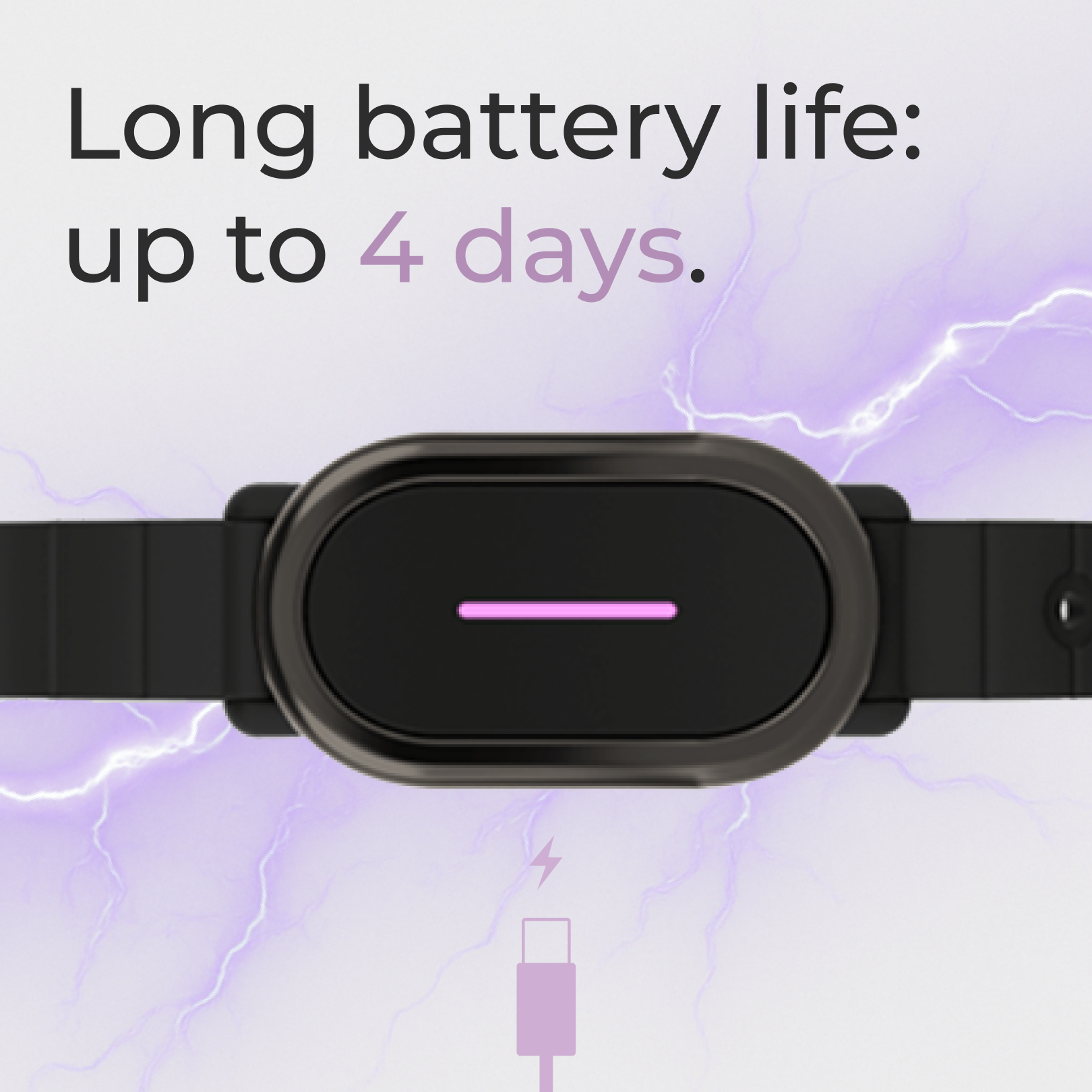
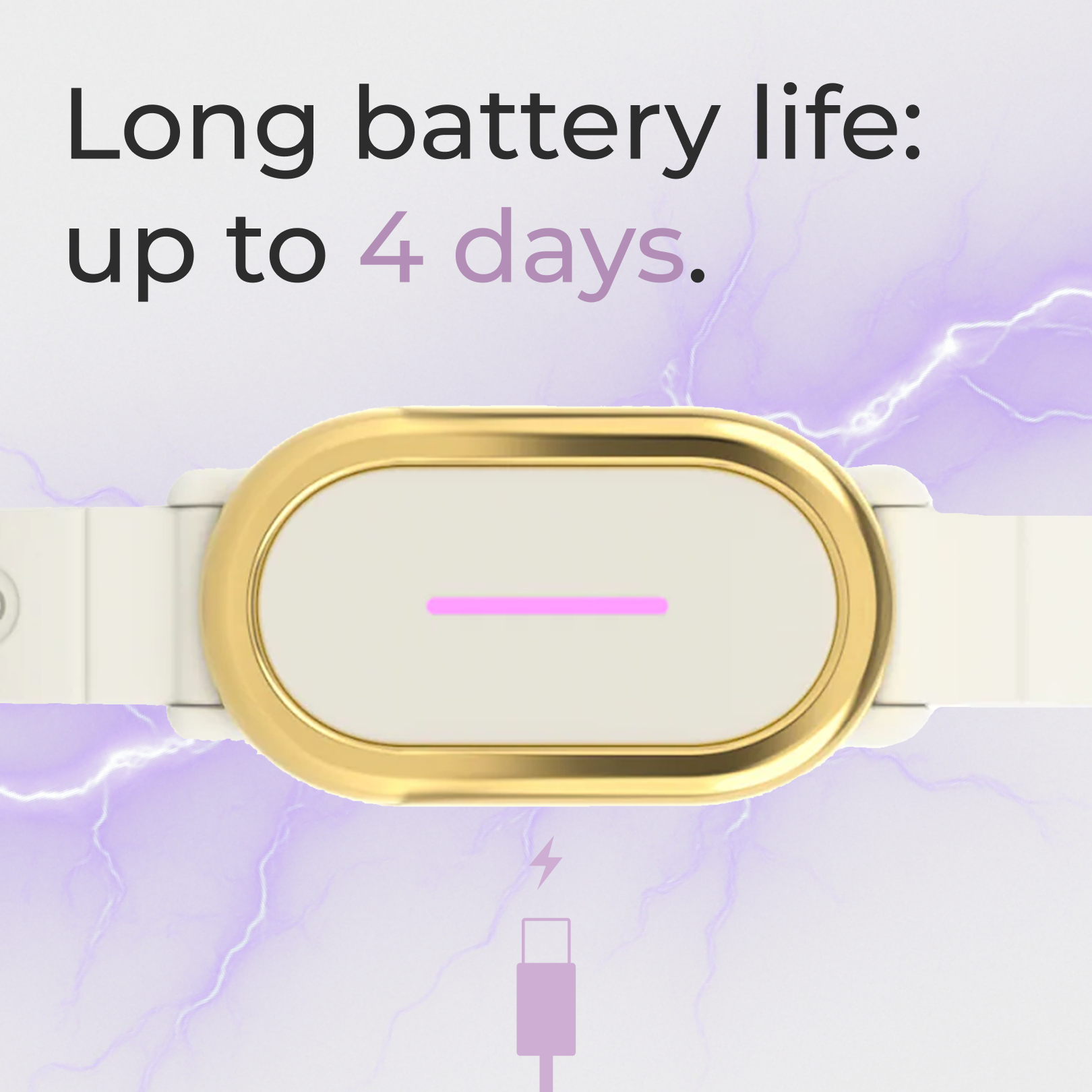
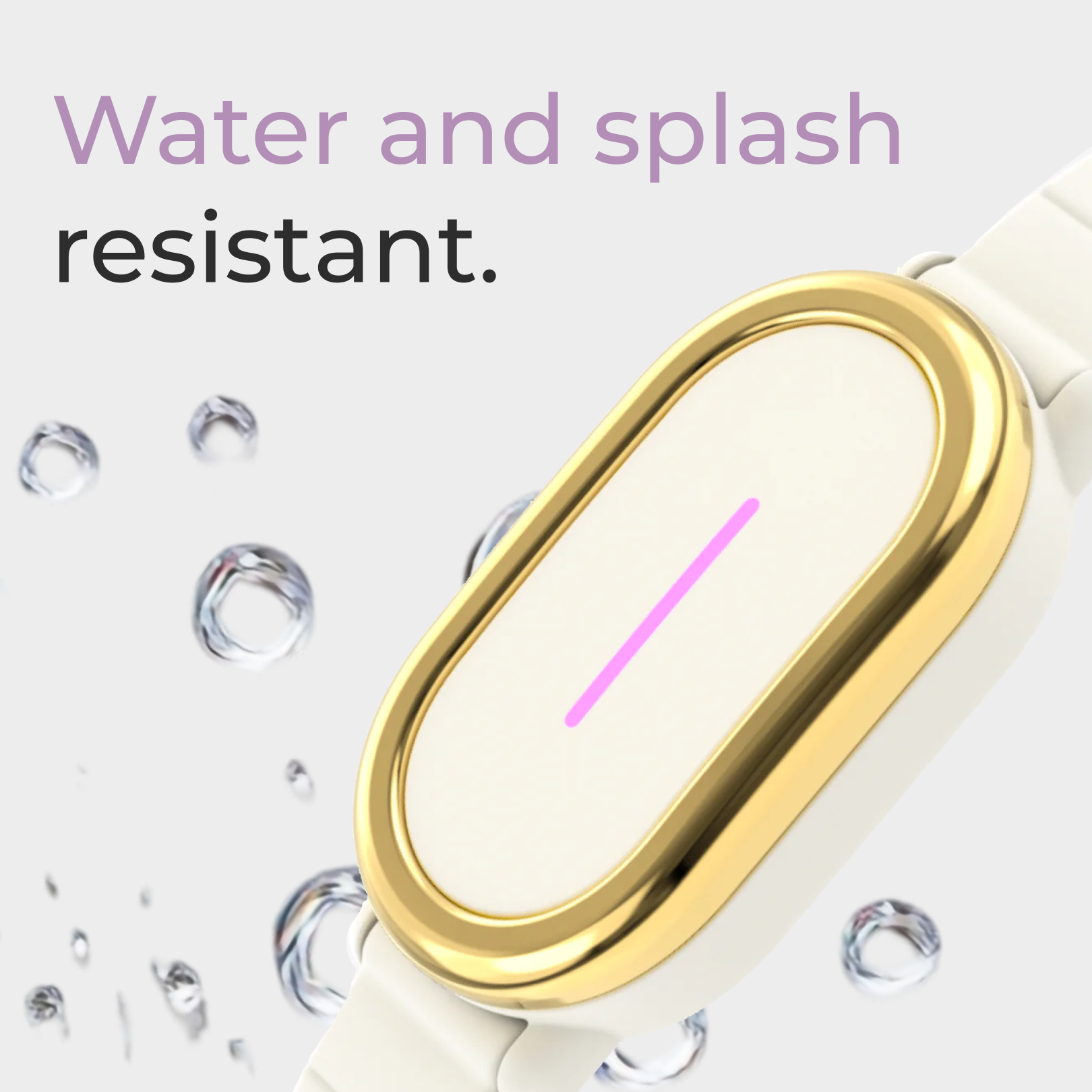
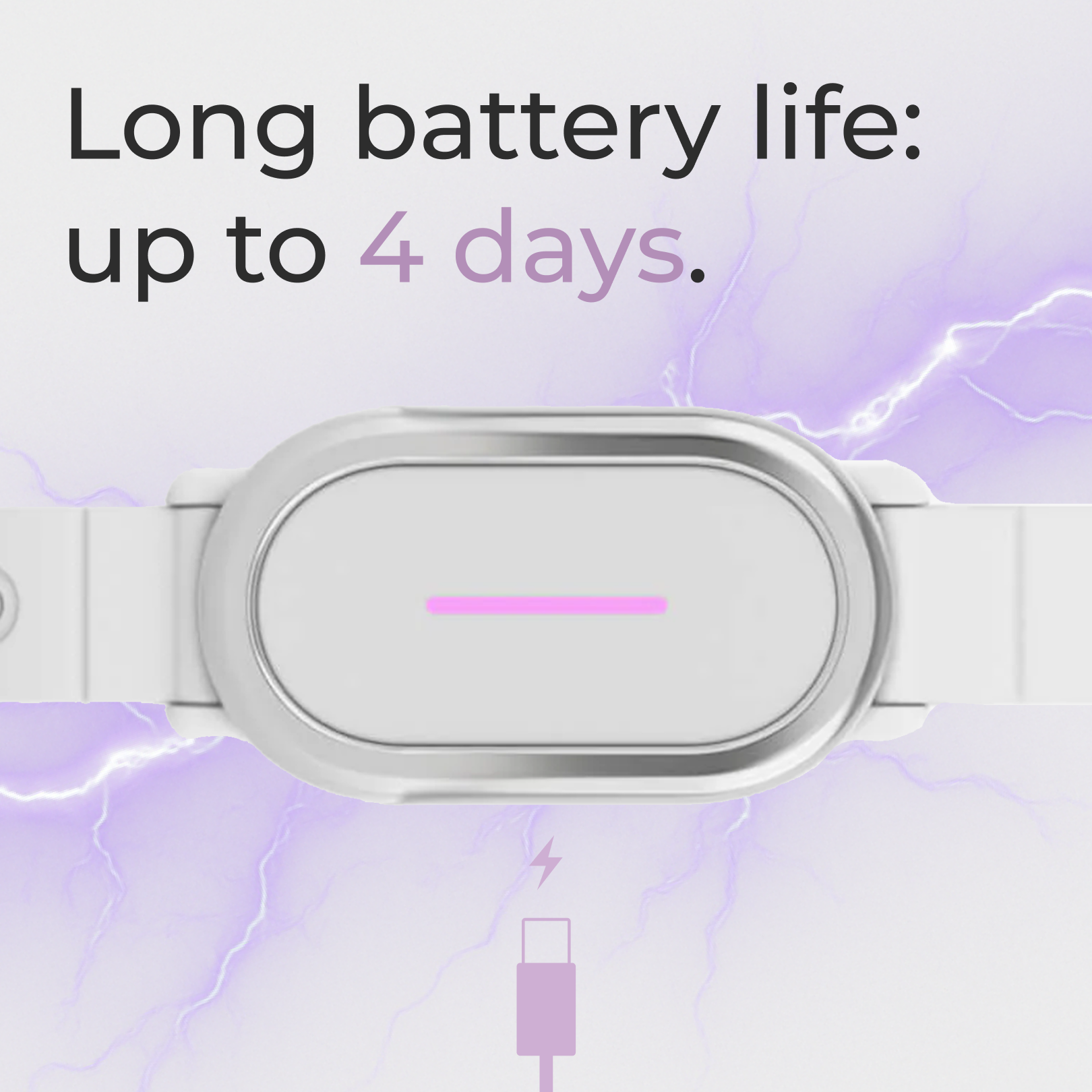
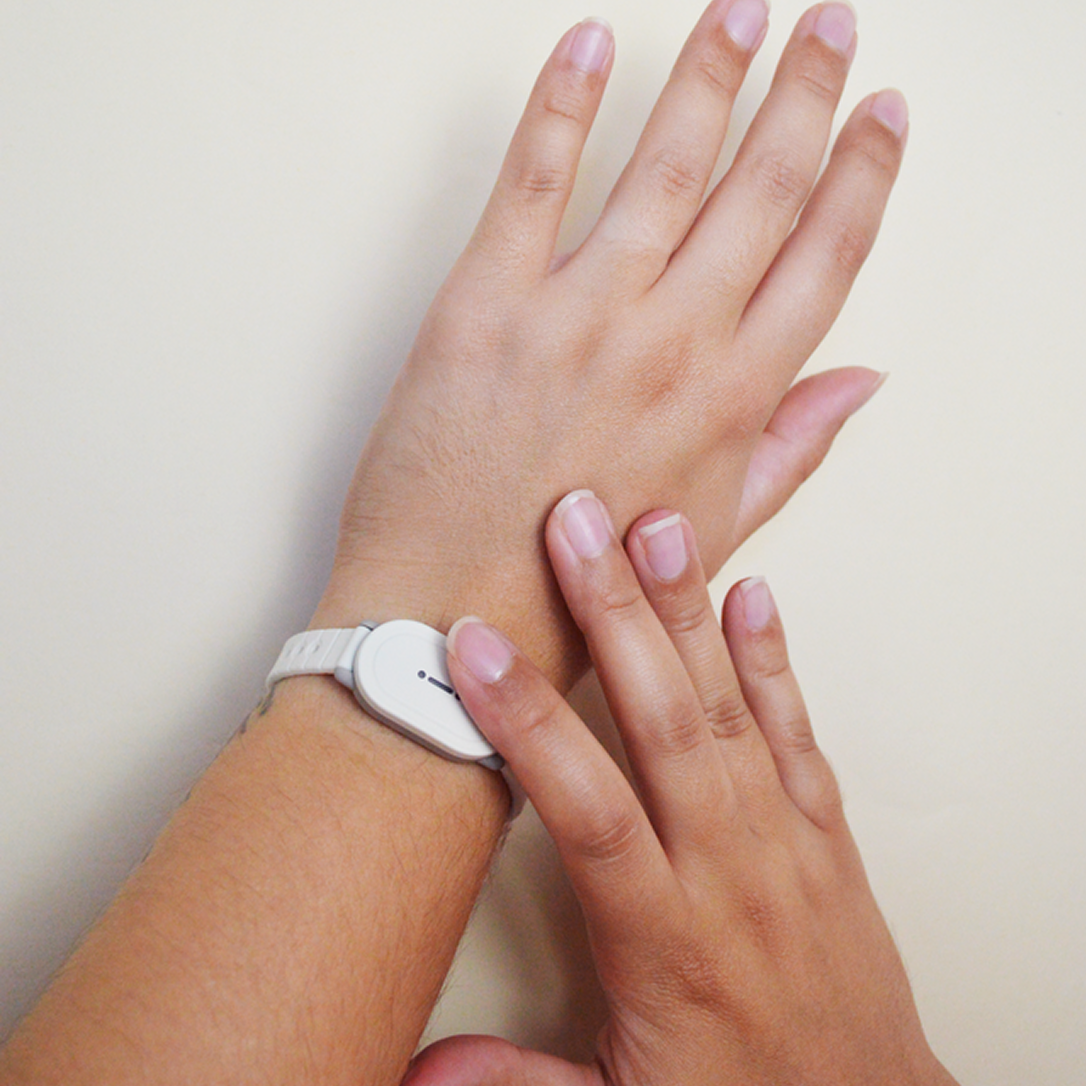
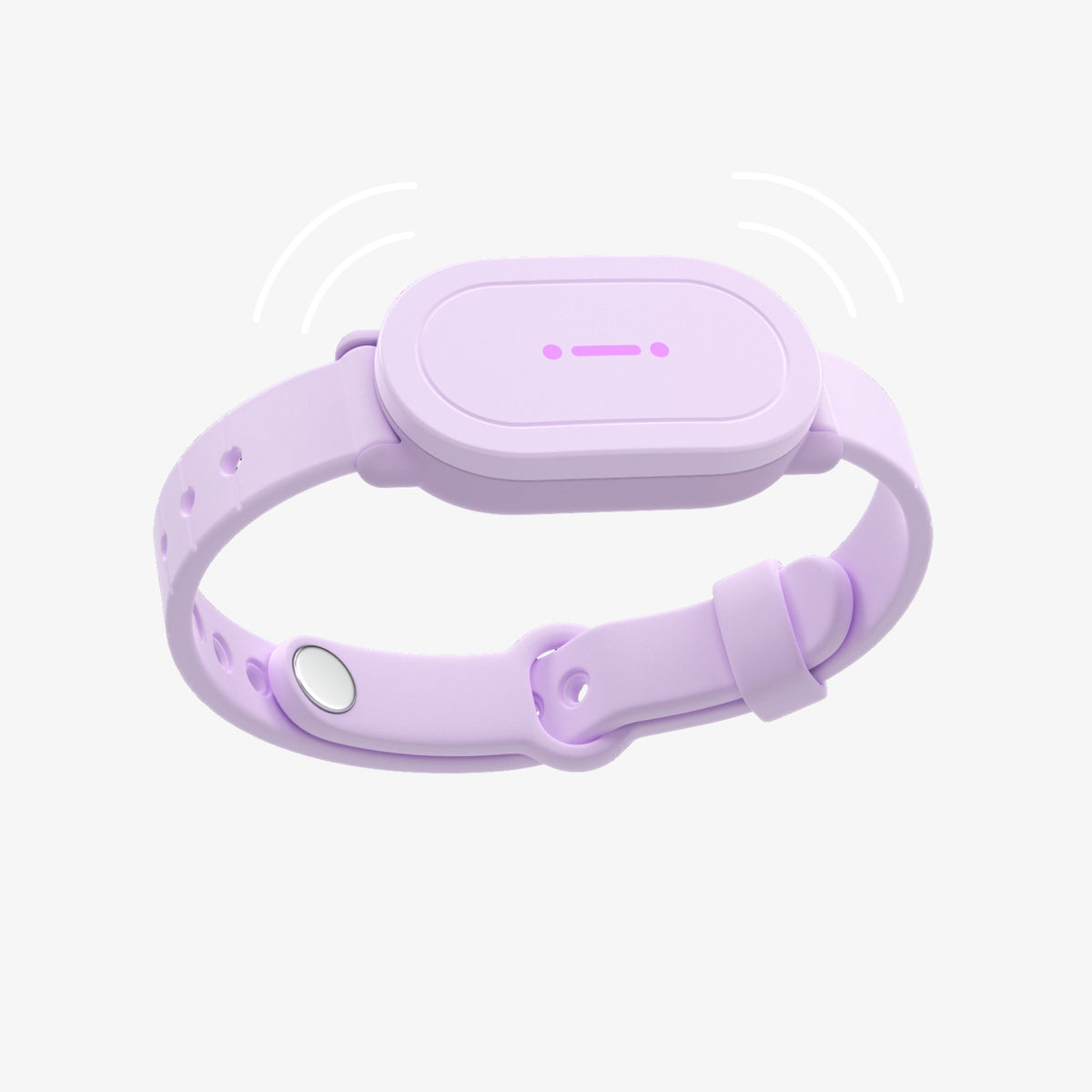
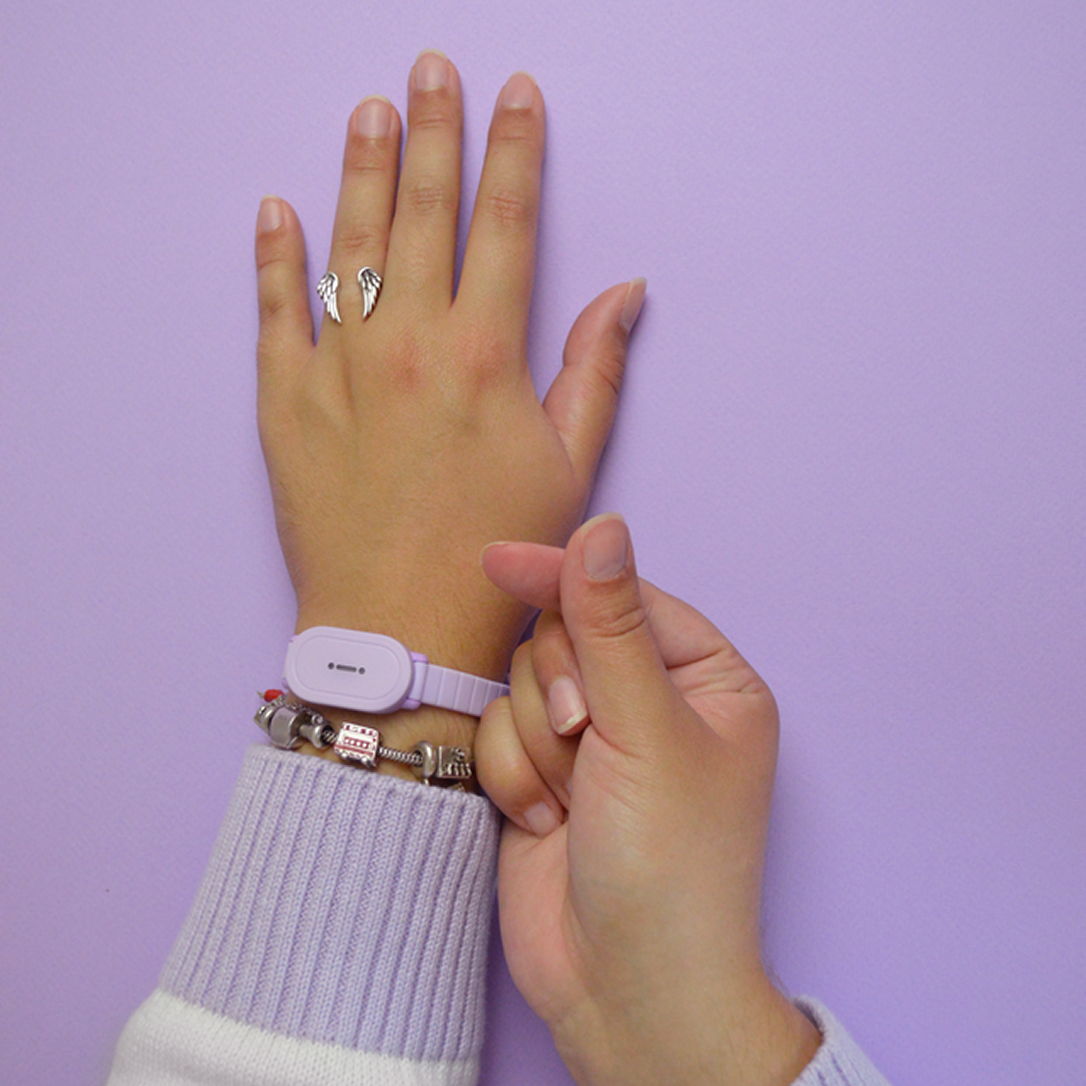
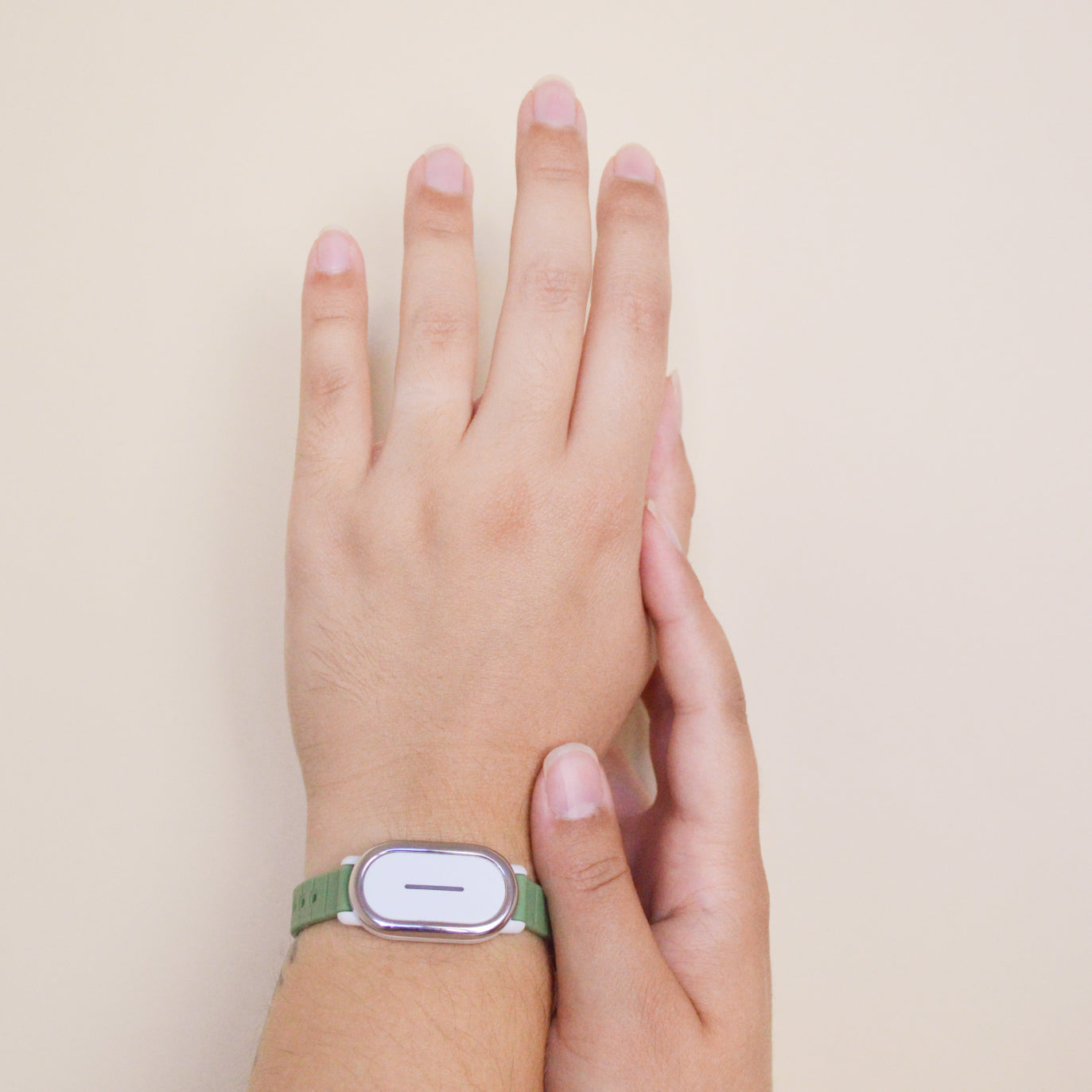
If you’re looking for a new way to connect with a very special someone, check out Bond Touch: a bracelet that lets you communicate through touch across any distance. Say it with a touch, stay in touch.















































































Comments
💛💚🩵💜