

Dating should feel safe, respectful, and empowering. But for far too many people—especially women and girls—intimate relationships are where they first encounter violence, manipulation, and control.
According to the United Nations, nearly 1 in 3 women globally has experienced physical or sexual violence, most often by an intimate partner. And while we tend to think of domestic abuse as something that happens later in life, the reality is that dating violence often starts young—and hides in plain sight.
It’s time to talk about it. Because love has no place for fear, silence, or control.
What Is Dating Violence?
Dating violence is a form of intimate partner violence that occurs between people in a romantic or a casual sexual relationship. It can happen in any kind of relationship—straight, queer, casual, or long-term—and it doesn't always leave visible marks.
Dating violence includes:
-
Physical abuse (hitting, slapping, shoving)
-
Emotional abuse (insults, threats, gaslighting, name-calling)
-
Psychological manipulation (jealousy, guilt-tripping, isolation)
-
Sexual coercion (pressuring someone into sex or unwanted touching)
-
Digital abuse (monitoring texts, tracking location, demanding passwords)
These behaviors are often disguised as “love,” “protection,” or “just being jealous”—but at their core, they’re about power and control.
The Global Reality
-
1 in 4 young women (aged 15-24) who have been in a relationship will have experienced intimate partner violence by the time they’re 24.
-
In some regions, up to 70% of women report experiencing violence in relationships.
-
Only 1 in 10 women who experience violence seek help from police. Many never tell anyone at all.
This silence is deadly. And it's reinforced by harmful ideas about love, like "jealousy means they care" or "if it’s private, it’s not abuse."
We need to break those myths—and open space for safer, healthier love.
5 Signs You're in (or Seeing) an Unhealthy Relationship
Recognizing dating violence isn’t always easy—especially when love and fear are tangled. Here are some red flags to keep an eye on:
1. Controlling Behavior
They need to know where you are, who you're with, or what you're doing 24/7. They might check your phone, restrict your social life, or get angry if you spend time away from them.
2. Constant Criticism or Belittling
They put you down, make jokes at your expense, or constantly point out your “flaws.” It chips away at your self-worth over time.
🚩 Love builds you up, not breaks you down.
3. Isolation from Friends and Family
They get upset when you talk to others, especially people who support you. Over time, you feel like they’re the only person in your life.
🚩 Love connects, not controls.
4. Blaming You for Their Emotions or Actions
They say things like “You made me act this way” or “If you didn’t do X, I wouldn’t be so upset.” This is classic emotional manipulation.
🚩 Love takes responsibility, not blame-shifting.
5. You Feel Afraid to Set Boundaries
If you feel like walking on eggshells, or you’re scared of how they’ll react to a simple “no,” that’s not normal. That’s fear, not love.
🚩 Love respects boundaries—always.
What to Do If You’re in This Situation
If this sounds familiar—whether it’s your own experience or someone you love’s—you are not alone. And there is help.
📞 Talk to Someone You Trust
Tell a friend, family member, therapist, or counselor. Saying it out loud is a powerful first step.
🌐 Reach Out to a Support Service
Here are some confidential resources in the U.S.:
-
National Domestic Violence Hotline
1-800-799-7233 | thehotline.org
(Chat available 24/7) -
Love Is Respect
1-866-331-9474 | loveisrespect.org
Specialized in helping young people in dating situations. -
RAINN (Sexual Assault Support)
1-800-656-HOPE | rainn.org
💬 Support a Friend Gently
If you suspect someone you care about is in an unhealthy relationship:
-
Don’t shame or pressure them.
-
Focus on listening without judgment.
-
Offer support, not ultimatums.
-
Let them know they’re not crazy or overreacting.
Most importantly: don’t give up on them. Even if they’re not ready to leave, your presence and belief can be a lifeline.
Final Thoughts: Love Doesn’t Hurt
Healthy relationships are built on trust, respect, communication, and freedom—not fear, control, or manipulation.
This isn’t just about preventing harm. It’s about making space for a better kind of love. A love that uplifts. A love that empowers. A love that never asks you to shrink, change, or suffer to be accepted.
So the next time someone says, “They act that way because they love me”—remember this:
Love has no place for control. Ever.
👇 Resources & Support
-
UN Women: Ending Violence Against Women
Facts & Figures -
National Domestic Violence Hotline
1-800-799-7233 | thehotline.org -
Love Is Respect
1-866-331-9474 | loveisrespect.org
---------
👇 About The Other Half 👇
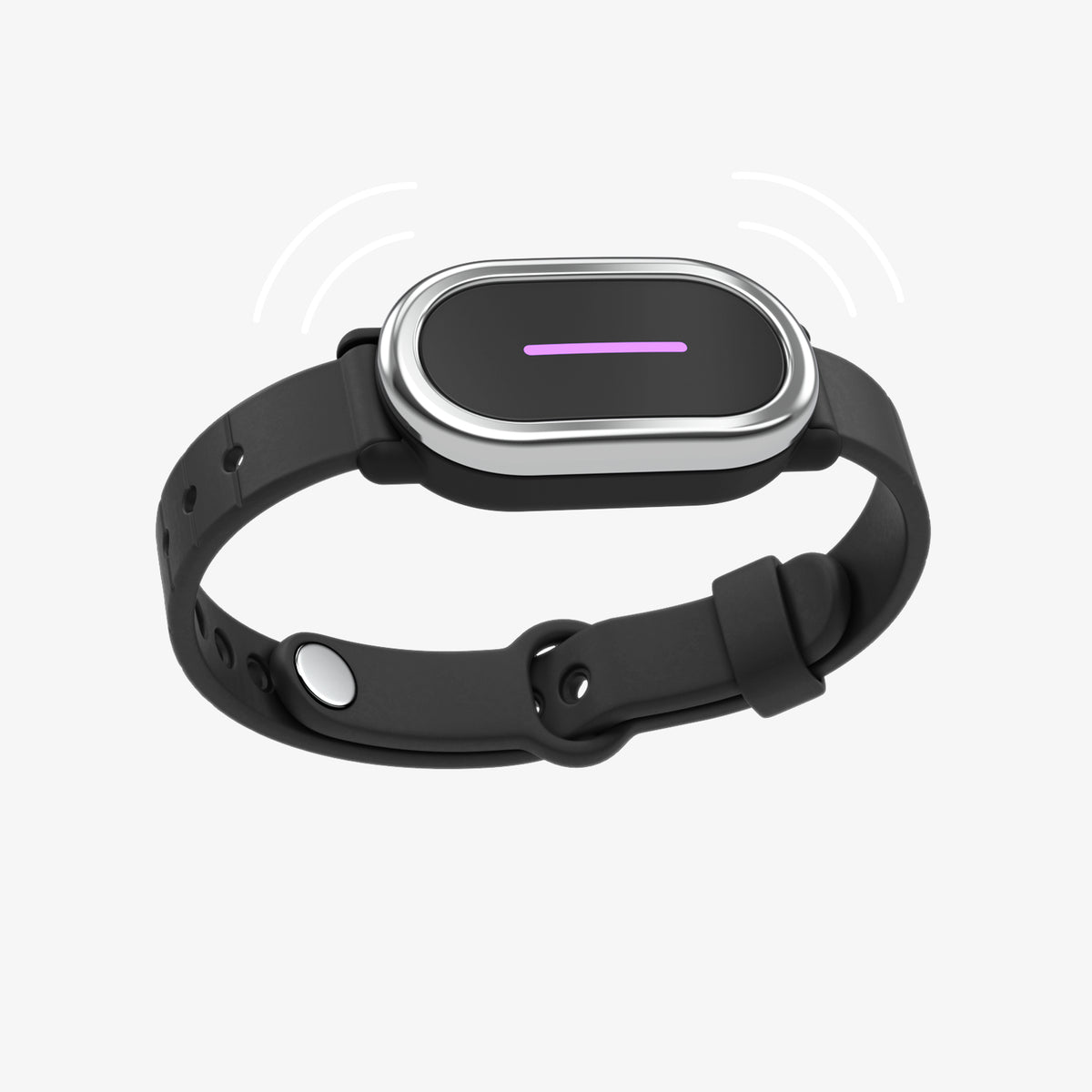
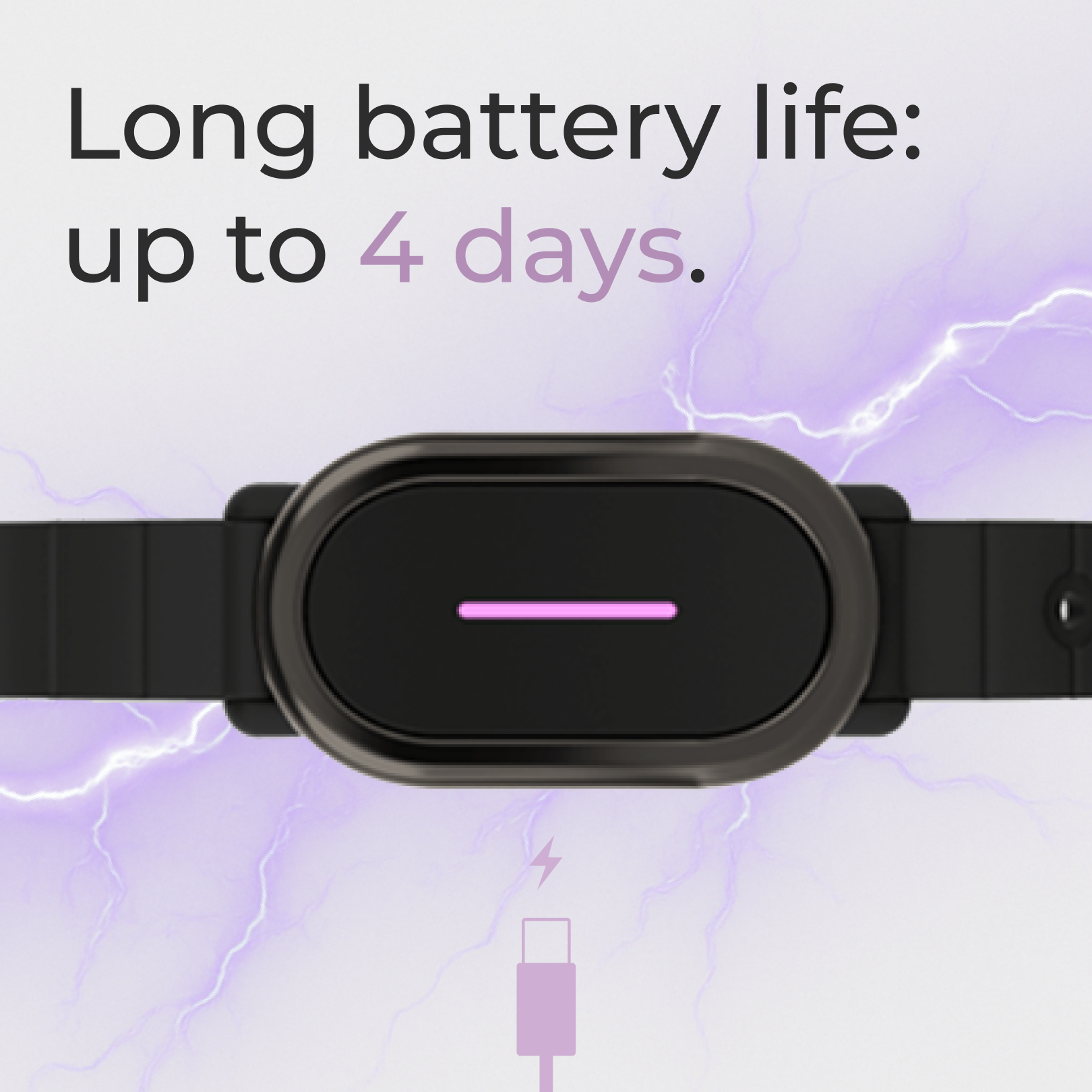
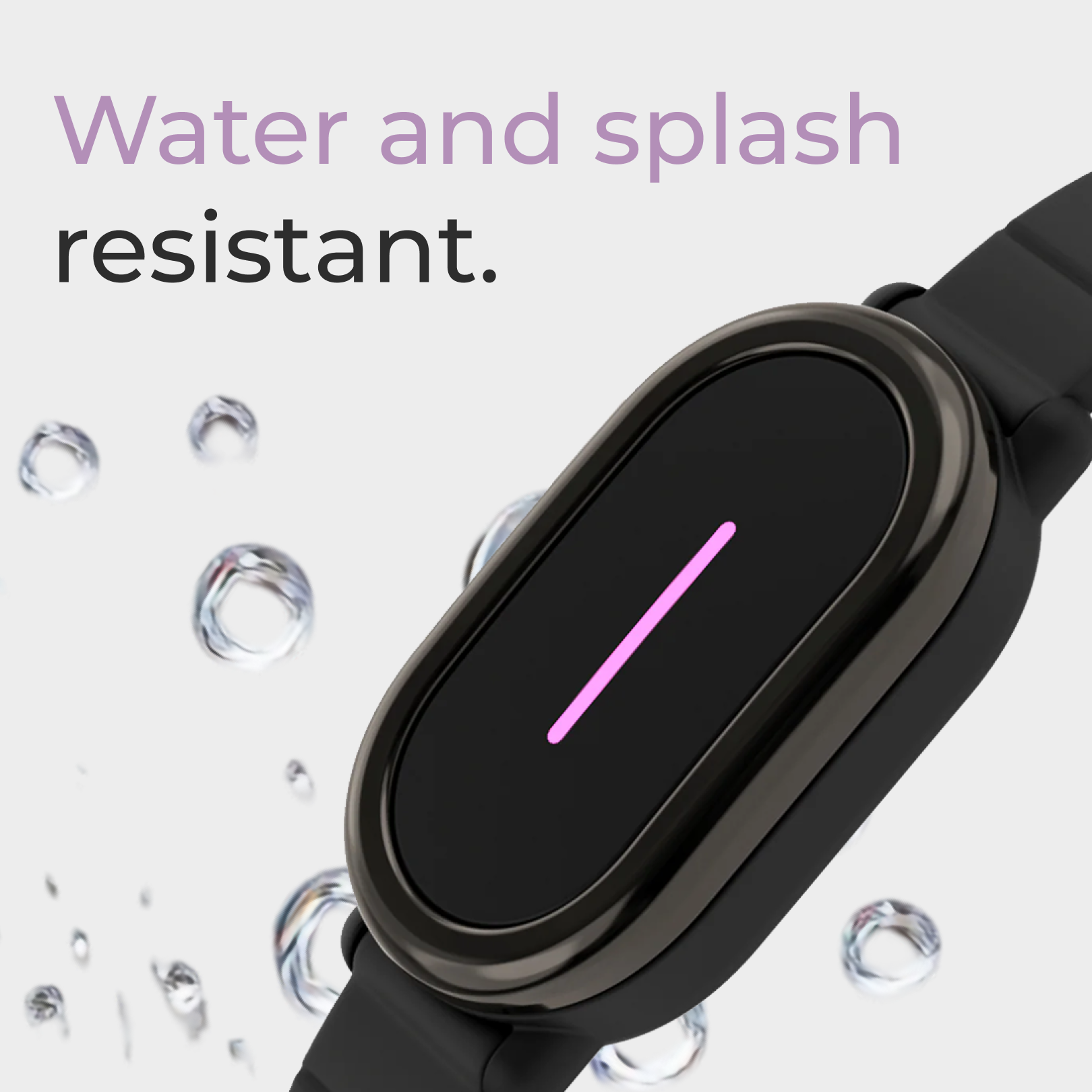
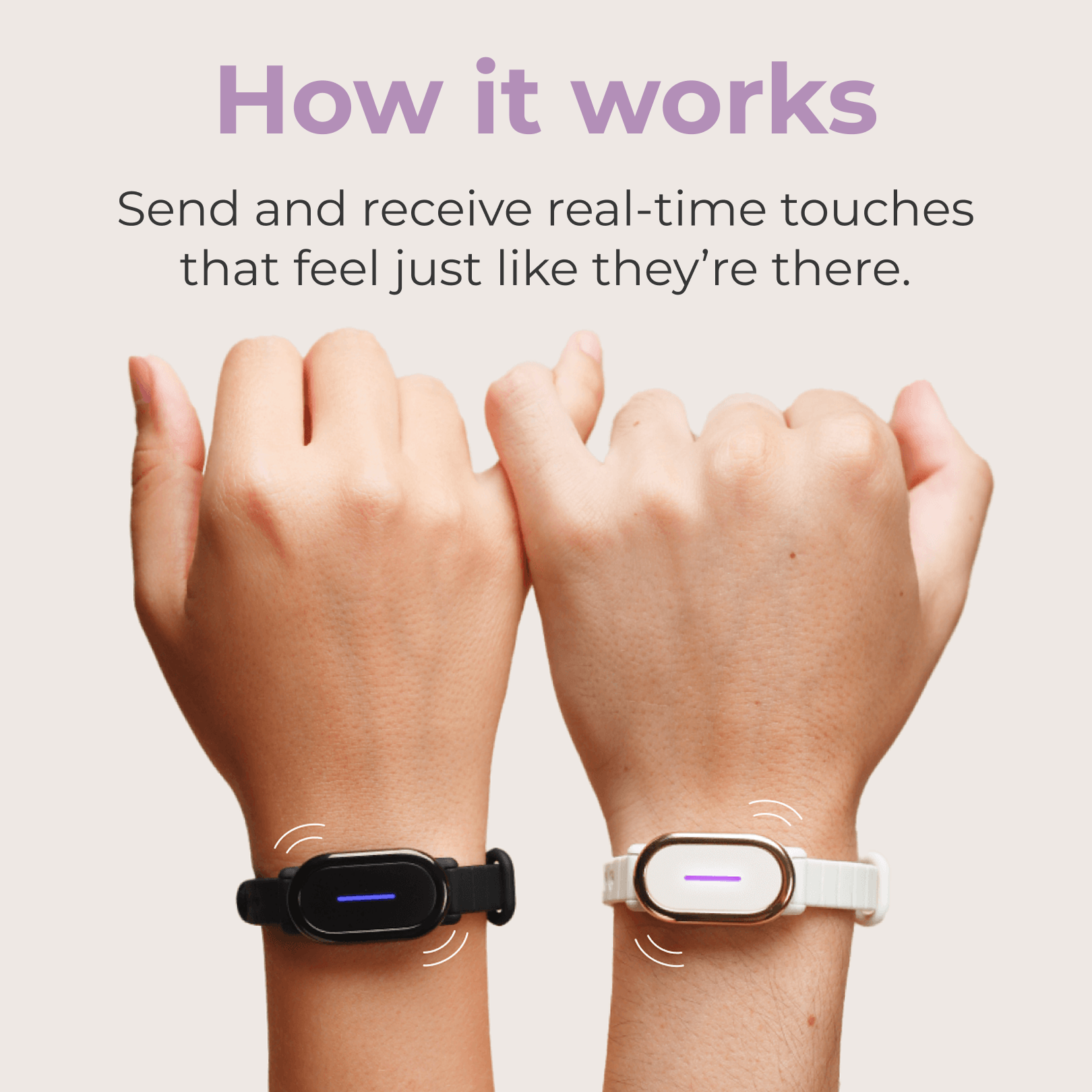
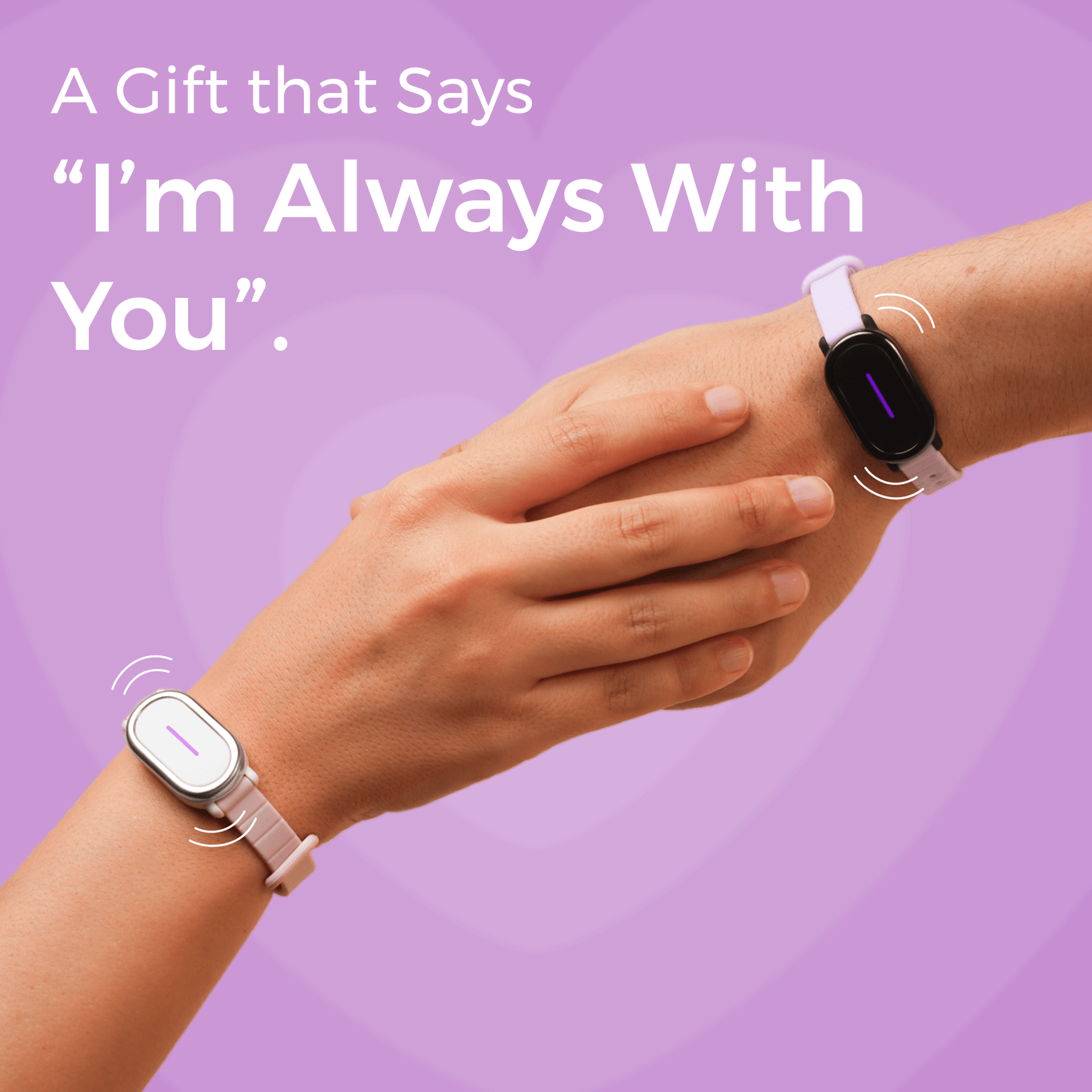
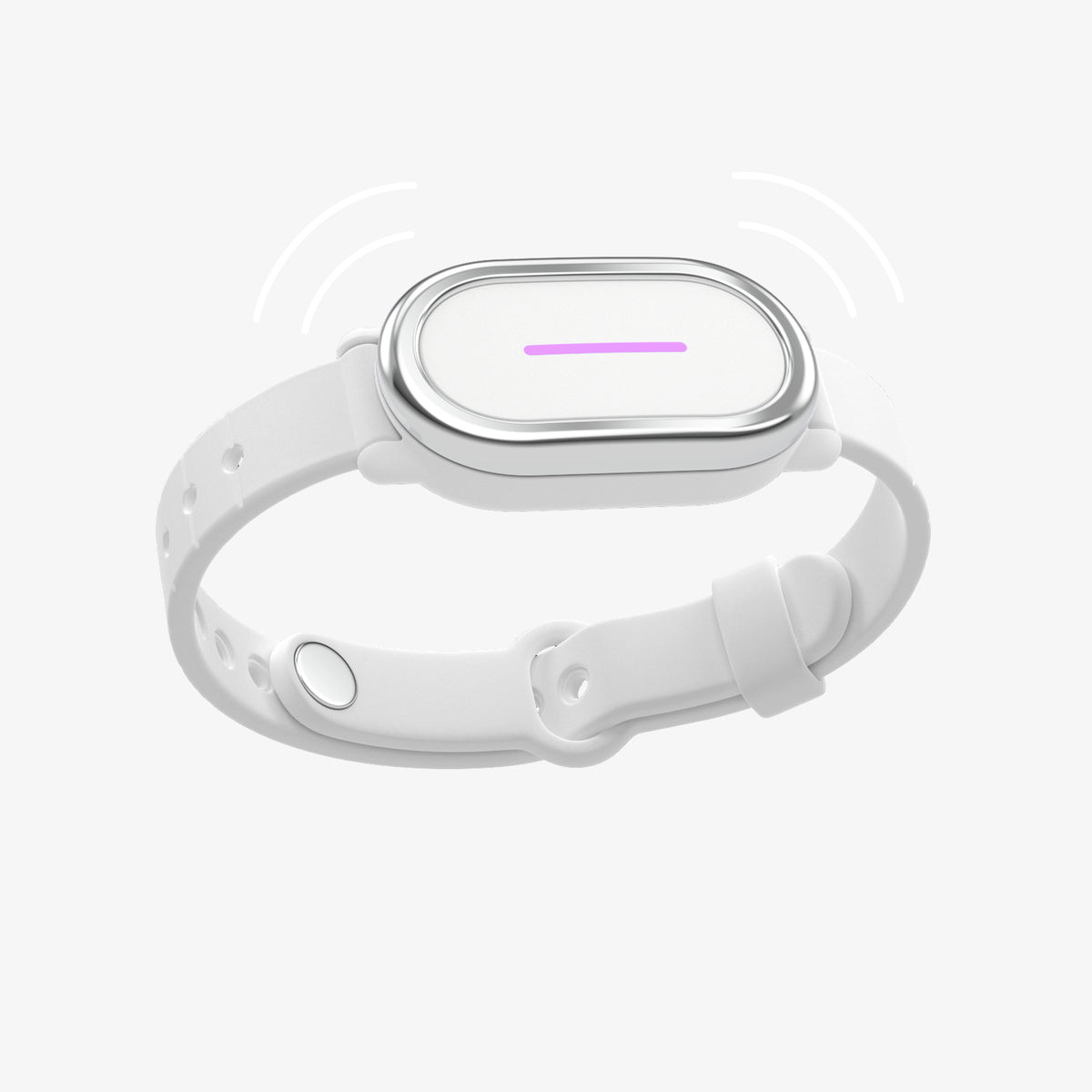
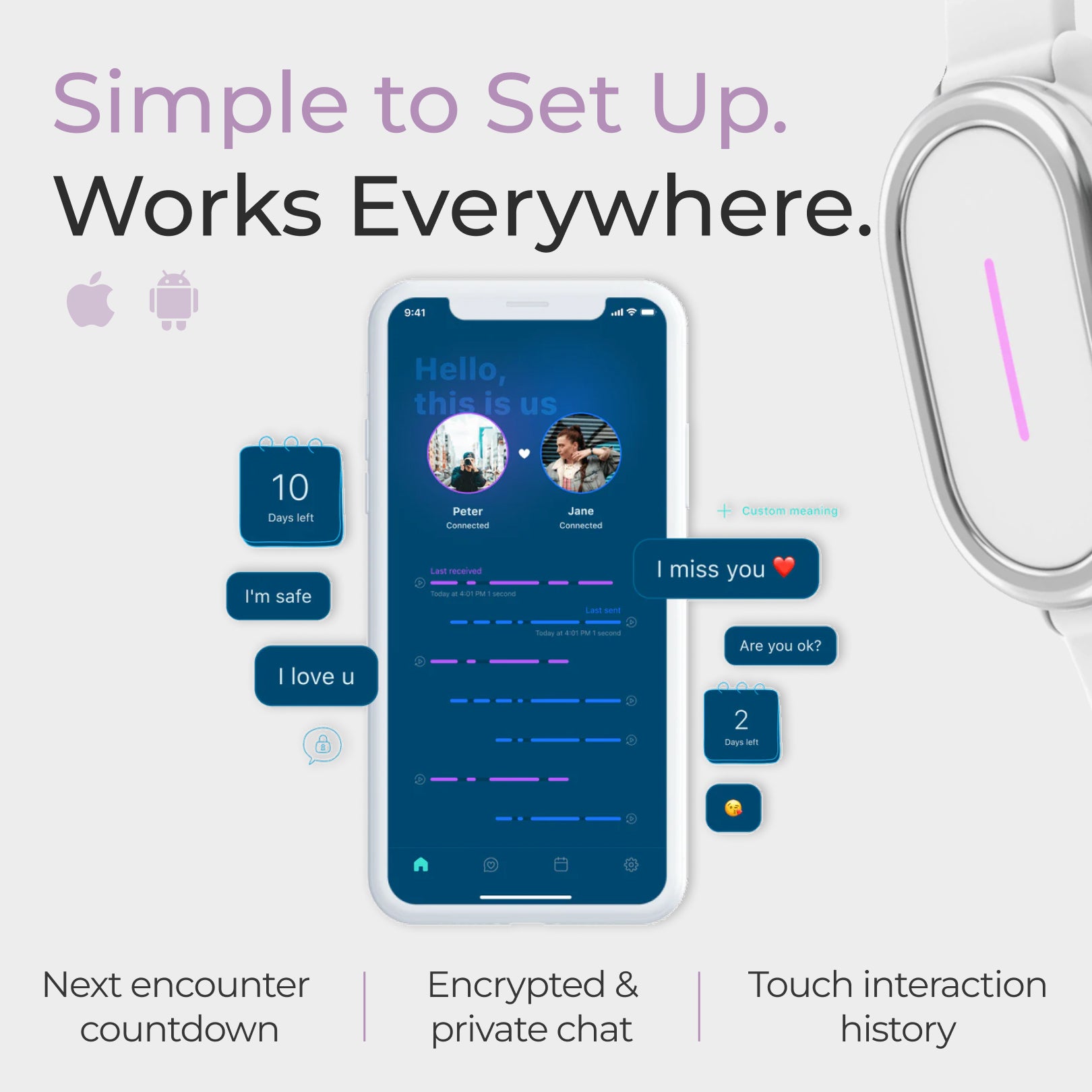
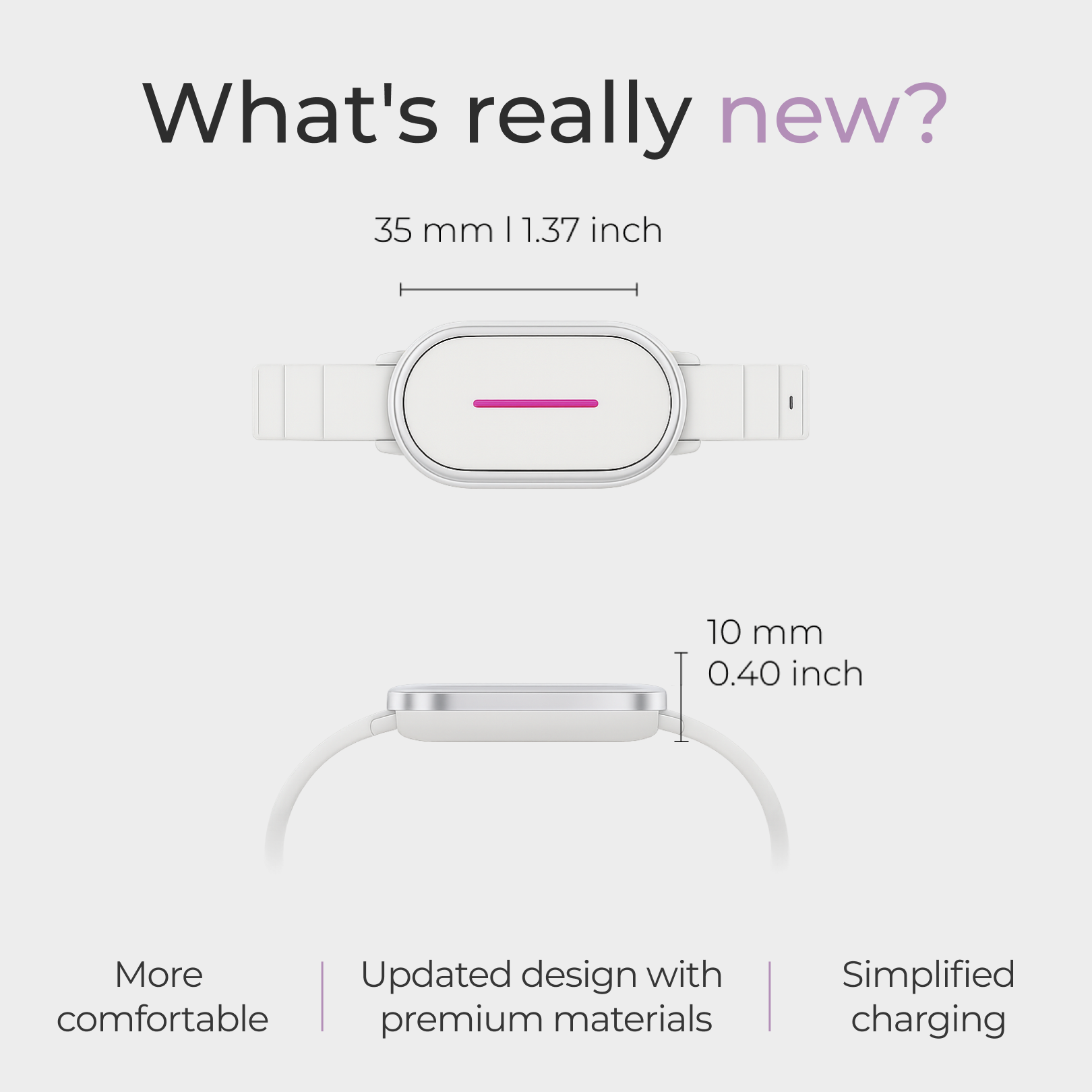
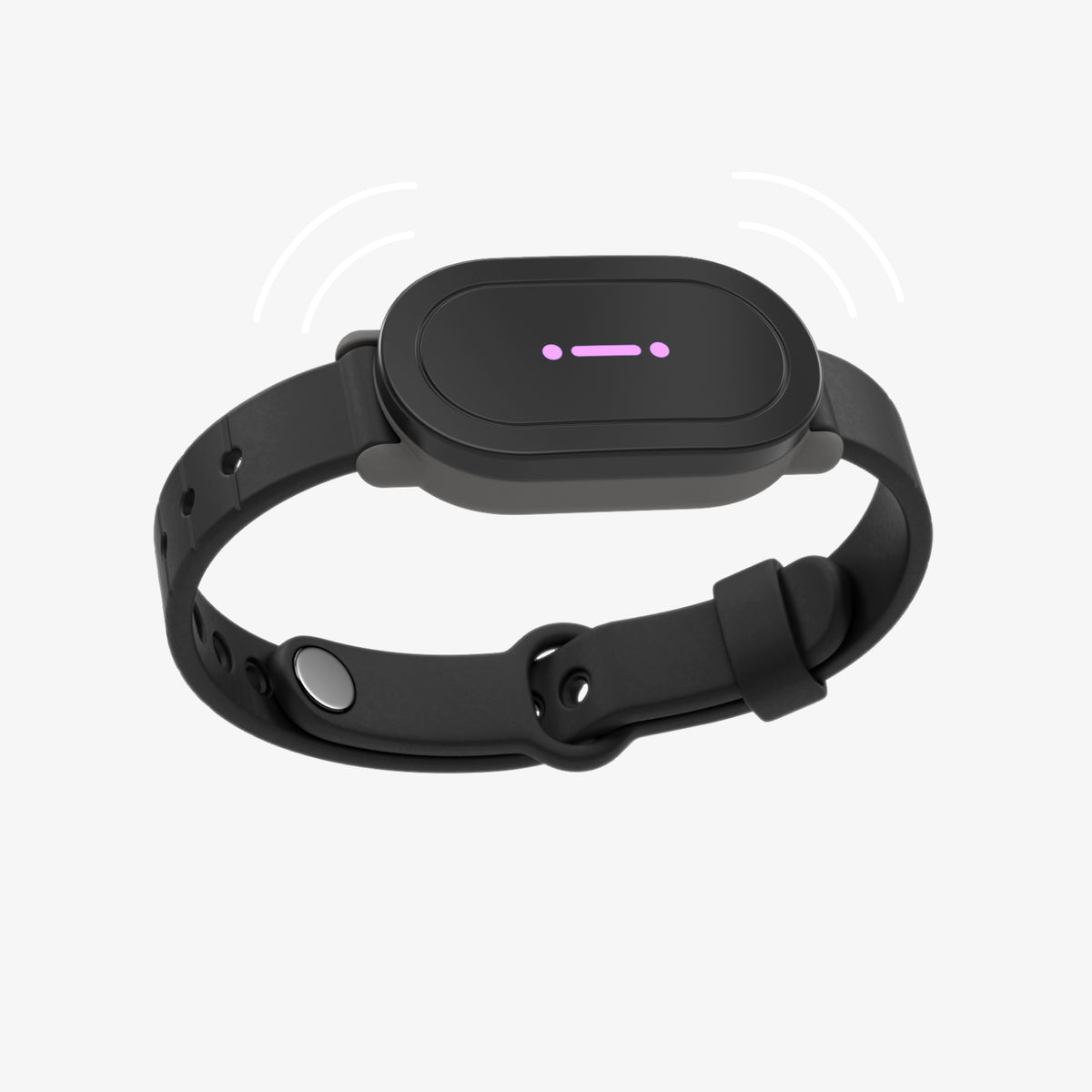
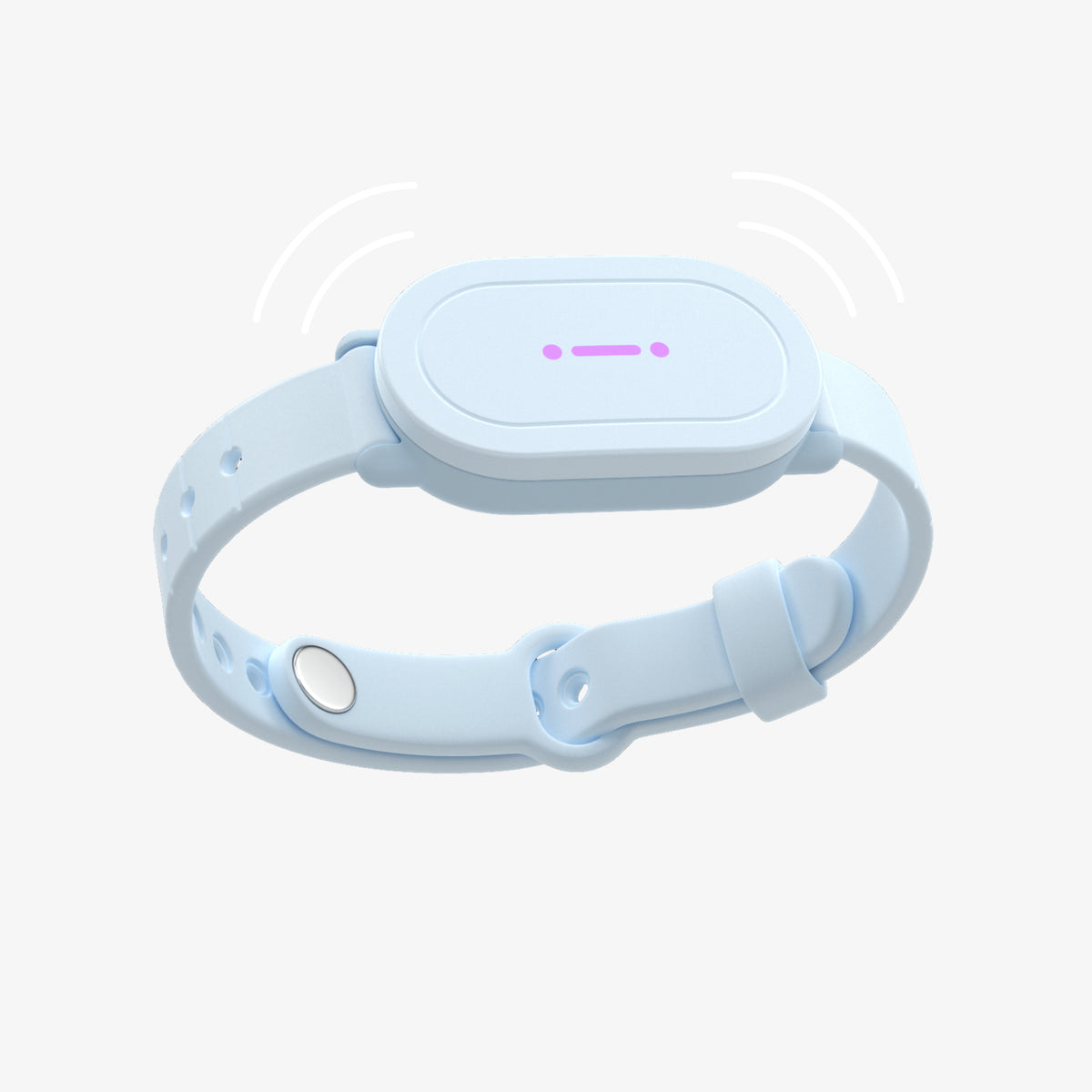
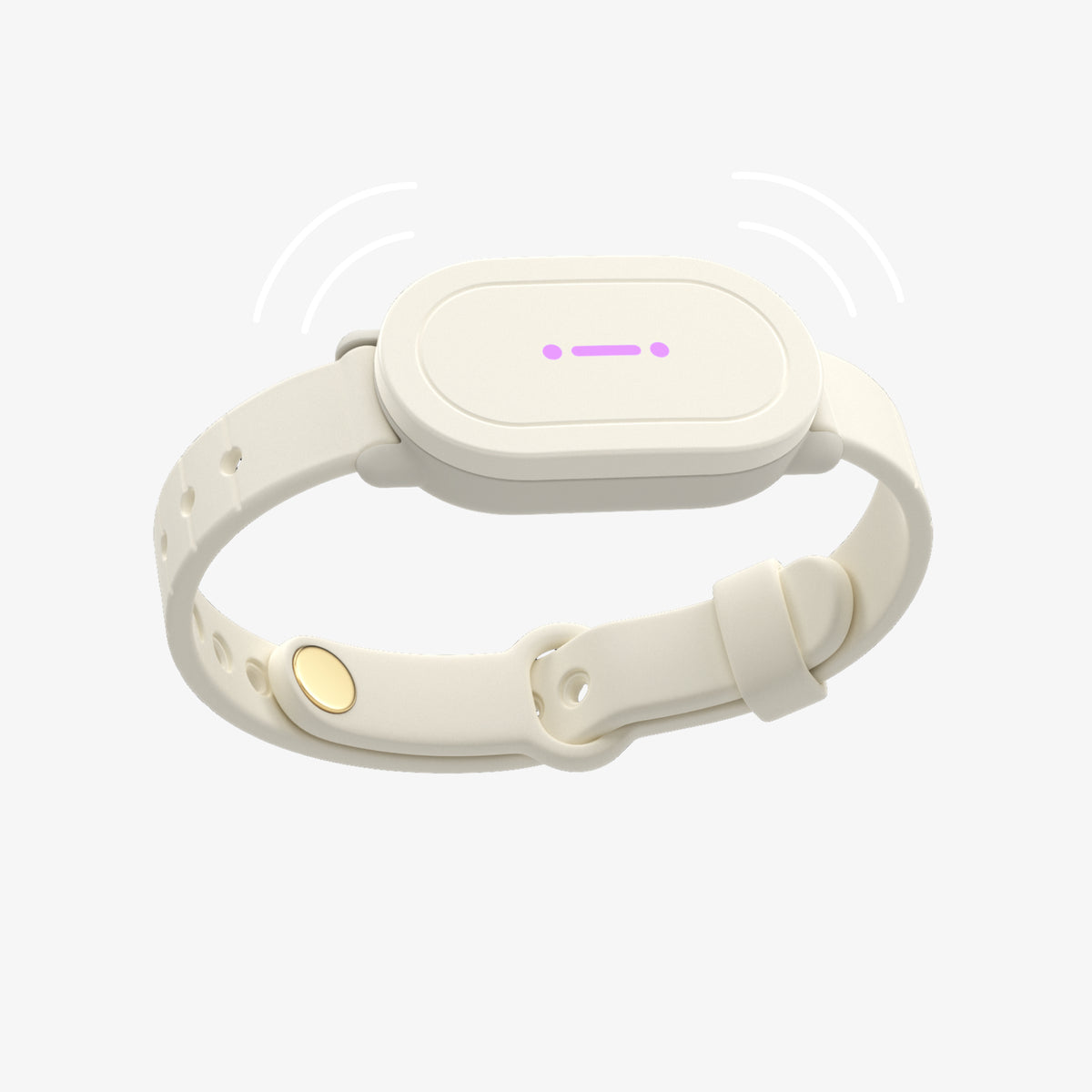
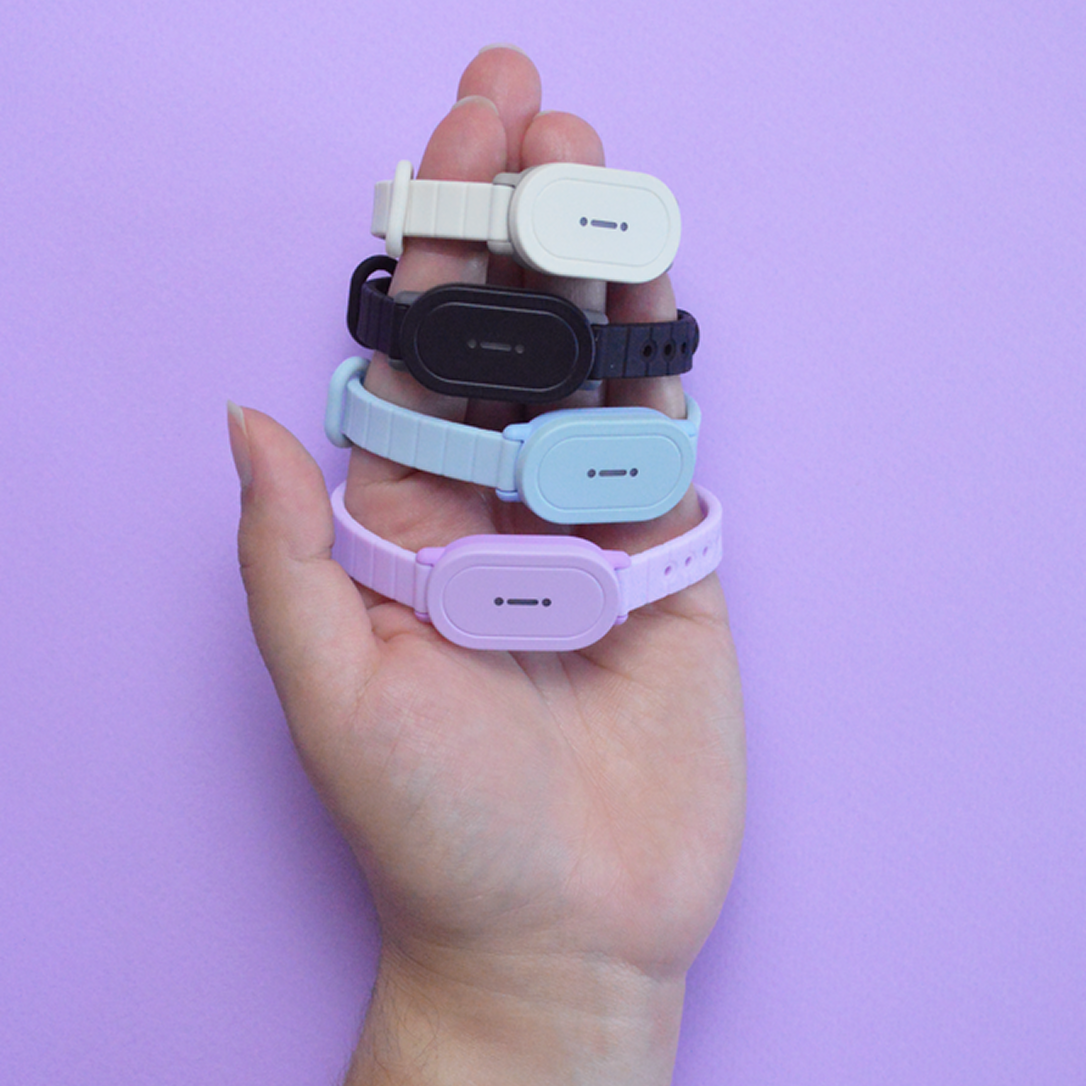
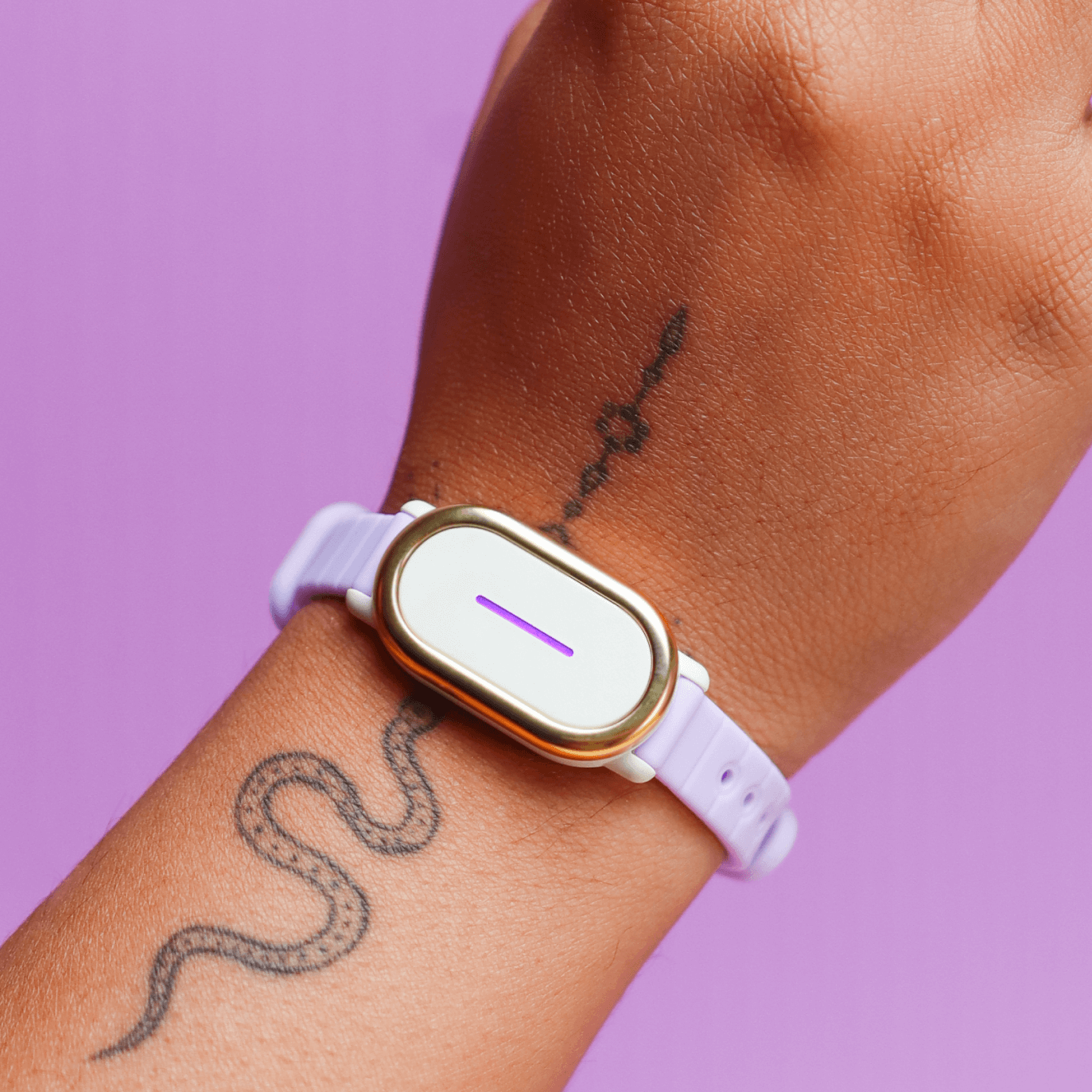
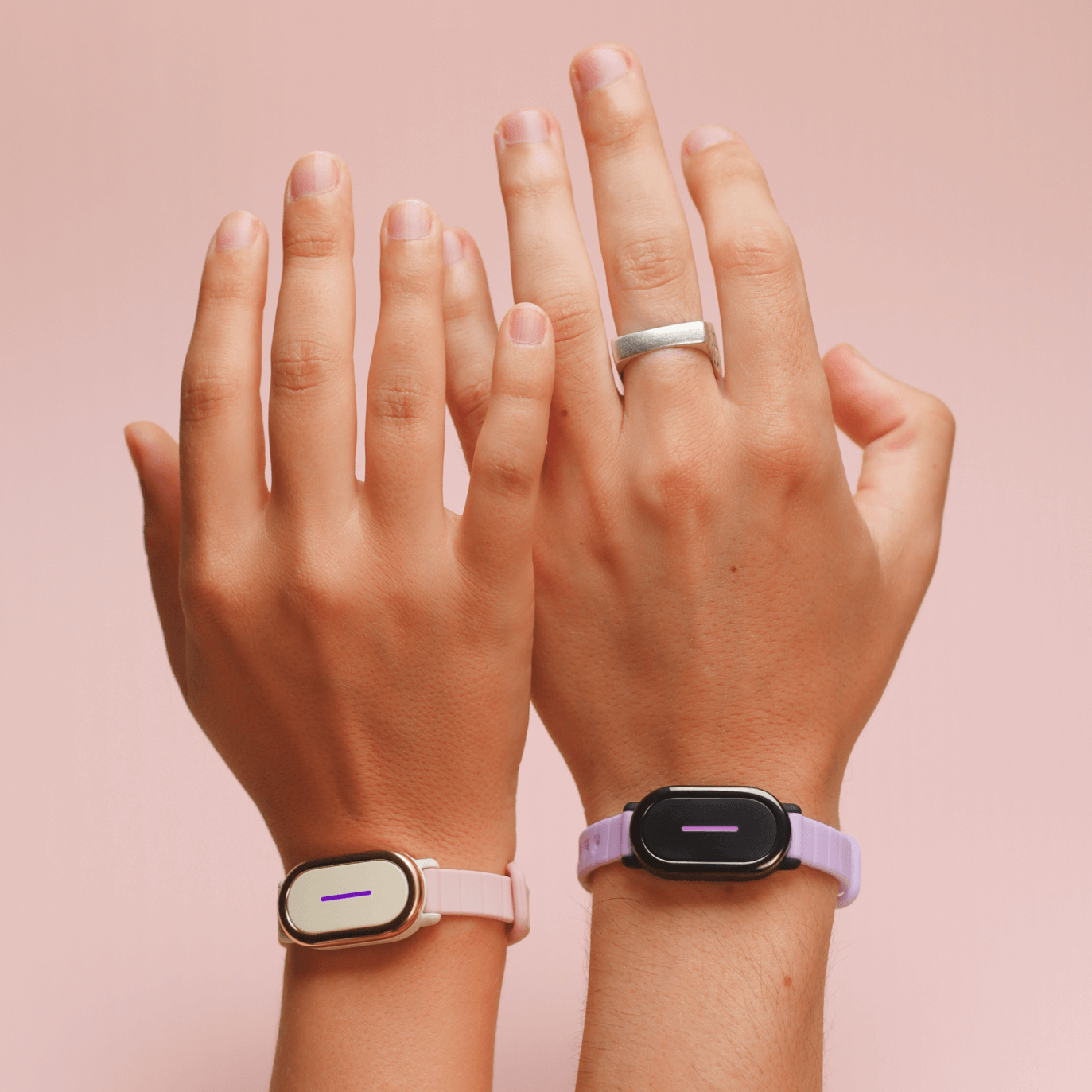
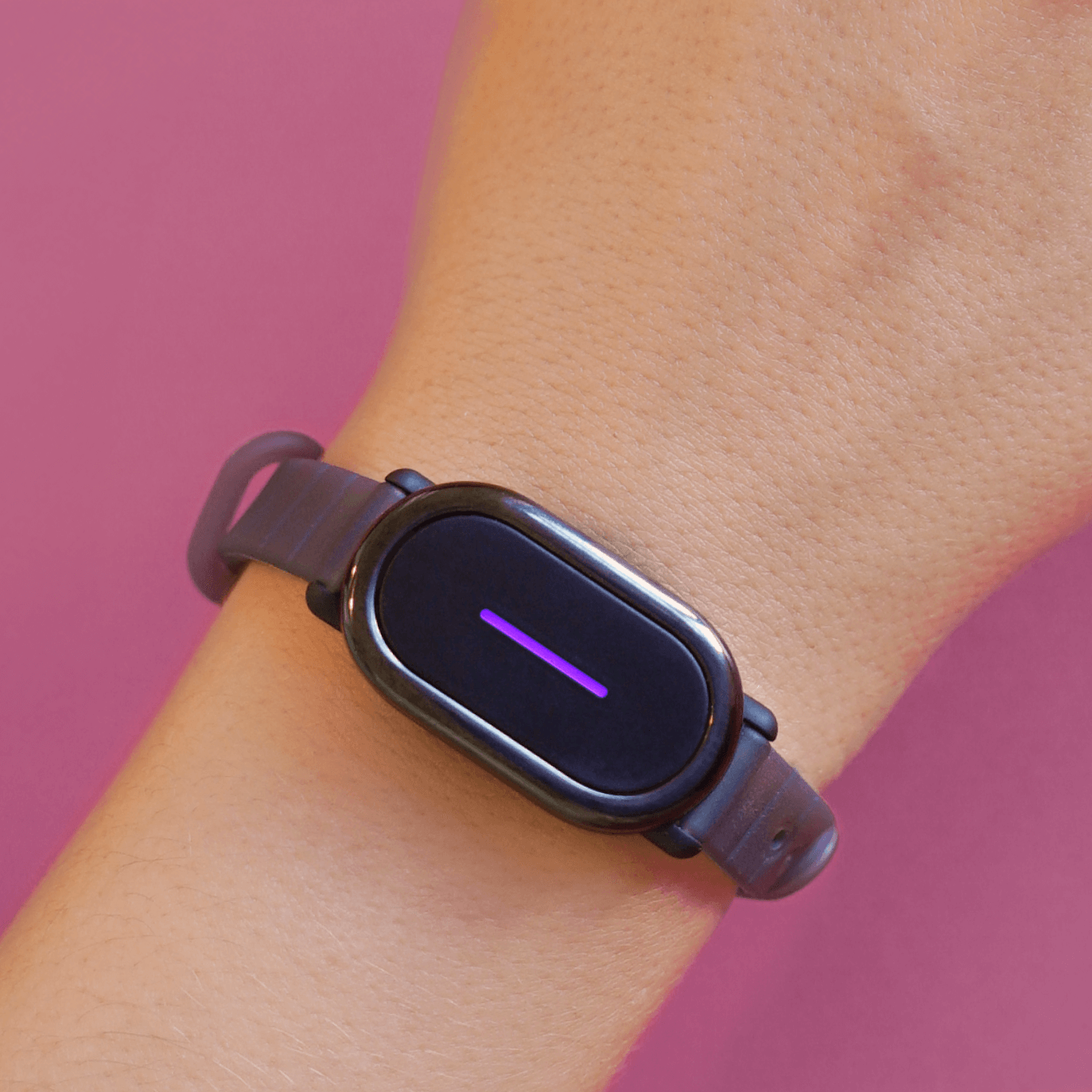
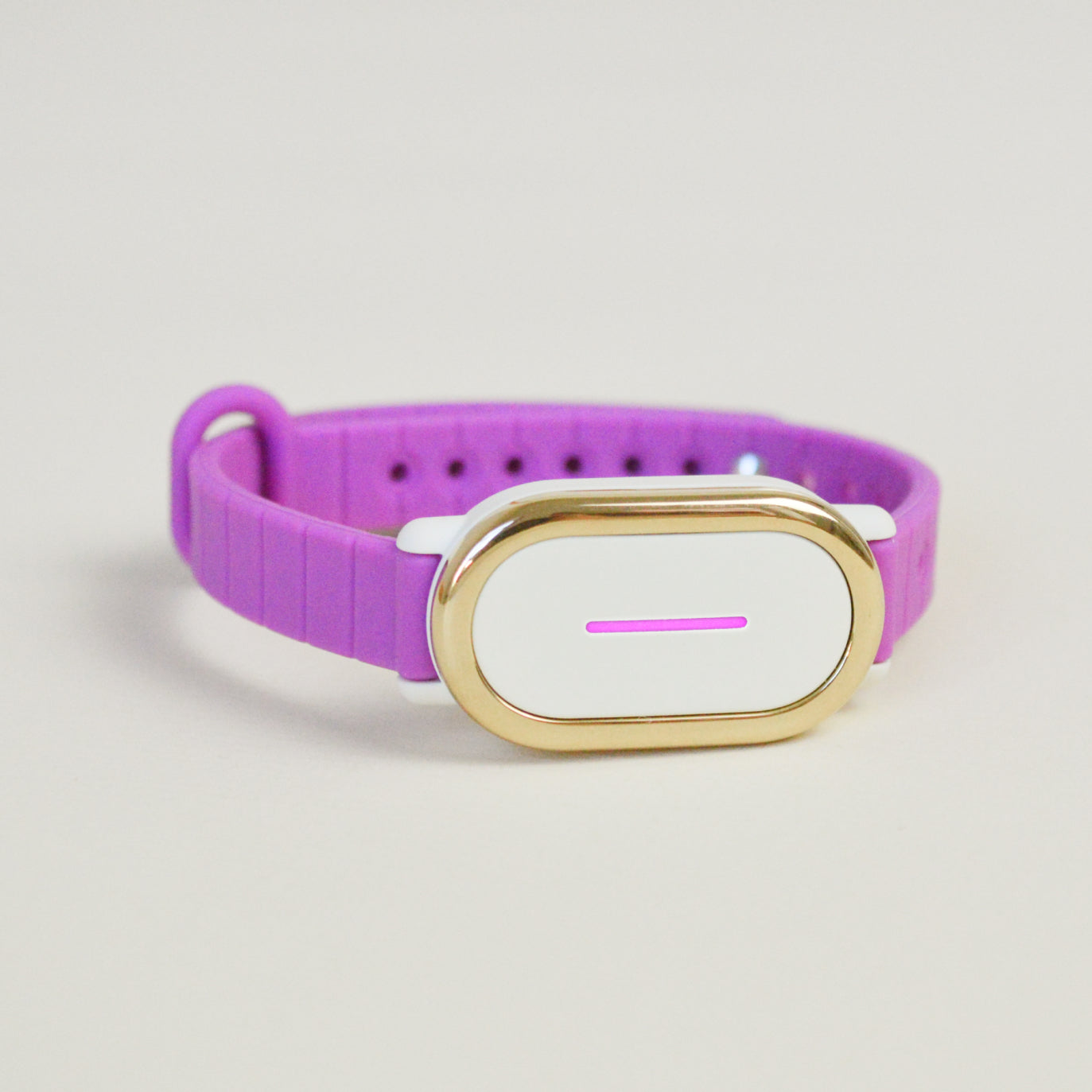
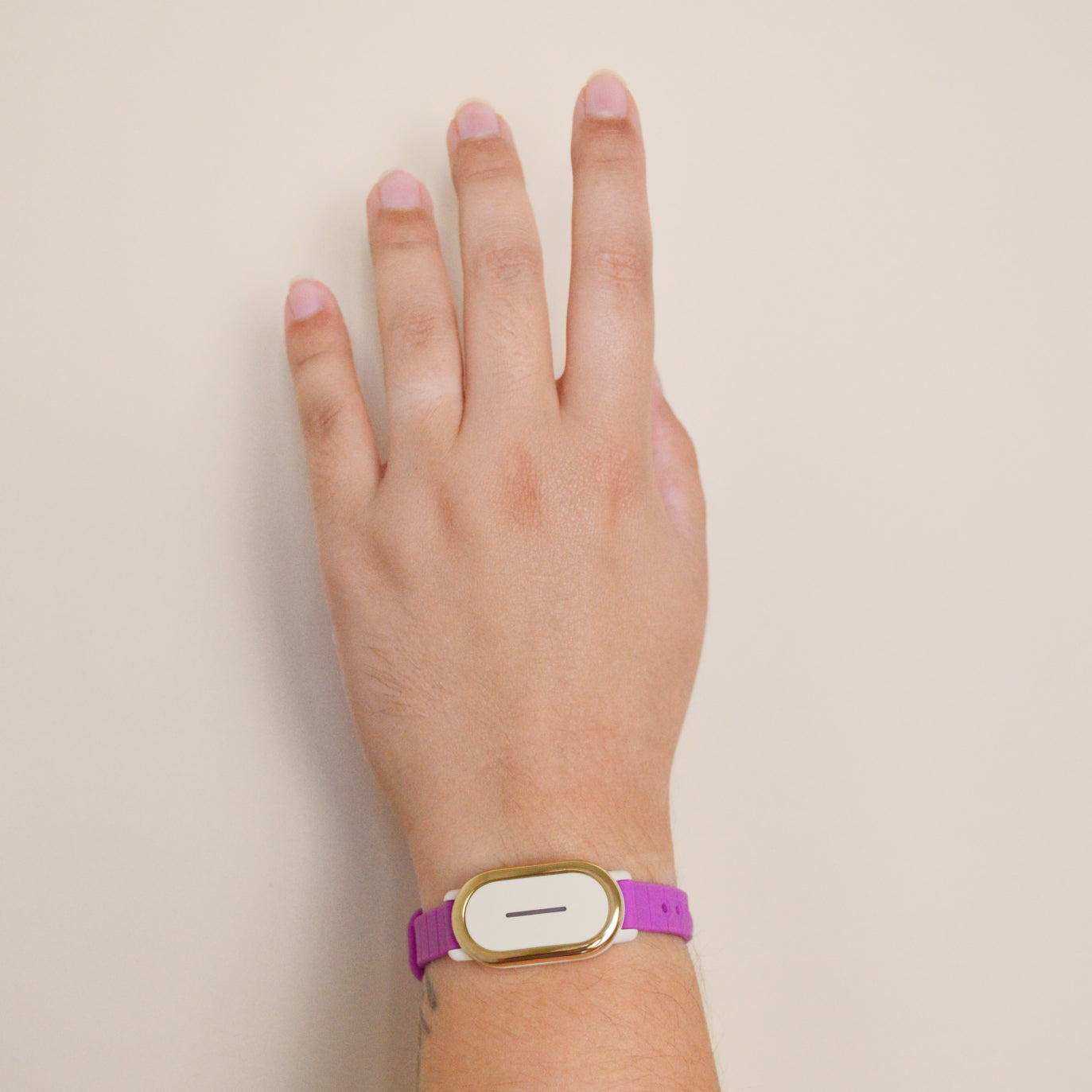
Thanks for reading this! FYI, The Other Half is brought to you by Bond Touch: the brand that has been helping build healthier and happier relationships through emotional wearables since 2017. Connecting over 1 million people globally so far and counting!
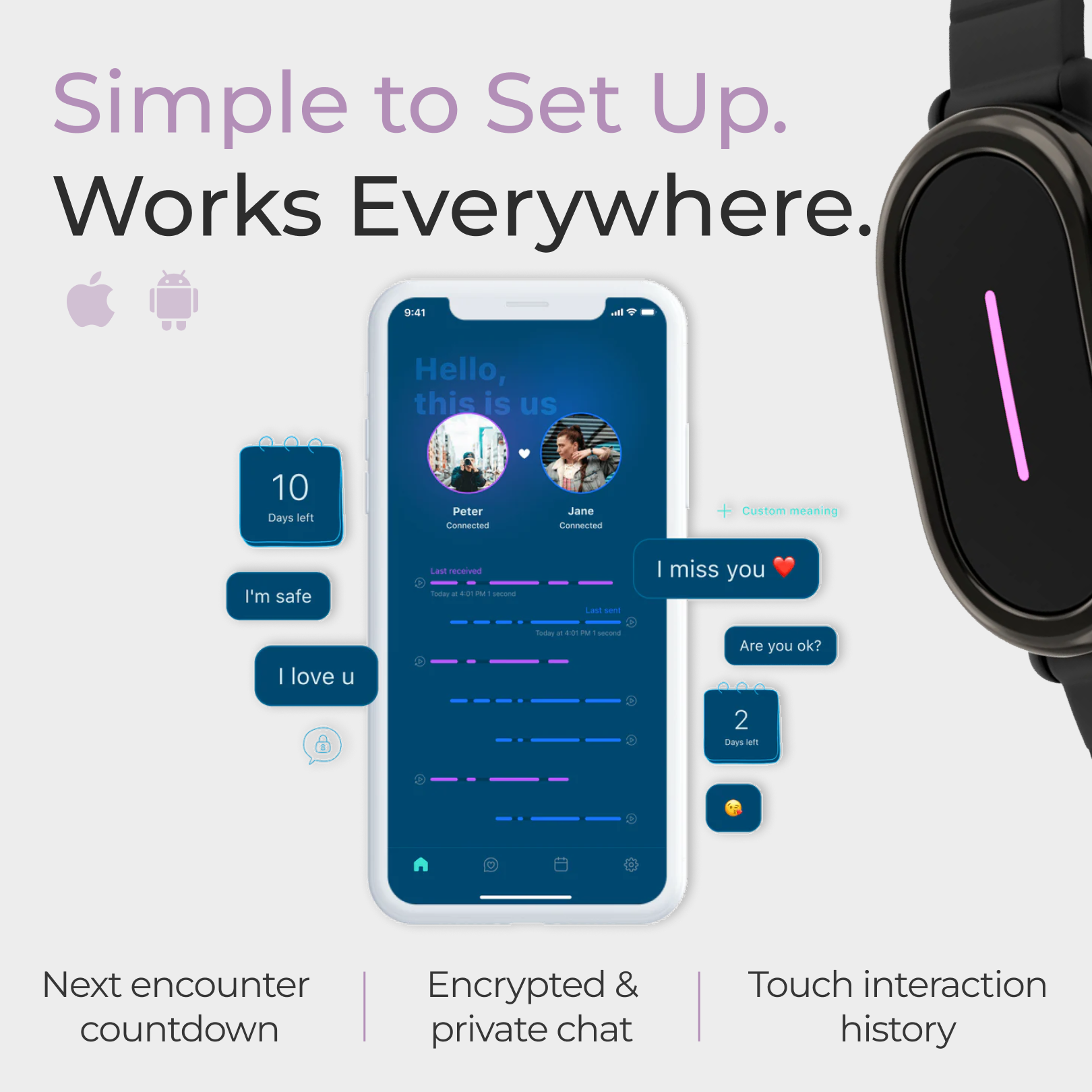
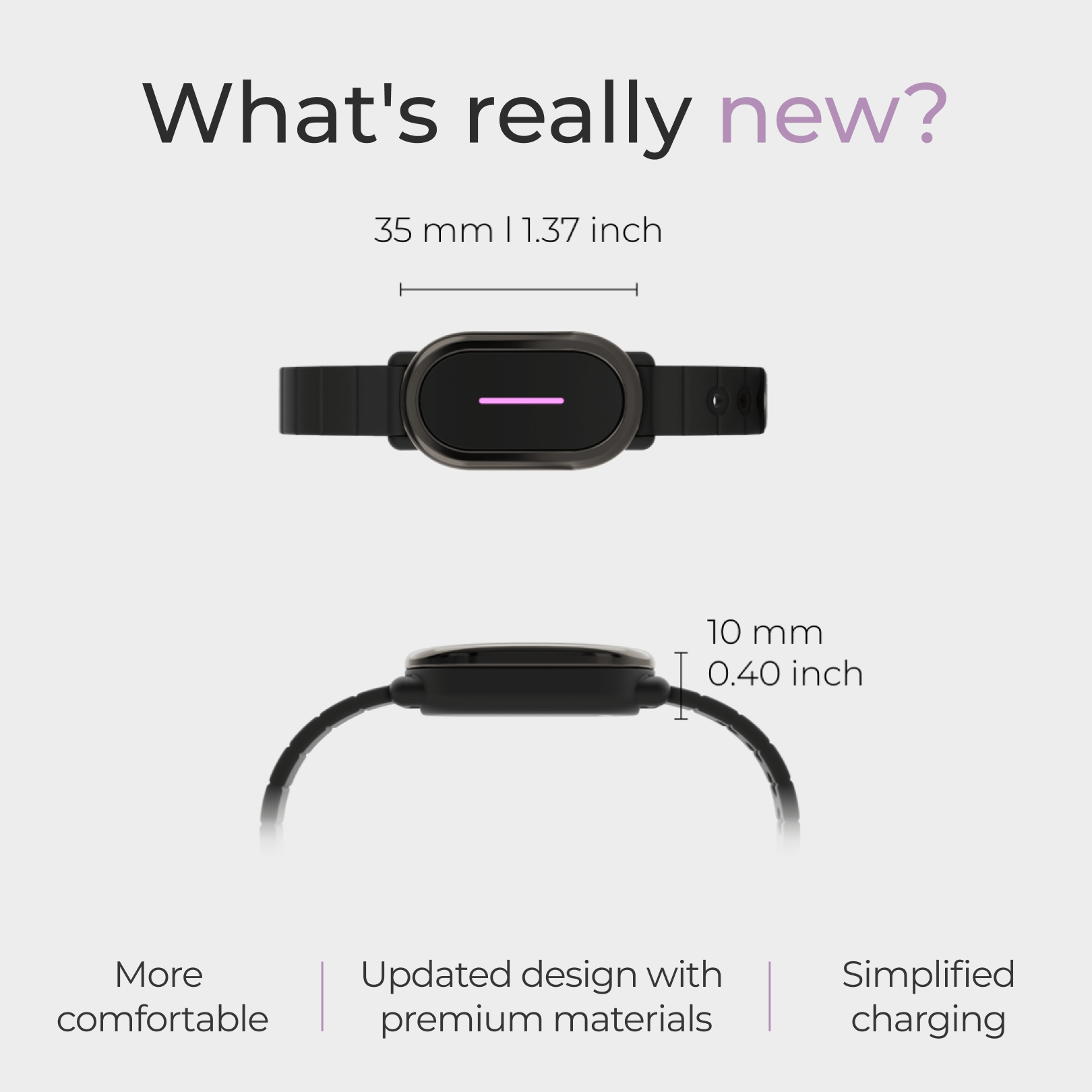
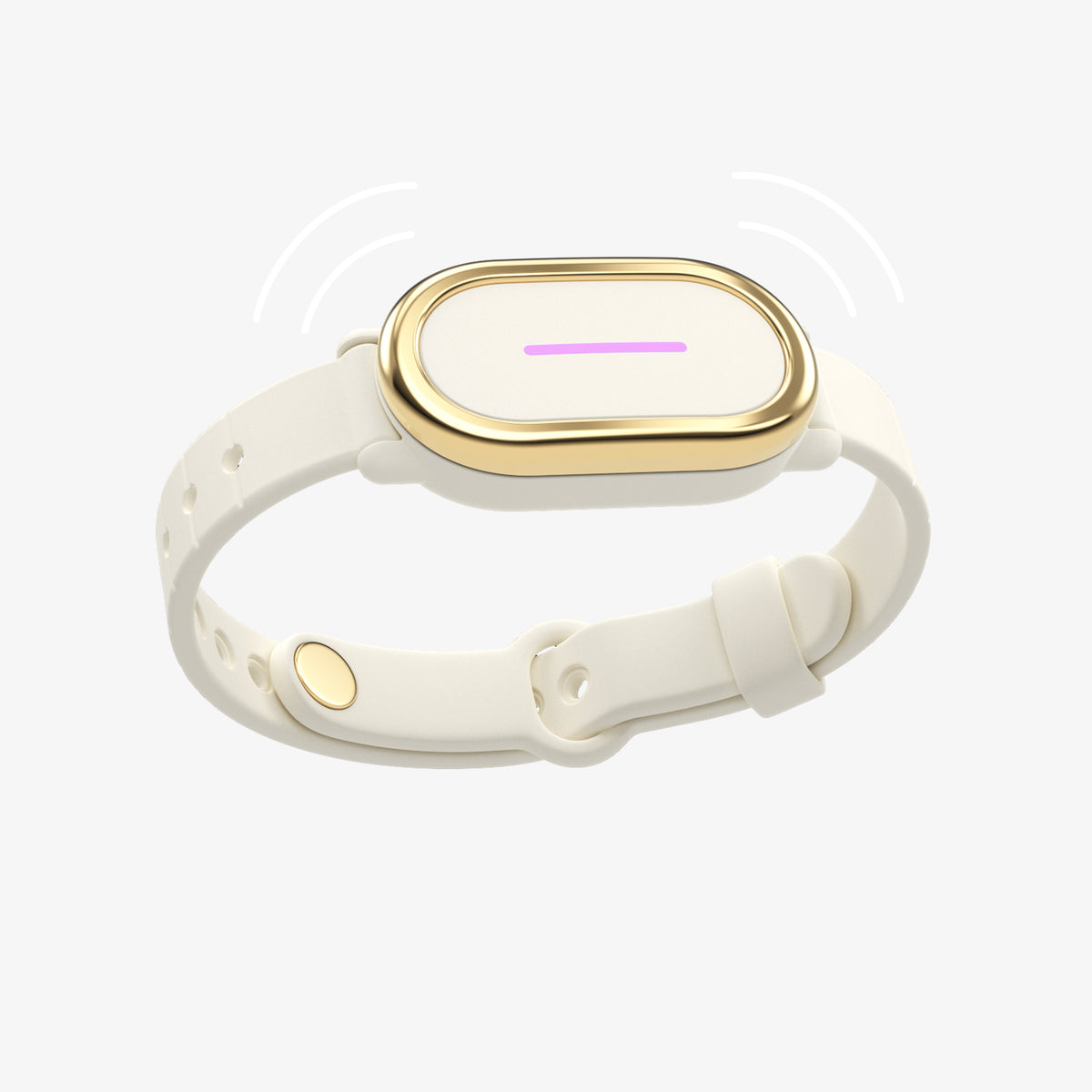
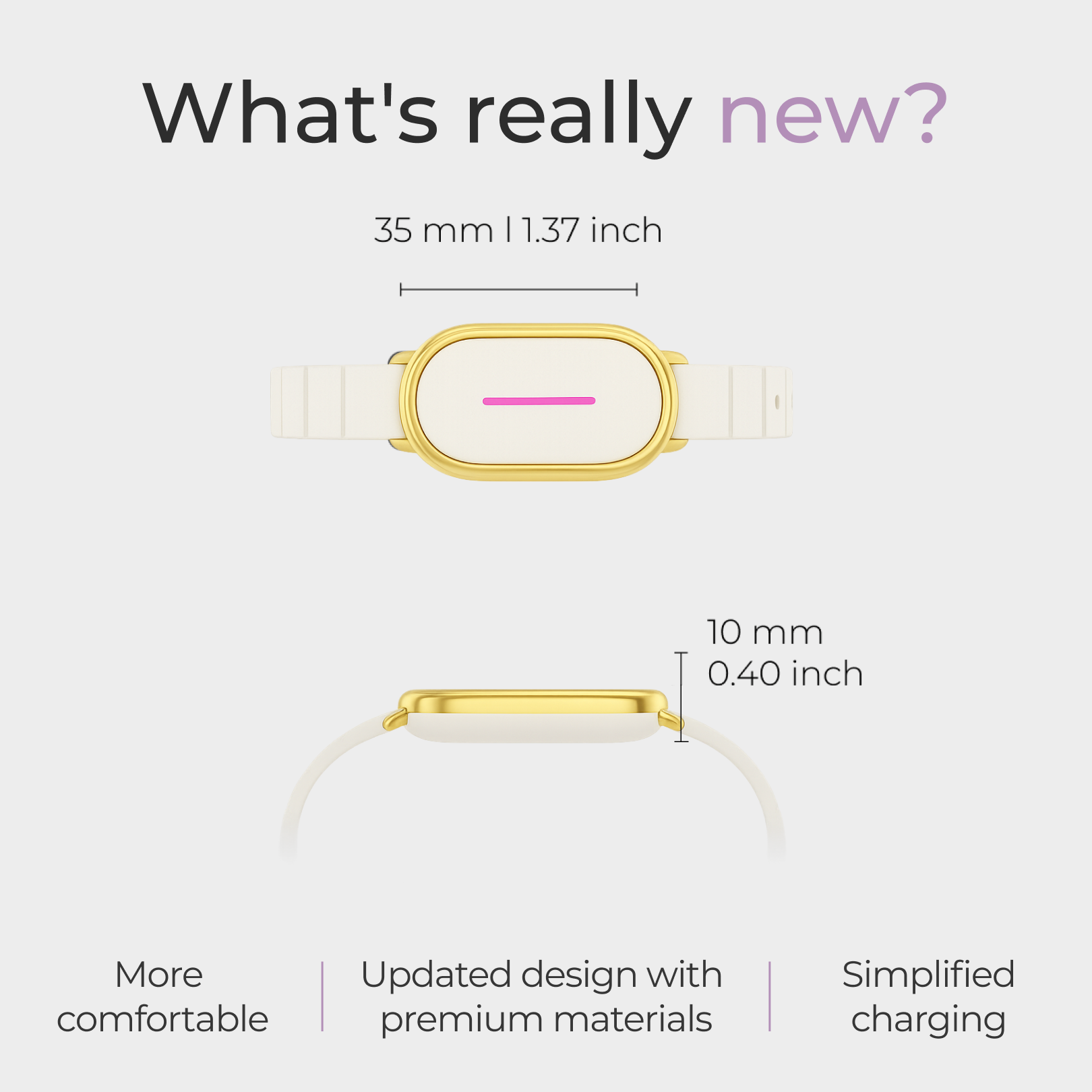
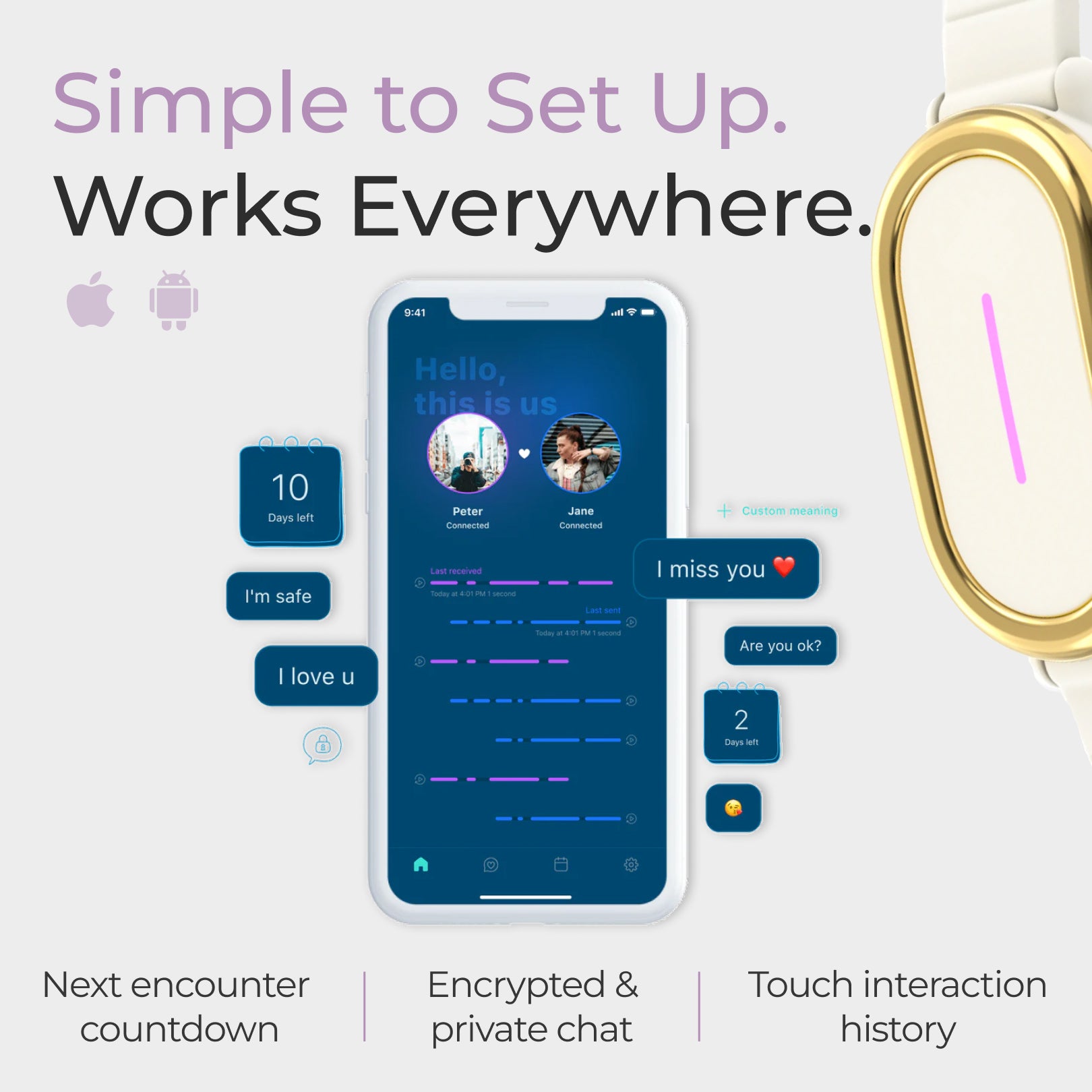
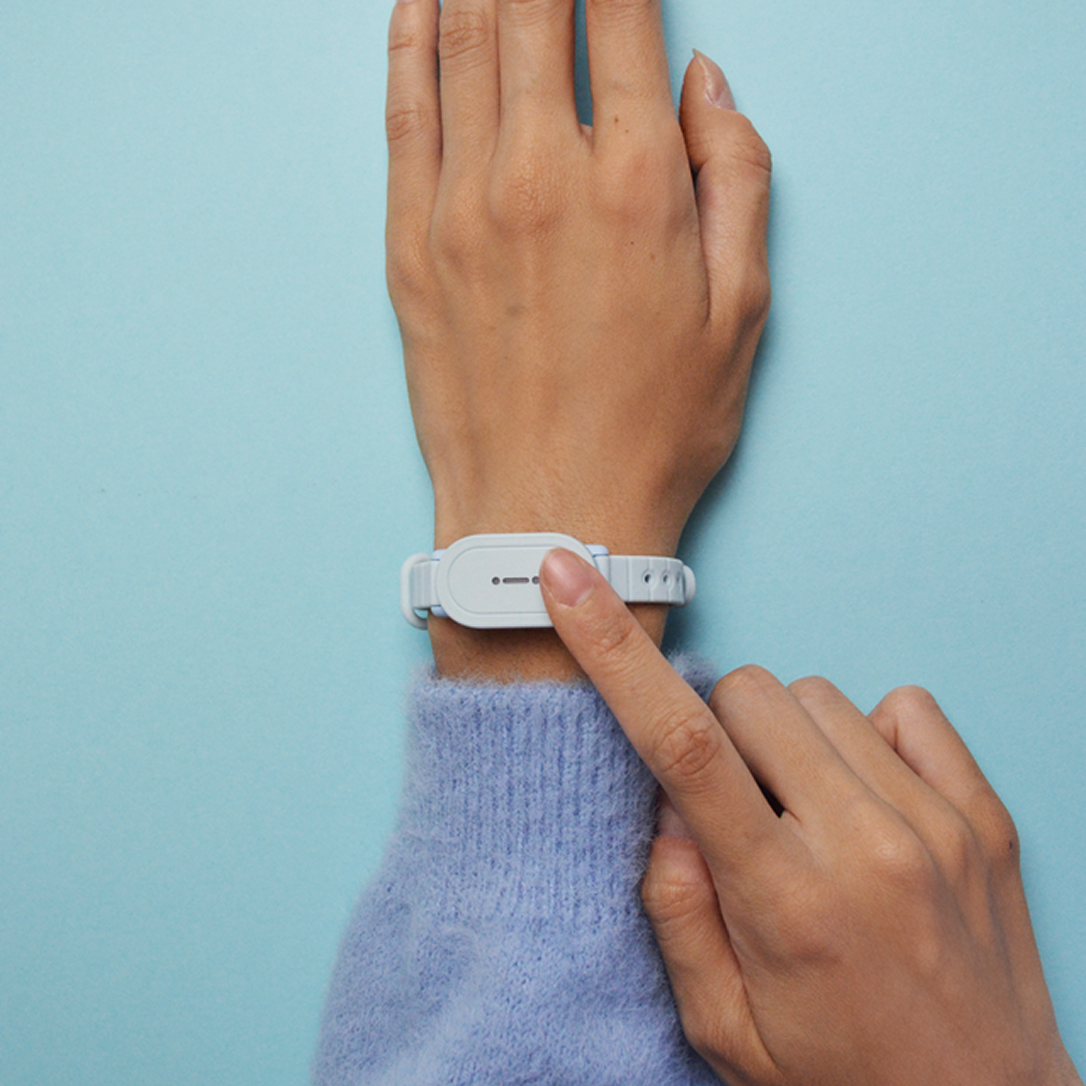
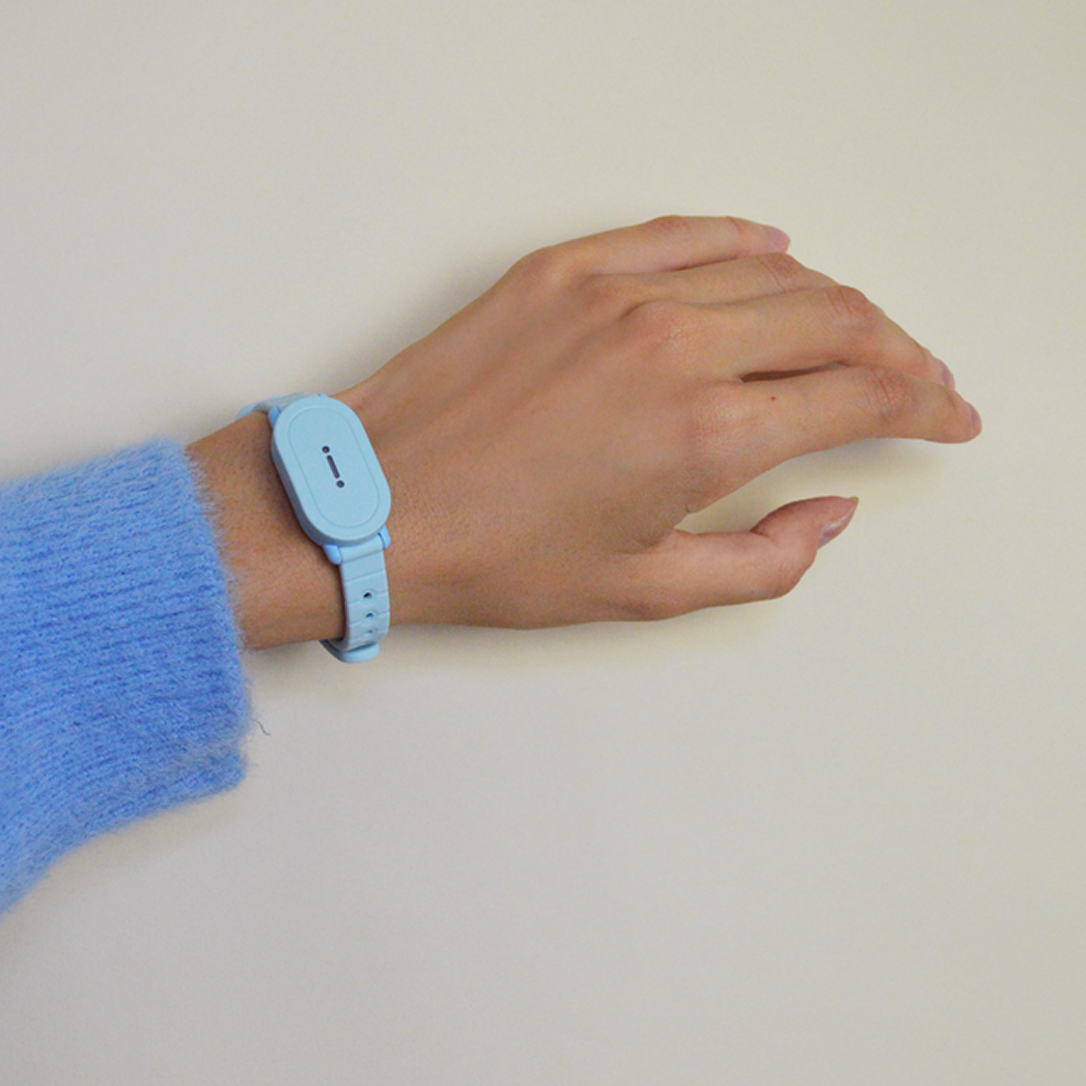
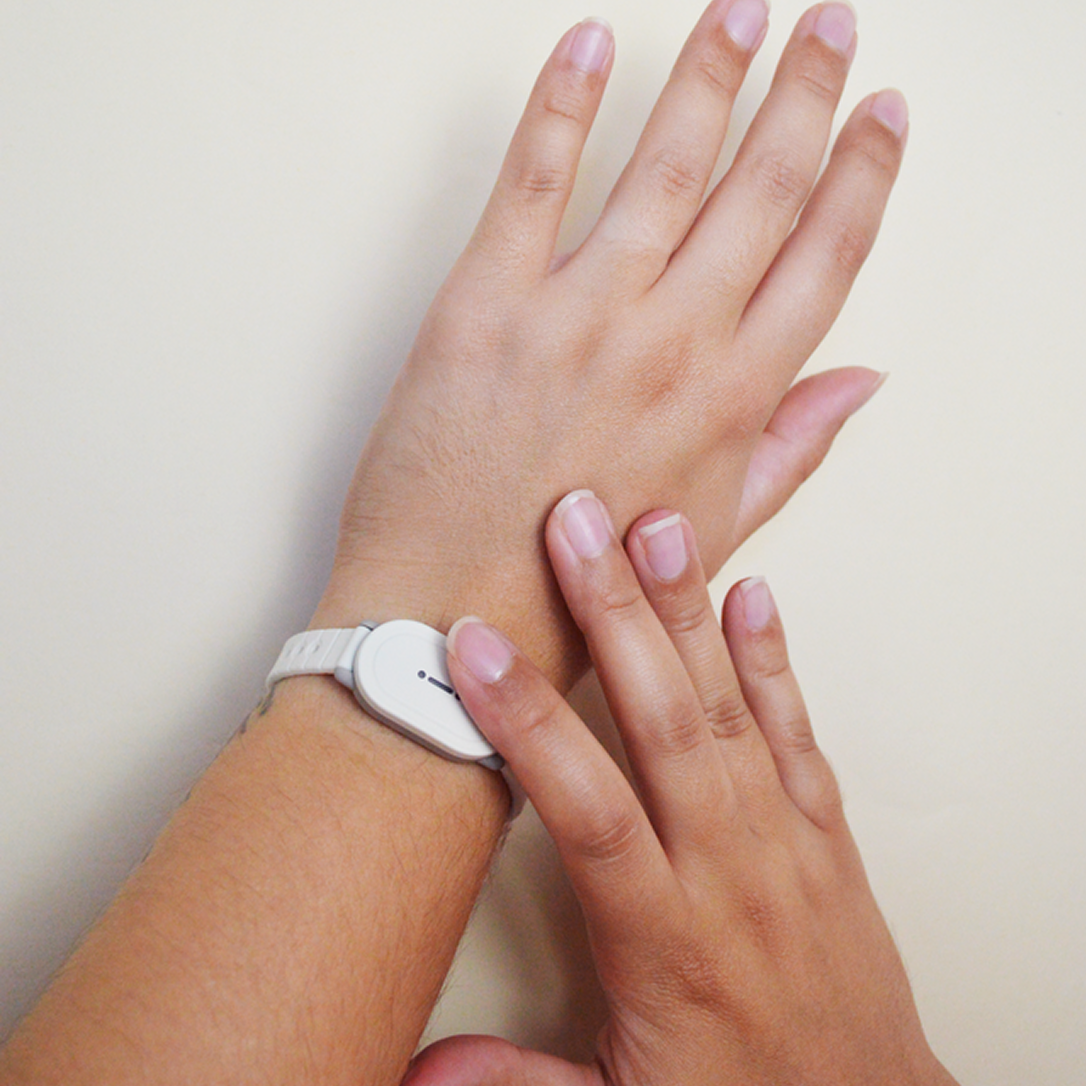
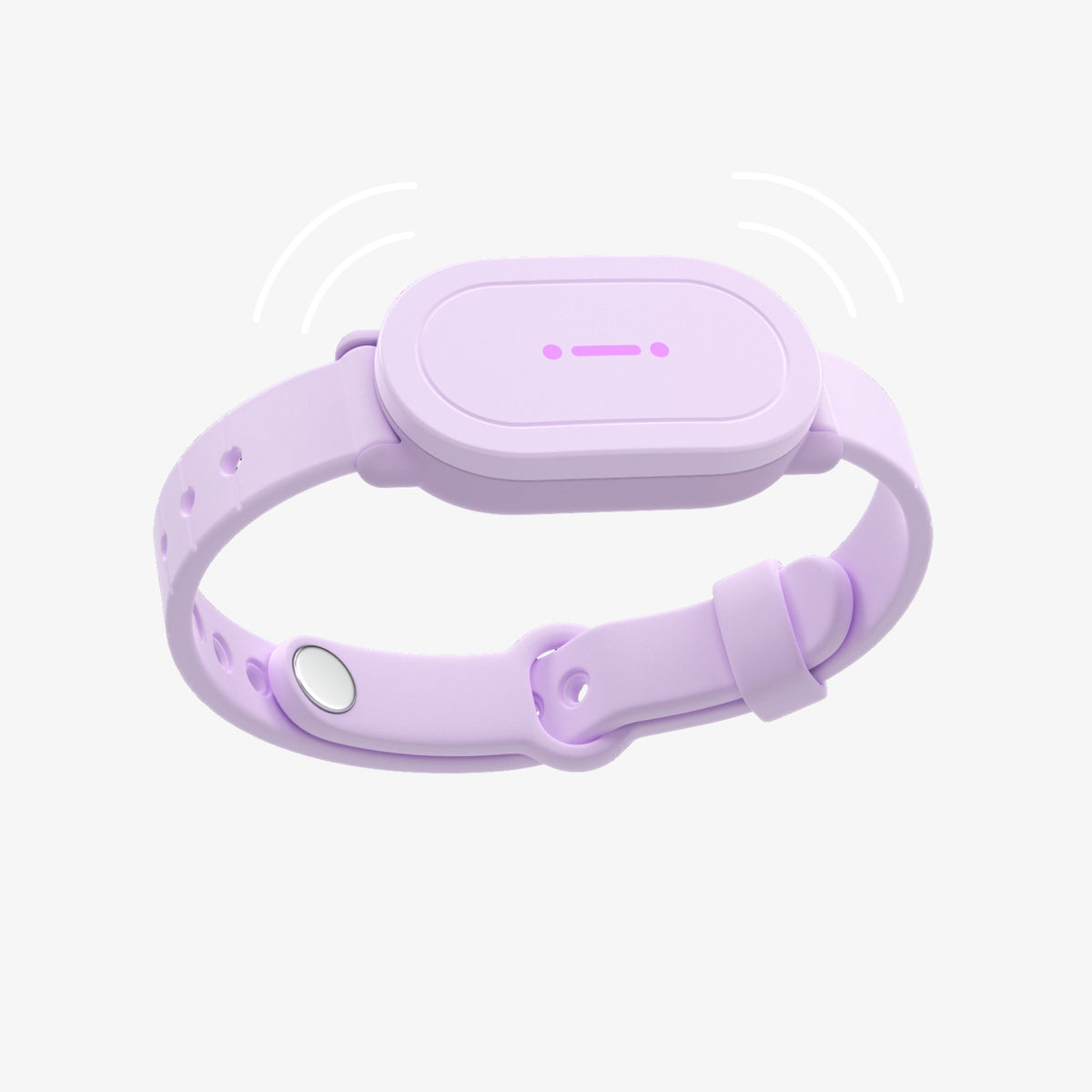
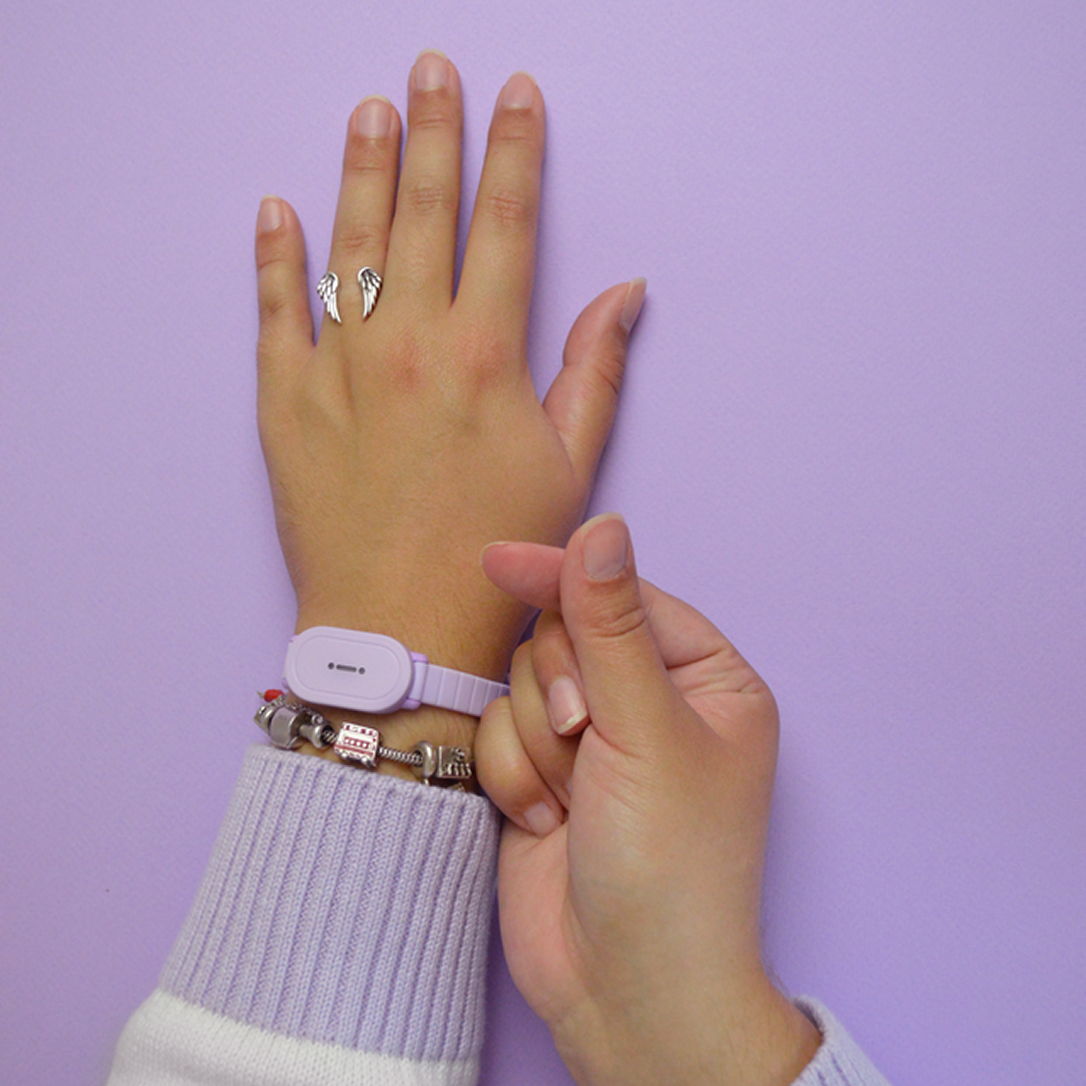
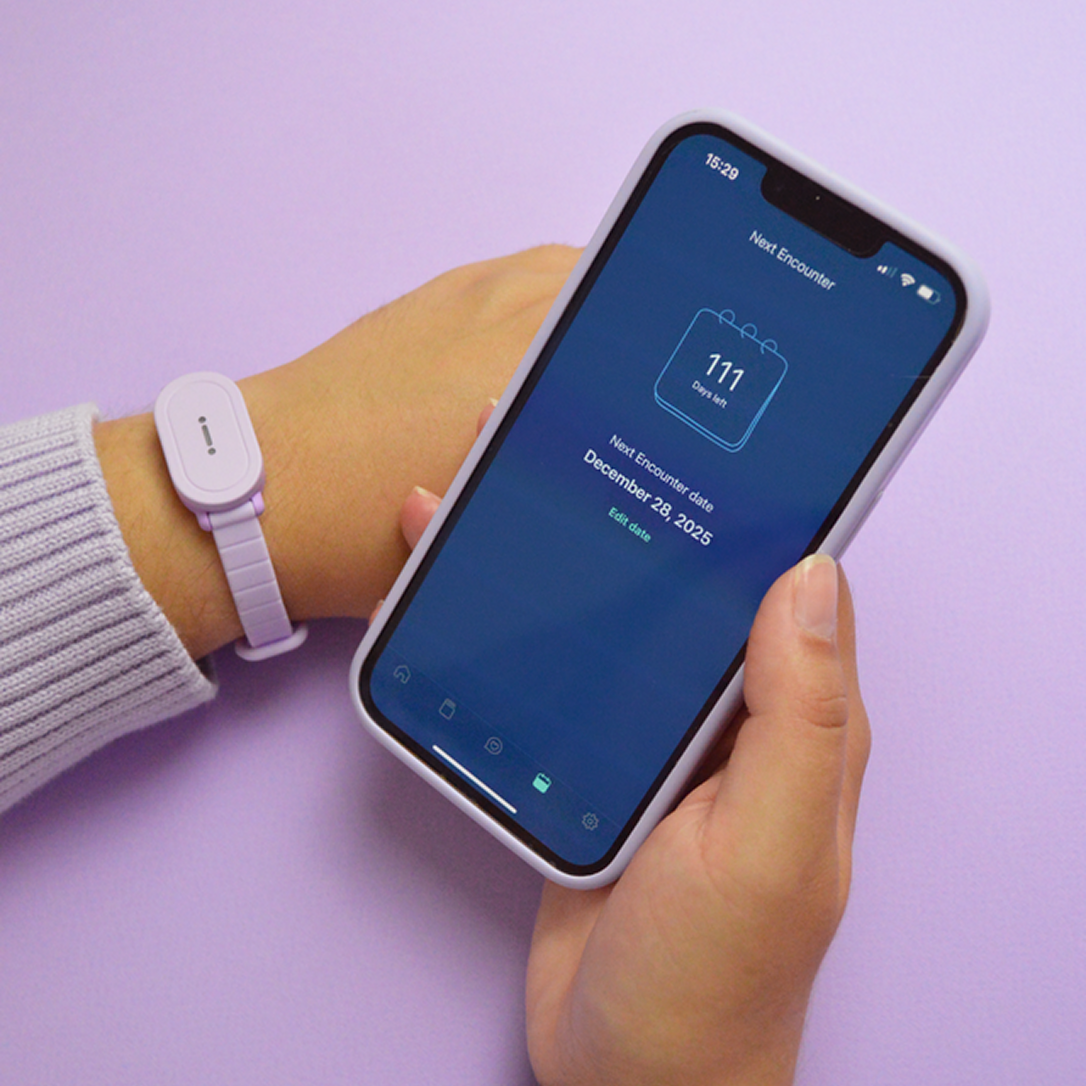
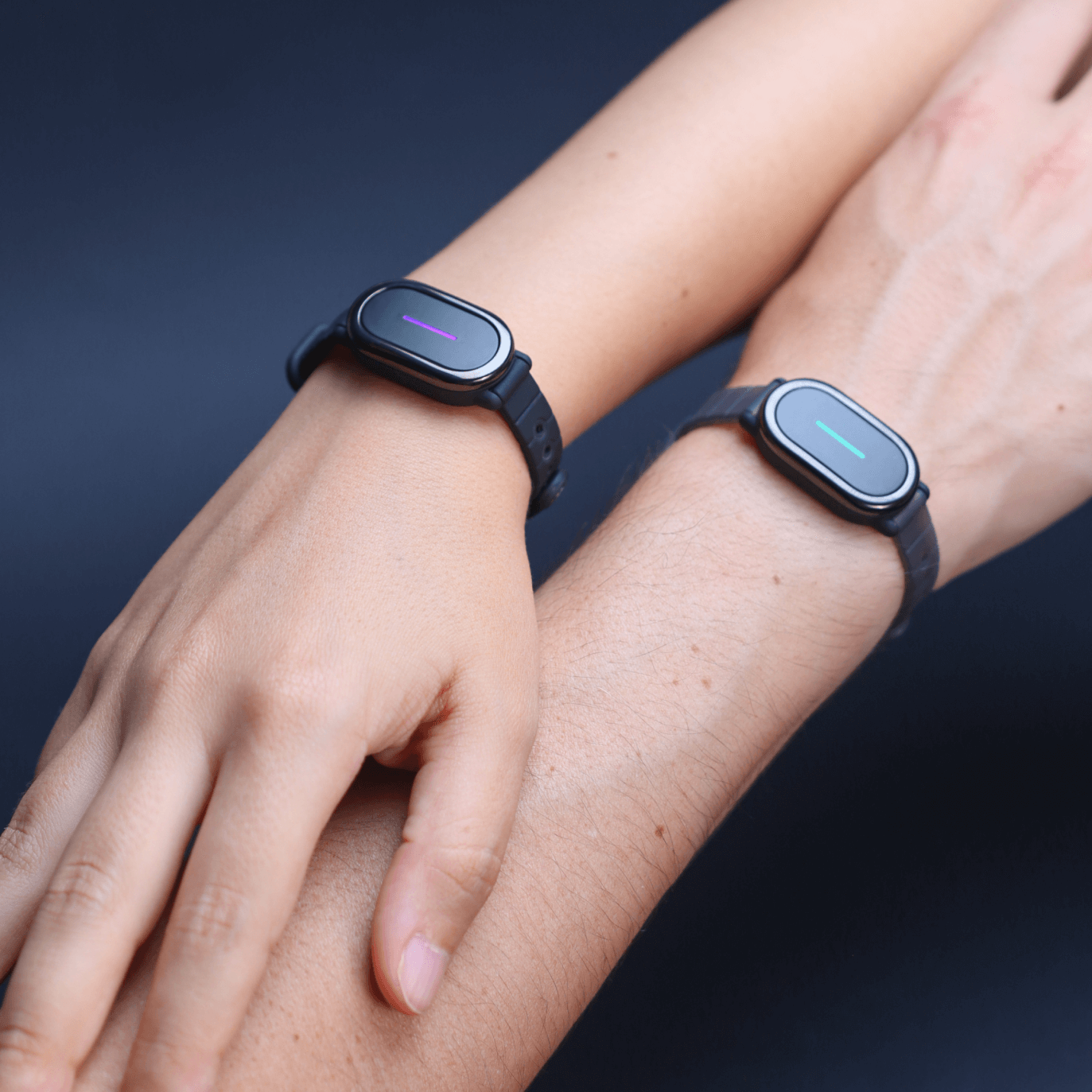
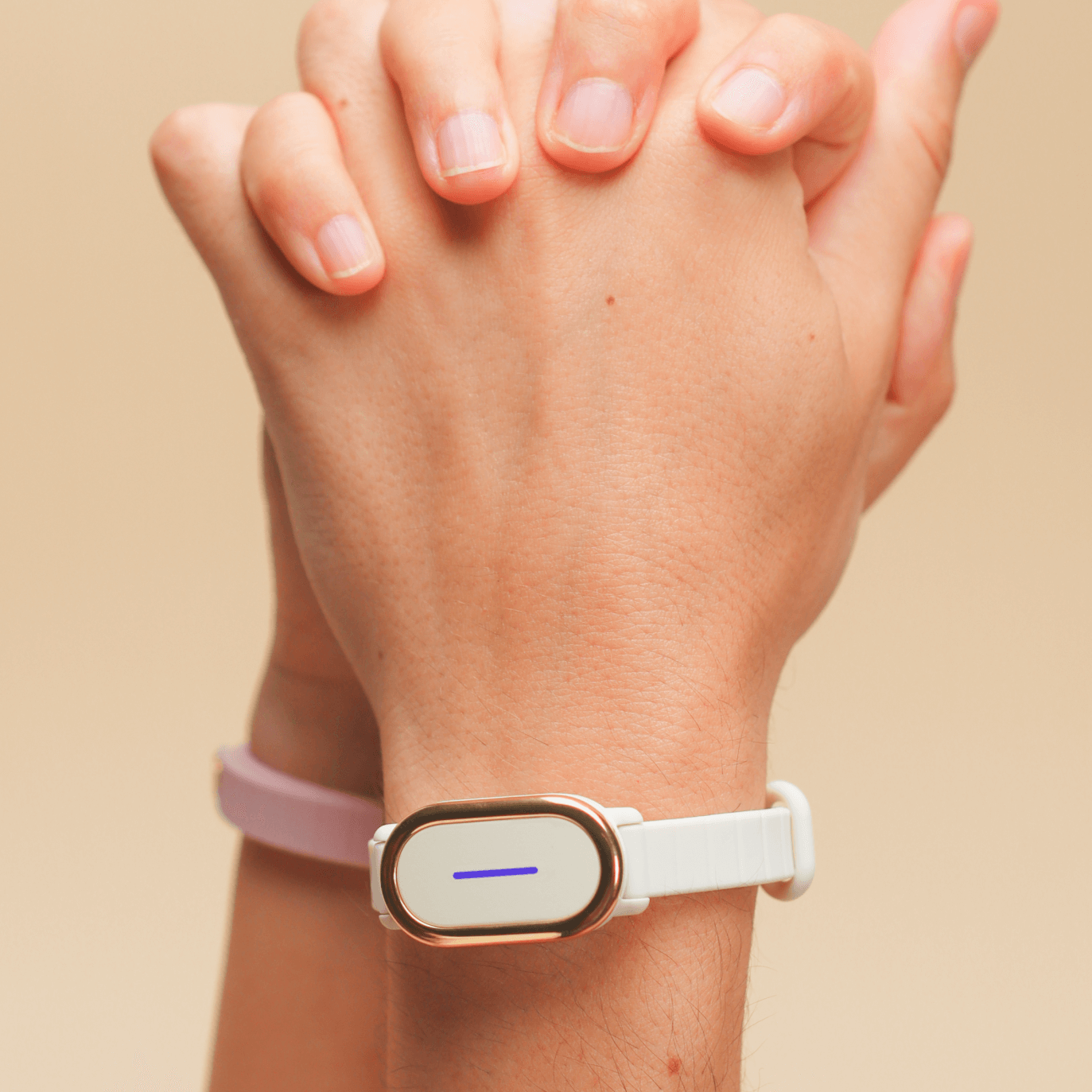
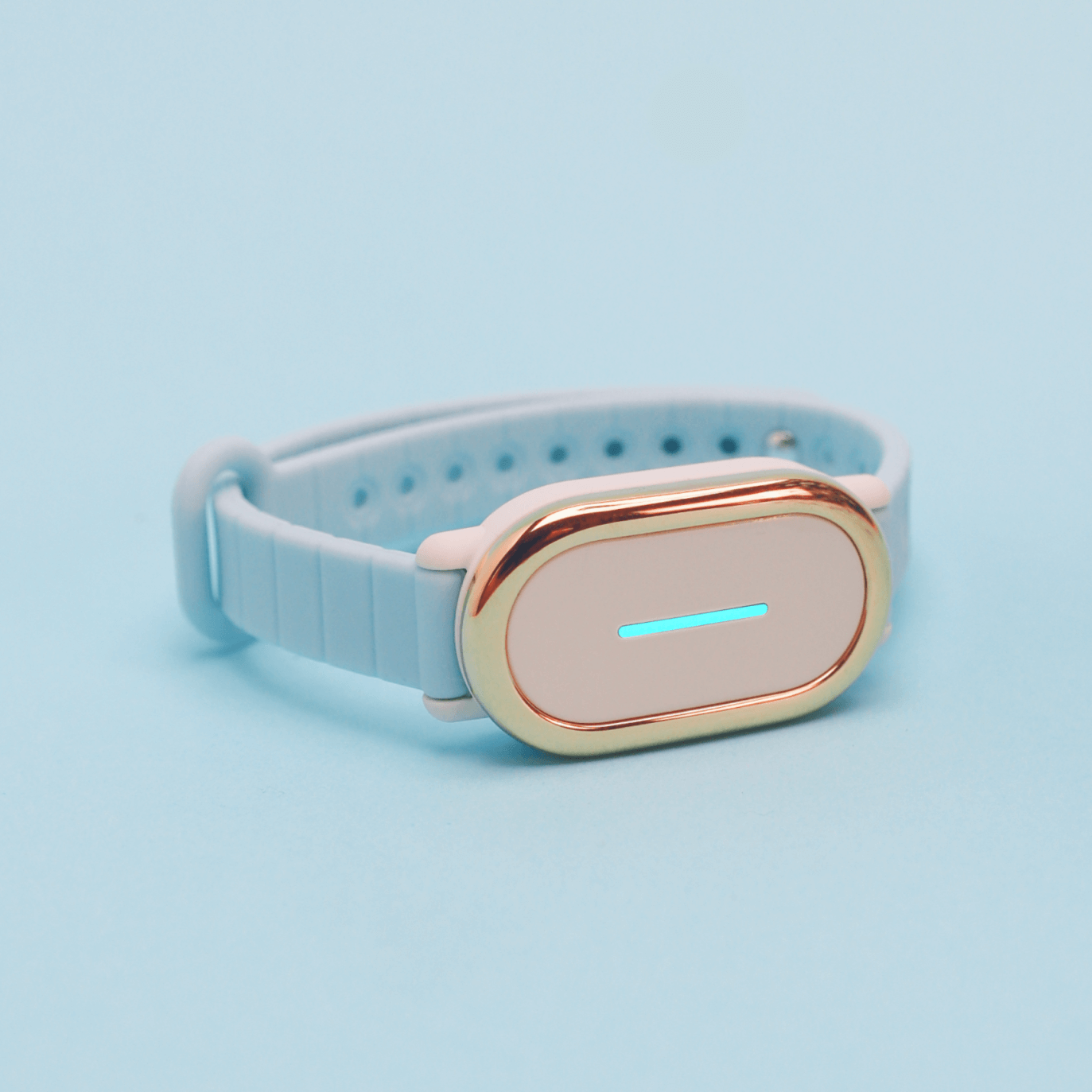
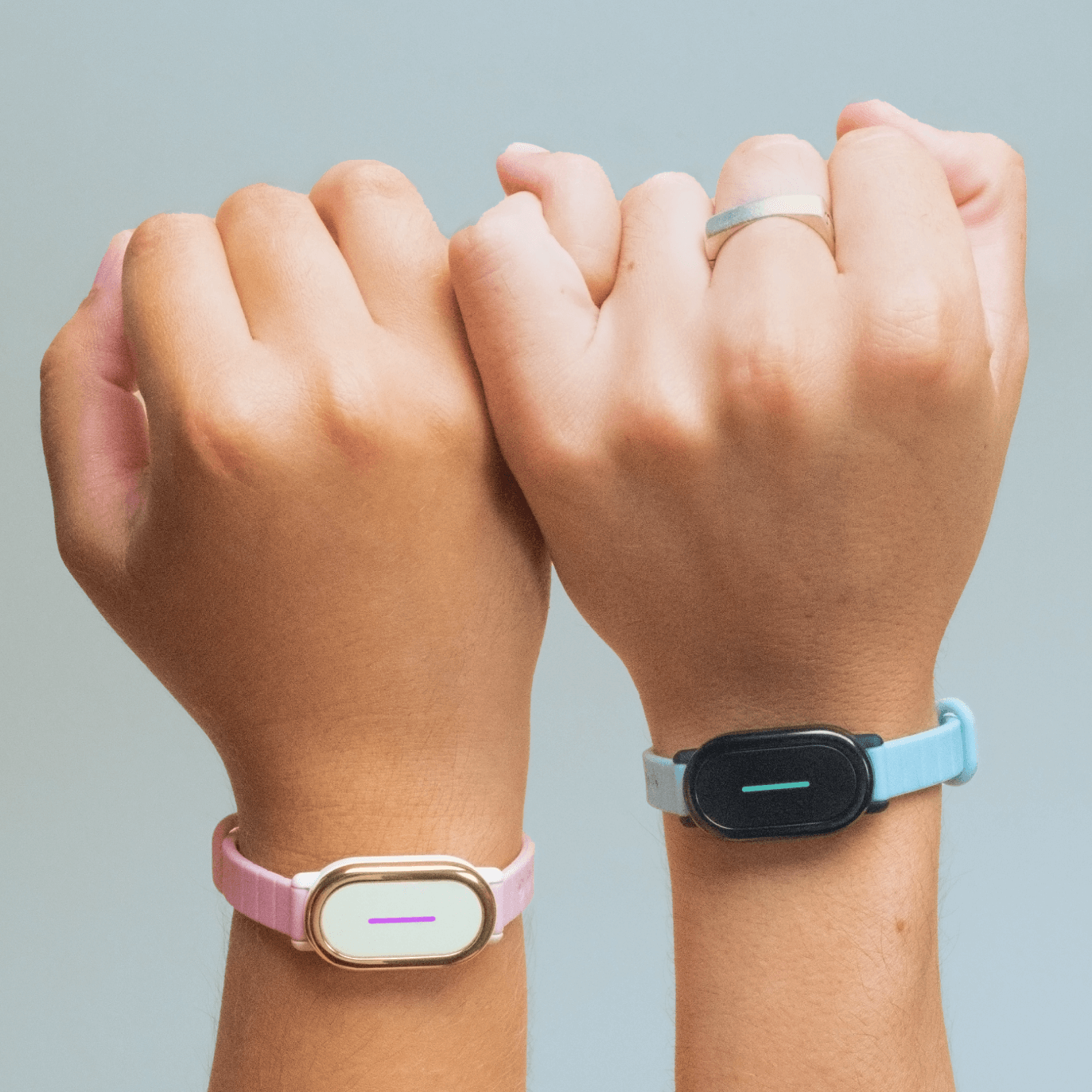
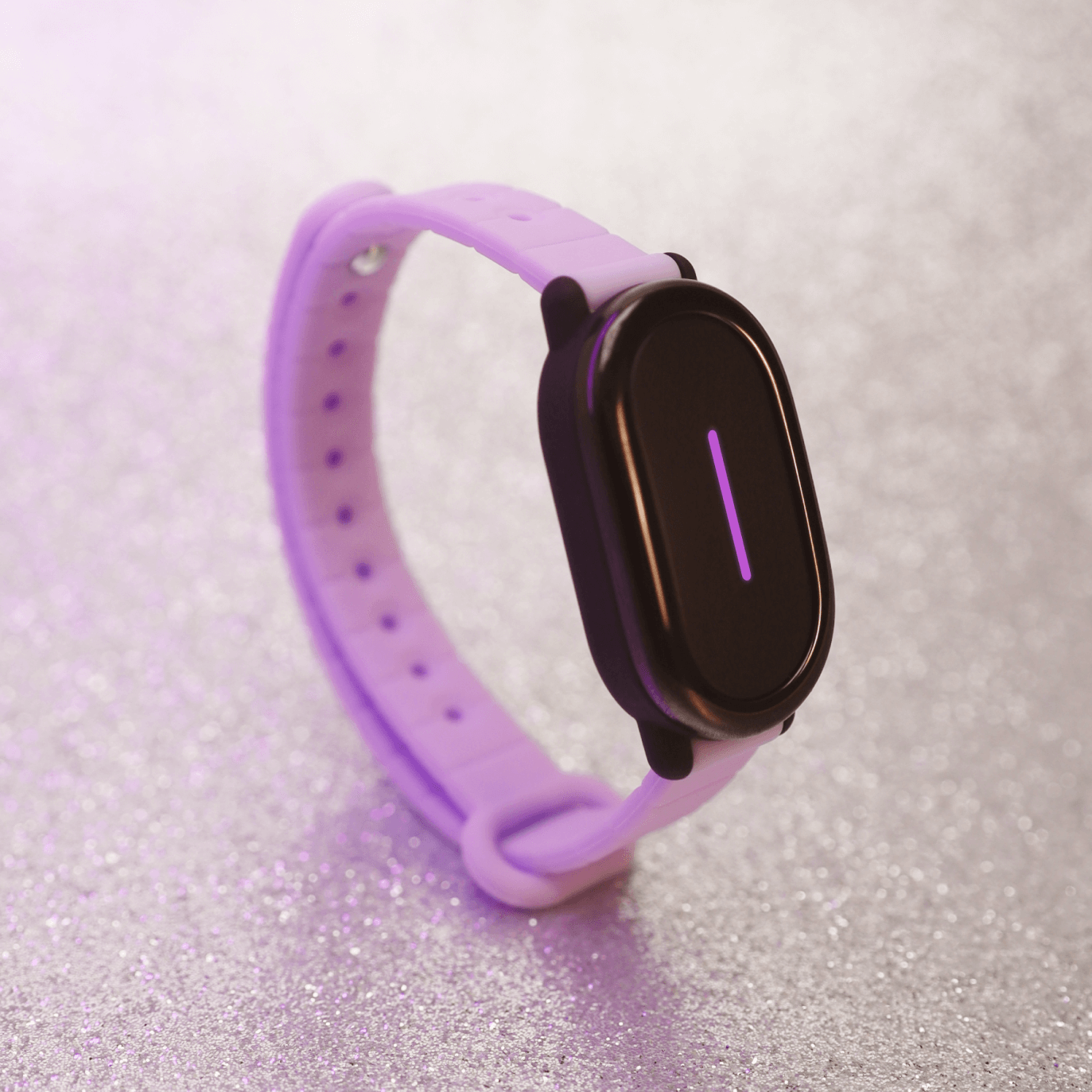
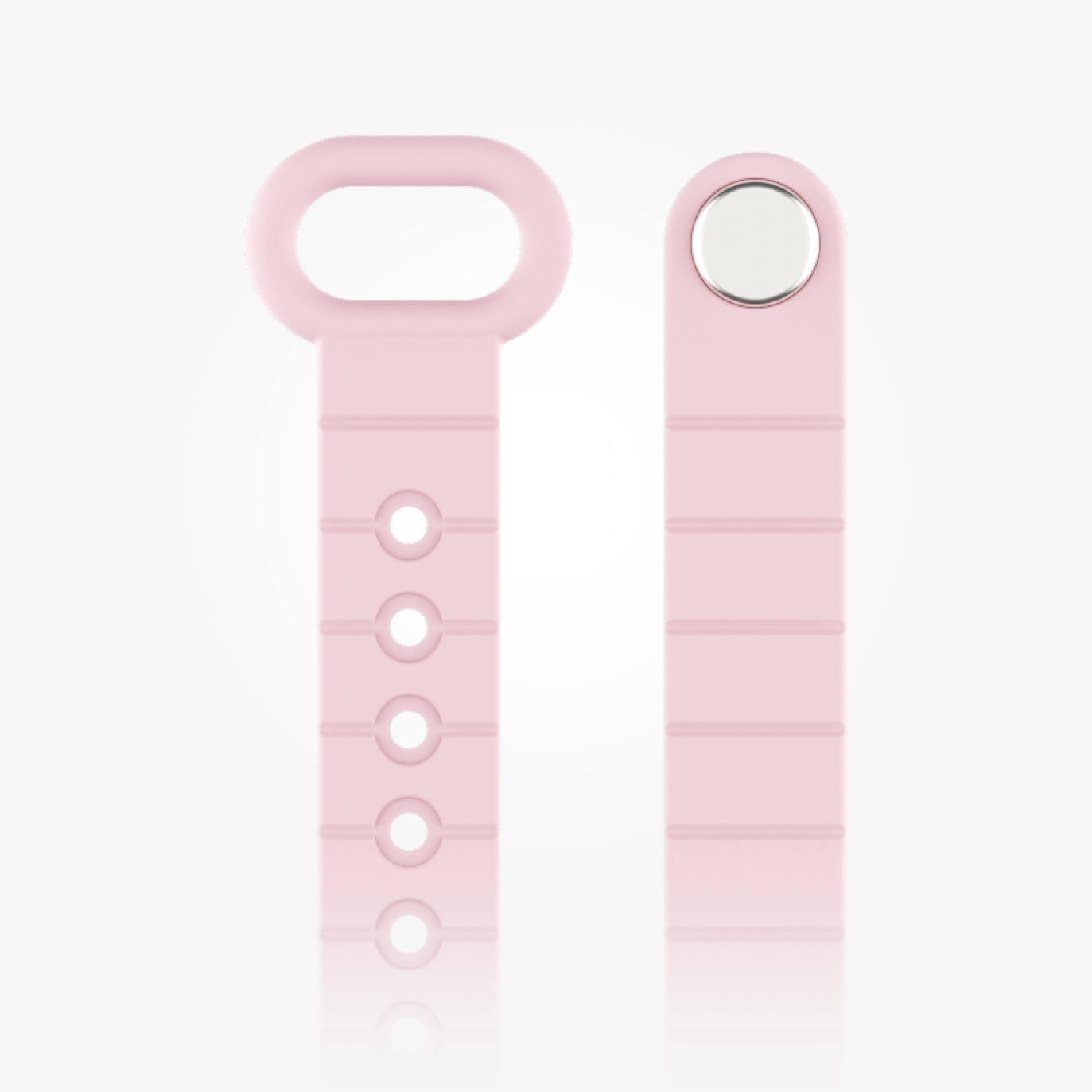
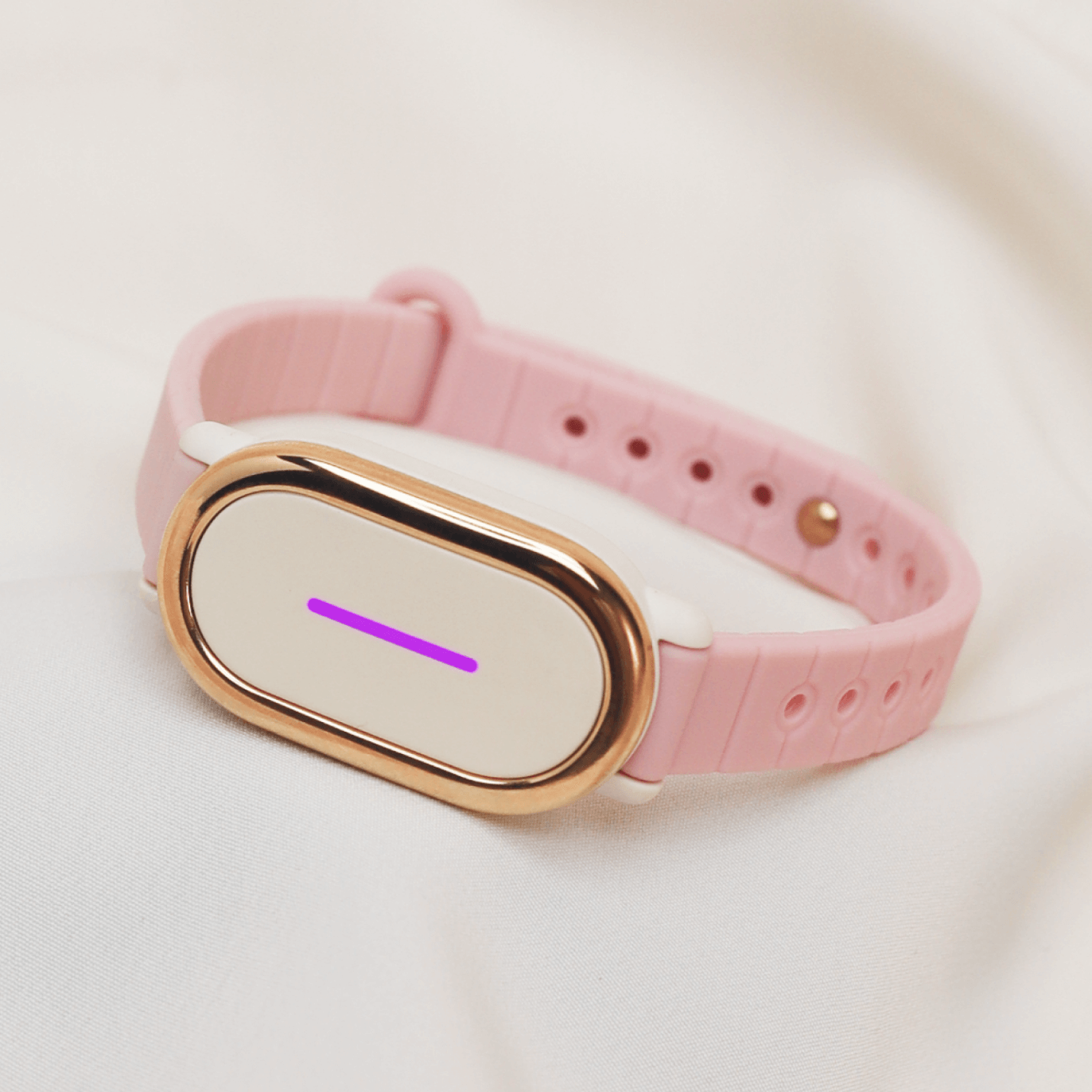
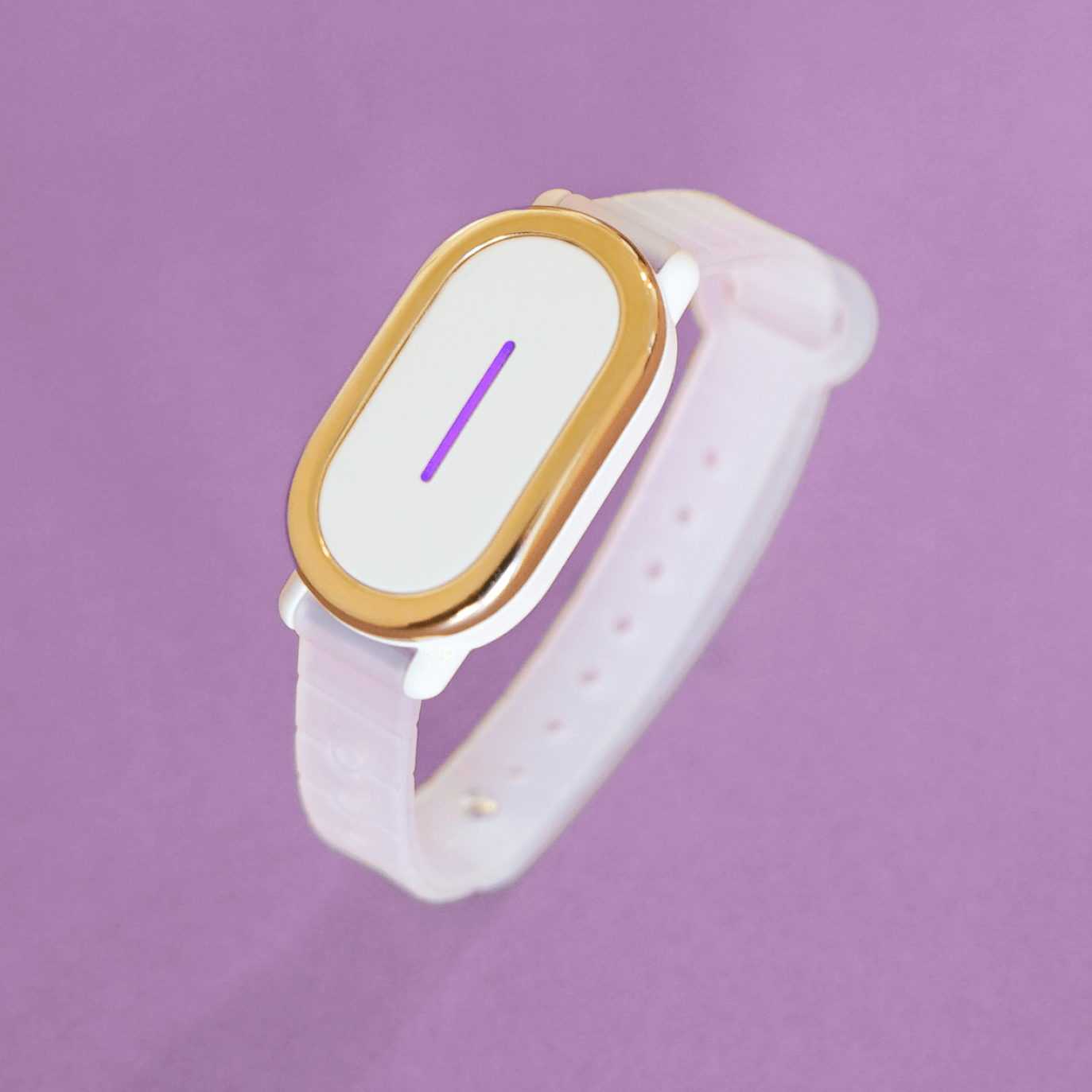
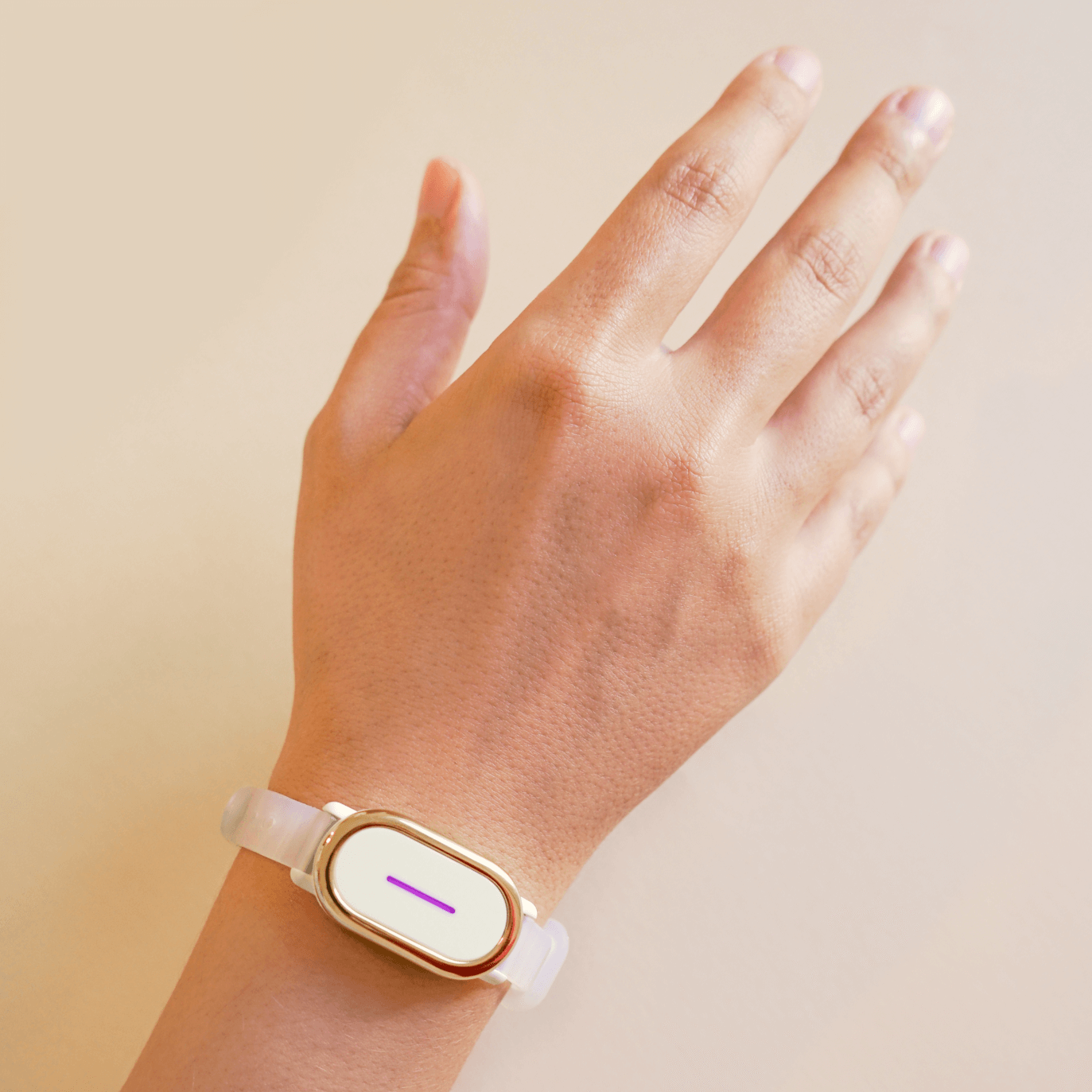
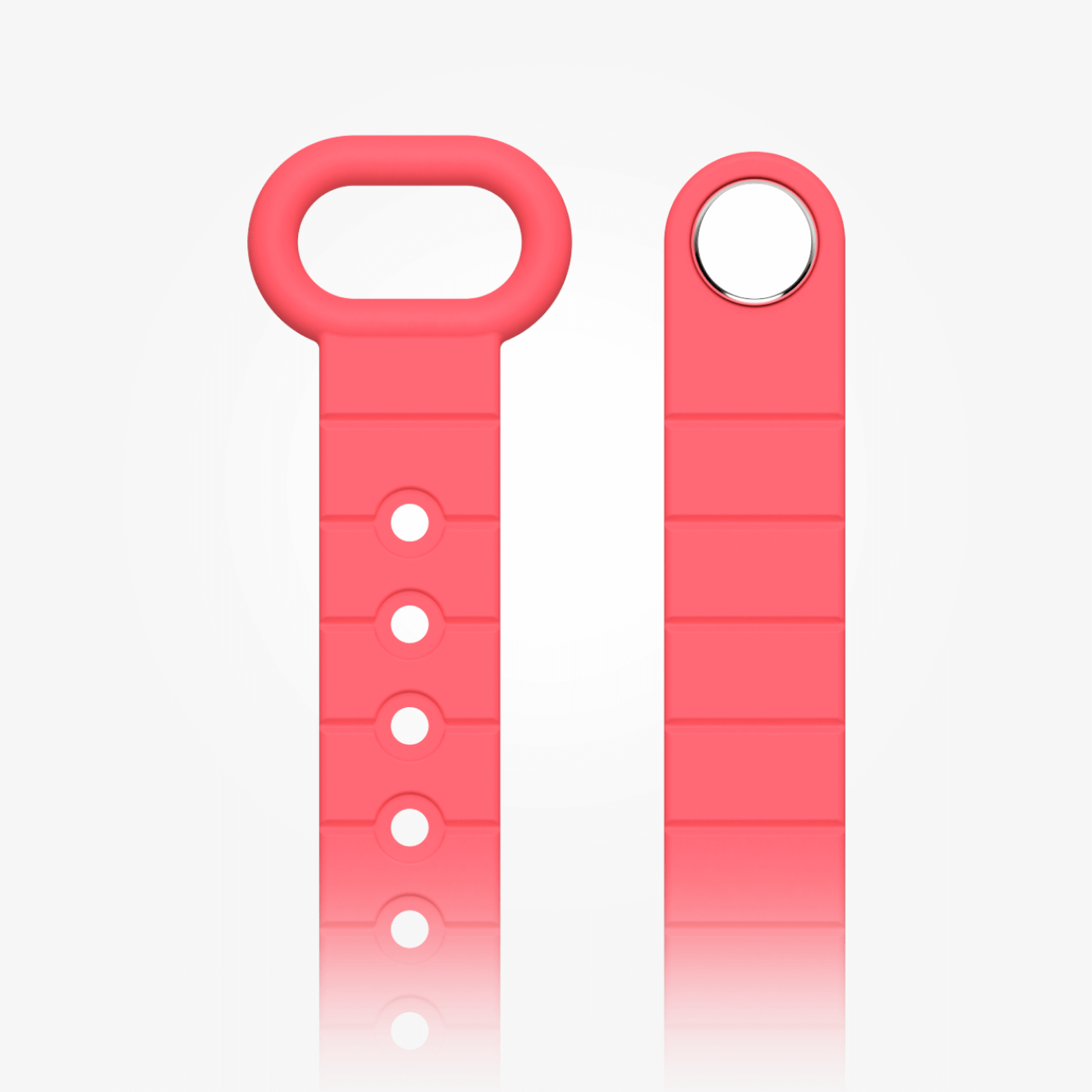
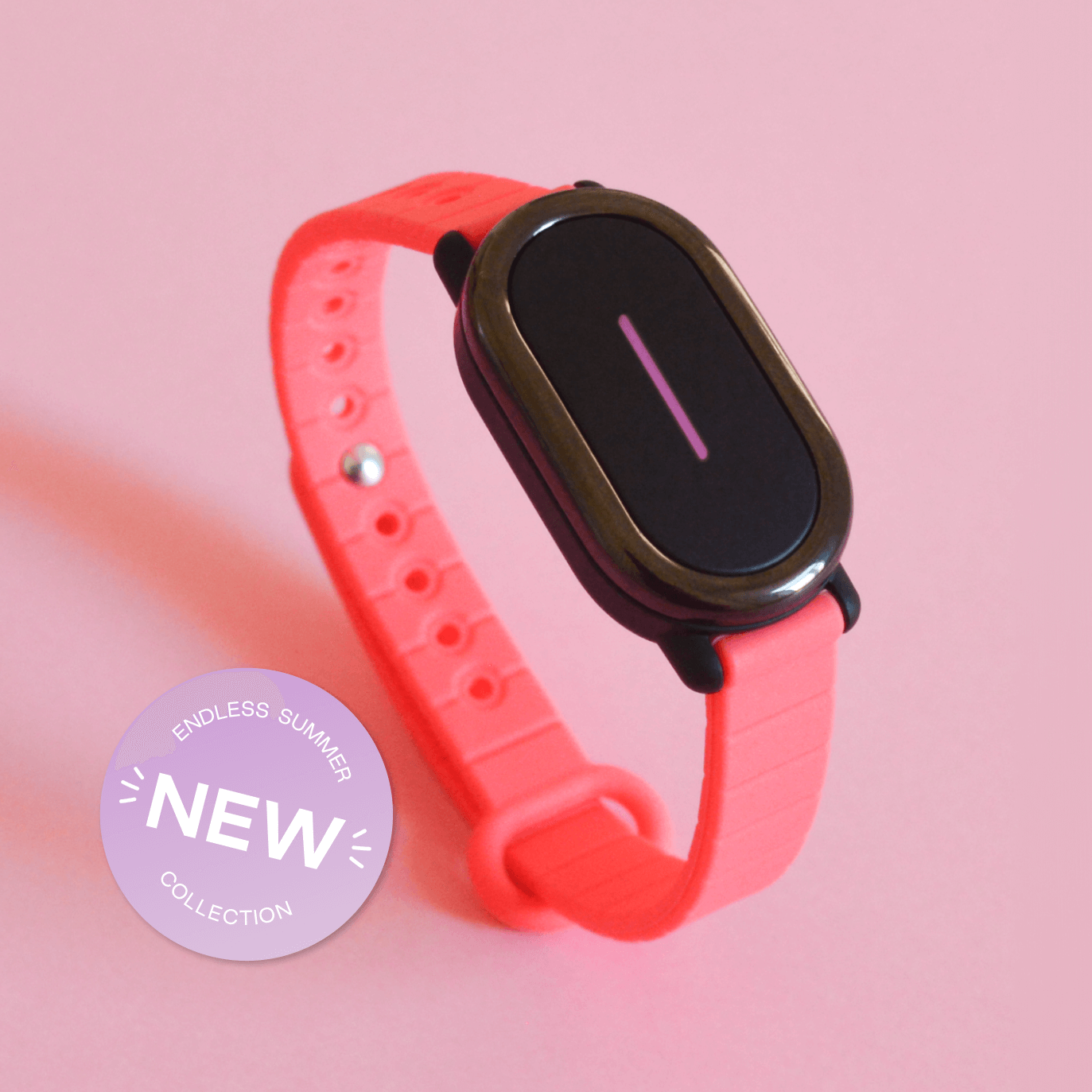
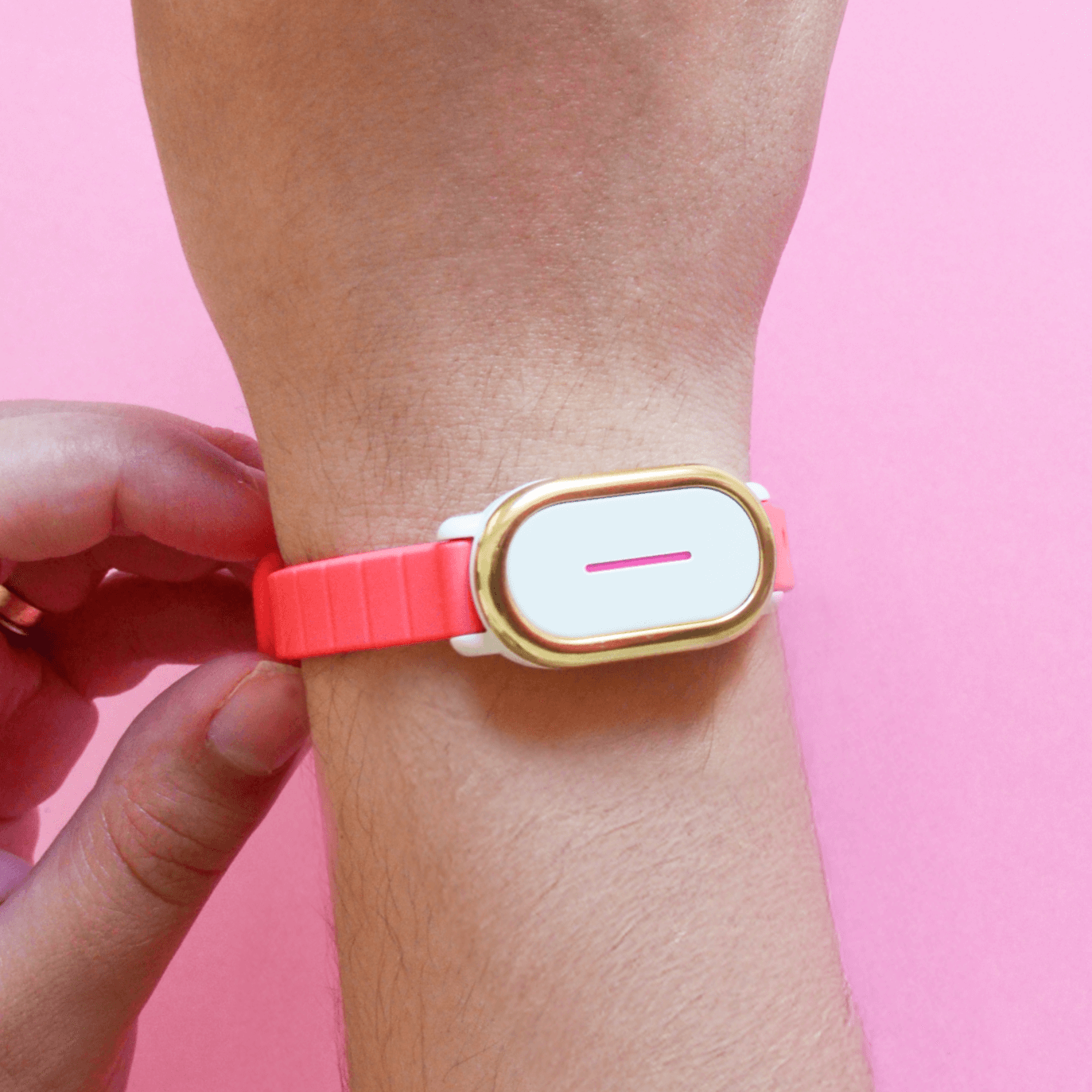
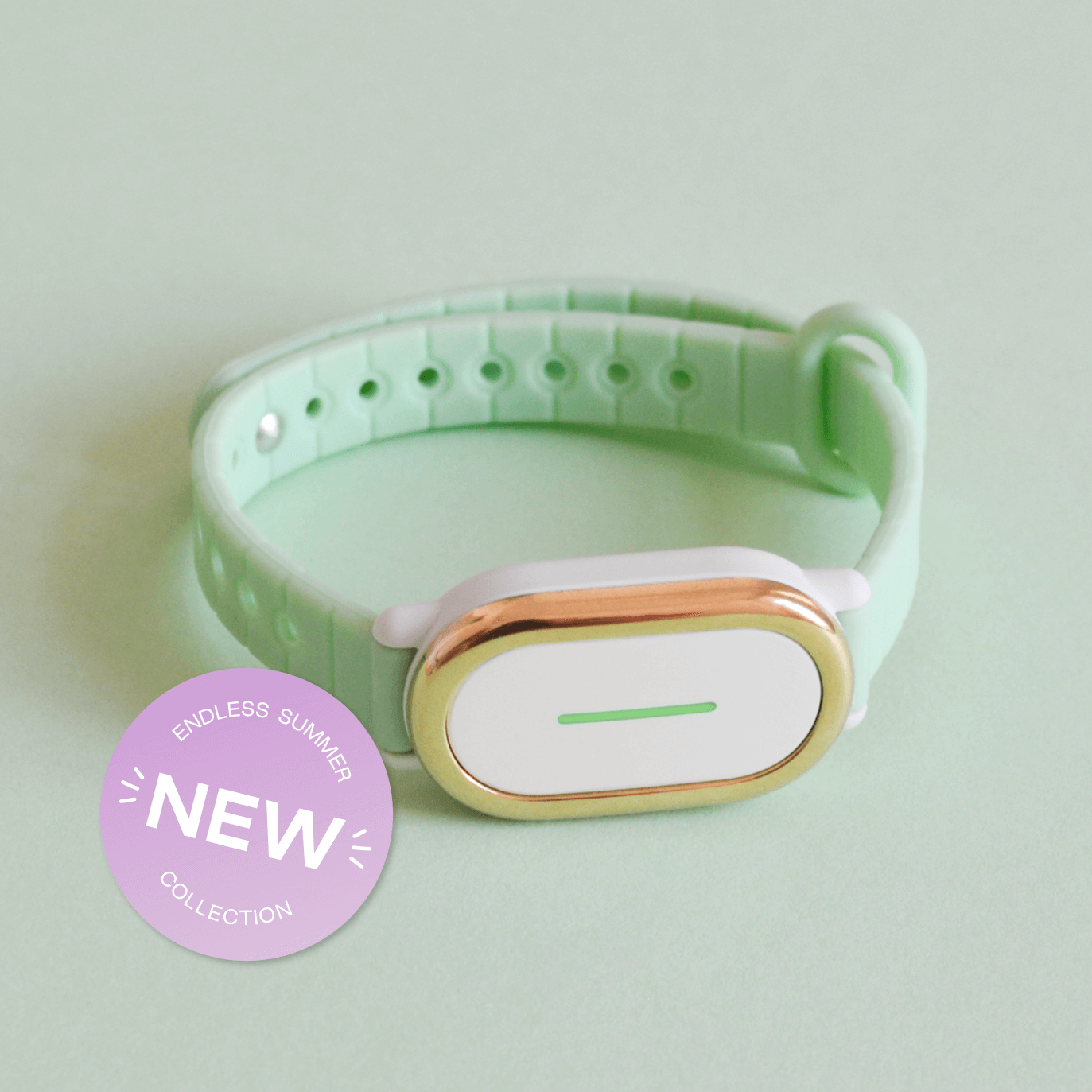
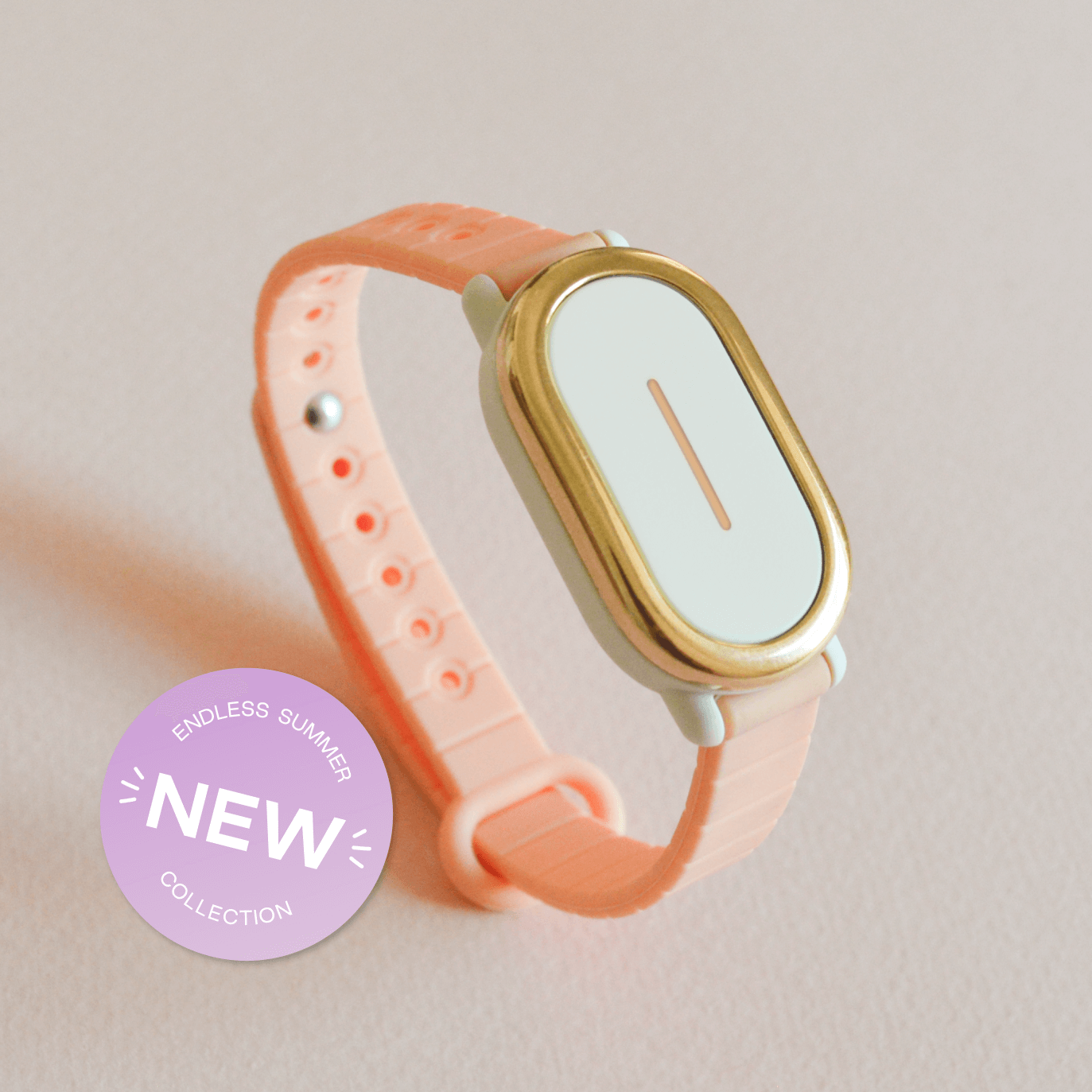
If you’re looking for a new way to connect with a very special someone, check out Bond Touch: a bracelet that lets you communicate through touch across any distance. Say it with a touch, stay in touch.