

If you've been in a relationship for more than five minutes, you've probably come across love languages. Gary Chapman's framework (the five ways people give and receive love) has become part of the relationship vocabulary for a reason. It's useful. It helps people understand each other.
But here's the thing nobody talks about: love languages were largely conceived with proximity in mind. And when you're long distance, some of them don't translate the way they're supposed to. Some become more powerful. Some require a complete creative rethink. And one, if we're honest, is just really hard.
Here's what the five love languages actually look like when distance is part of the equation.
A Quick Recap
In case you need a refresher, the five love languages are: words of affirmation, quality time, acts of service, receiving gifts, and physical touch. Most people have a primary one, a way of feeling most deeply loved, and a secondary. Knowing yours and your partner's is useful in any relationship. In an LDR, it's essential.
Because when you can't rely on proximity to do the work, you have to be more deliberate about how love gets expressed. And that starts with knowing what your partner actually needs to feel it.
Words of Affirmation: The One That Travels Best
If your partner's love language is words of affirmation, you're in luck, this is the one that translates most naturally across distance. Words don't need a post code. They travel at the speed of wifi.
But there's a difference between words that land and words that fade into the background of daily messaging. "I miss you" is true, but it's also easy. The words that actually make someone feel seen and loved are the specific ones, the ones that reference something only you would notice, something only you would say.
"I was in a meeting today and something made me think of that thing you said last week, and I had to stop myself from laughing" is words of affirmation. "You handled that situation really well and I'm proud of you" is words of affirmation. "I was looking at old photos of us and I just wanted to tell you that I love who we are together" is words of affirmation.
Specificity is what separates a message that makes someone's day from one they scroll past. If words are your partner's language, invest in the quality of them, not just the frequency.
Quality Time: Redefining What "Together" Means
Quality time is one of the trickier love languages to navigate long distance, because its default definition, being in the same place, isn't available to you most of the time.
The key is reframing what quality time actually means. It's not about physical presence. It's about undivided attention. And that is possible across a screen, if both people are genuinely present for it.
The trap most LDR couples fall into is treating calls as catch-ups rather than time together. You're updating each other on your days, running through logistics, ticking the box of having spoken. That's maintenance, not quality time. Quality time looks like: both phones down, doing something together, actually present in the call rather than half-watching something else.
If quality time is your partner's language, protect your overlap window like you'd protect an actual date. Give it a shape, give it your full attention, and let it be something you both look forward to rather than just a scheduled check-in.
Acts of Service: Harder, But Not Impossible
Acts of service is the love language that feels most limited by distance, and understandably so. How do you do something for someone who isn't there?
The answer is: more creatively than you'd think.
Ordering their favorite meal to be delivered before a hard day. Researching something they've been stressing about and sending them a summary. Making them a playlist for a long commute. Helping them draft a difficult email. Booking a table for when they visit without being asked. Sending a care package when they're sick.
None of these require being in the same city. They all require the same thing that in-person acts of service do: paying attention to what someone needs, and doing something about it before they have to ask.
If acts of service is your partner's primary language, the distance actually sharpens it — because every act has to be more intentional. Which, when it lands, means even more.
Receiving Gifts: More Powerful Than You'd Expect
Gifts often get a bad reputation as the "shallow" love language, reduced to expensive gestures or grand romantic clichés. But in an LDR context, gifts carry a particular weight that people don't always anticipate.
When you're apart, physical objects become anchors. Something that arrived in the post from them, sitting on your desk or your bedside table, is a physical reminder of their presence in your life. It takes up space in your world in a way that a message can't.
The gifts that matter most in long-distance relationships are rarely the expensive ones. They're the specific ones... the book you mentioned once and they remembered, the snack from their city that you can't get where you are, the handwritten letter in an age when nobody sends handwritten letters anymore.
If receiving gifts is your partner's language, don't overthink it. Think specific, think personal, think: what would make them feel like I was really paying attention?
Physical Touch: The Hardest One, and How to Bridge It
There's no getting around it: physical touch is the love language that distance hits hardest. You can send words, you can carve out time, you can order a gift for delivery. You cannot replicate the feeling of being held by someone you love.
But "can't replicate" doesn't mean "can't bridge."
Couples who navigate physical touch as a primary love language across distance tend to find their own creative workarounds, and the most effective ones are the ones that create a sense of physical presence even when the physical isn't possible.
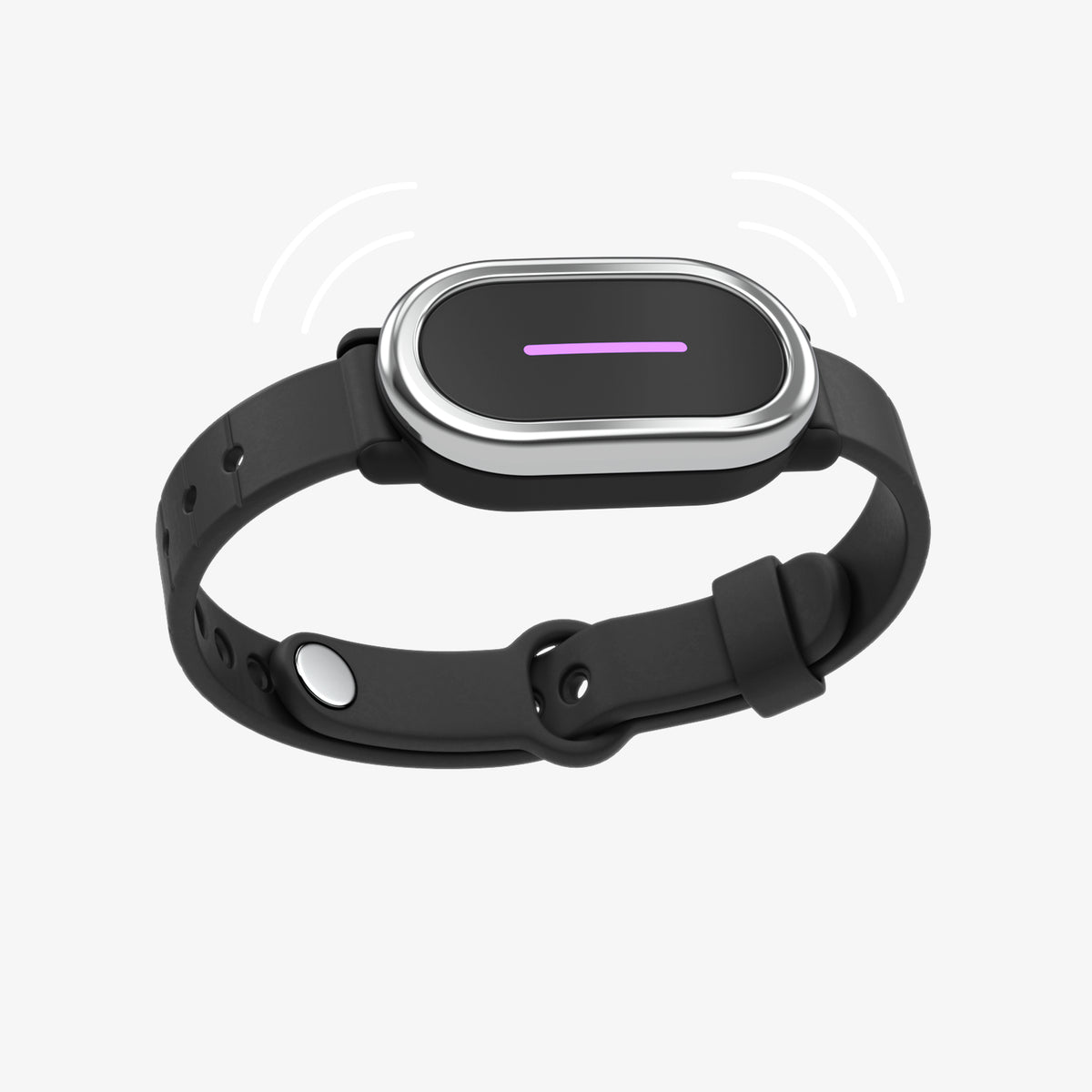
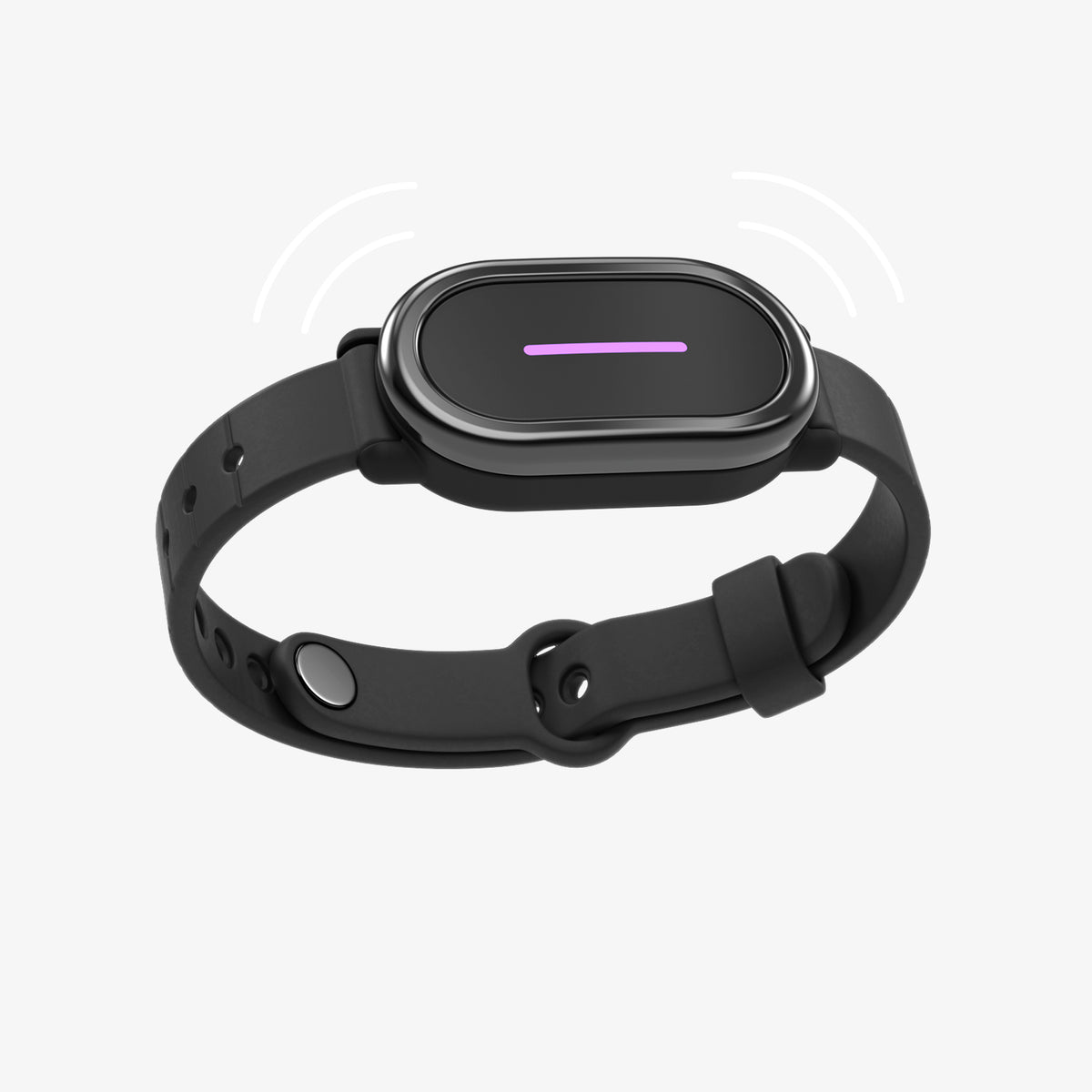
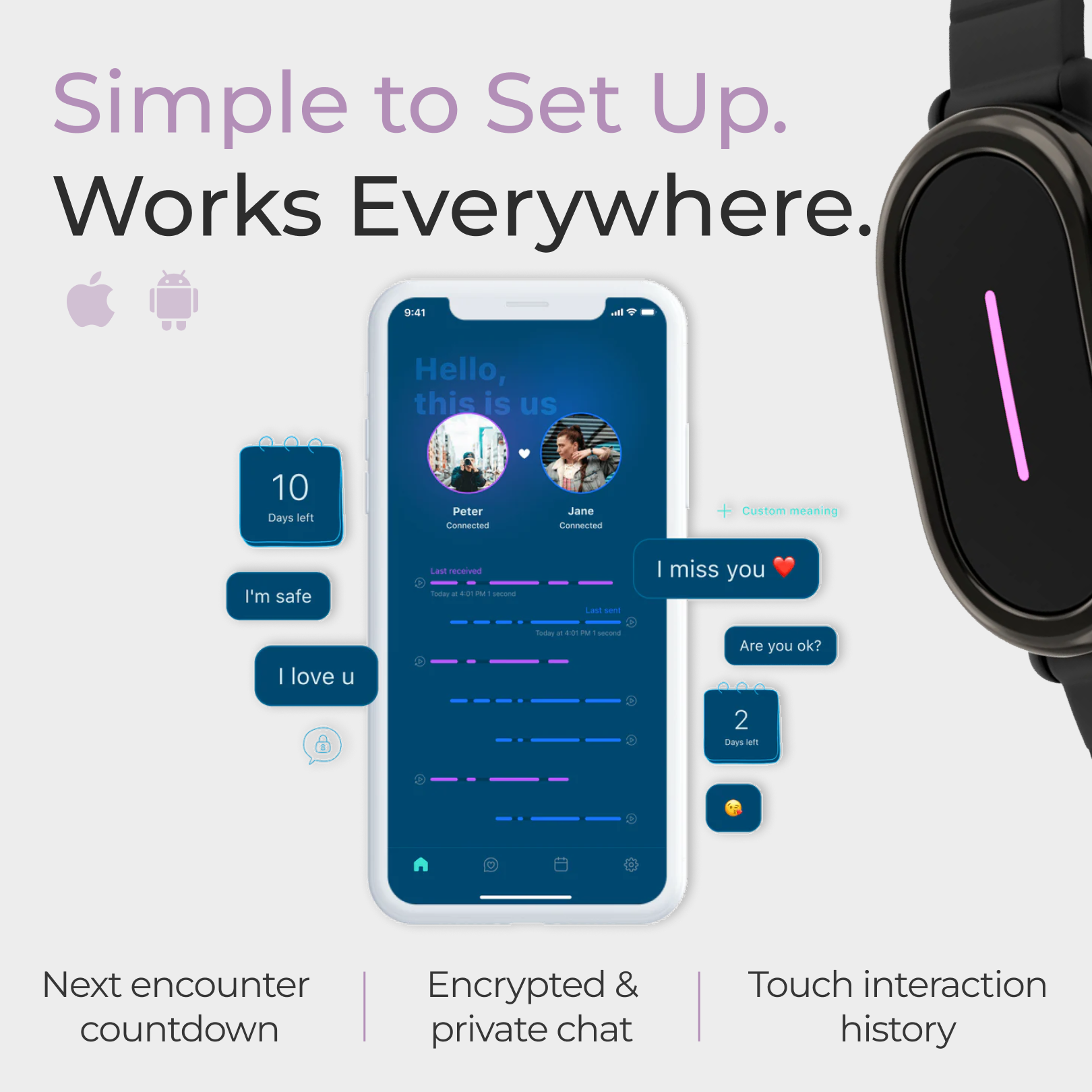
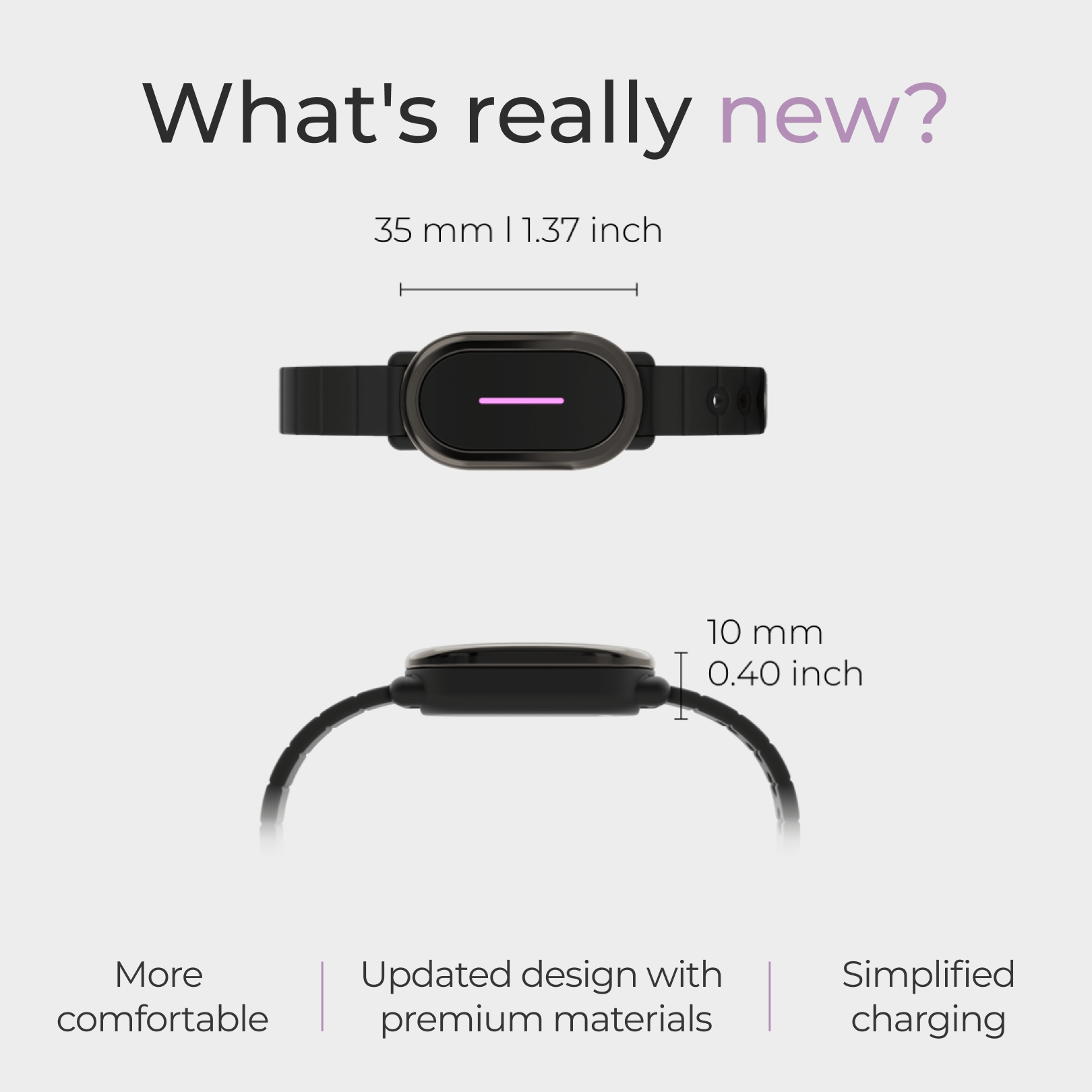
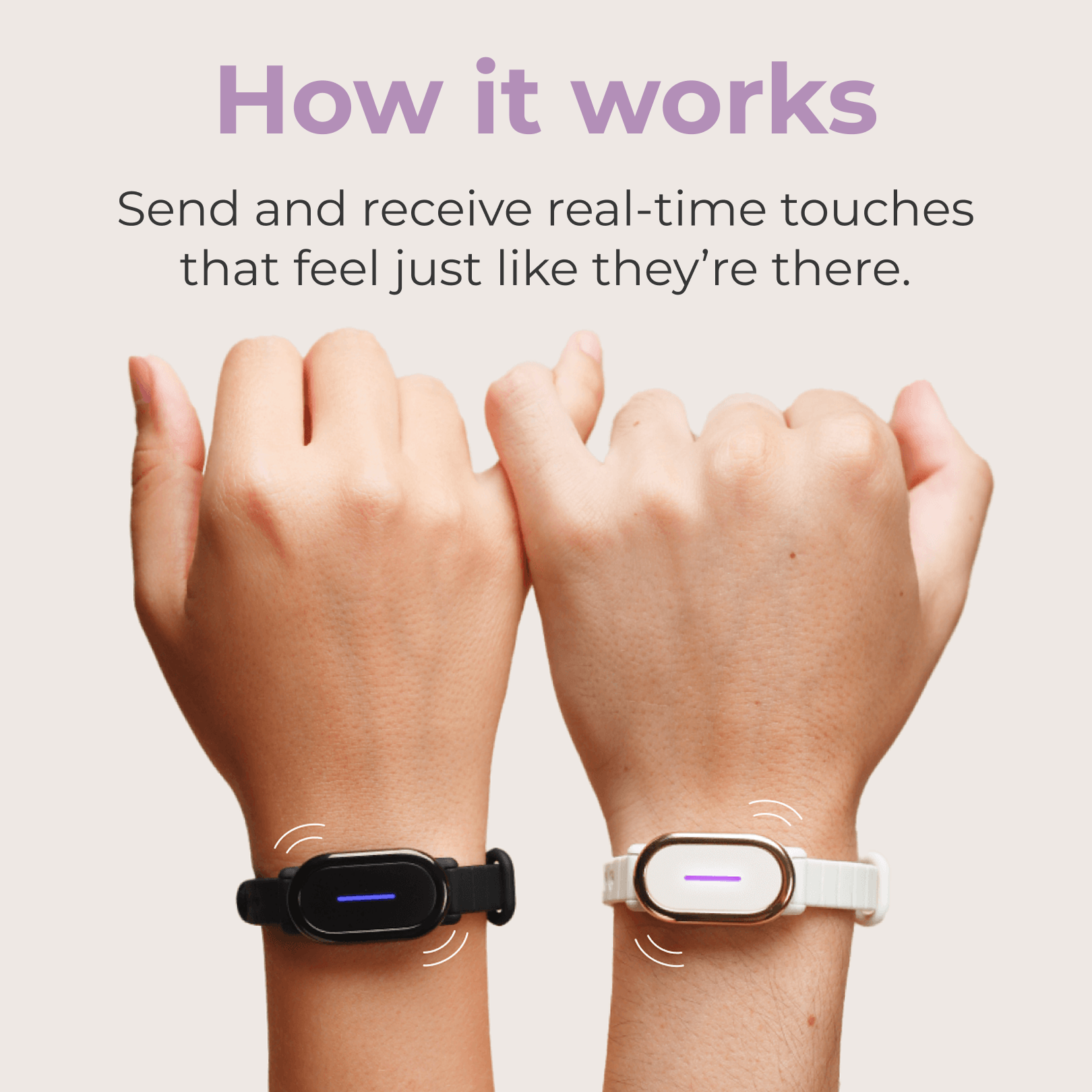
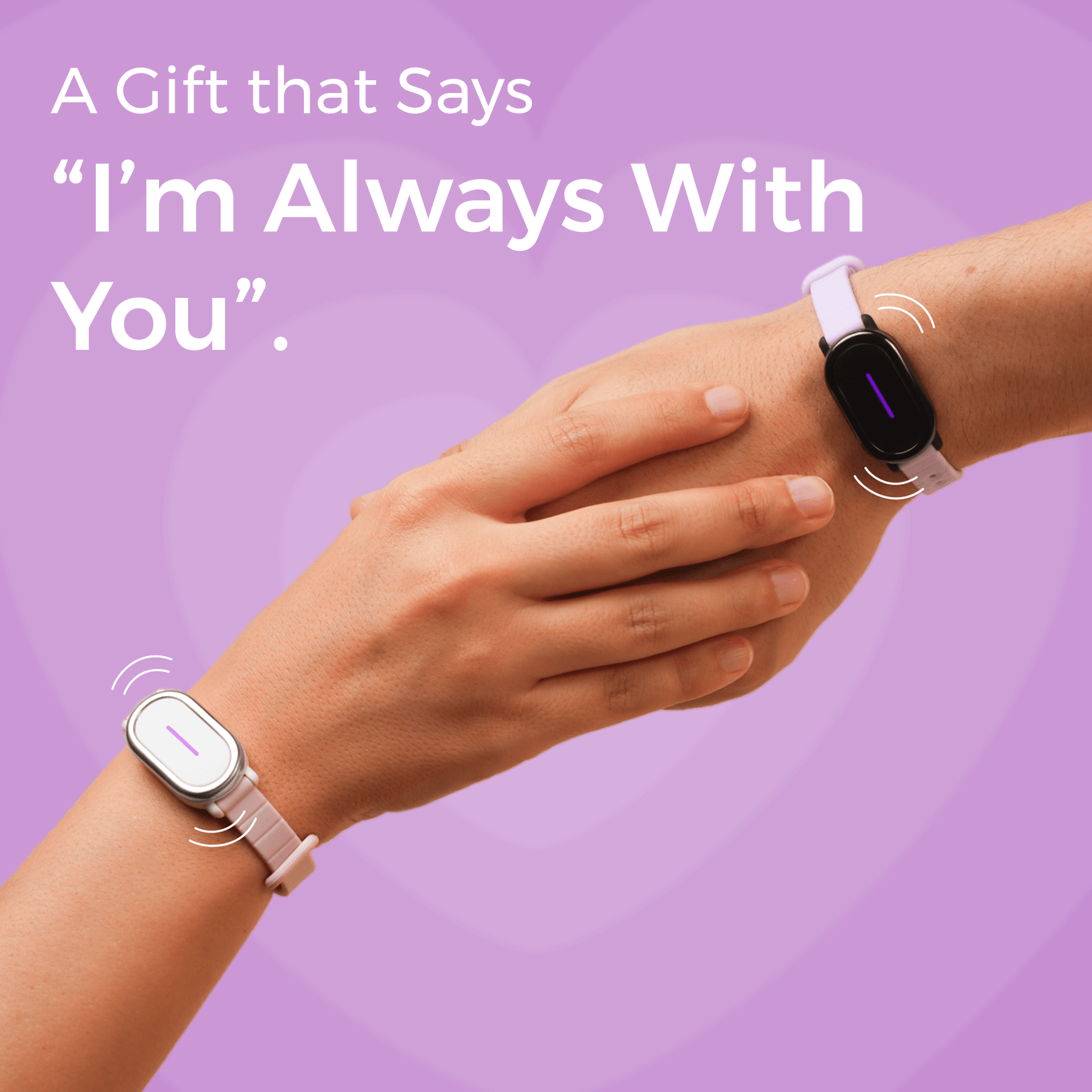
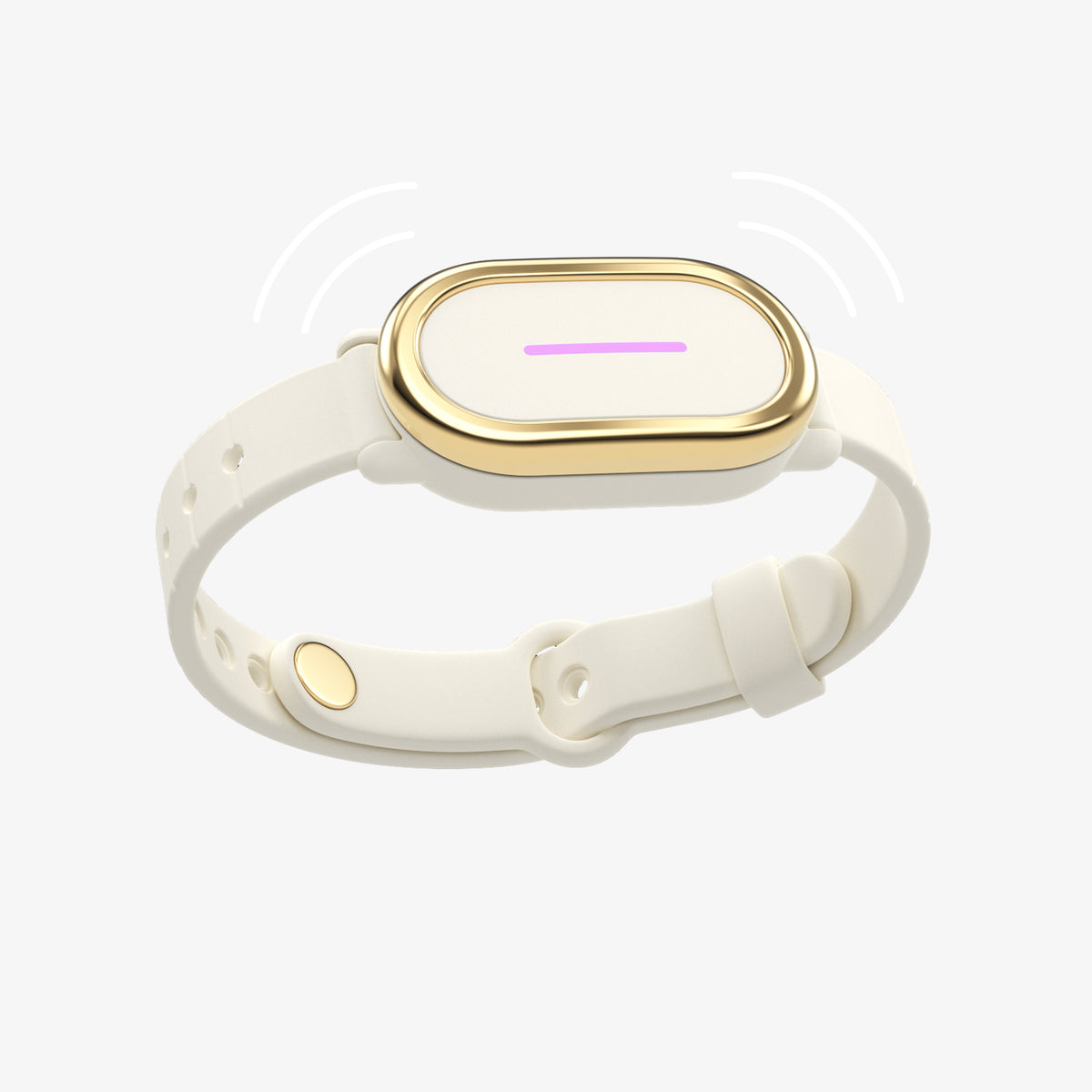
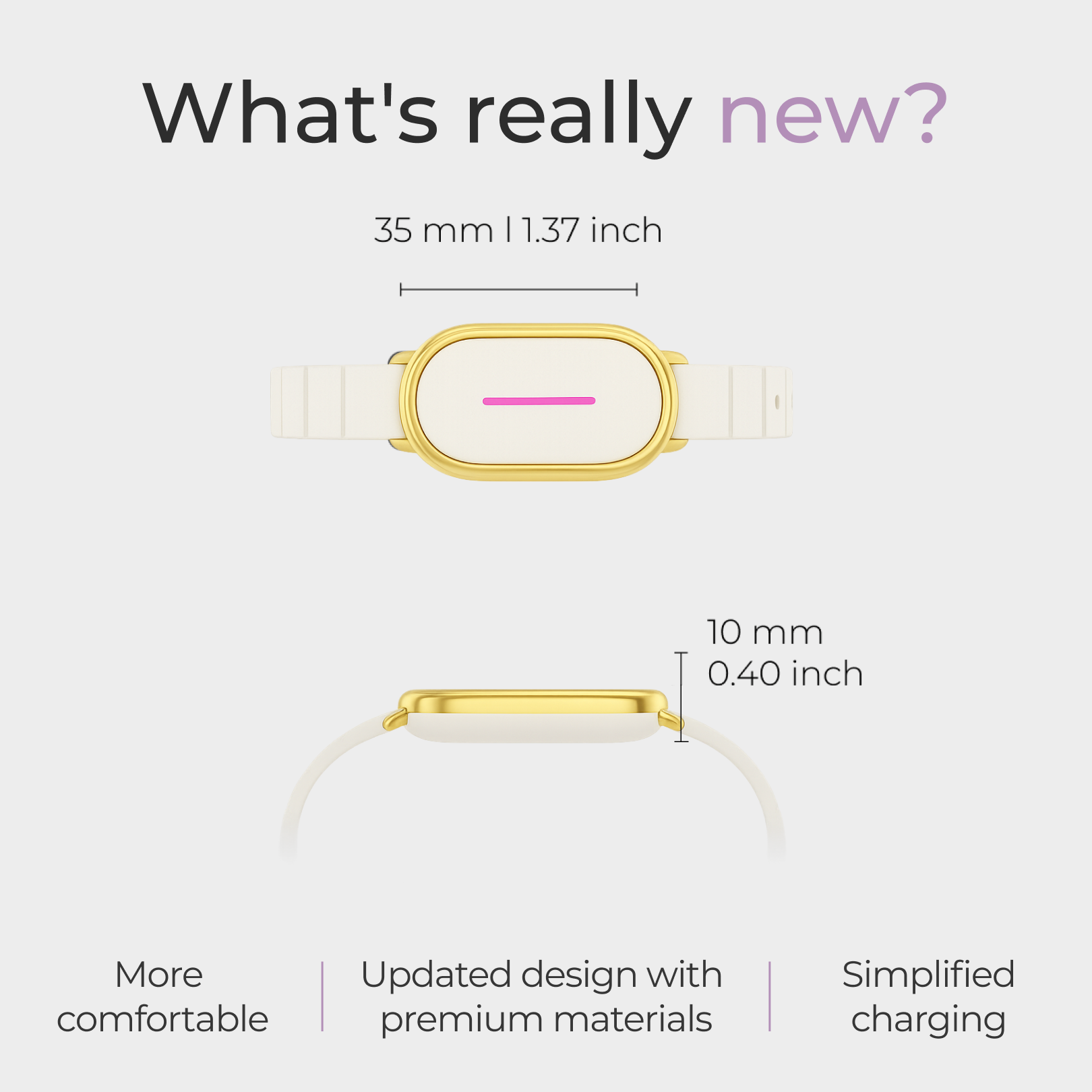
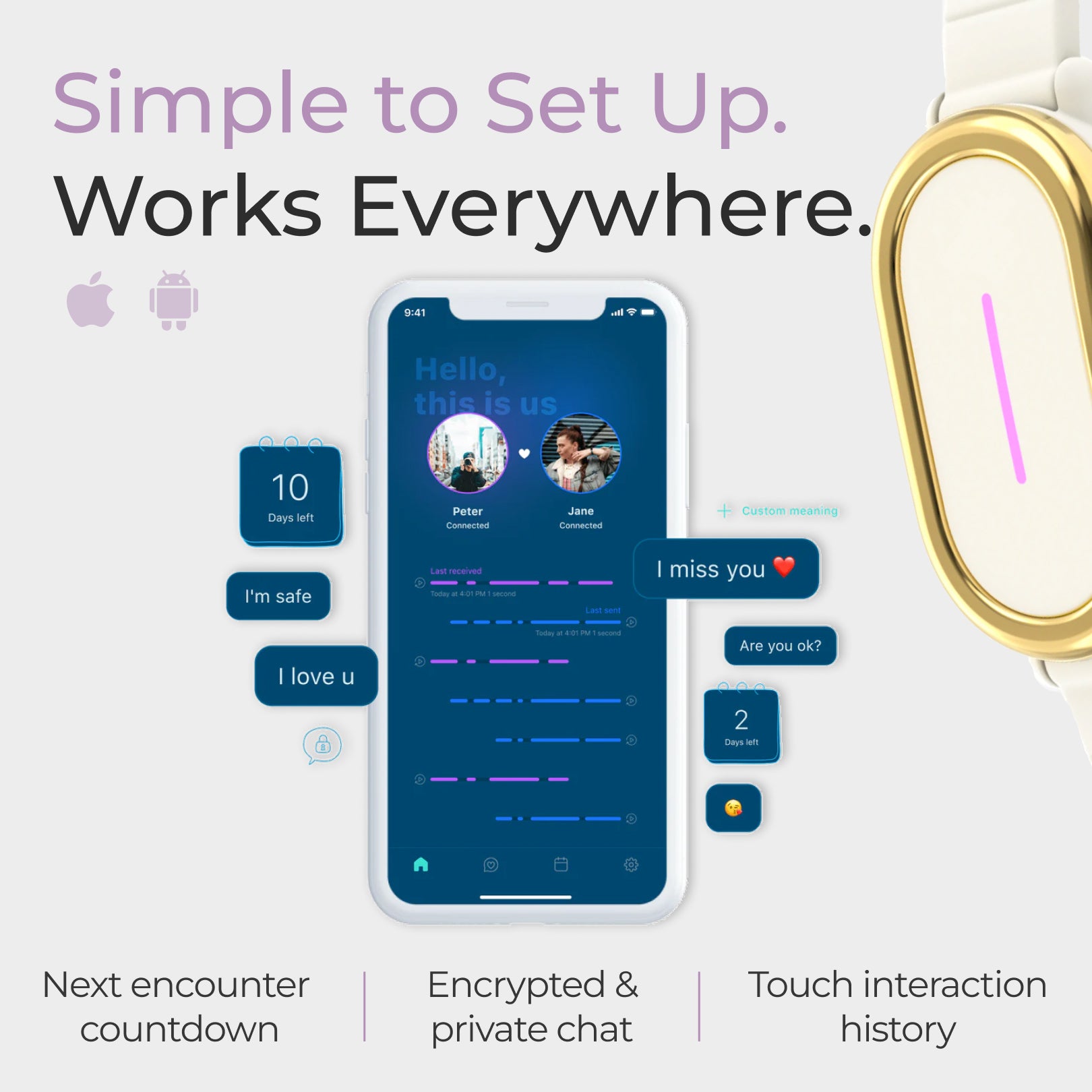
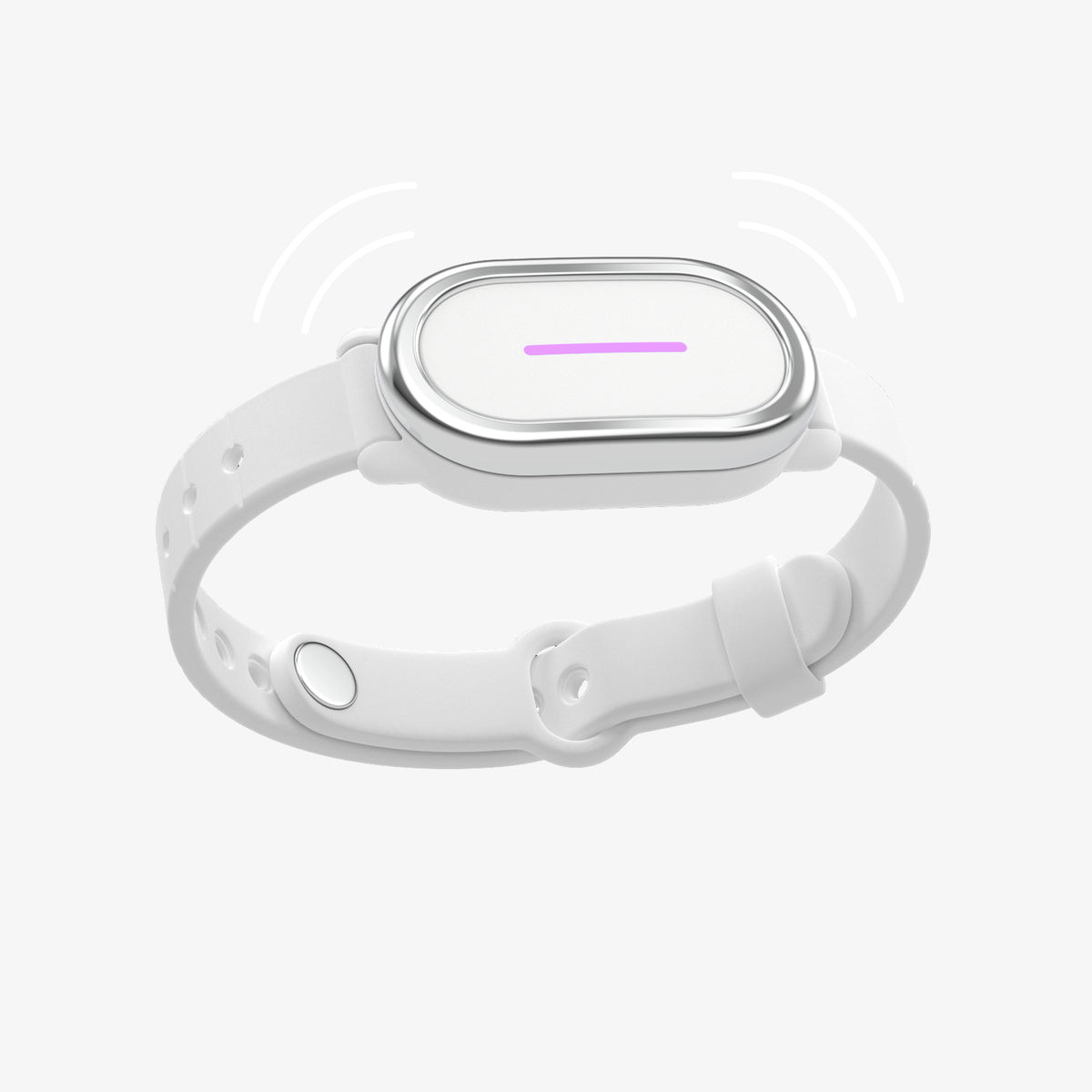
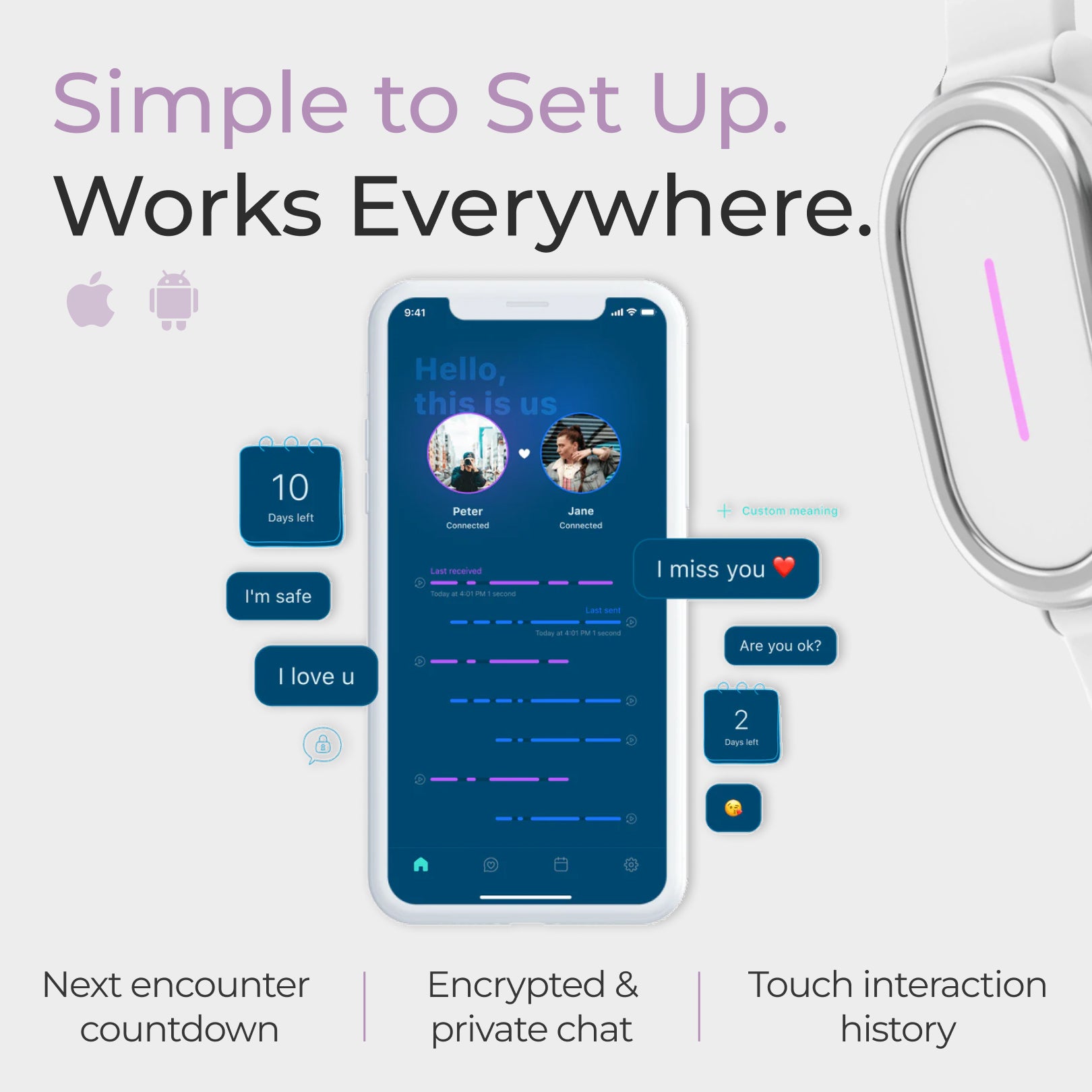
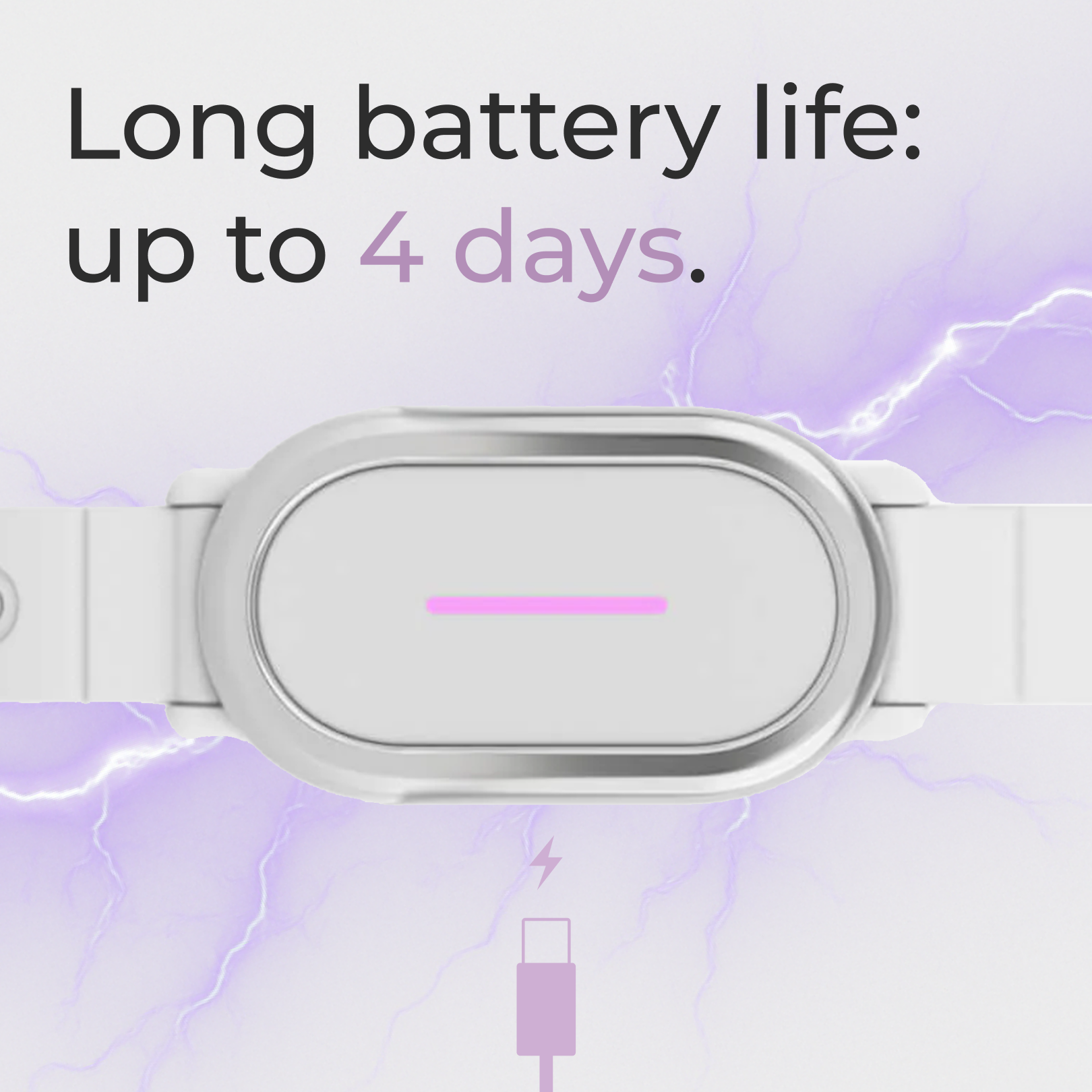
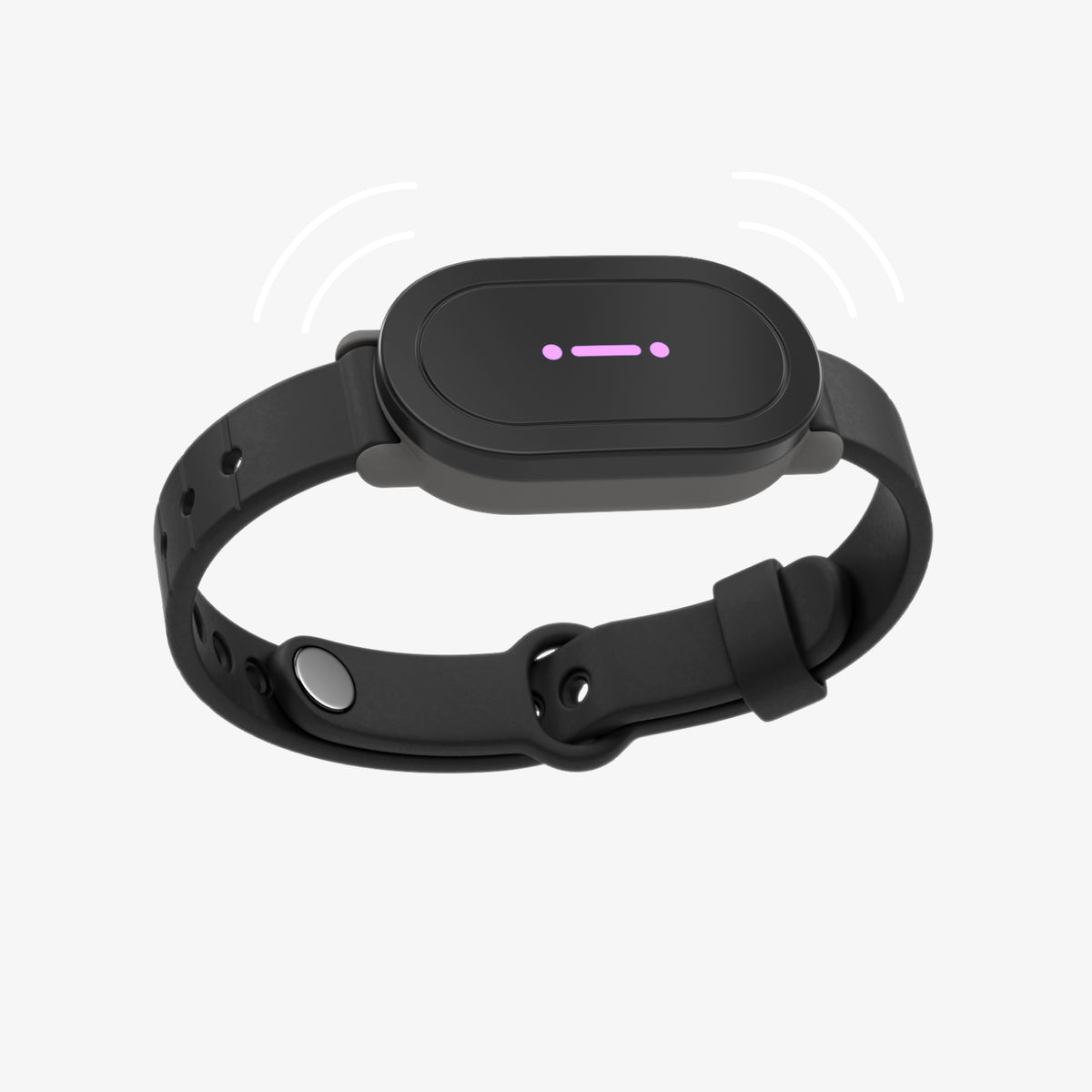
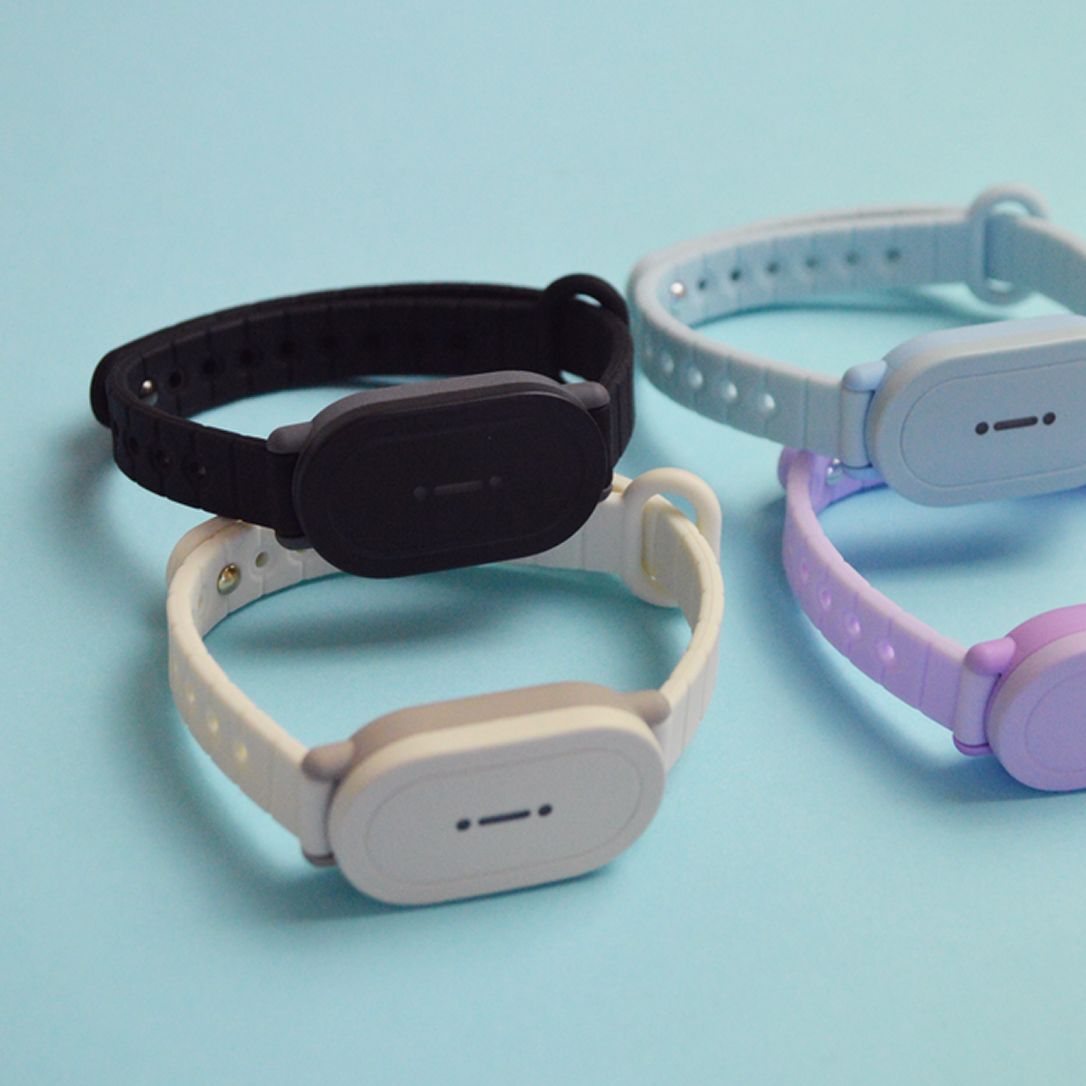
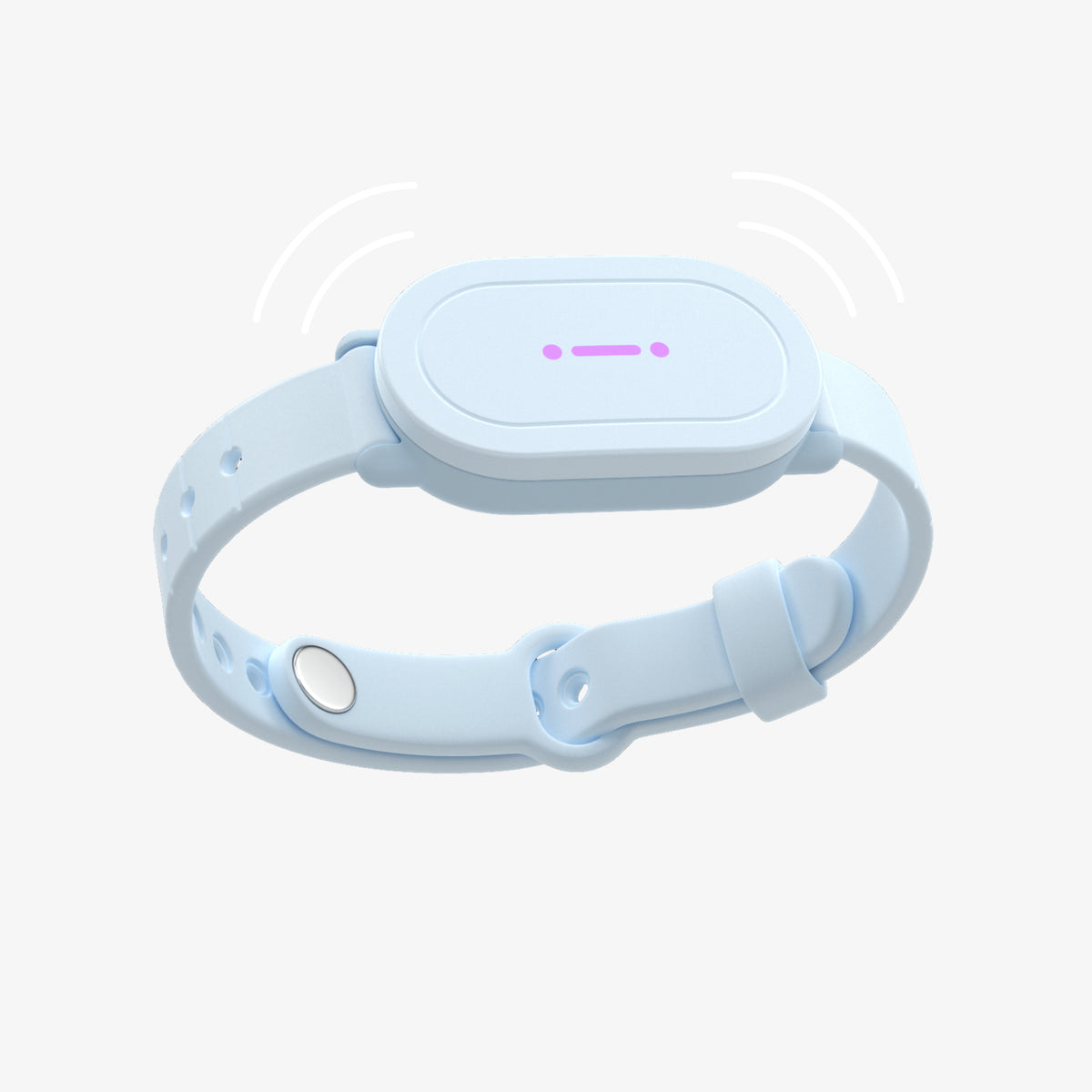
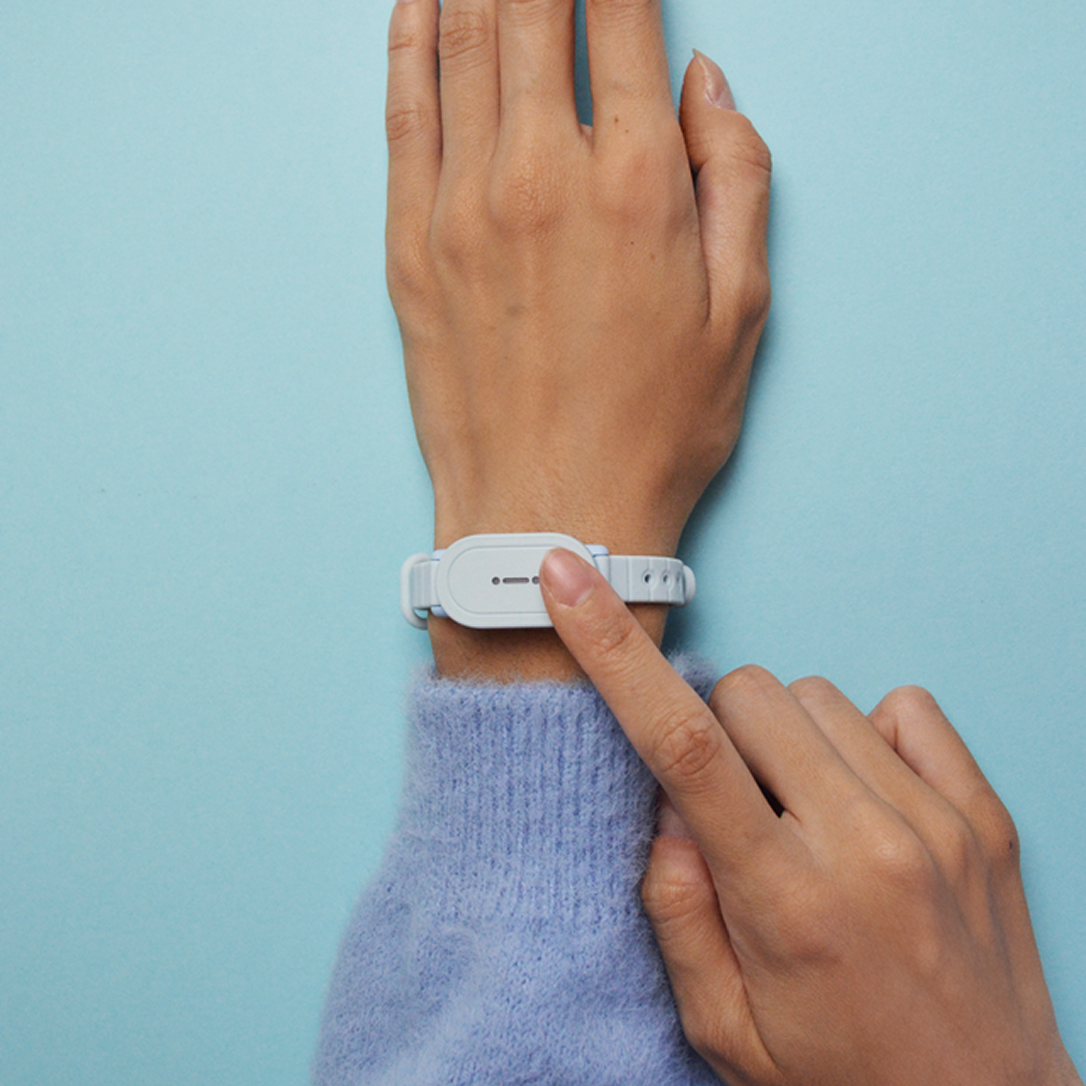
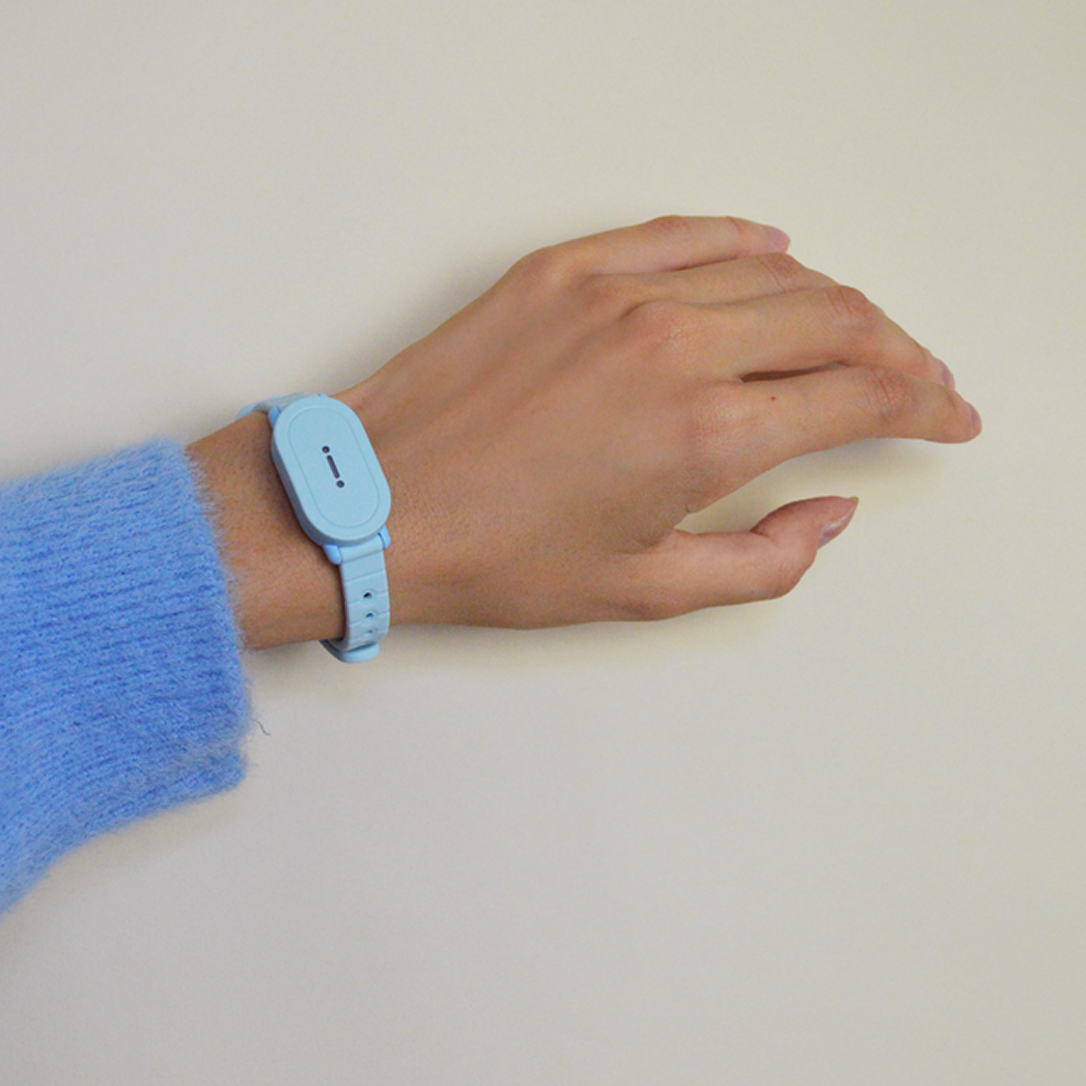
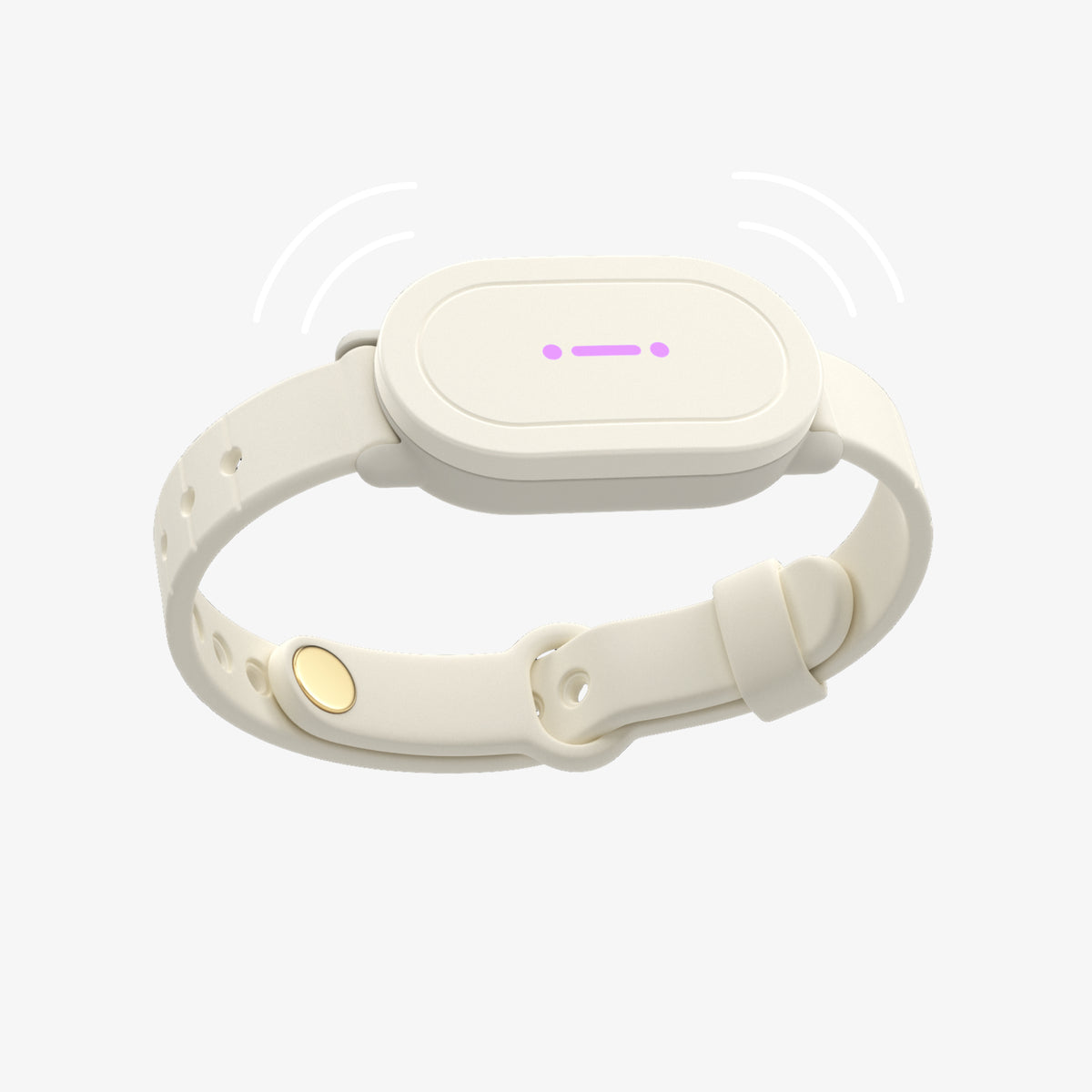
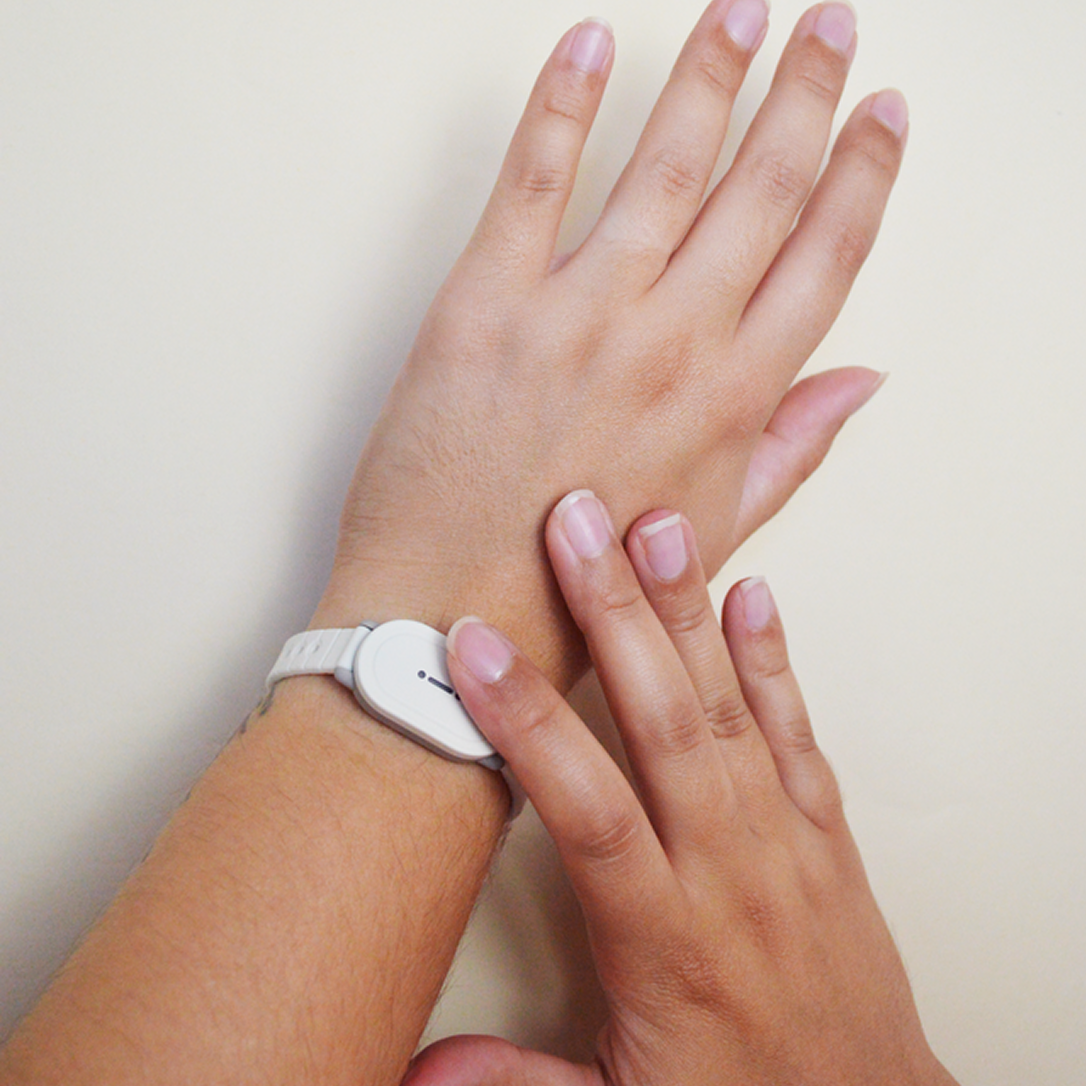
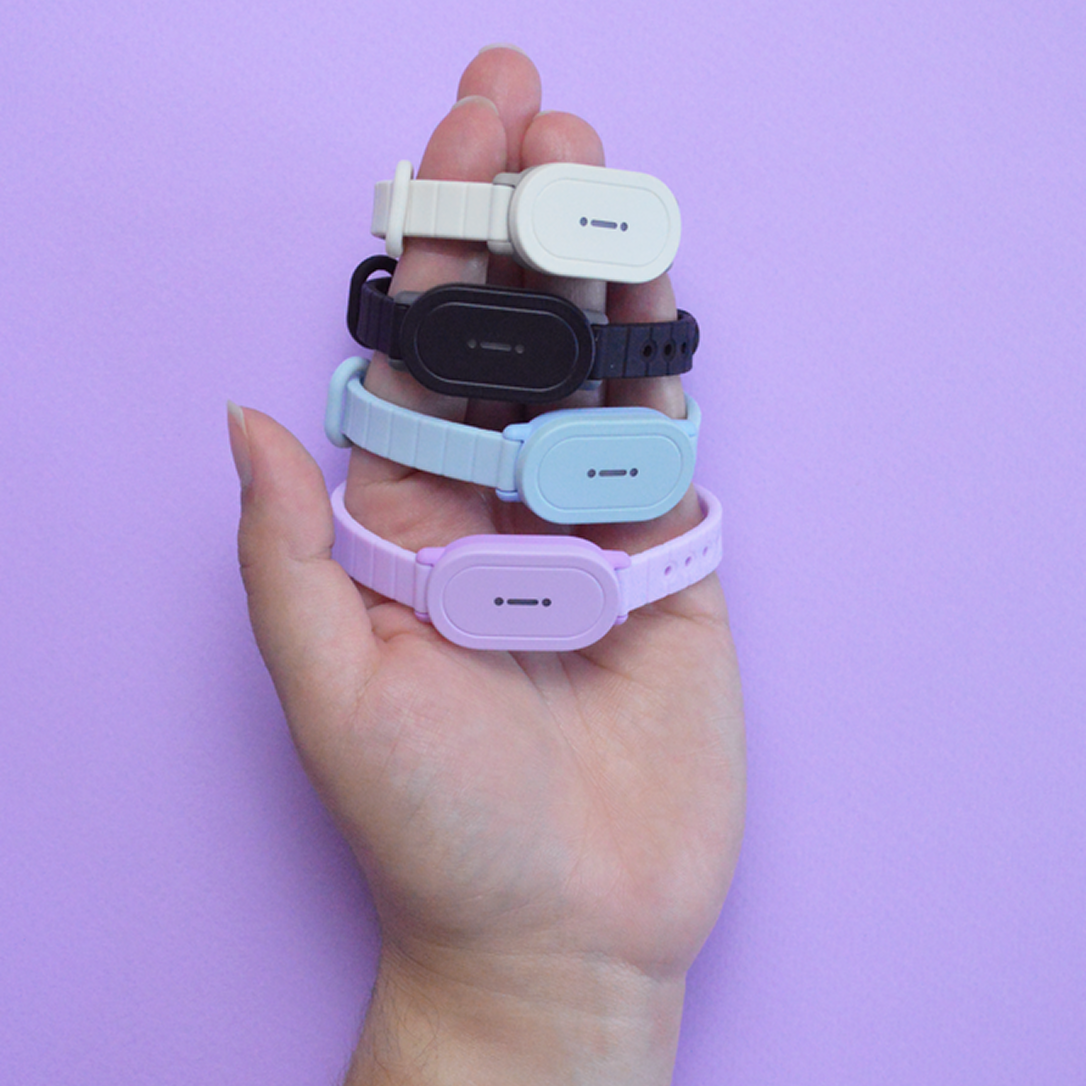
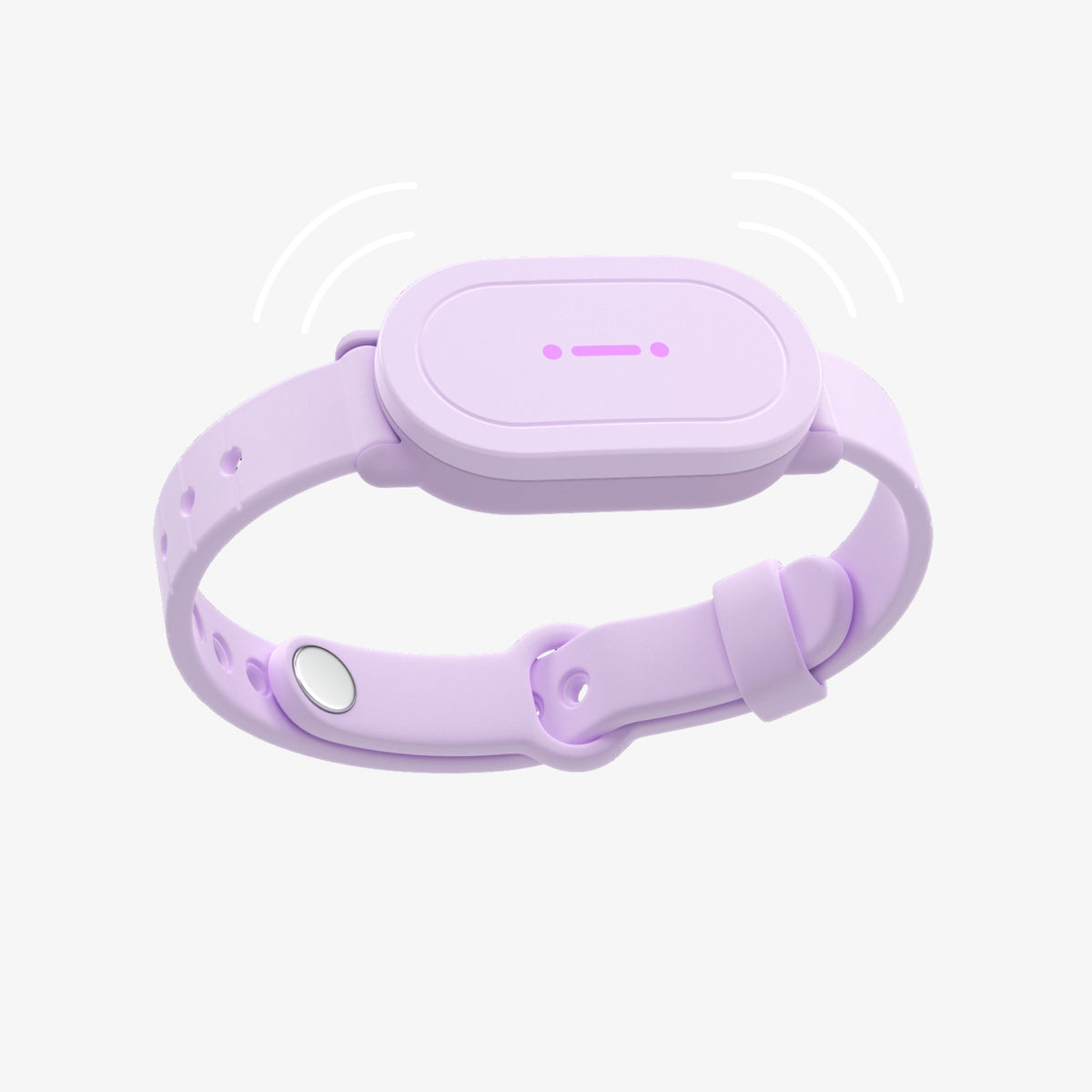
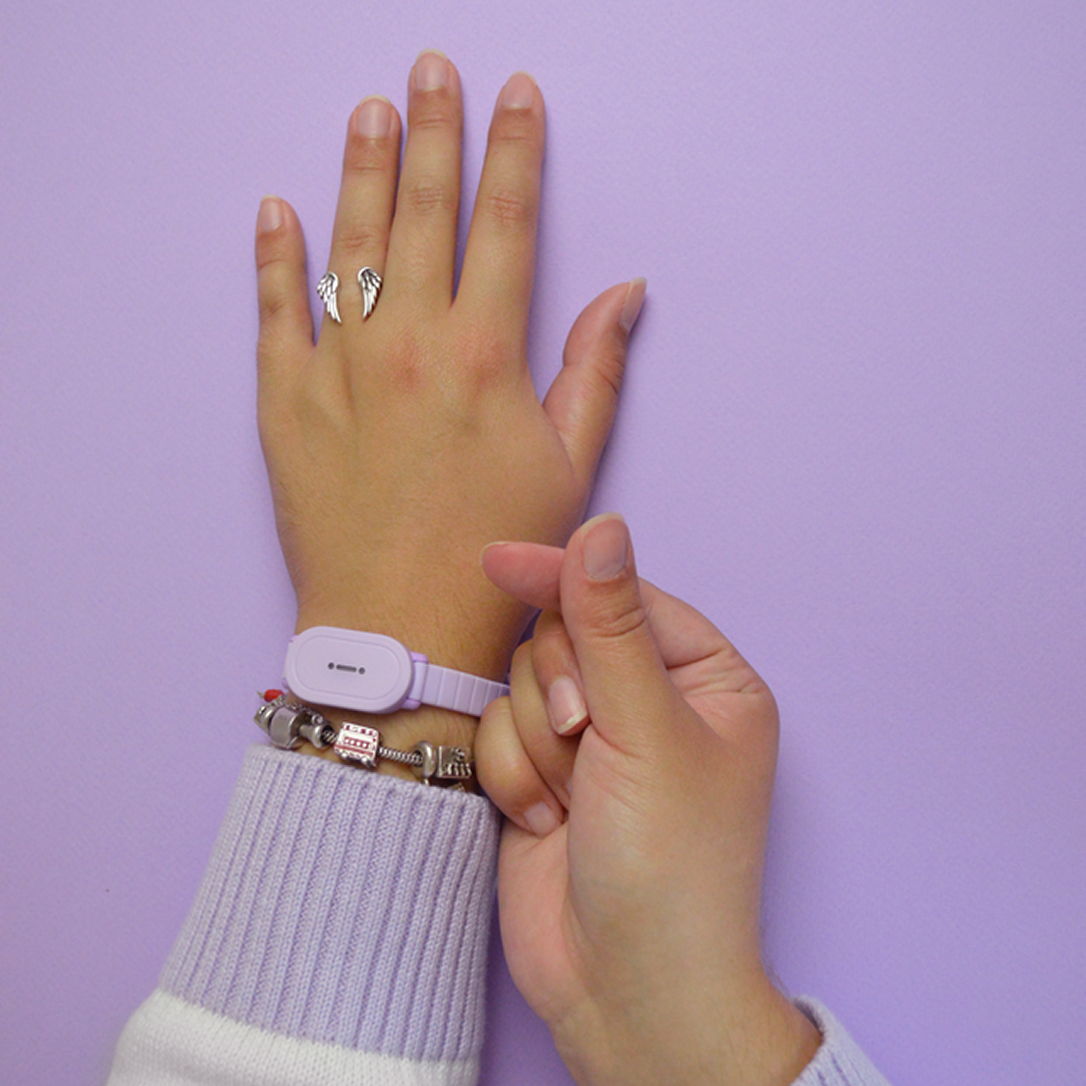
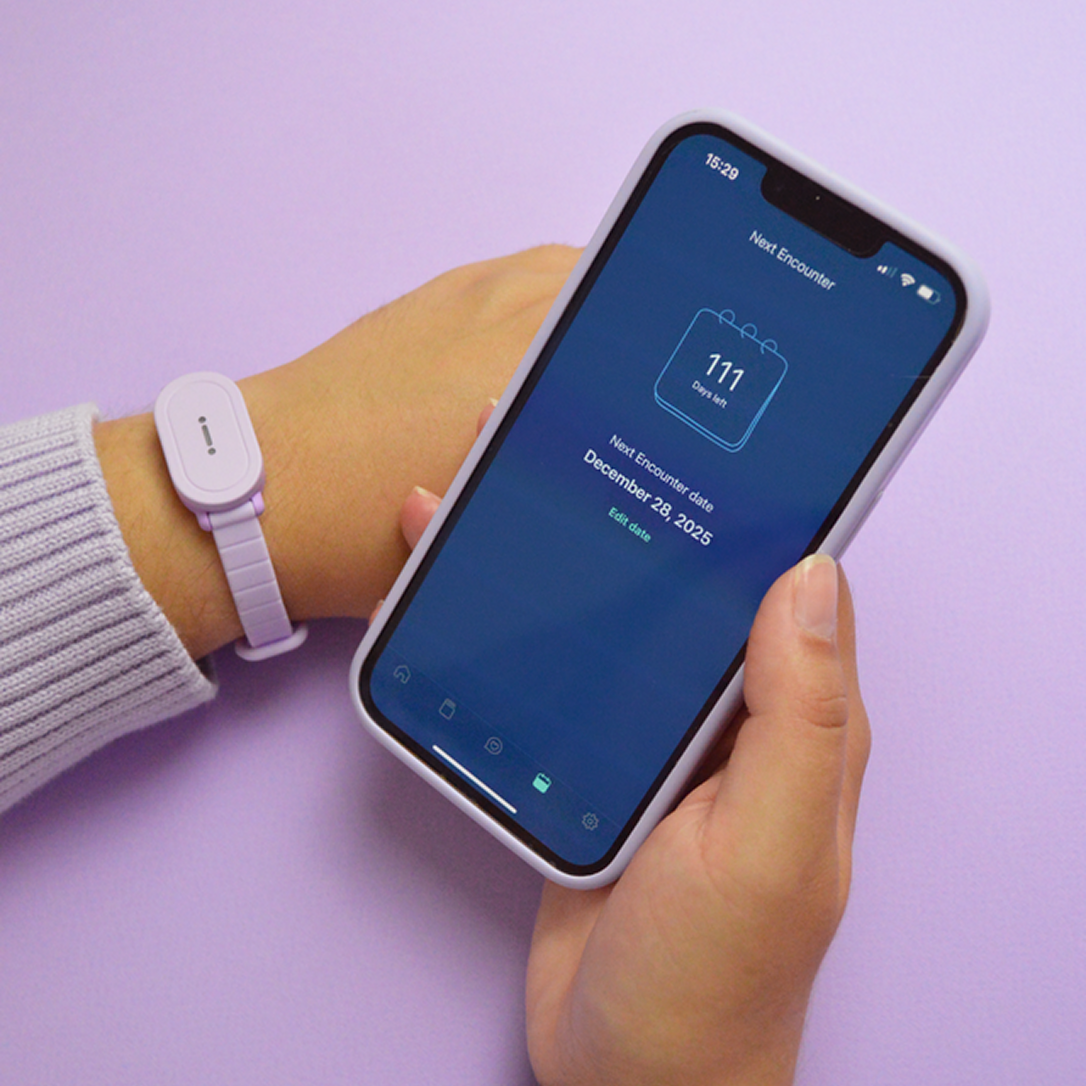
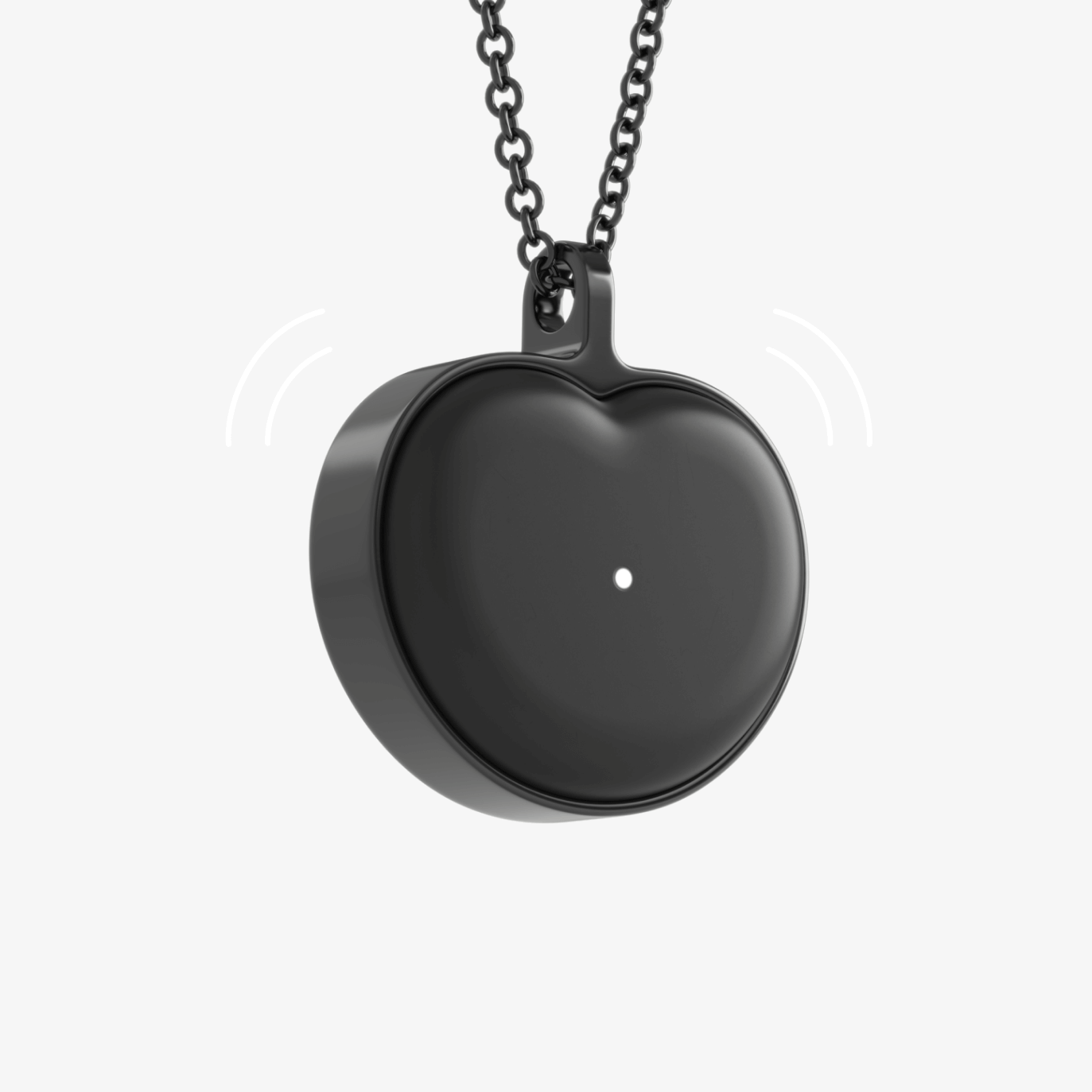
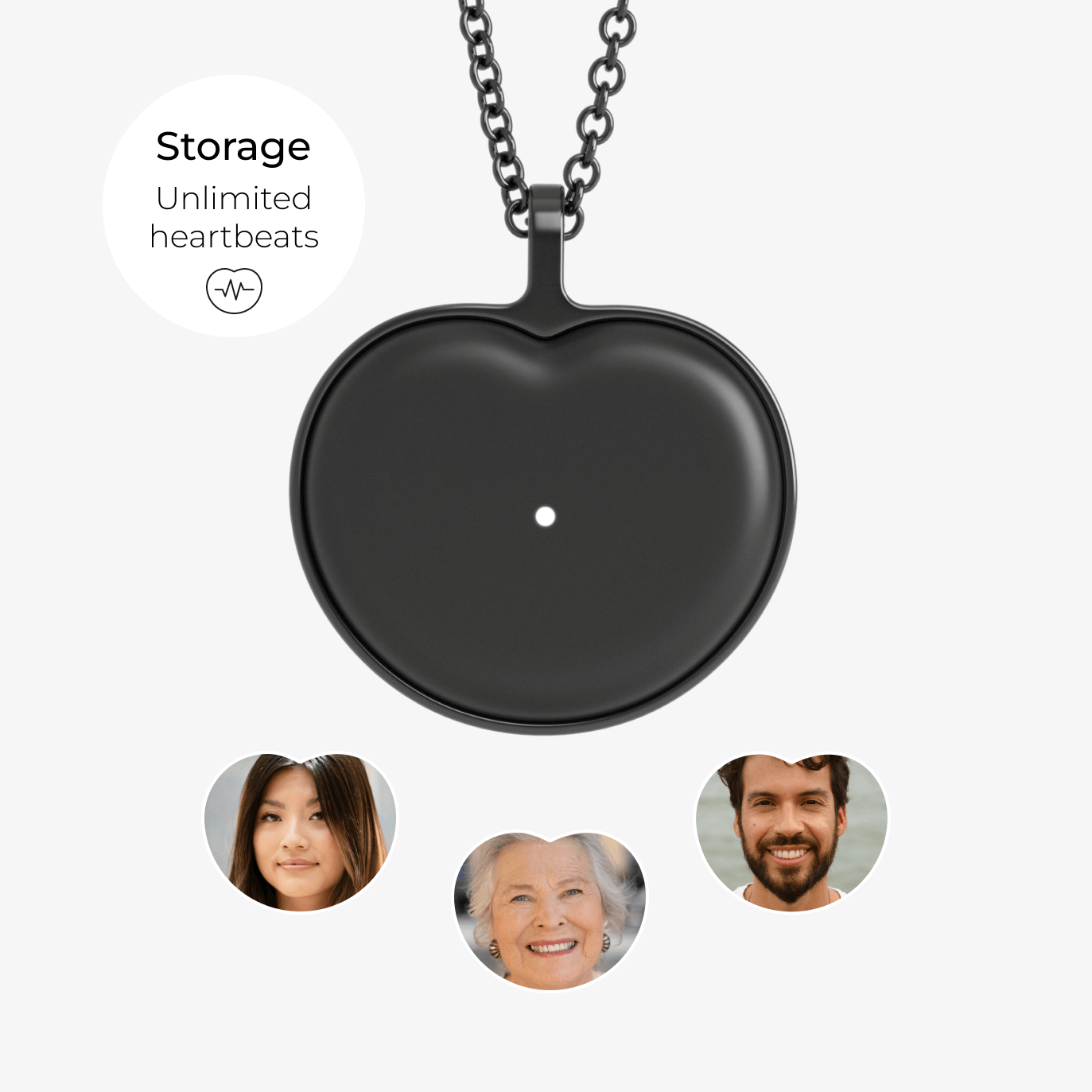
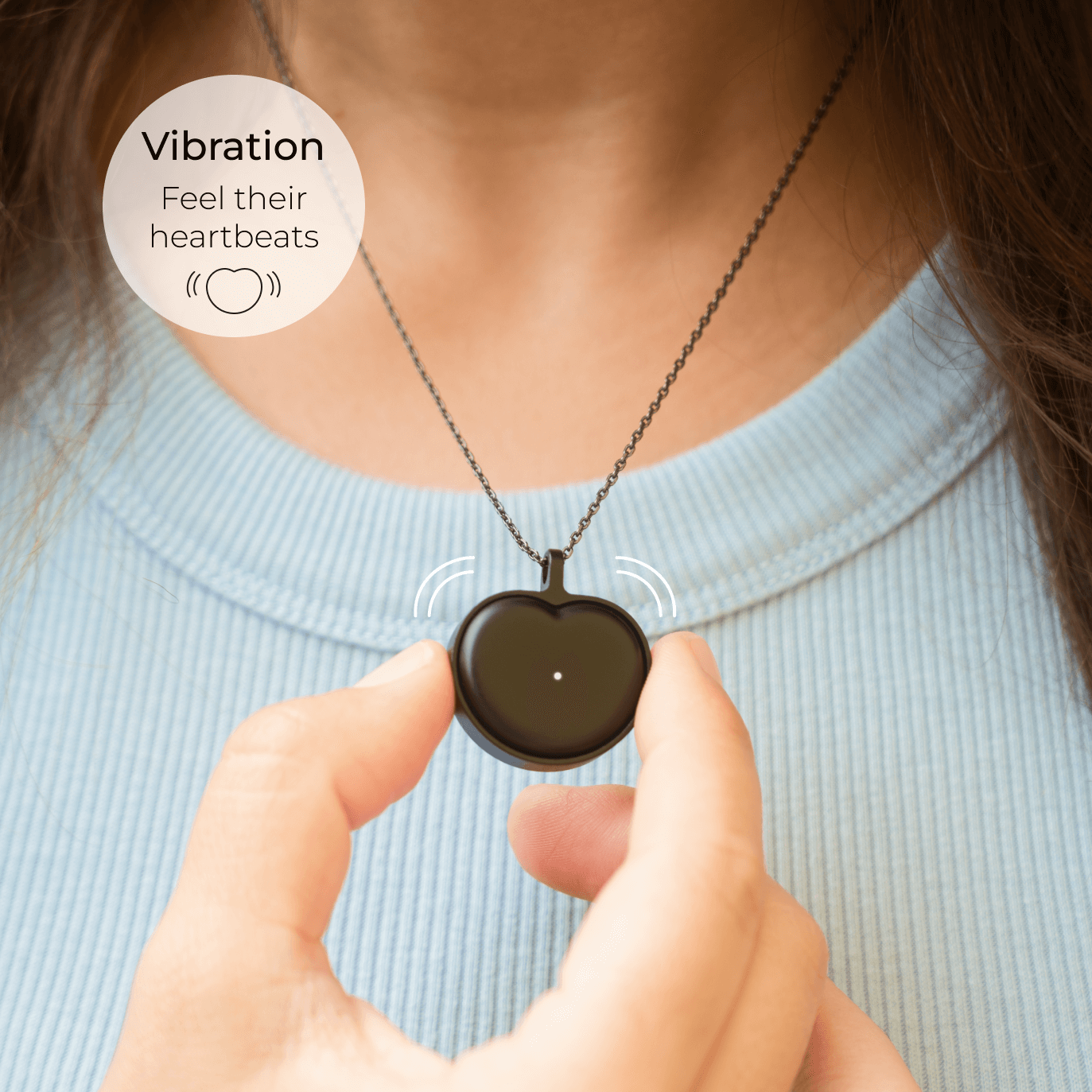
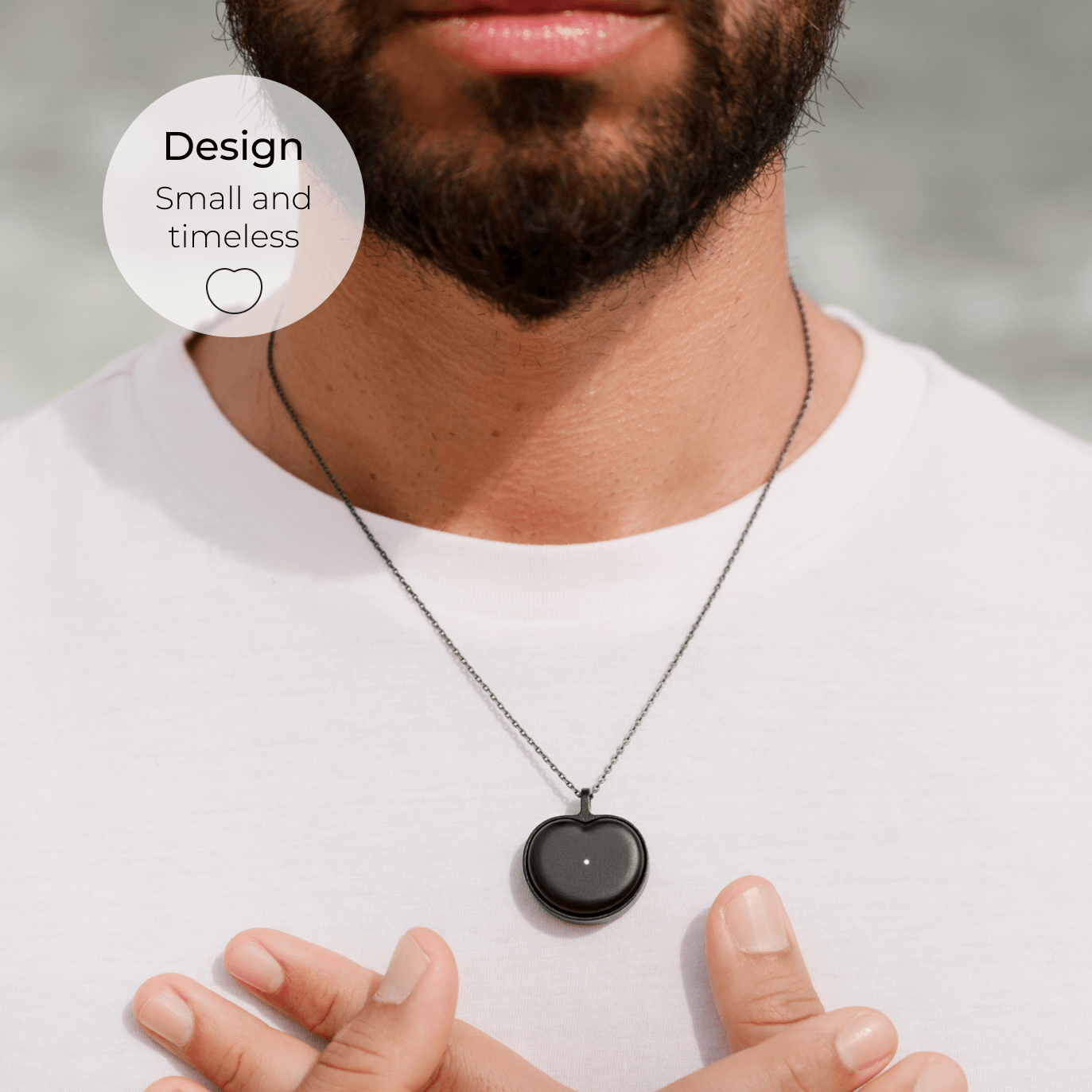
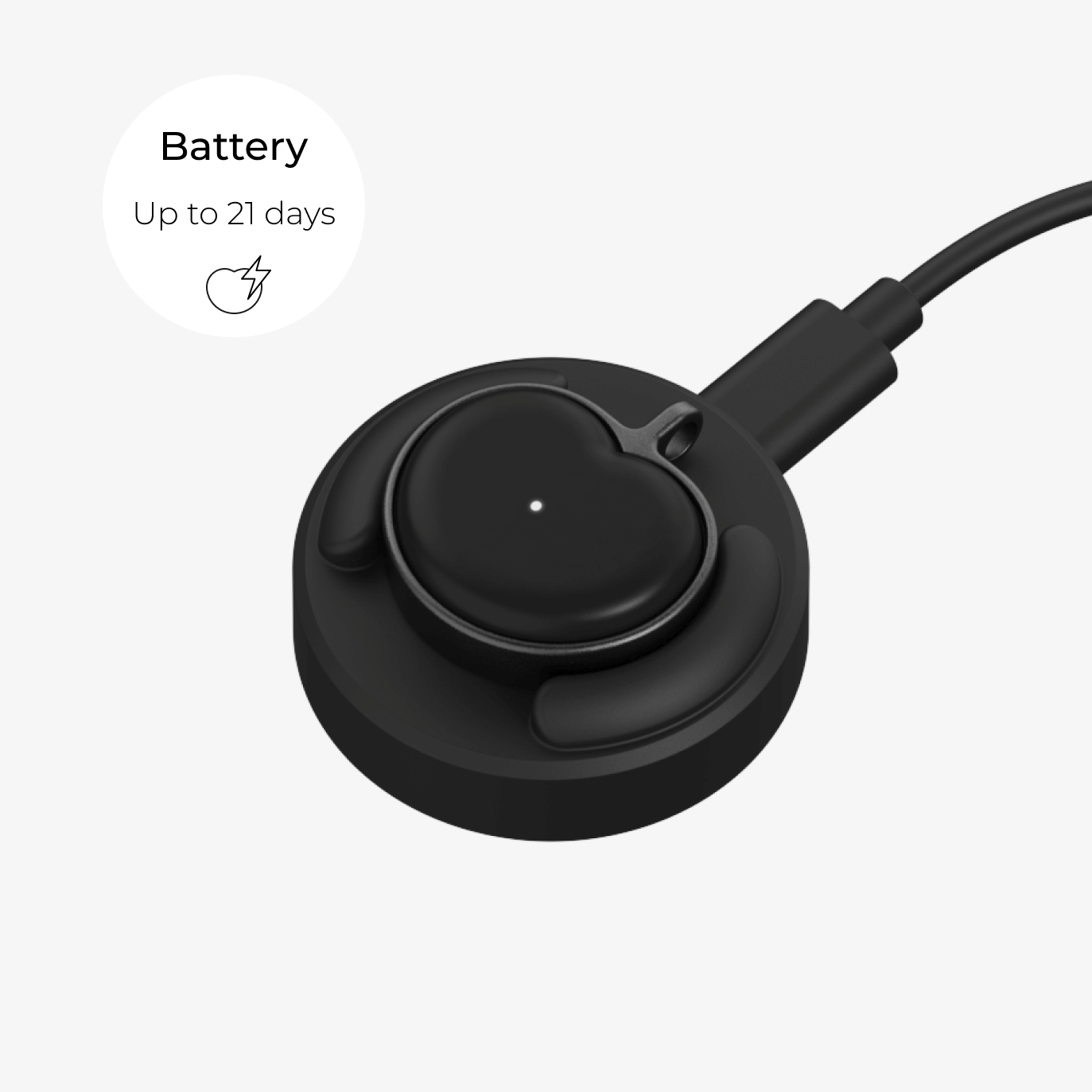
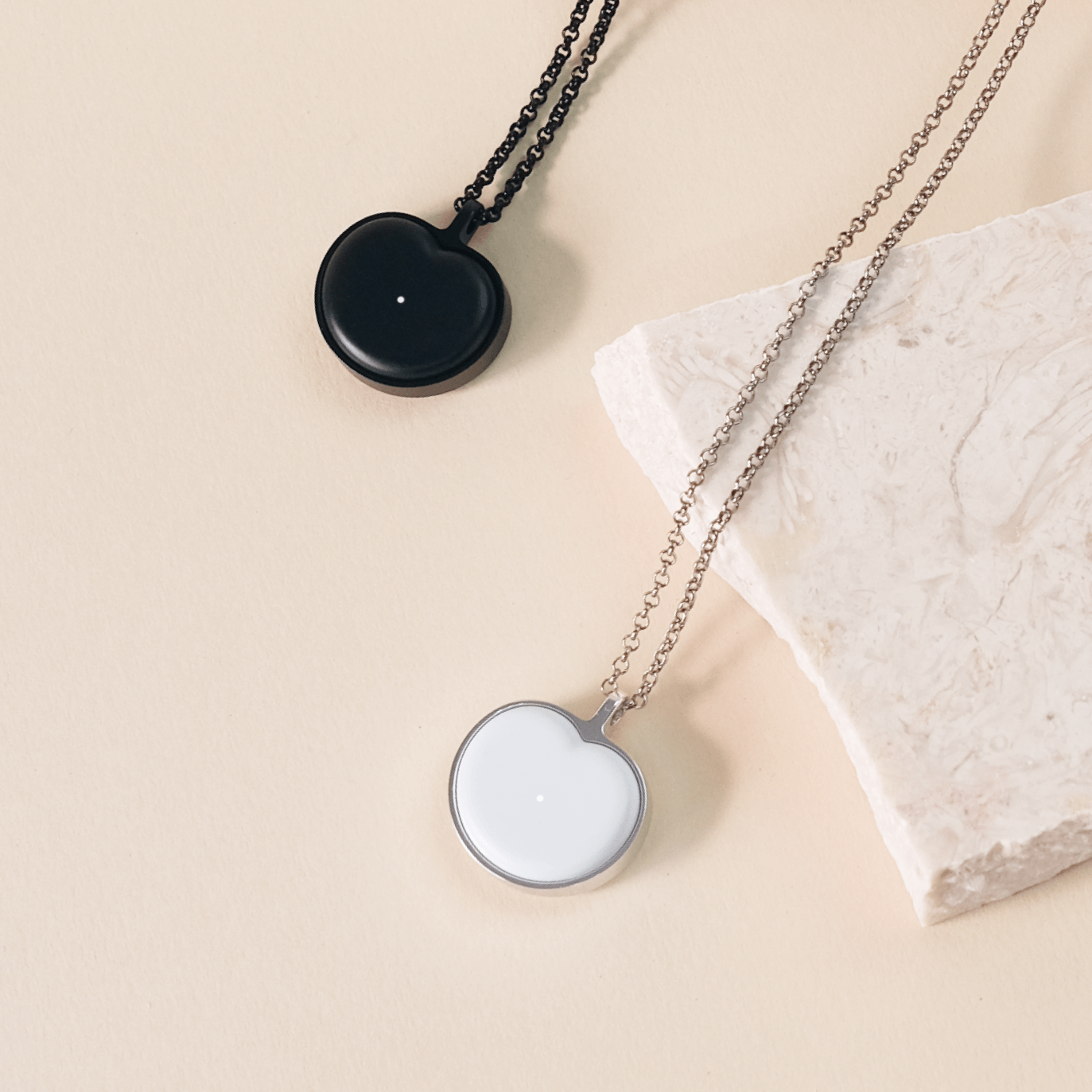
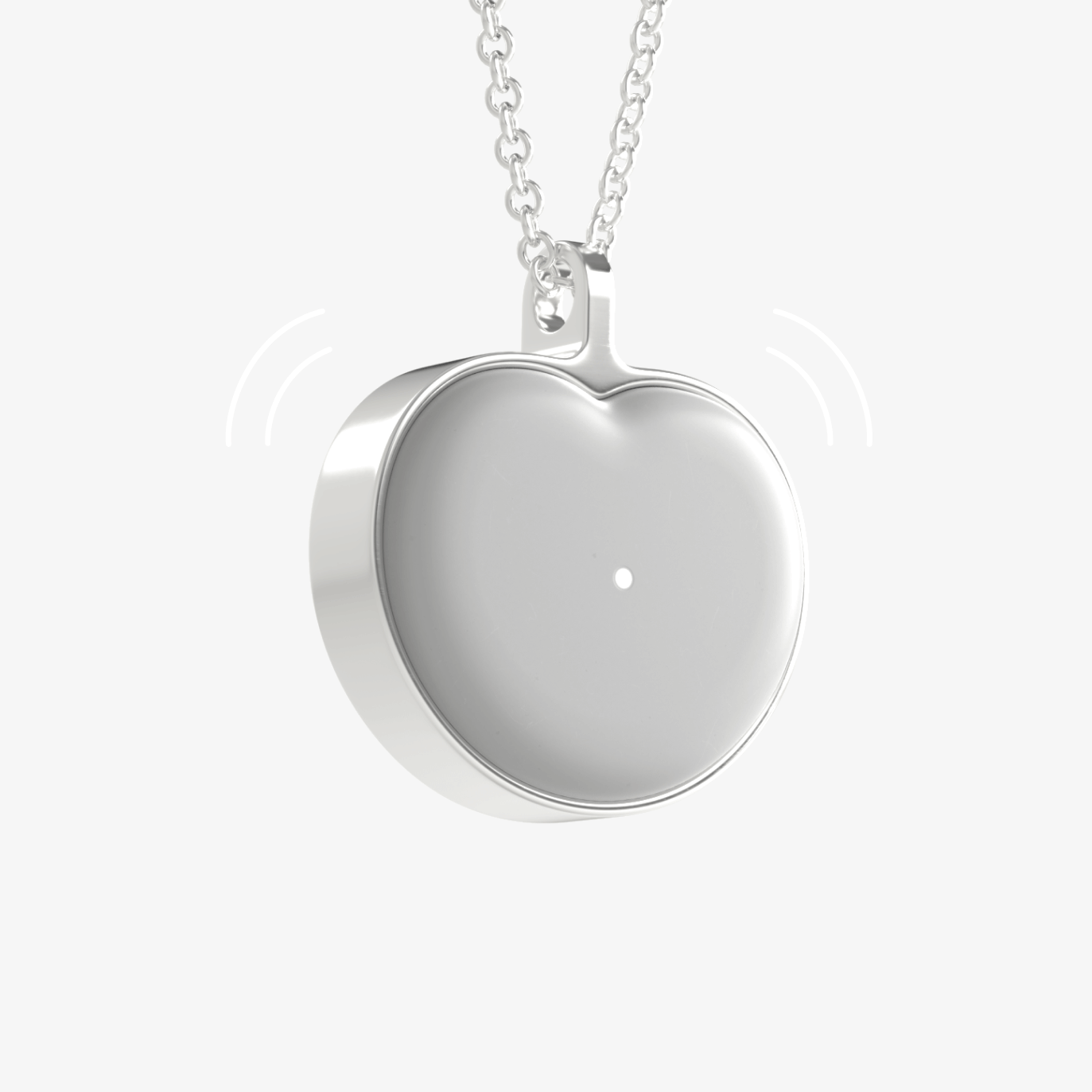
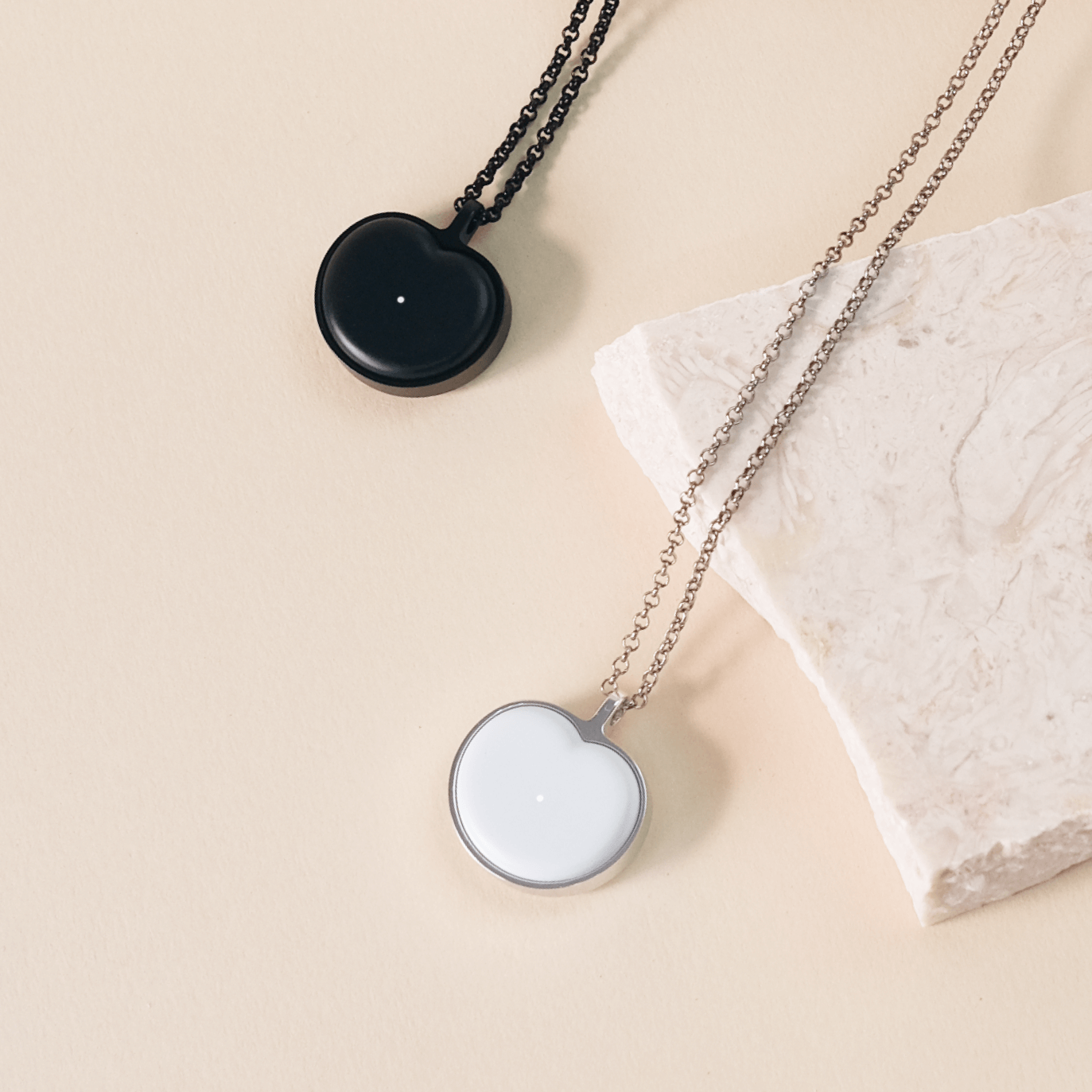
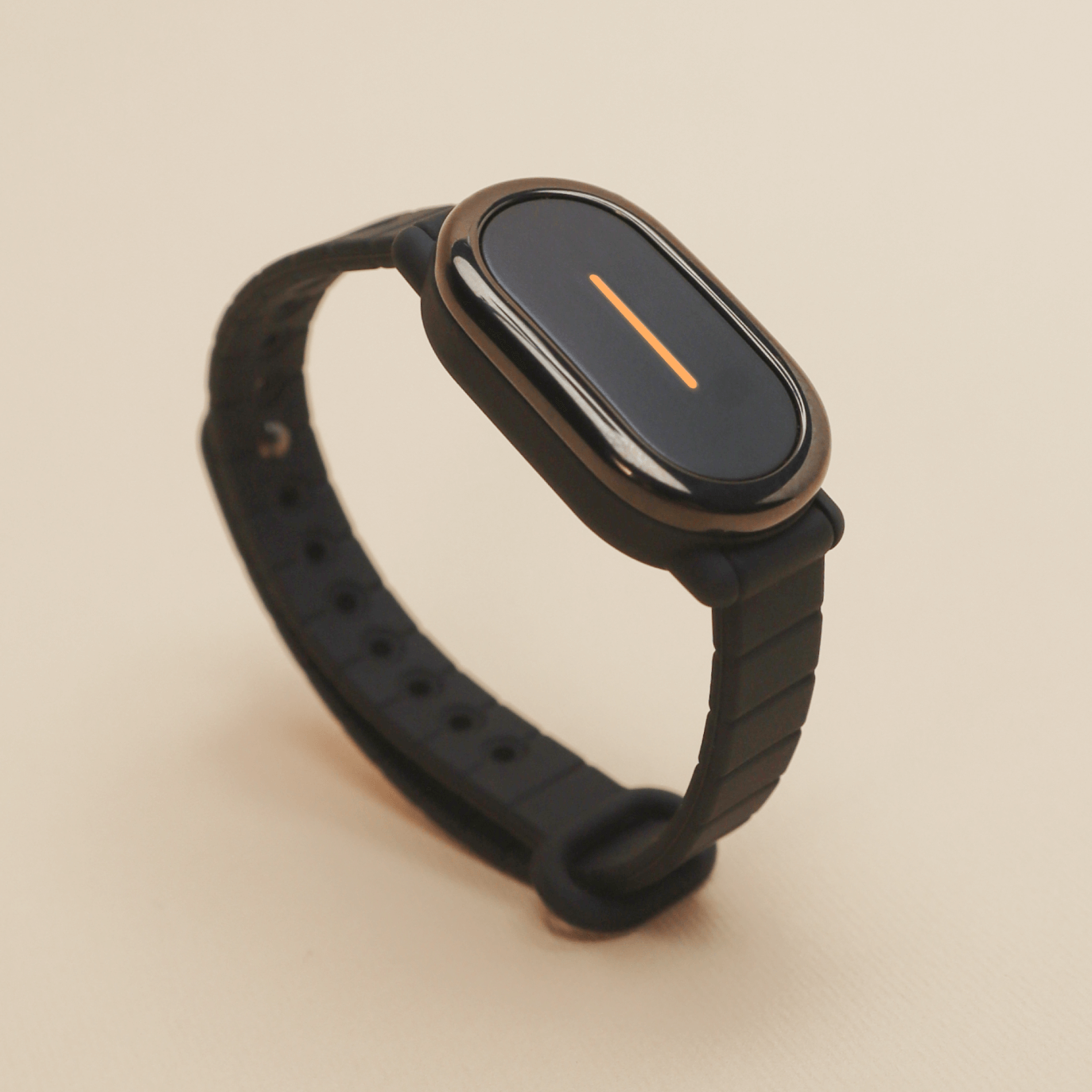
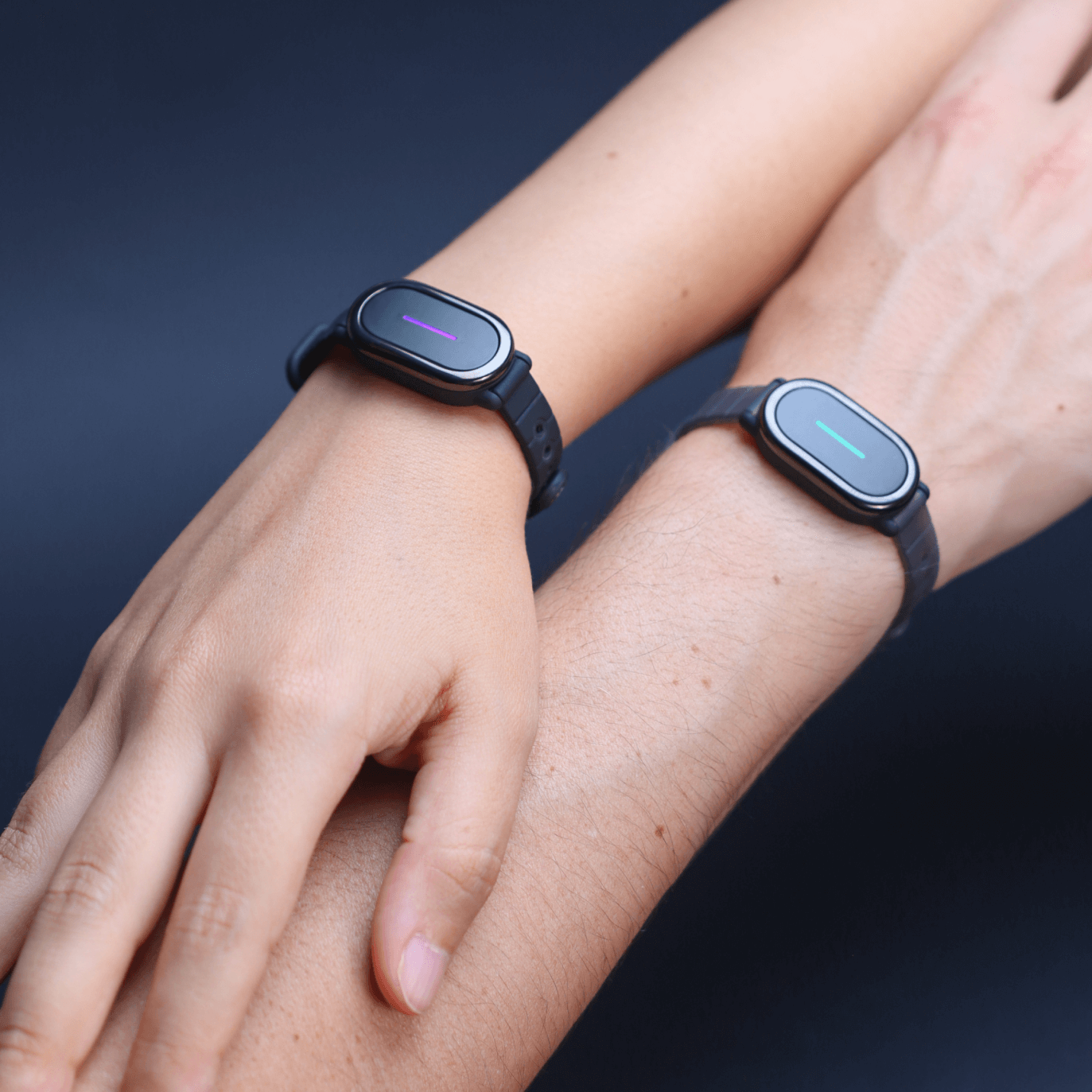
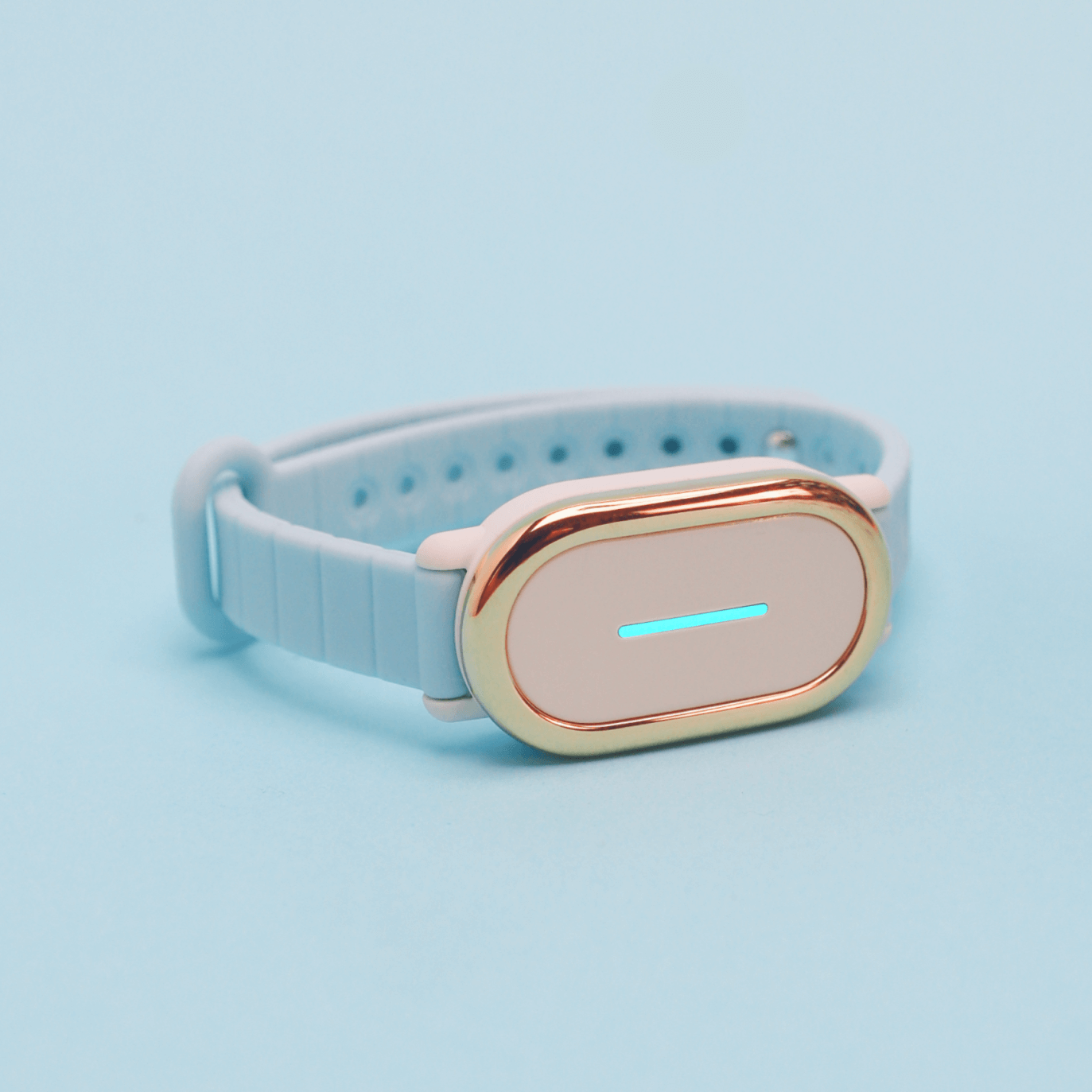
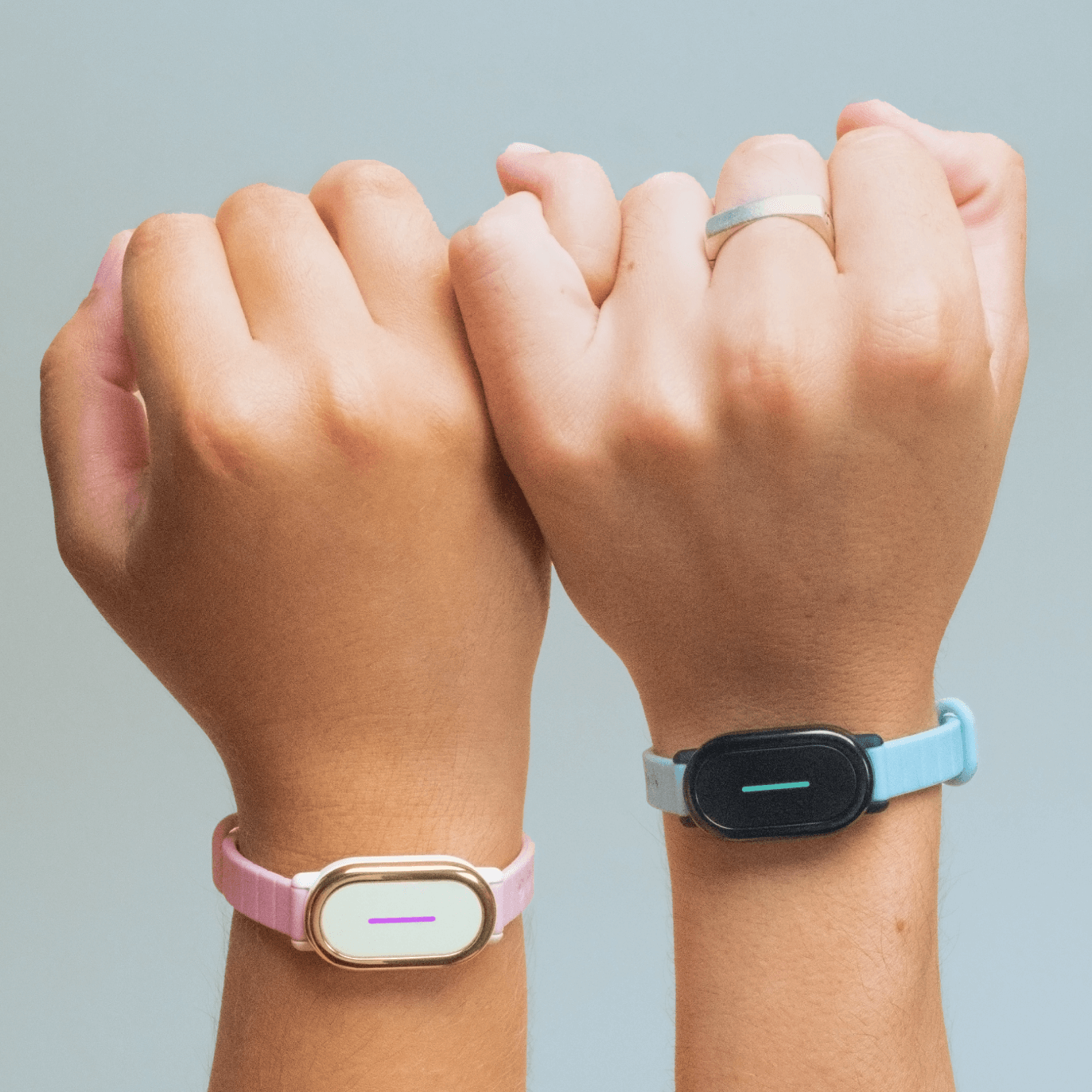
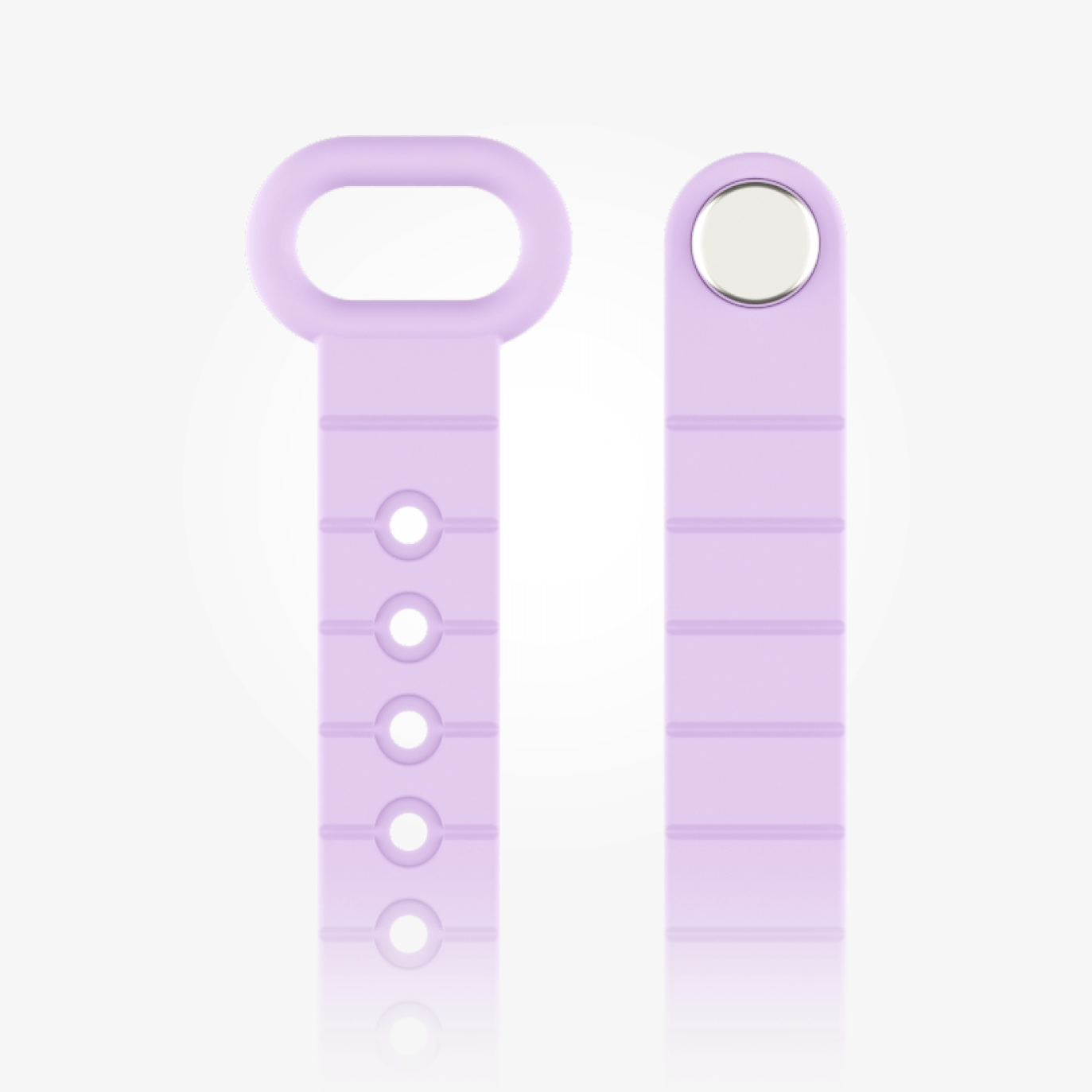
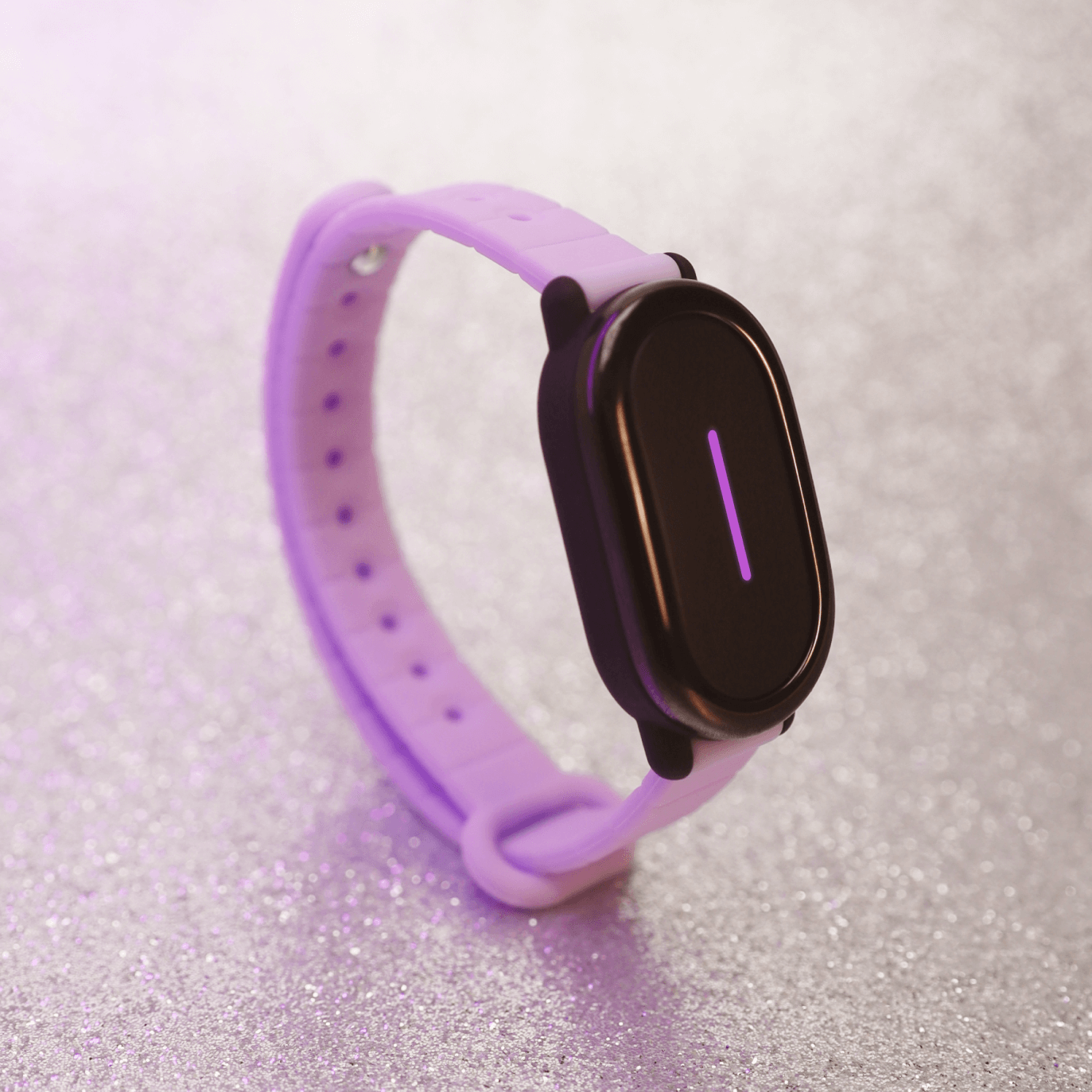
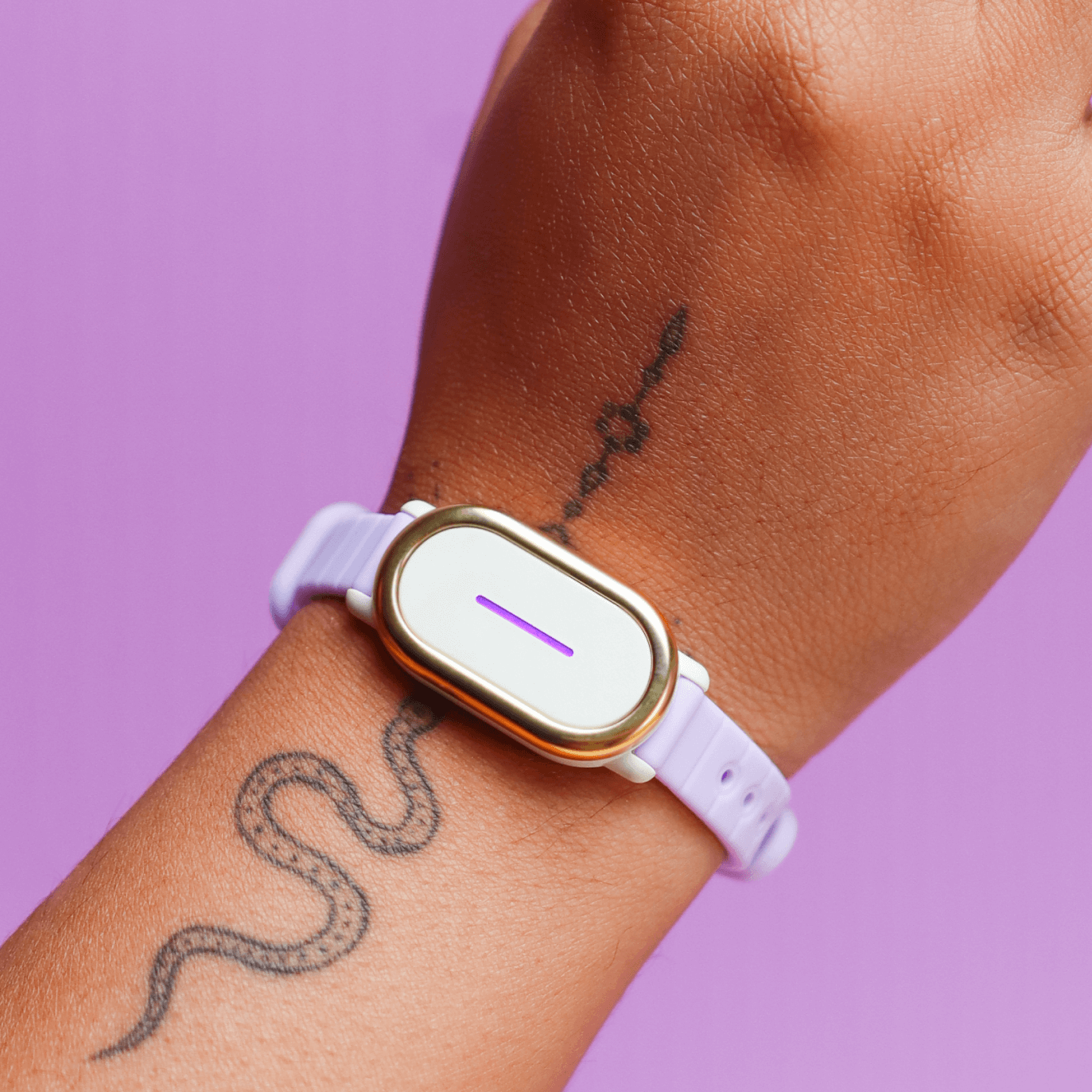
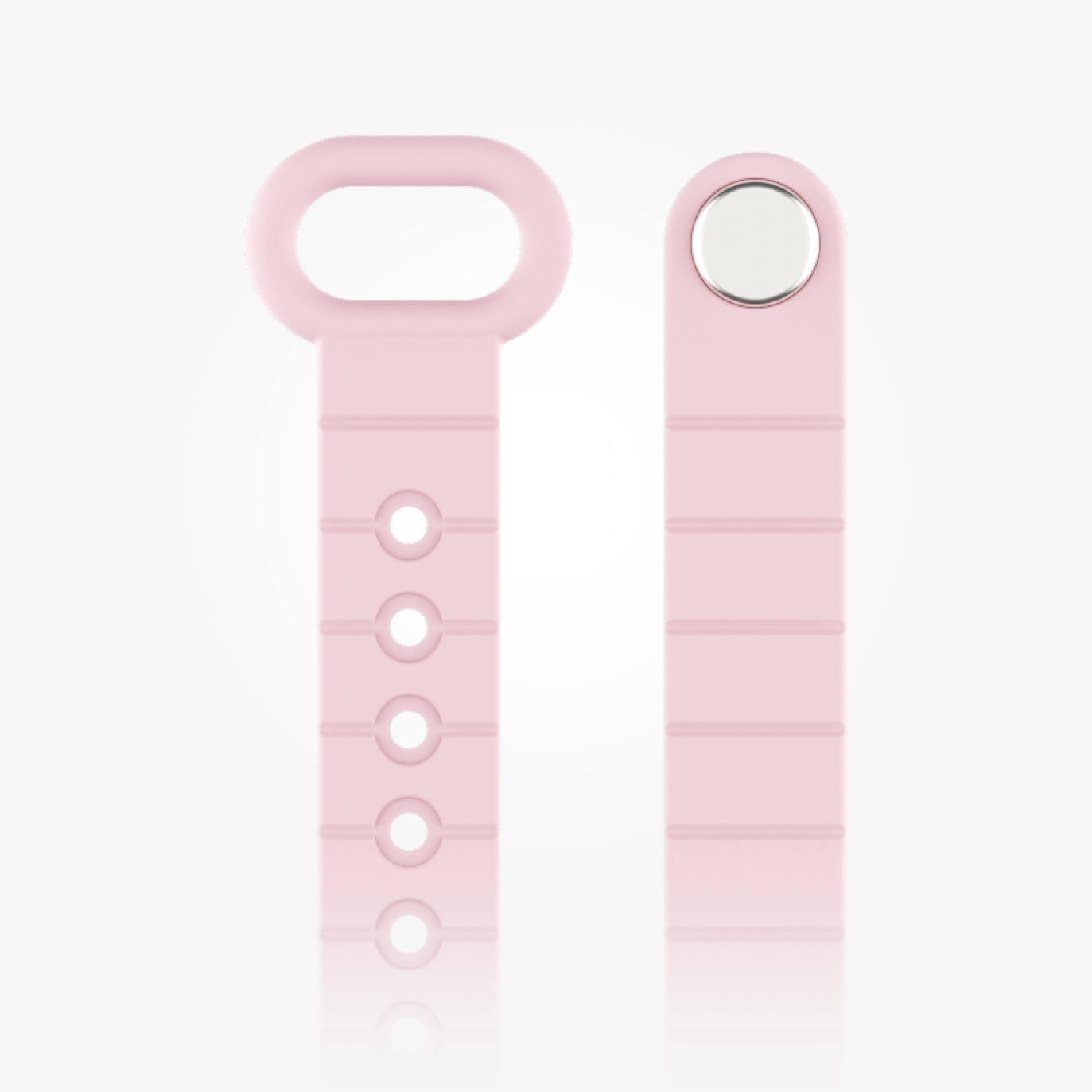
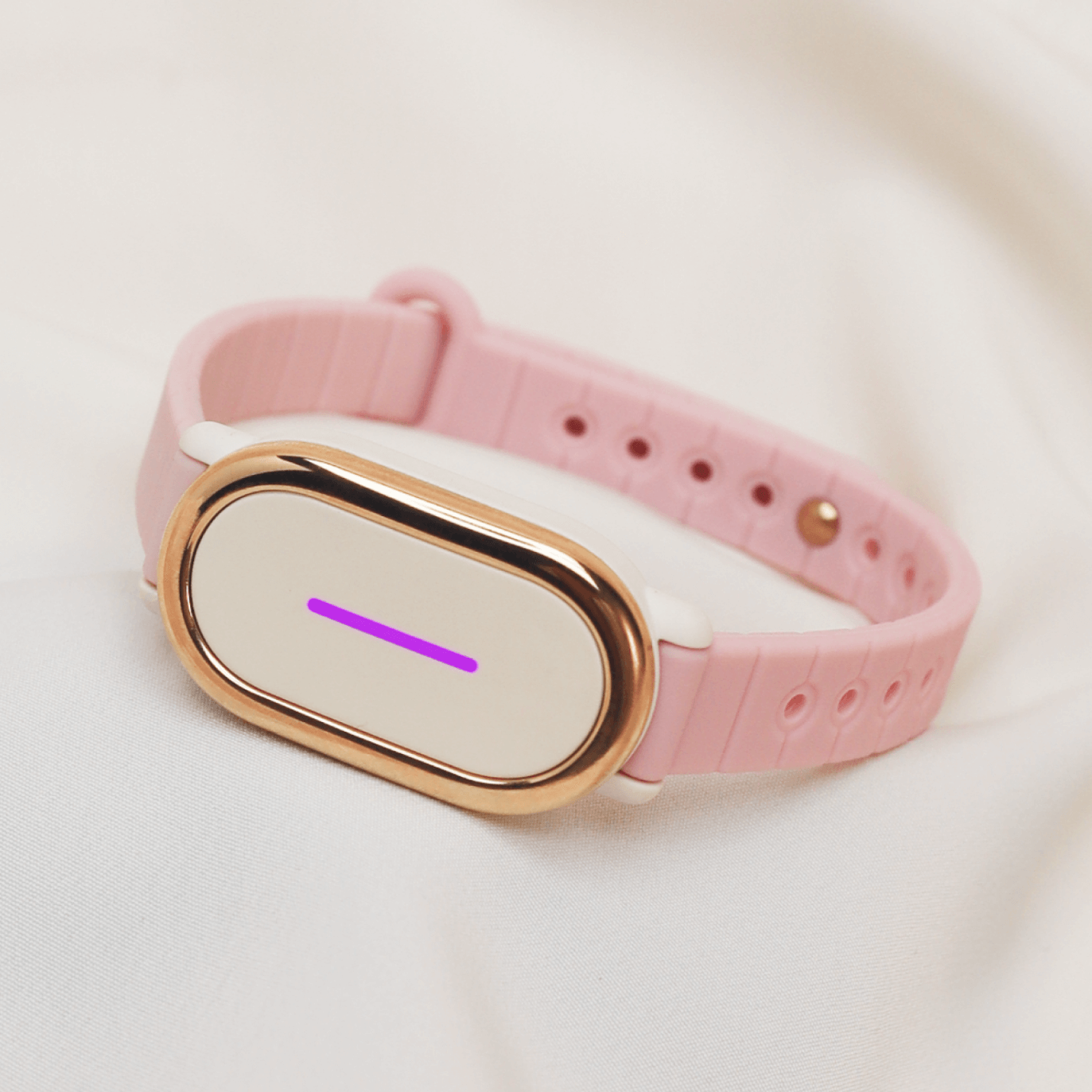
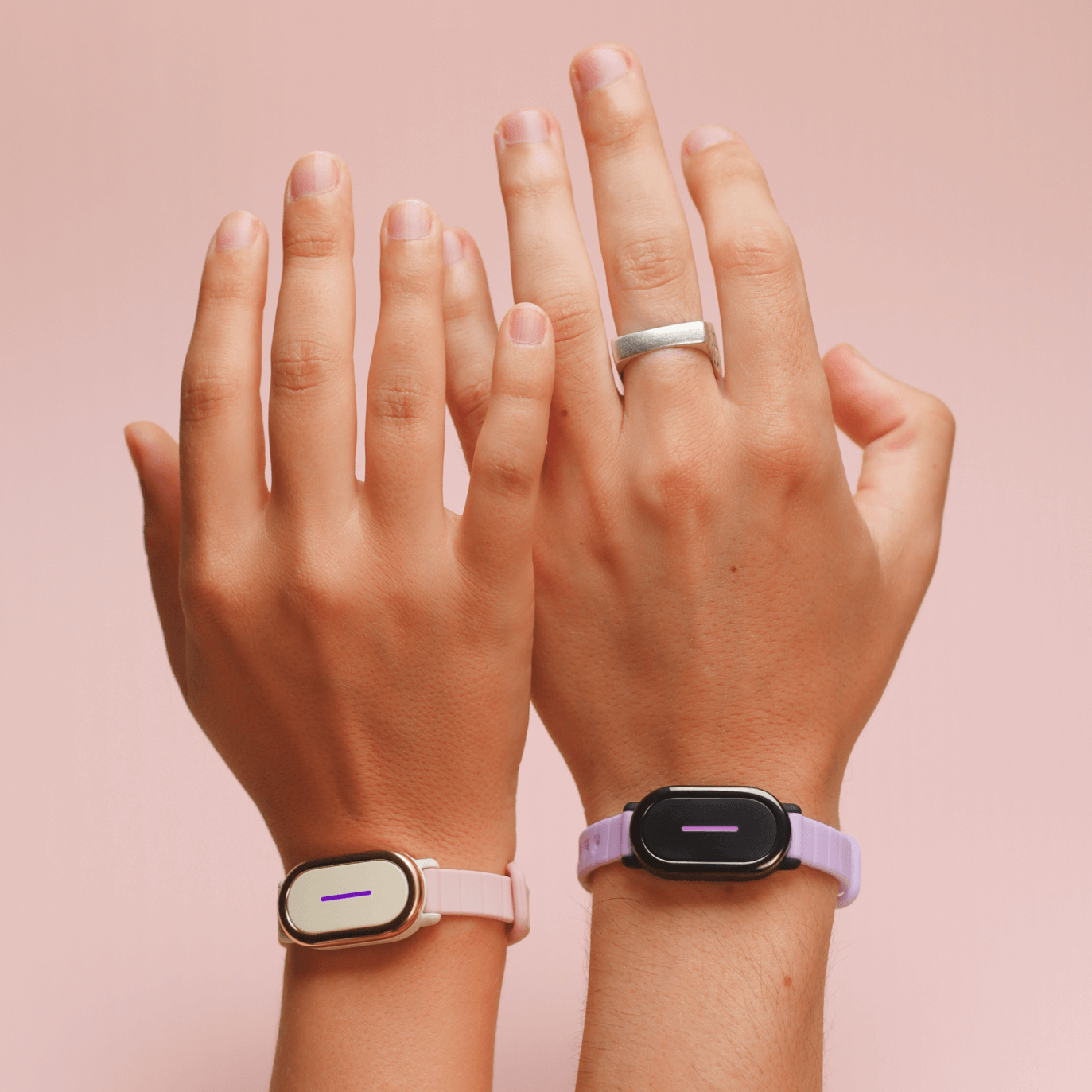
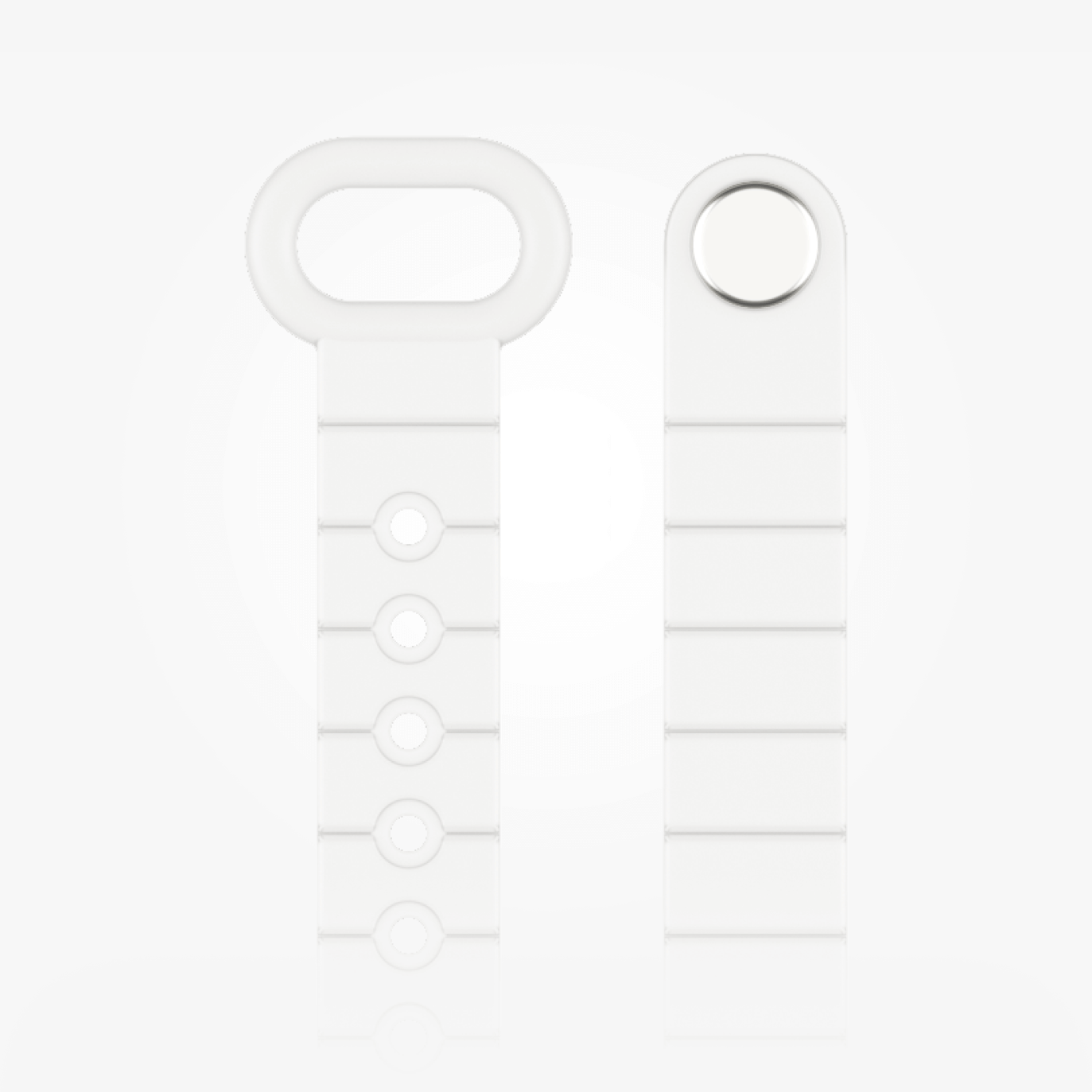
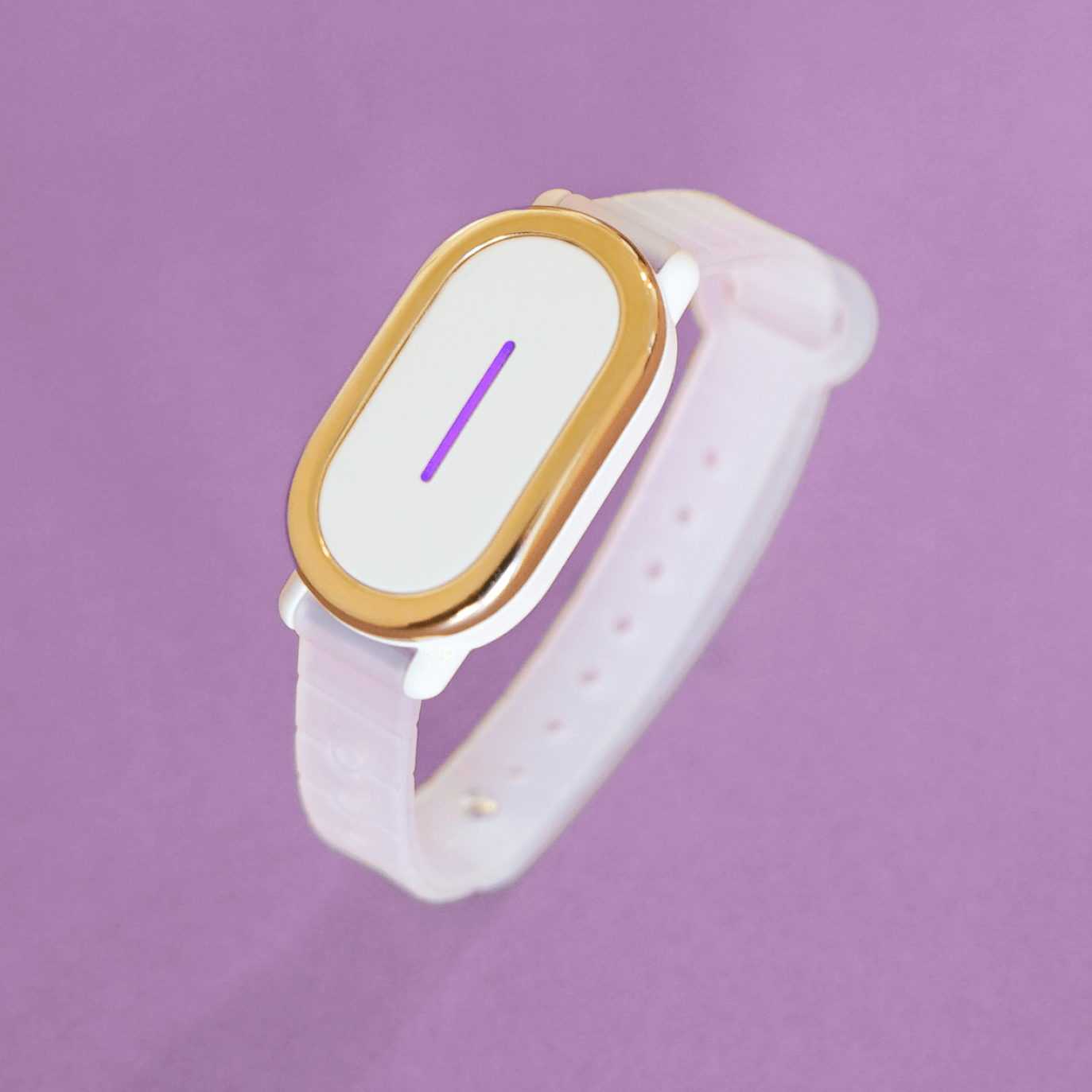
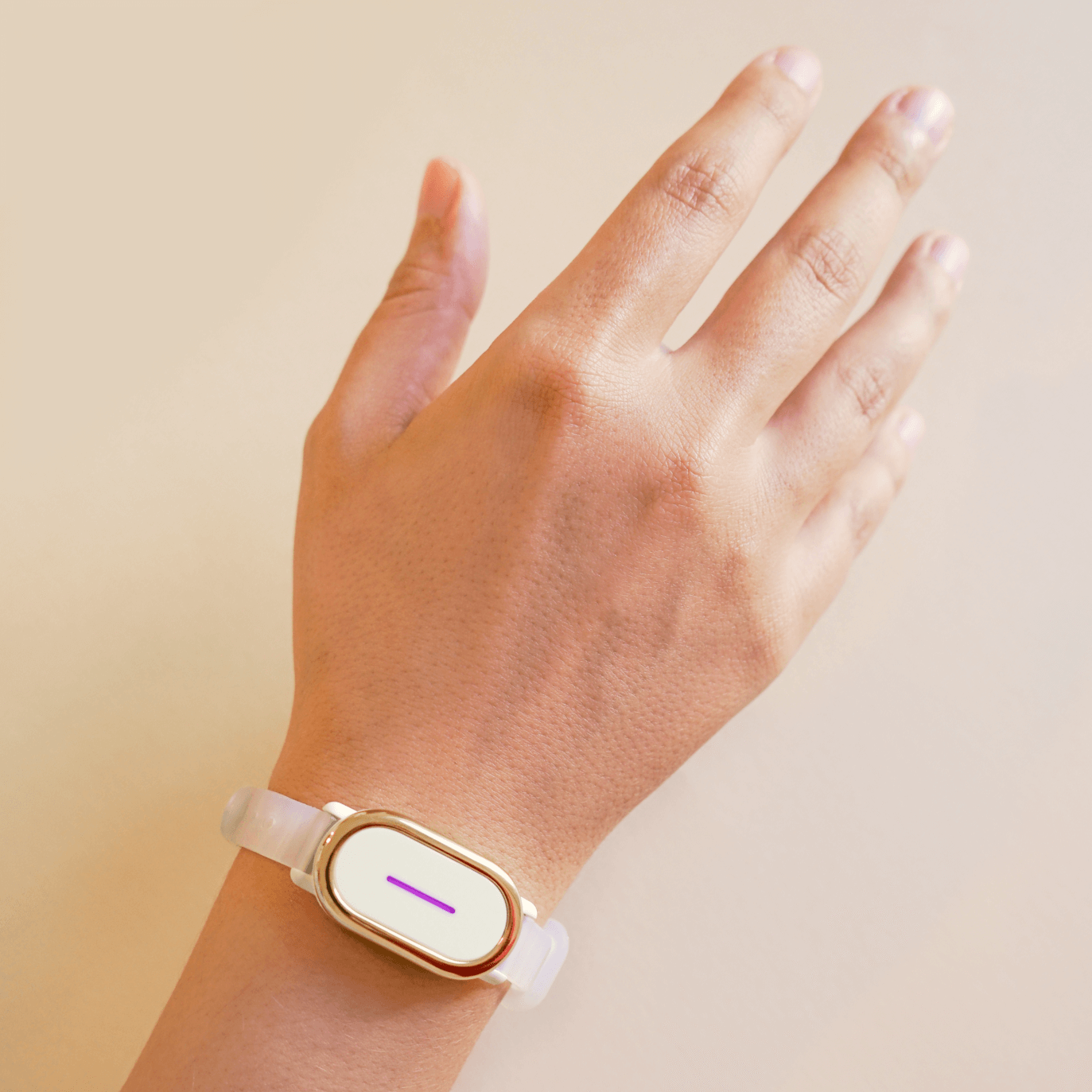
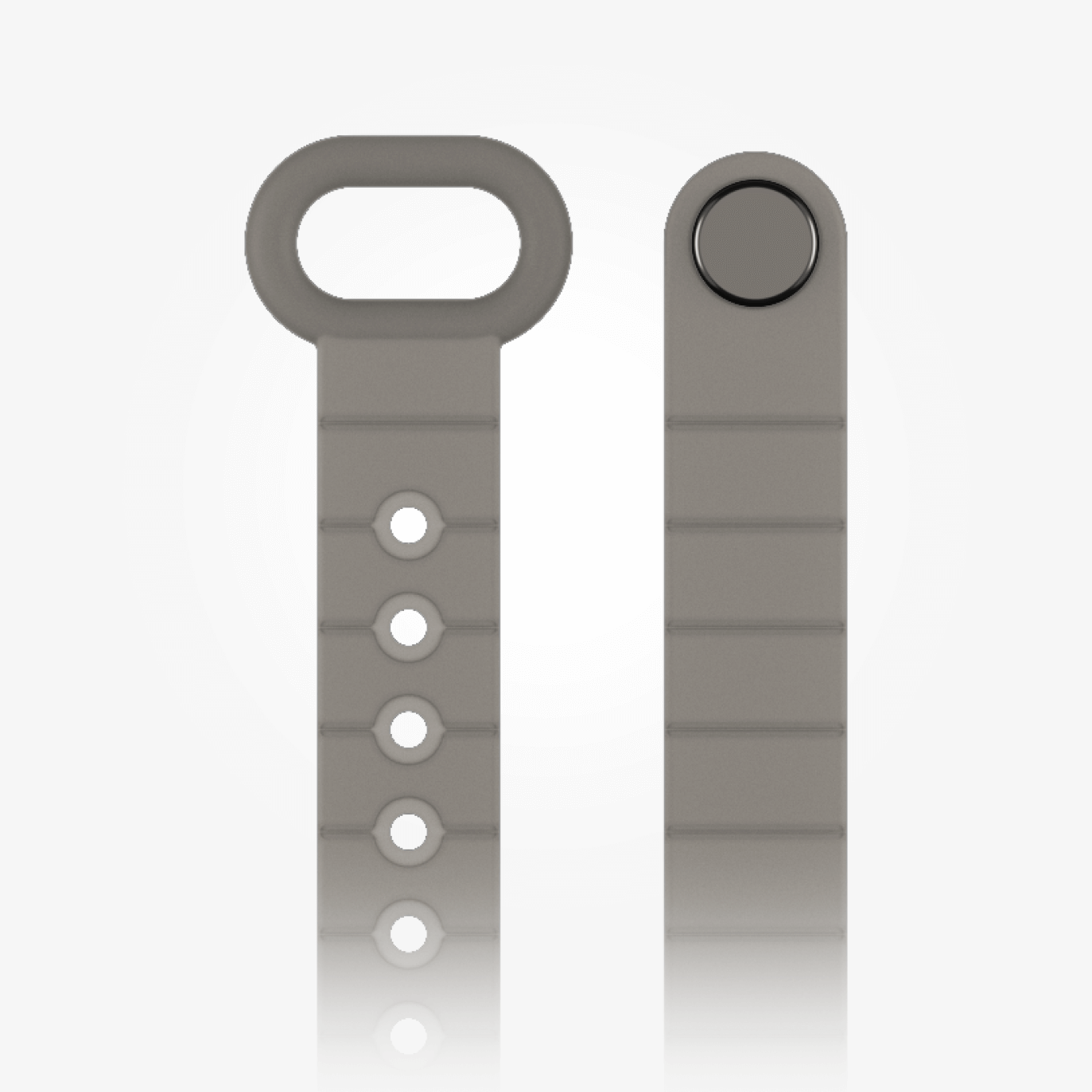
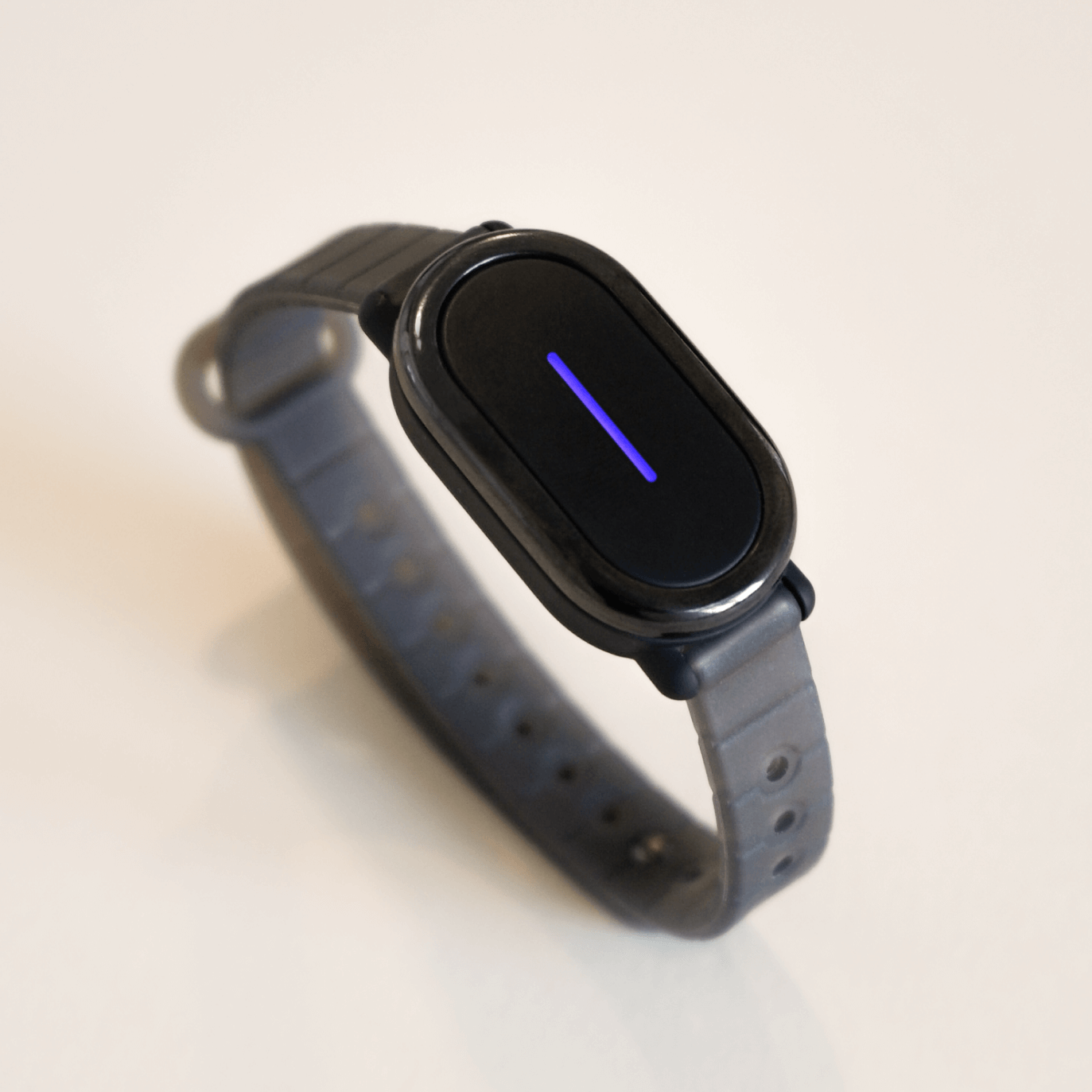
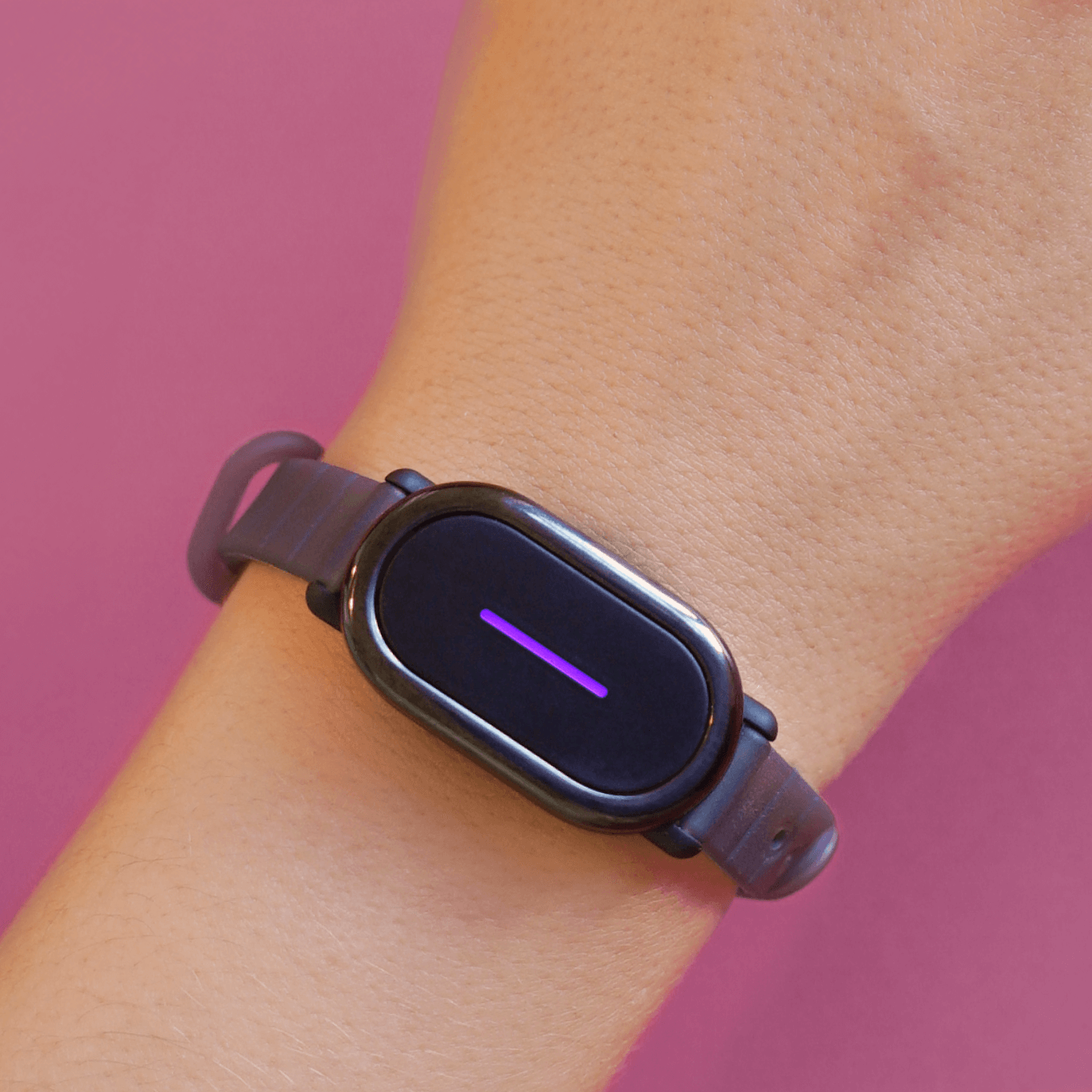
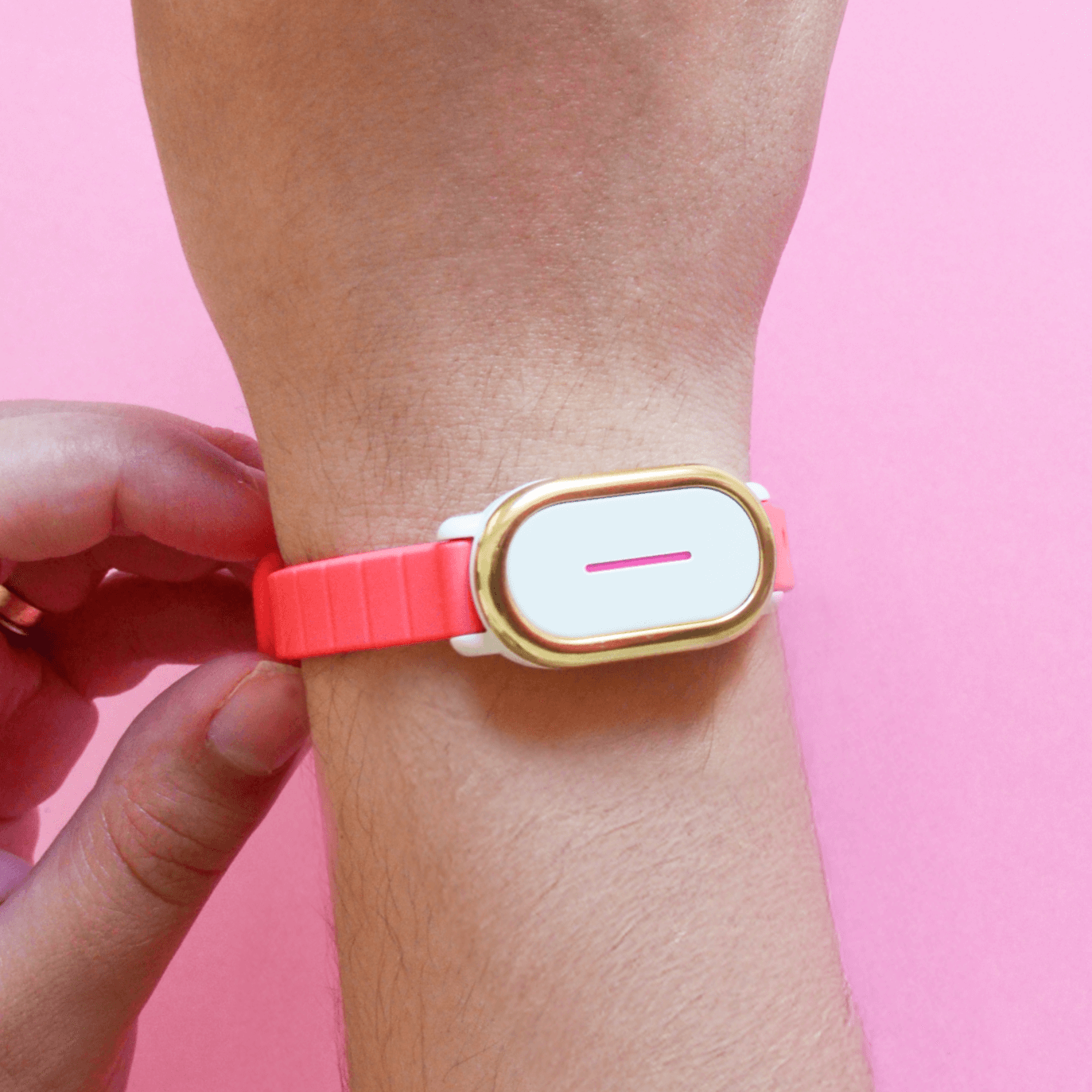
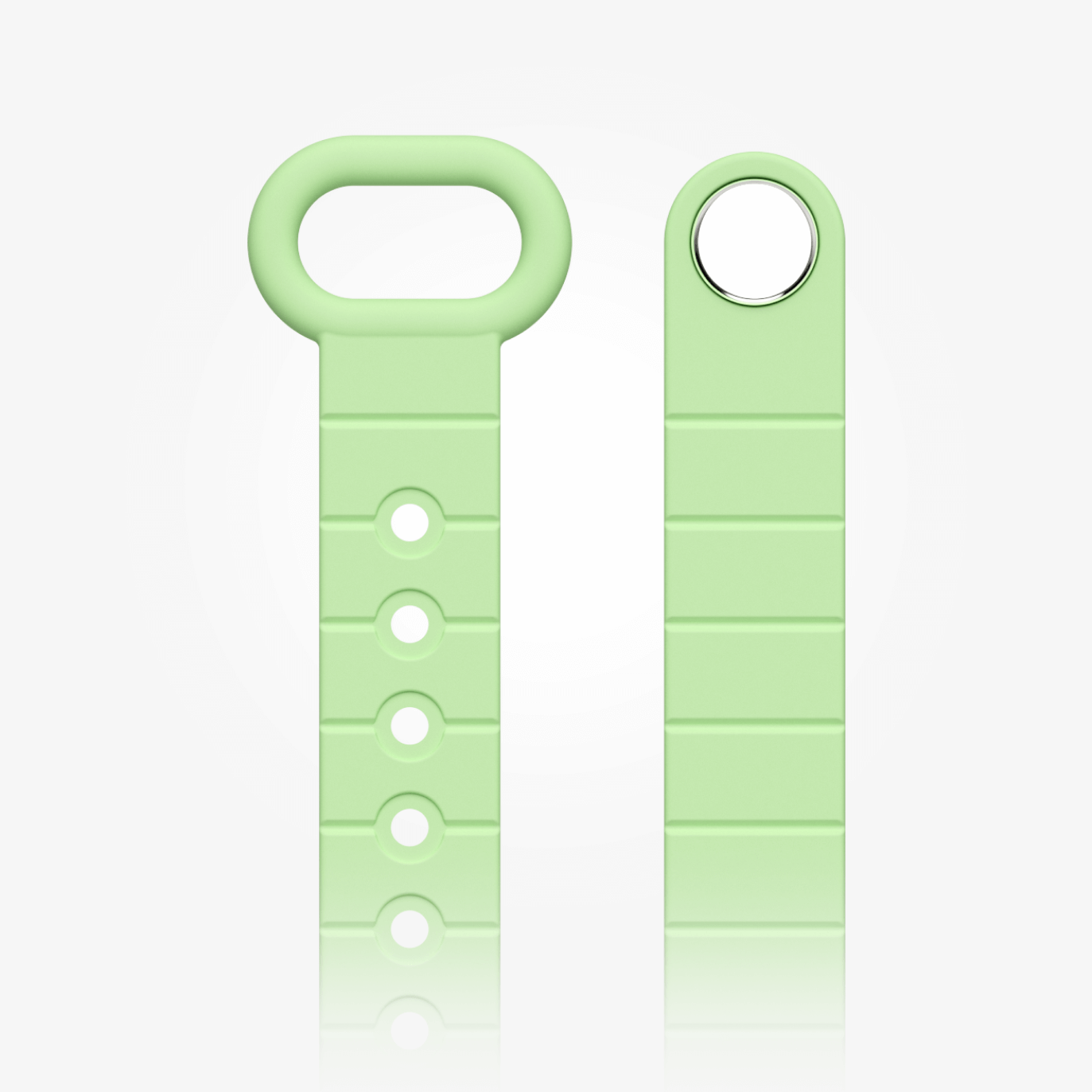
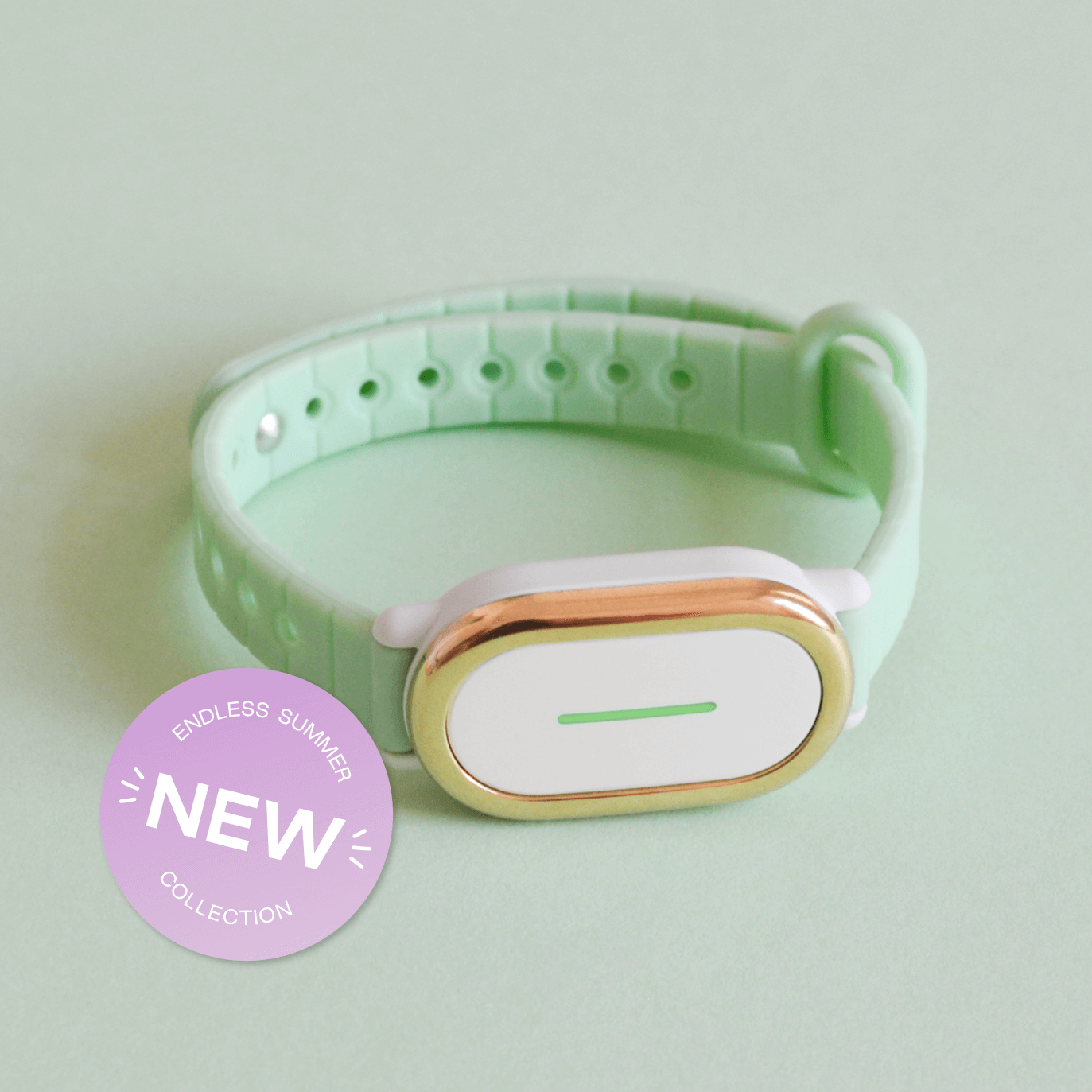
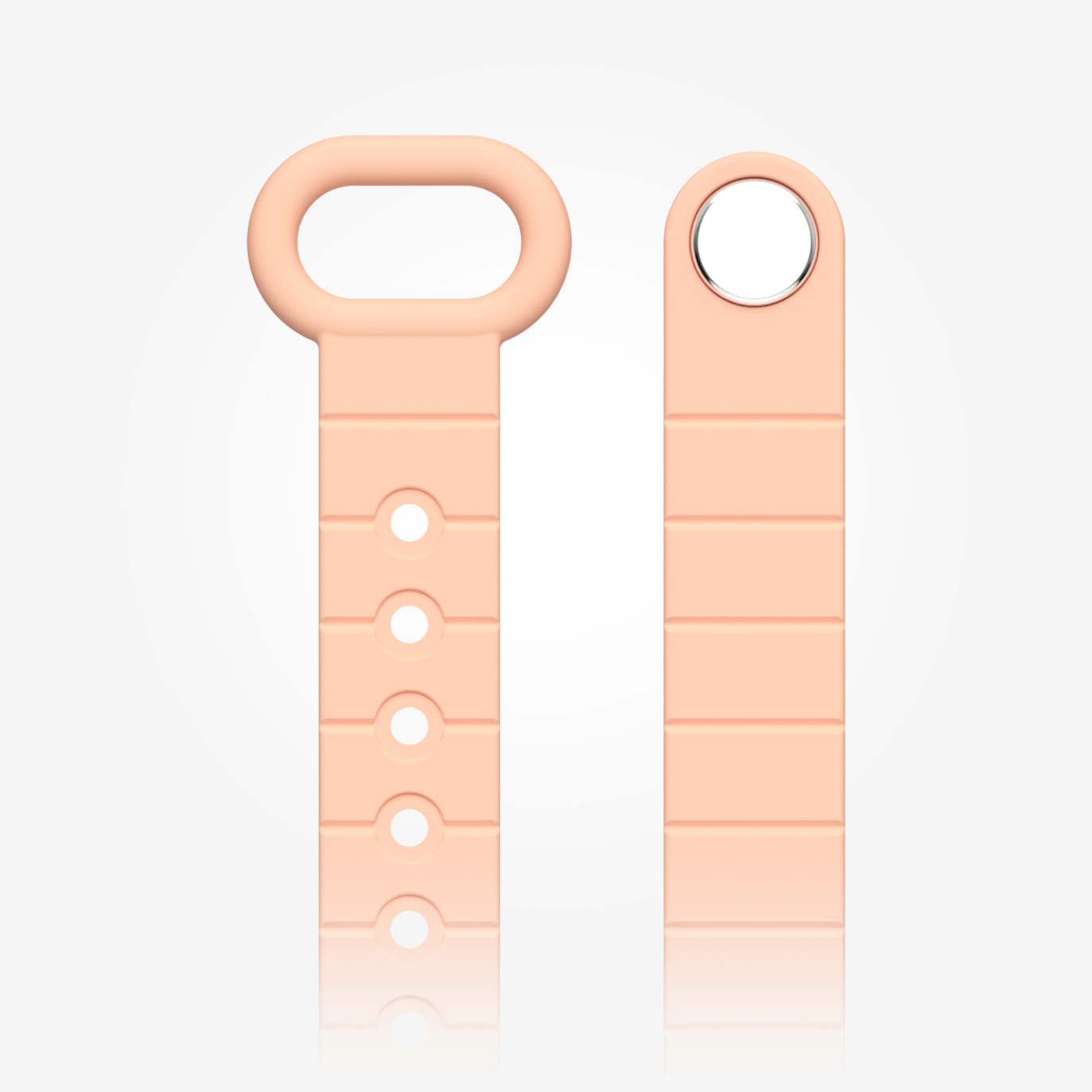
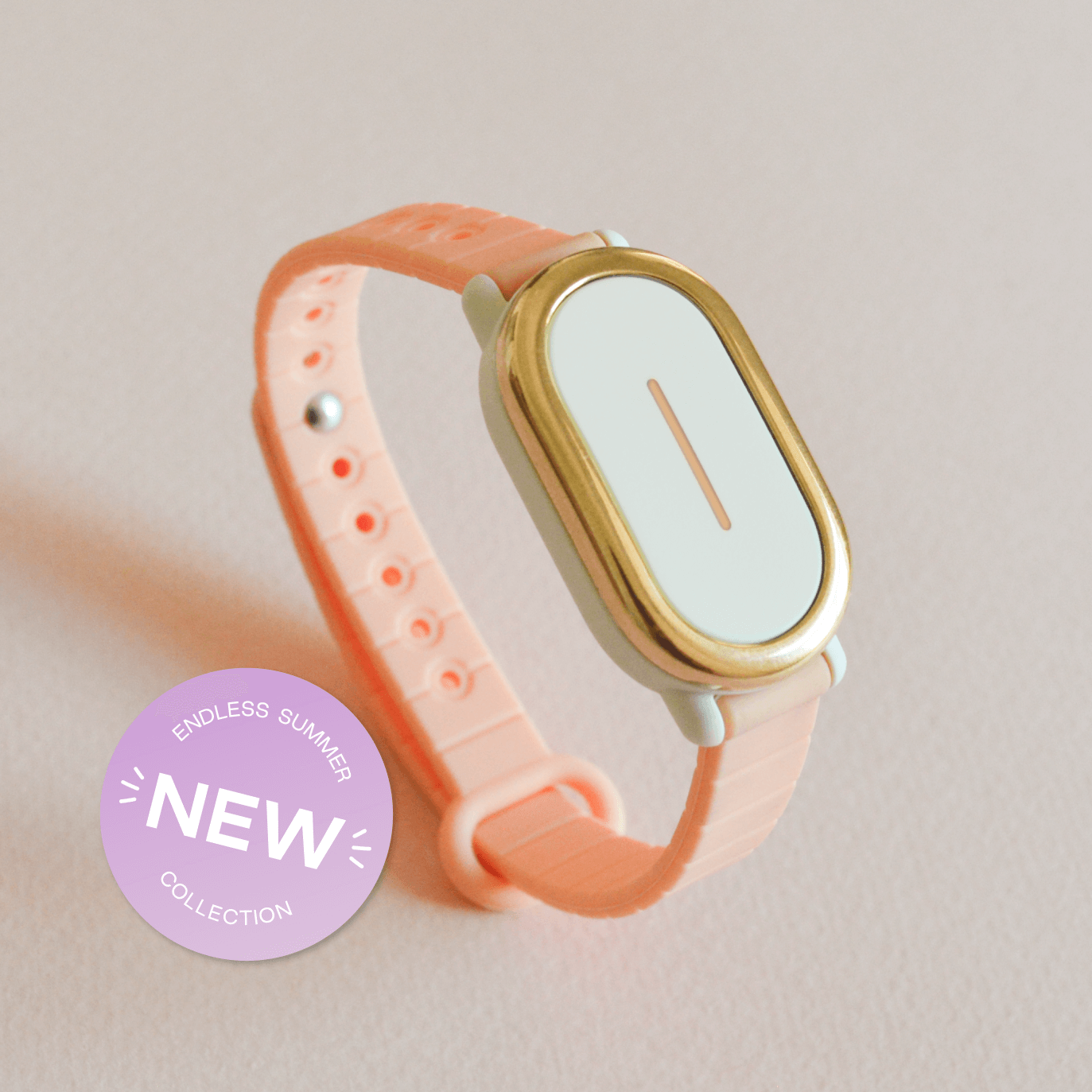
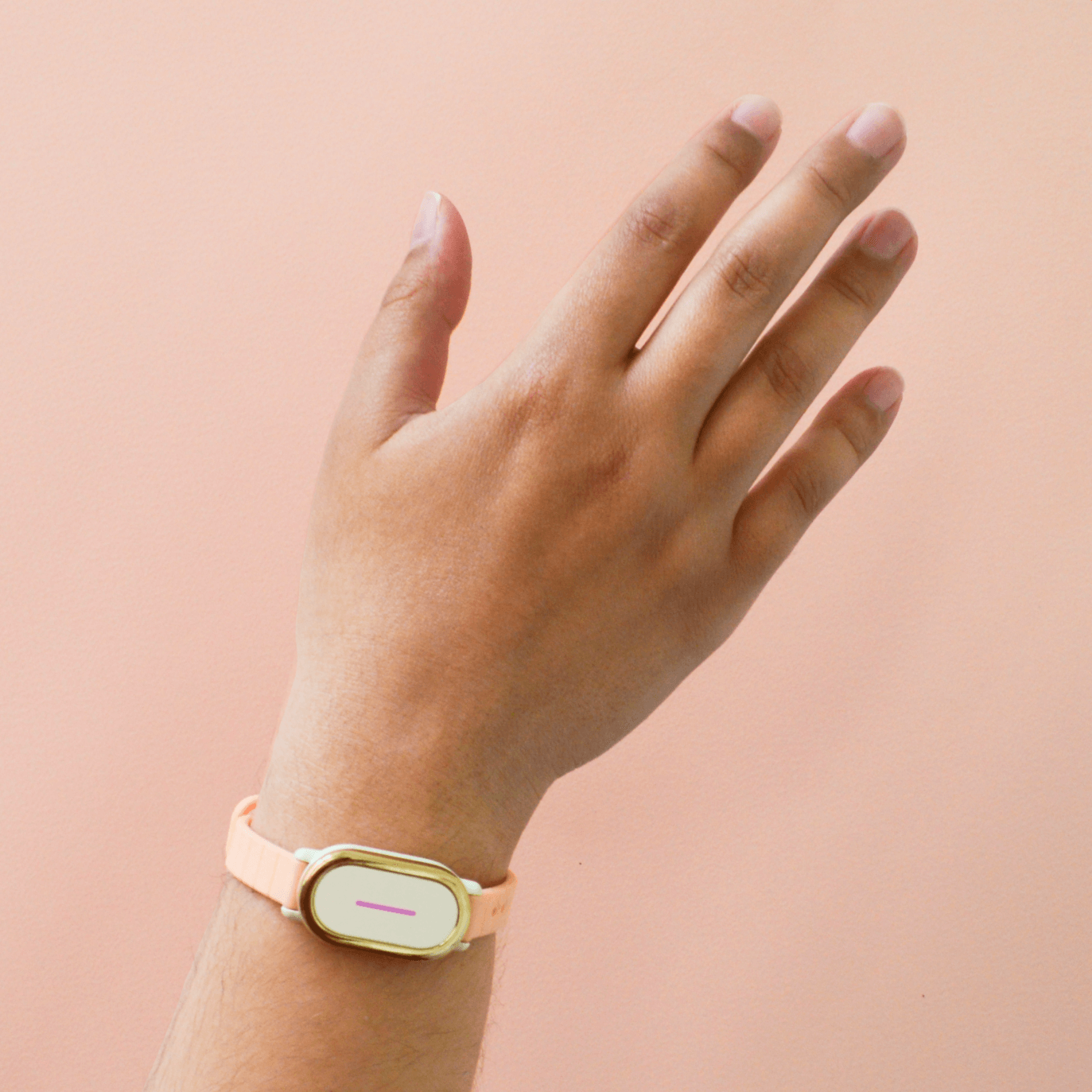
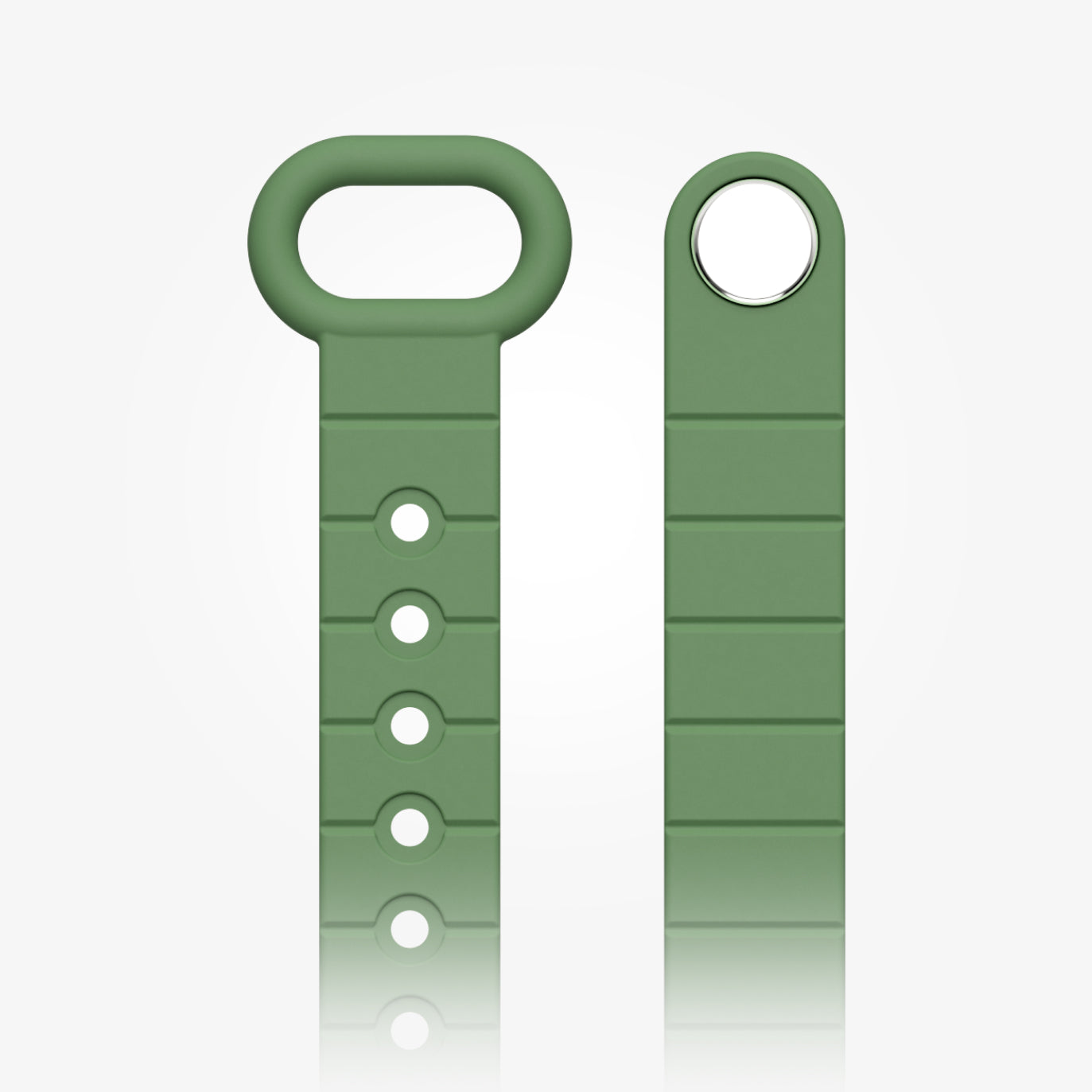
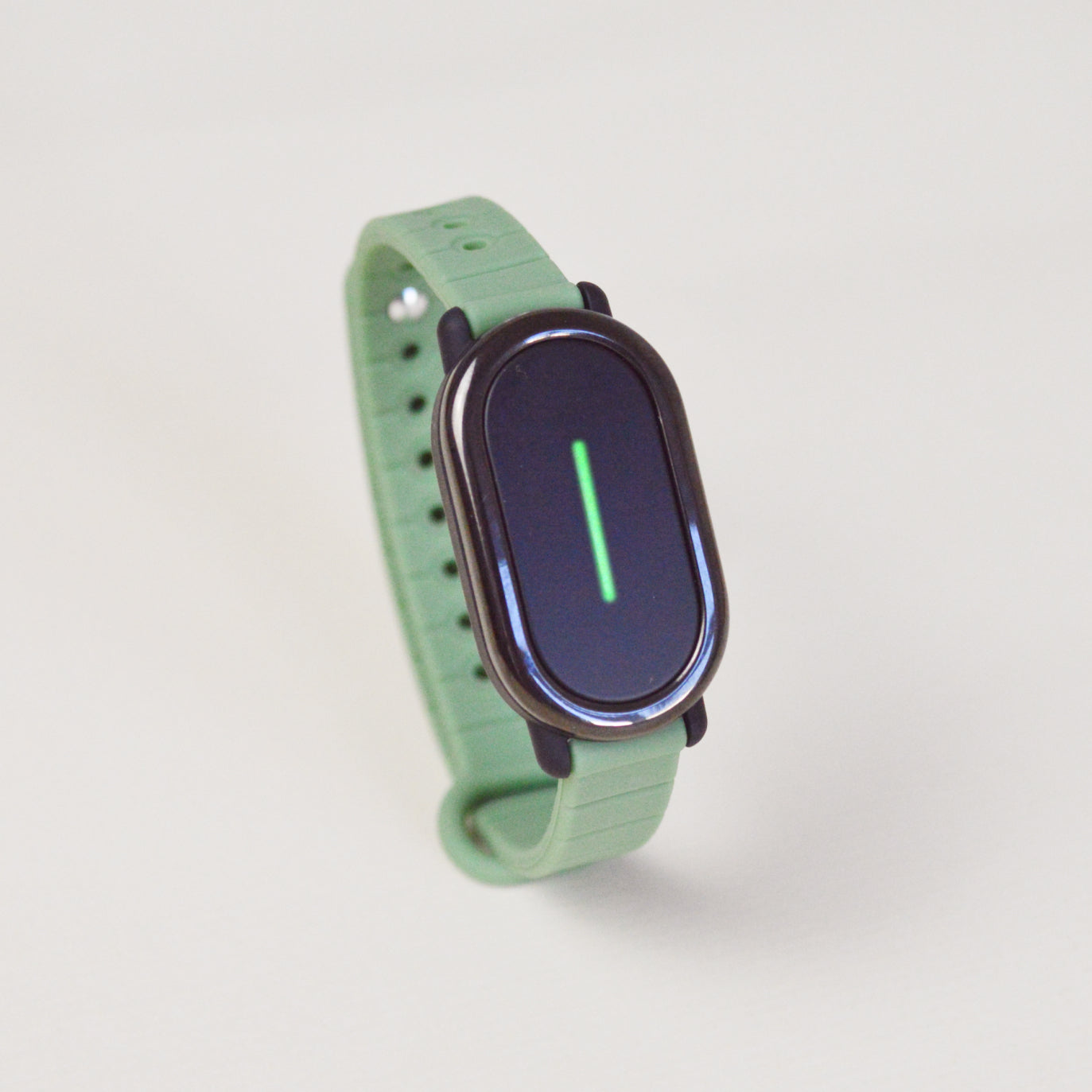
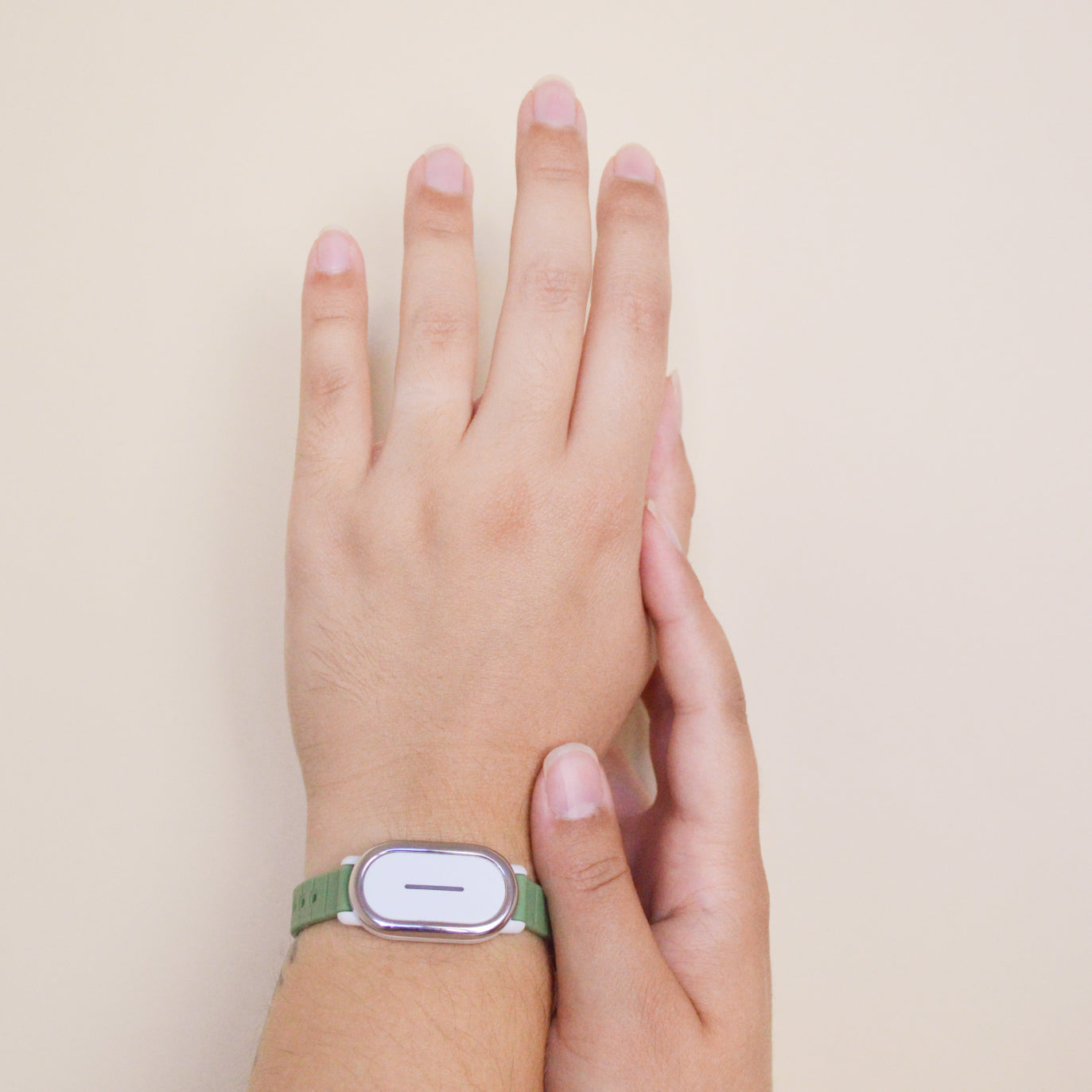
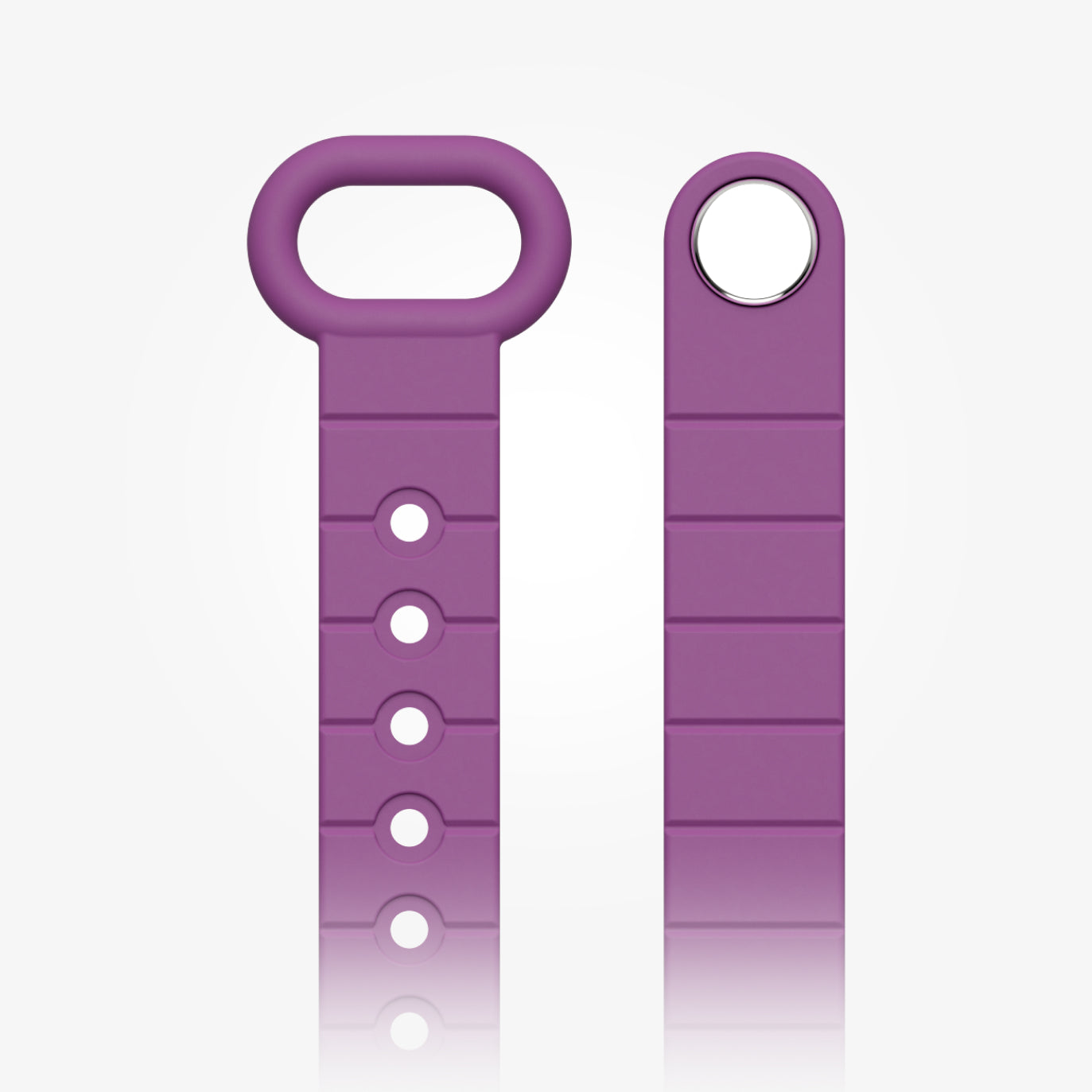
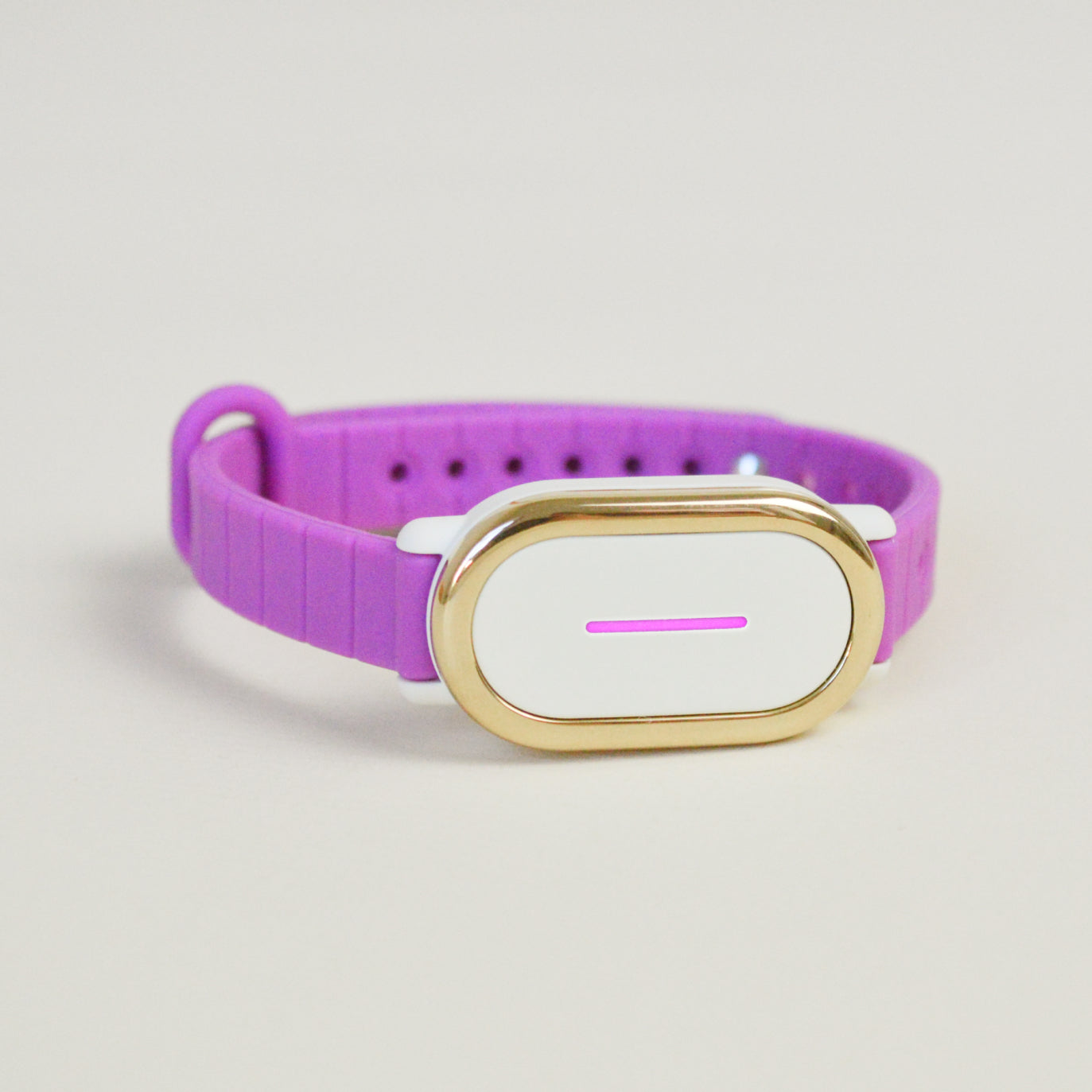
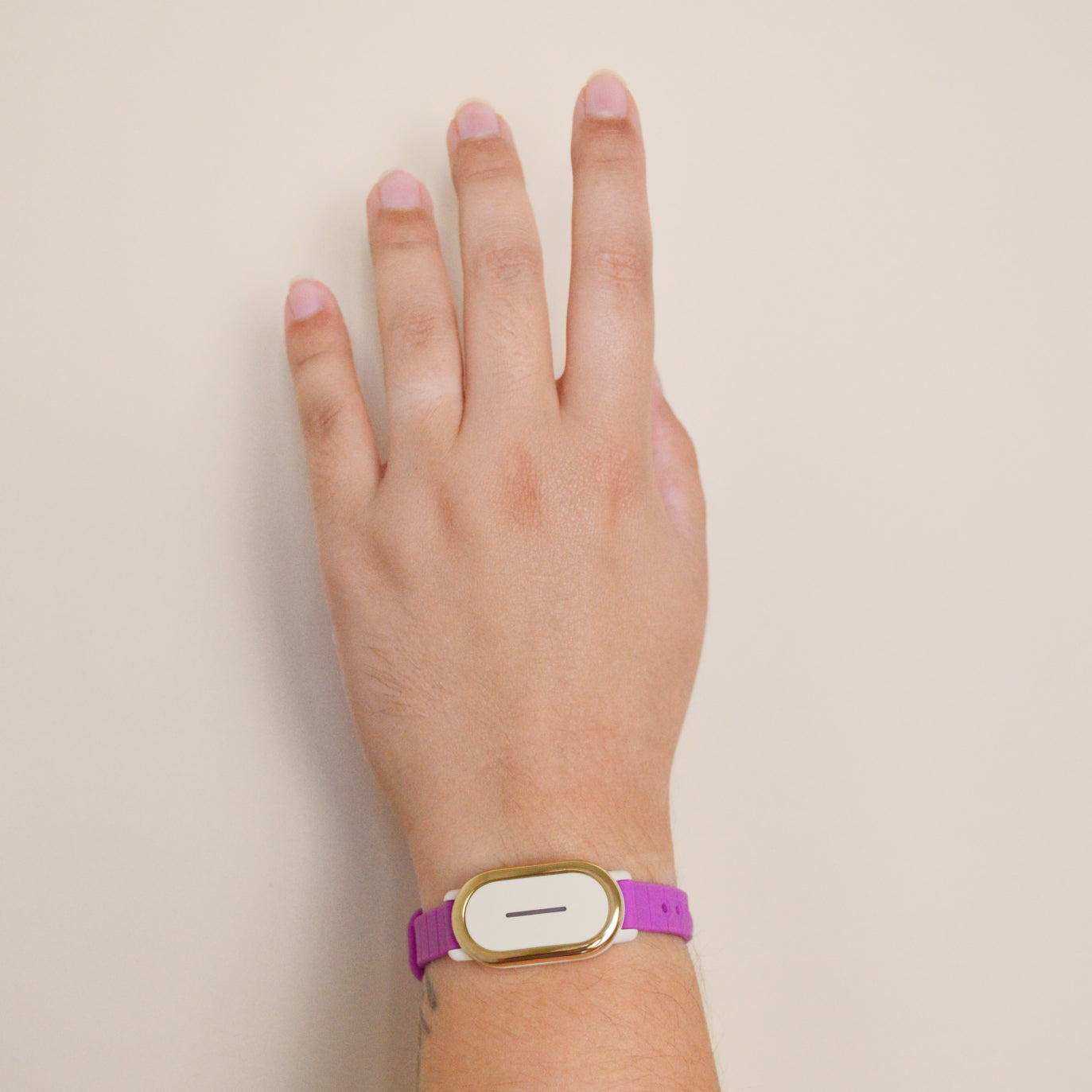
This is where Bond Touch earns its place. A touch sent through your bracelet isn't a replacement for physical contact, it was never designed to be. But it is a real, felt sensation, arriving in real time, from a specific person who chose to reach out in that moment. There's something about feeling a physical signal from your partner (not reading it, not hearing it, but feeling it) that lands differently to any message.
Build a touch language that's yours. Three quick taps for "thinking of you." One long hold for "I love you." A specific pattern that means something only the two of you understand. When physical touch is someone's primary love language, having a felt, physical shorthand (something that doesn't require words or a call or a perfectly timed overlap window) can quietly sustain a relationship through the longest stretches of distance.
Knowing the Love Language Changes Everything
Understanding how your partner gives and receives love is useful in any relationship. In a long-distance one, it's the difference between effort that lands and effort that misses.
Because in an LDR, effort is never the problem. Most couples in long distance relationships are trying. The gap isn't in the trying, it's in the translation. You might be sending words when they need presence. You might be carving out call time when what they actually need is a small, thoughtful gesture in their letterbox.
Knowing the love language means your effort goes where it actually counts. And across distance, that matters more than almost anything else.
-----------------------------
👇 About The Other Half 👇
Thanks for reading this! FYI, The Other Half is brought to you by Bond Touch: the brand that has been helping build healthier and happier relationships through emotional wearables since 2017. Connecting over 1 million people globally so far and counting!
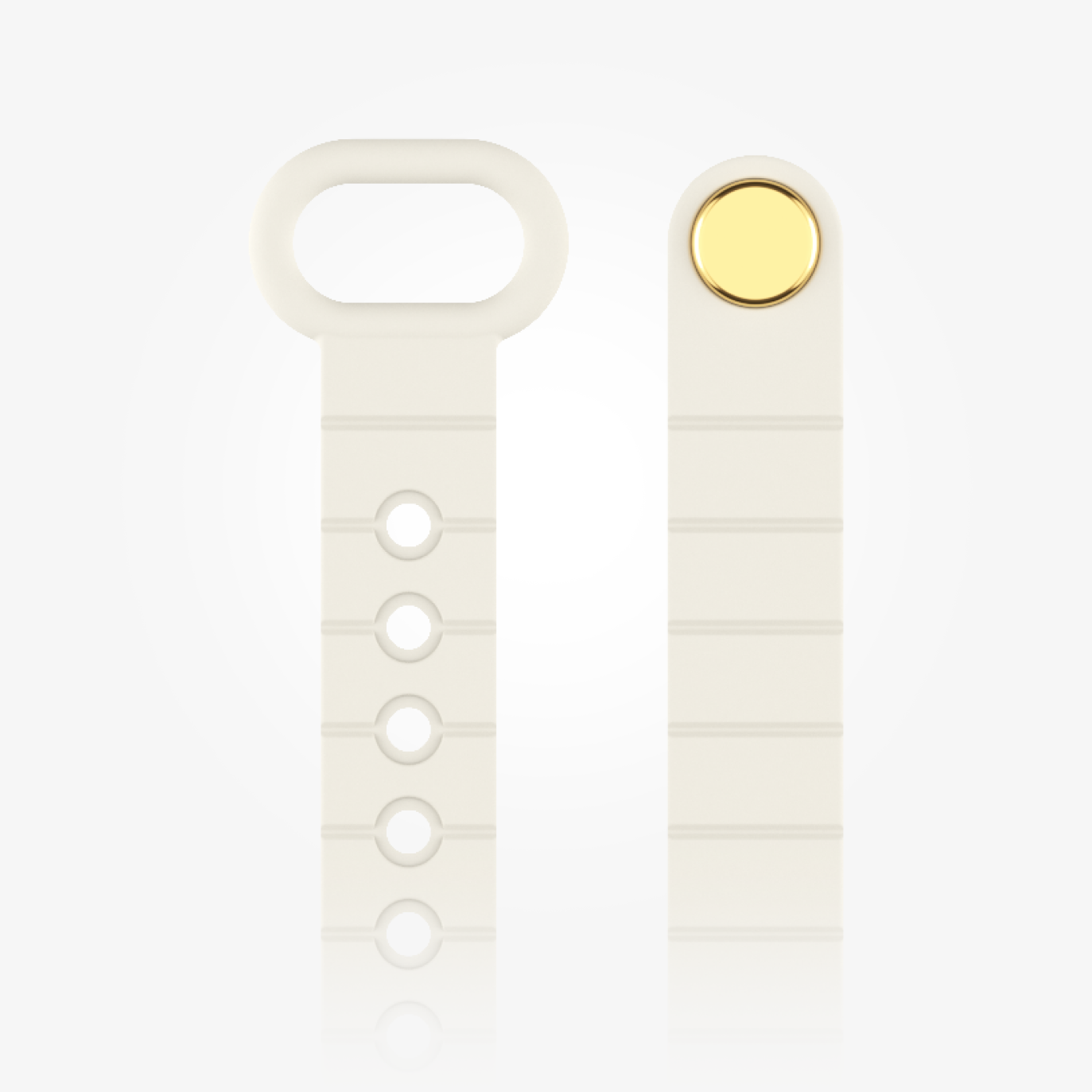
If you’re looking for a new way to connect with a very special someone, check out Bond Touch: a bracelet that lets you communicate through touch across any distance. Say it with a touch, stay in touch.