

Every March 8, your feed fills up with purple graphics, empowering quotes, and brand messages about celebrating women. And while that energy is great, International Women's Day means a lot more than a trending hashtag.
It's a day rooted in protest. Built by women who refused to be overlooked. And honestly? The reasons it started are still incredibly relevant today.
Whether you're a woman navigating the world or someone who loves one, understanding the real meaning behind International Women's Day is the first step toward turning awareness into something that actually matters.
The History of International Women’s Day
Here's what most people don't realize: International Women's Day wasn't created to hand out flowers or post cute graphics. It was born out of frustration and action.
In the early 1900s, young working-class women took to the streets to demand things we'd consider basic today—fair wages, safe working conditions, the right to vote. These weren't polite requests. They were organized, passionate, and often met with resistance.
Over time, March 8 became a global symbol of that fight. In 1977, the United Nations officially recognized International Women's Day, cementing it as a worldwide moment to both honor women's contributions and confront what still needs to change.
This day exists because women spoke up when the world told them not to.
Gender Inequality Isn't History—It's Tuesday
One of the biggest misconceptions about gender equality is that it's already been "figured out." But if you're a woman in your twenties or thirties, you probably don't need statistics to know that's not true. You feel it.
It's the coworker who talks over you in every meeting. The mental load of managing everyone's emotions and schedules in your relationship. The instinct to text your friend when you get home safe at night—not because you're paranoid, but because you've learned to be careful.
It shows up in the pay gap, where women in the U.S. still earn roughly 84 cents for every dollar men make. It shows up in healthcare, where women's pain is routinely dismissed or undertreated. And it shows up in relationships, where the expectation to nurture, organize, and emotionally support often falls disproportionately on one person.
These aren't dramatic, headline-grabbing issues. They're quiet, everyday realities—and that's exactly what makes them so hard to shake.
Progress Is Real. But It's Not the Finish Line.
Let's be clear: women today have more rights, more visibility, and more opportunity than any generation before. That matters, and it's worth recognizing.
But progress isn't the same as equality. And this progress also doesn't mean that the fight is over.
For many women—especially women of color, LGBTQ+ women, women with disabilities, and women from underserved communities—the barriers are still steep. Equal rights on paper don't always translate to equal access, equal safety, or equal respect in practice.
International Women's Day is a reminder that the work isn't done just because things are better than they used to be. Better isn't the goal. Equal is.
This Isn't Just a Women's Conversation—And It Shouldn't Be
Here's something that gets lost in the noise: gender equality isn't about women vs. men. It's about everyone building something better together.
Real change happens when the people in your life—your partner, your friends, your coworkers—actually show up. Not with a repost, but with action. That looks like a partner who splits the emotional labor without being asked. A friend who speaks up when something sexist happens at work. A manager who doesn't just talk about representation but actively creates space for it.
The strongest relationships—romantic or otherwise—are the ones where both people are invested in each other's equality. Where showing up for someone isn't performative, it's just how things work.
That kind of connection? It's what changes things. Not just on March 8, but every day.
Stop Glorifying Women's Exhaustion
Can we talk about the "she's so strong" narrative for a second?
Women are constantly praised for being resilient, for juggling everything, for powering through. And while that strength is real, celebrating it without questioning why women have to be that strong in the first place misses the point entirely.
International Women's Day isn't about applauding how much women can handle. It's about building a world where they don't have to white-knuckle their way through just to be safe, respected, or taken seriously.
Real empowerment isn't about endurance. It's about having the freedom to rest, to choose, and to be supported—without earning it through exhaustion first.
What You Can Actually Do (Beyond the Post)
You don't have to start a nonprofit or lead a rally to make a difference. The most meaningful progress usually happens in the small, consistent choices people make every day.
Start conversations that go deeper. Talk to your partner, your friends, your family about what equality actually looks like in your life—not just in theory.
Support women-owned businesses and creators. Where you spend your money and your attention matters more than you think.
Challenge the small stuff. The offhand comment. The unfair assumption. The stereotype disguised as a joke. Calling it out doesn't have to be dramatic—it just has to be honest.
Show up in your relationships. Equality in love means sharing the invisible work—the planning, the emotional check-ins, the daily effort of actually being present for someone.
Uplift instead of compete. The narrative that women have to fight each other for a seat at the table is outdated. There's room.
March 8 Is a Reminder—Not a Finish Line
International Women's Day isn't about performative gestures or one-time solidarity. It's about honoring the women who fought before us, supporting the people we love right now, and pushing toward something better—together.
Because gender equality isn't a single day on the calendar. It's a commitment that lives in how we show up for each other, how we love, and how we choose to build our lives.
And that's worth fighting for—every single day.
-----------------------------
👇 About The Other Half 👇
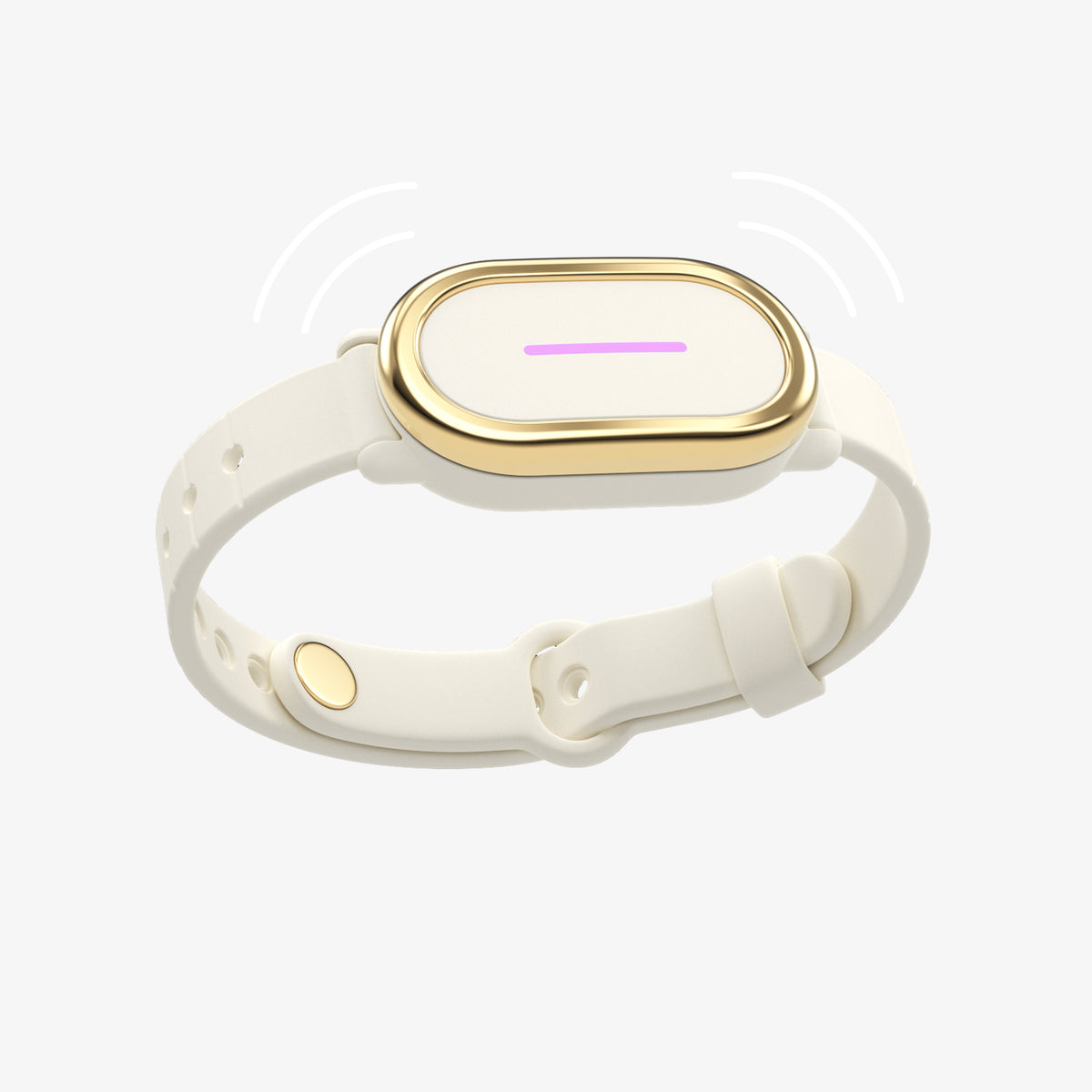
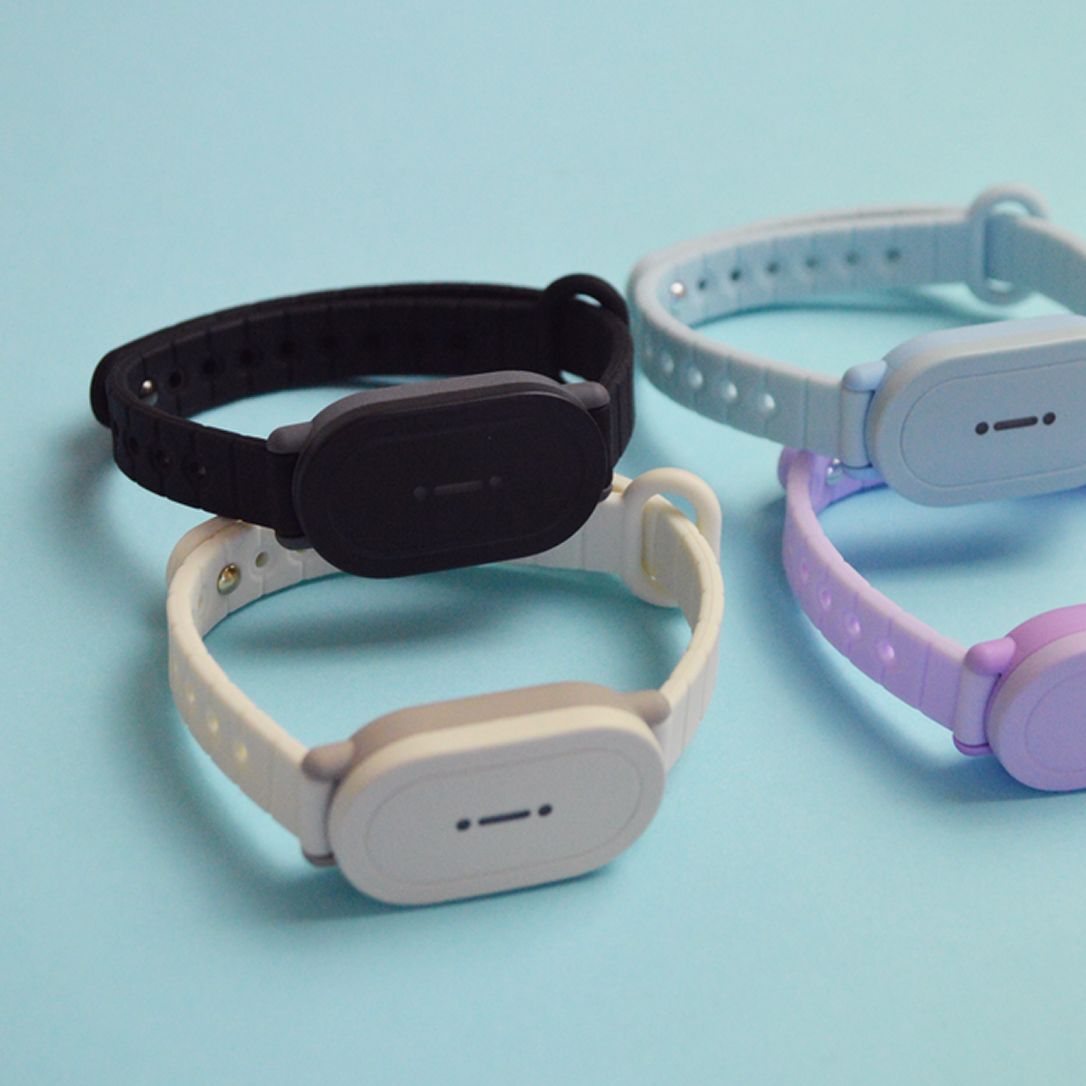
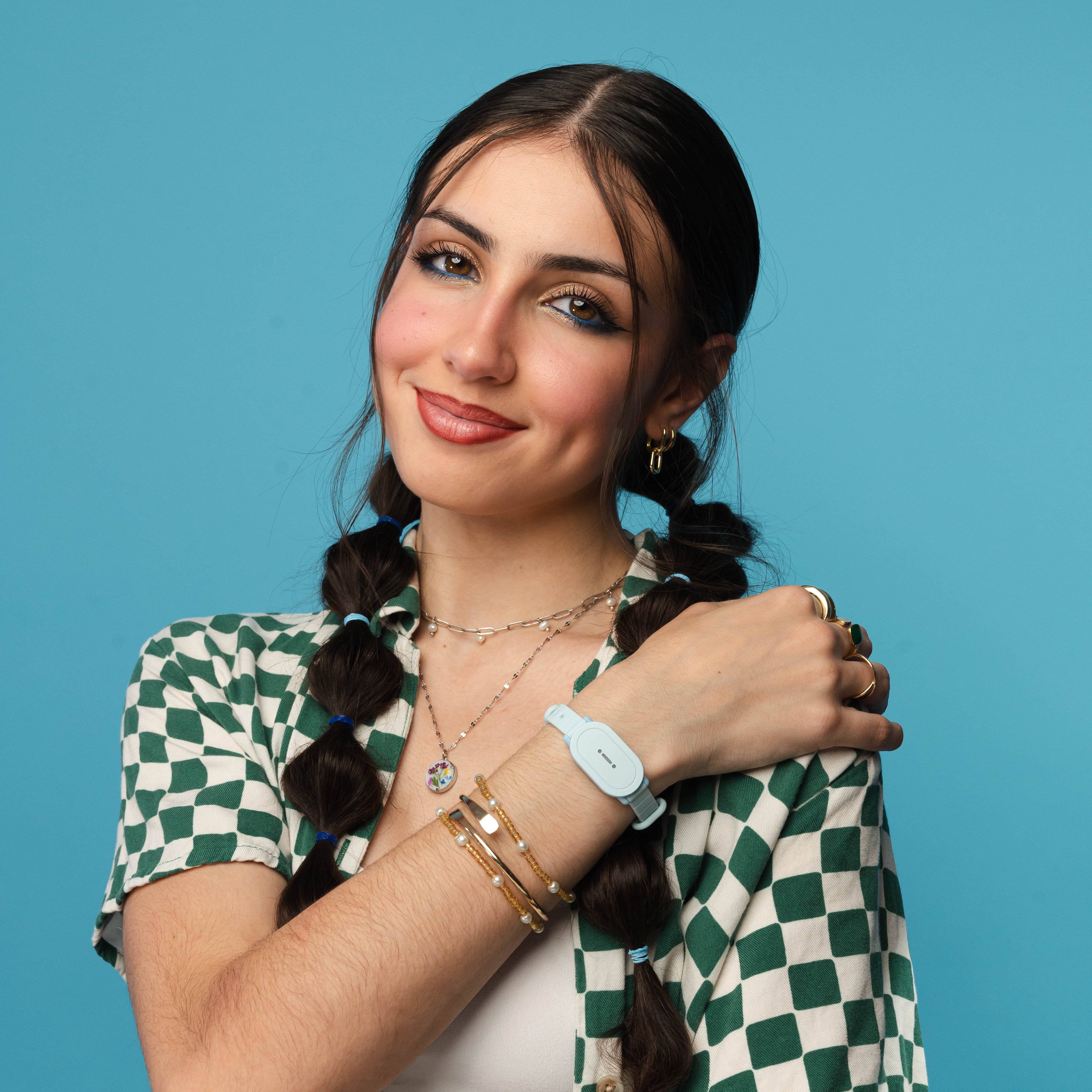
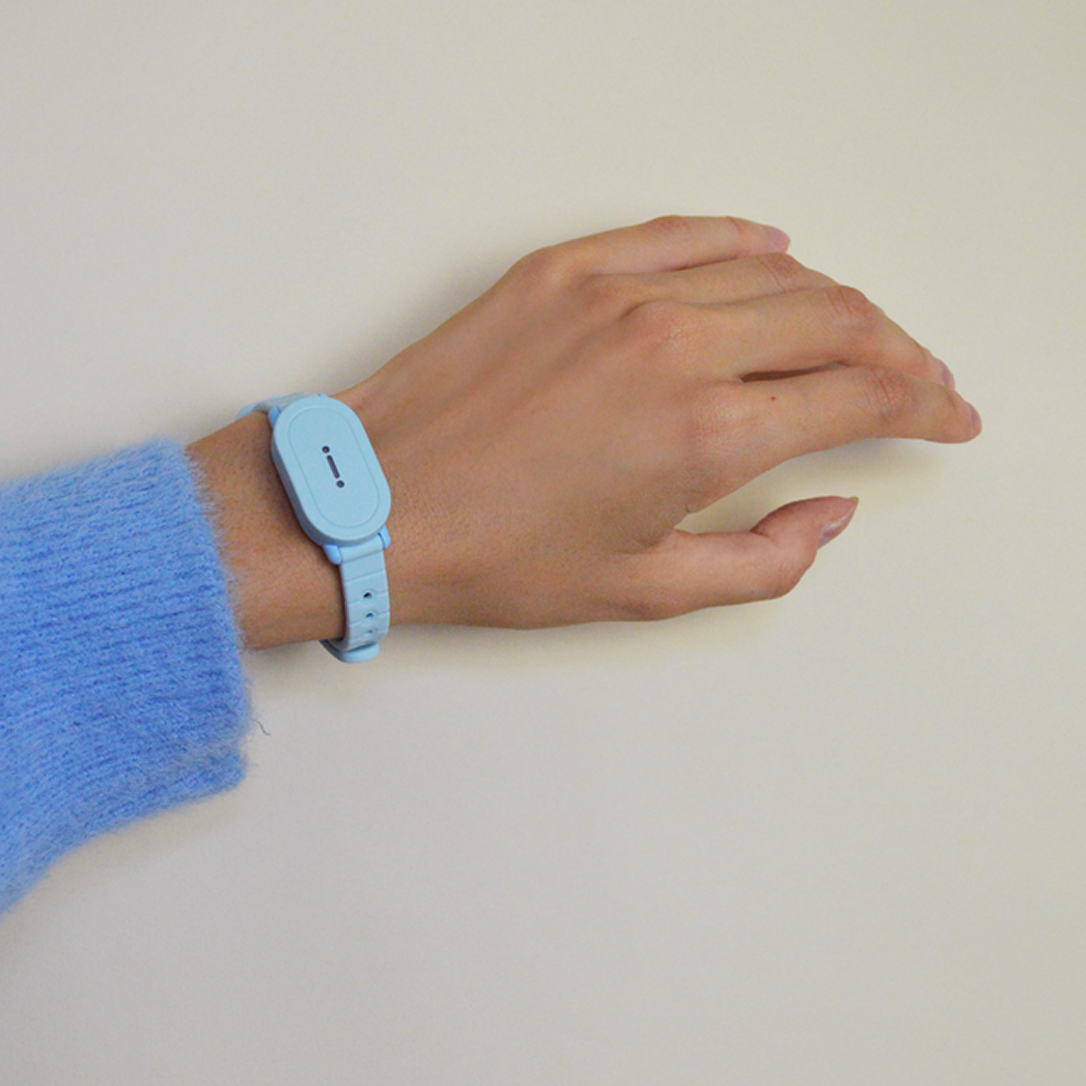
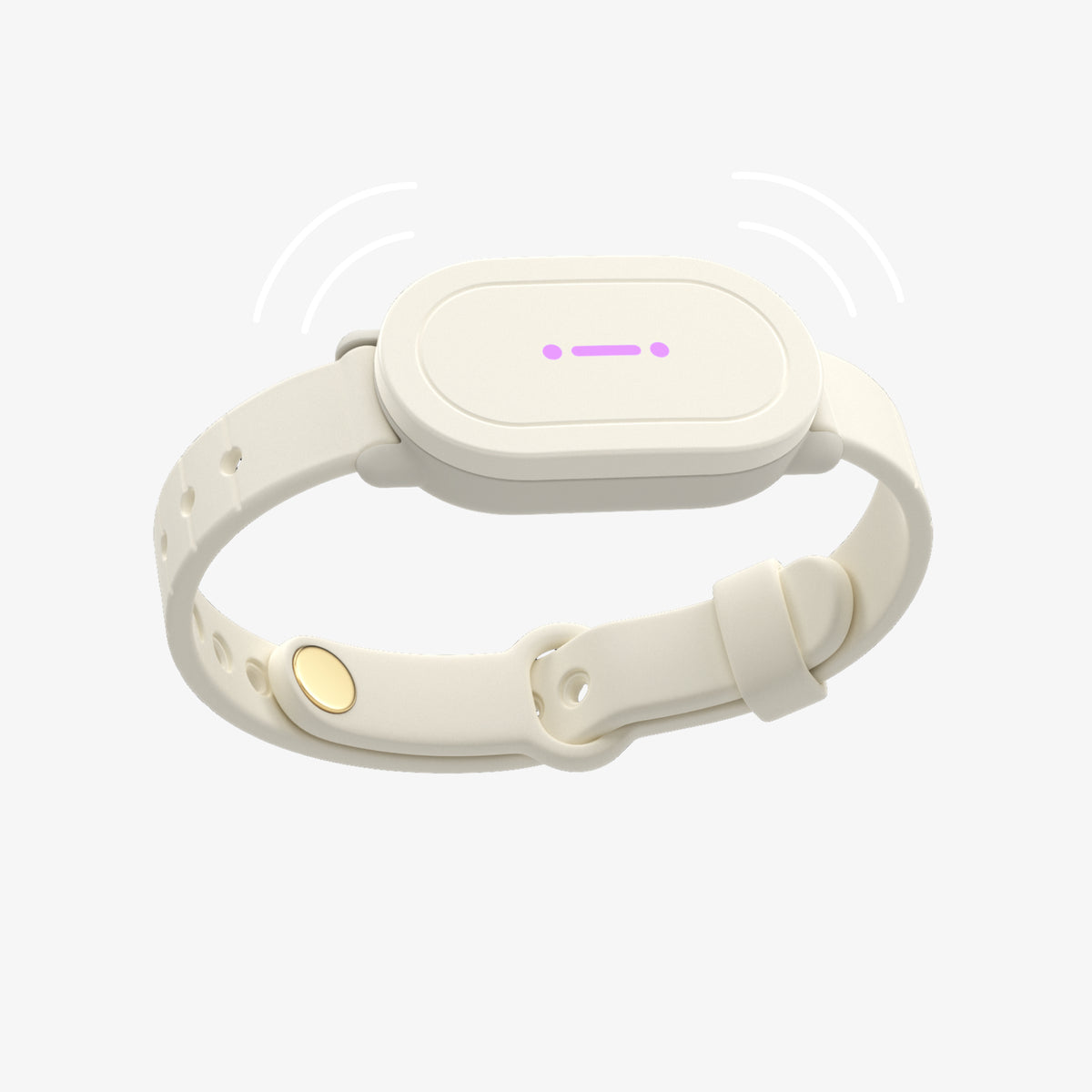
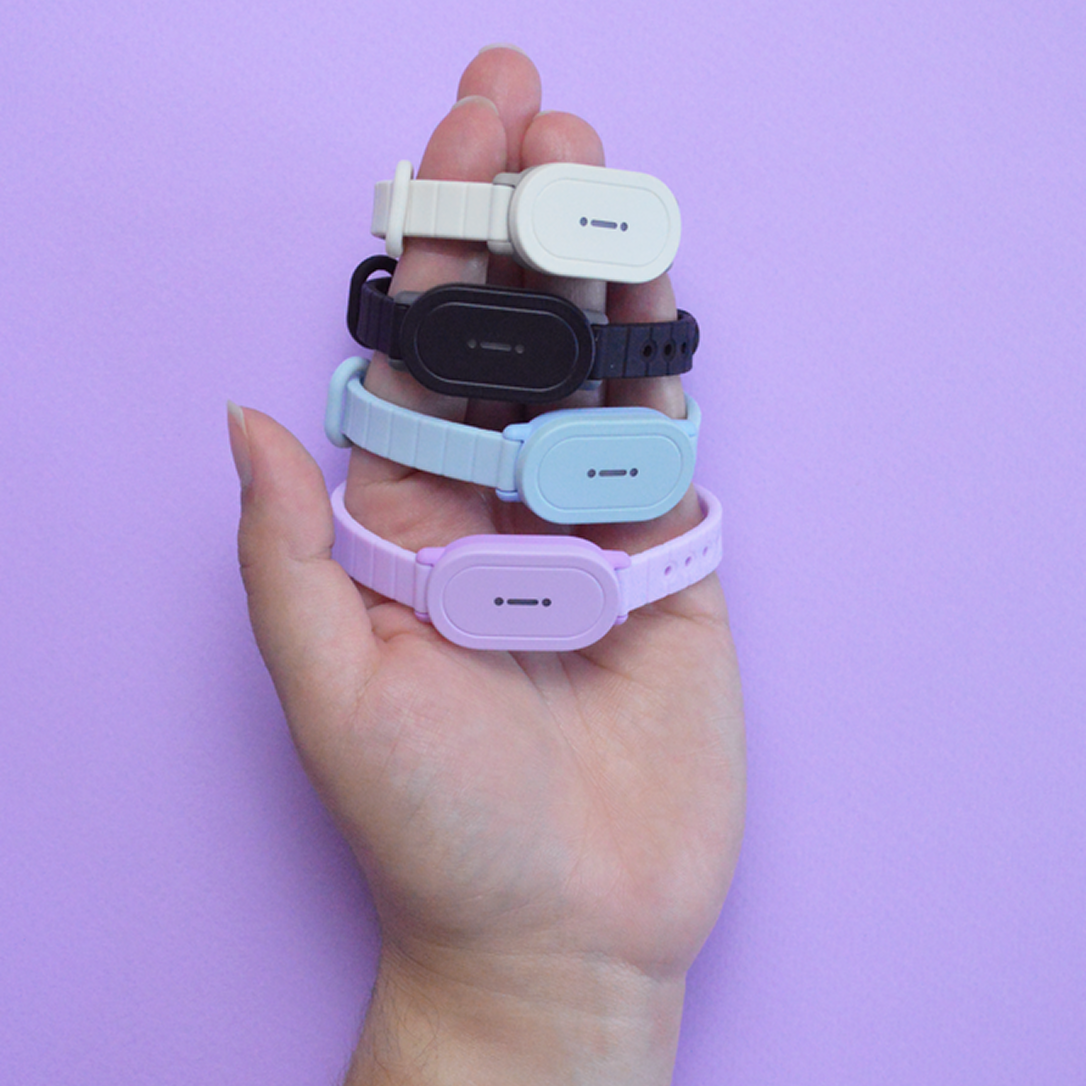
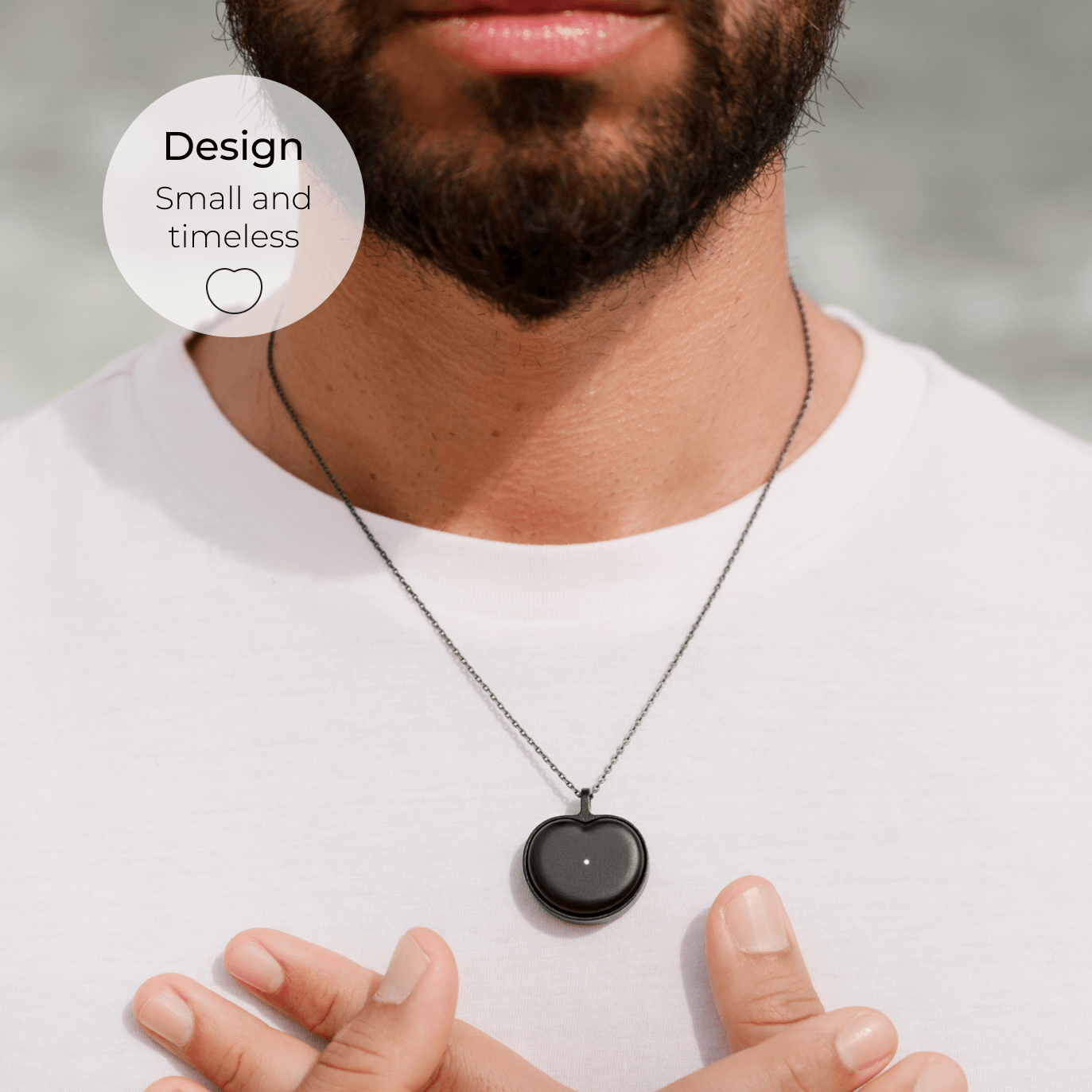
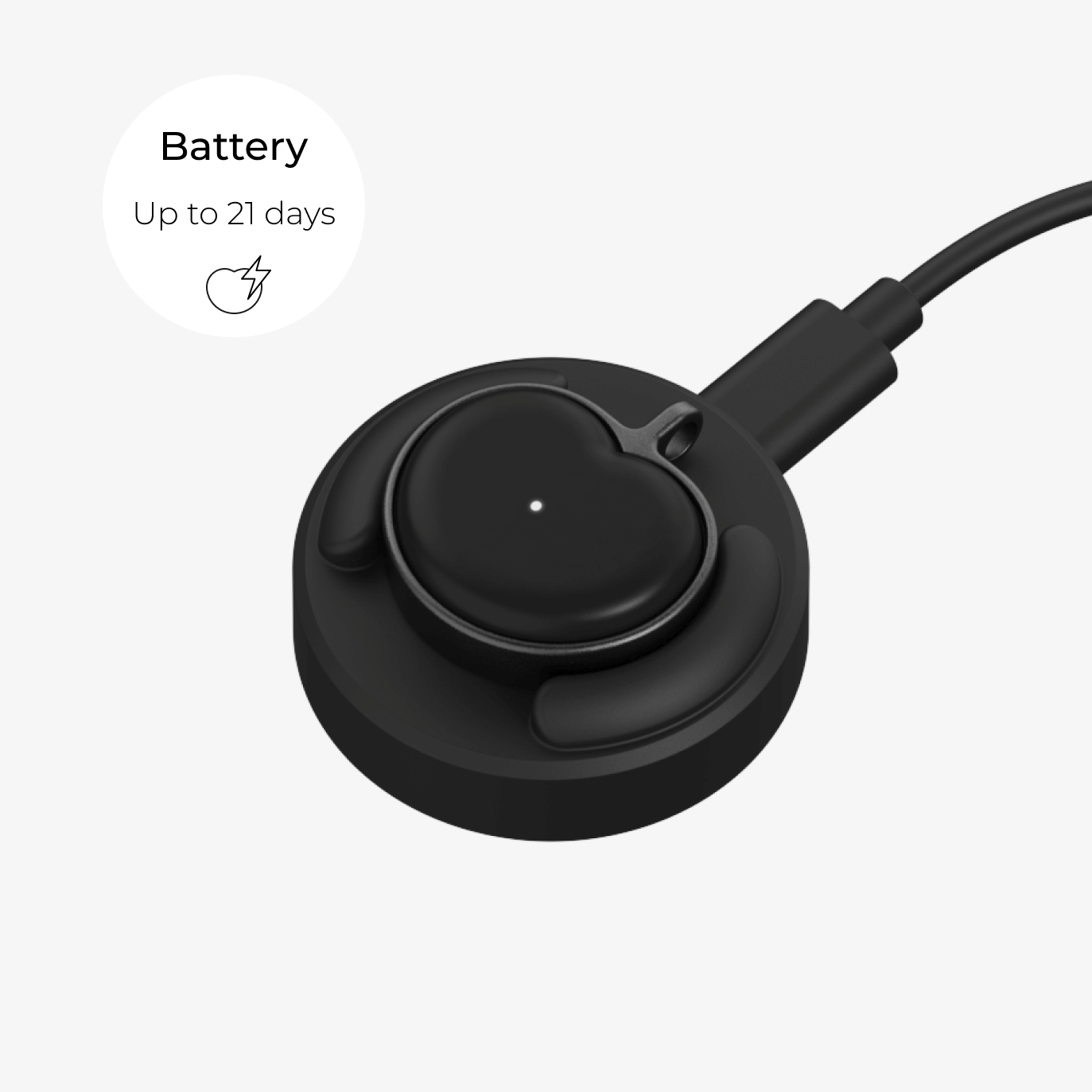
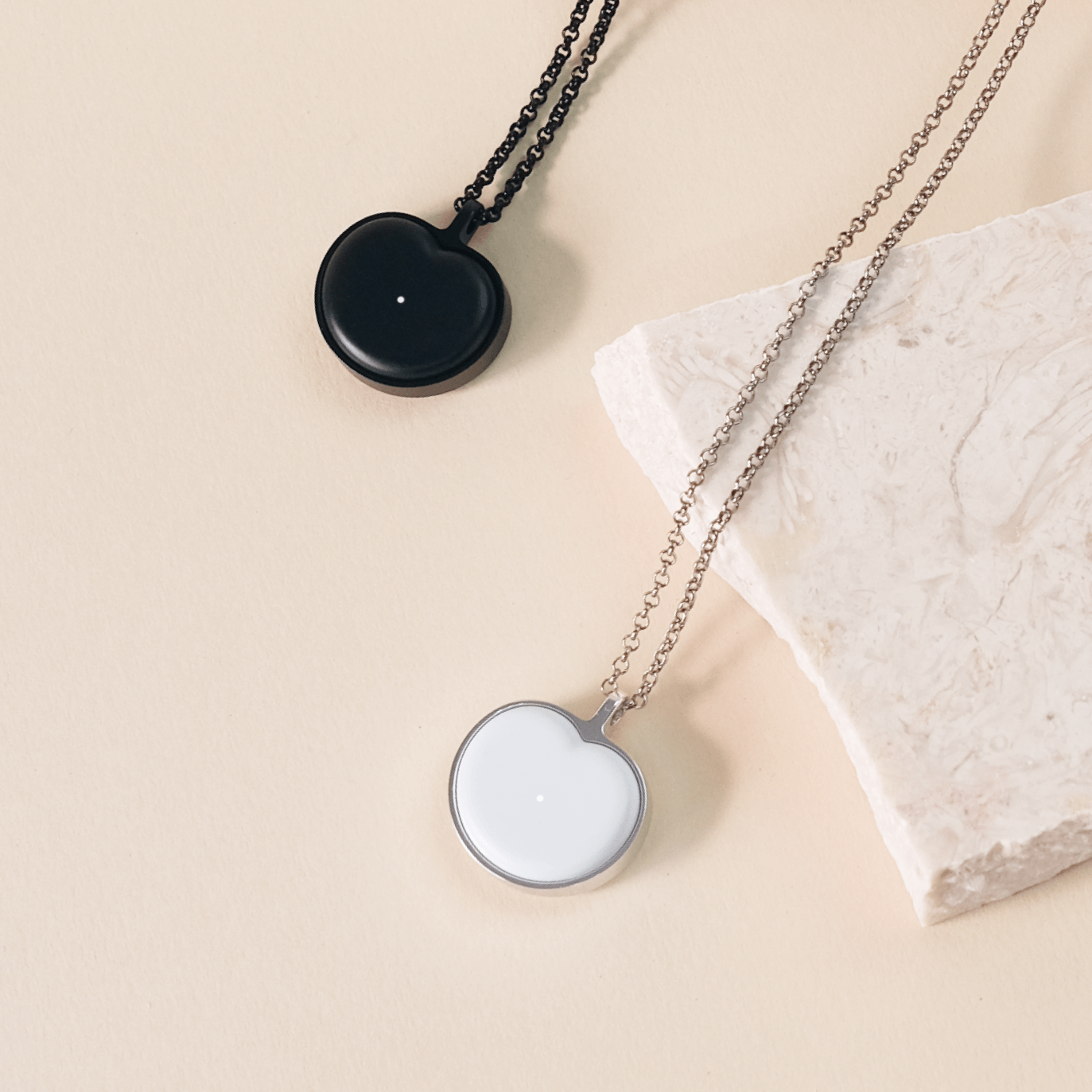
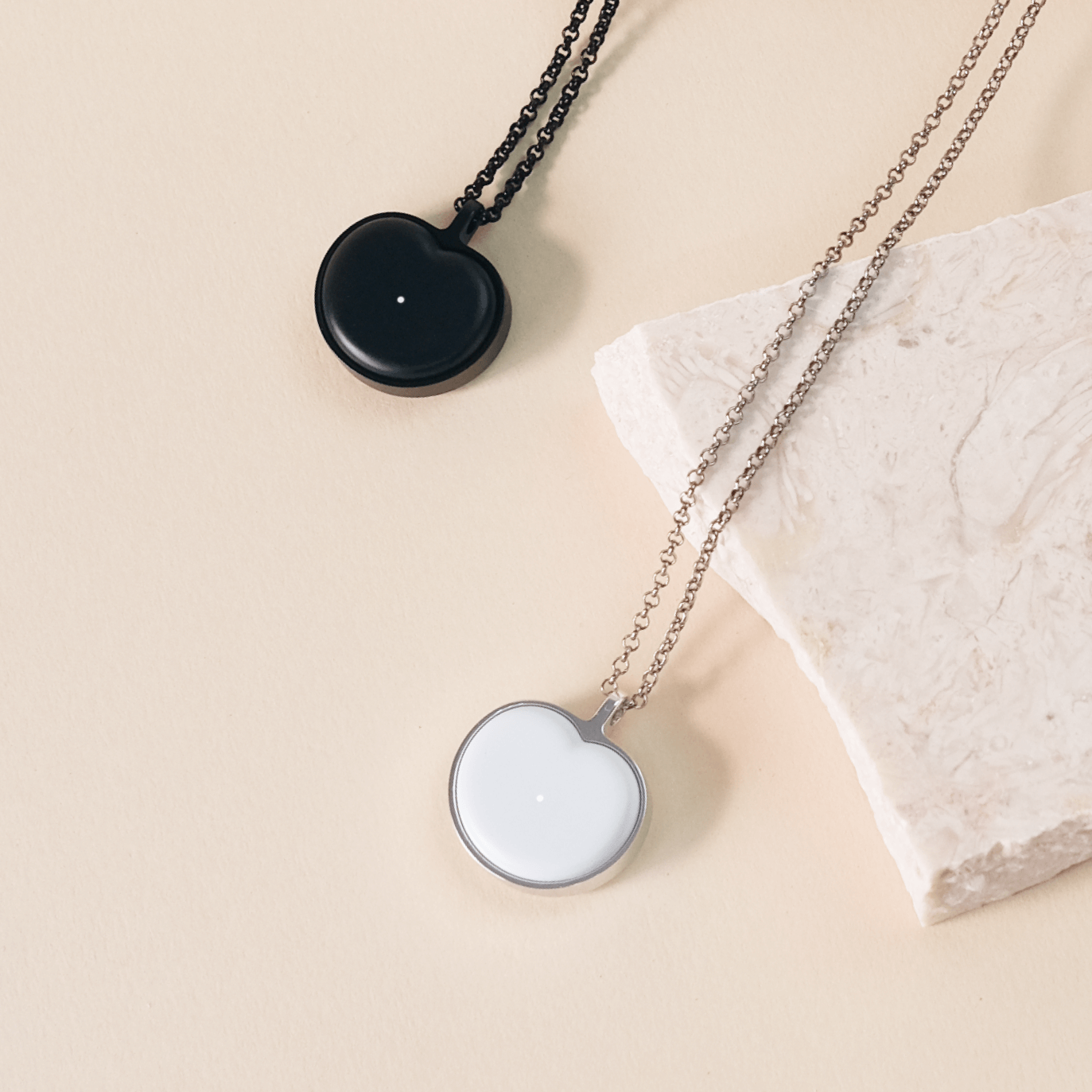
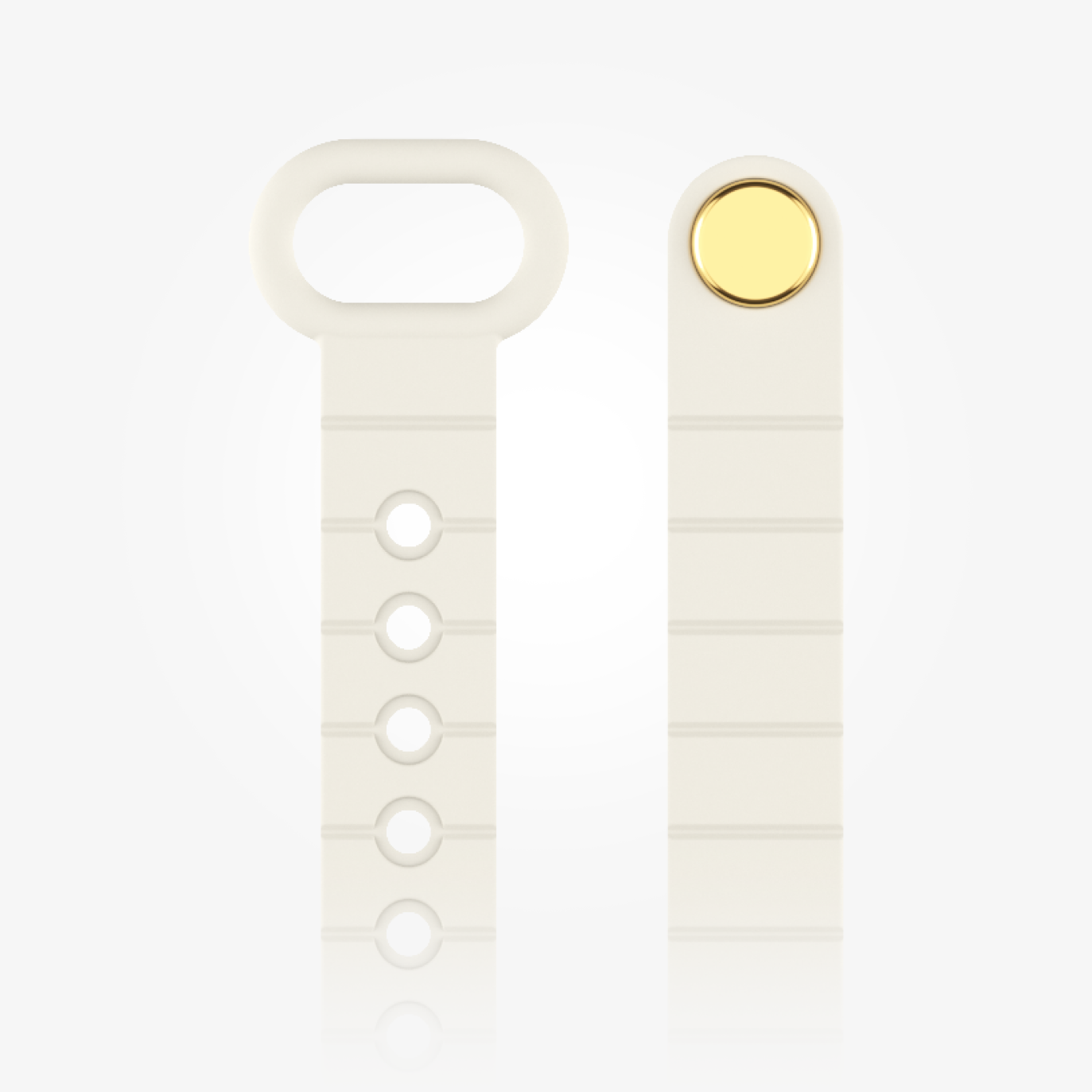
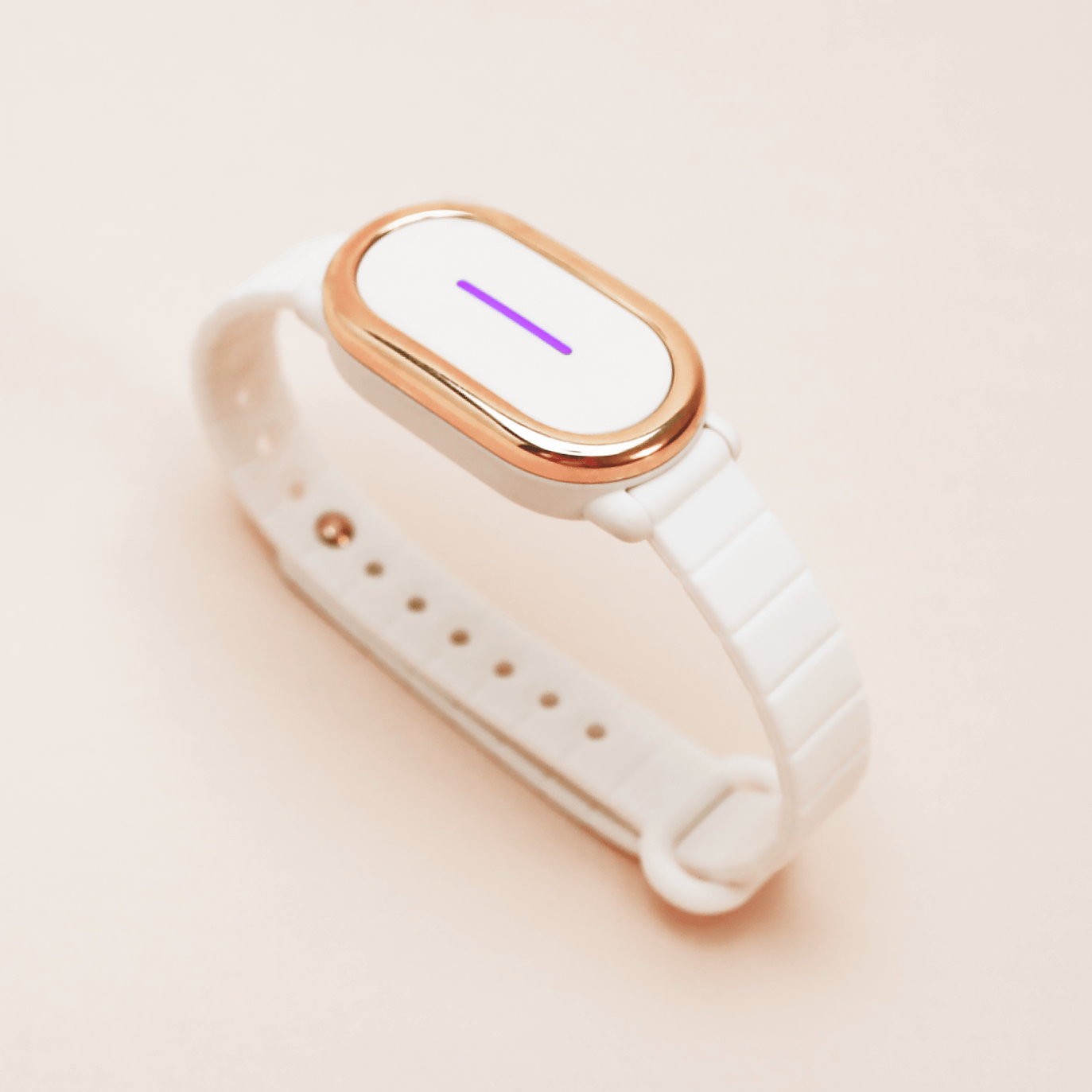
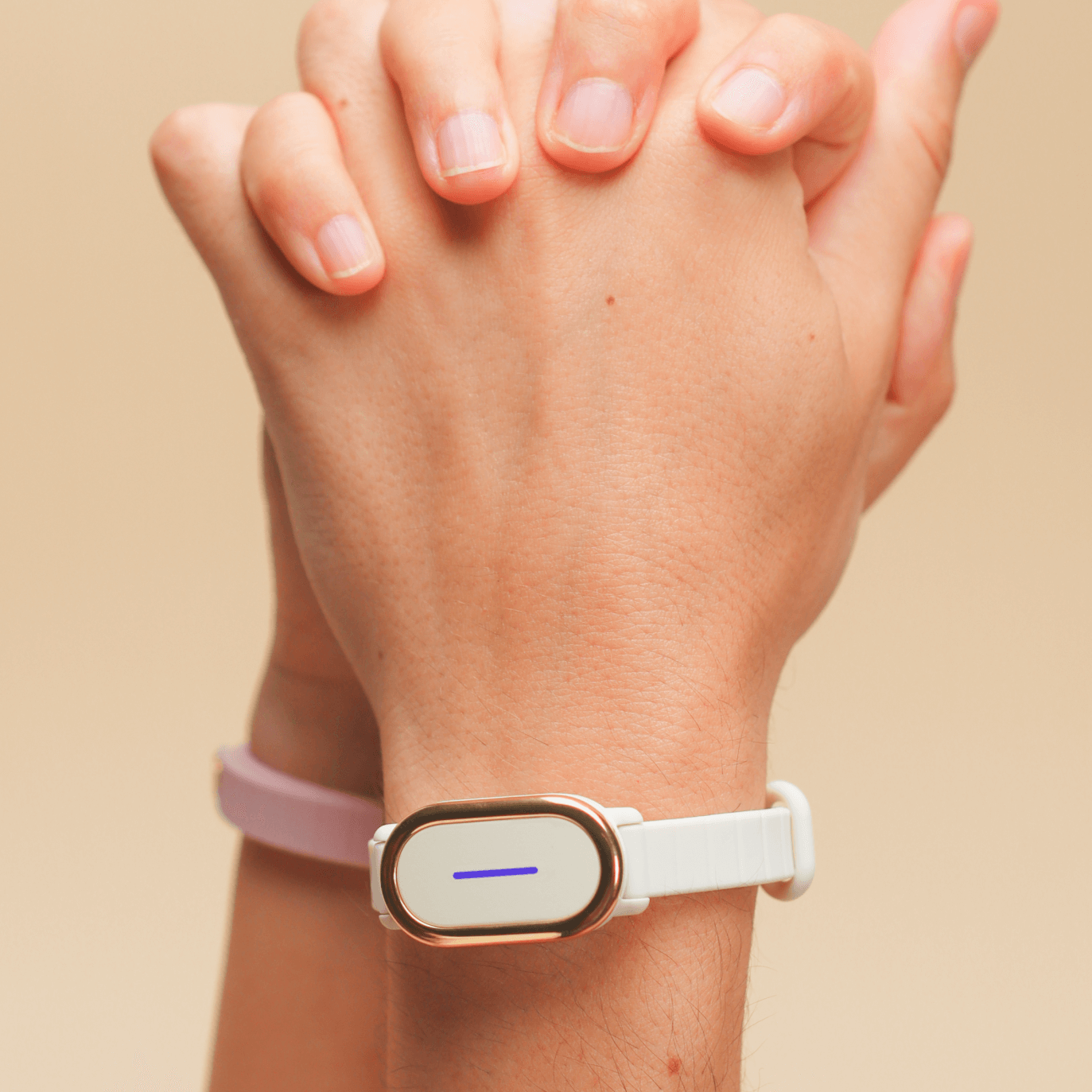
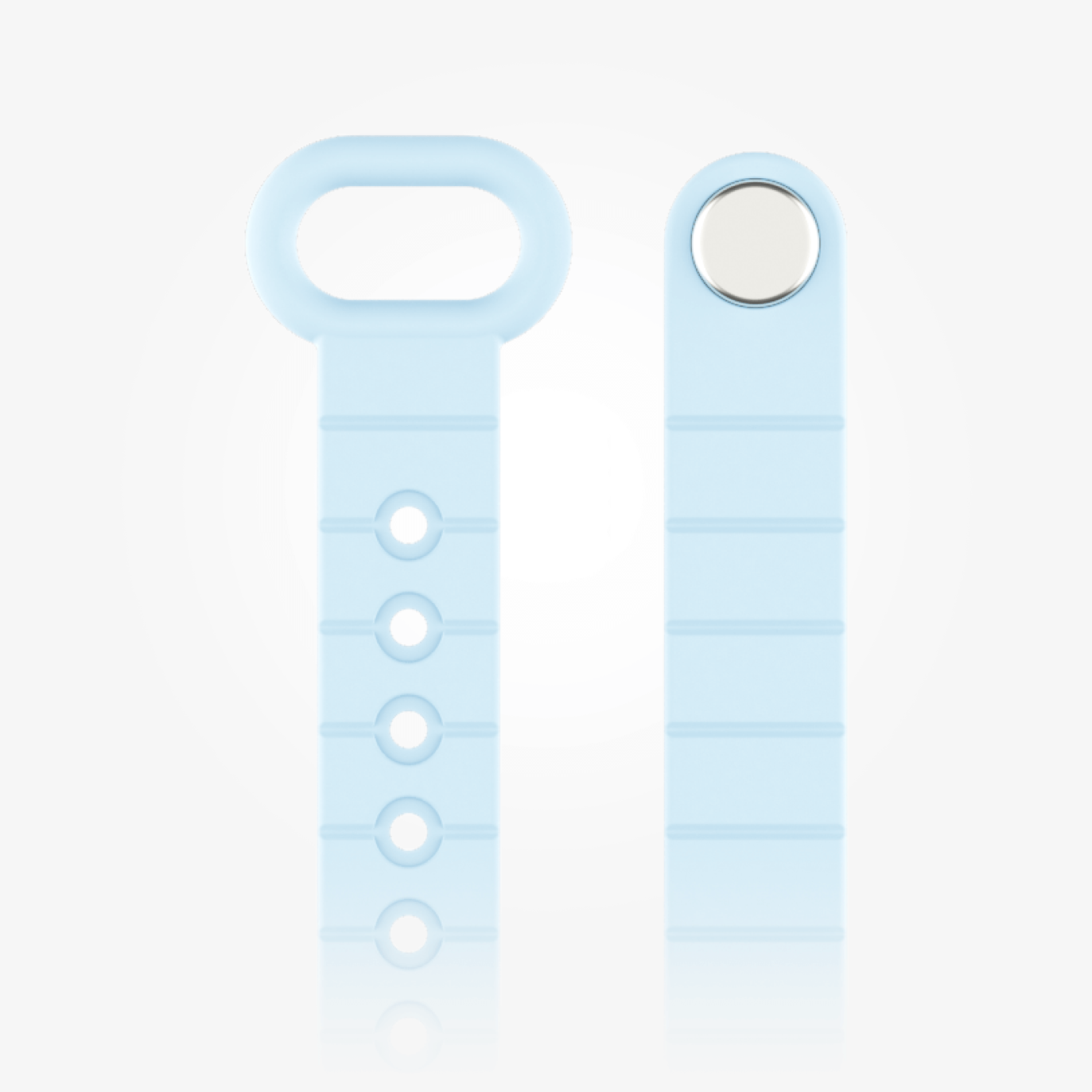
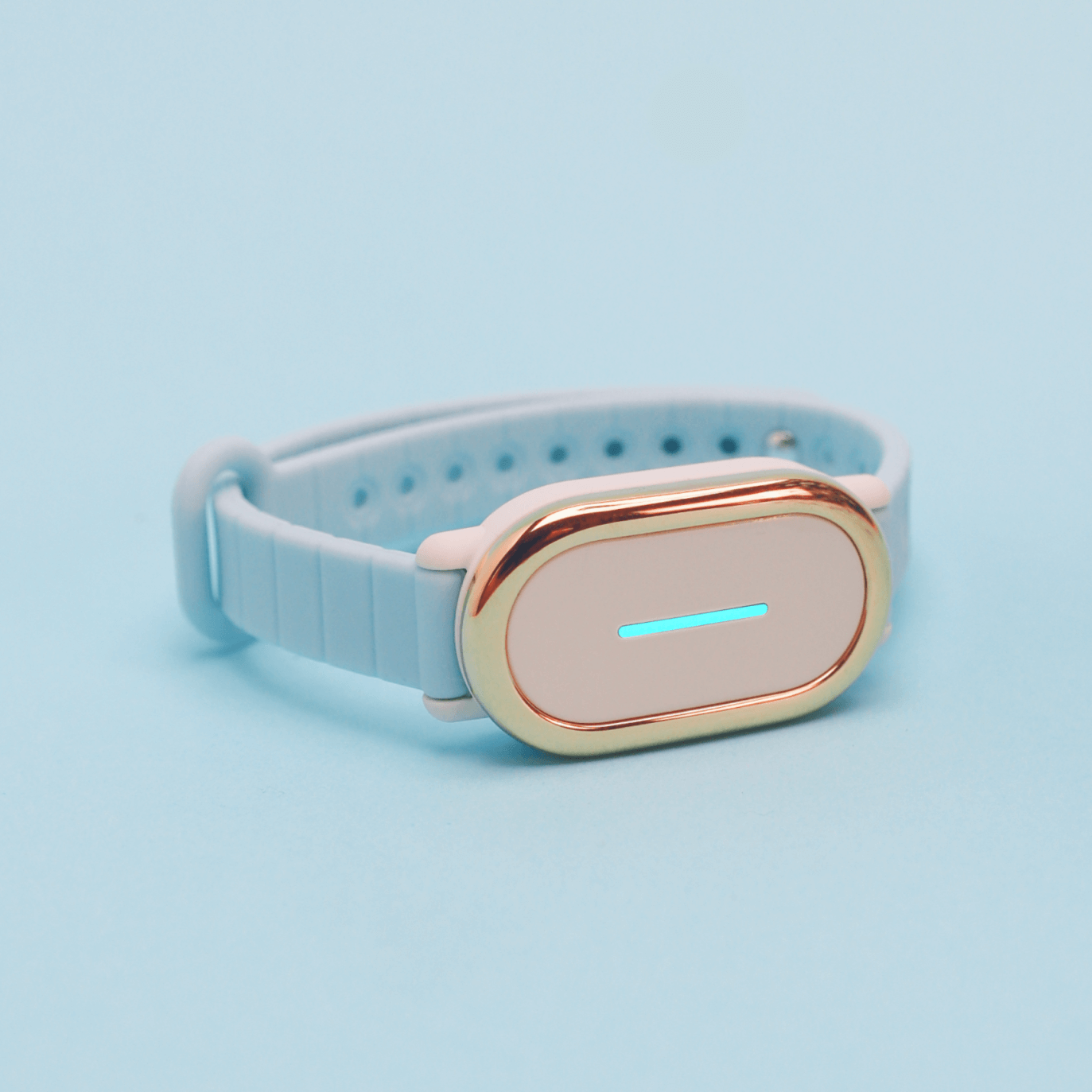
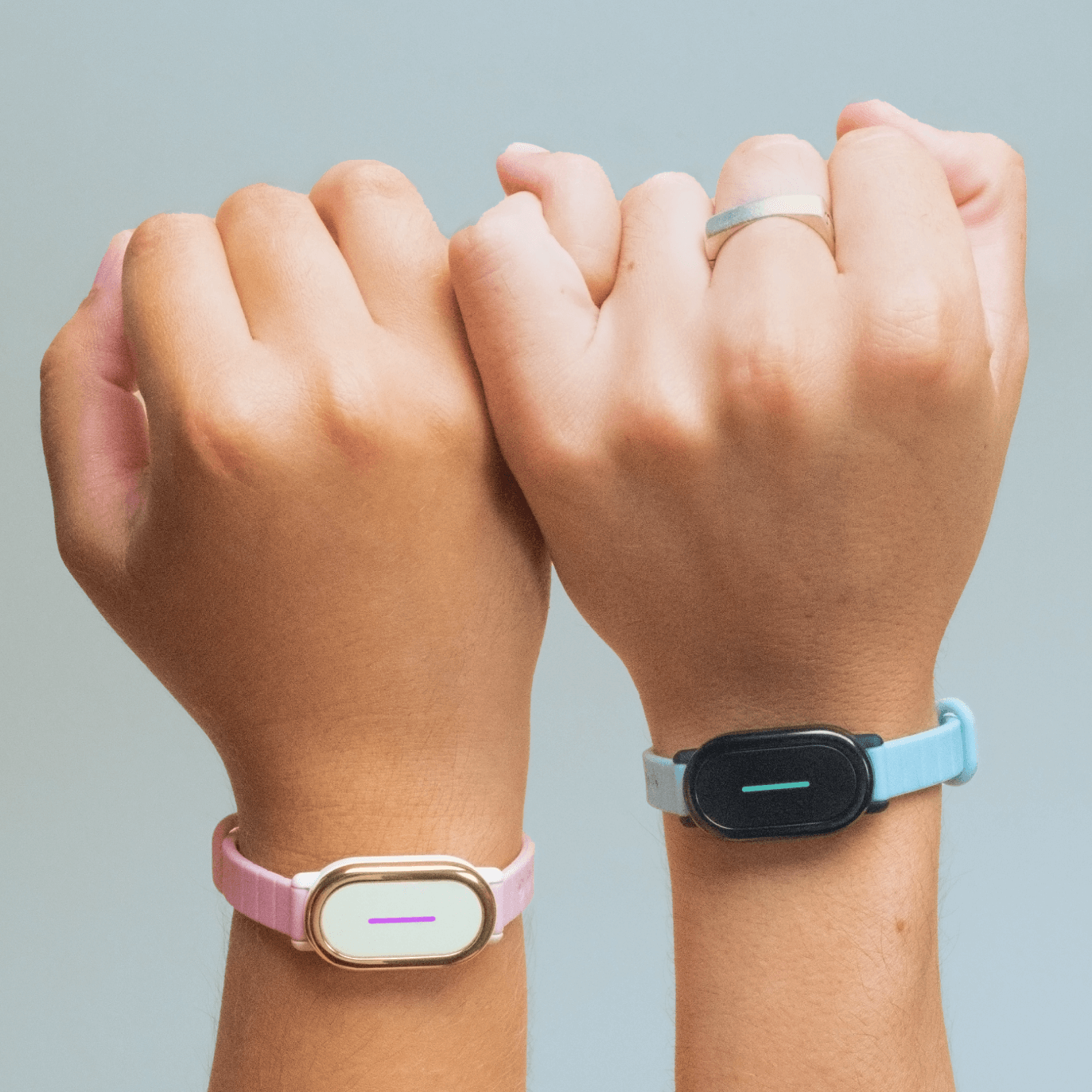
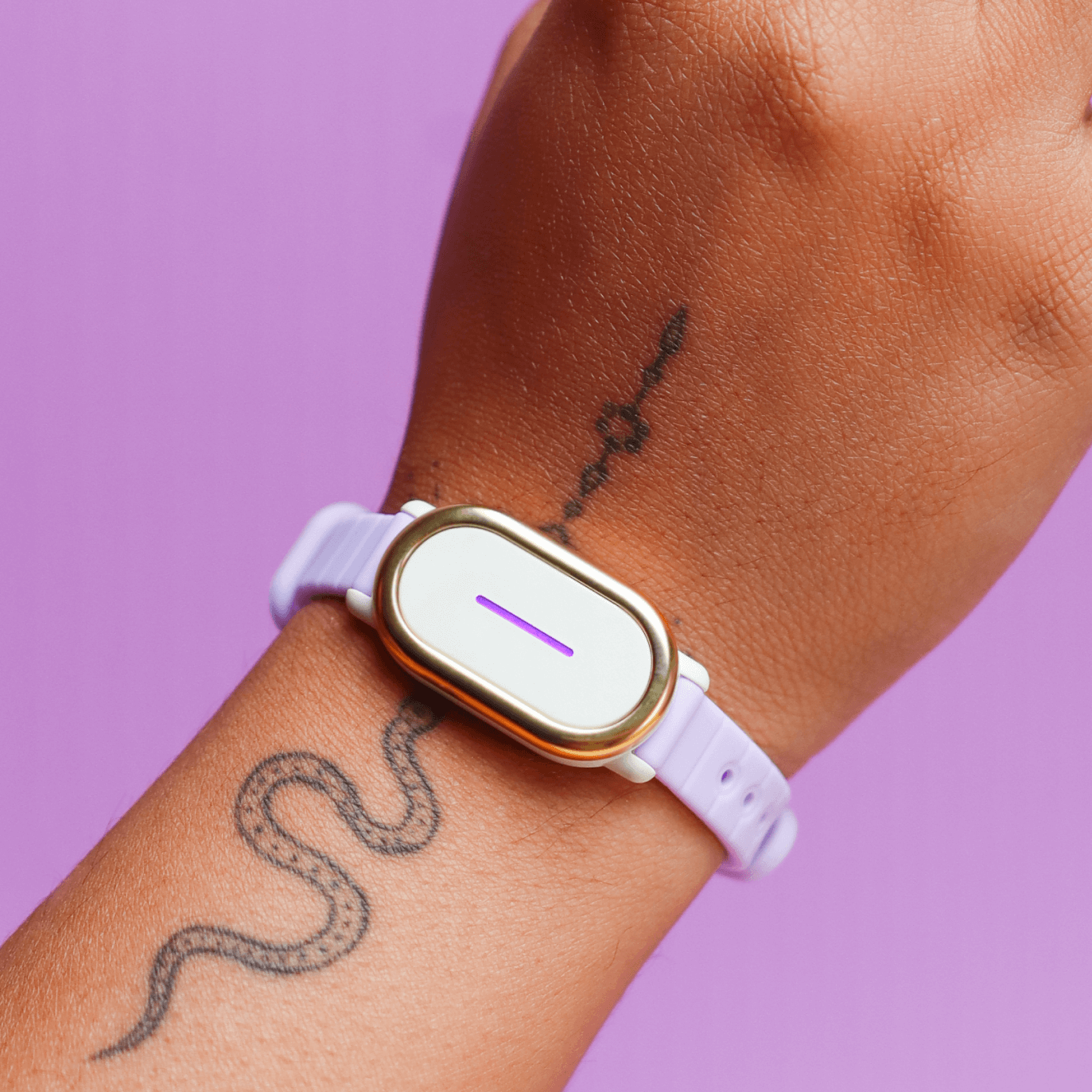
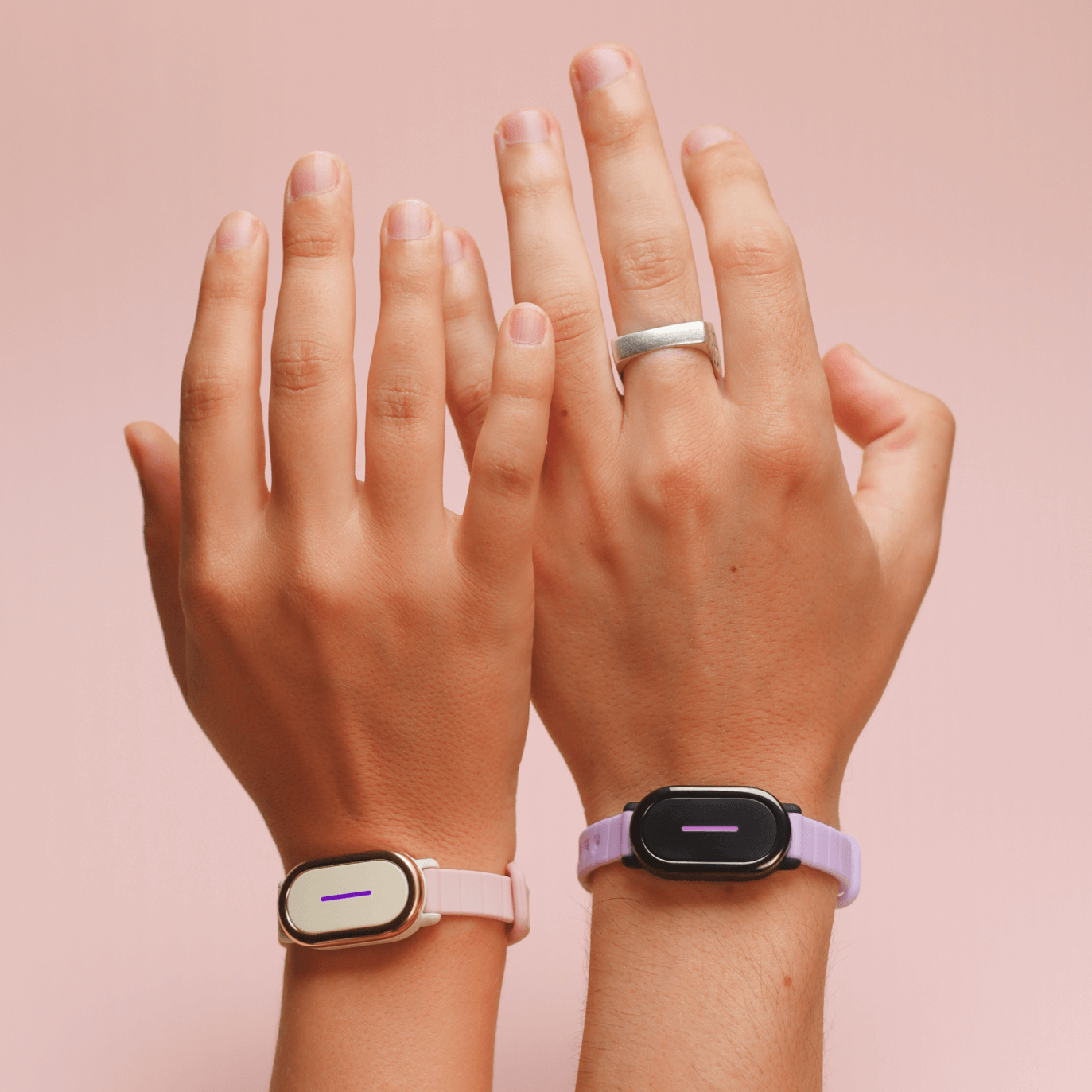
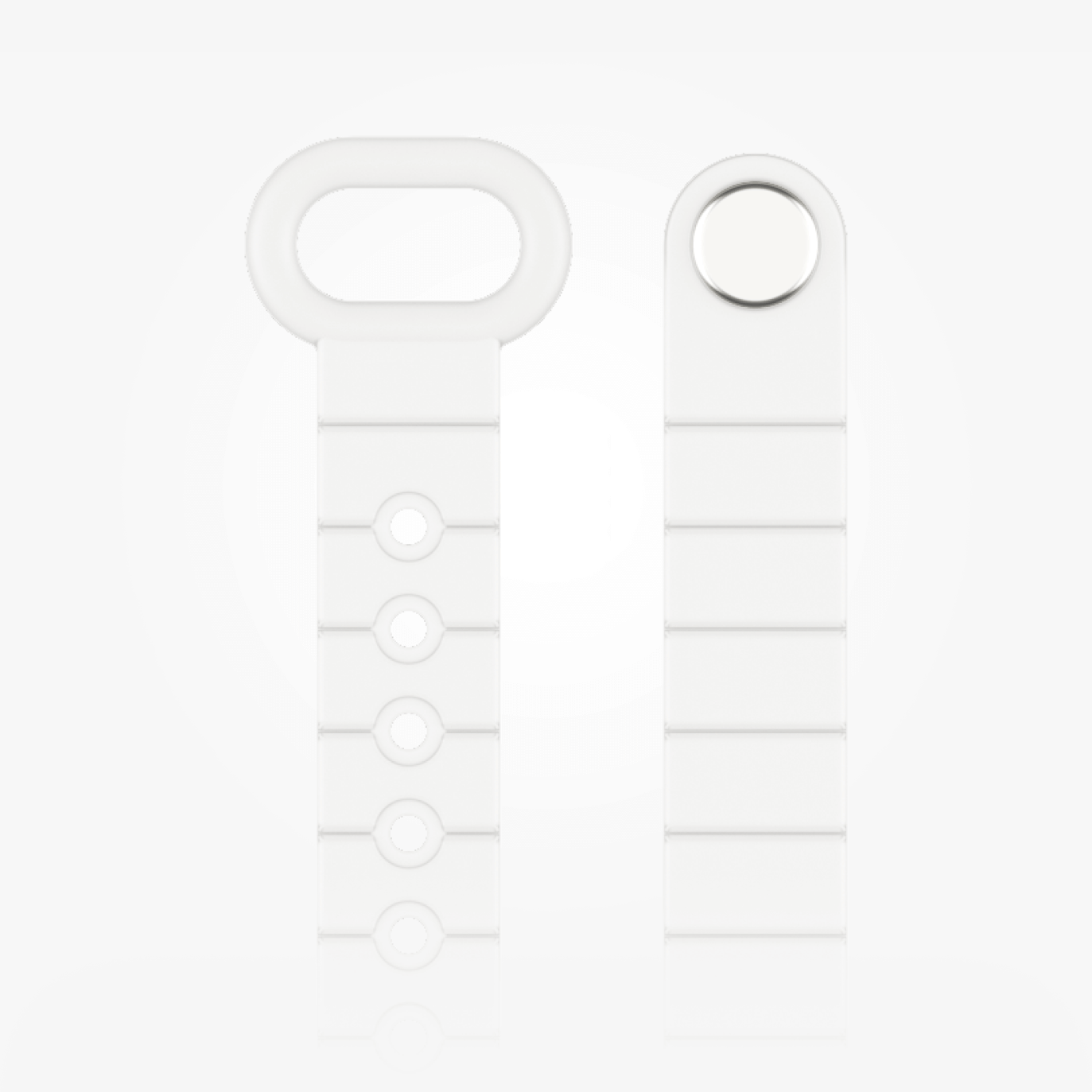
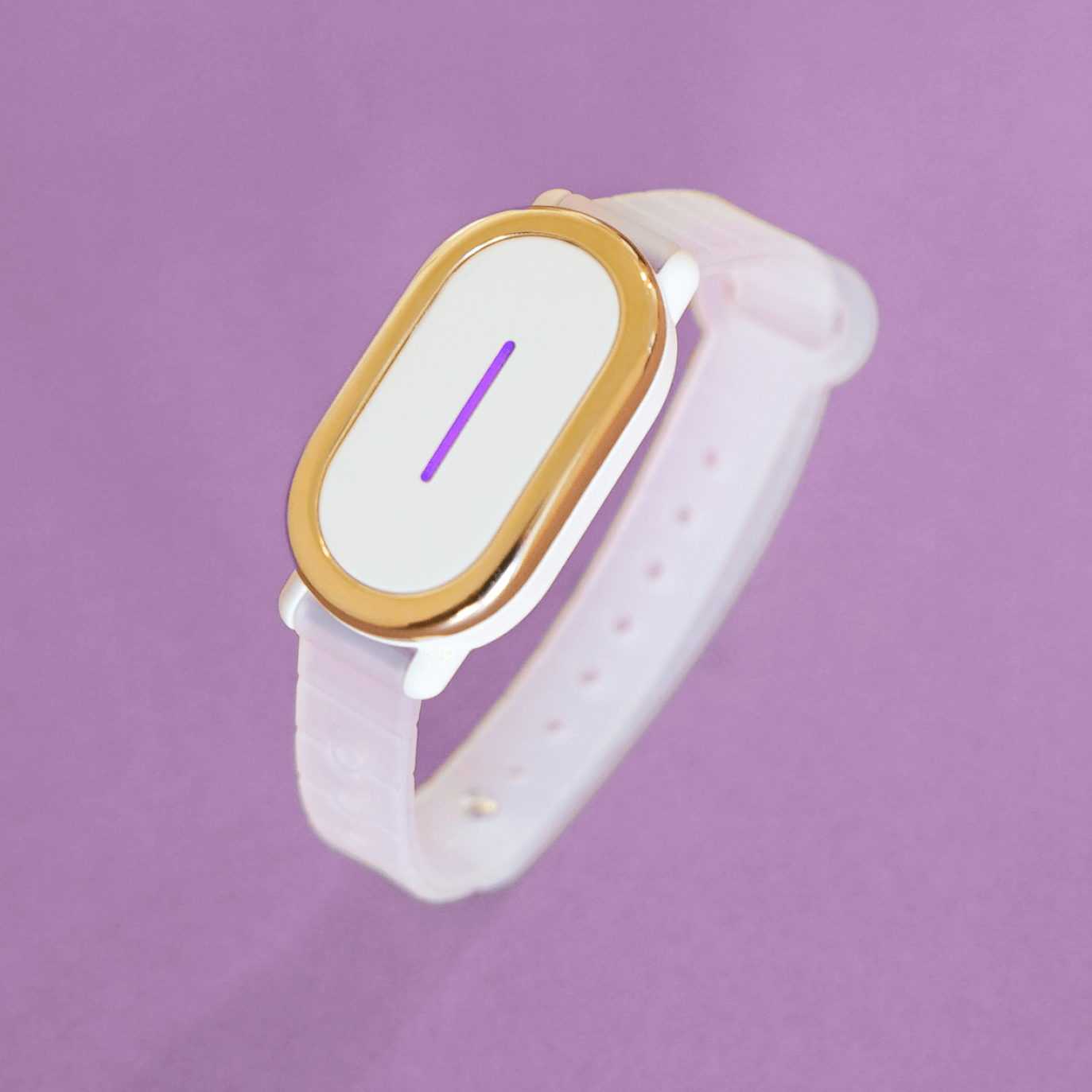
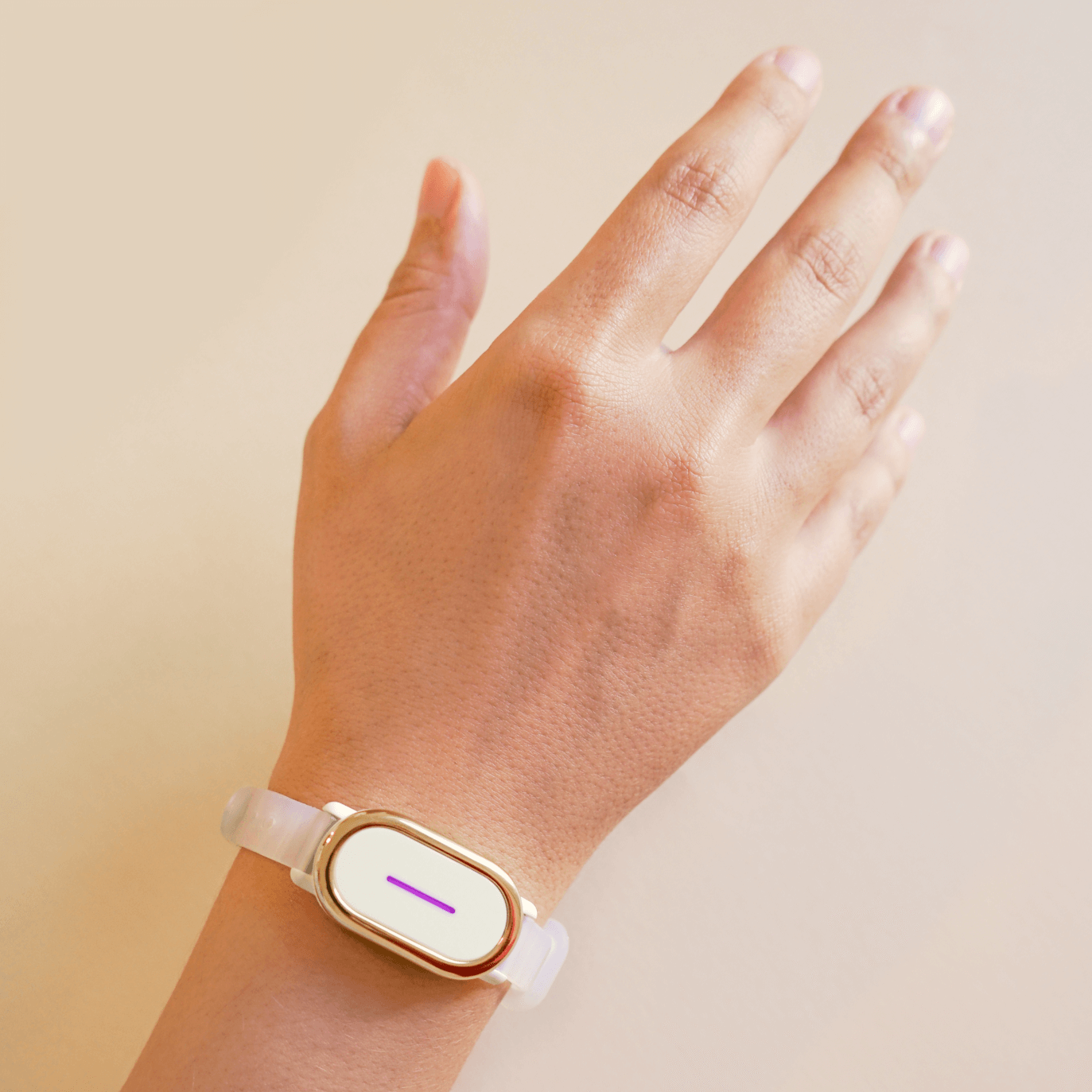
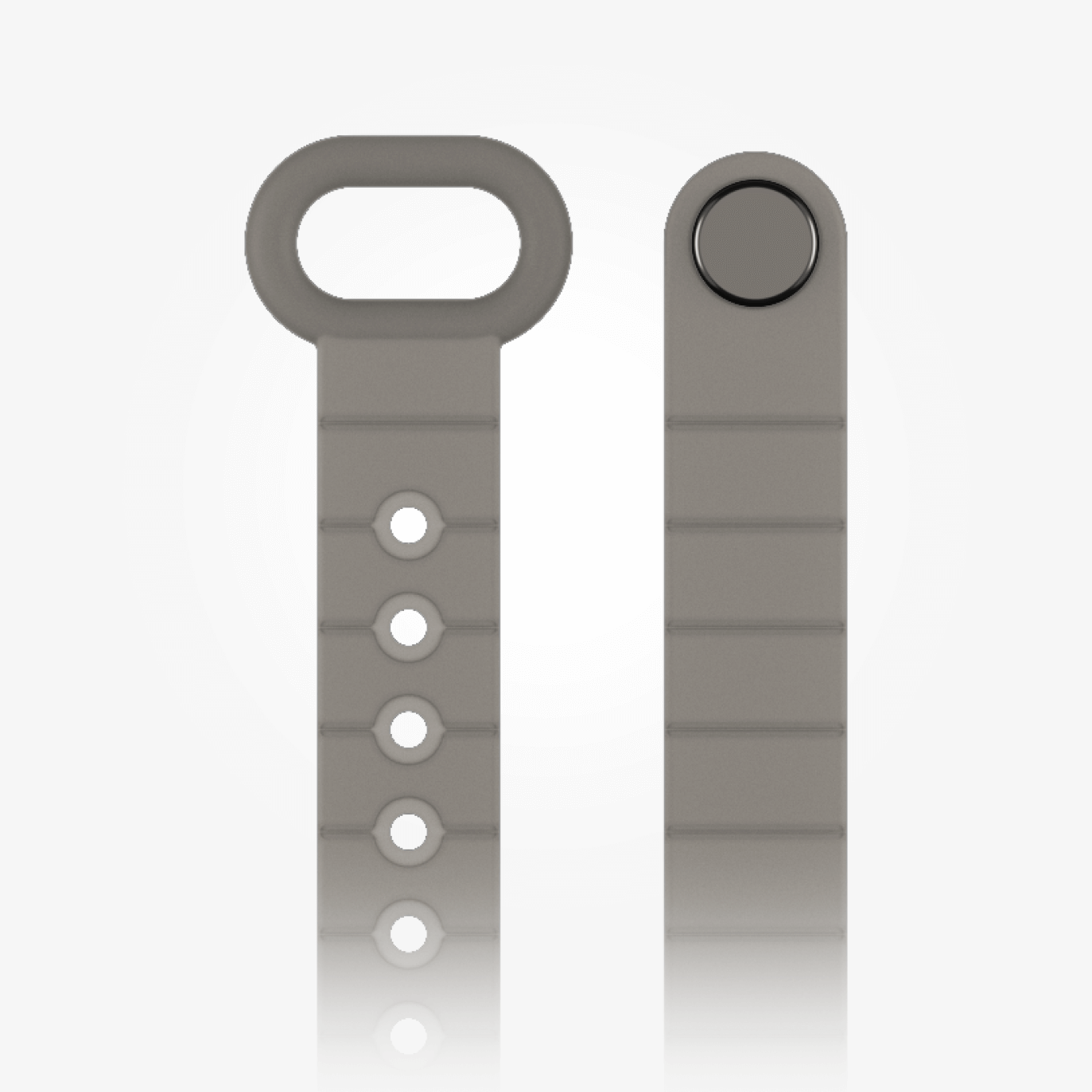
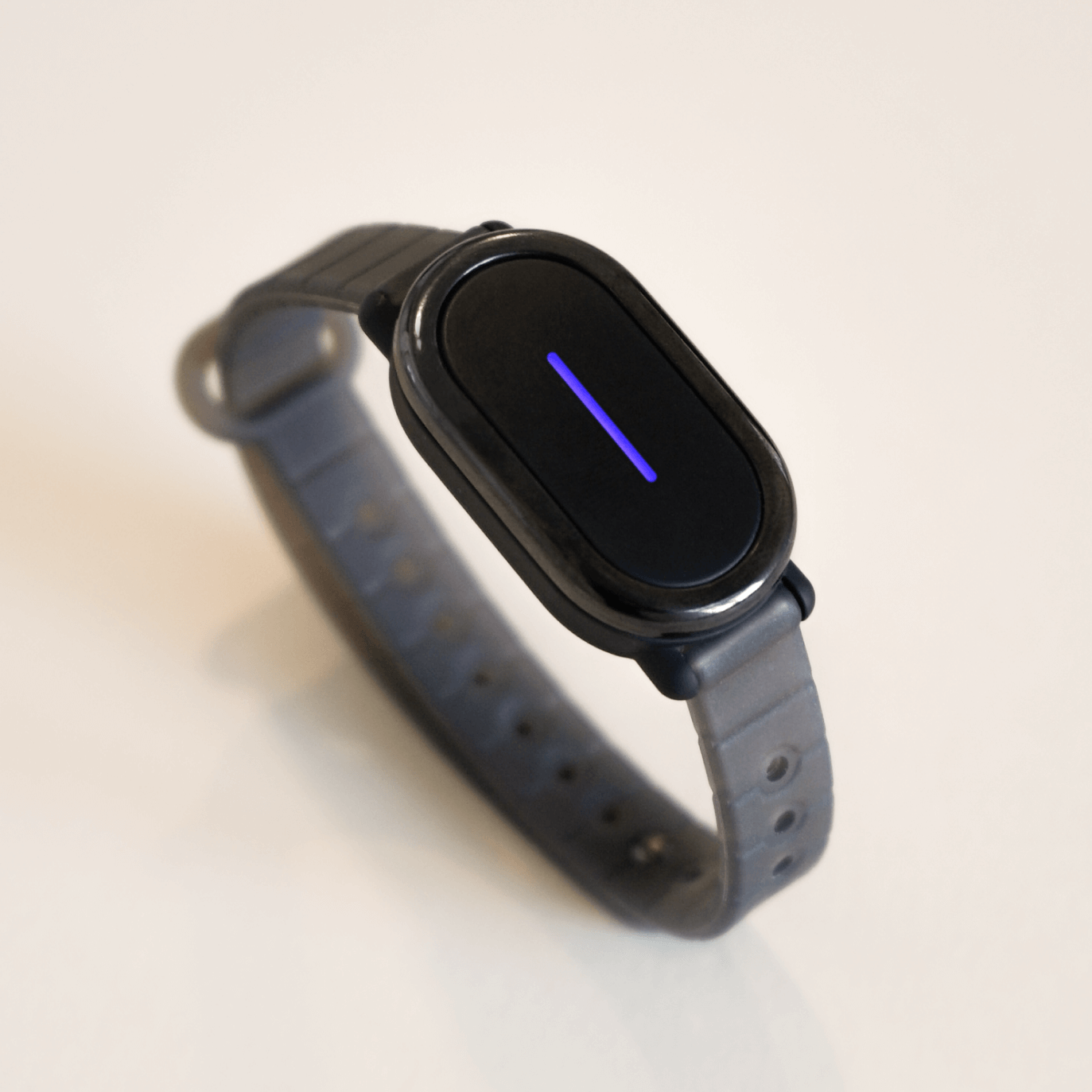
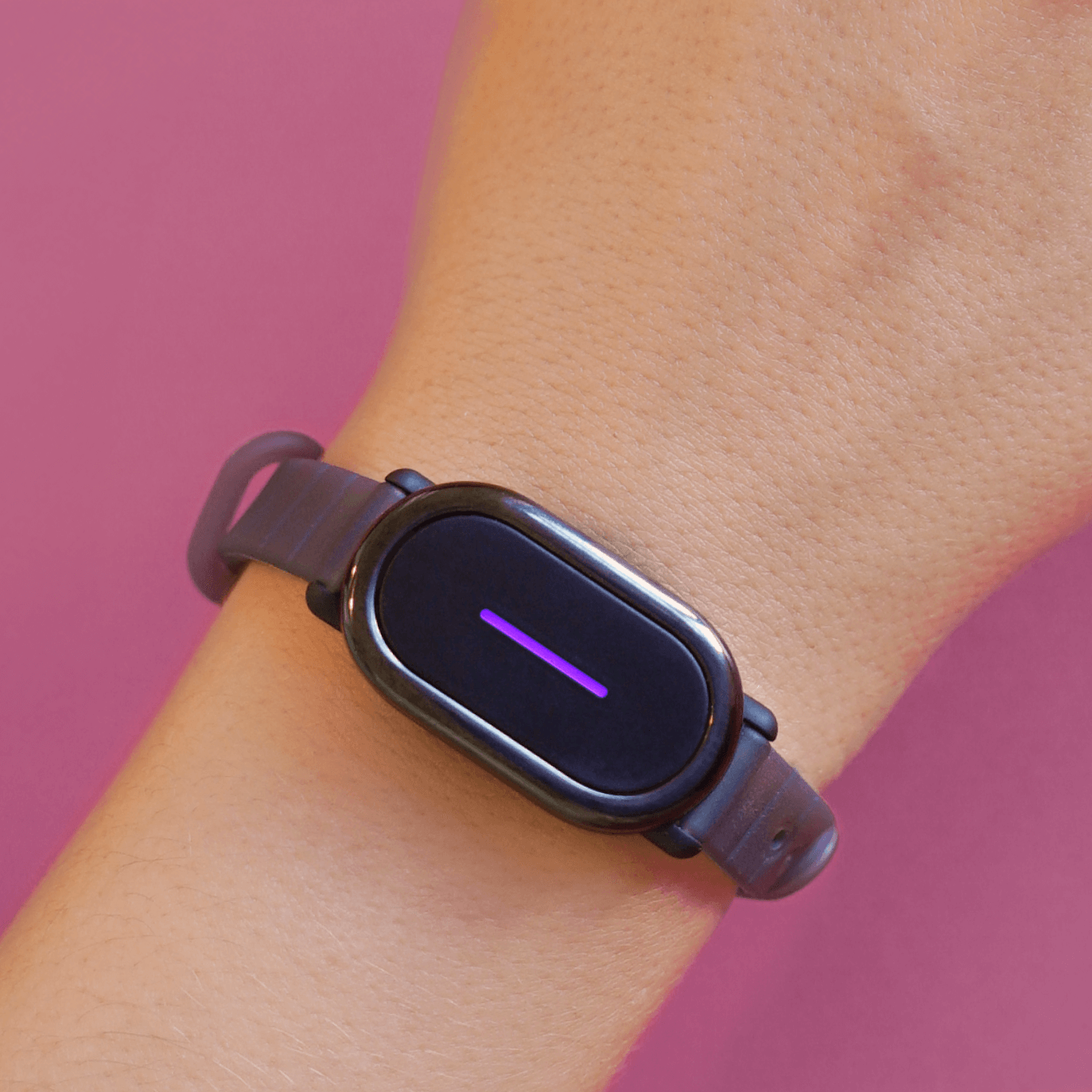
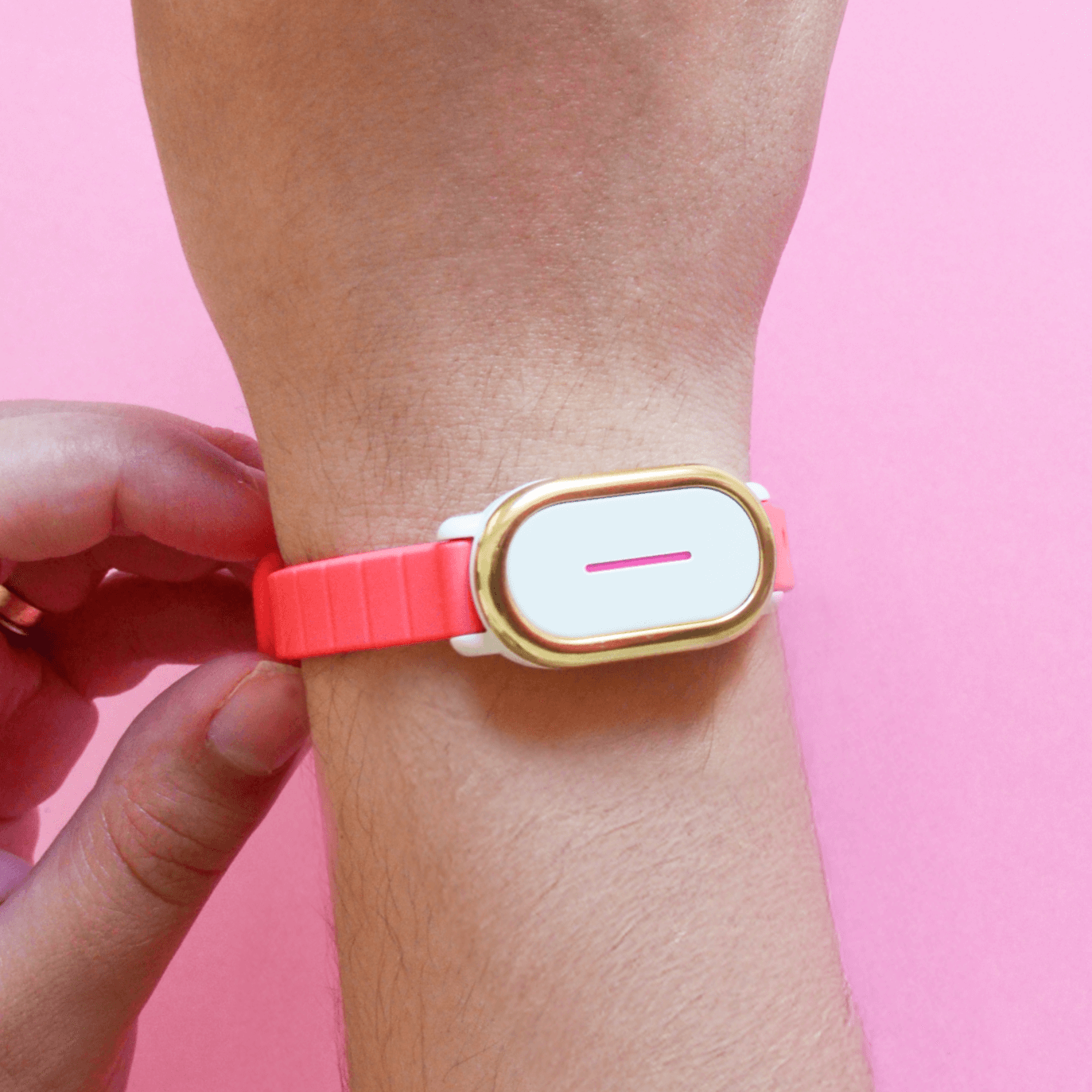
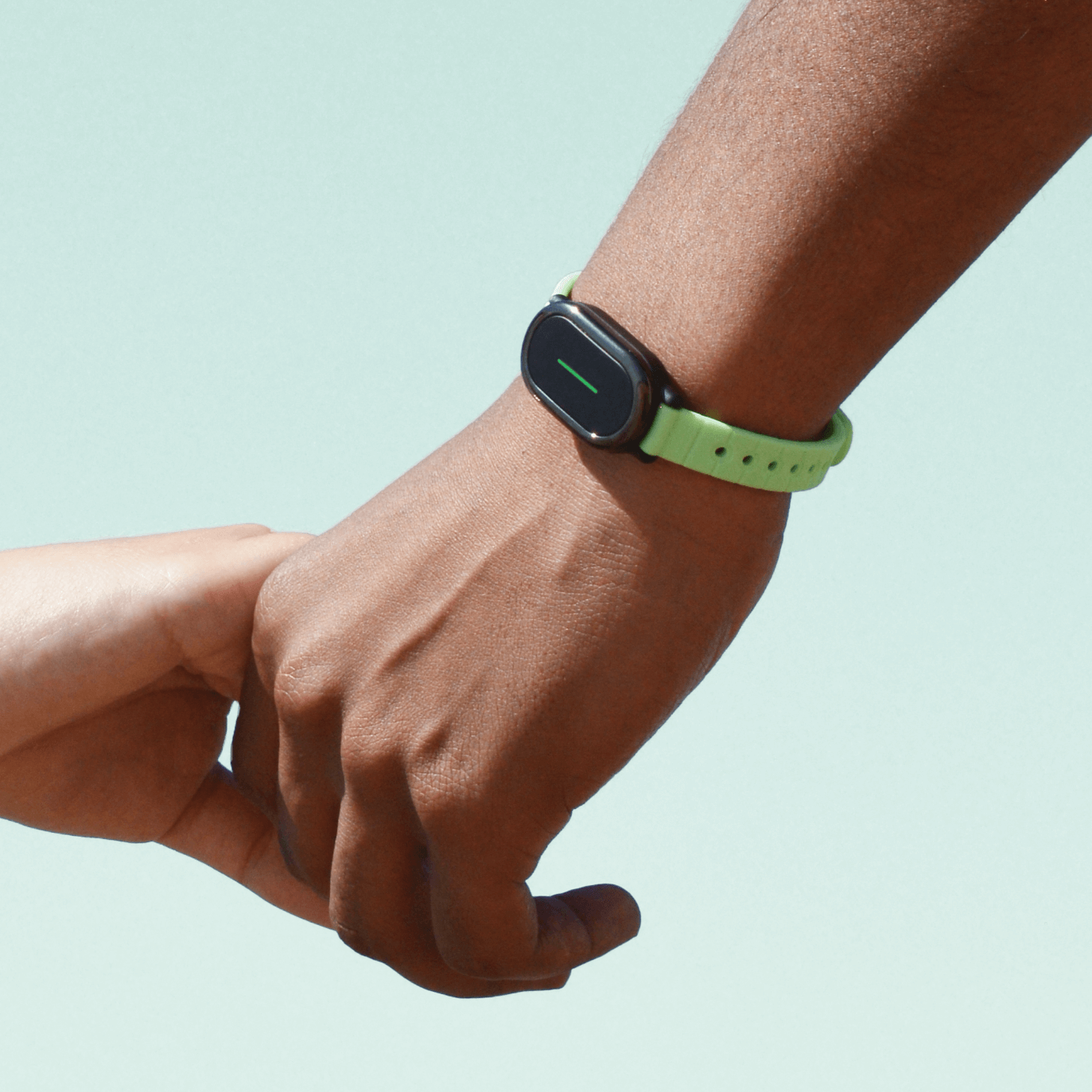
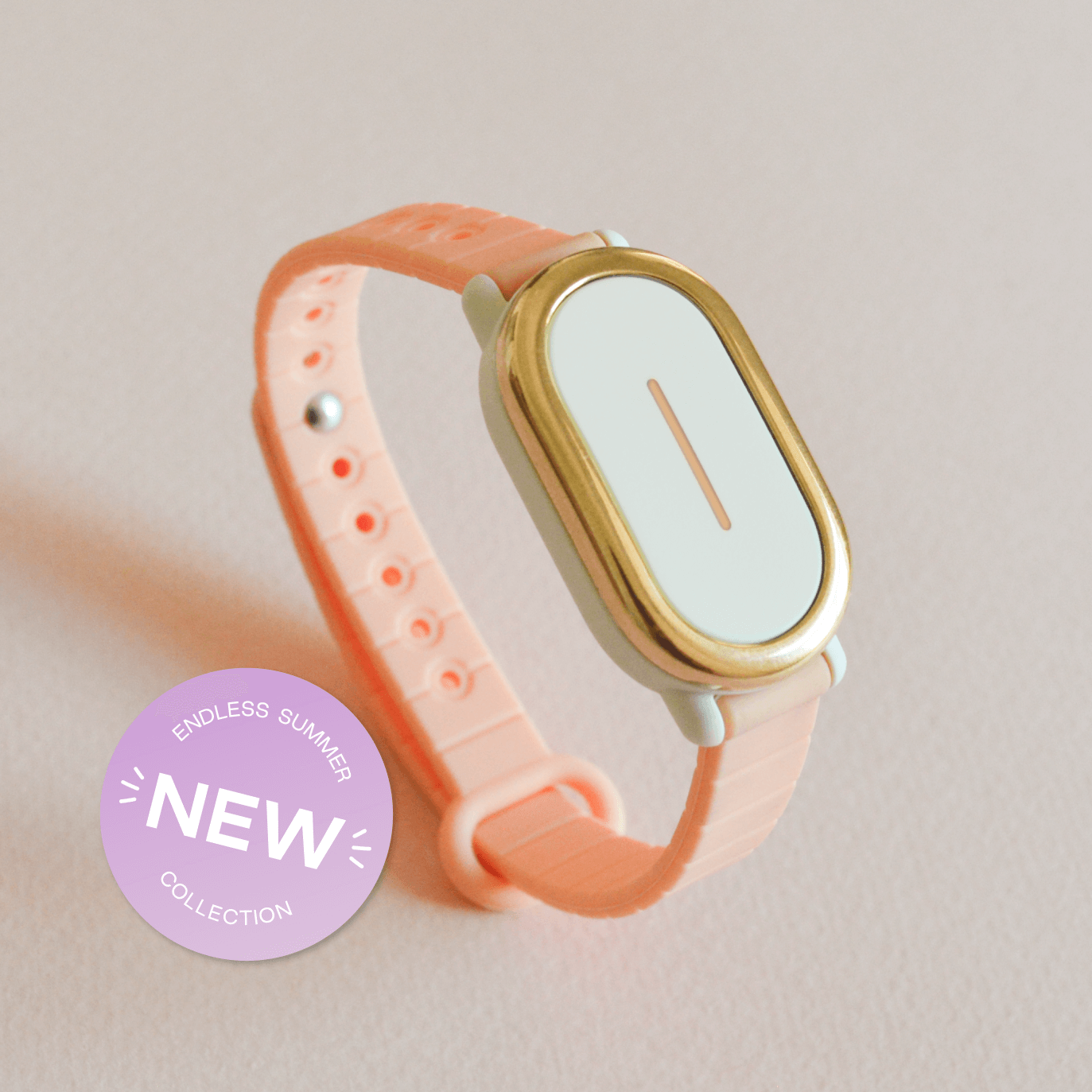
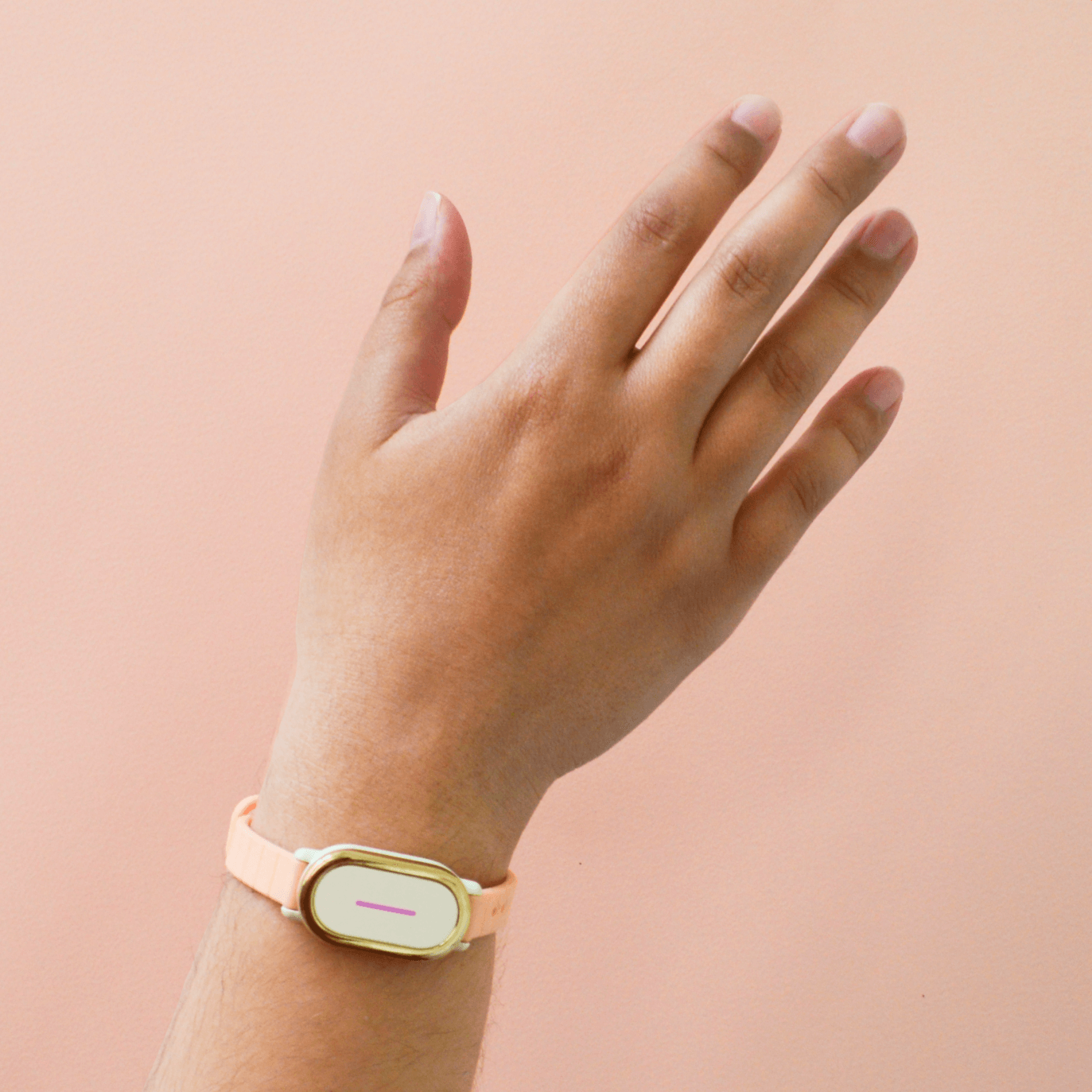
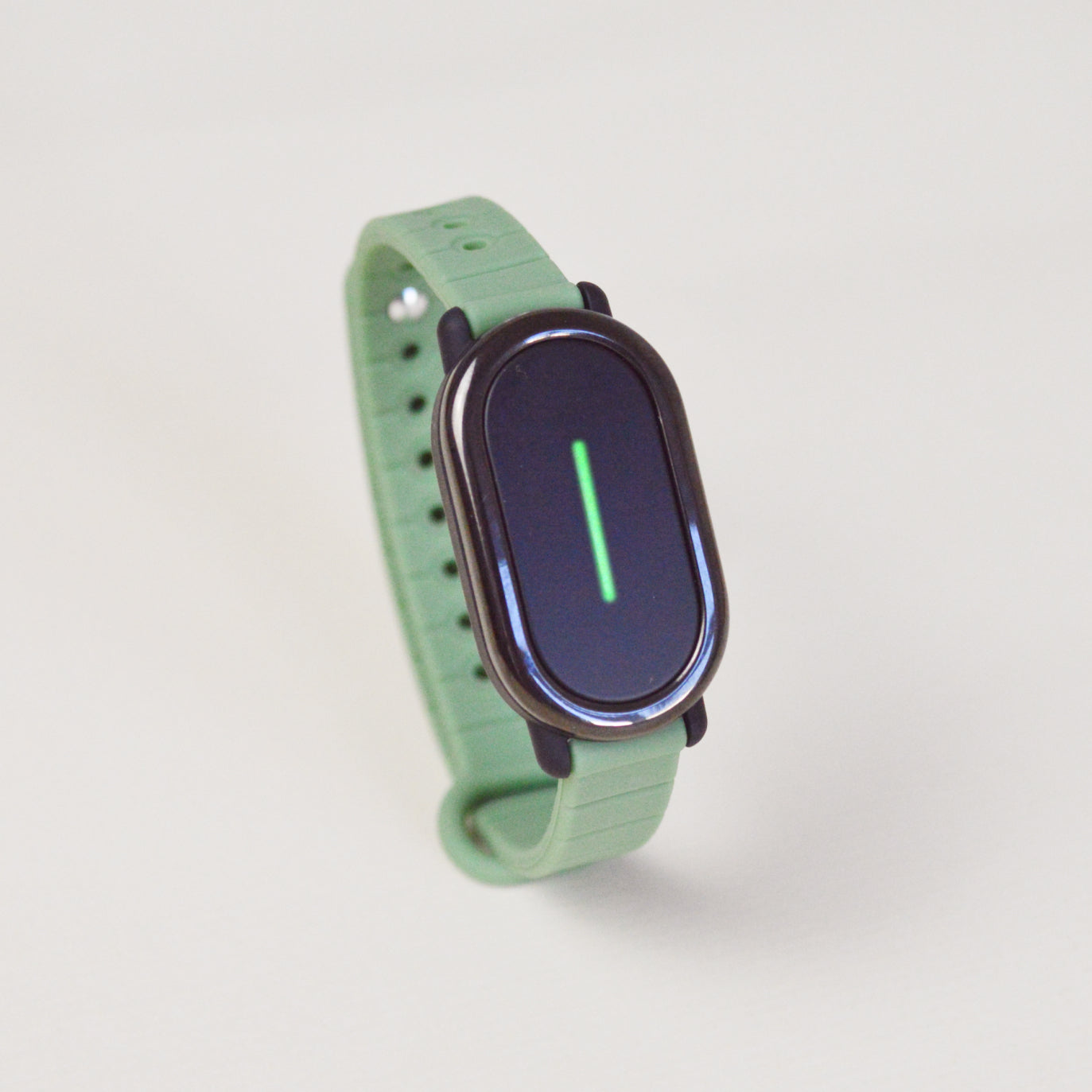
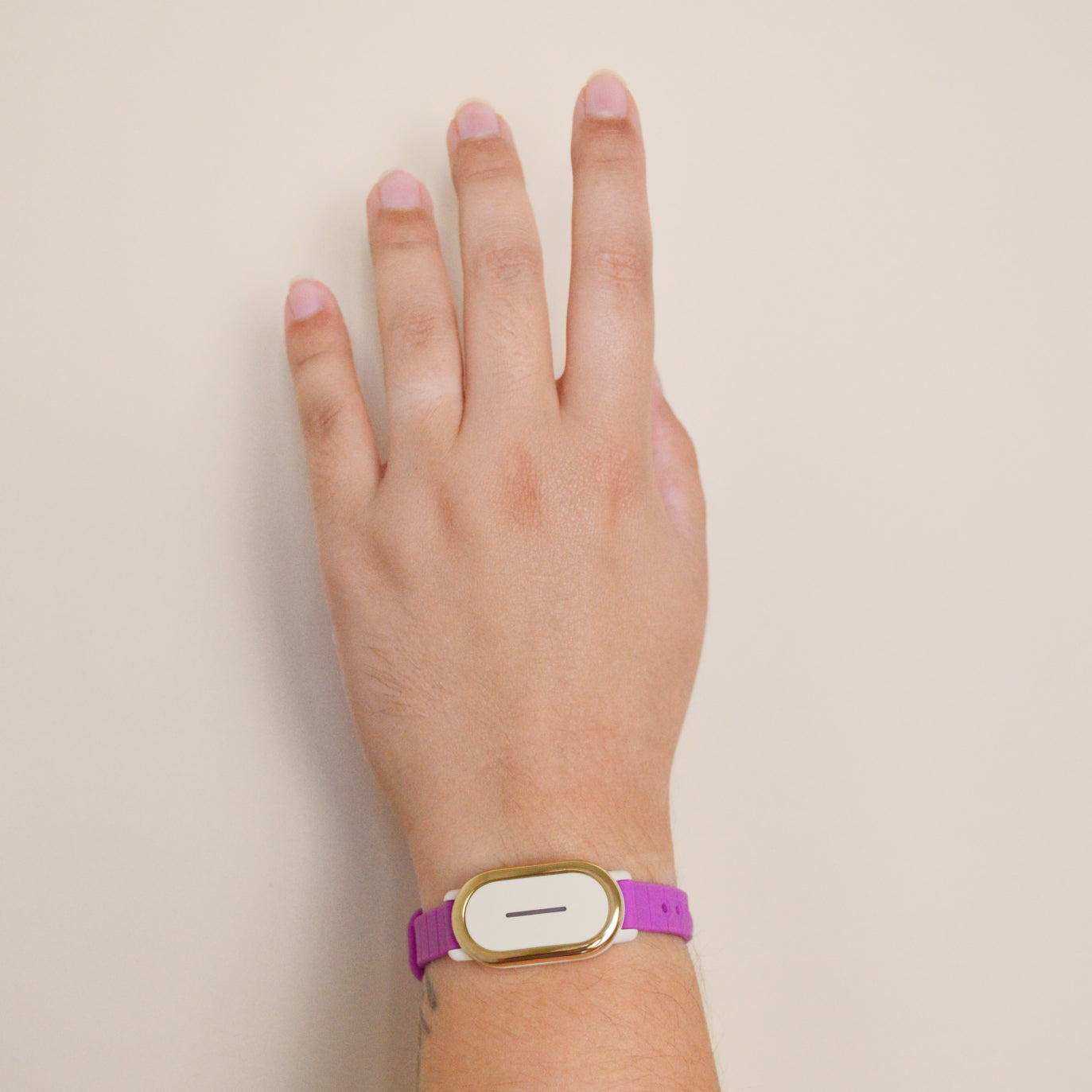
Thanks for reading this! FYI, The Other Half is brought to you by Bond Touch: the brand that has been helping build healthier and happier relationships through emotional wearables since 2017. Connecting over 1 million people globally so far and counting!
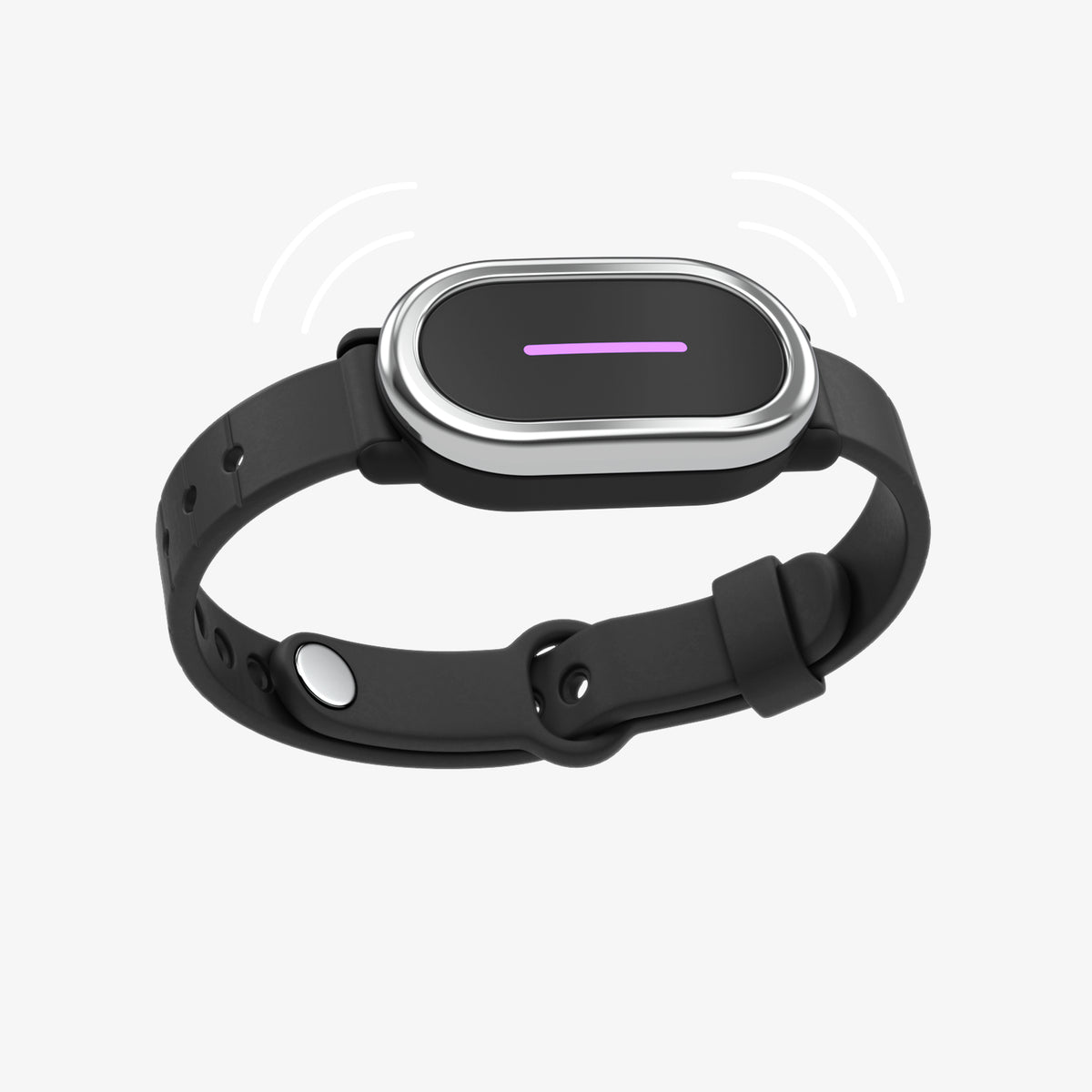
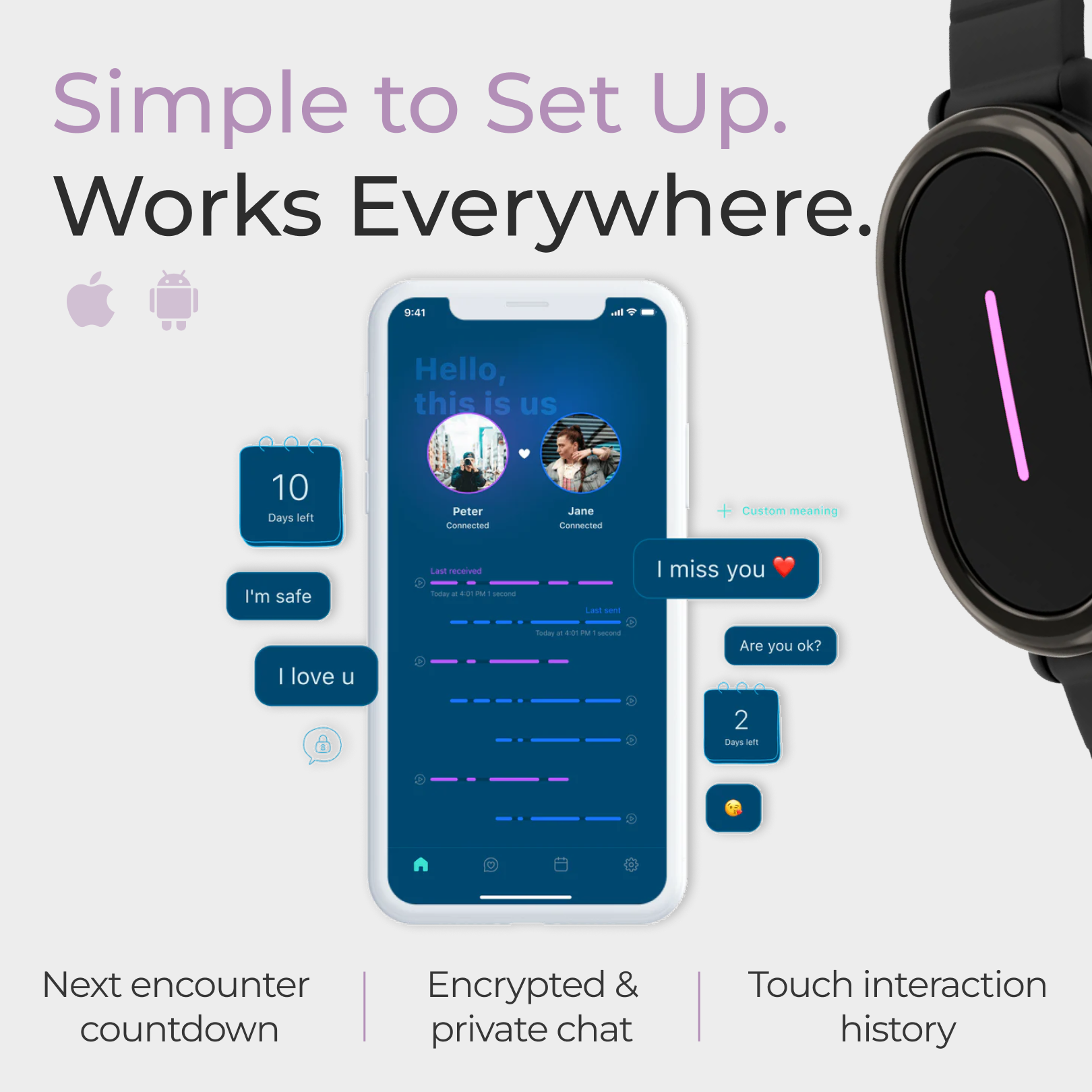
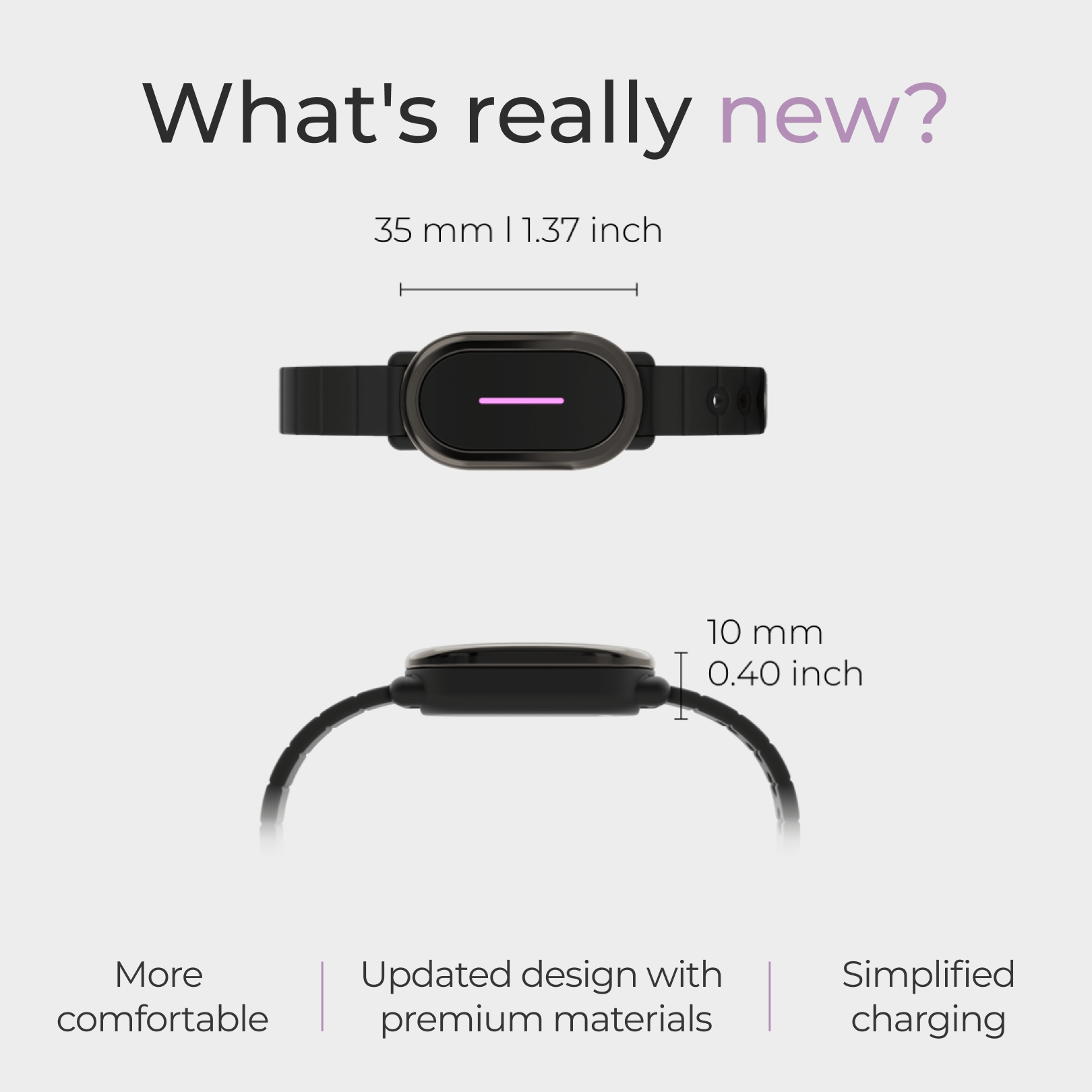
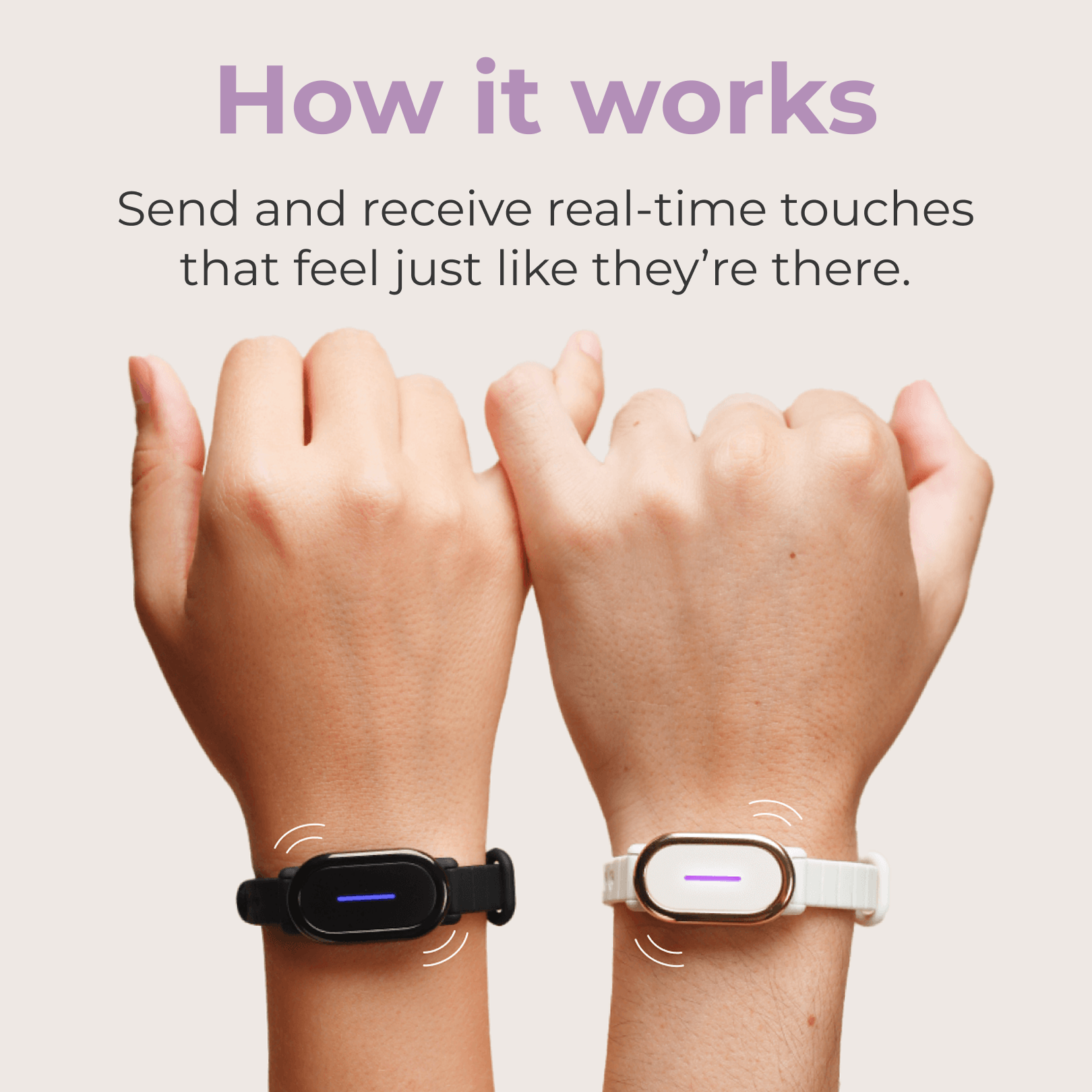
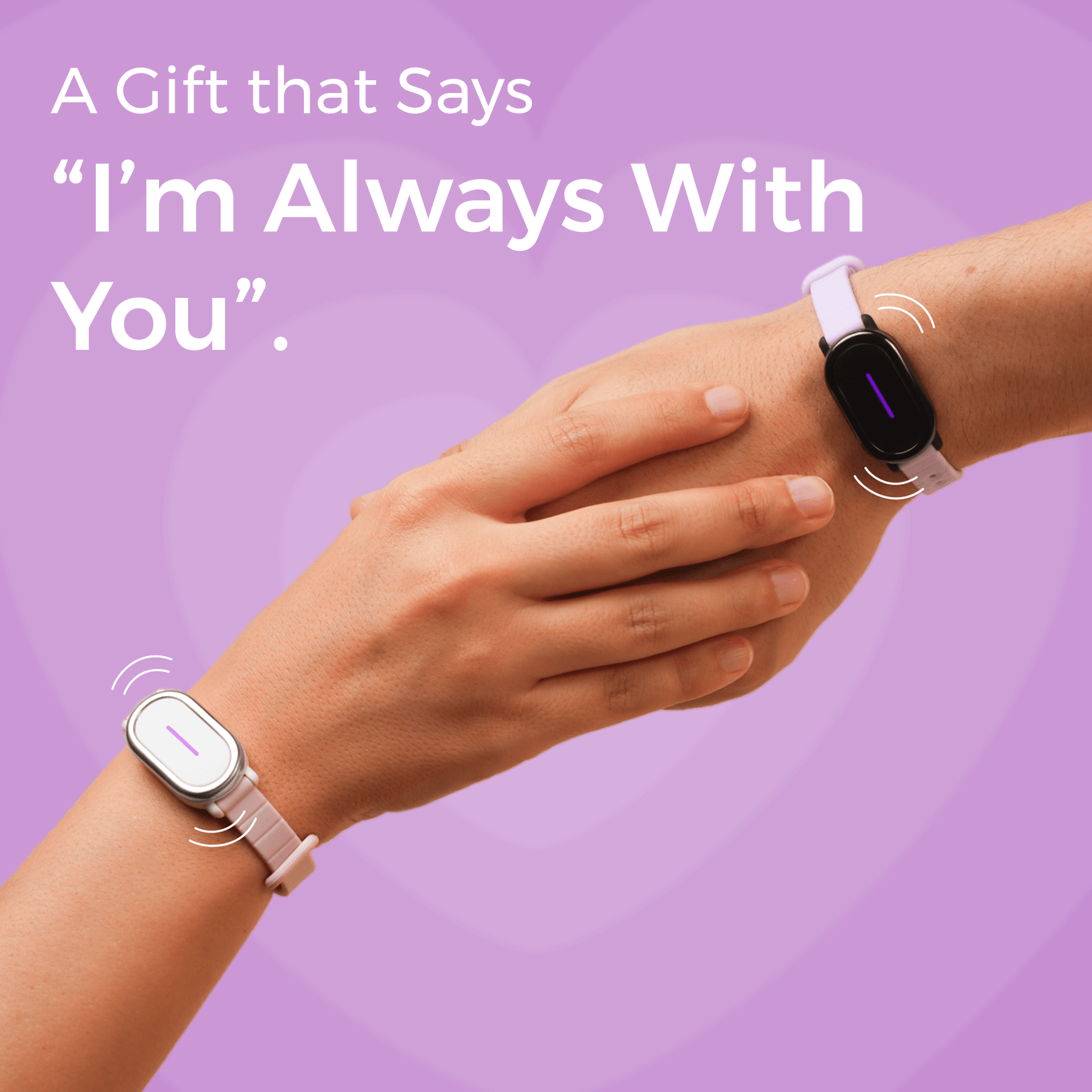
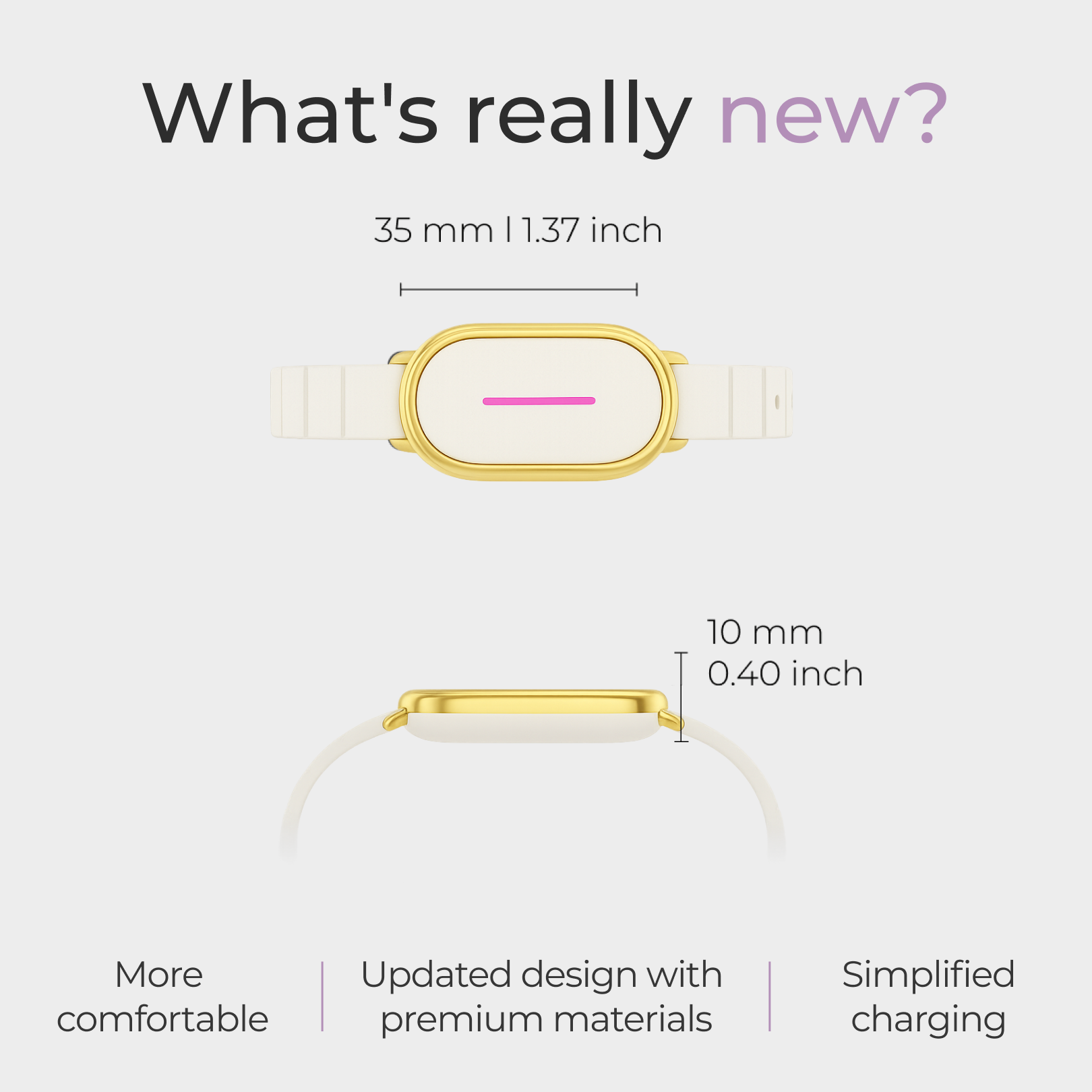
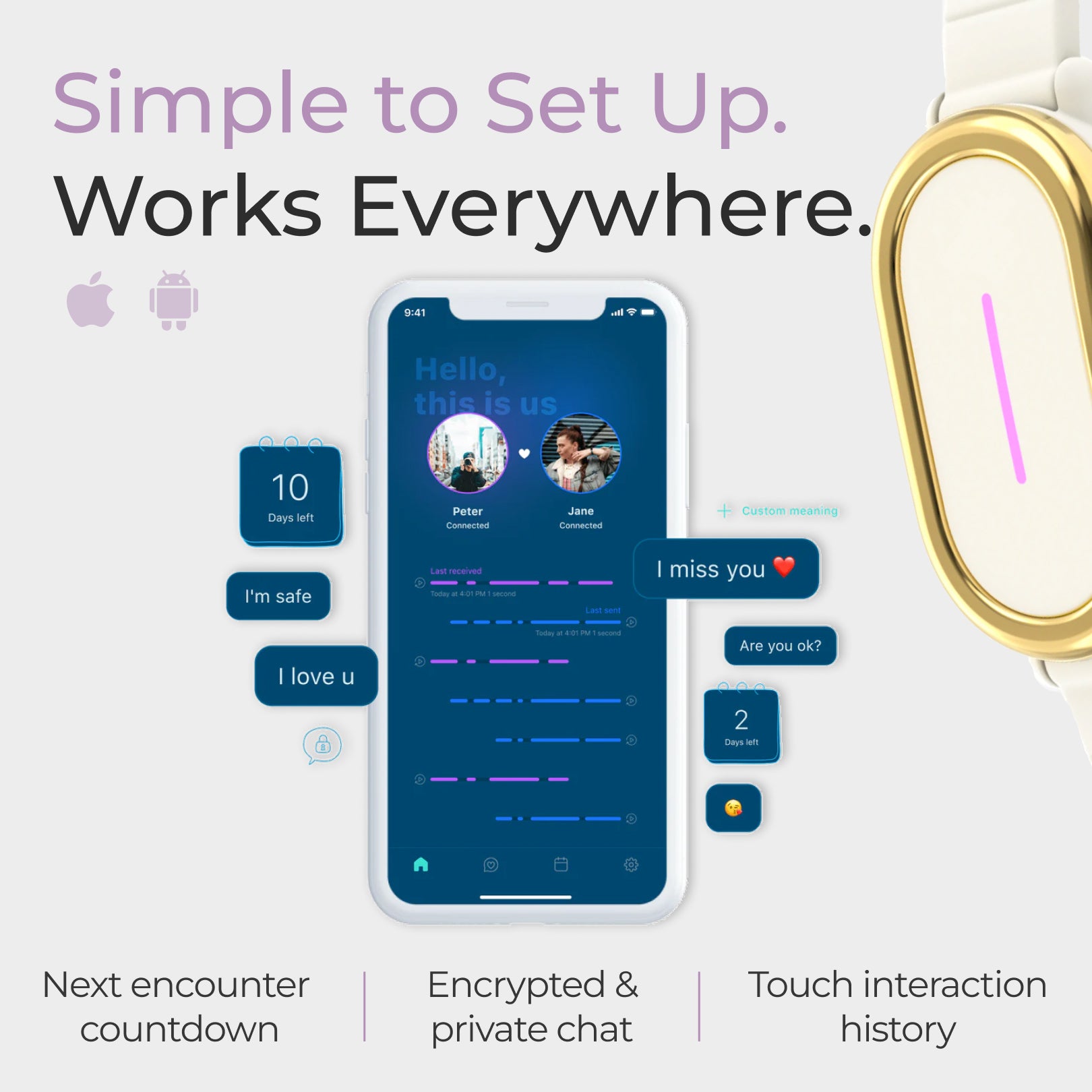
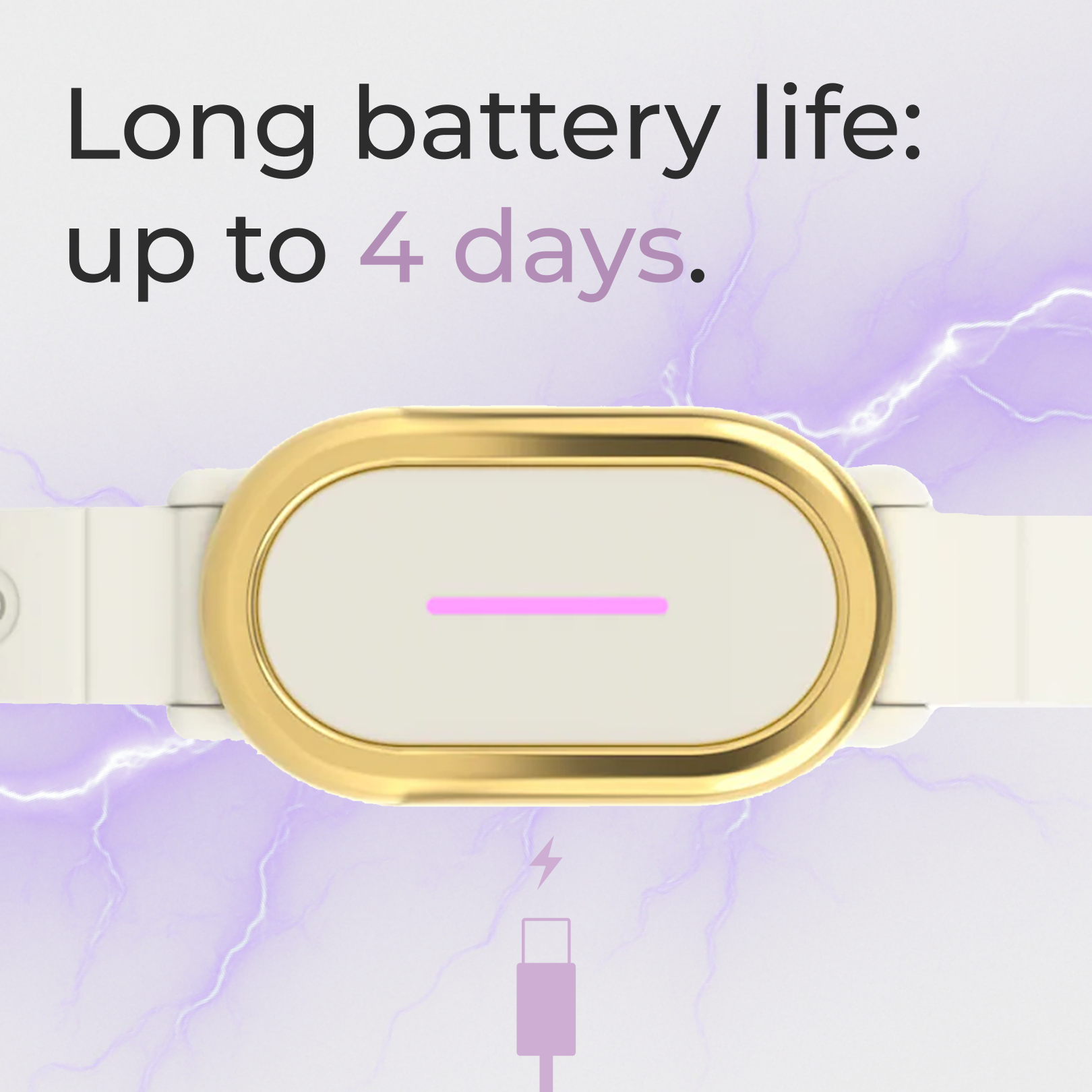
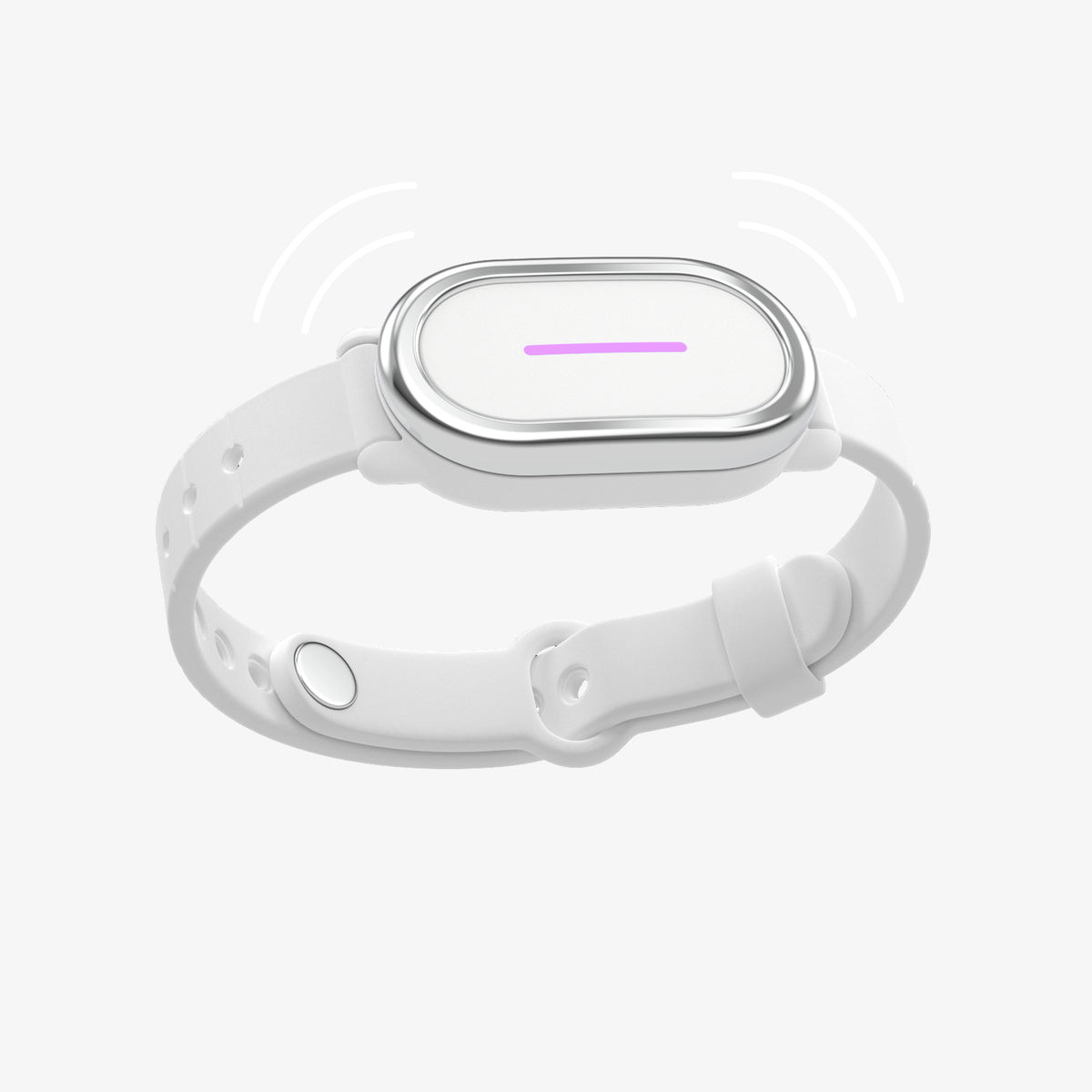
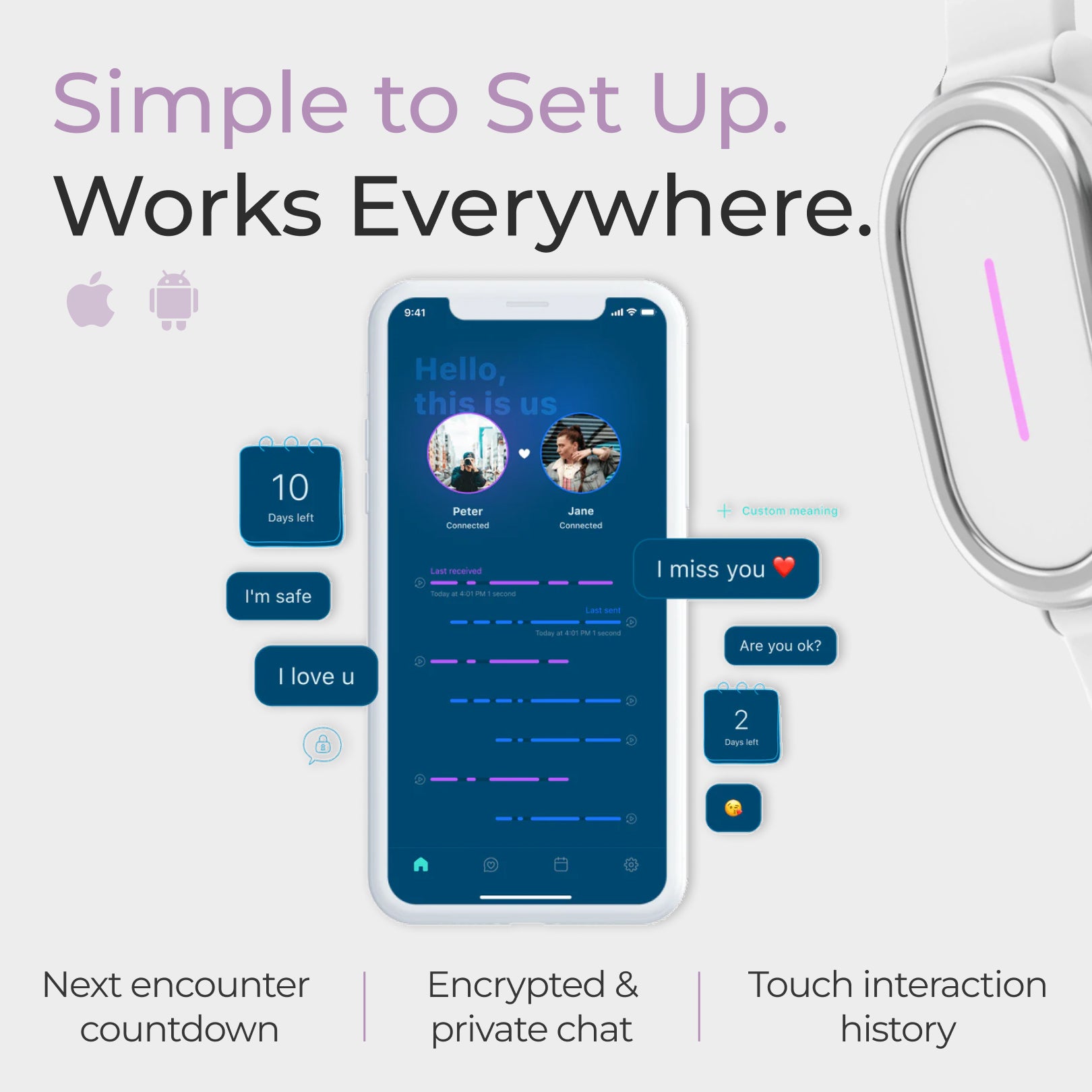
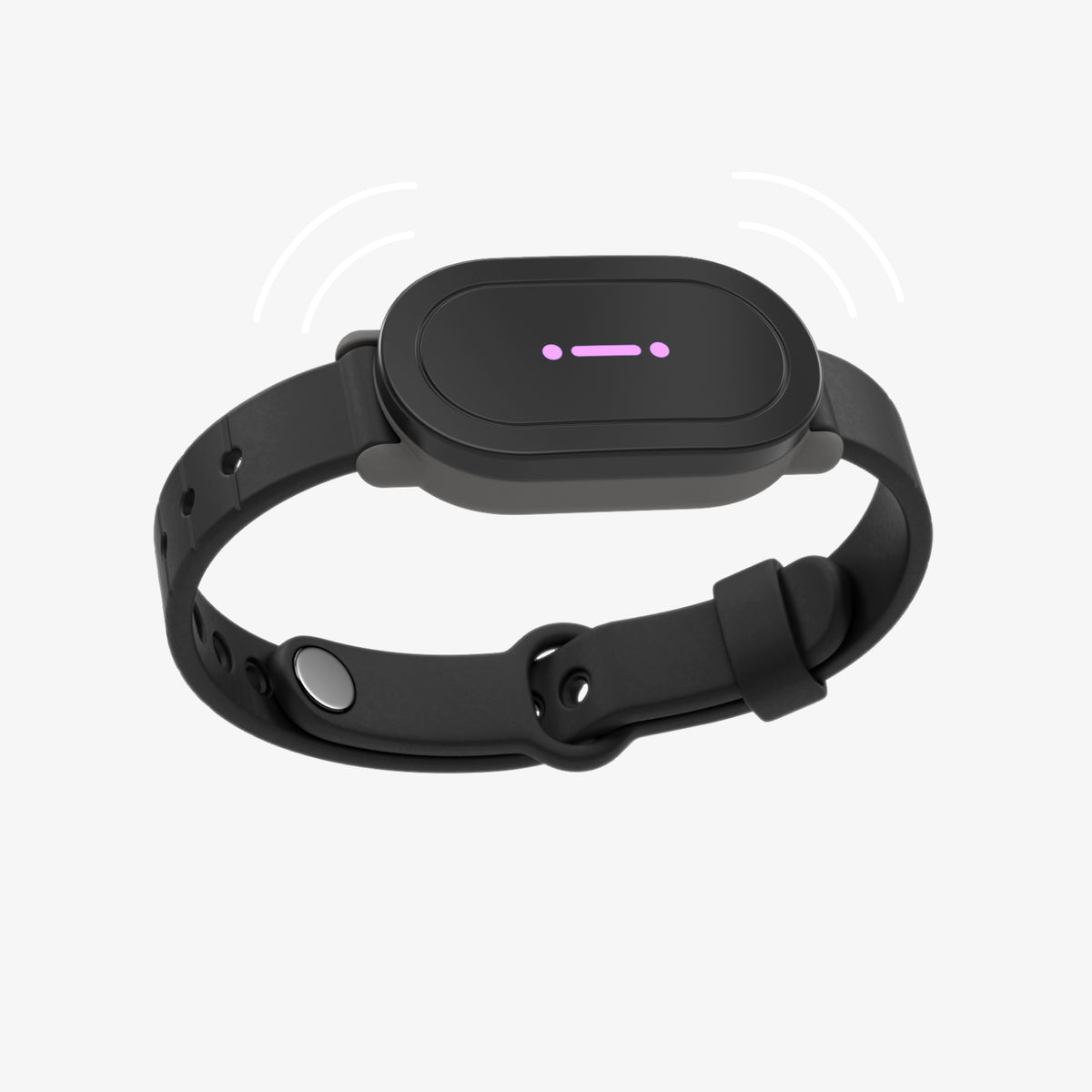
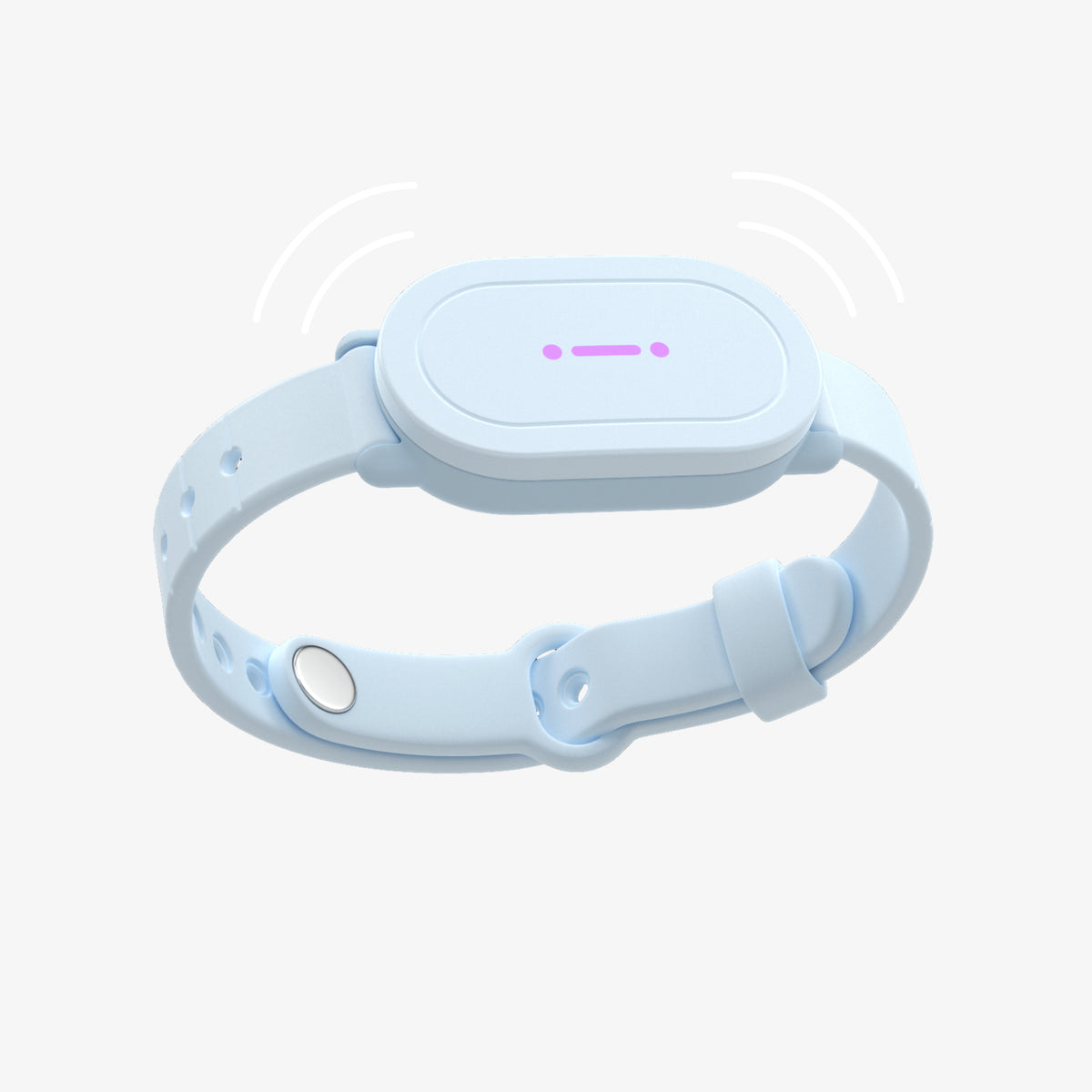
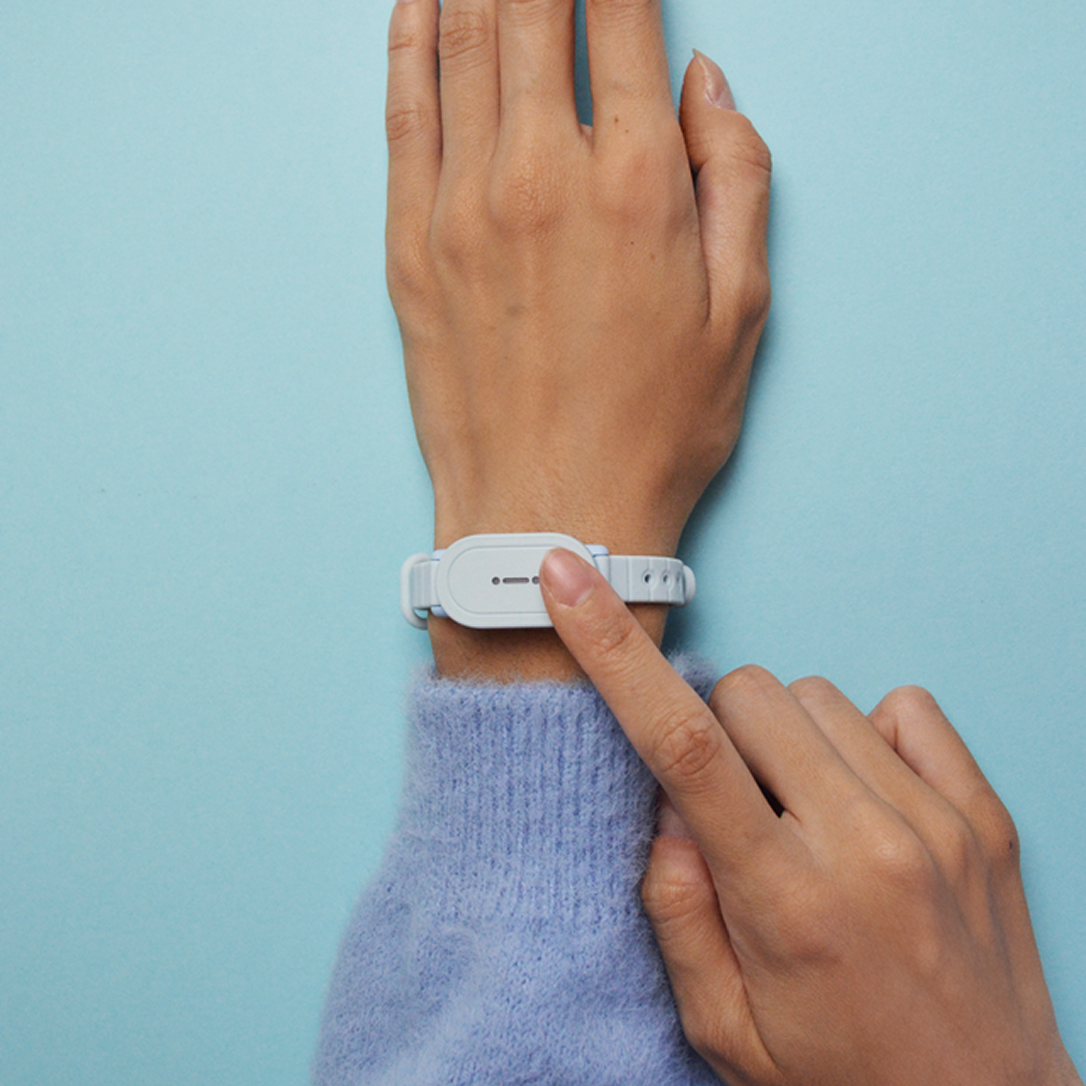
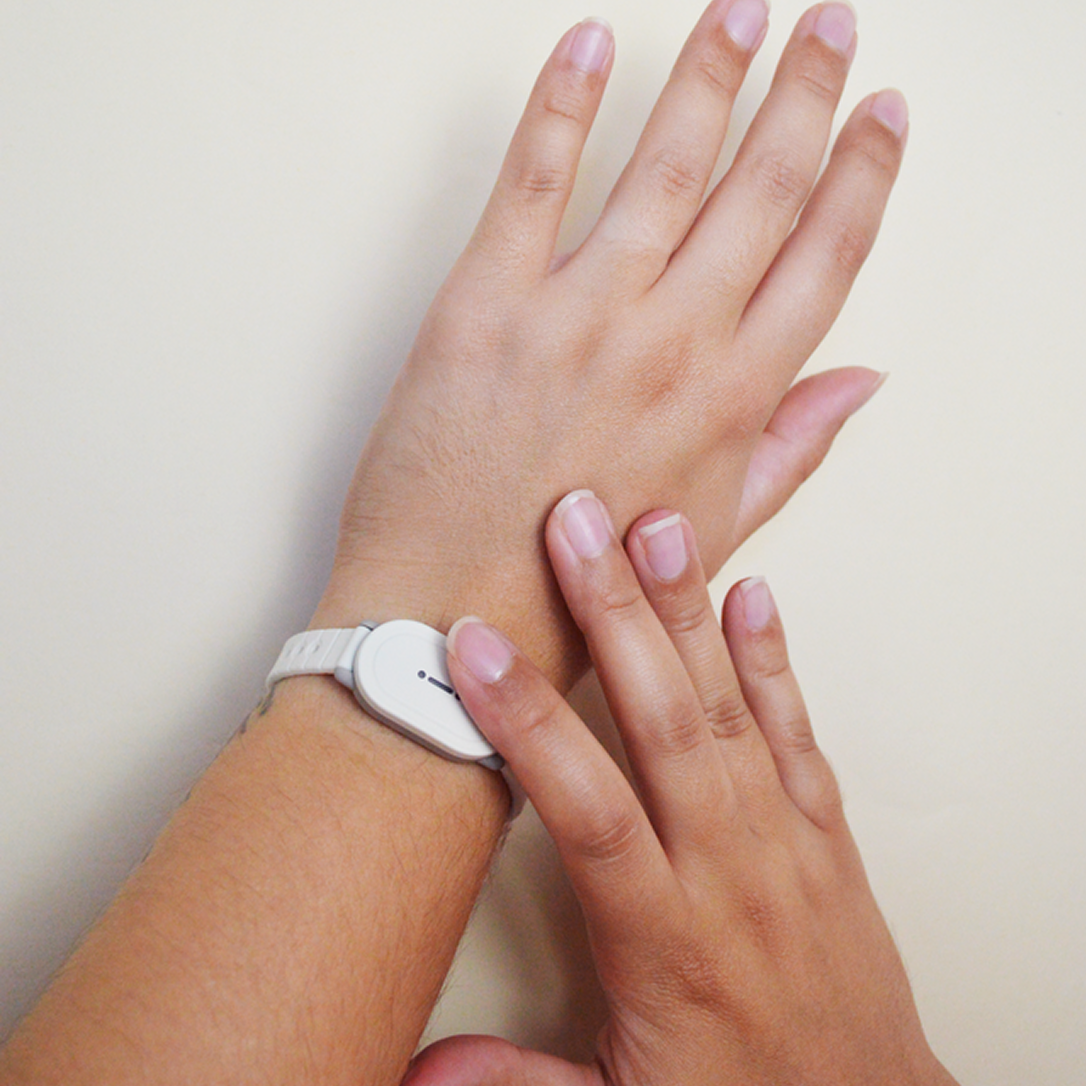
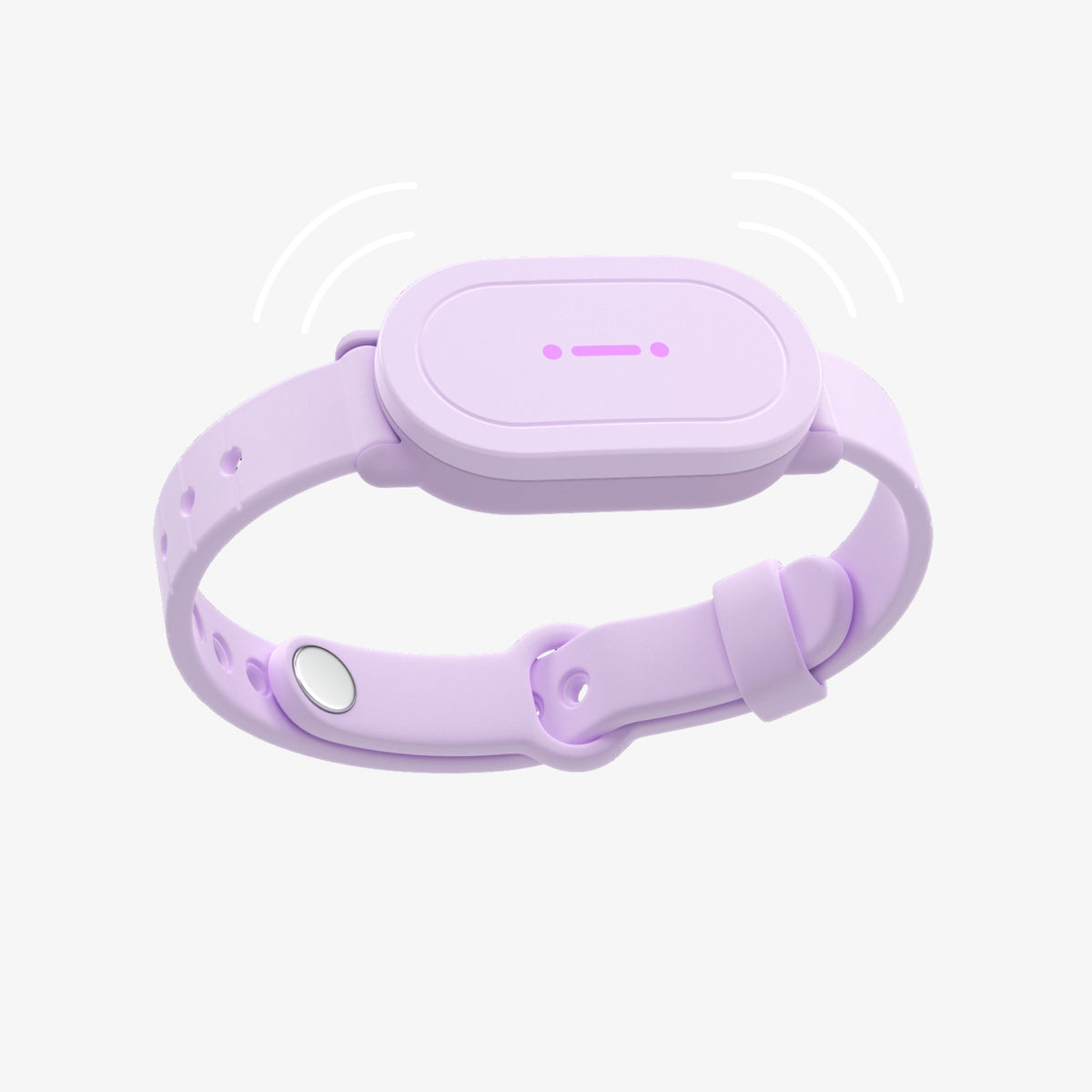
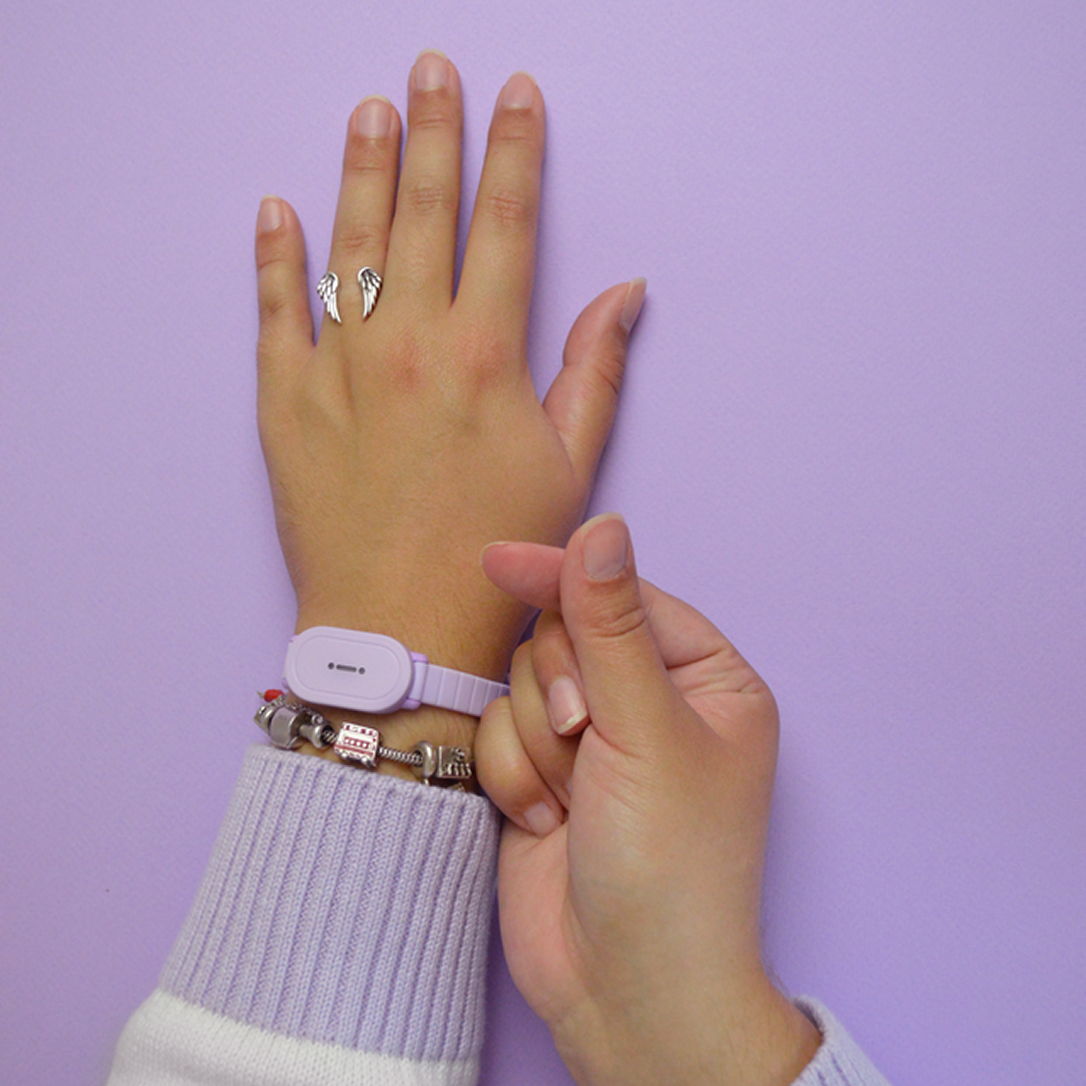
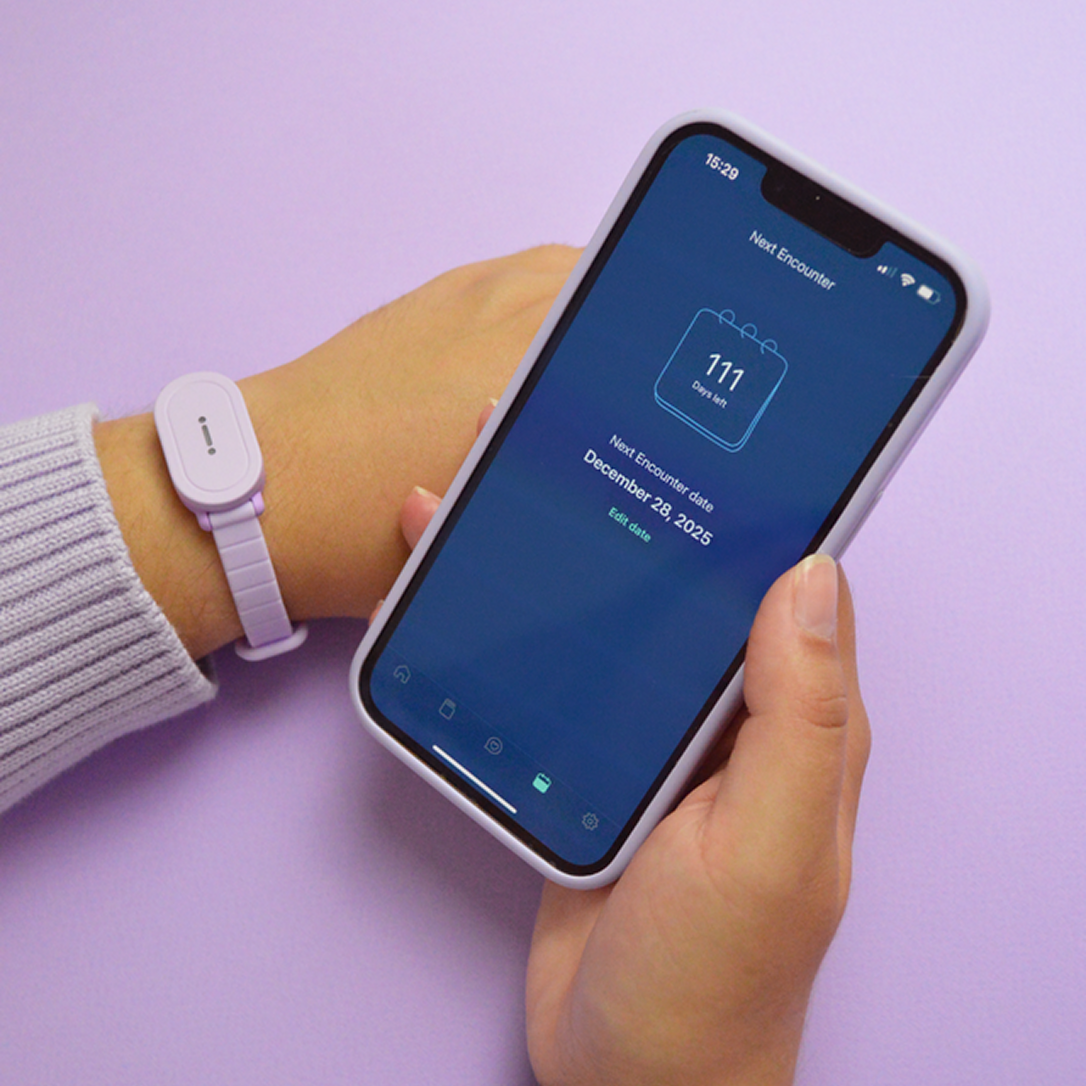
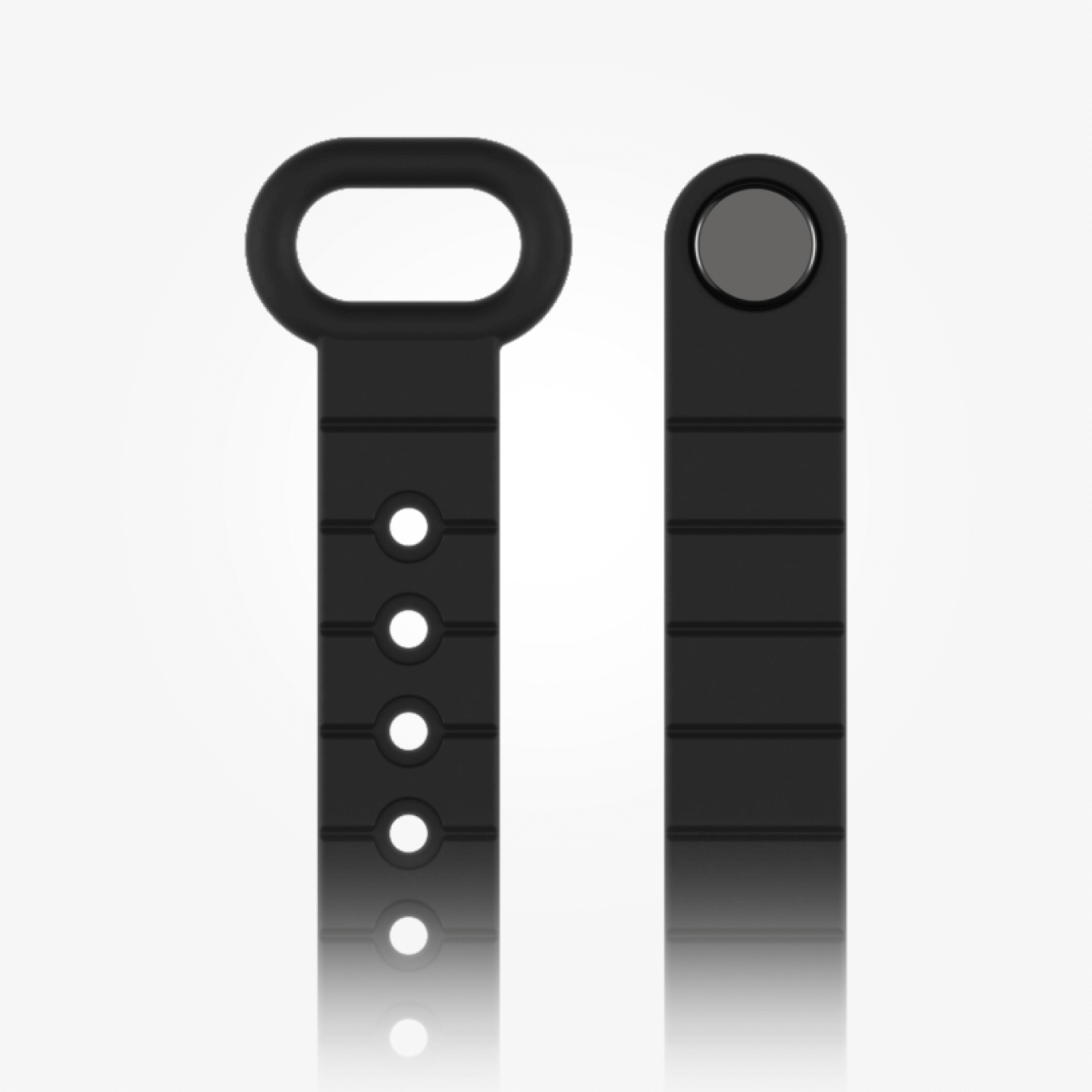
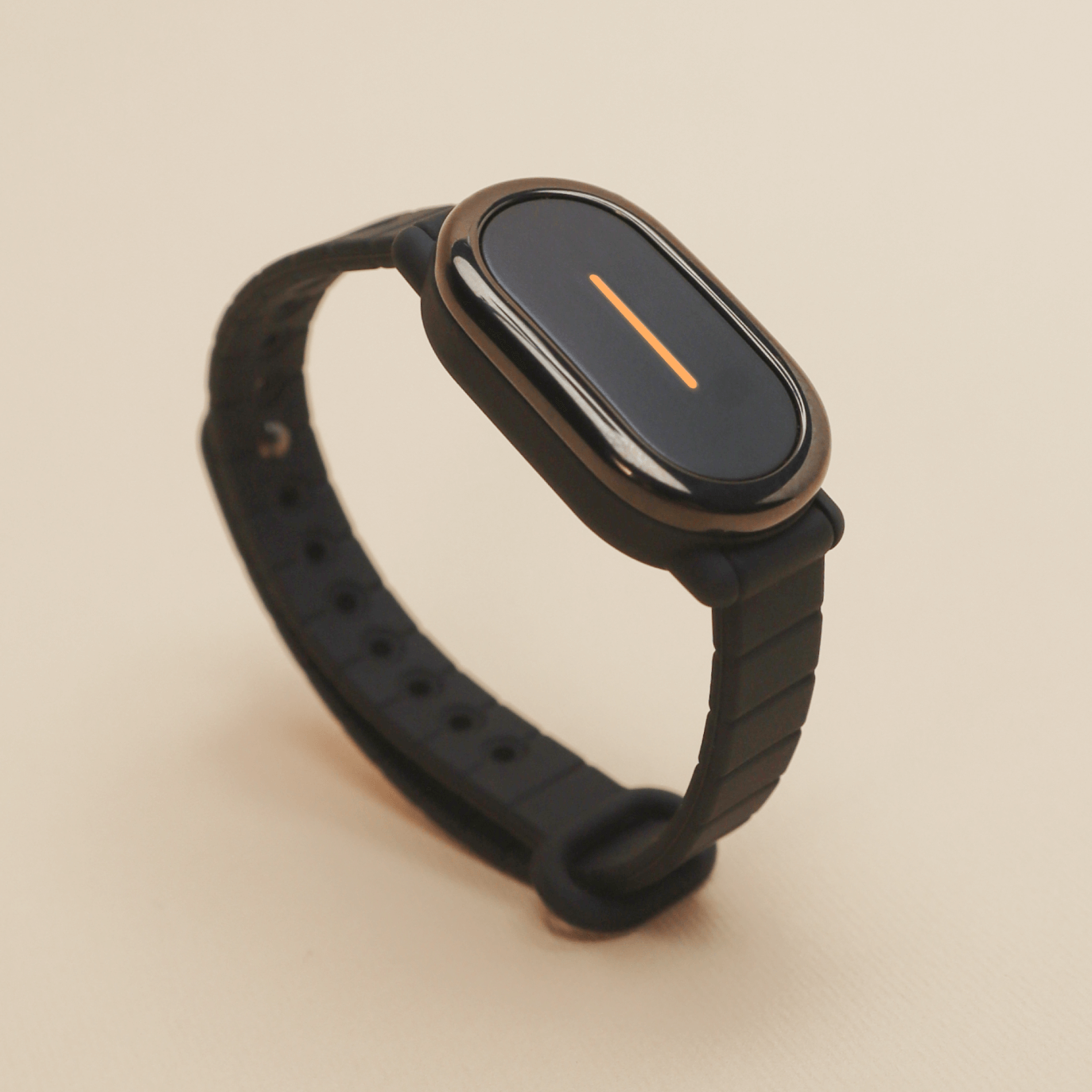
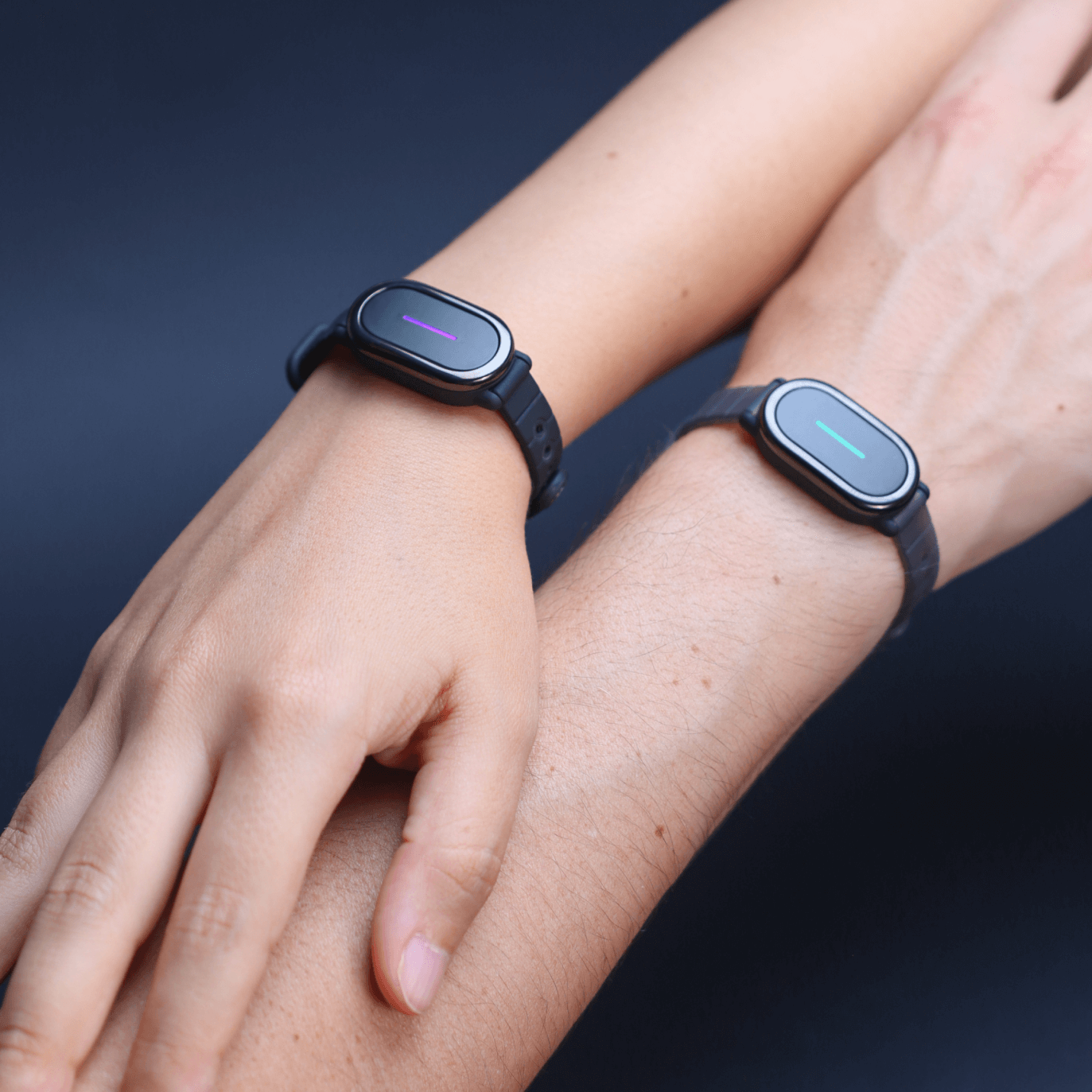
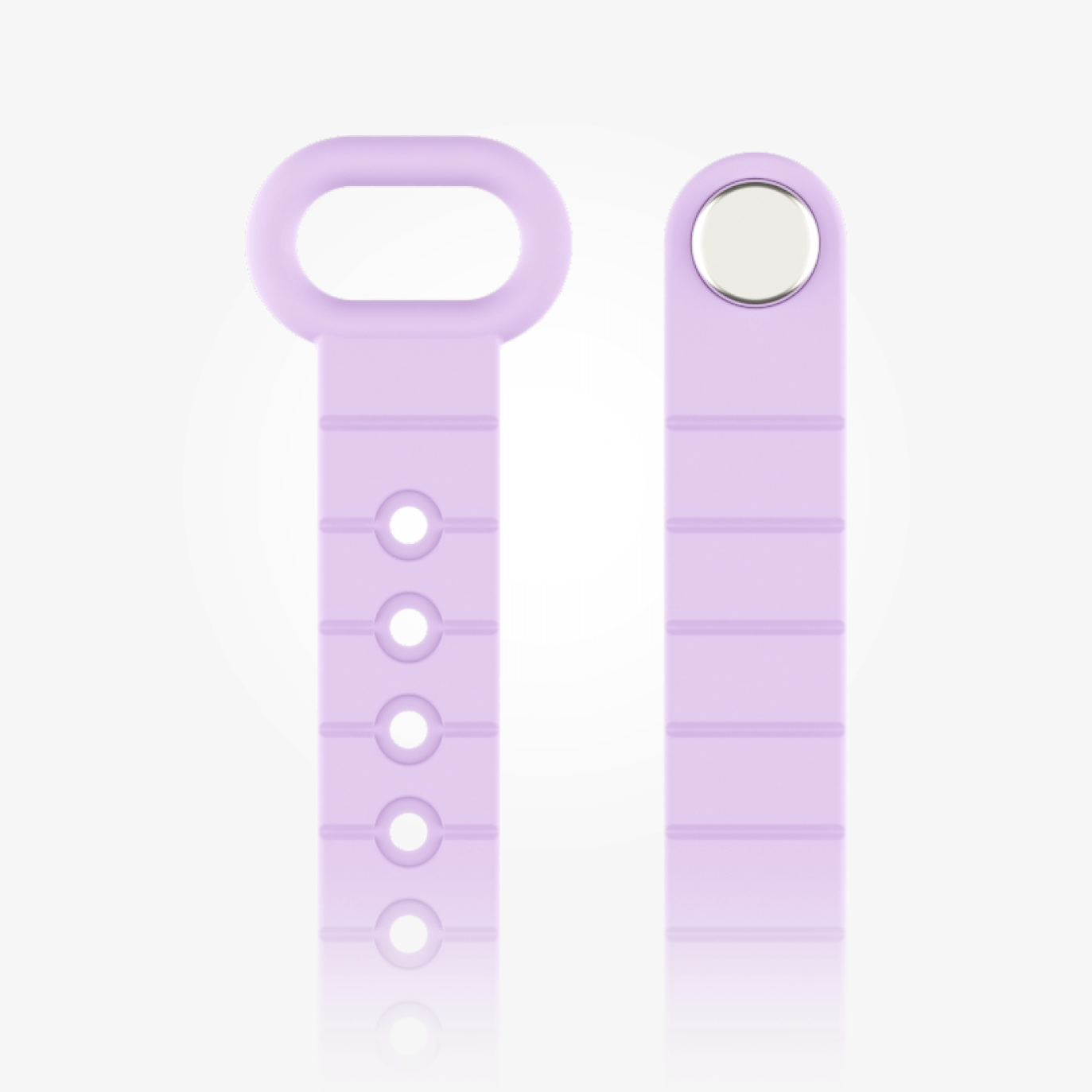
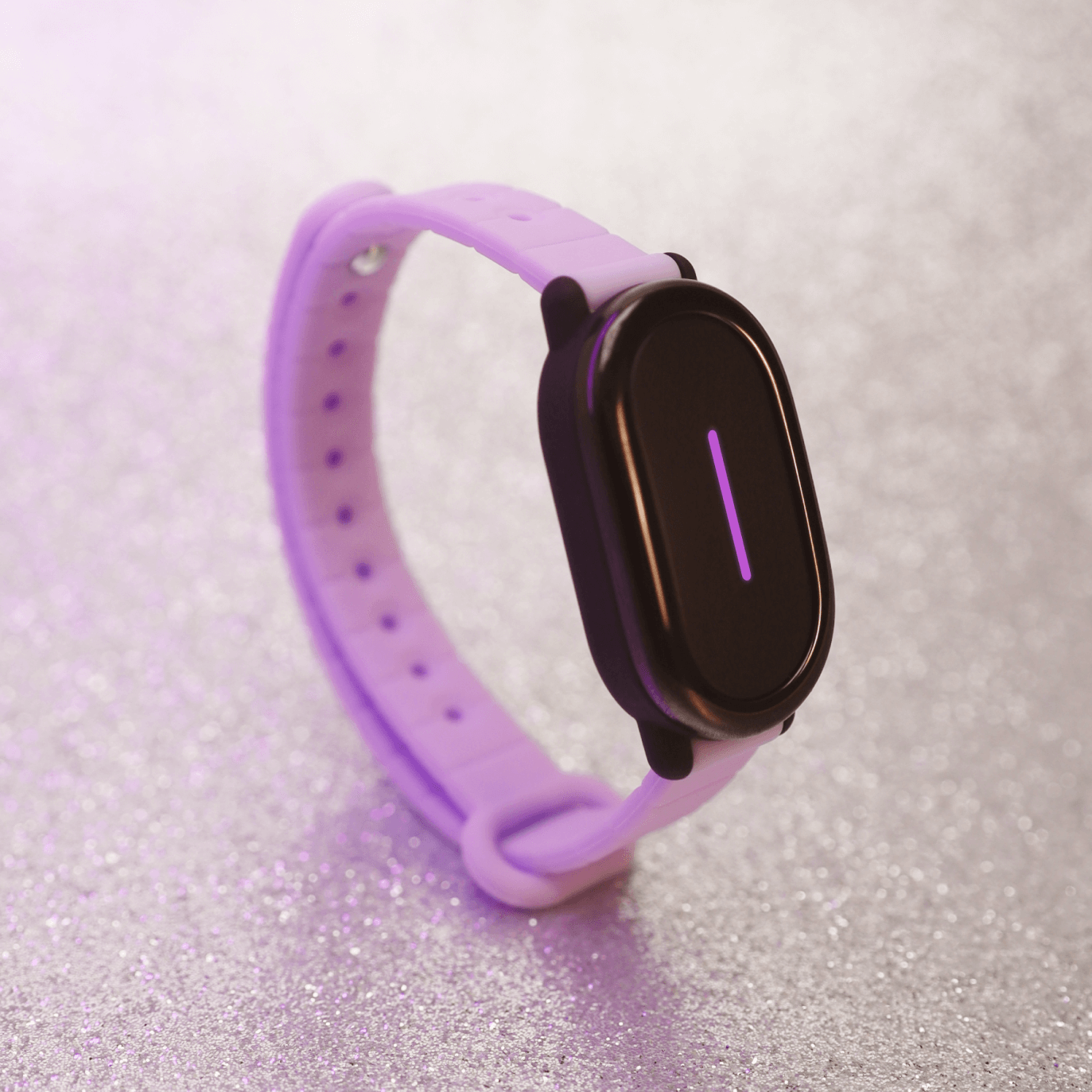
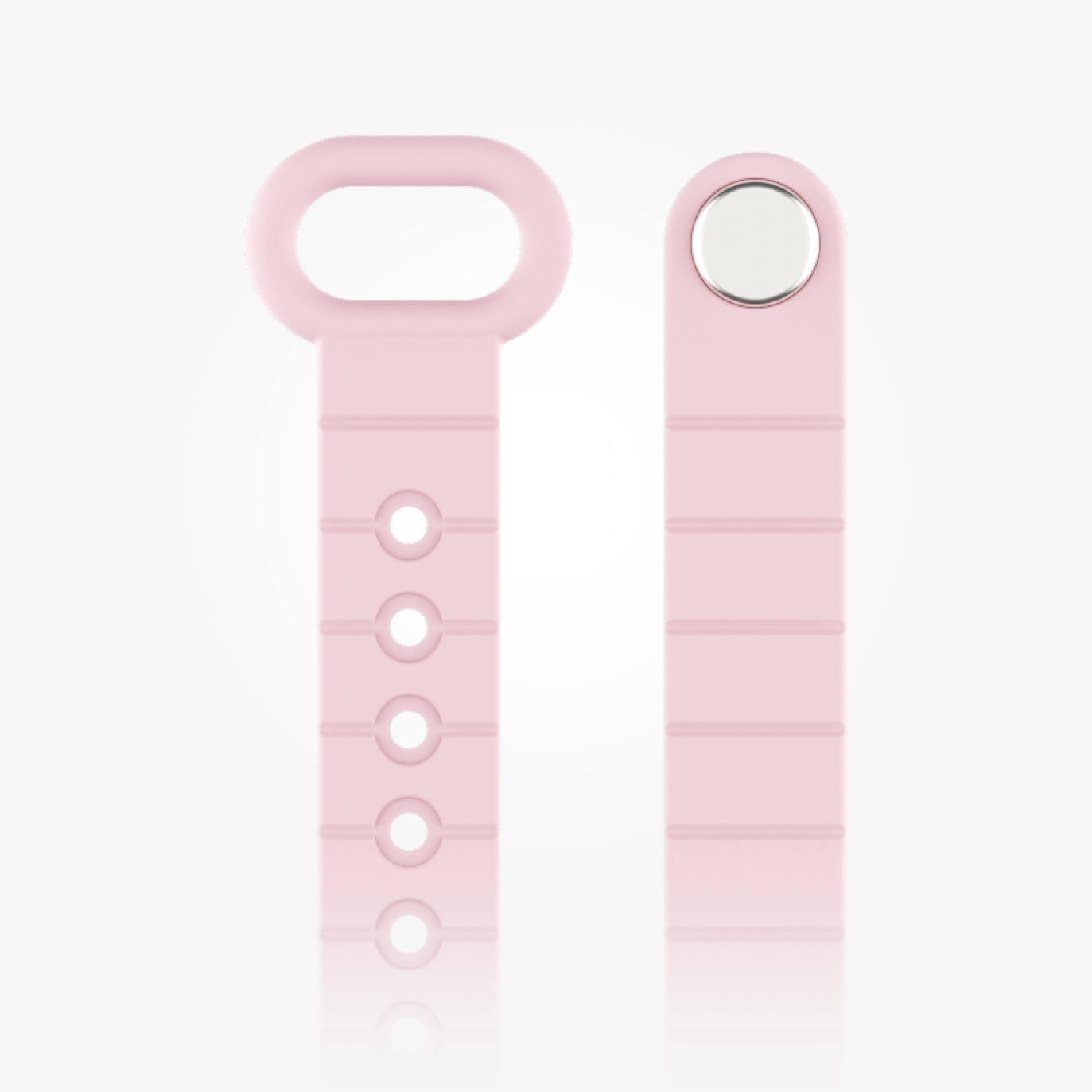
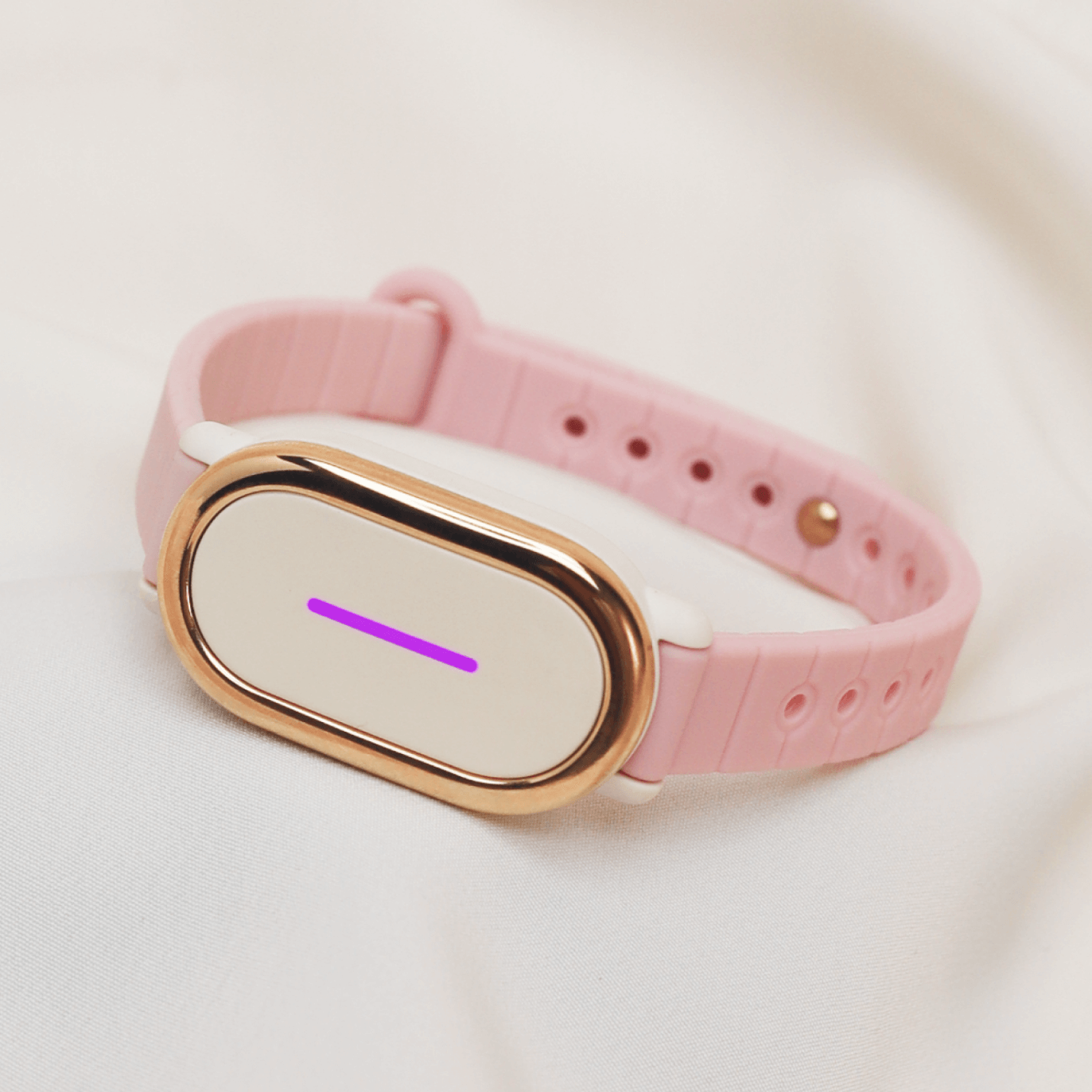
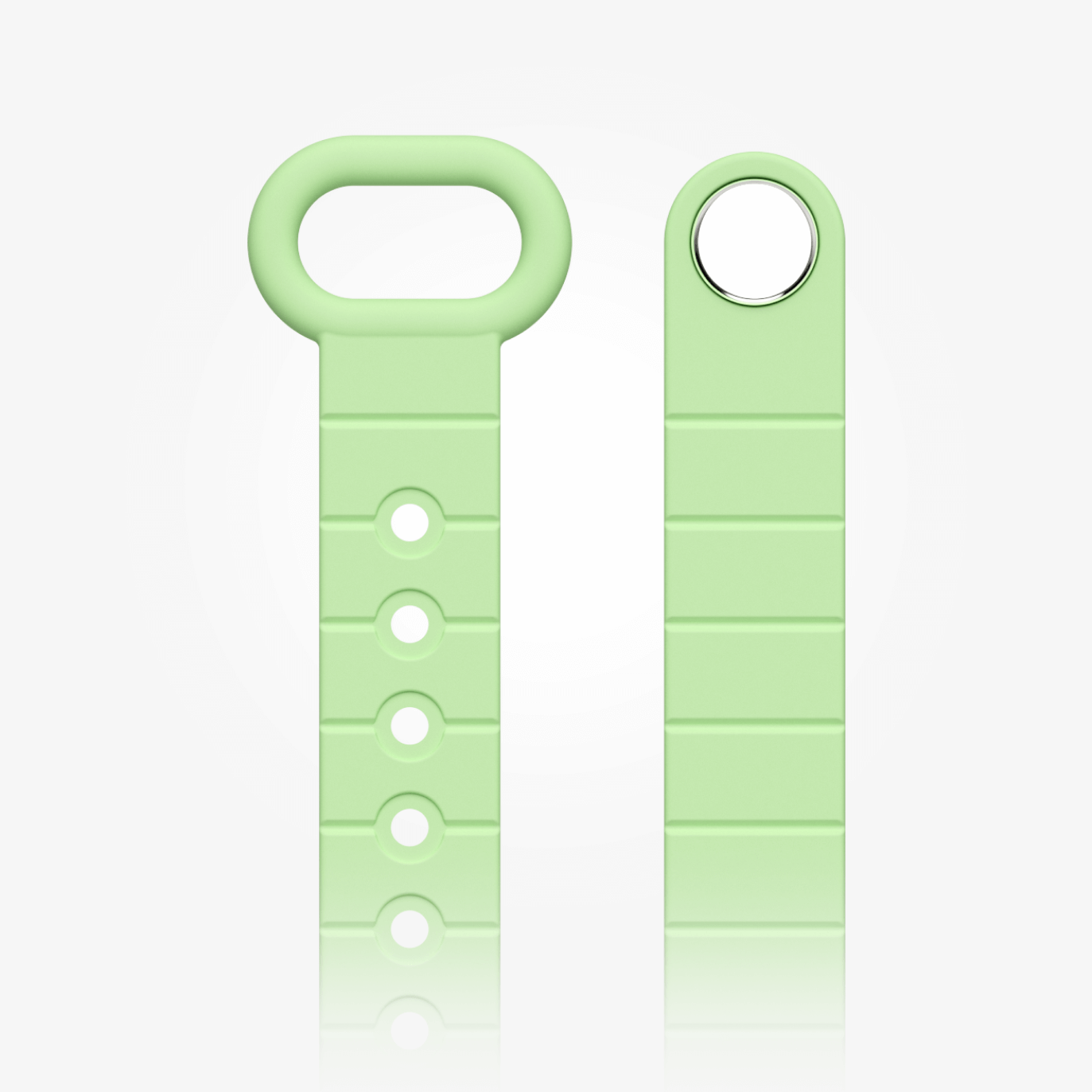
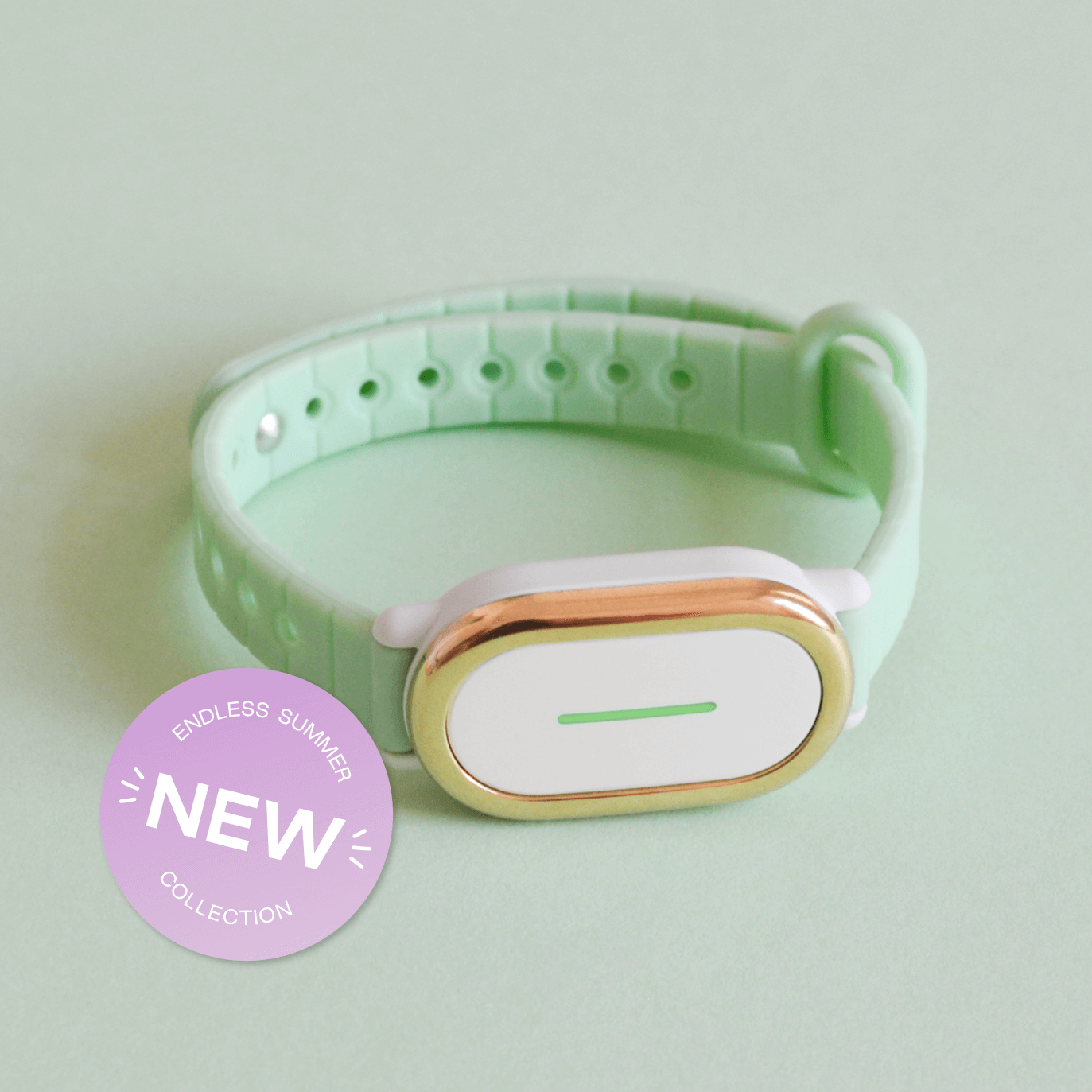
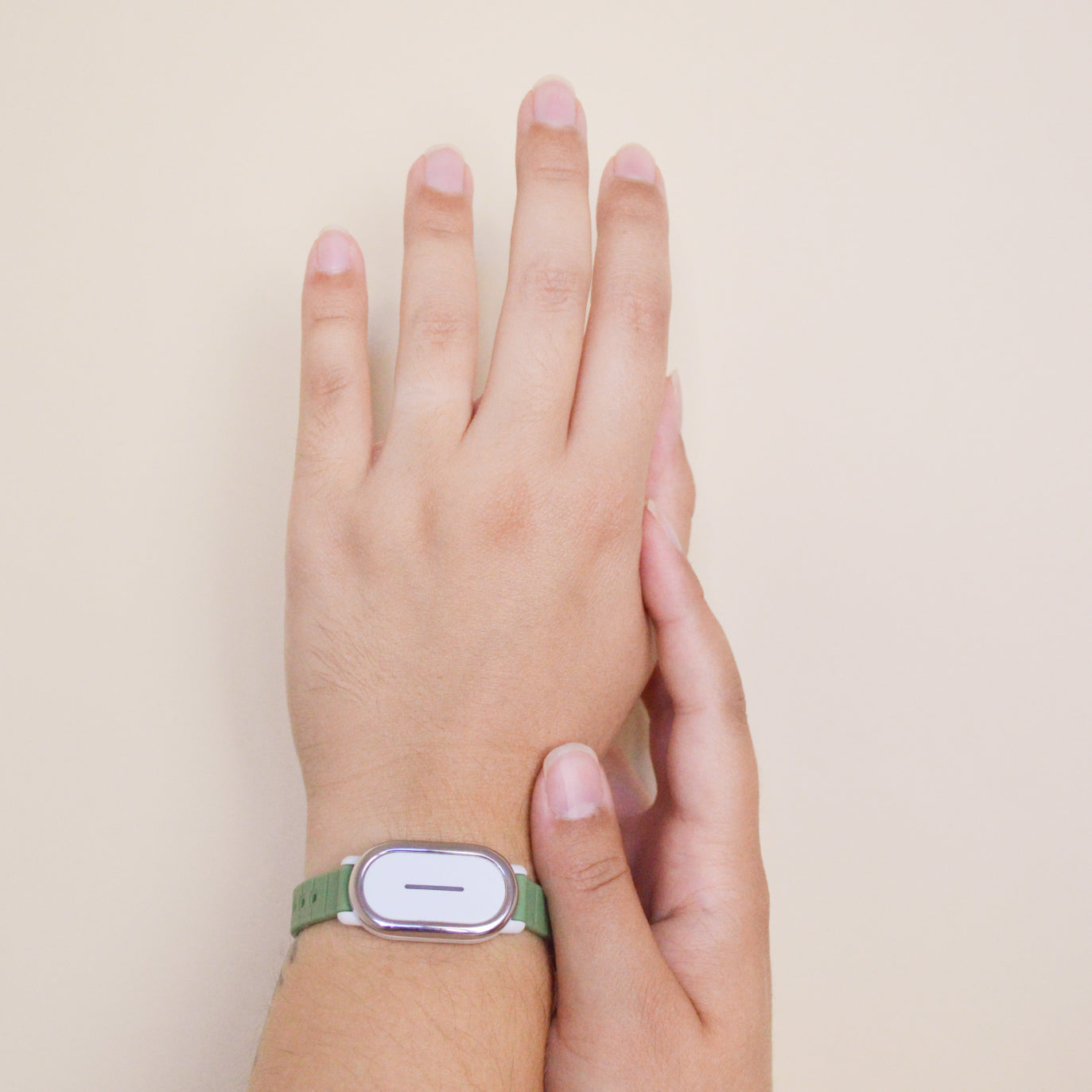
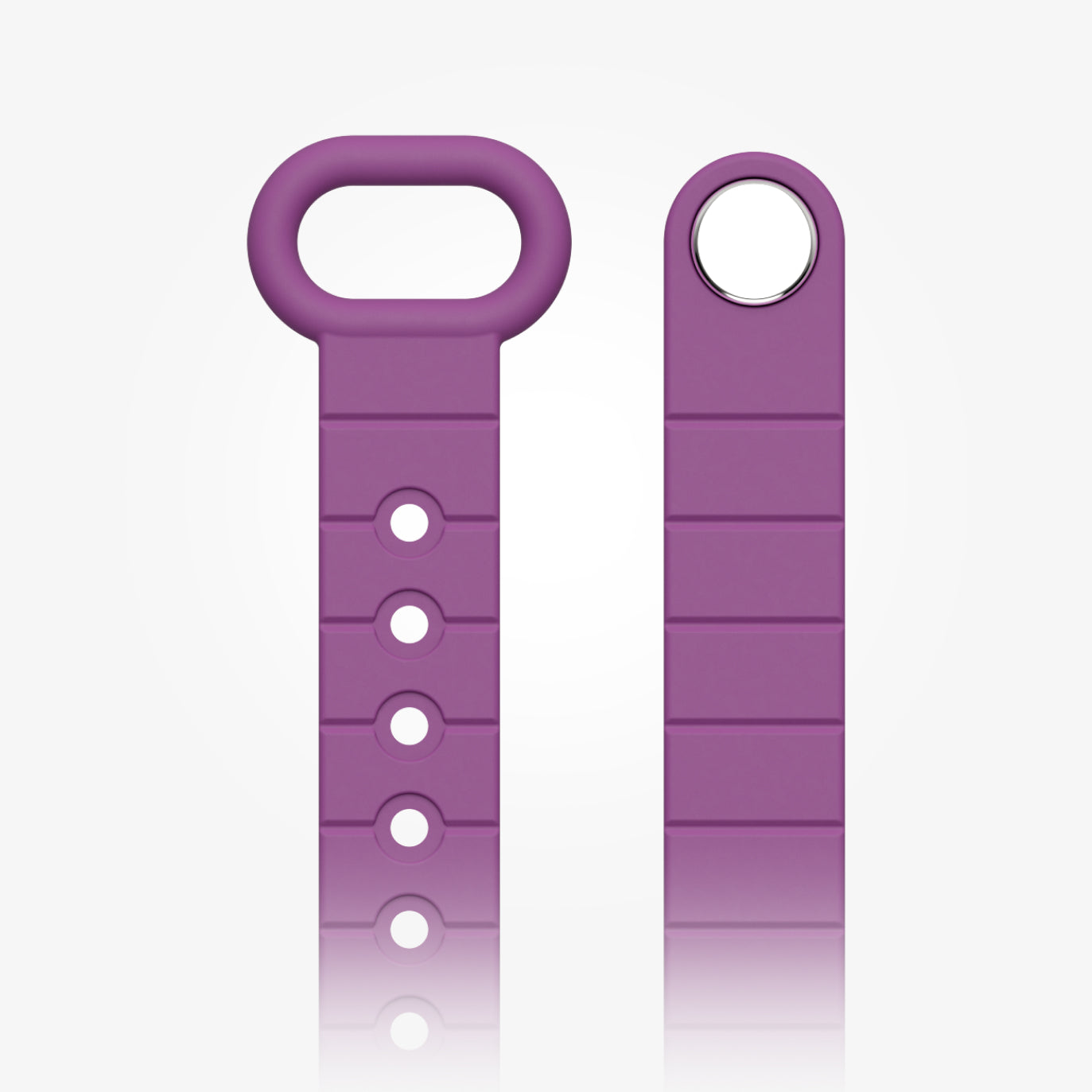
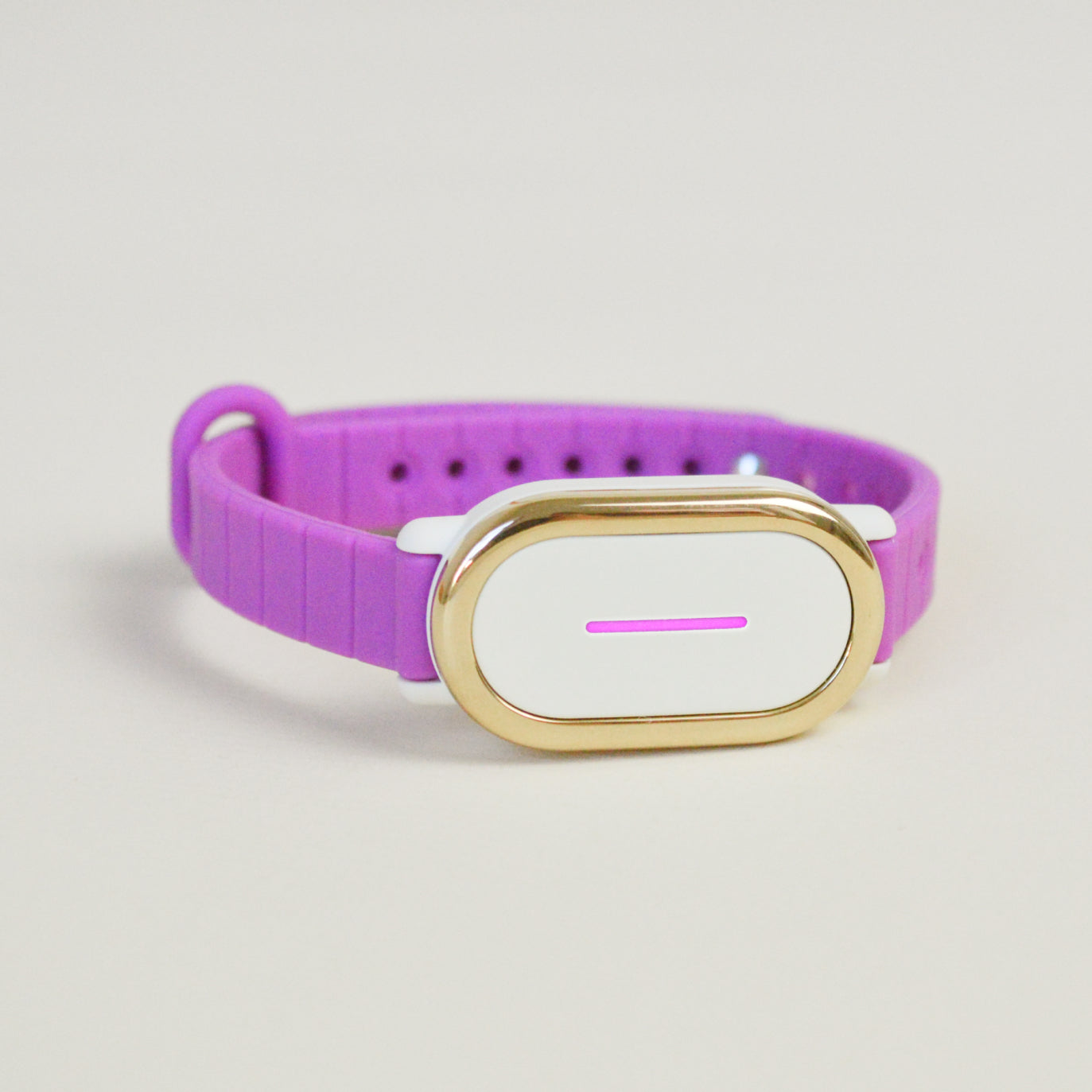
If you’re looking for a new way to connect with a very special someone, check out Bond Touch: a bracelet that lets you communicate through touch across any distance. Say it with a touch, stay in touch.