

Every February, Valentine’s Day shows up like a pop quiz no one studied for. Suddenly, relationships are being evaluated based on flowers, dinner plans, Instagram posts, and how “special” the day looks from the outside.
Did they plan something big enough?
Did they post you?
Did they do enough?
Let’s get one thing straight: Valentine’s Day is not a relationship test.
And treating it like one creates unnecessary pressure, disappointment, and comparison—for couples and singles alike.
Here’s why it’s time to rethink the expectations around February 14th.
How Valentine’s Day Became So Much Pressure
Valentine’s Day wasn’t always this emotionally loaded. But over time, marketing, social media, and romantic myths turned it into a high-stakes moment—one that’s supposed to “prove” how strong, healthy, or serious your relationship is.
The problem?
One day cannot accurately reflect the health of a relationship.
Love isn’t measured in reservations or gift receipts. It’s built in everyday moments—communication, consistency, care, and effort over time.
Why Using Valentine’s Day as a Relationship Test Backfires
When Valentine’s Day becomes a test, everyone loses.
For couples, it can:
-
create unrealistic expectations
-
turn thoughtfulness into obligation
-
spark conflict that wouldn’t exist otherwise
-
make people feel like they’re being graded instead of appreciated
For singles, it can:
-
amplify feelings of loneliness or “being behind”
-
create unnecessary comparison
-
make one day feel like a reflection of personal worth
None of that is healthy—and none of it is necessary.
A Healthy Relationship Doesn’t Depend on One Day
If your relationship feels supportive, safe, and connected the rest of the year, one "imperfect" Valentine’s Day doesn’t erase that.
And on the flip side, a big romantic gesture doesn’t cancel out:
-
poor communication
-
emotional inconsistency
-
lack of effort the rest of the year
Valentine’s Day can be sweet and meaningful—but it should never be the only time love shows up.
Different Relationships Celebrate Differently (And That’s Okay)
Not every couple wants candlelit dinners and heart-shaped everything. Some prefer:
-
low-key nights in
-
shared routines
-
inside jokes
-
quality time without fanfare
- gifts that actually mean something
And some people don’t want to celebrate Valentine’s Day at all.
There’s no “right” way to do it—only what works for the people involved.
The healthiest relationships aren’t following a script; they’re creating their own rhythm.
If You’re Feeling Pressure, It’s Worth Talking About
One of the best things Valentine’s Day can do is start a conversation.
Instead of testing your partner silently, try:
-
sharing what makes you feel loved
-
asking how they feel about the holiday
-
setting expectations together
-
being honest about what matters (and what doesn’t)
Communication beats assumptions every time.
For Singles: Valentine’s Day Is Not a Judgment
If you’re single, Valentine’s Day isn’t a reminder that something’s missing—it’s just a date on the calendar.
Being in a relationship doesn’t define your value, your happiness, or your success. And not having a Valentine doesn’t mean you’re behind, broken, or unlovable.
Love exists in many forms: friendships, family, chosen family, self-connection. February 14th doesn’t get to decide what counts.
Redefining Valentine’s Day as Connection—Not Performance
What if Valentine’s Day wasn’t about proving anything?
What if it was about:
-
appreciating the connections you already have
-
expressing love in ways that feel genuine
-
letting go of comparison
-
removing pressure instead of adding it
When you stop treating Valentine’s Day like a relationship test, it becomes what it should’ve been all along: a moment of connection, not evaluation.
Final Thought
Whether you’re partnered, single, long-distance, dating casually, or somewhere in between—Valentine’s Day doesn’t get to define your relationship or your worth.
Love isn’t measured in one day.
And it definitely isn’t graded.
-----------------------------
👇 About The Other Half 👇
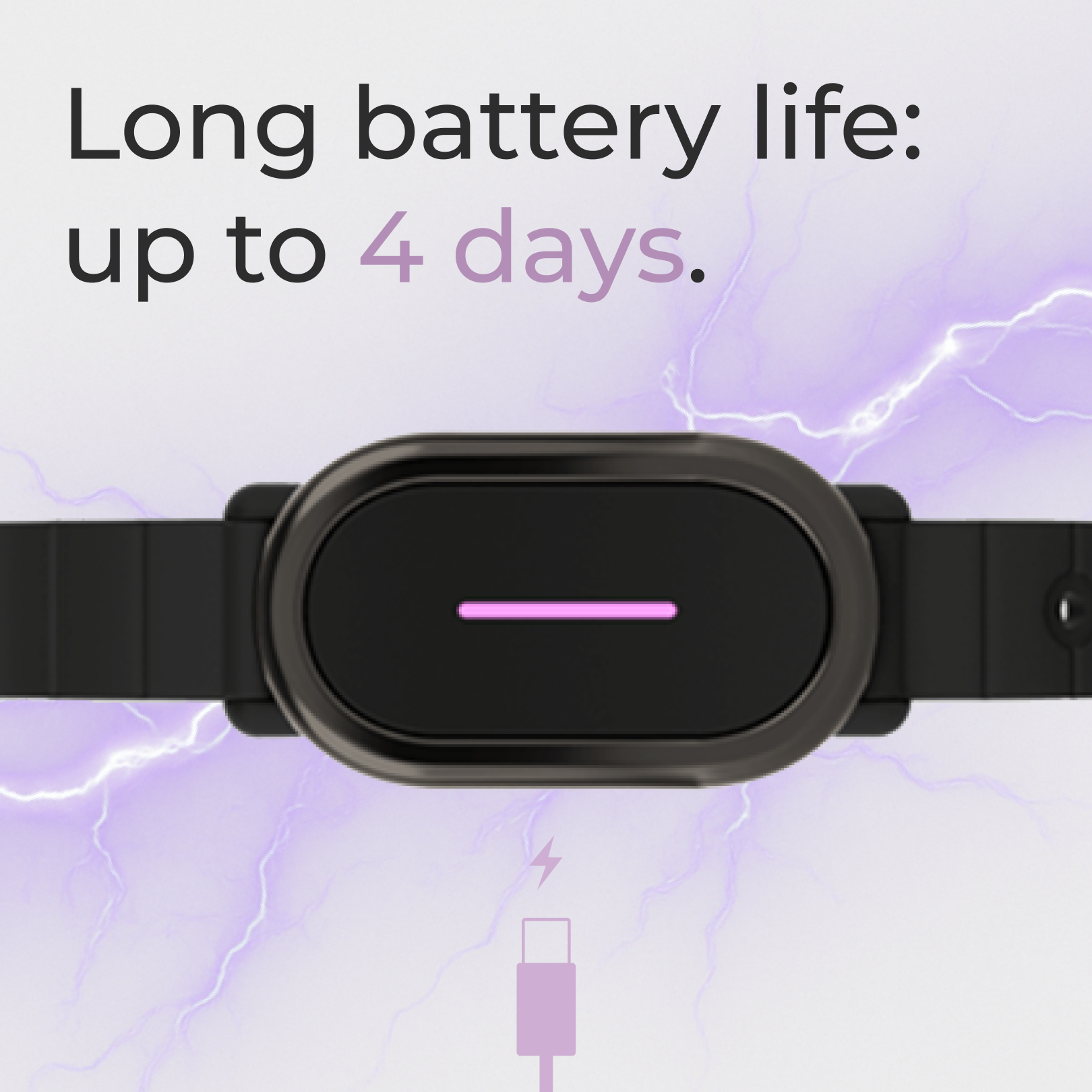
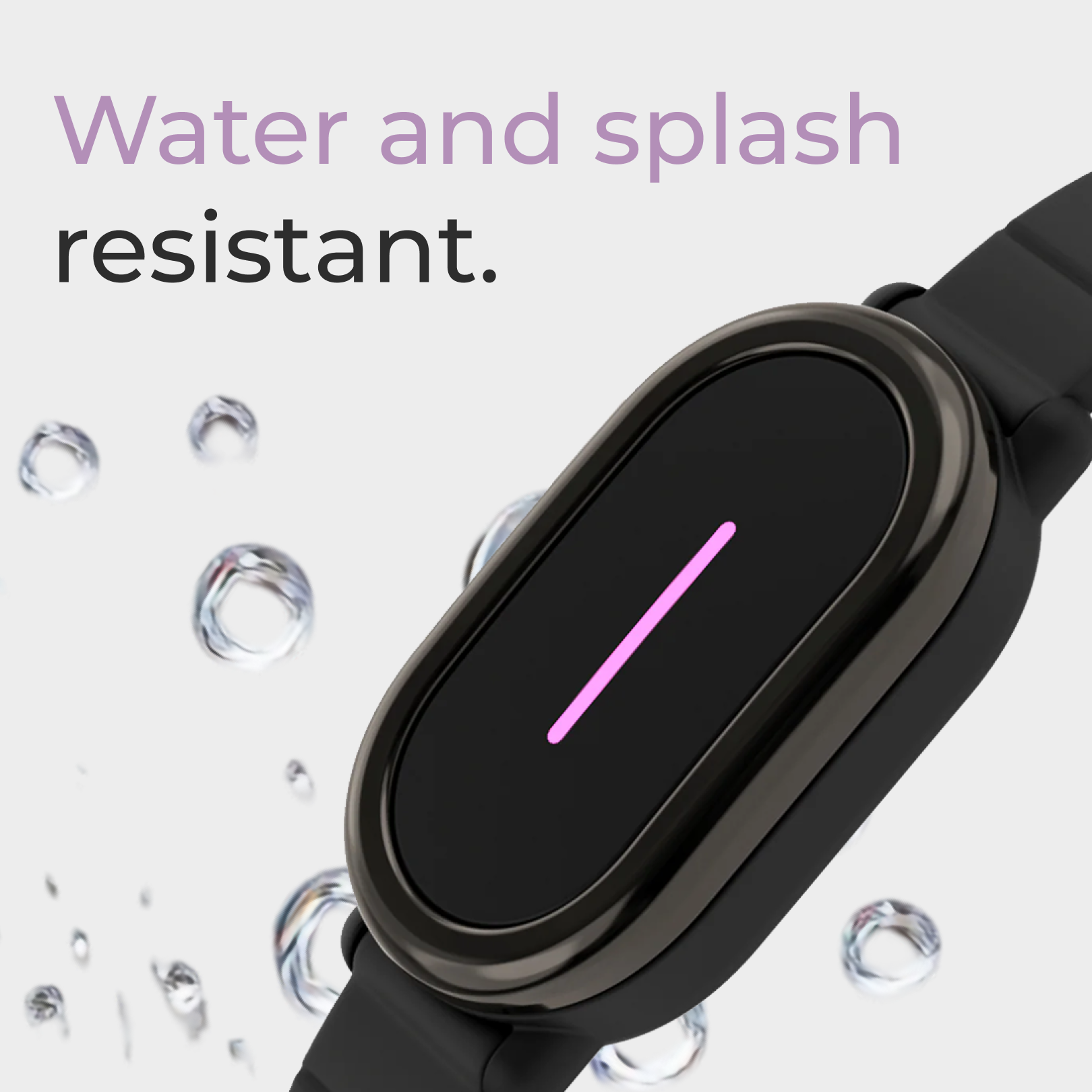
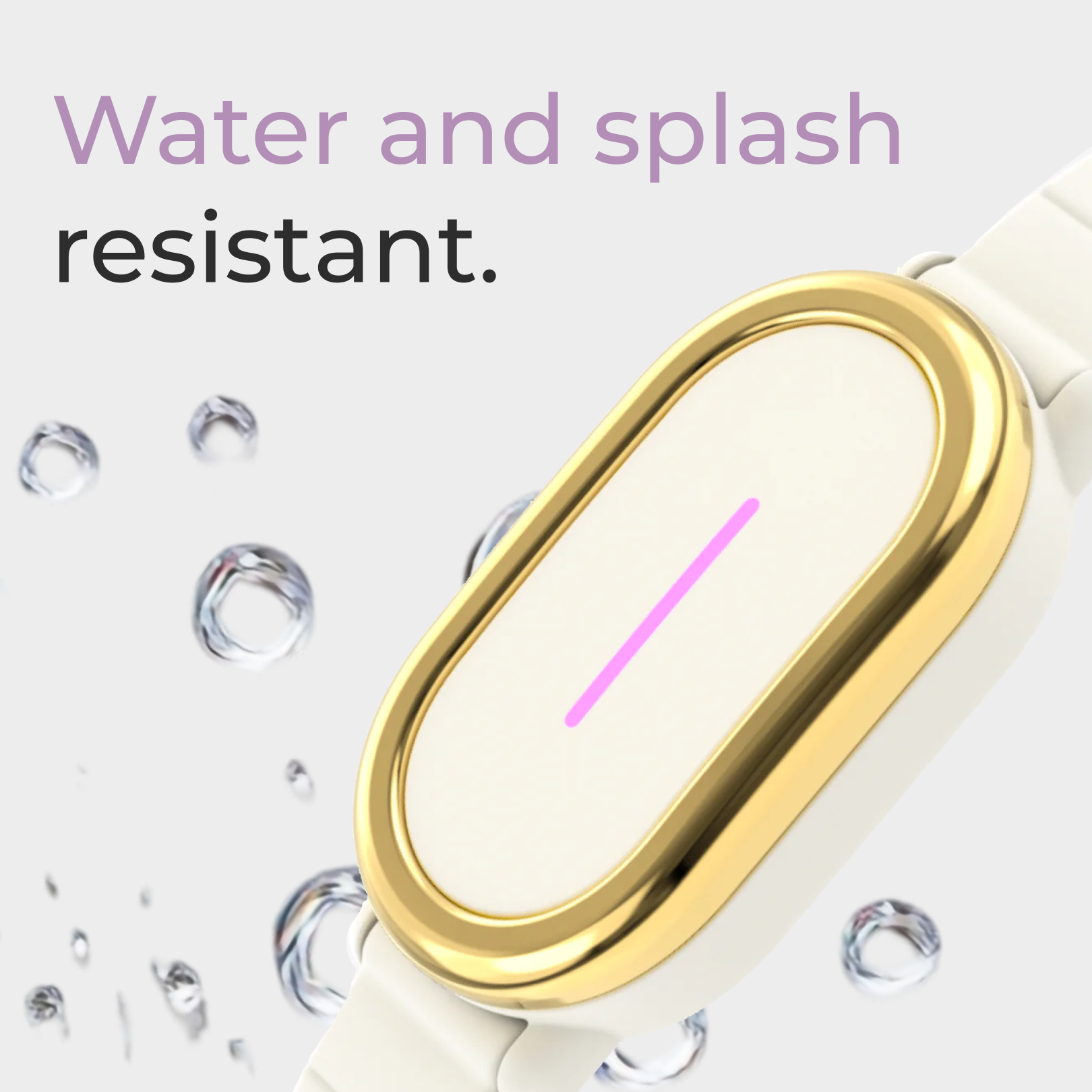
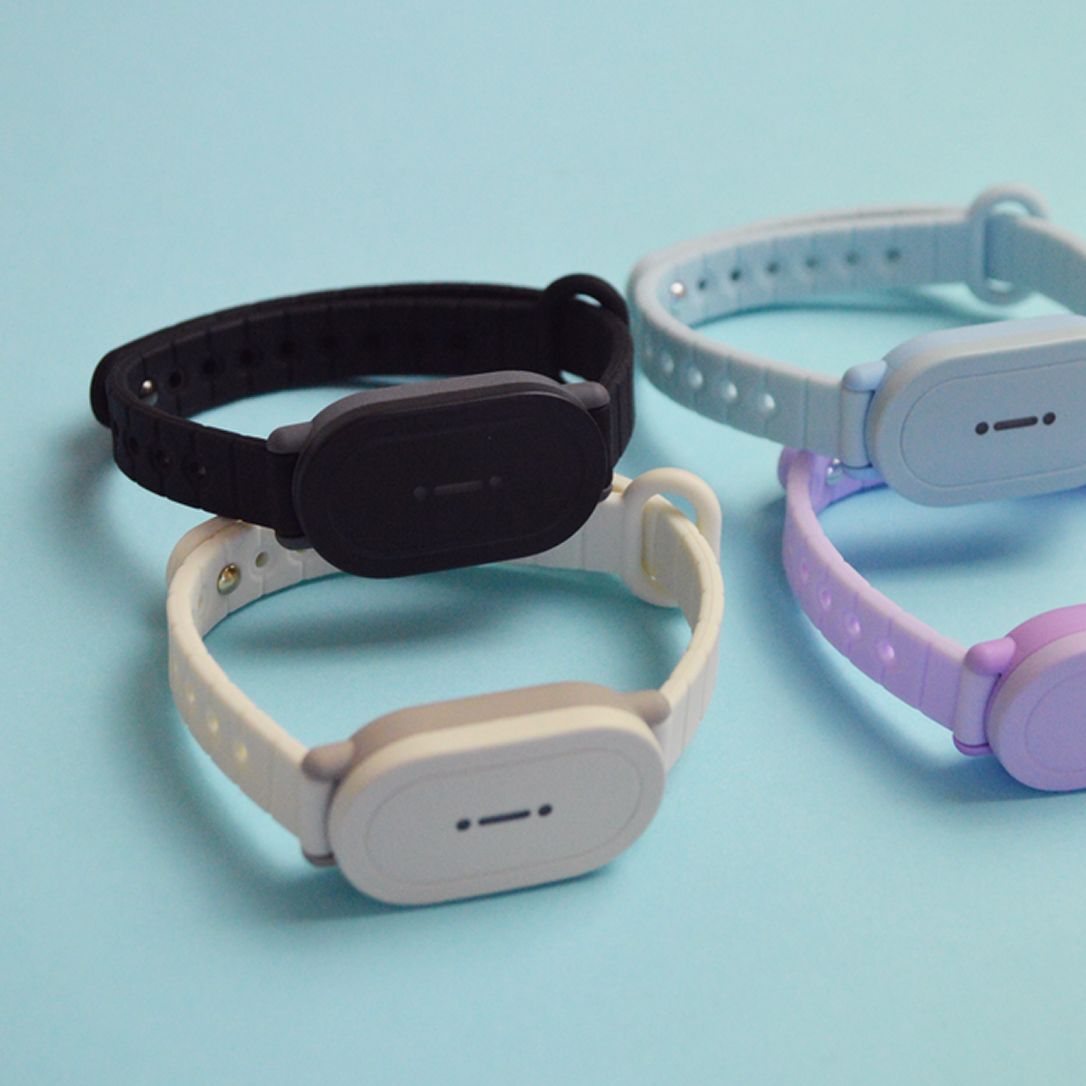
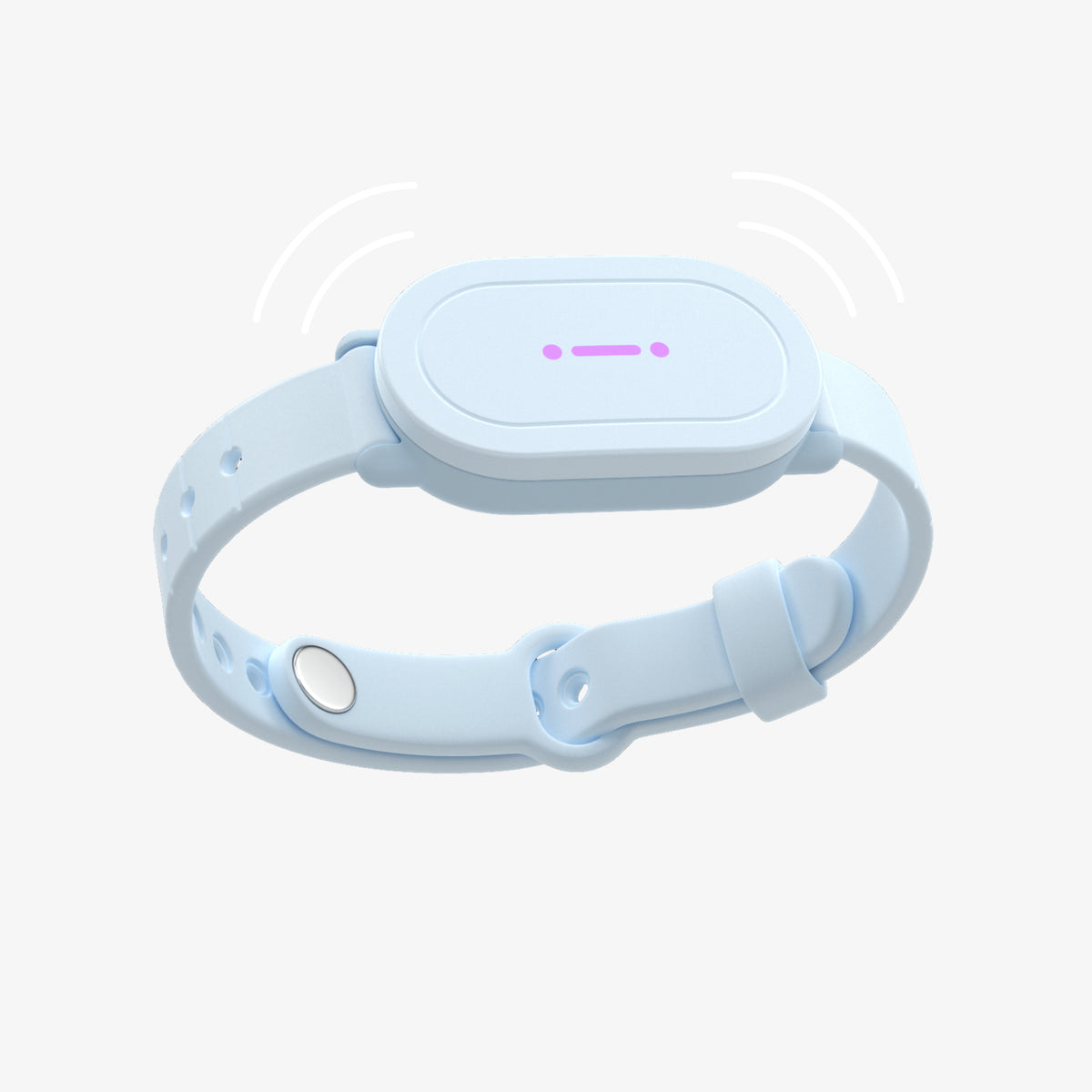
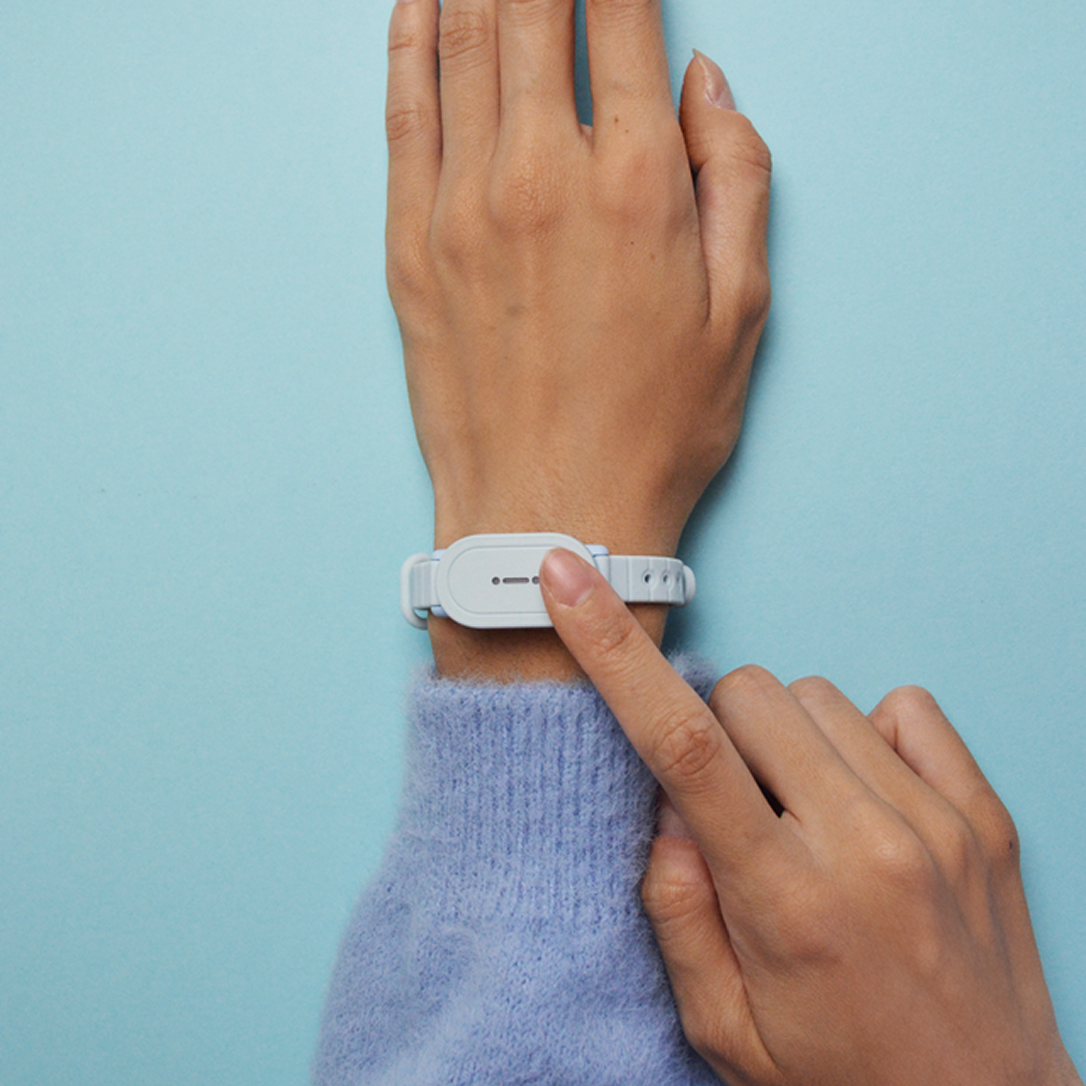
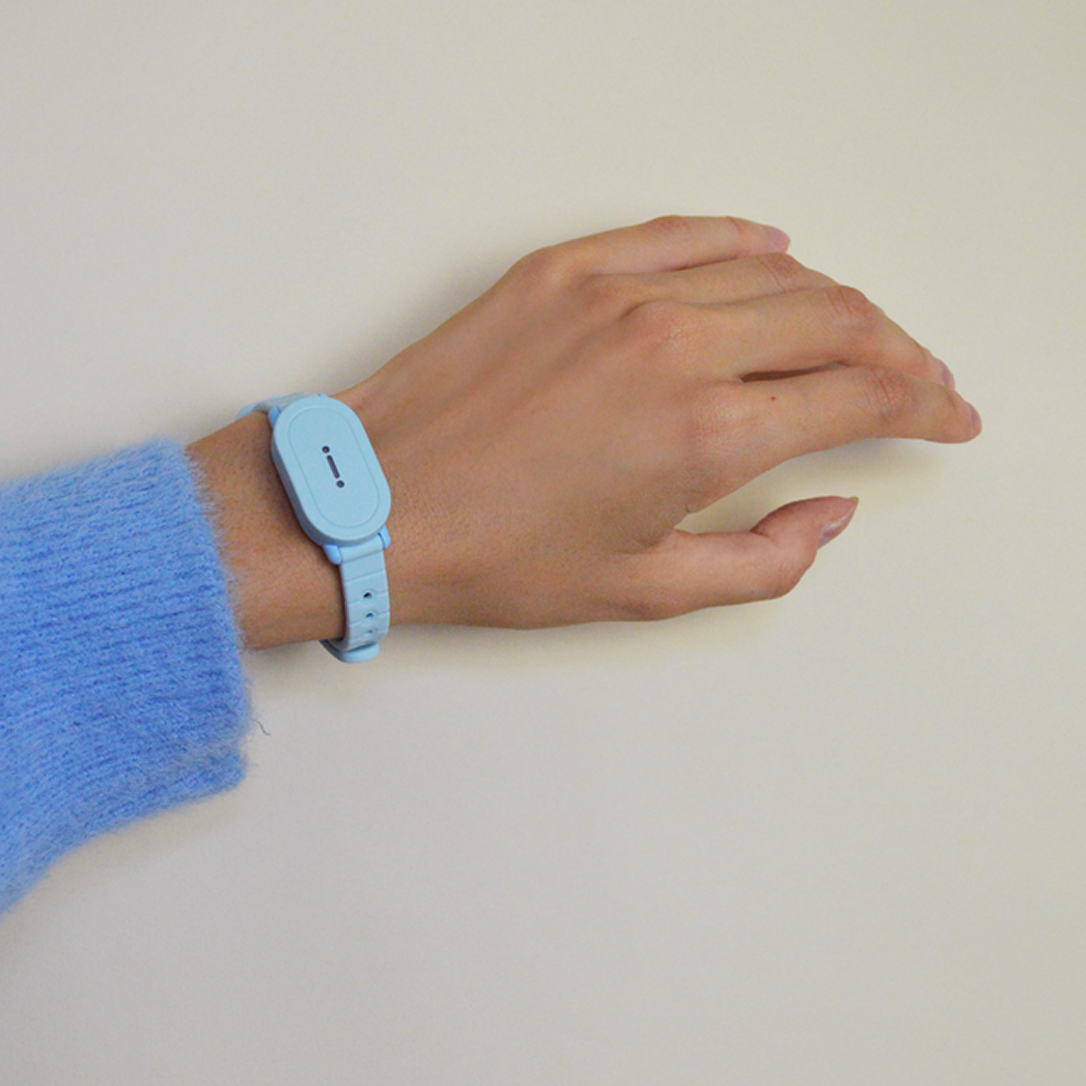
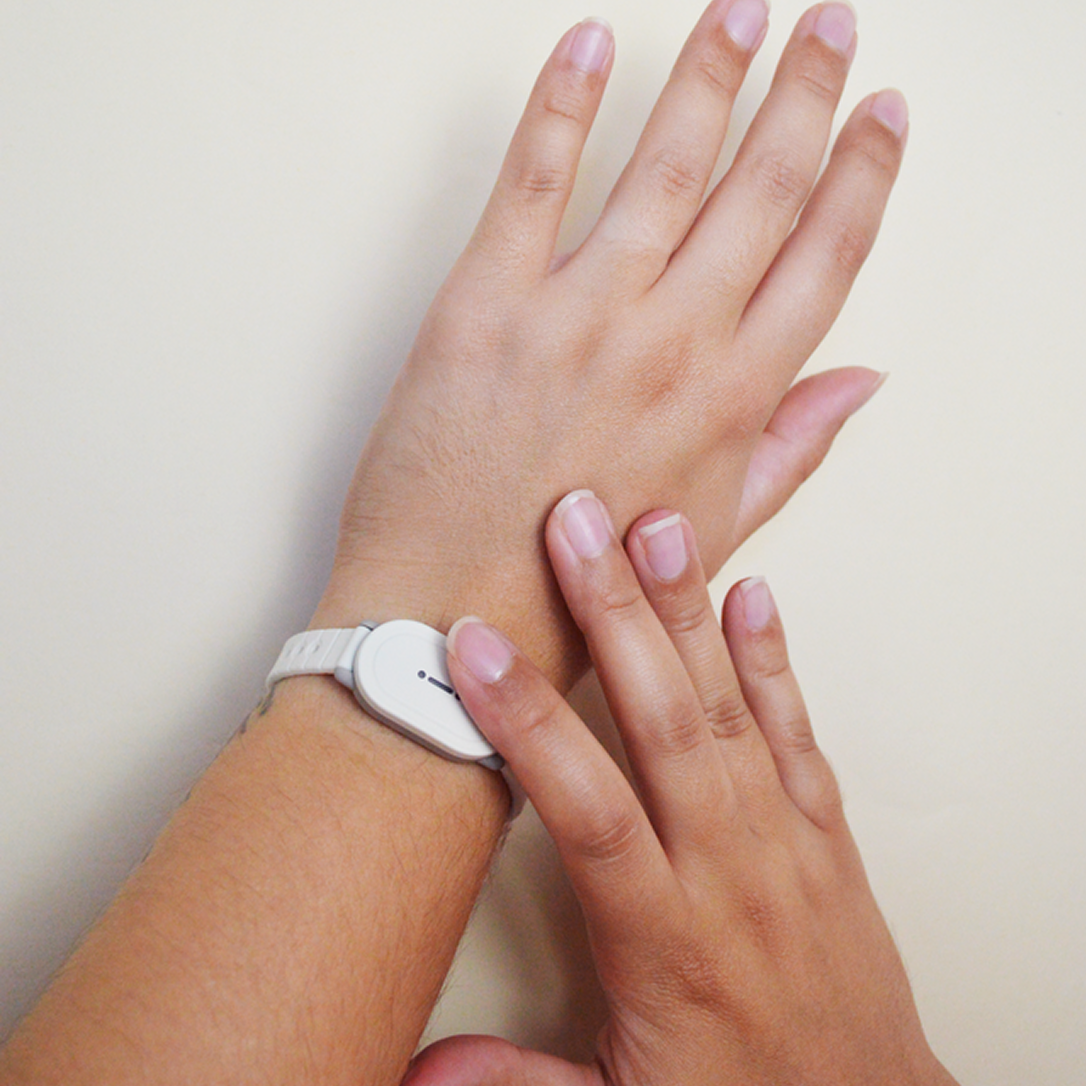
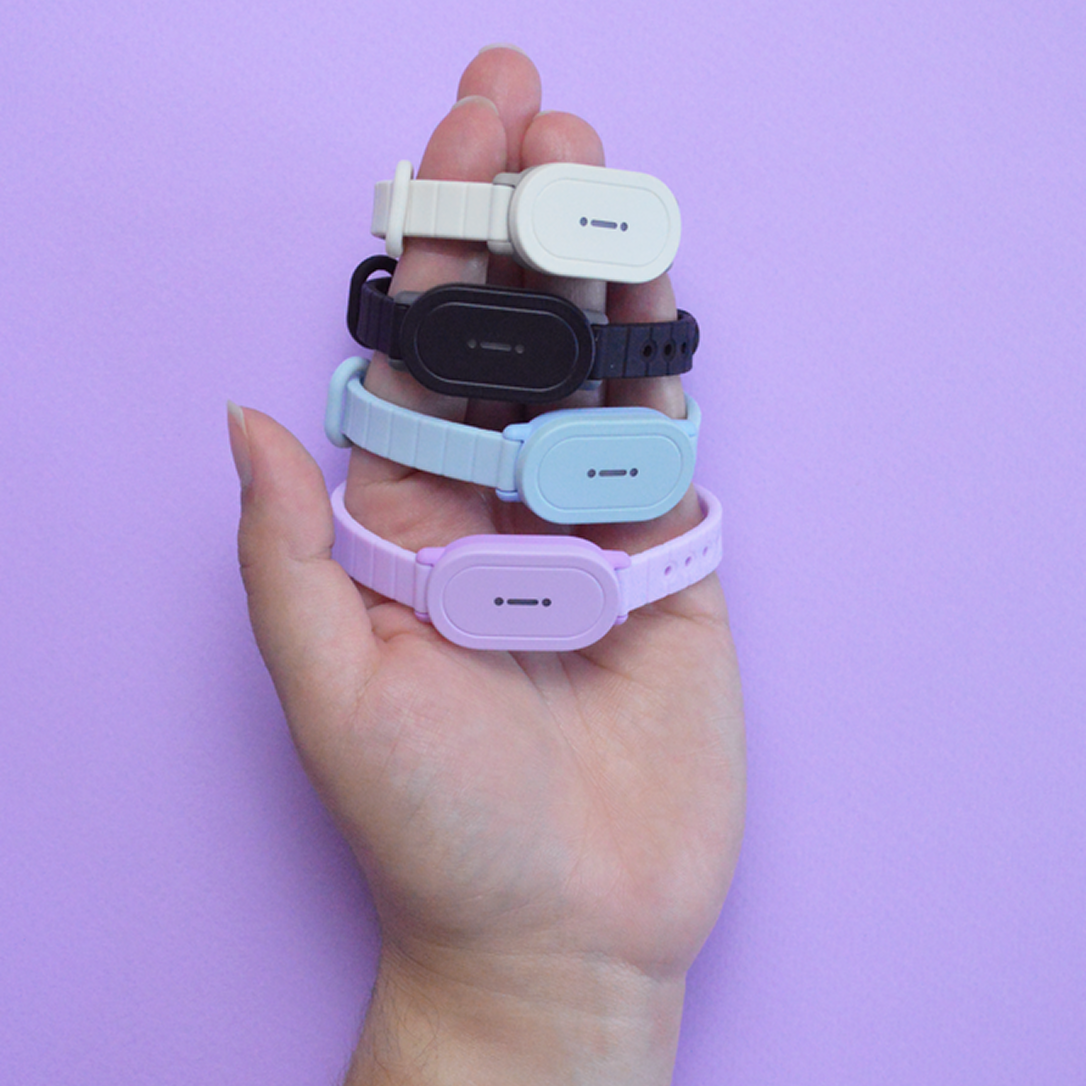
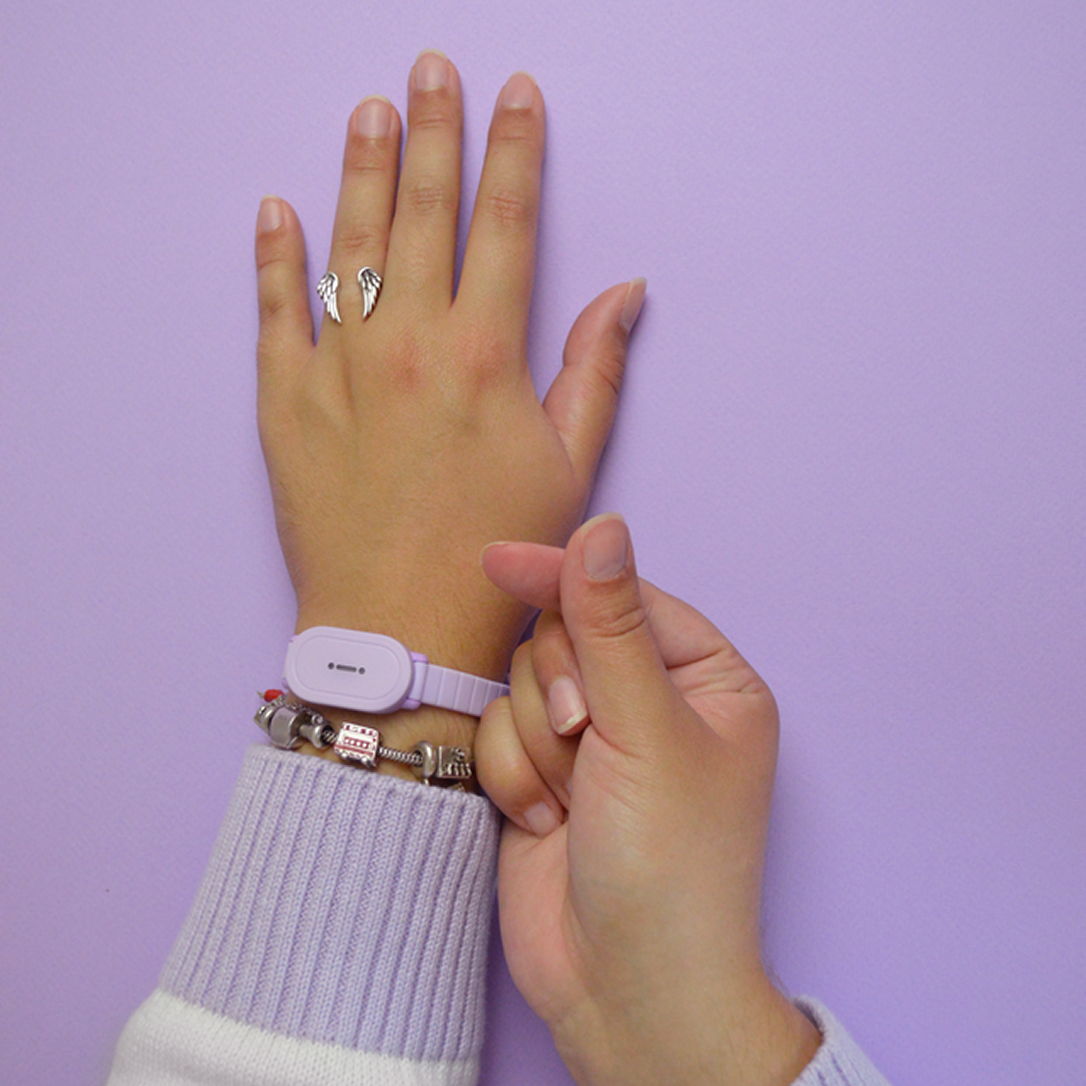
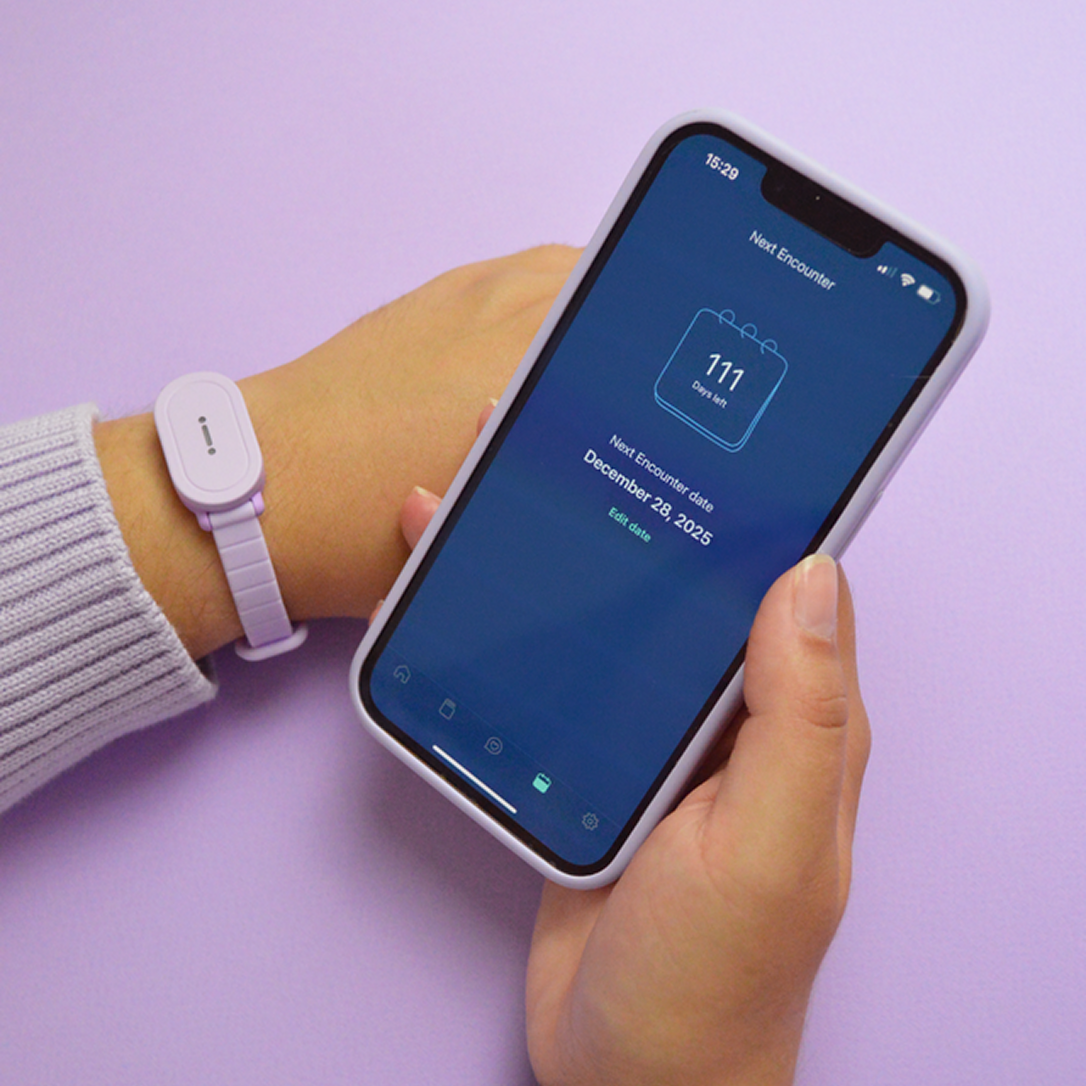
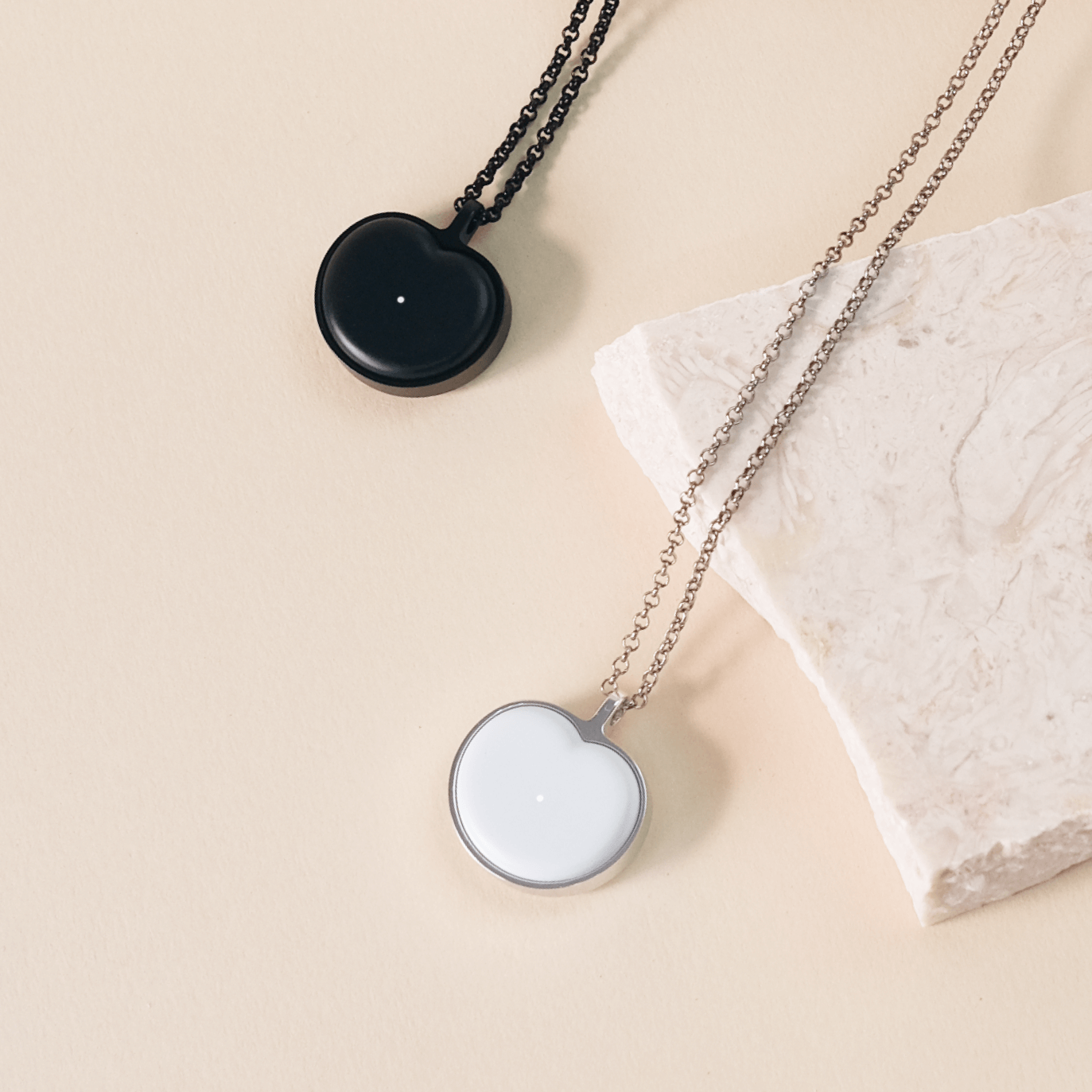
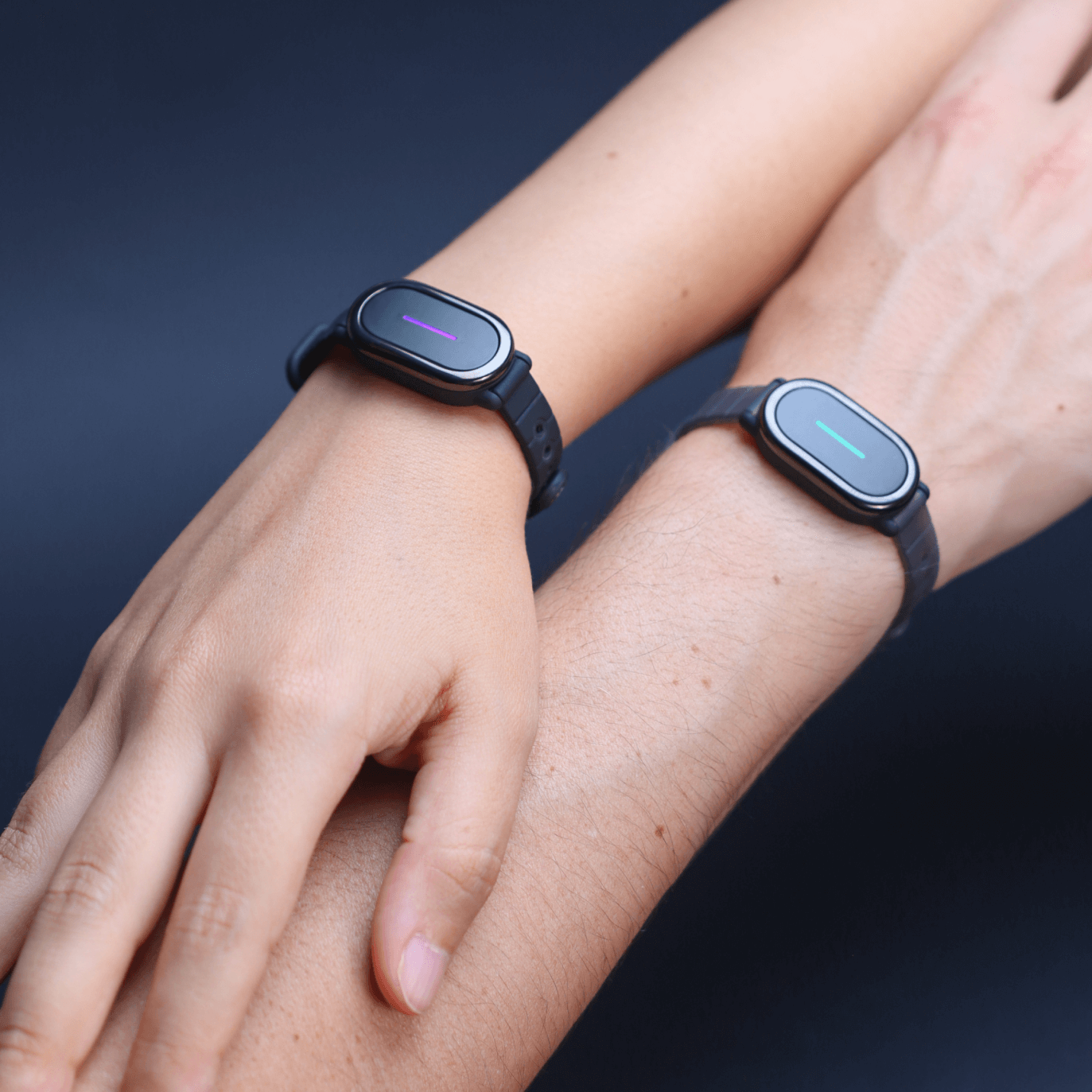
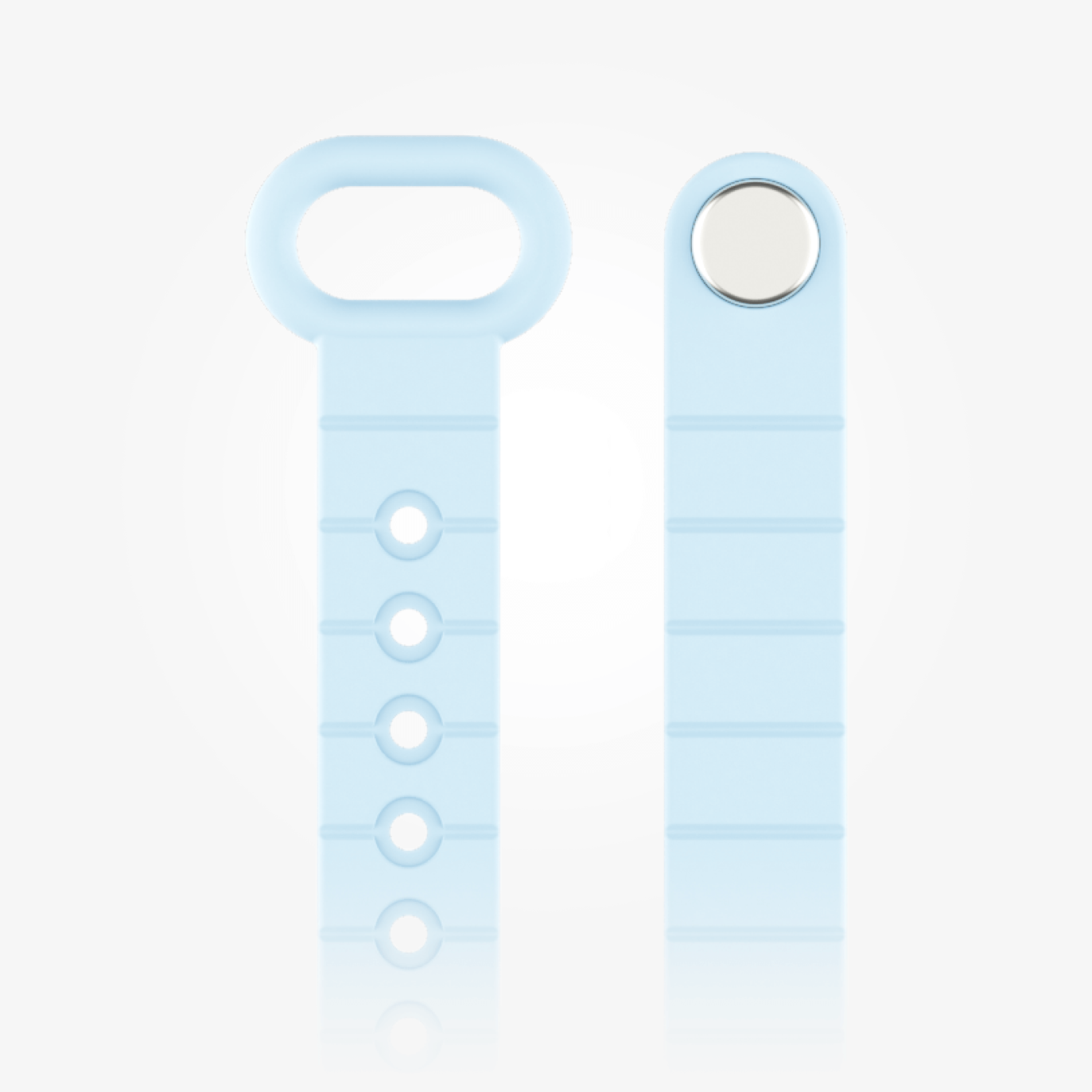
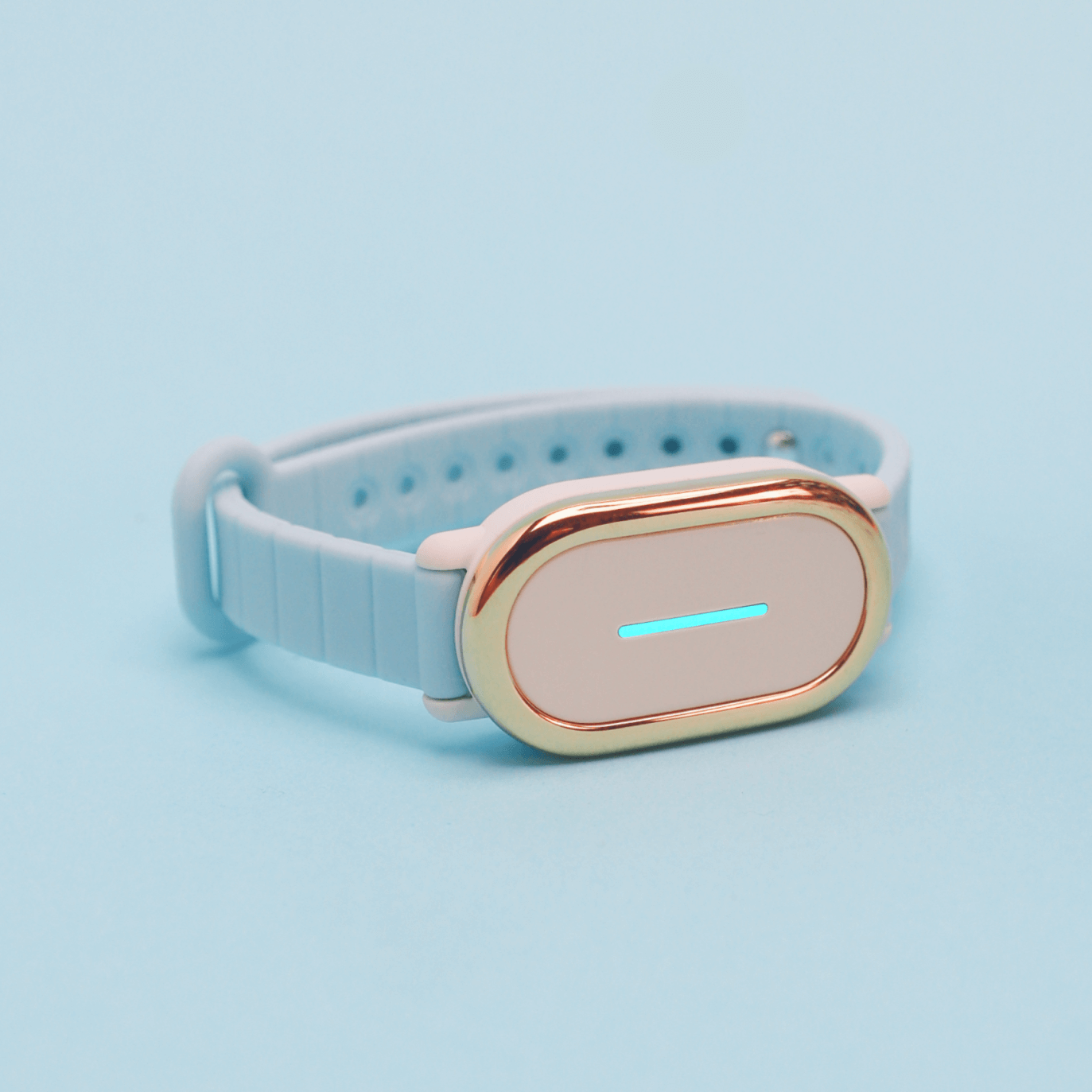
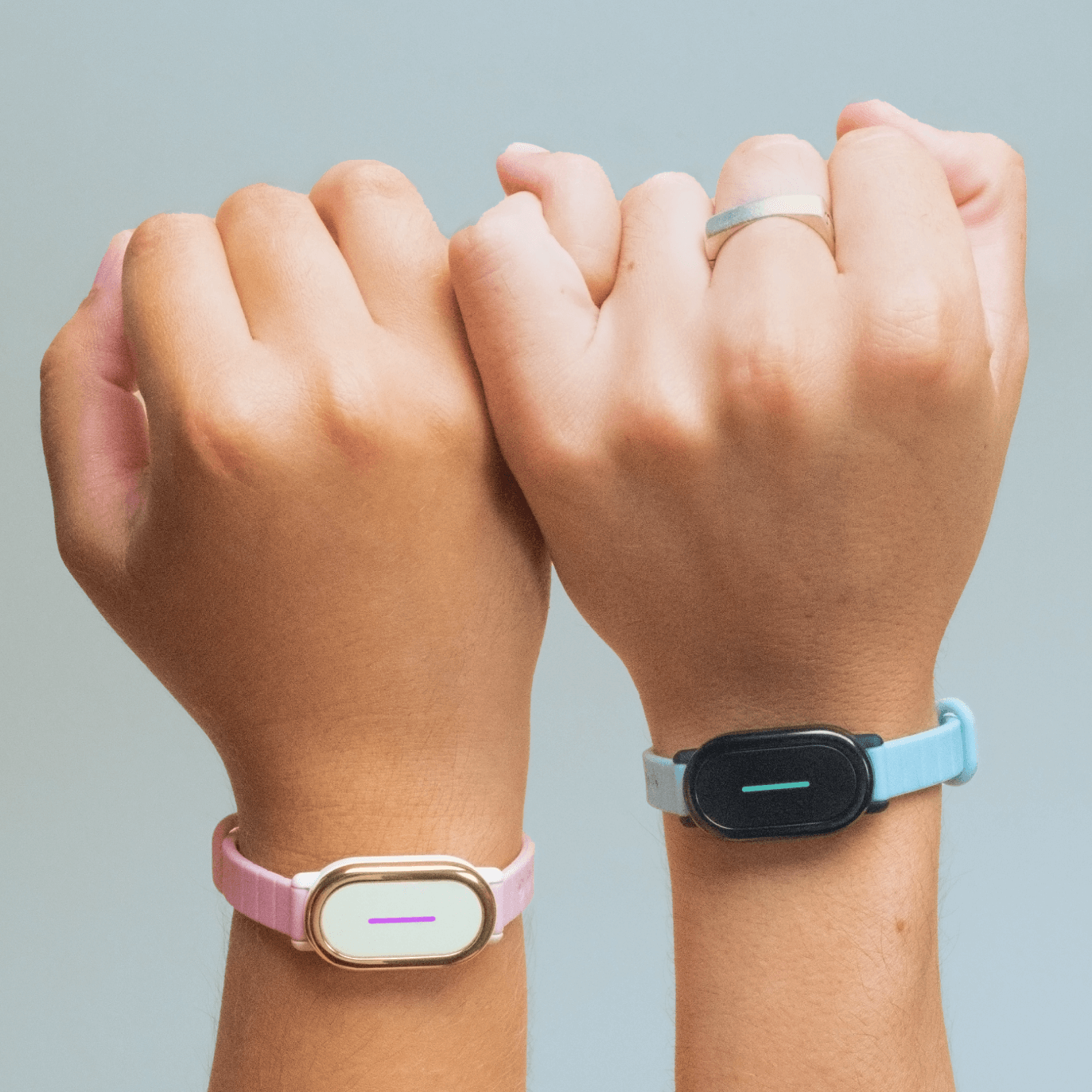
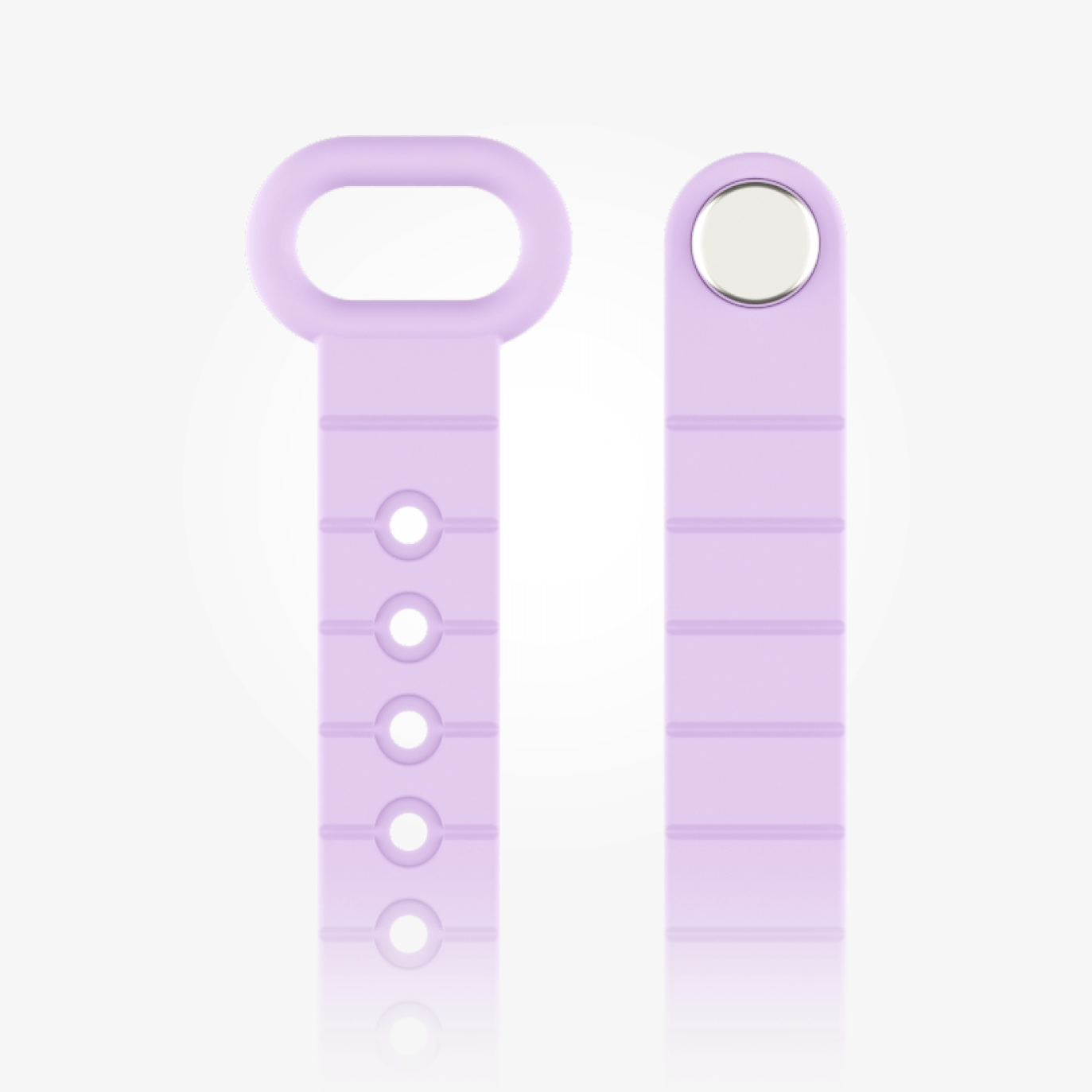
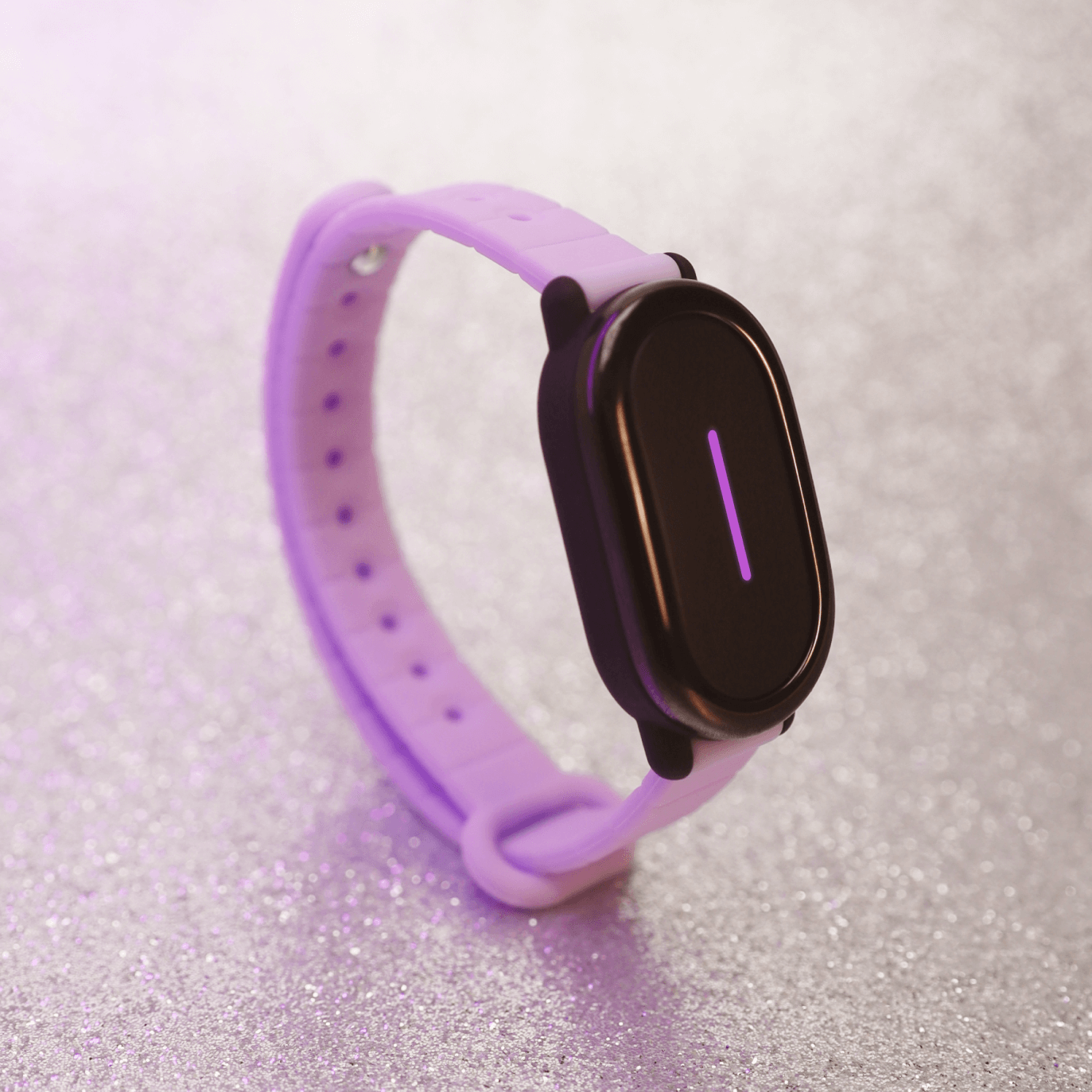
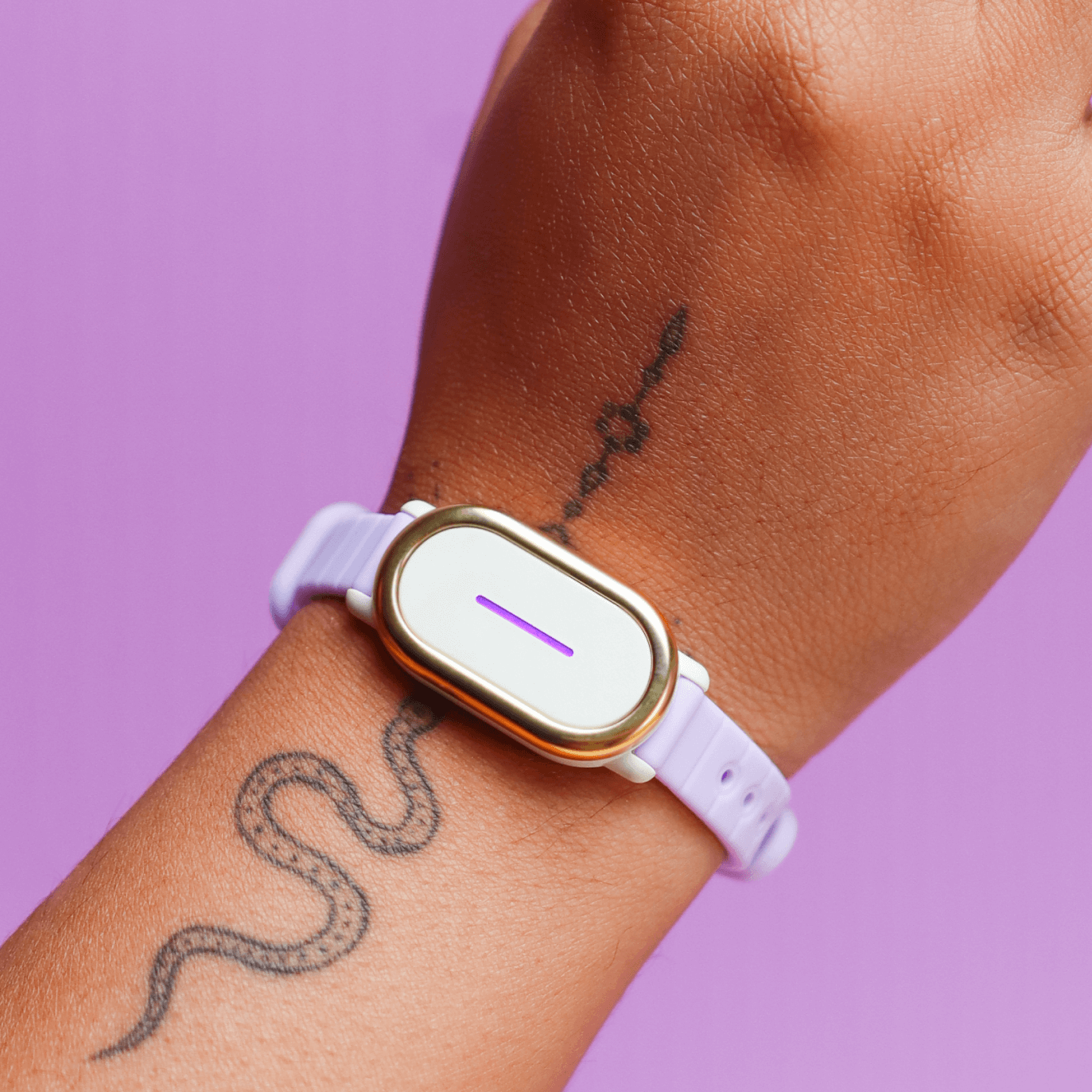
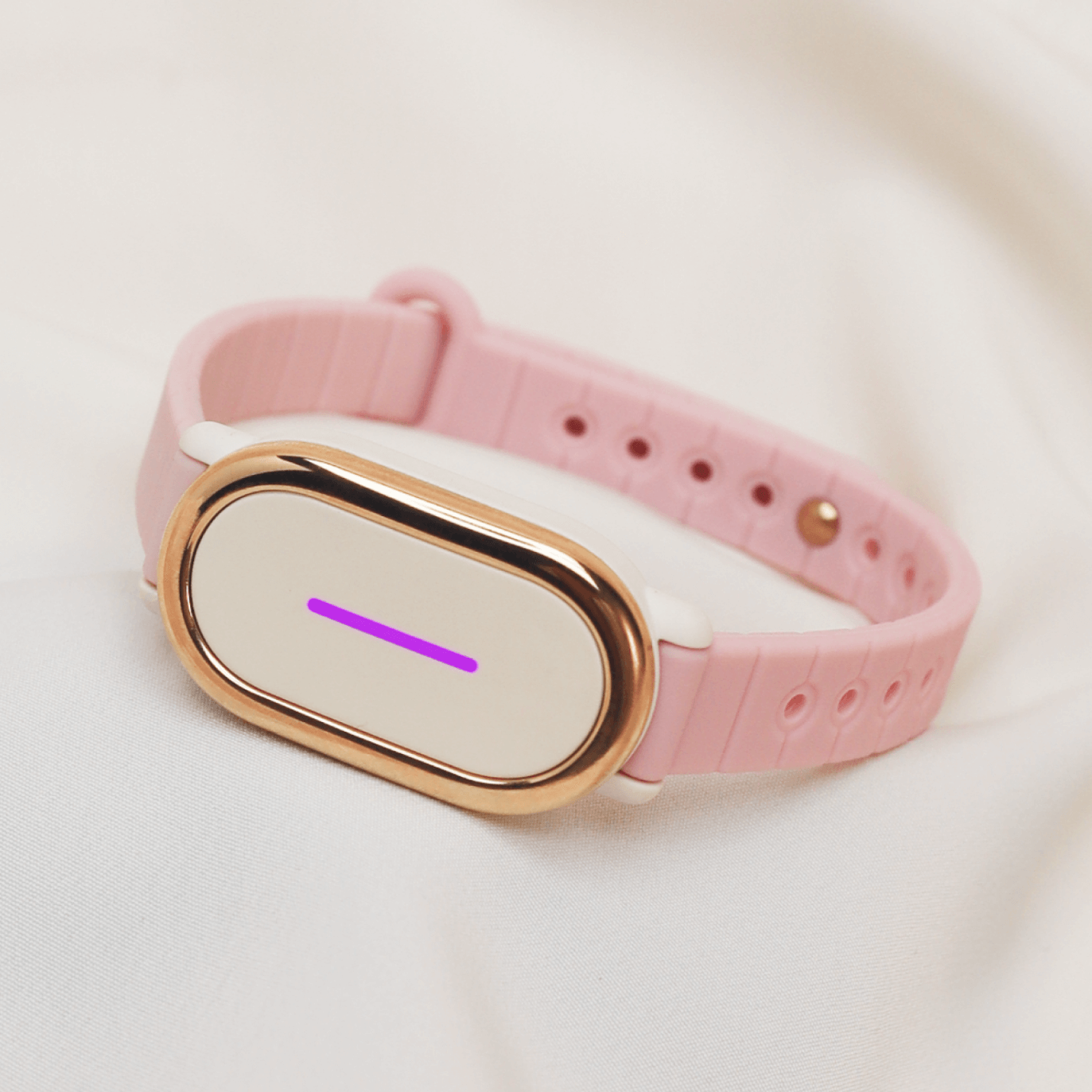
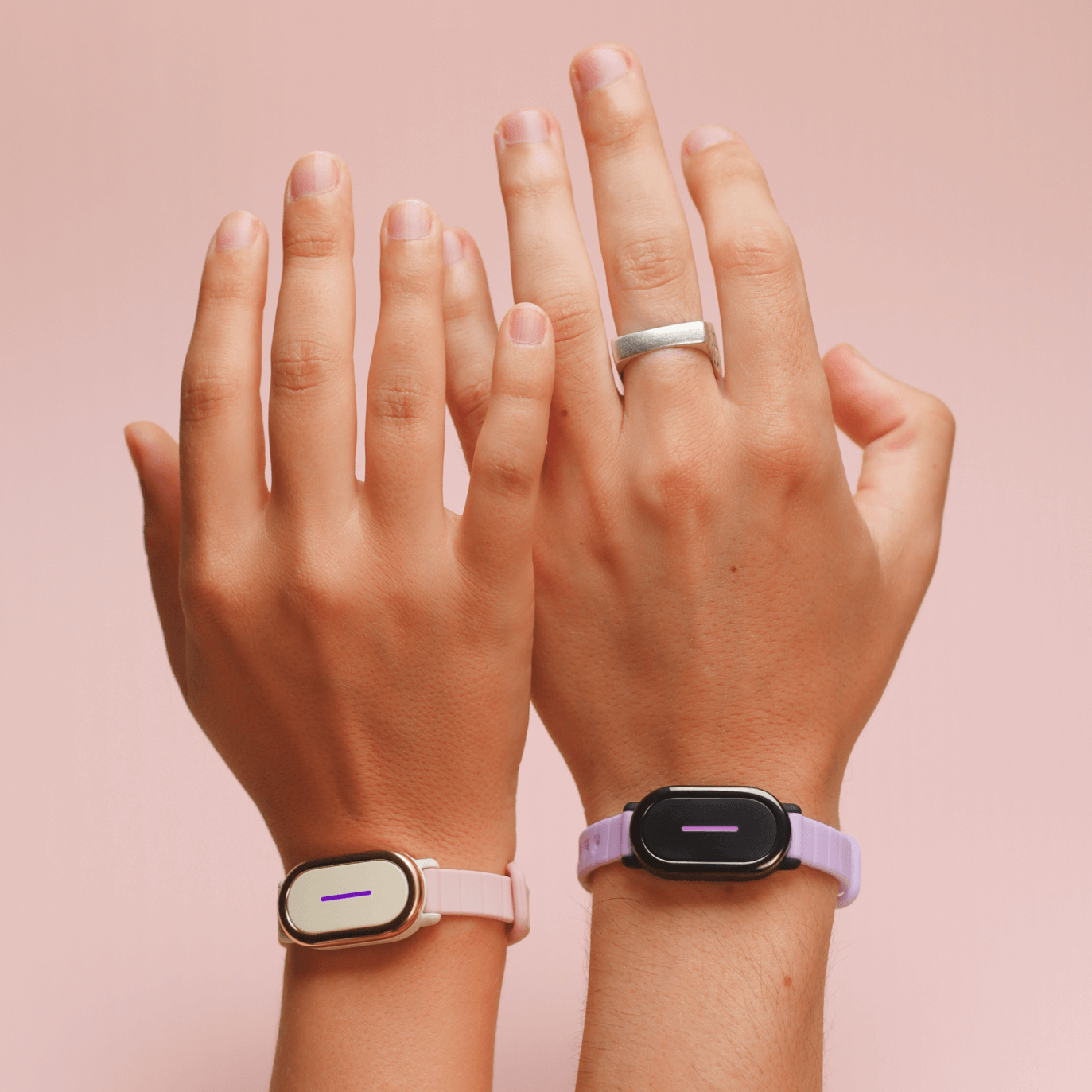
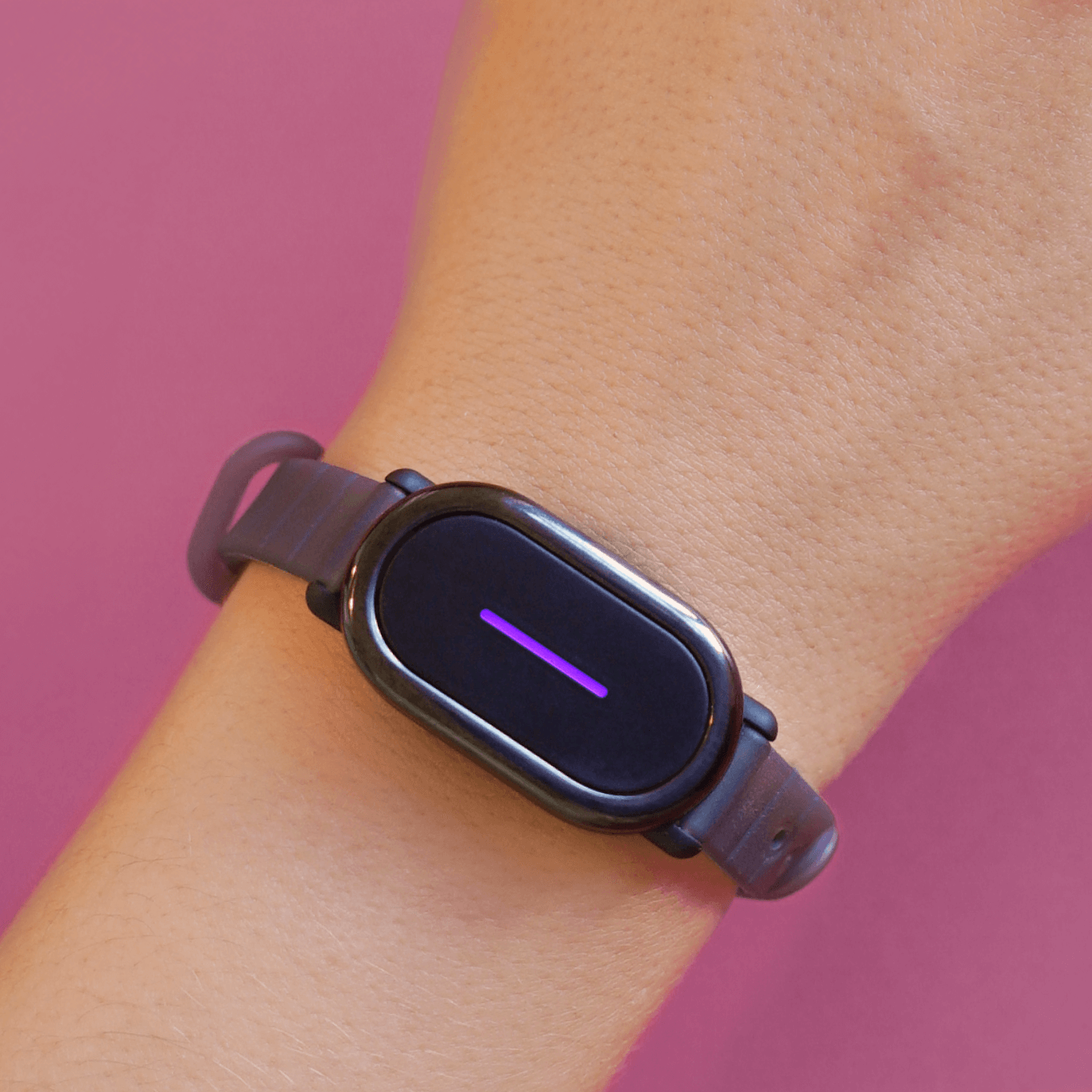
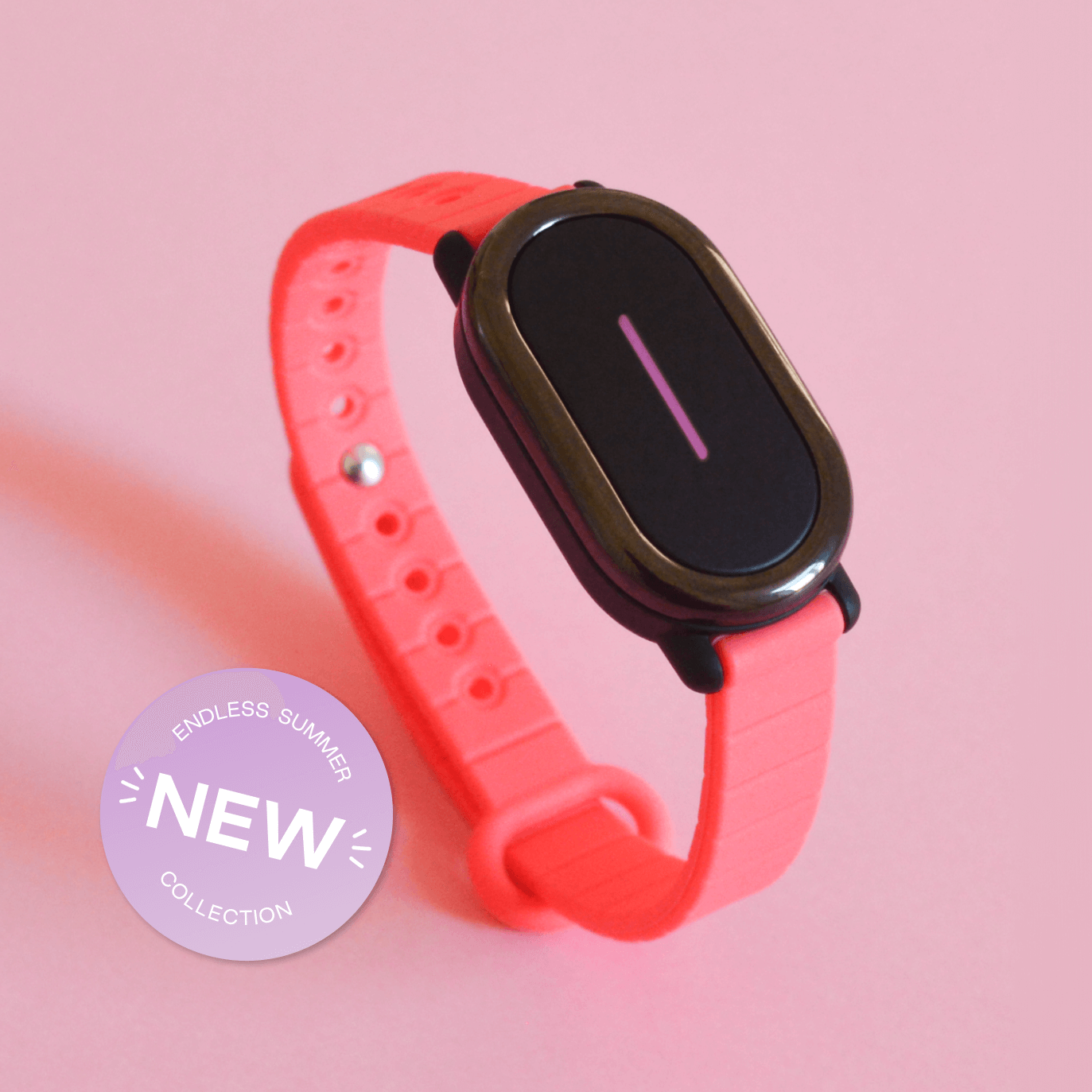
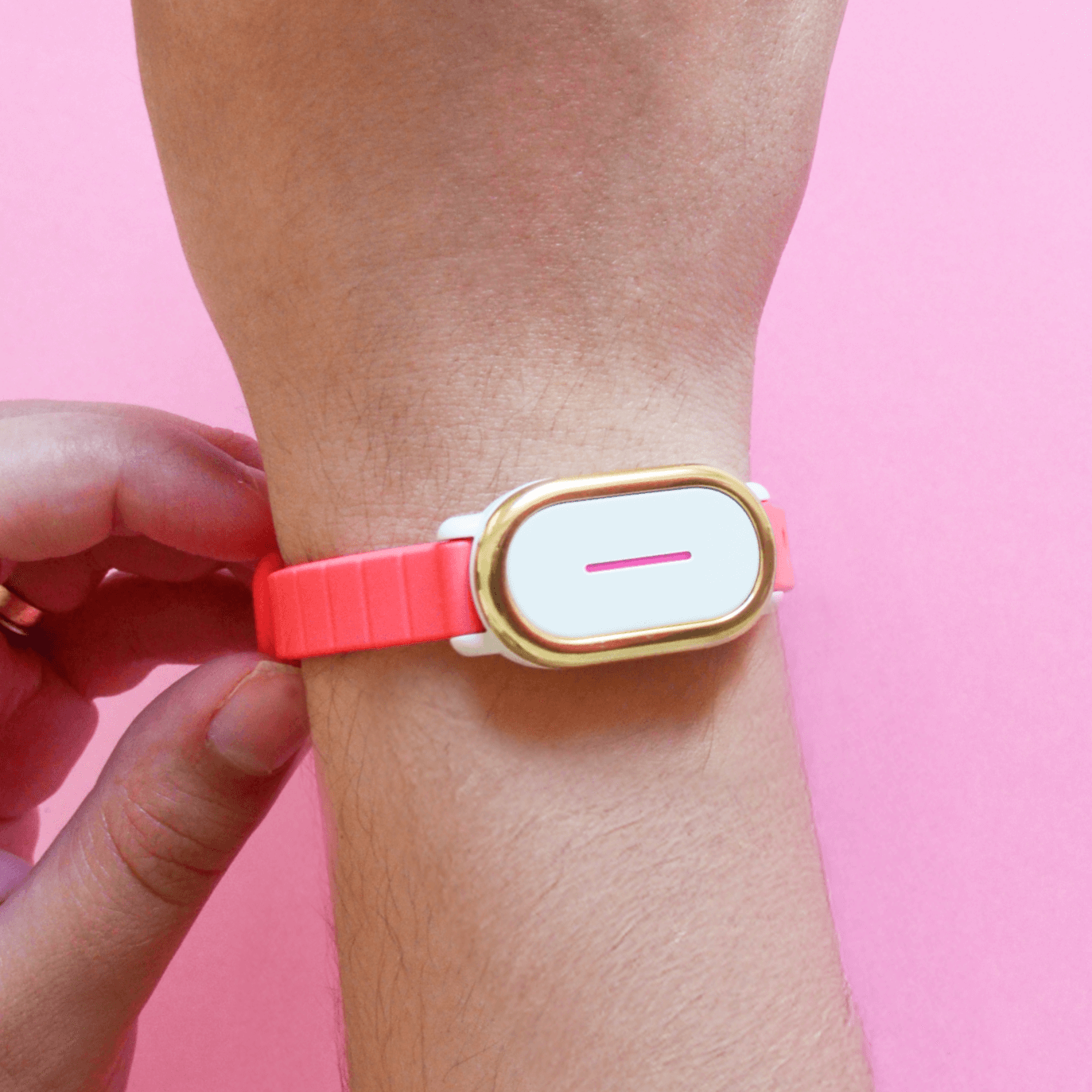
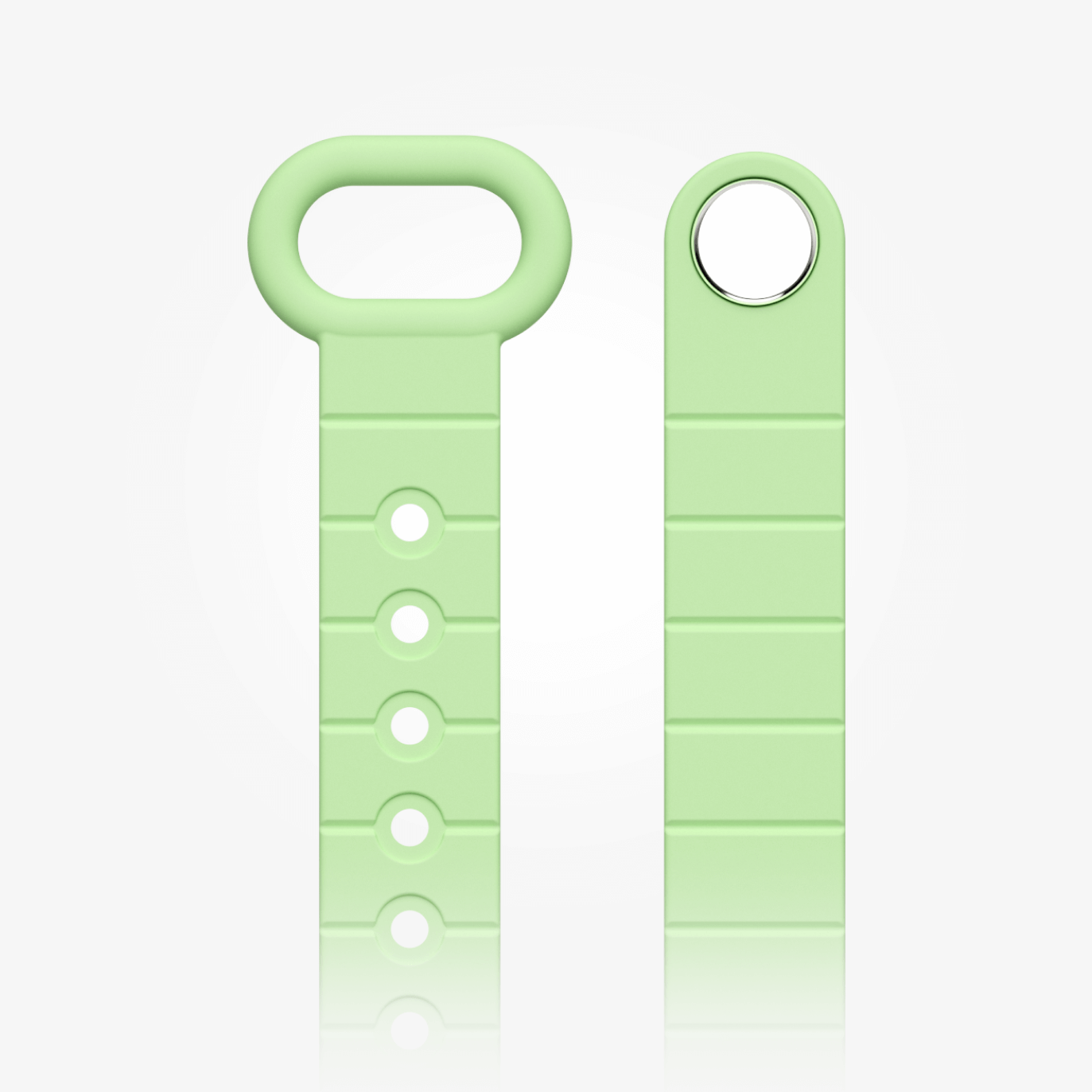
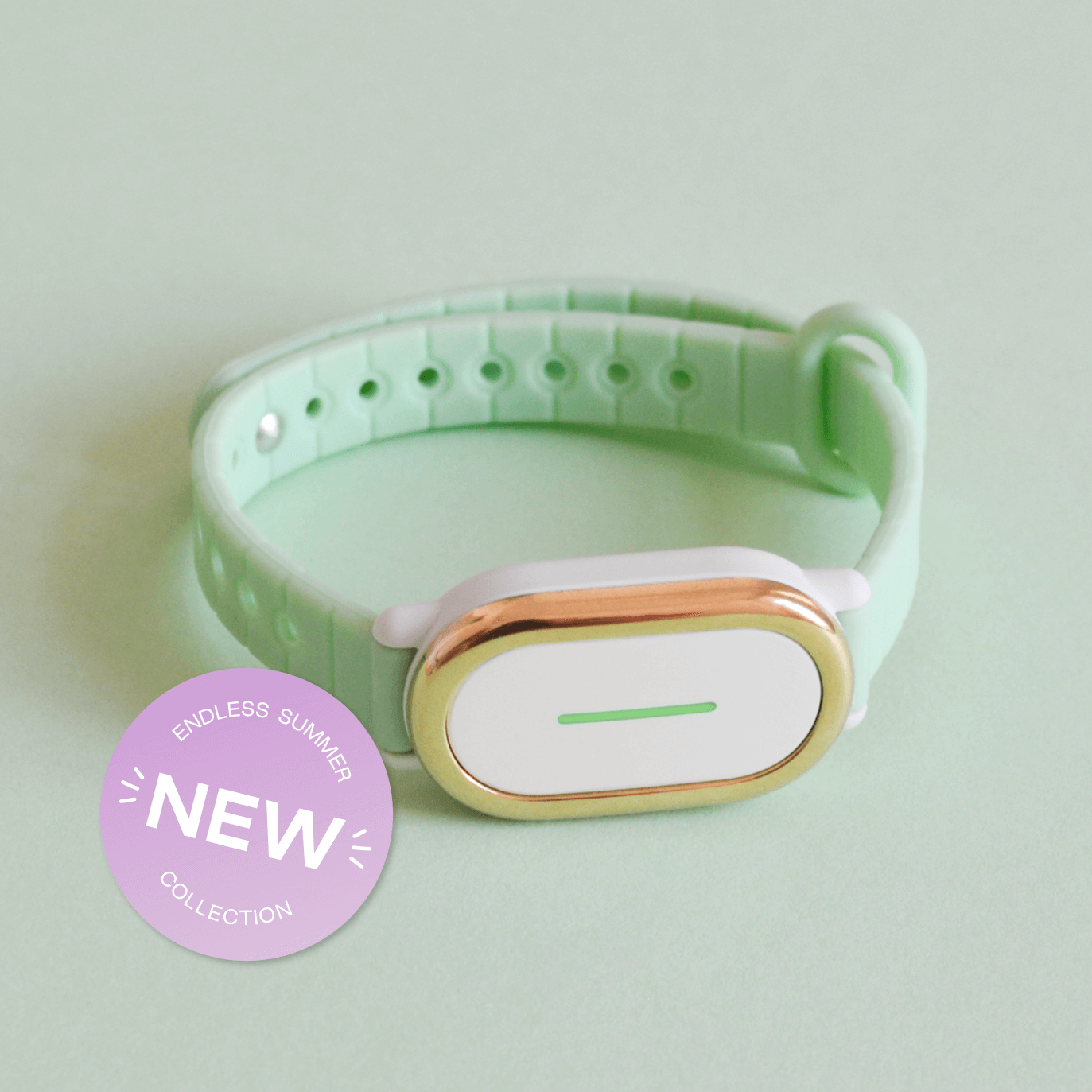
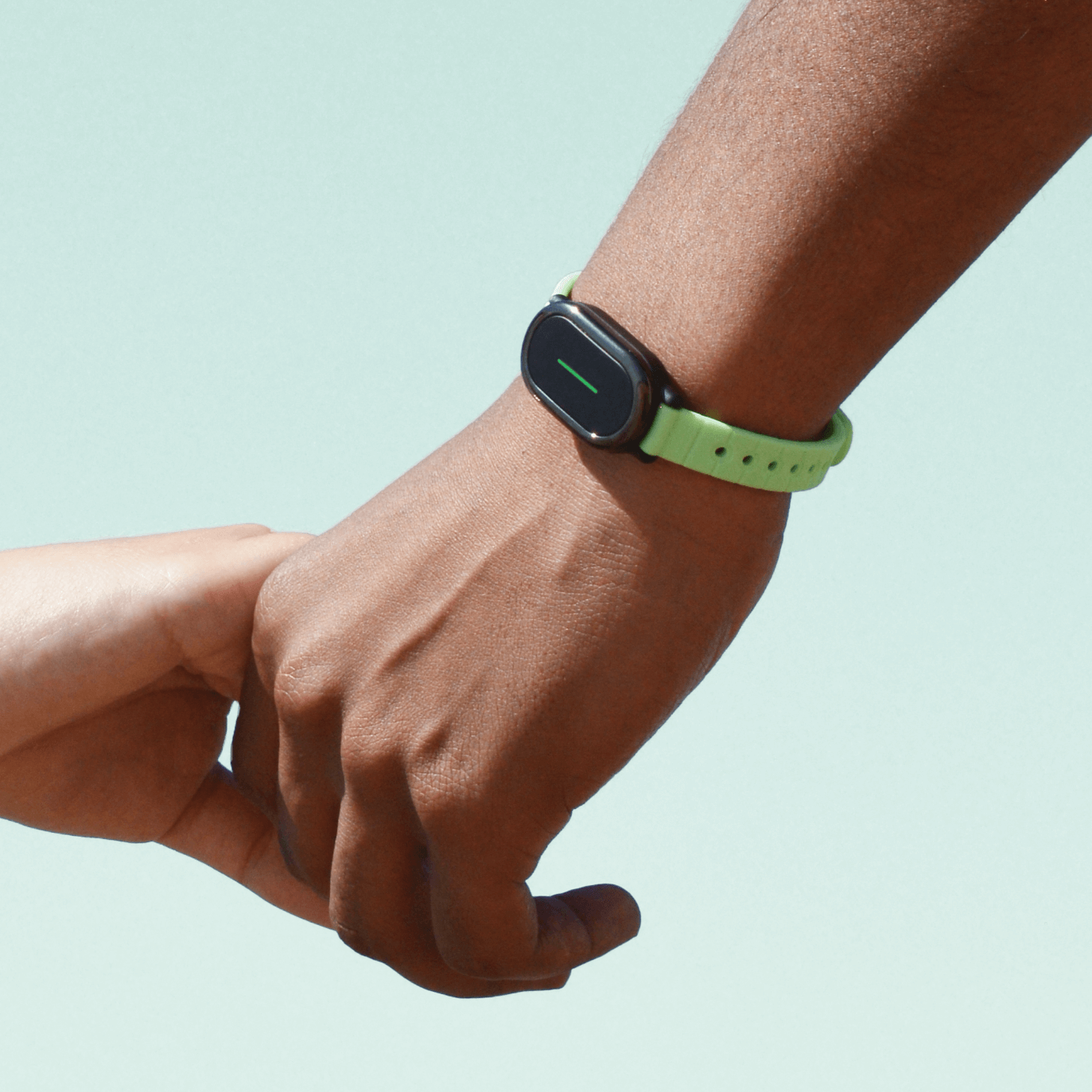
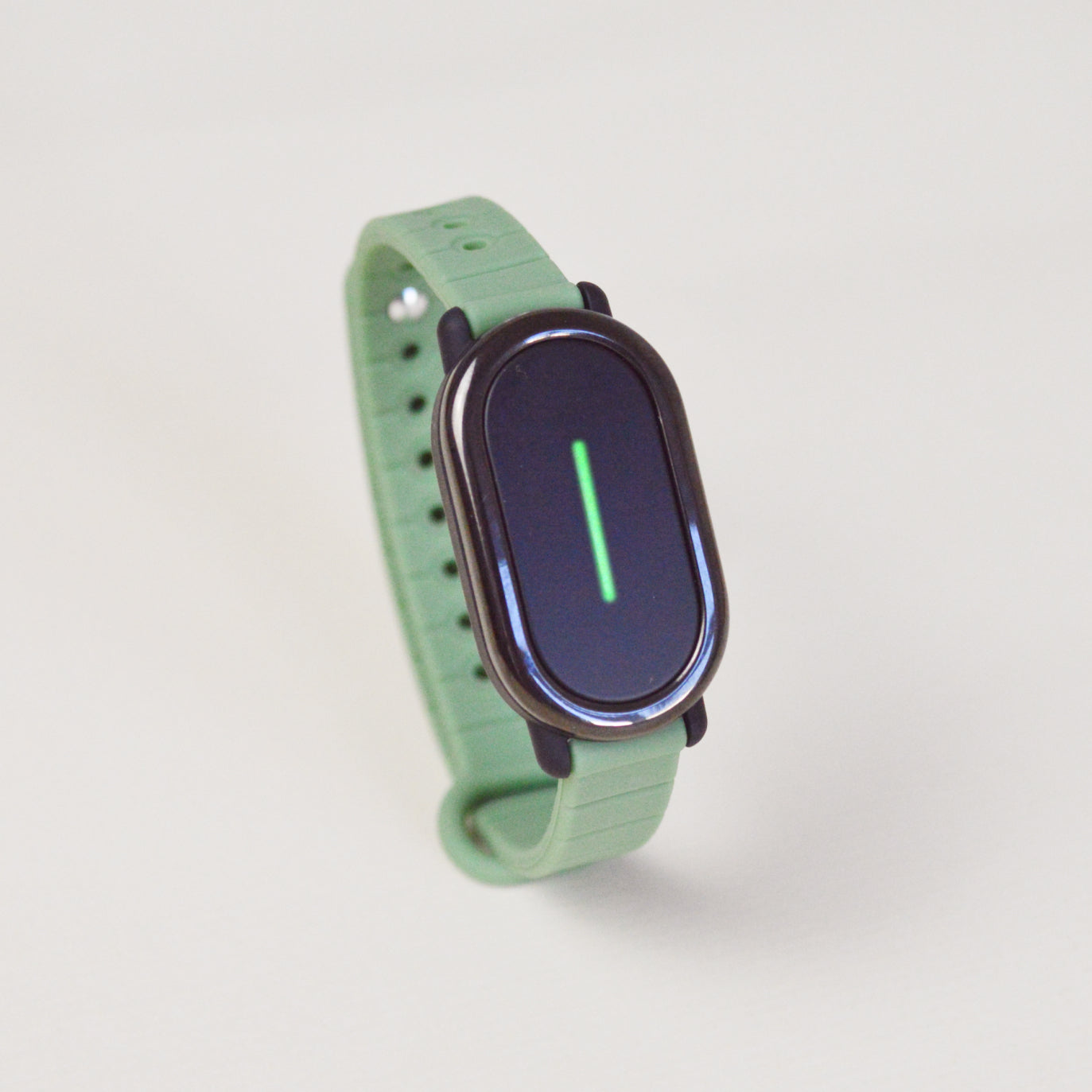
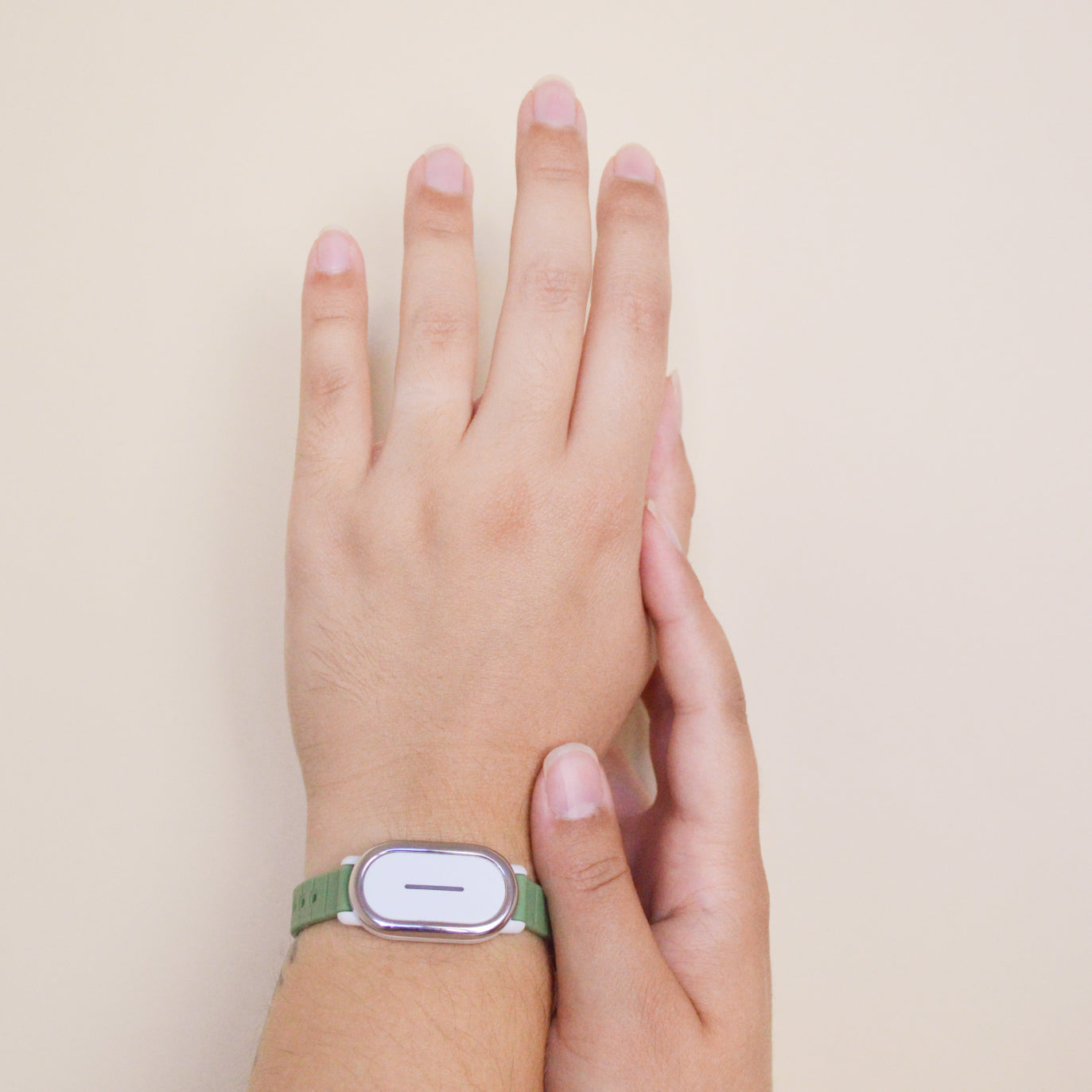
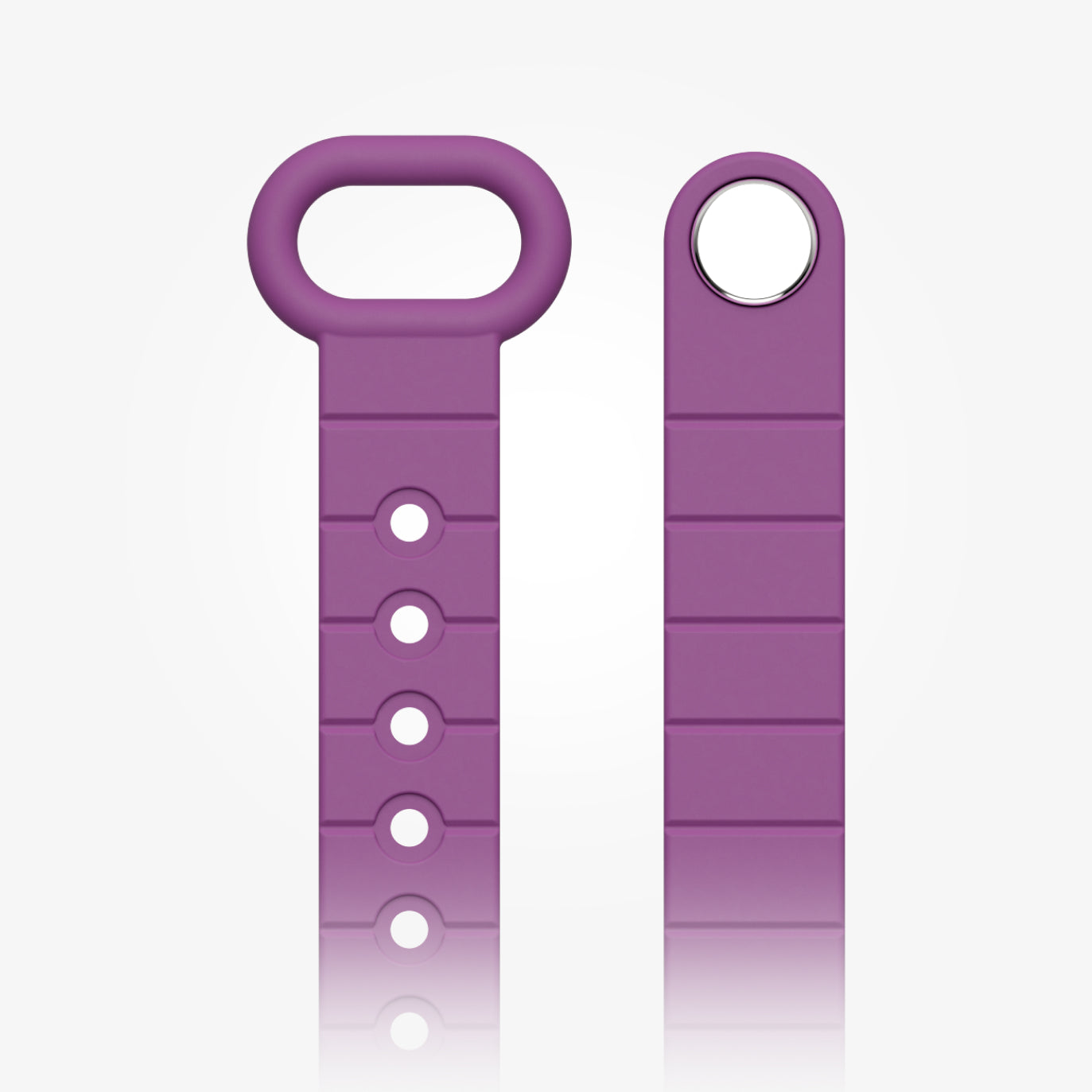
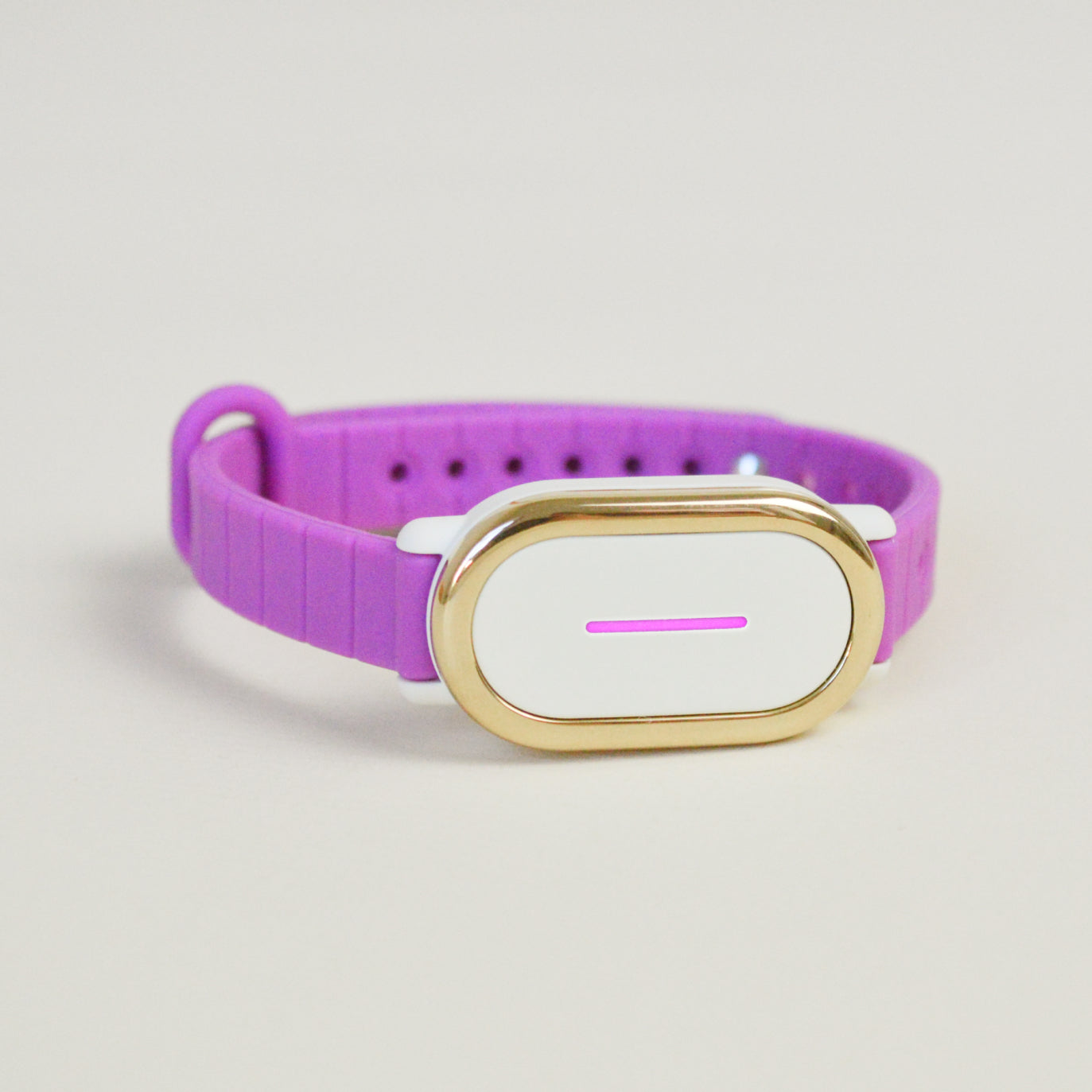
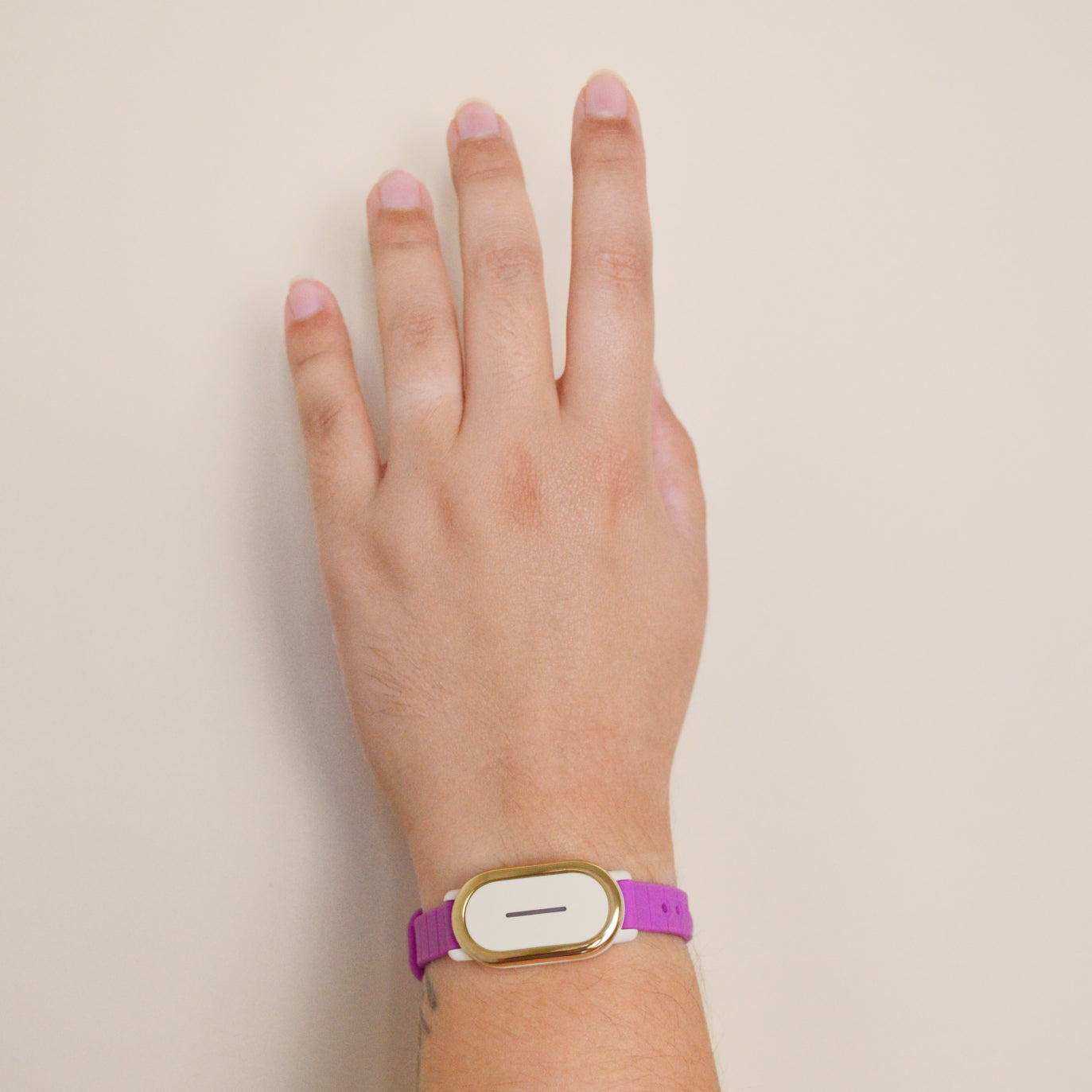
Thanks for reading this! FYI, The Other Half is brought to you by Bond Touch: the brand that has been helping build healthier and happier relationships through emotional wearables since 2017. Connecting over 1 million people globally so far and counting!
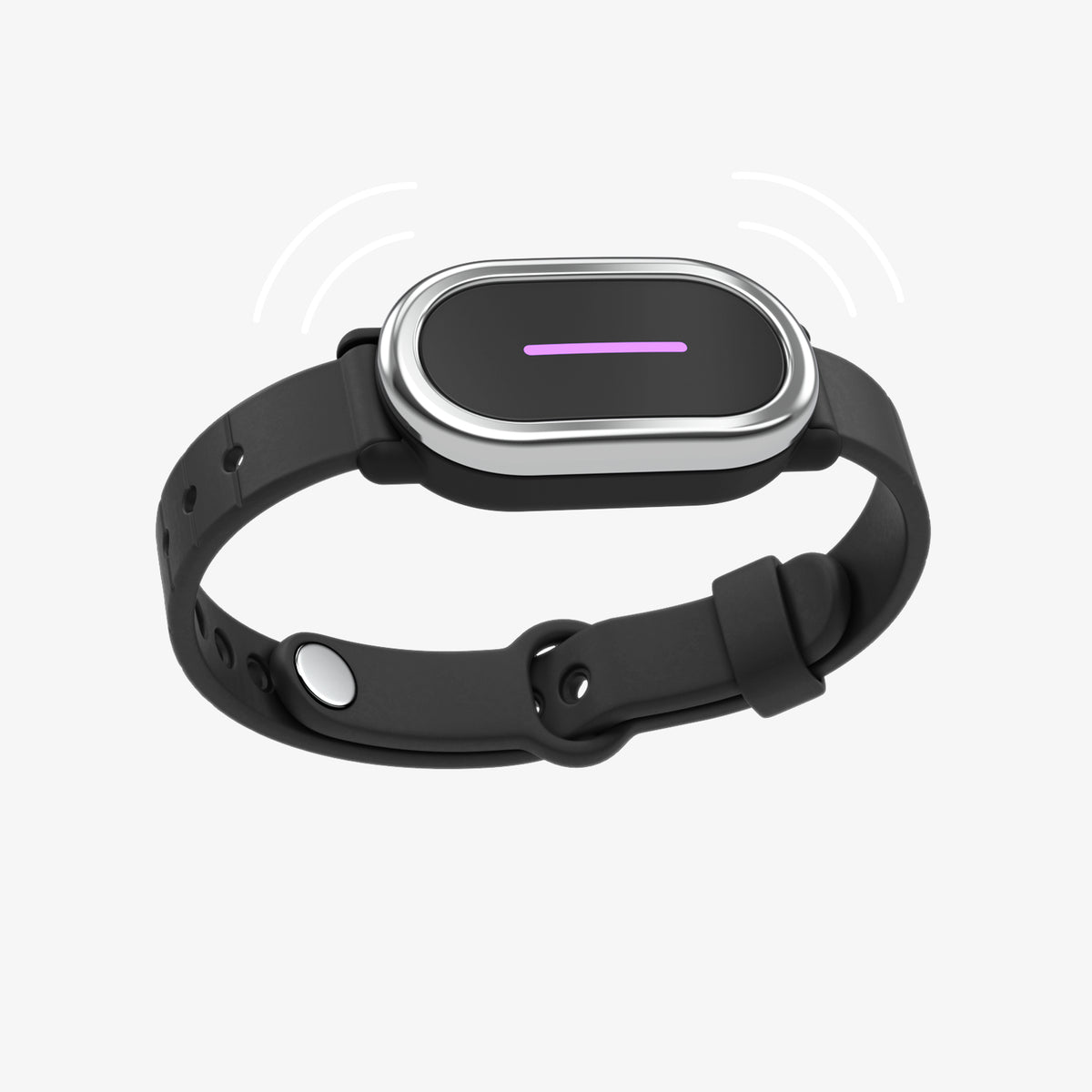
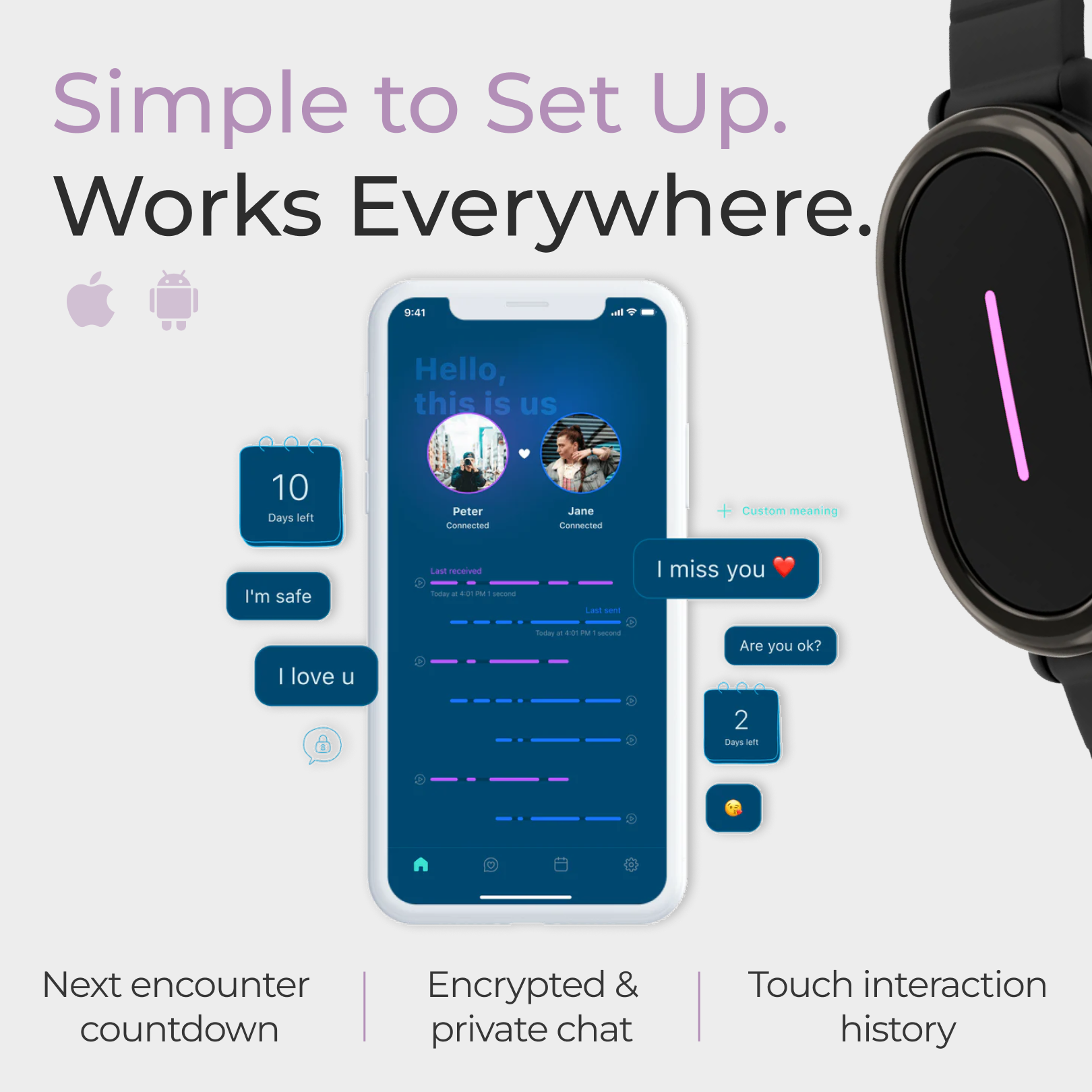
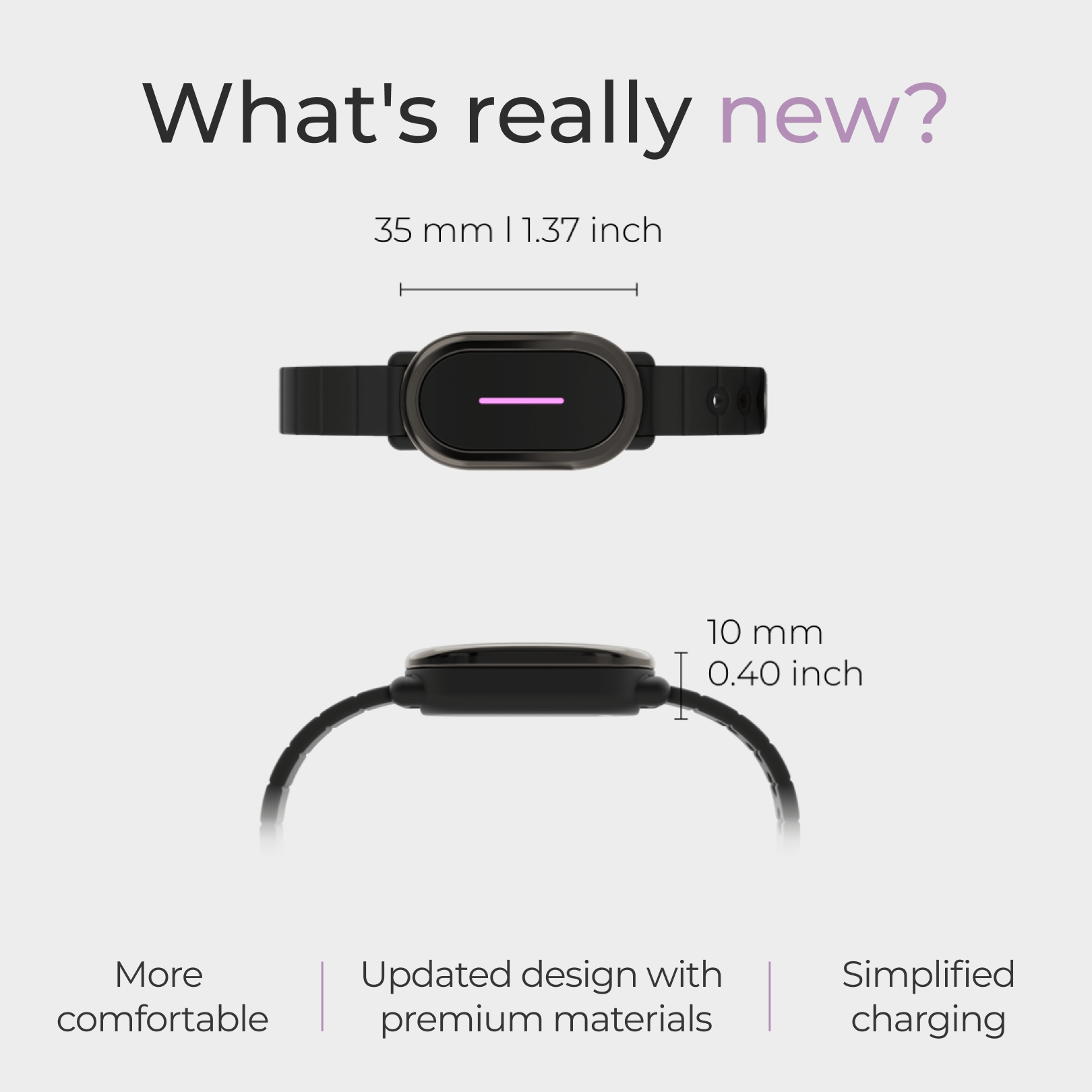
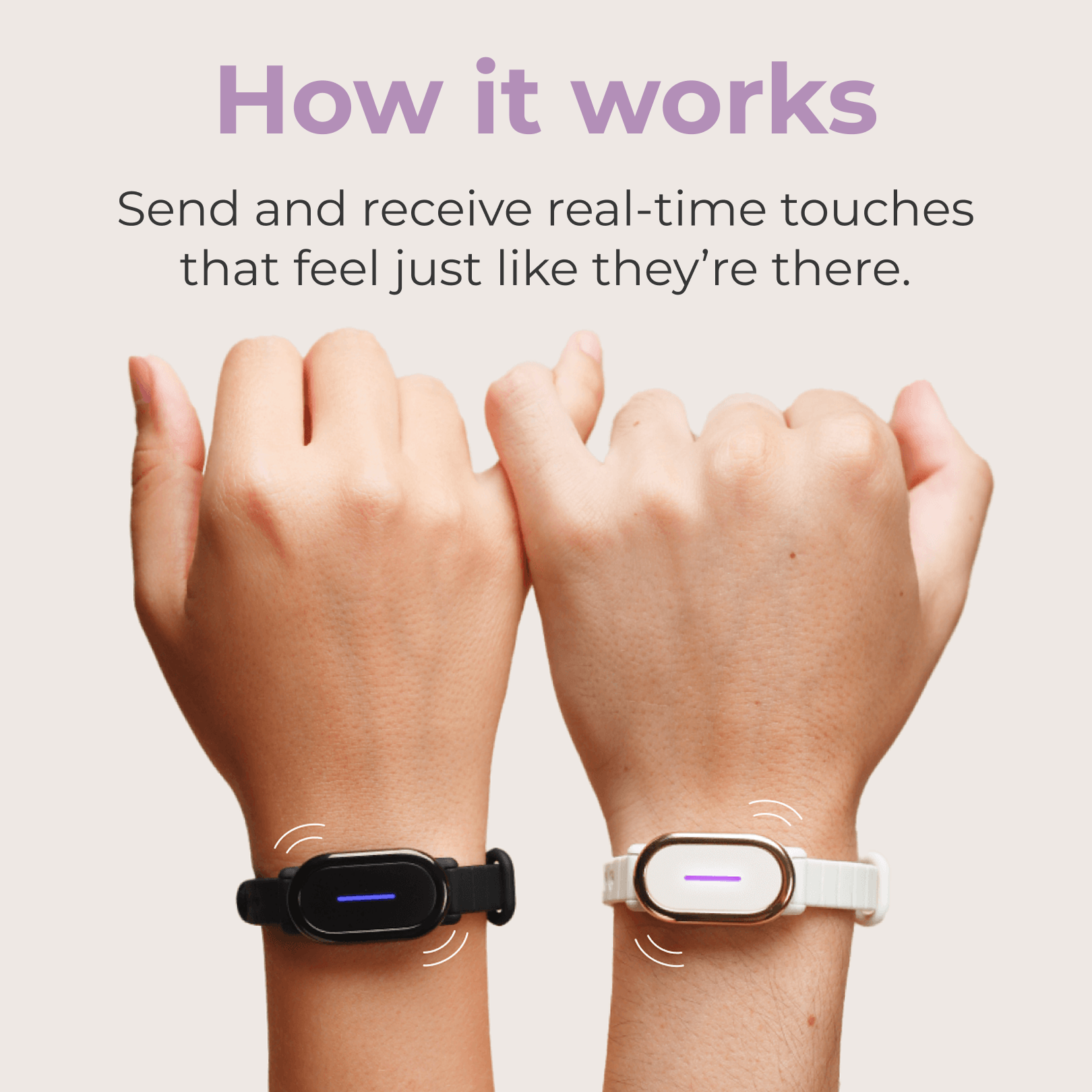
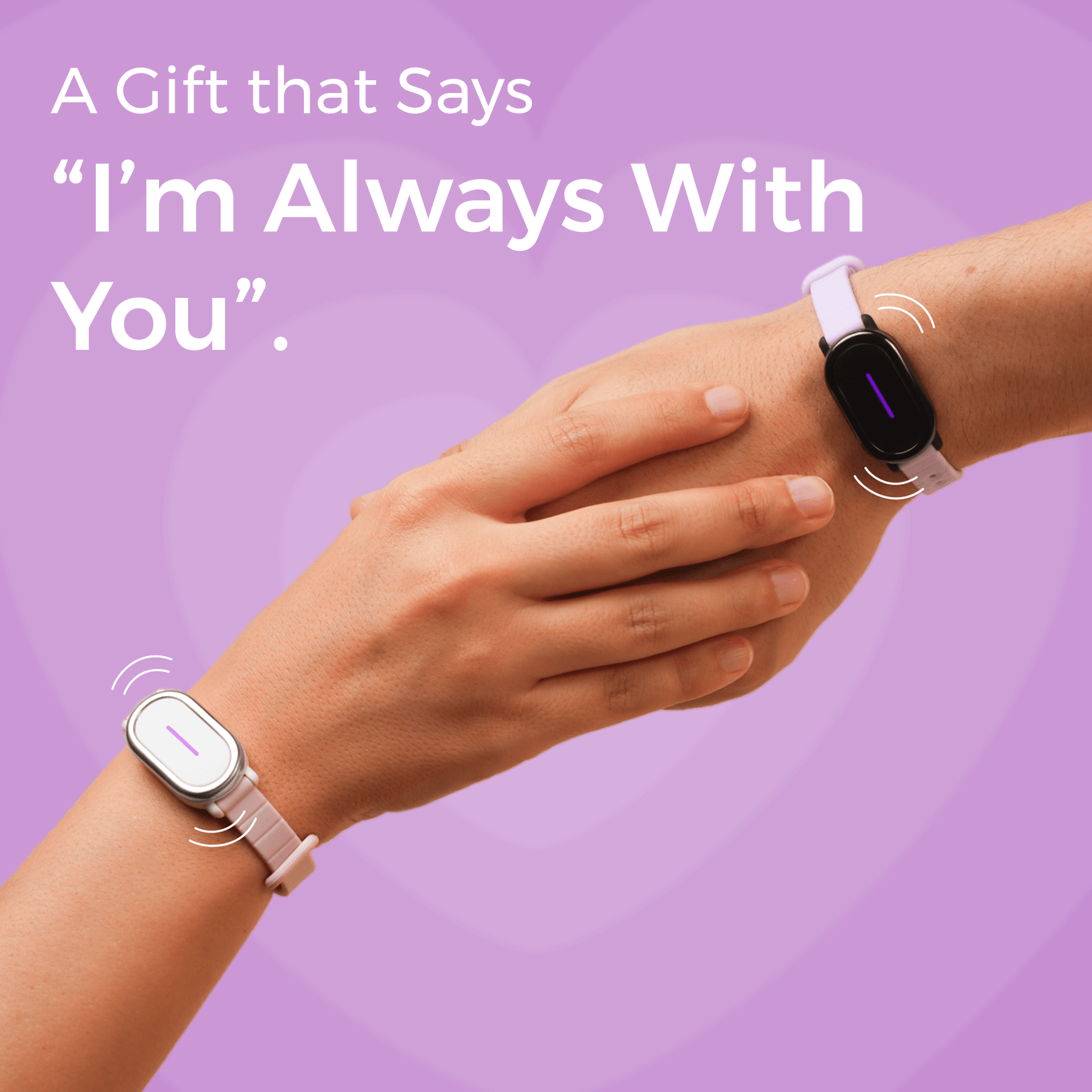
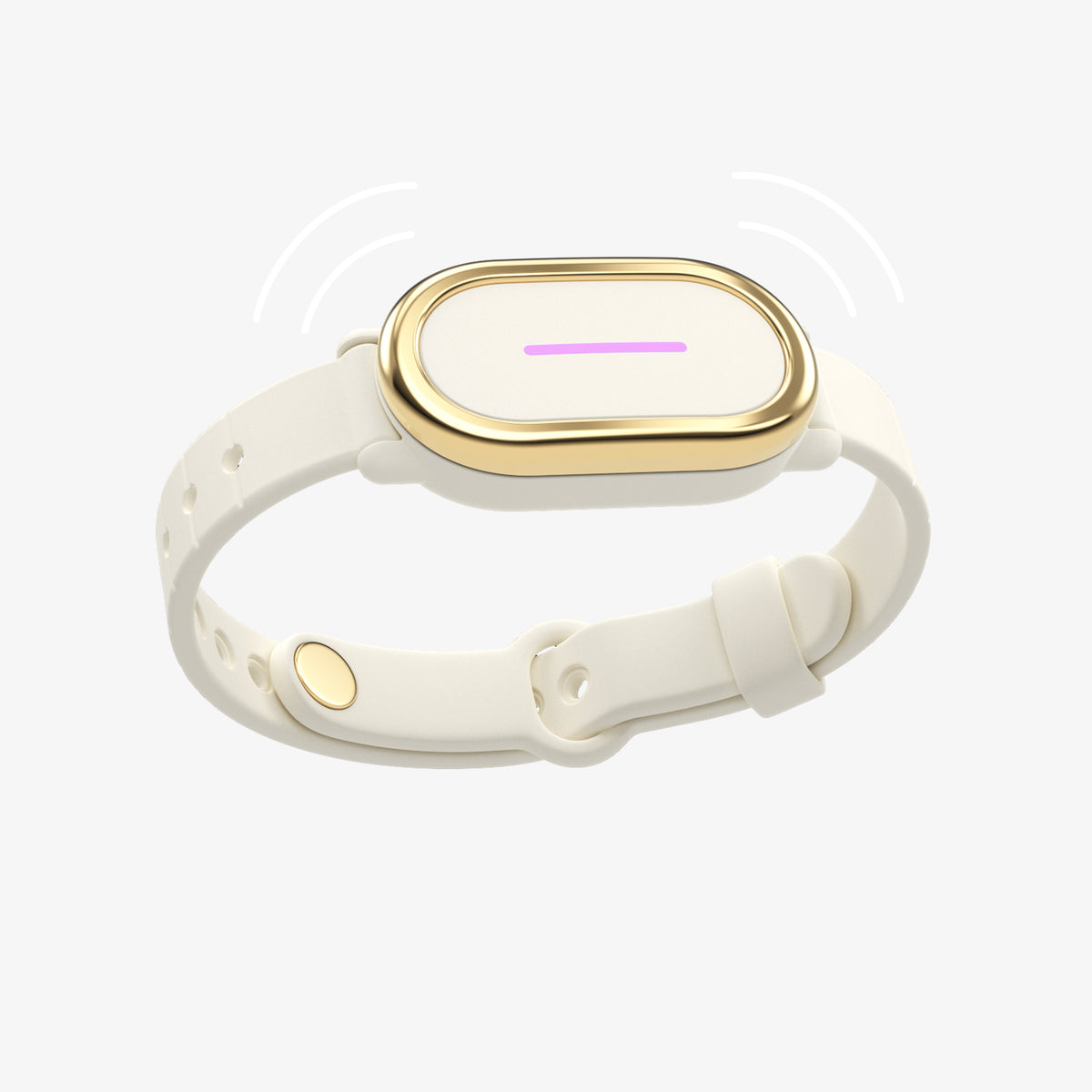
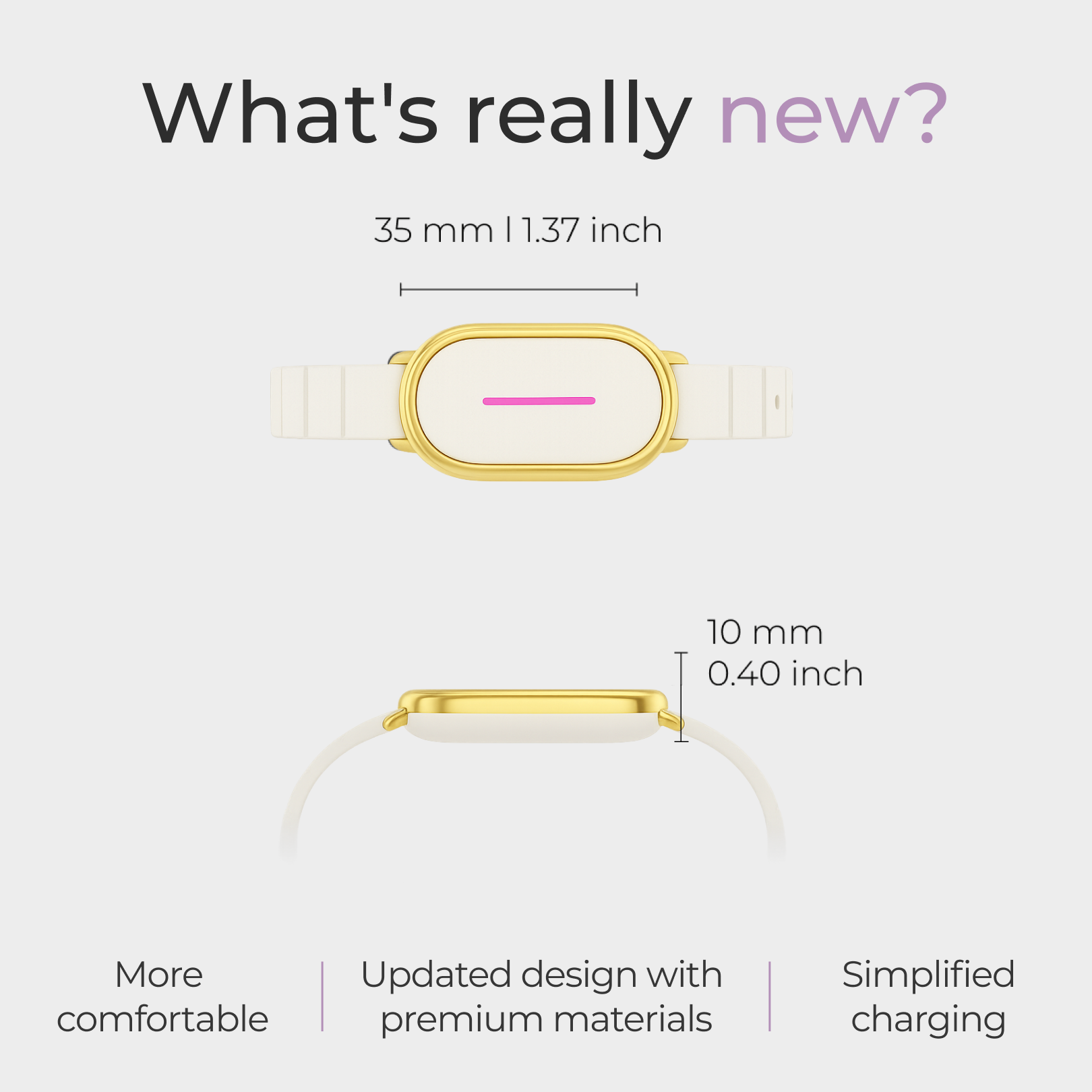
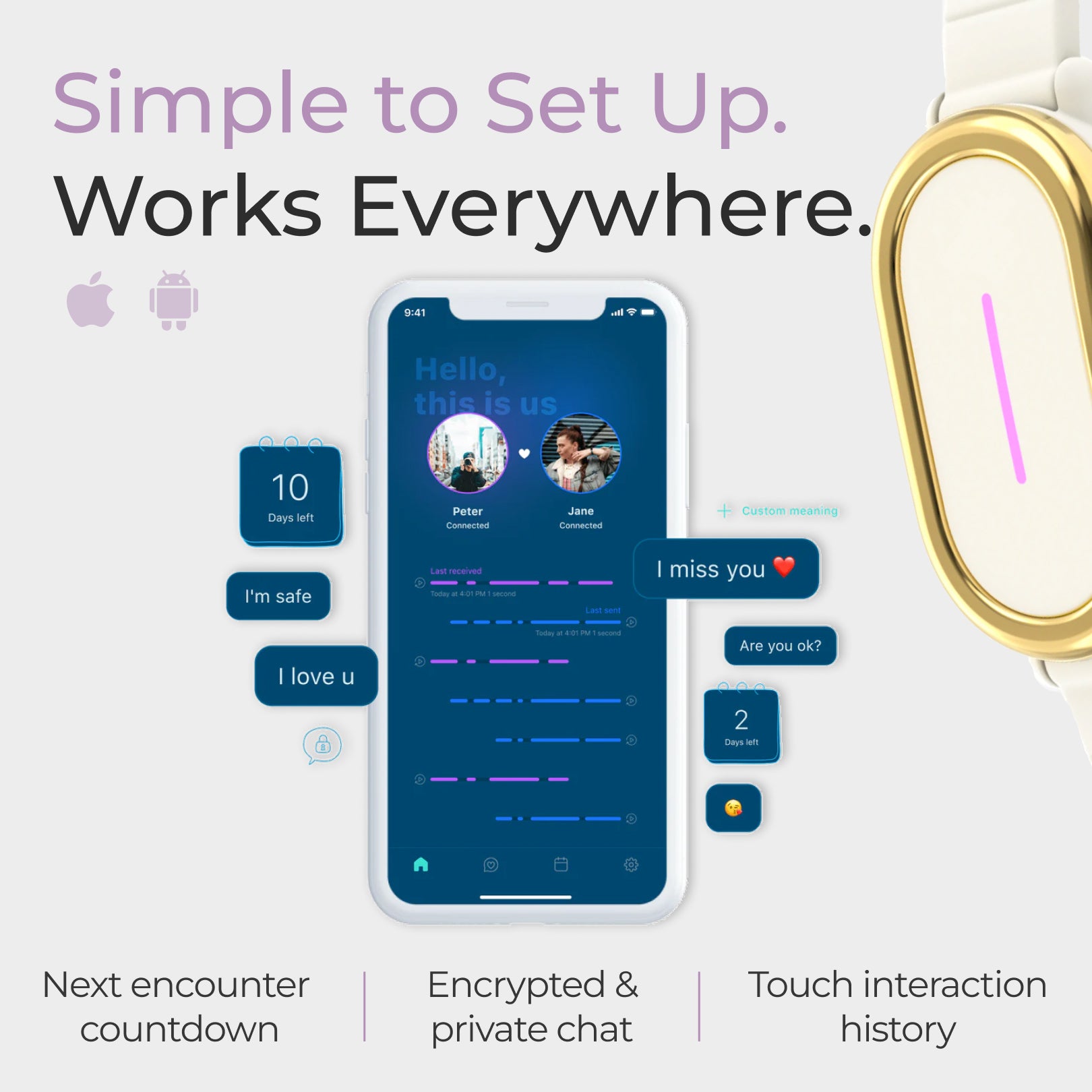
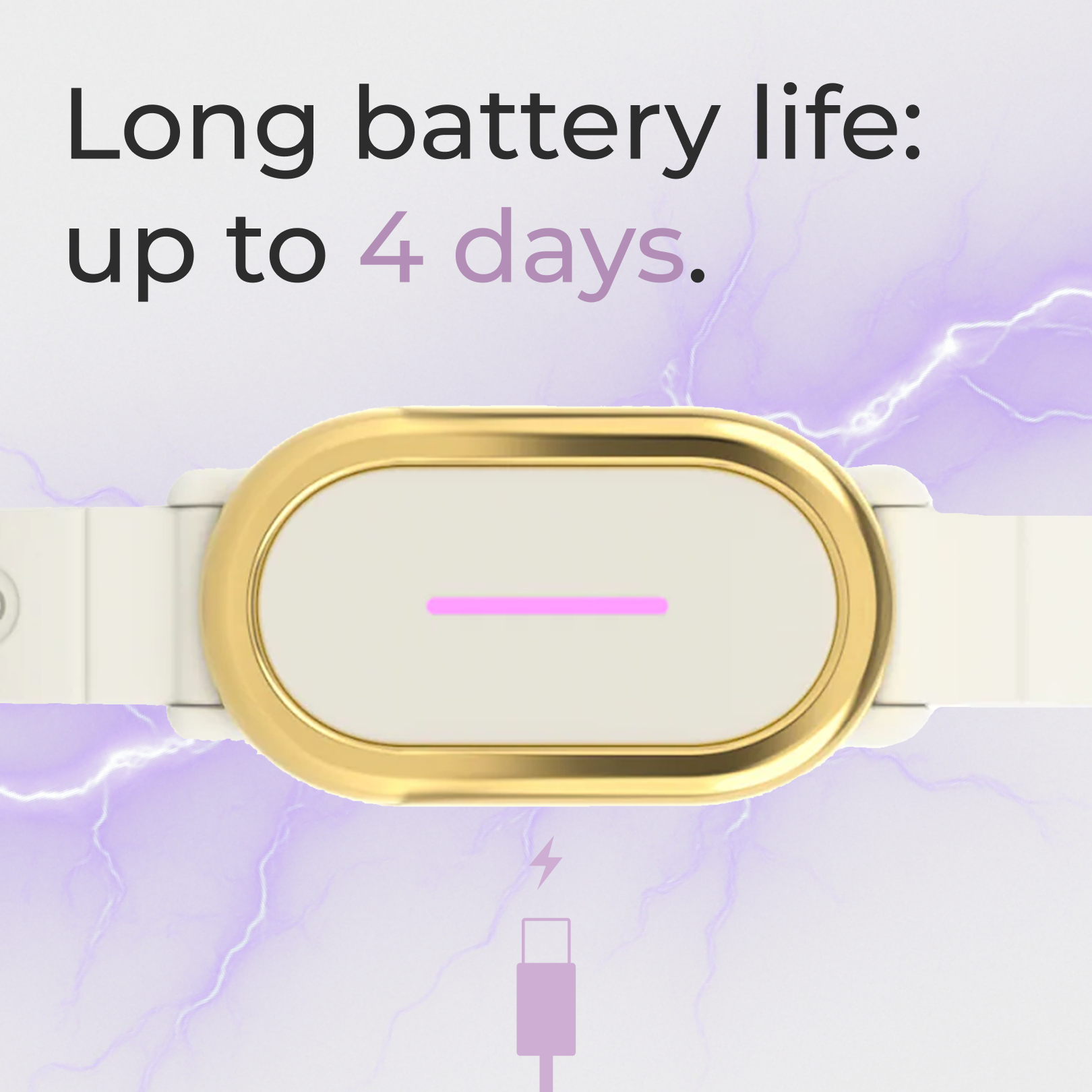
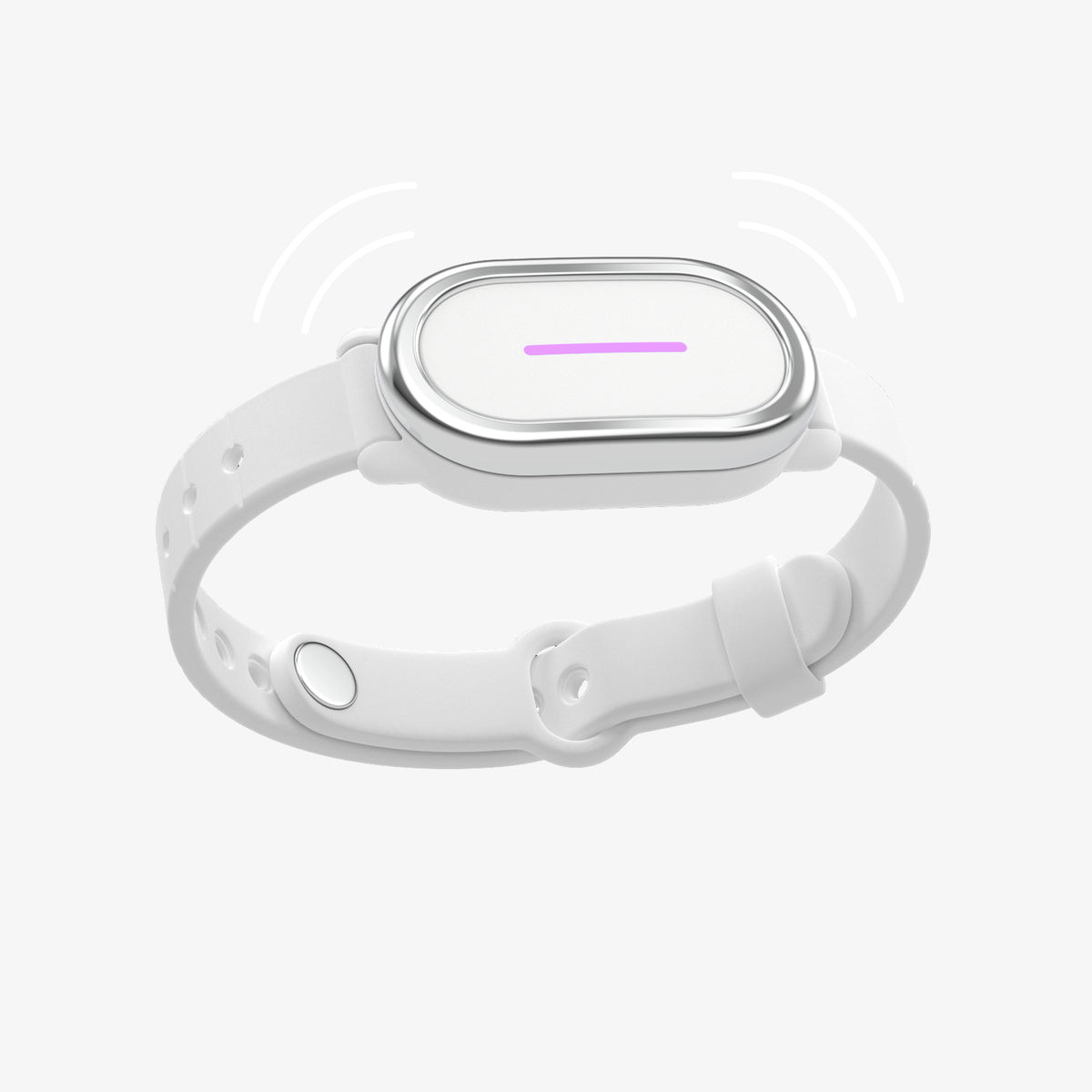
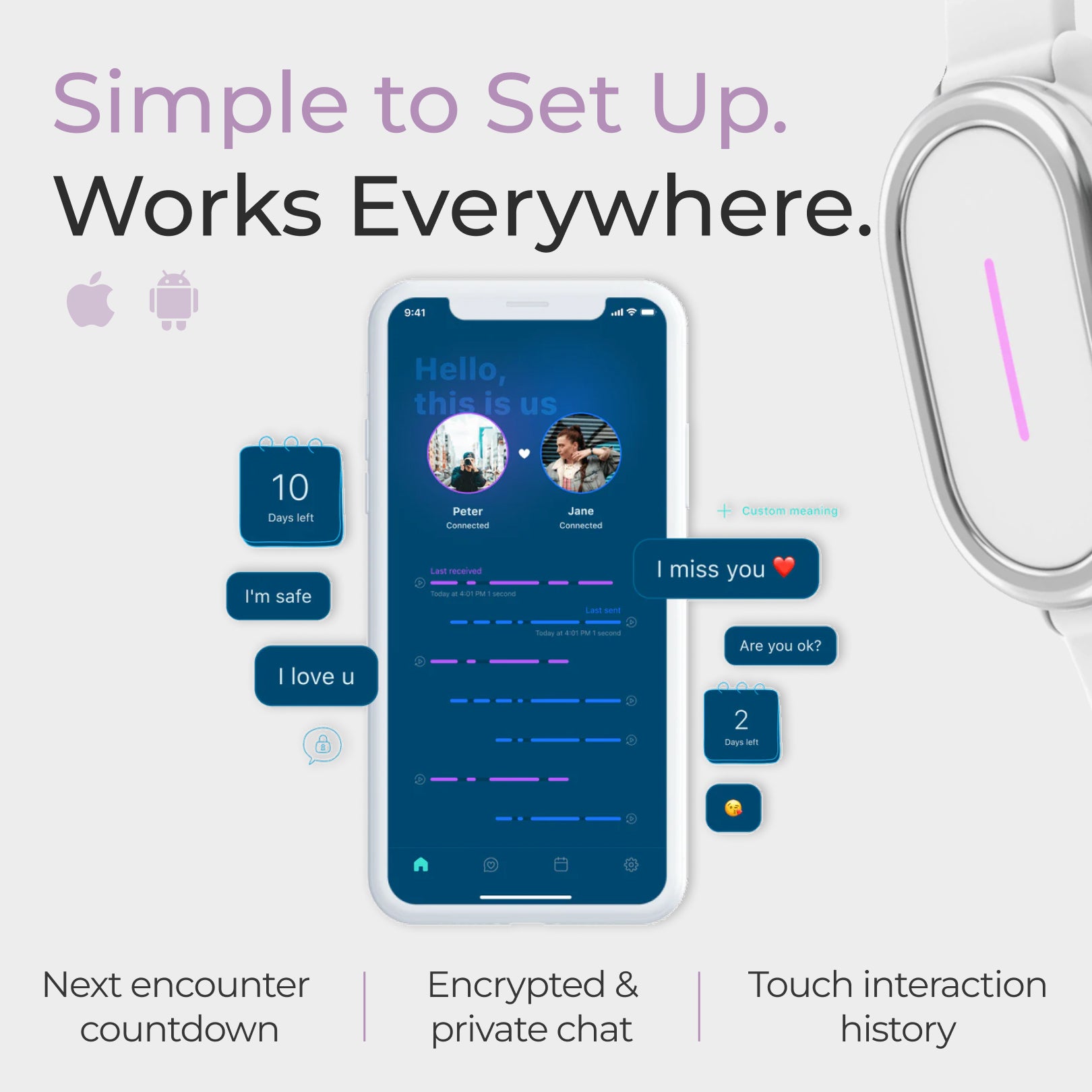
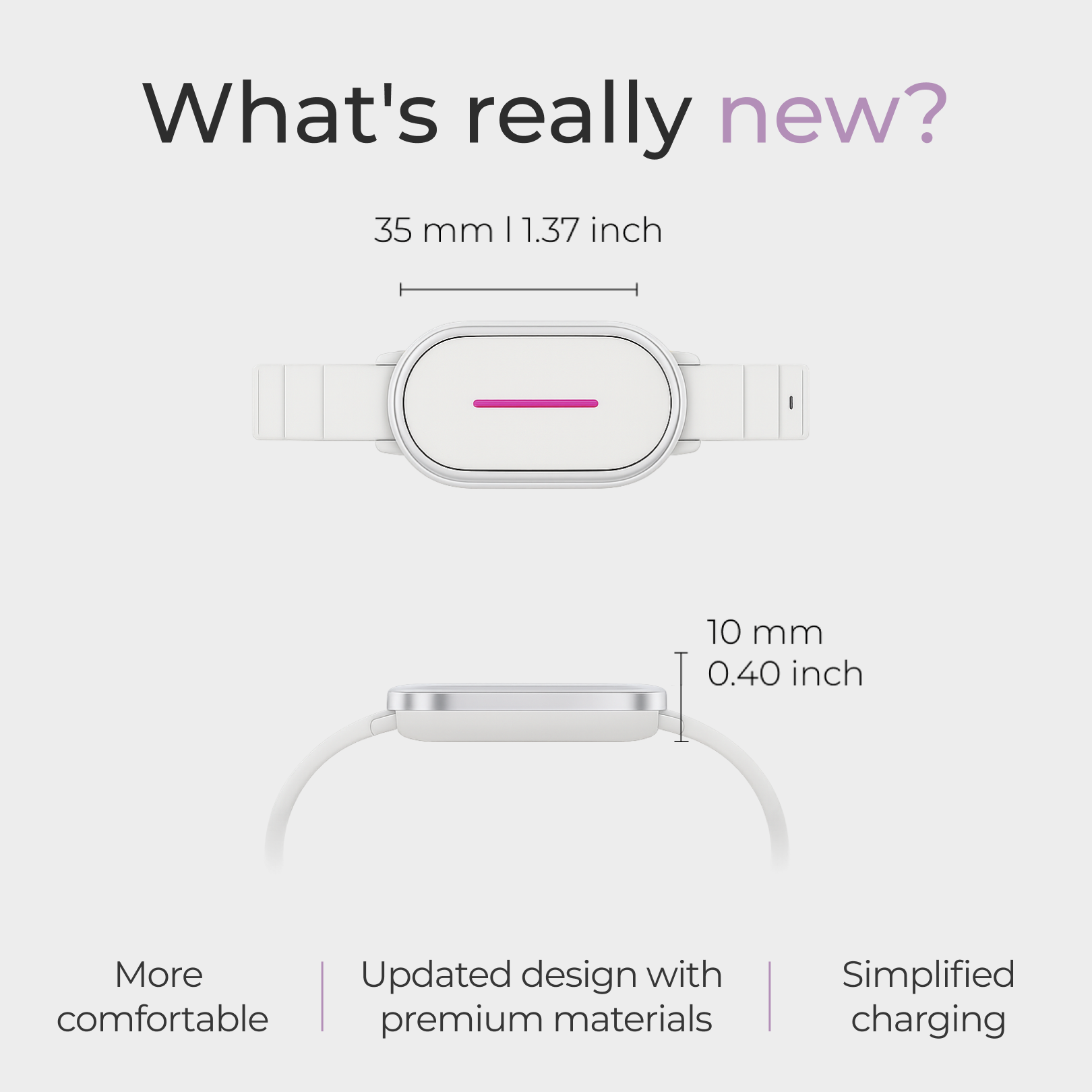
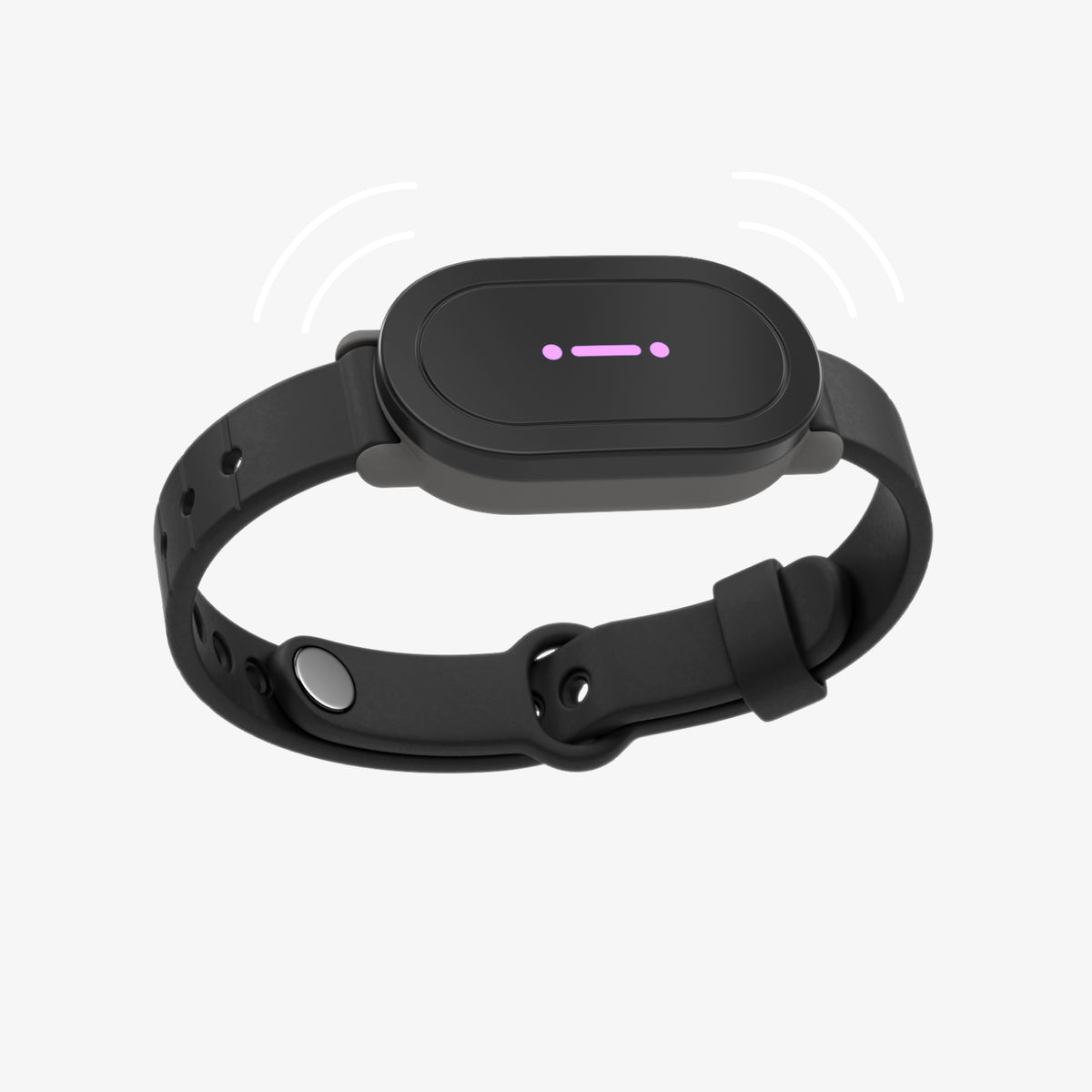
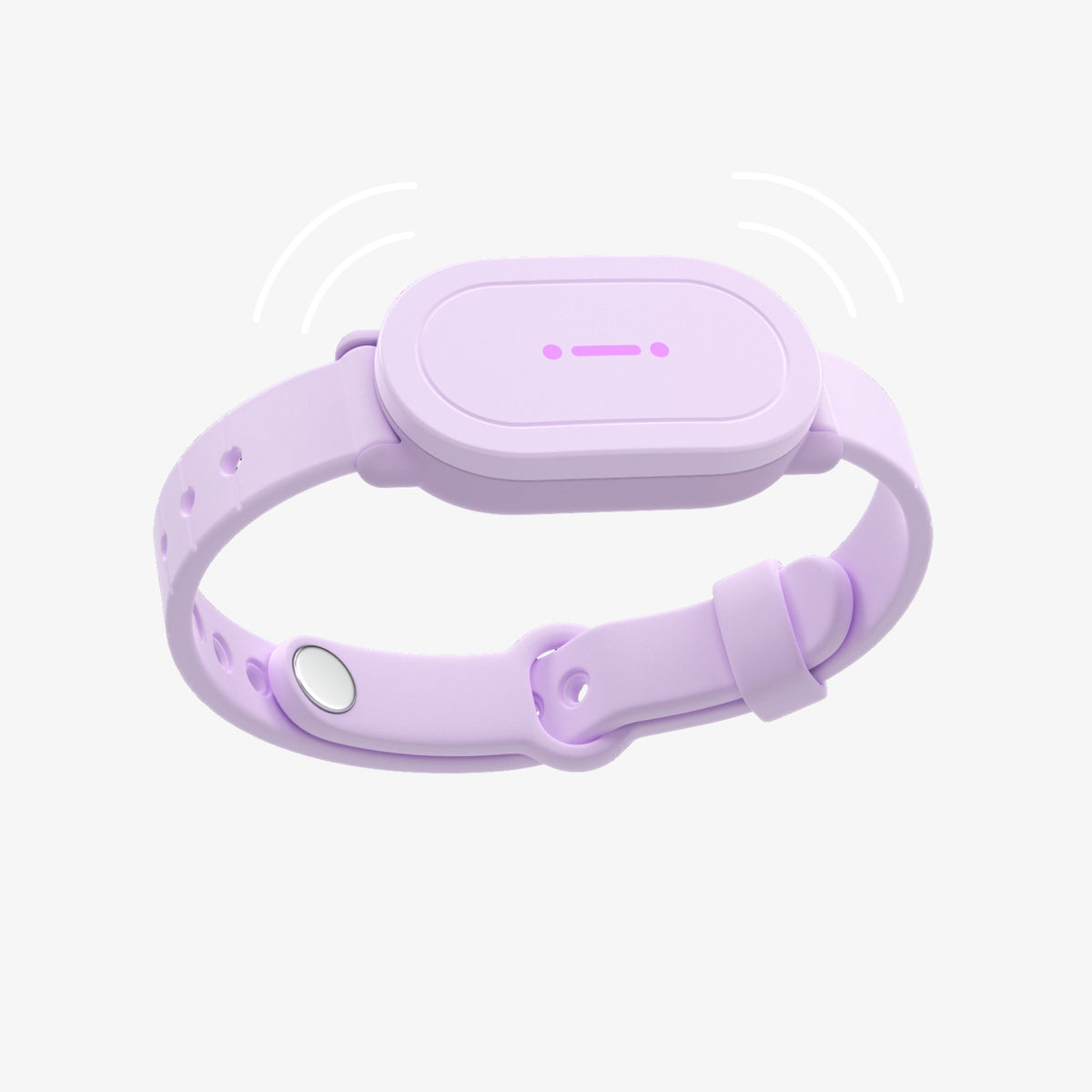
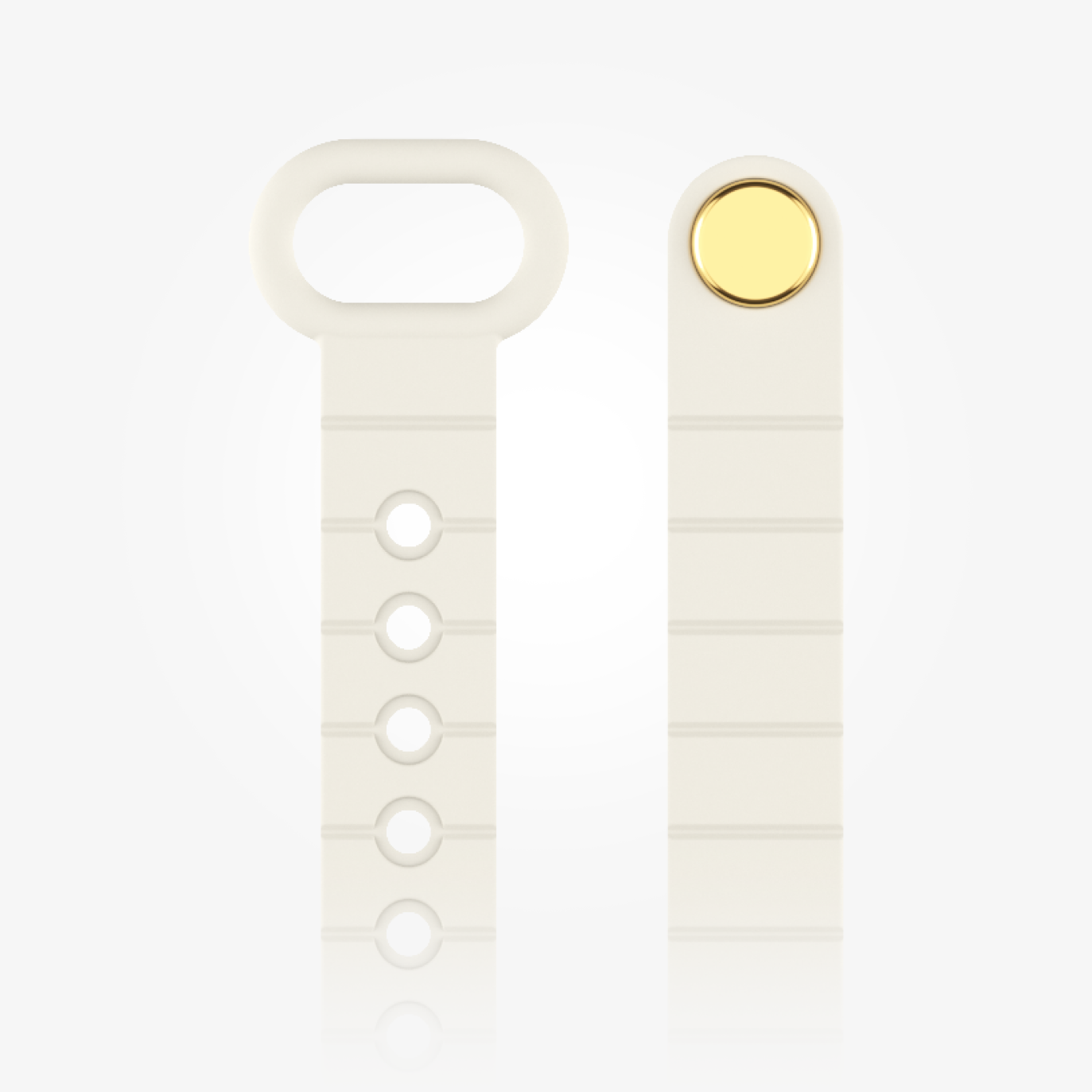
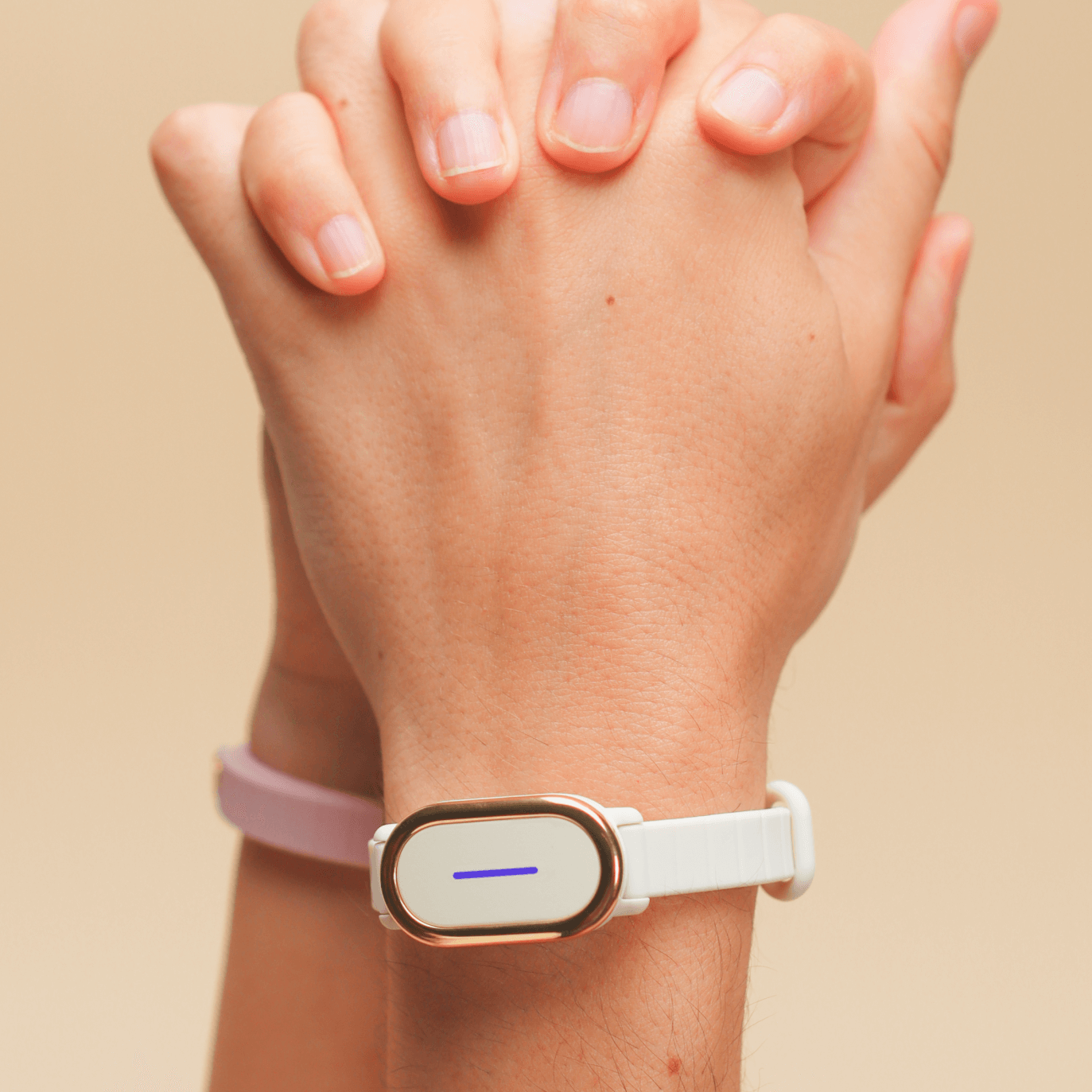
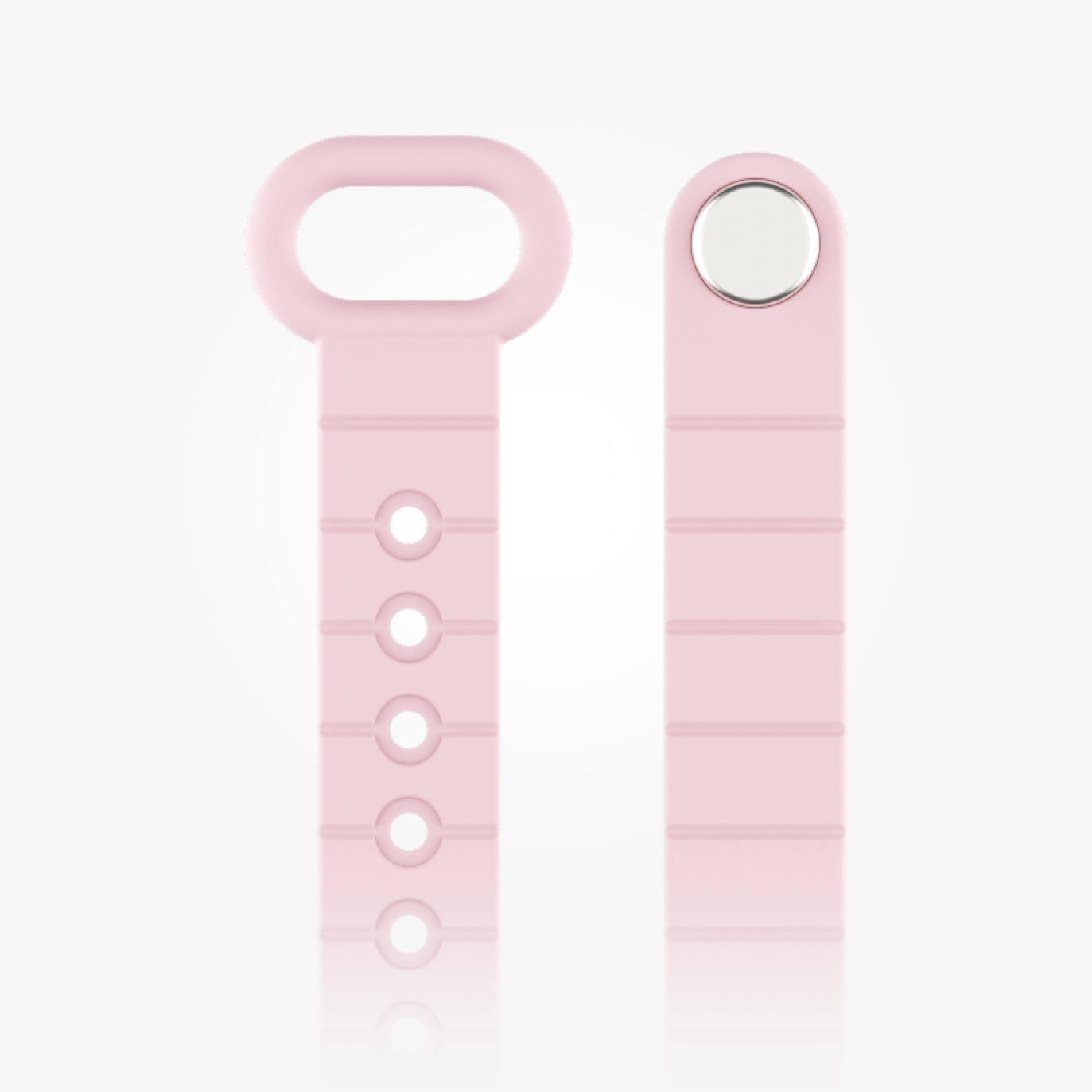
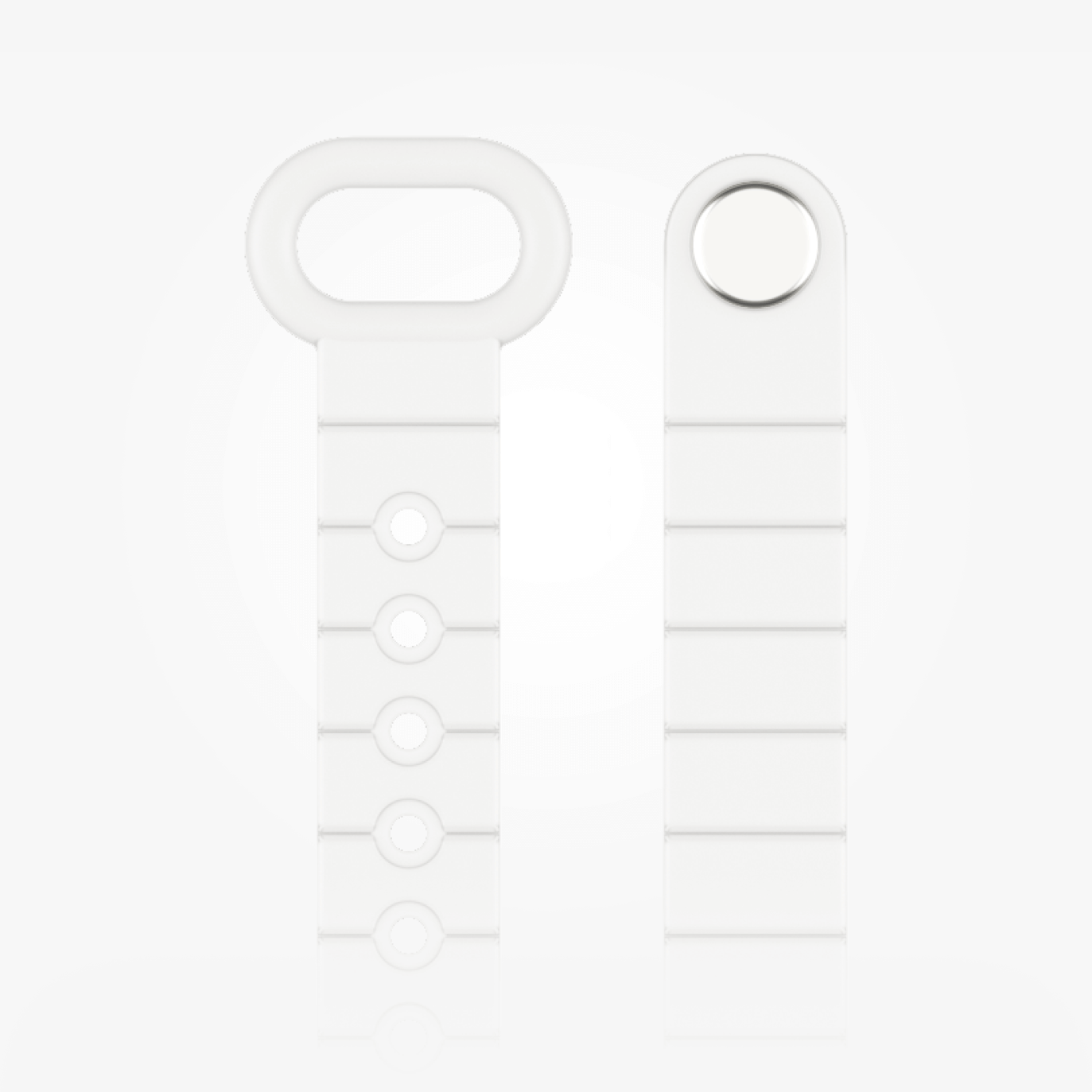
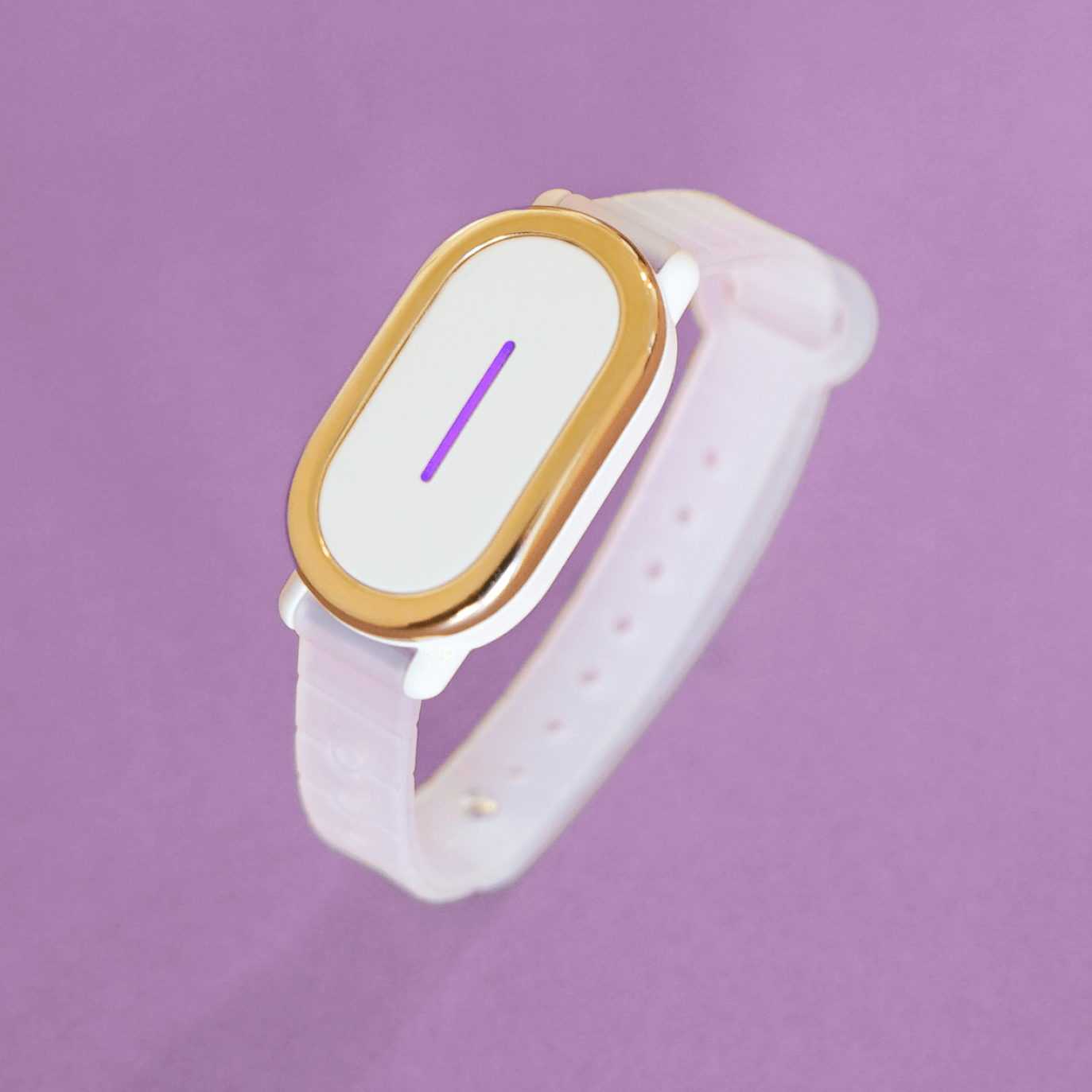
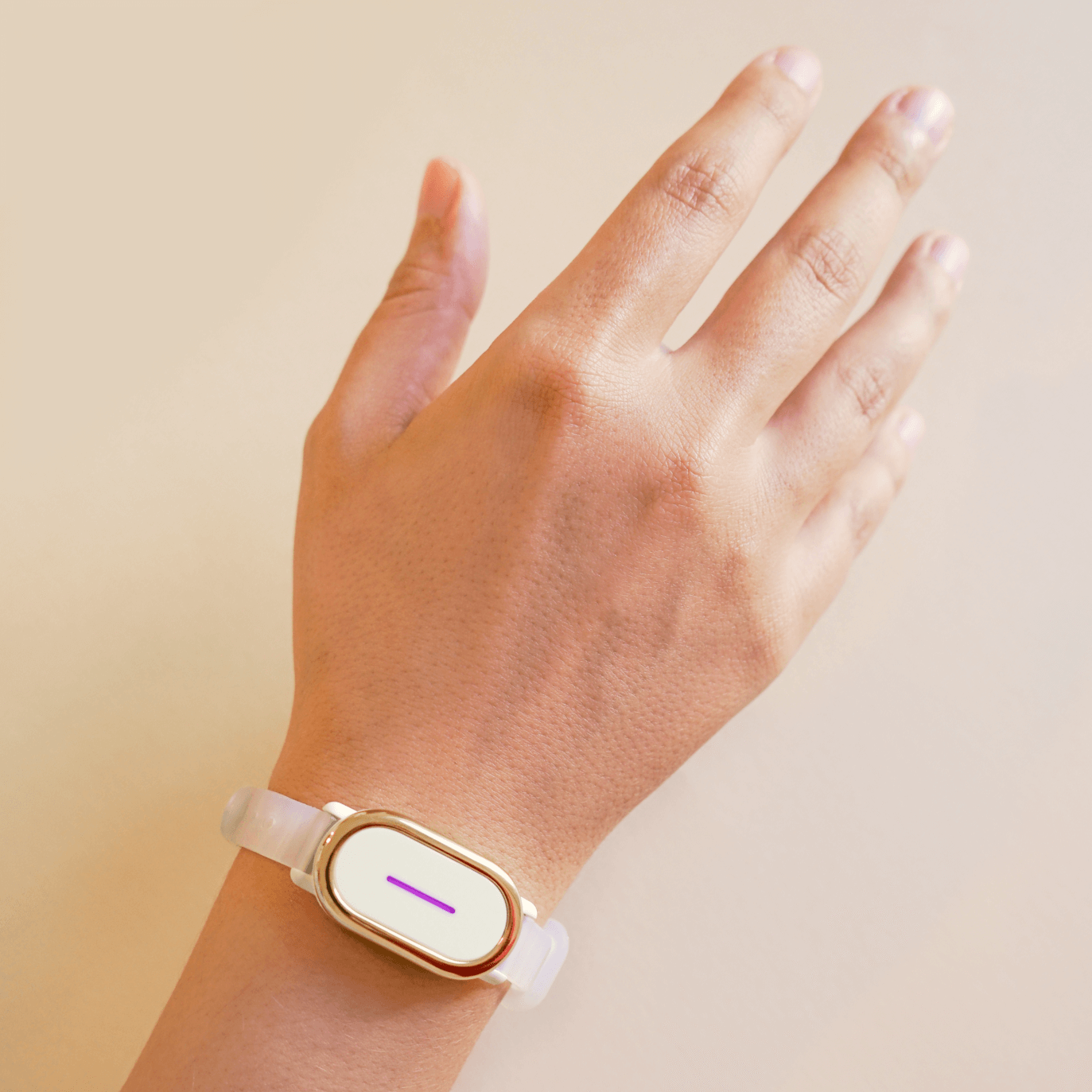
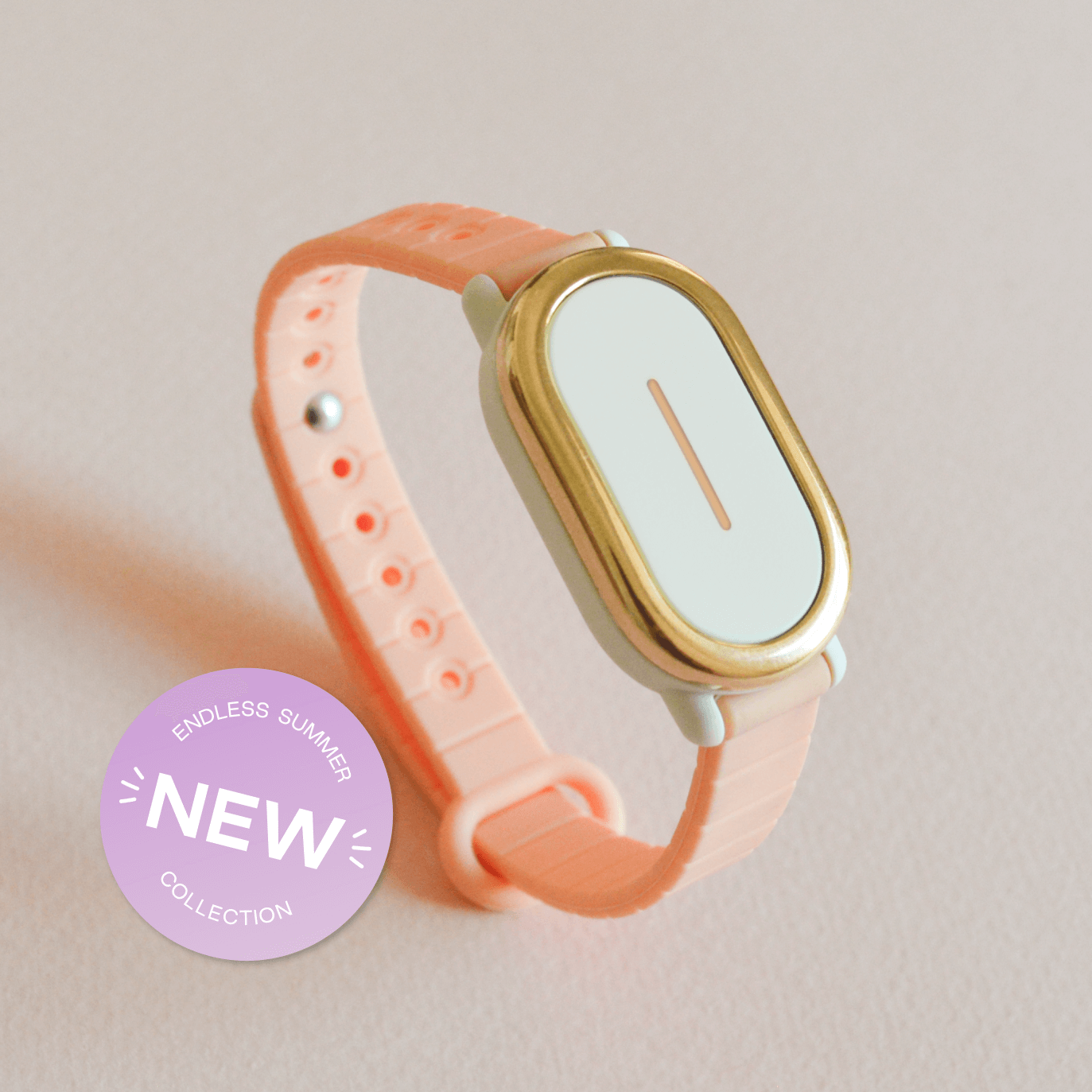
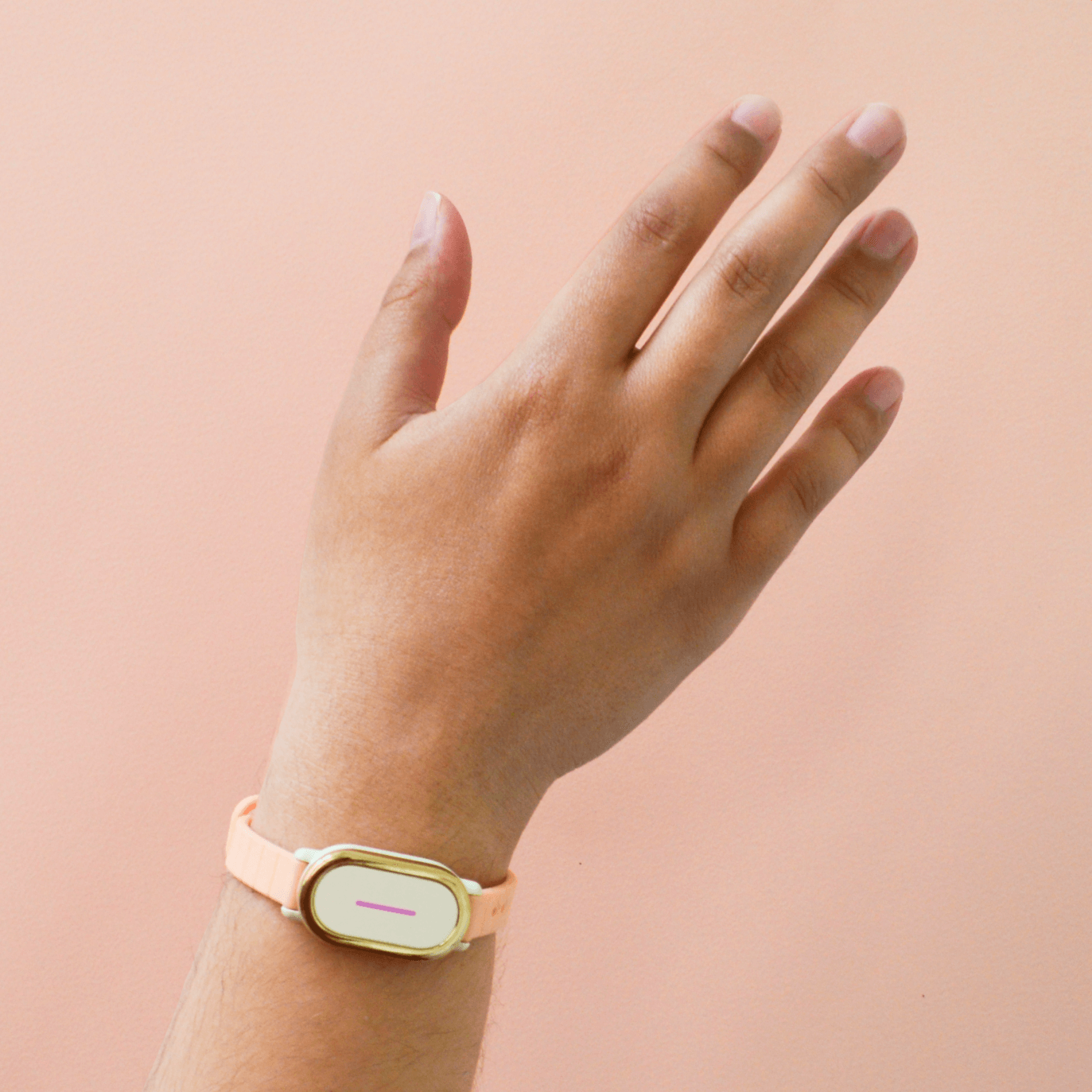
If you’re looking for a new way to connect with a very special someone, check out Bond Touch: a bracelet that lets you communicate through touch across any distance. Say it with a touch, stay in touch.