

You're the one who texts first. You're the one who suggests plans. You're the one who remembers the small things, follows up after hard days, and makes sure the connection stays alive. And somewhere along the way, you started to wonder — is this just how I am, or is something actually off?
If that sounds familiar, you're not imagining things. Unequal effort is one of the most common — and quietly painful — dynamics in modern relationships. And it doesn't just show up in romantic partnerships. It happens in friendships, in family relationships, in long-distance situations where one person is clearly doing the heavy lifting of staying connected.
The tricky part? It's not always easy to name. So let's try.
Is This Actually Unequal, or Just Different Love Languages?
Before jumping to conclusions, it's worth asking an honest question: could this be a love language mismatch rather than a real effort gap?
Someone who expresses love through acts of service might not text much — but they show up every time you need help moving, or they quietly handle the thing you mentioned stressing about last week. That's not low effort. That's a different language.
The distinction matters because labelling someone as "less invested" when they're just expressing differently can create resentment where none is deserved.
But here's the line: love languages explain how someone shows up. They don't explain whether someone shows up. If you're consistently the one initiating, maintaining, and worrying about the relationship — regardless of how love is being expressed — that's worth paying attention to.
Signs the Effort Gap Is Real
There's no universal checklist, but these patterns tend to show up when effort is genuinely imbalanced:
You're always the one who initiates. Not sometimes. Not most of the time. Always. If you stopped reaching out tomorrow, you're not sure when — or if — they'd notice.
Plans only happen when you make them. The relationship exists in the space you carve out for it. Without your effort, it quietly fades.
You feel relieved, not just happy, when they reach out. That relief is a signal. It means you've been waiting, hoping, wondering — and that takes a toll.
You edit yourself to avoid "being too much." You hold back a text, swallow a need, talk yourself out of bringing something up — because you've learned that your investment isn't fully matched, and you're compensating for it.
The relationship feels like a performance review you keep failing. You're doing more and somehow still feeling like you're not enough.
Why This Happens
Unequal effort rarely comes from nowhere. Some of the most common reasons:
Different attachment styles. Someone with an anxious attachment style will naturally invest more energy into maintaining connection — it's how they manage uncertainty. Someone with an avoidant style may genuinely care but express that care through distance and independence. Neither is wrong, but together, they can create a persistent effort gap that neither person fully understands.
Comfort vs. complacency. Early in a relationship, most people put in visible effort. Over time, that effort can quietly become assumed rather than active. The person who has "settled in" may not even realise they've stopped showing up in the ways that matter.
Life circumstances. A demanding job, mental health struggles, family pressure, or major transitions can genuinely shrink someone's capacity to invest. This doesn't mean they care less — it means they're stretched thin. Context matters, but it also shouldn't be a permanent excuse.
The dynamic has been trained. If you've always been the one to initiate and follow through, you may have inadvertently made it easy for the other person not to. Patterns get comfortable. Comfort becomes expectation.
What to Do About It
Recognising the imbalance is one thing. Deciding what to do with it is another.
Name it — to yourself first. Before any conversation, get clear on what you're actually feeling and what you need. "I feel like I'm always the one reaching out, and I'd like that to change" is a lot more useful than "you never make an effort."
Have the conversation without making it an accusation. The goal isn't to win an argument — it's to share an experience. Something like: "I've noticed I tend to be the one initiating most of our contact, and I've been feeling a bit disconnected because of it. Is that something you've noticed too?" opens a door. "You never text me first" closes one.
Be specific about what effort looks like to you. "I just want you to try more" is too vague to act on. "It would mean a lot if you checked in after my work presentation" gives the other person something concrete to work with.
Give it time — but not unlimited time. A conversation can shift a dynamic, but only if the other person is genuinely willing to change. If nothing shifts after you've been honest about your needs, that's information too.
Ask yourself what you'd do if nothing changed. Not as an ultimatum, but as an honest self-check. If the answer is "stay and keep hoping," it might be worth understanding why.
You Deserve Someone Who Shows Up
There's something quietly exhausting about being the one who cares more — not because loving generously is wrong, but because it's lonely when it isn't reciprocated.
Healthy relationships don't require perfect symmetry. Some weeks one person gives more, some weeks the other does. That's normal. What isn't sustainable is a consistent, one-directional flow where one person is always the one reaching across the distance — literally or emotionally.
You deserve a connection where showing up feels mutual. Where the effort of staying close is something you both want to make.
That's not too much to ask. It's the baseline.
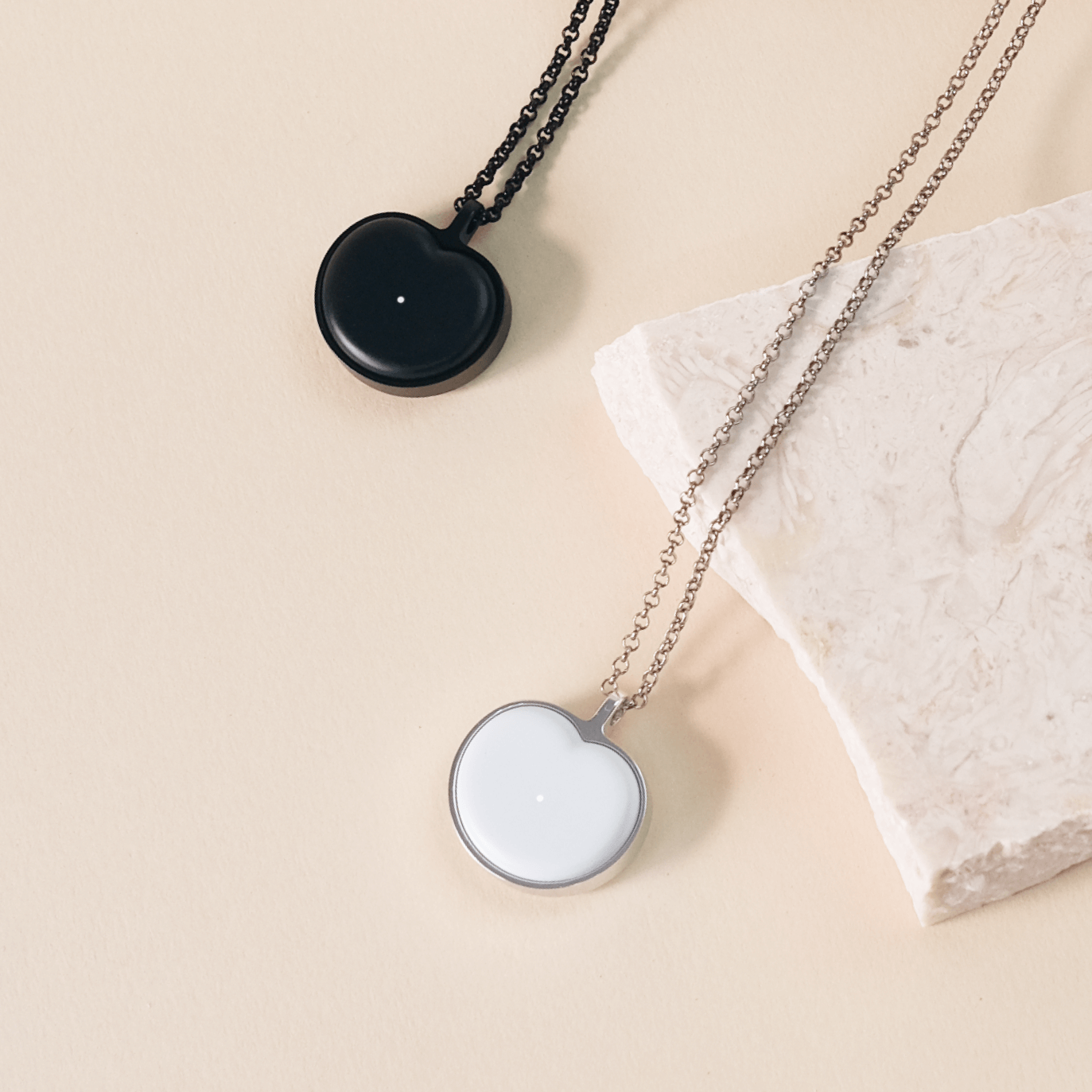
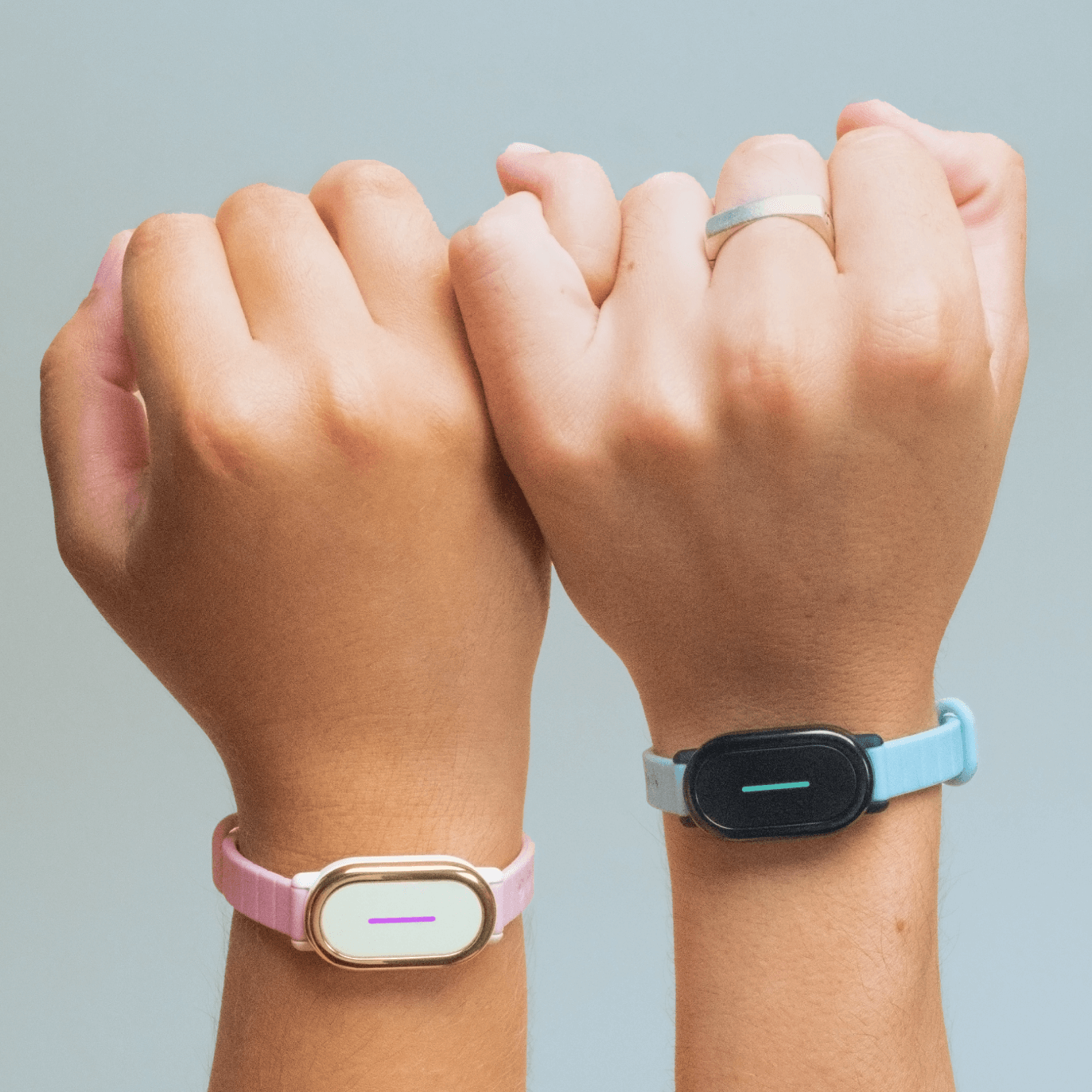
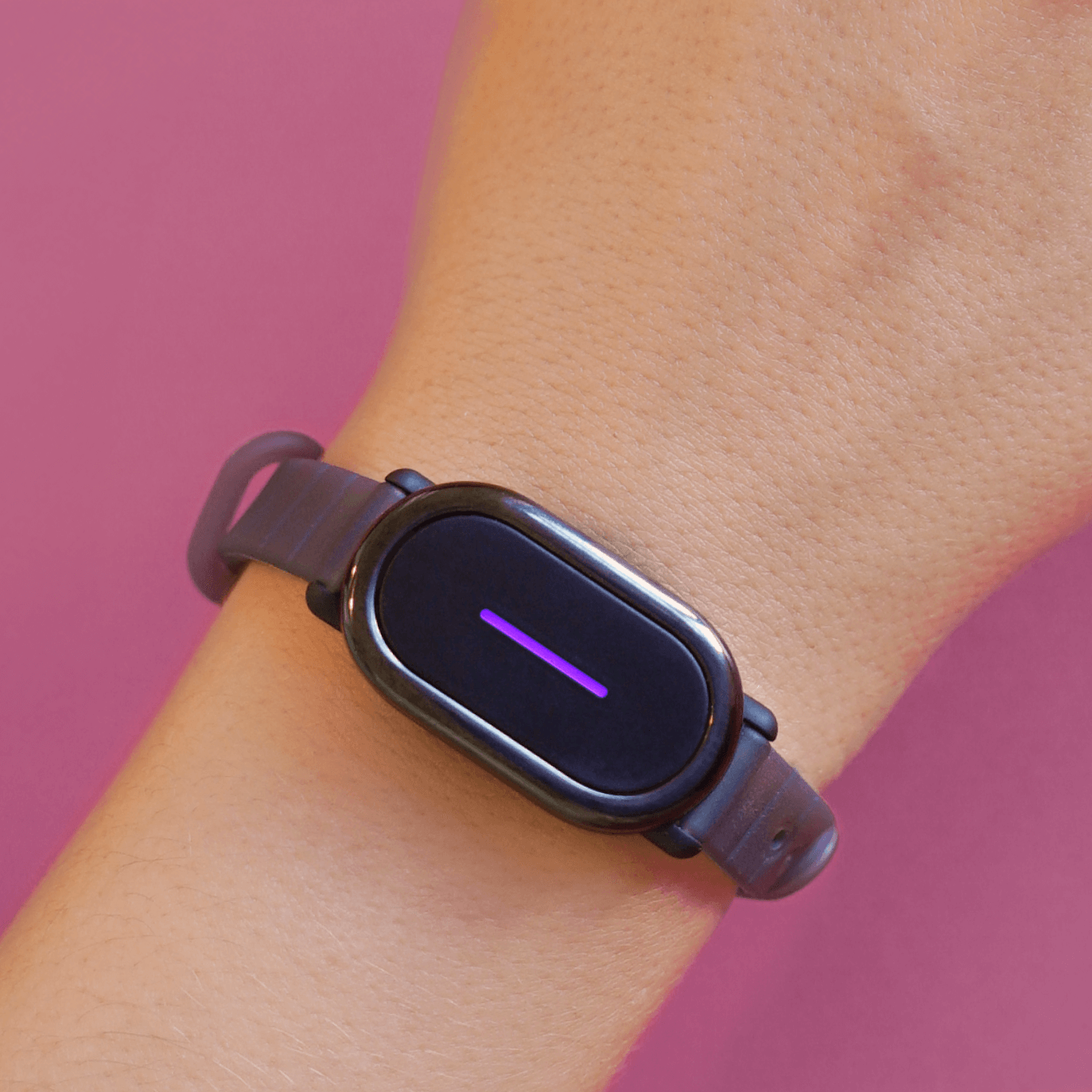
At Bond Touch, we believe connection is something you build together — not something one person maintains alone. Whether you're navigating a long-distance relationship or just trying to feel closer to the people you love, we're here for all of it.
-----------------------------
👇 About The Other Half 👇
Thanks for reading this! FYI, The Other Half is brought to you by Bond Touch: the brand that has been helping build healthier and happier relationships through emotional wearables since 2017. Connecting over 1 million people globally so far and counting!
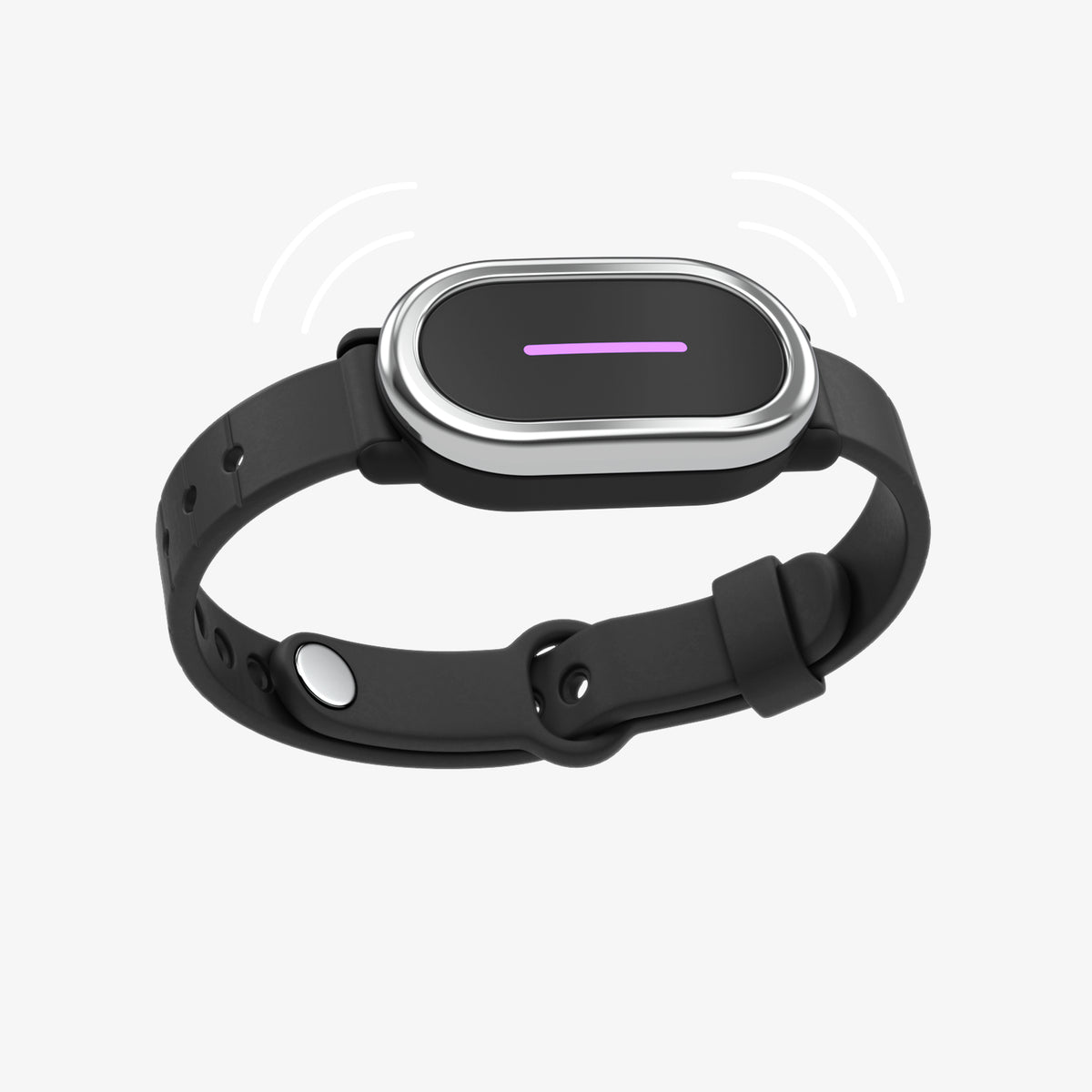
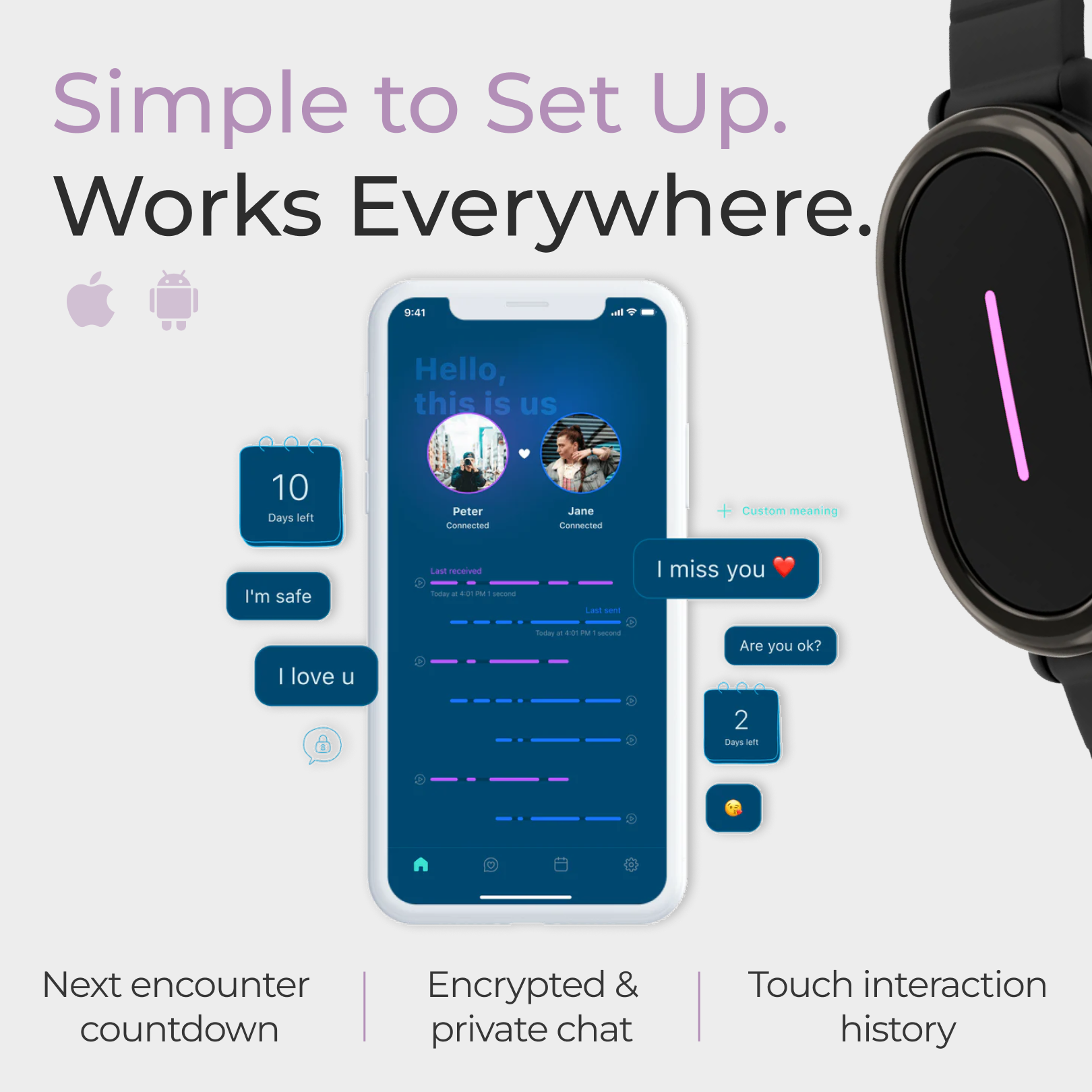
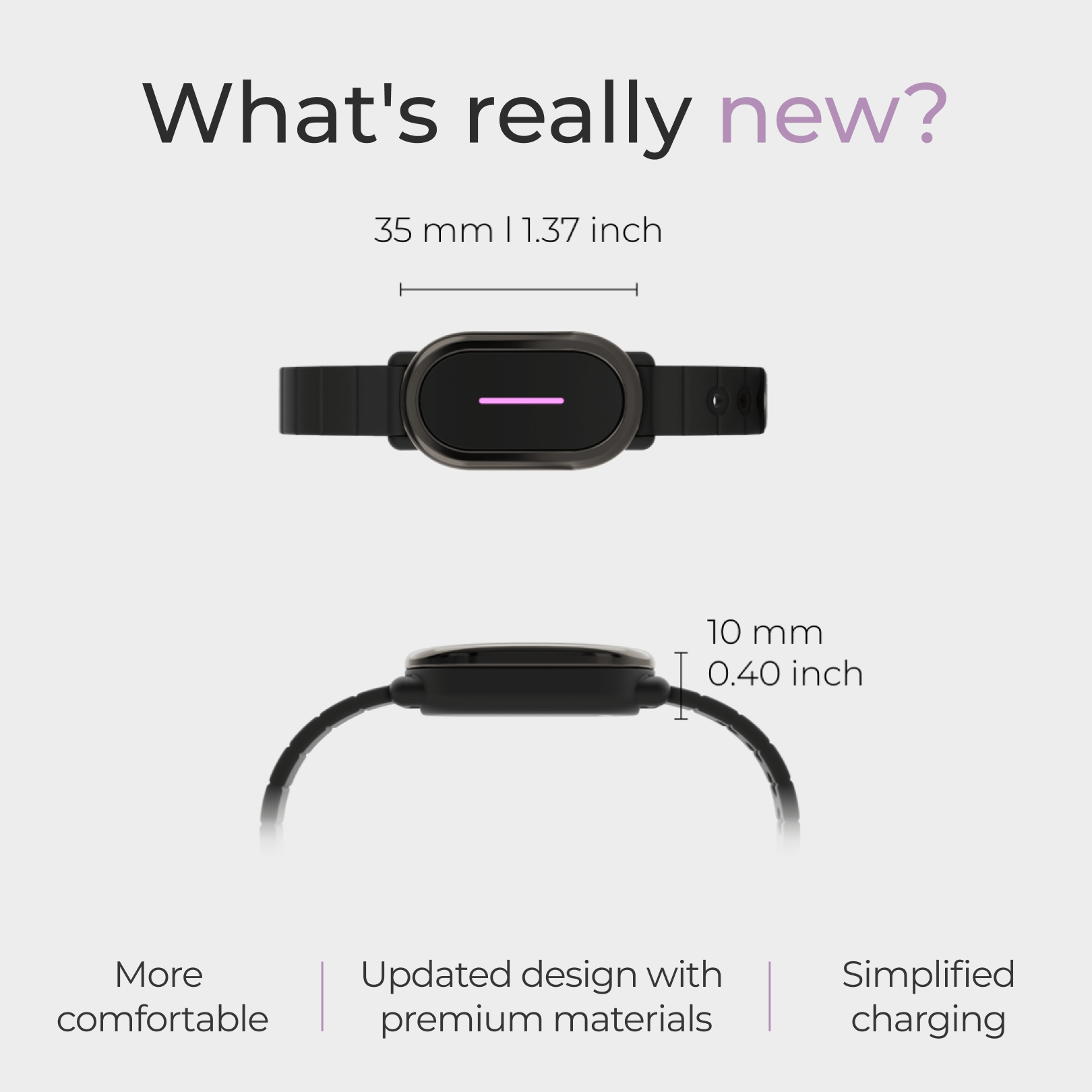
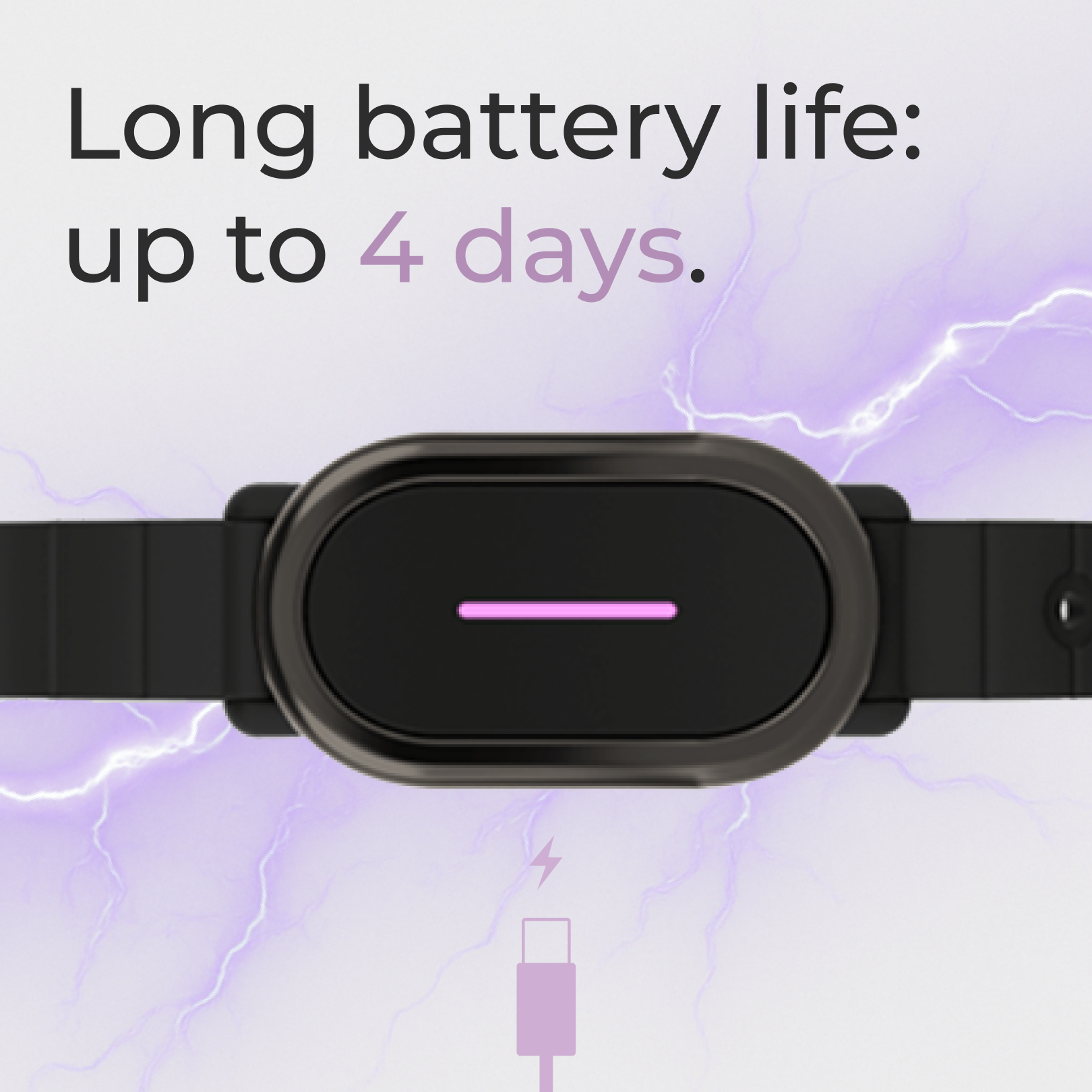
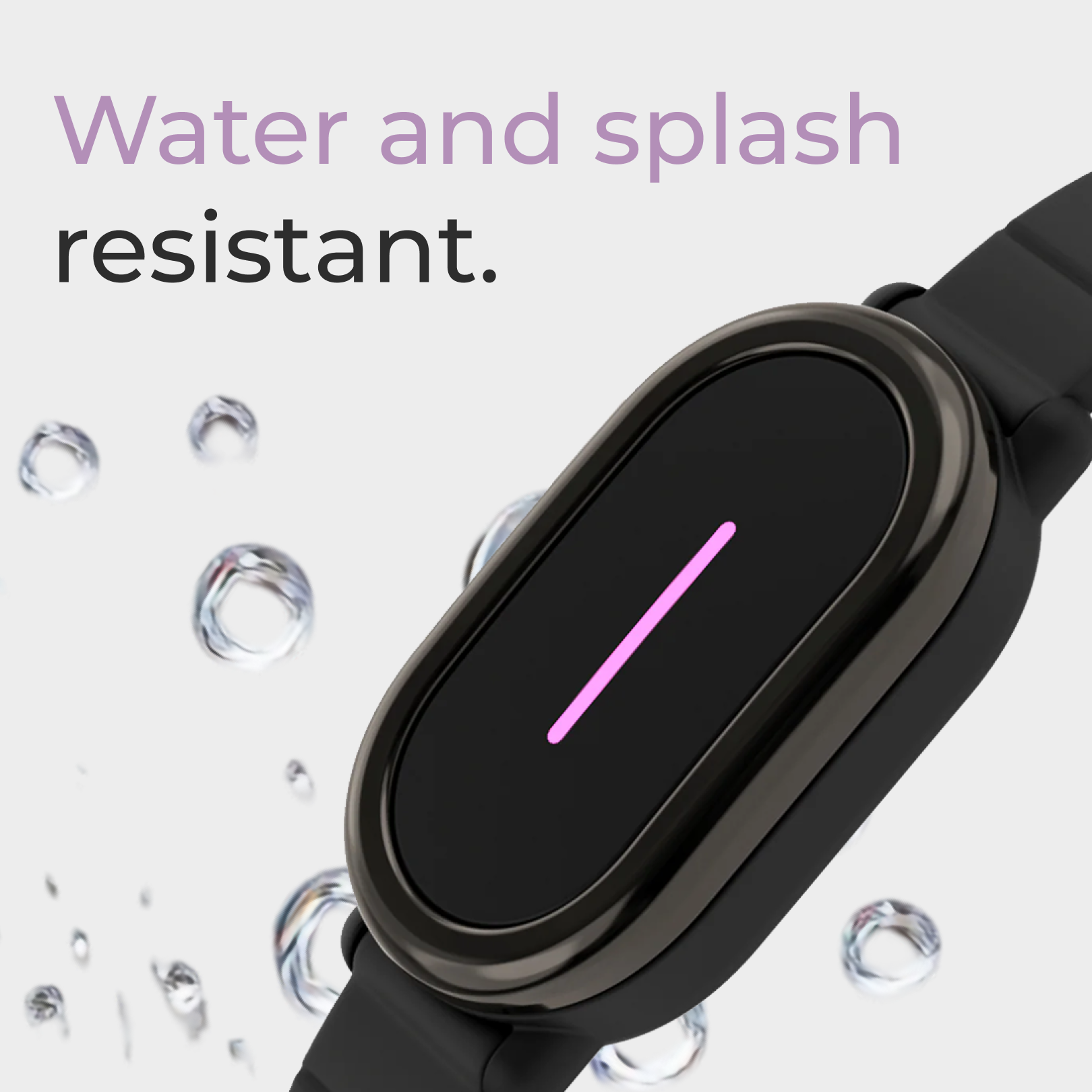
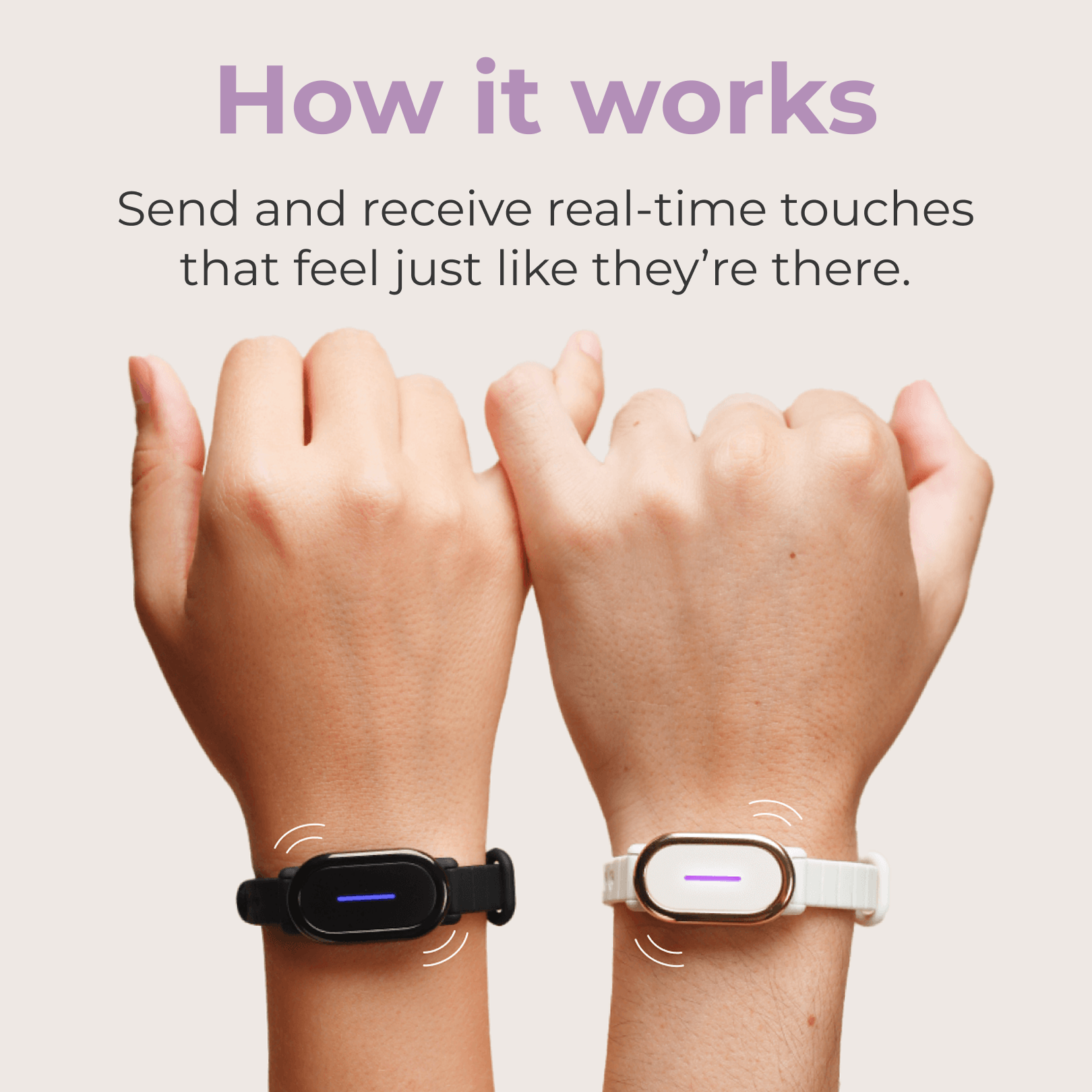
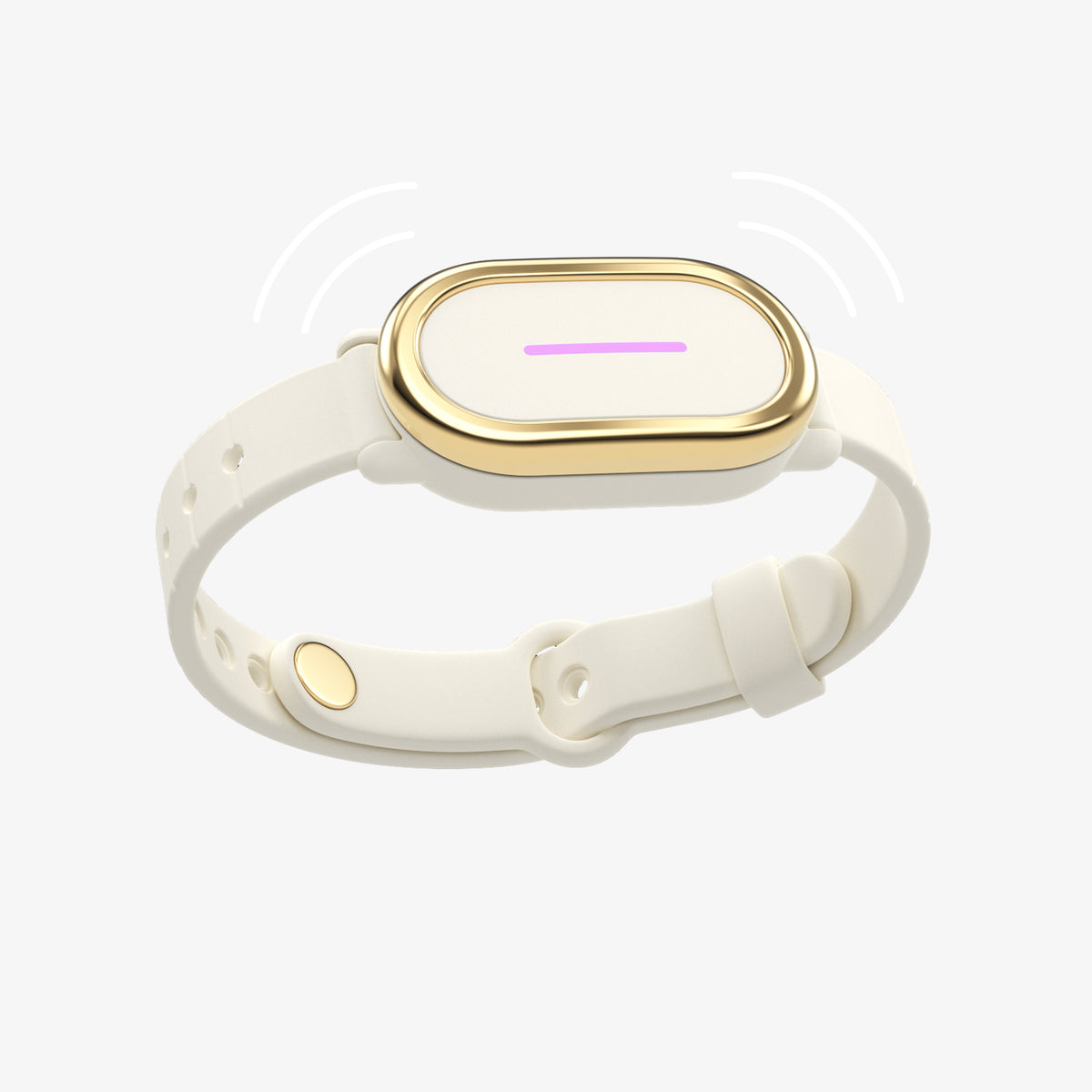
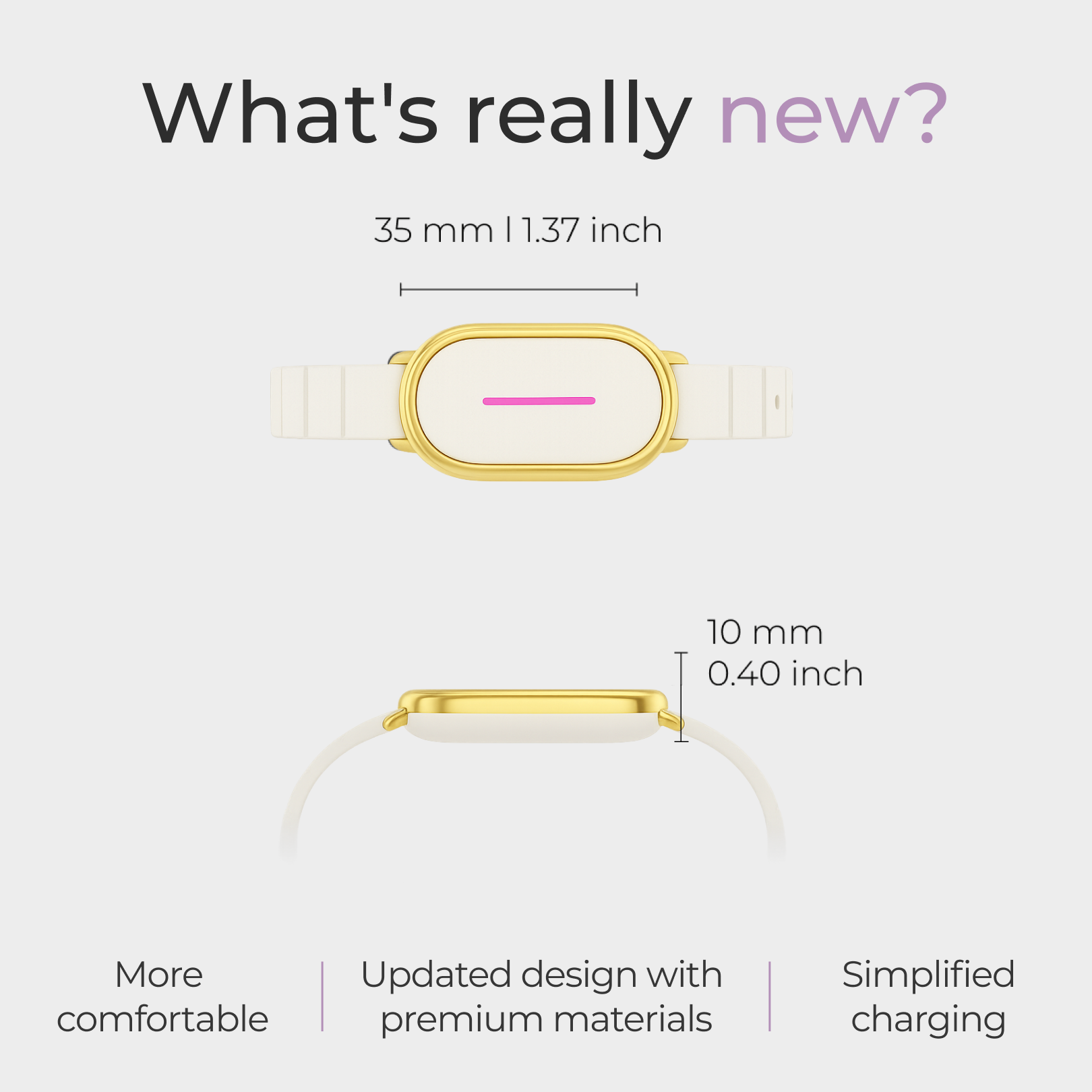
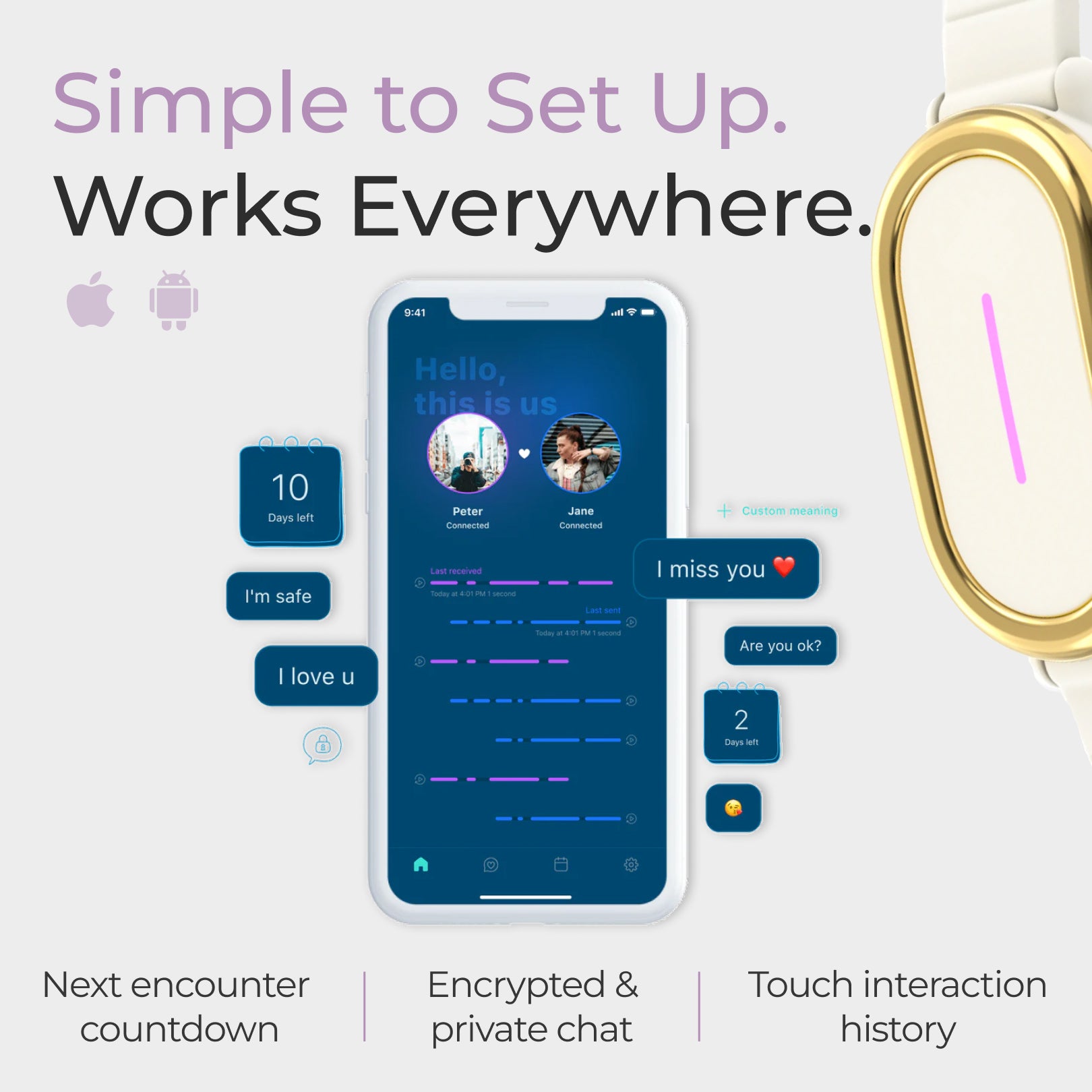
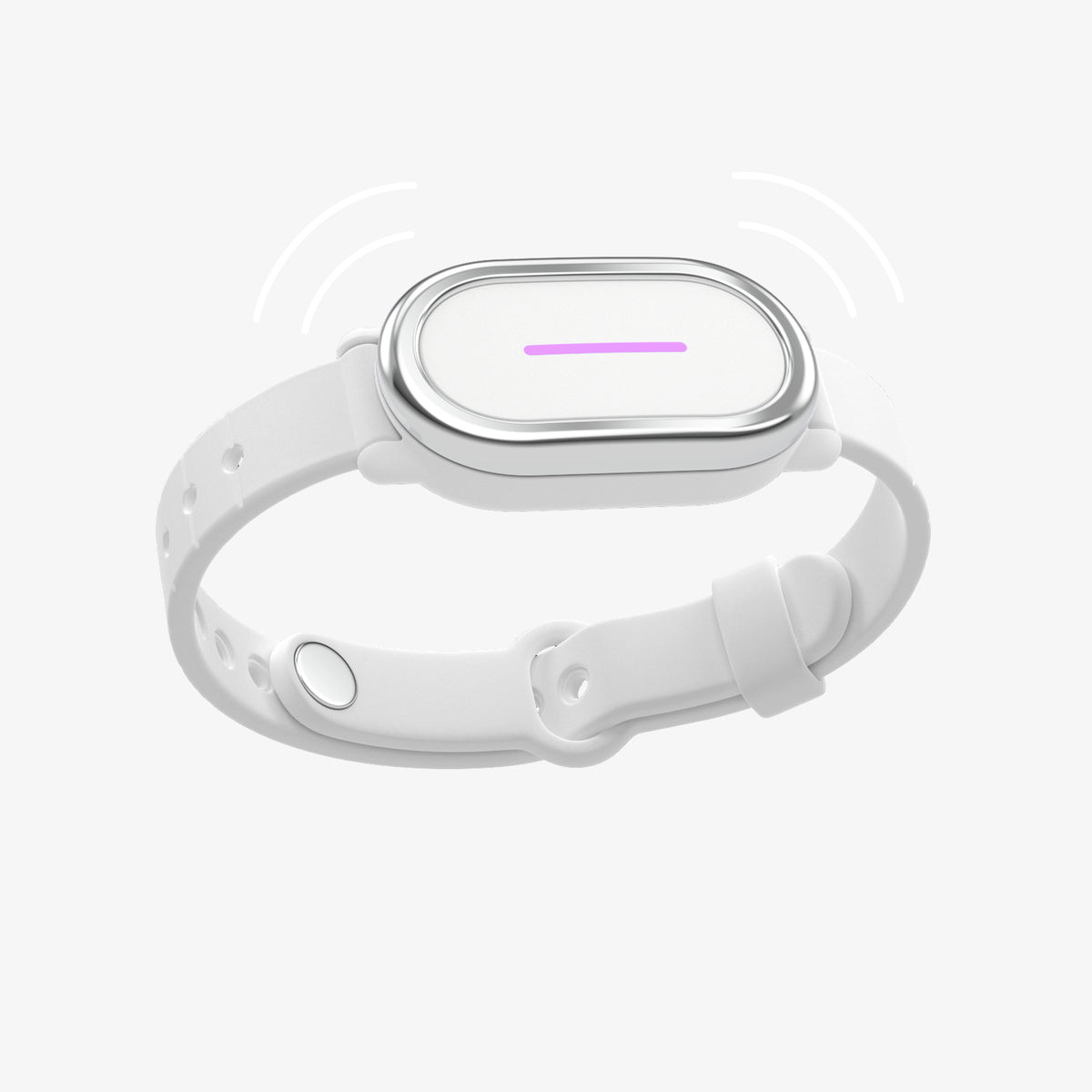
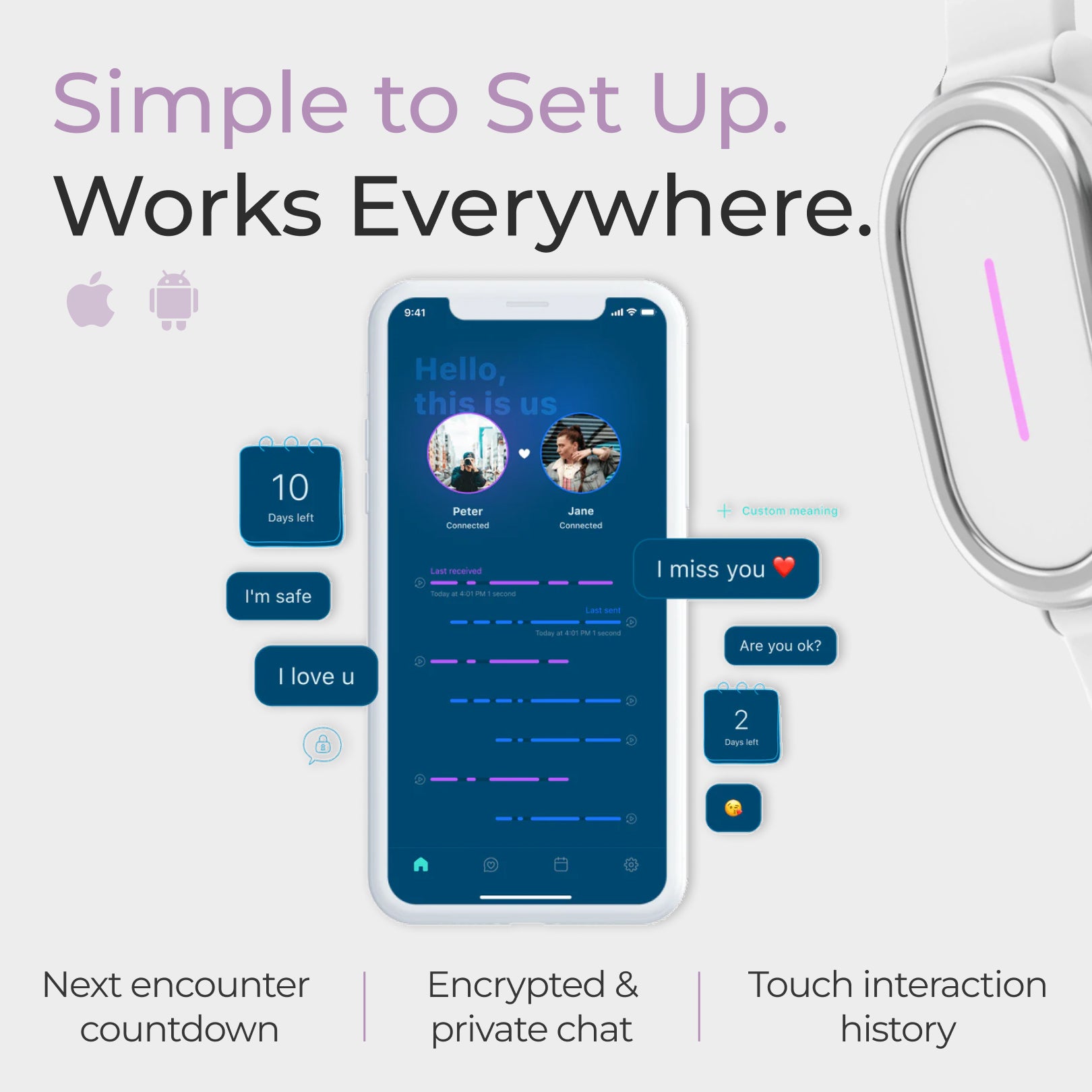
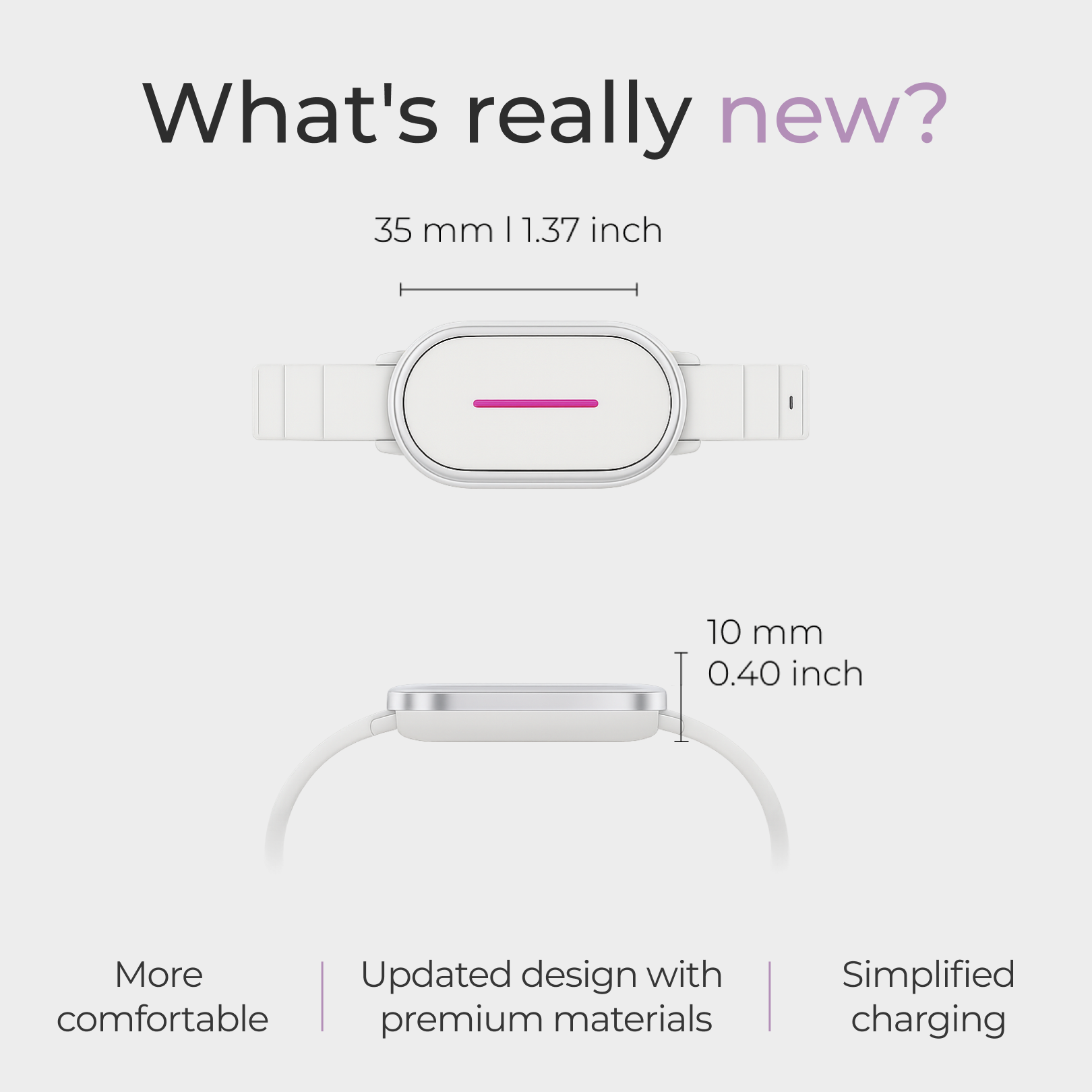
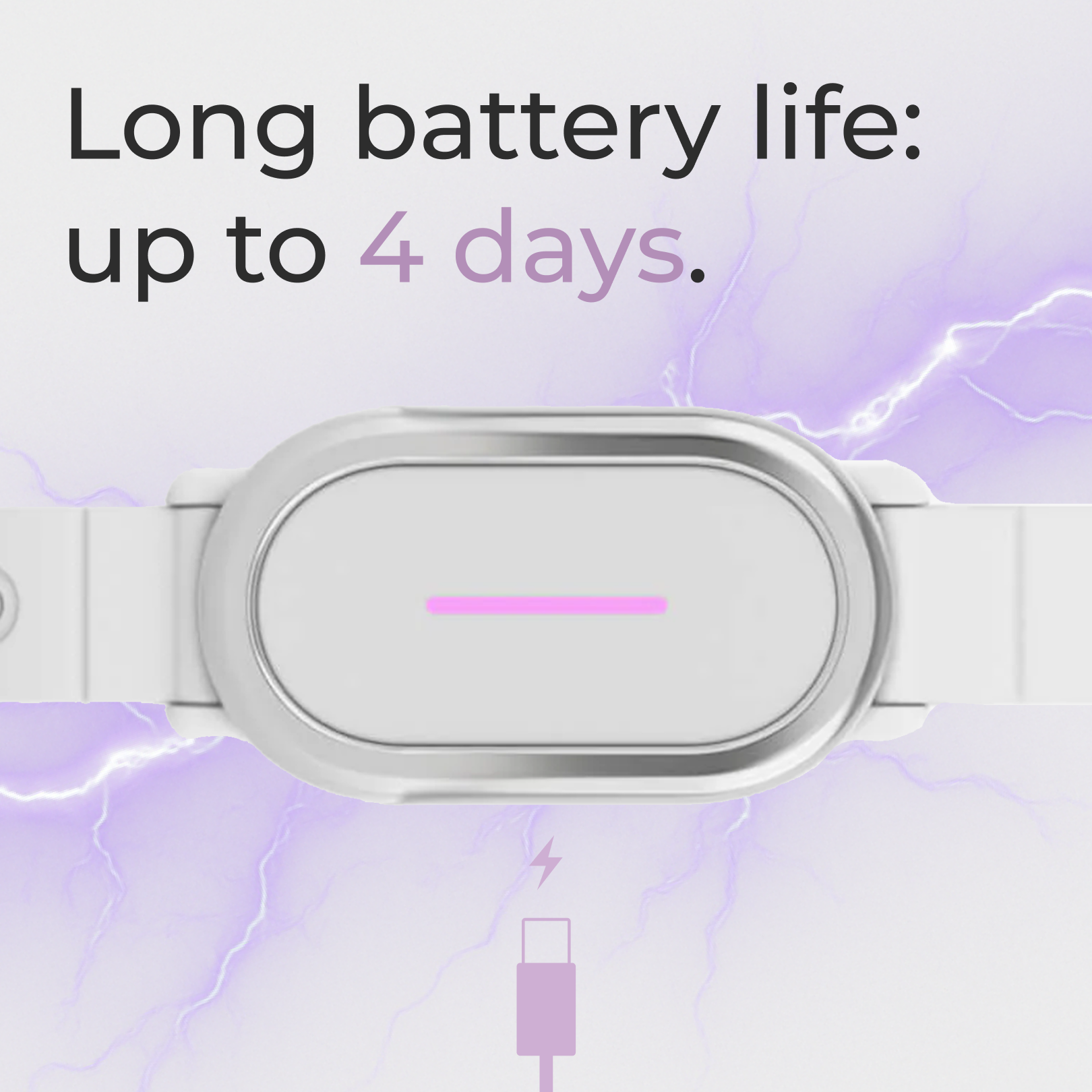
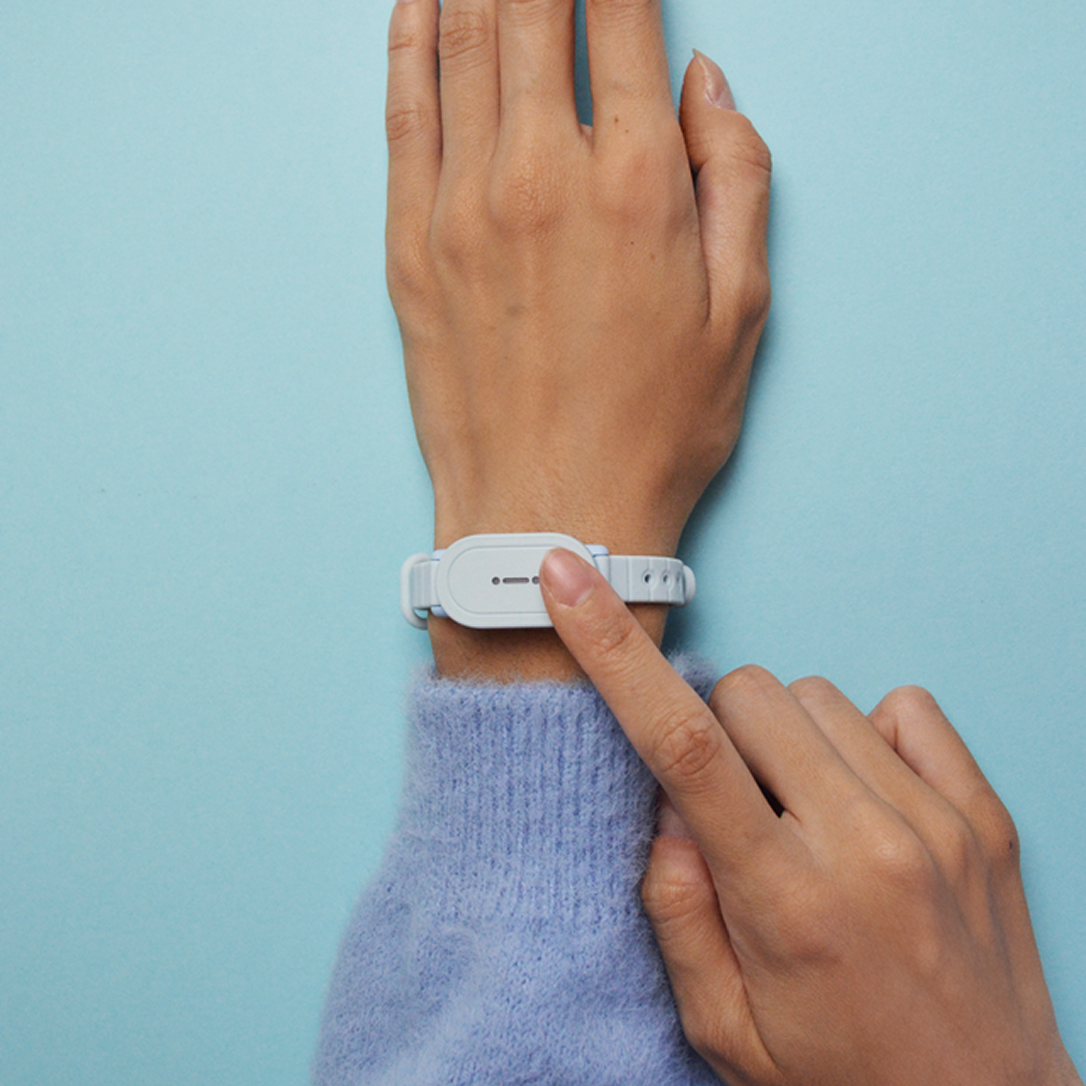
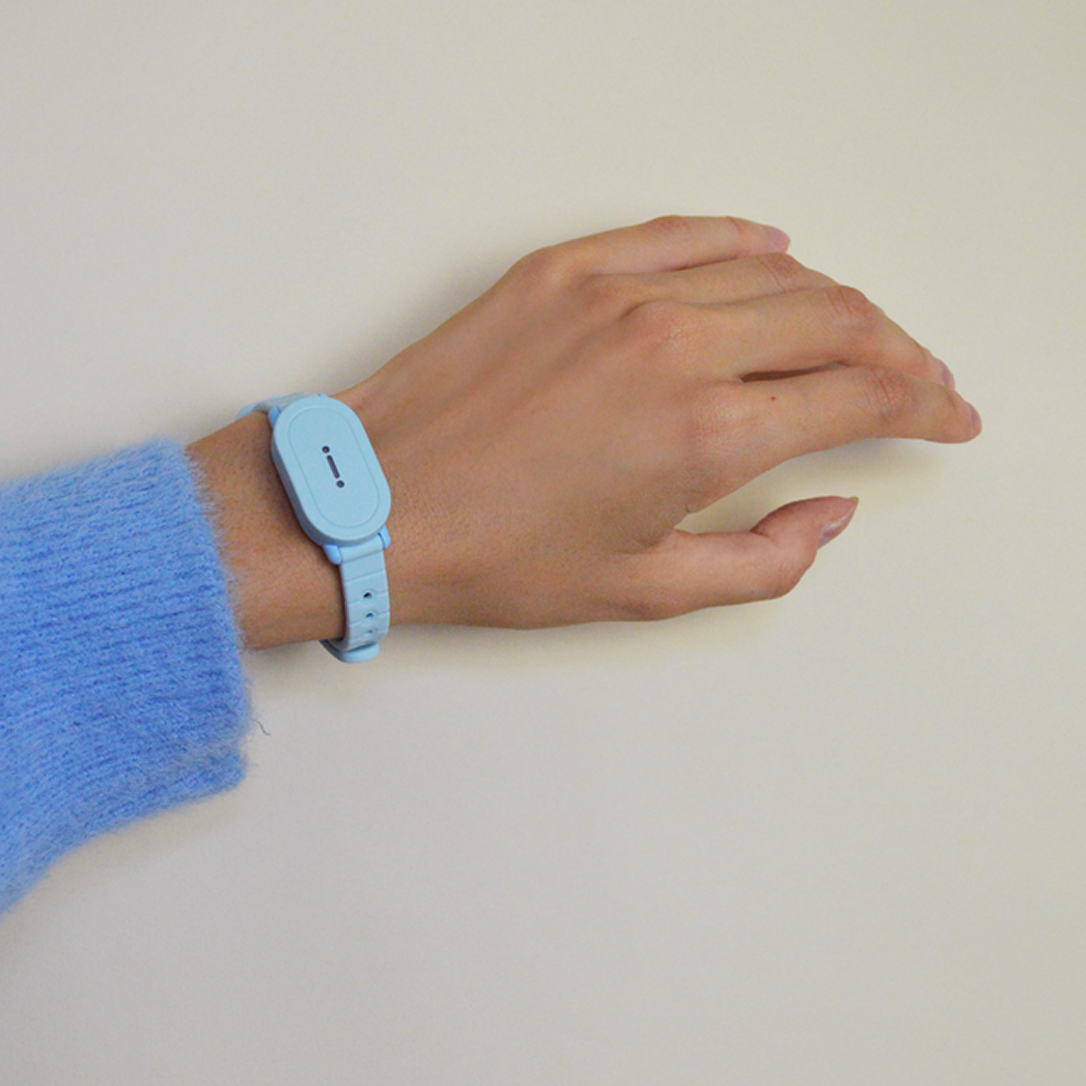
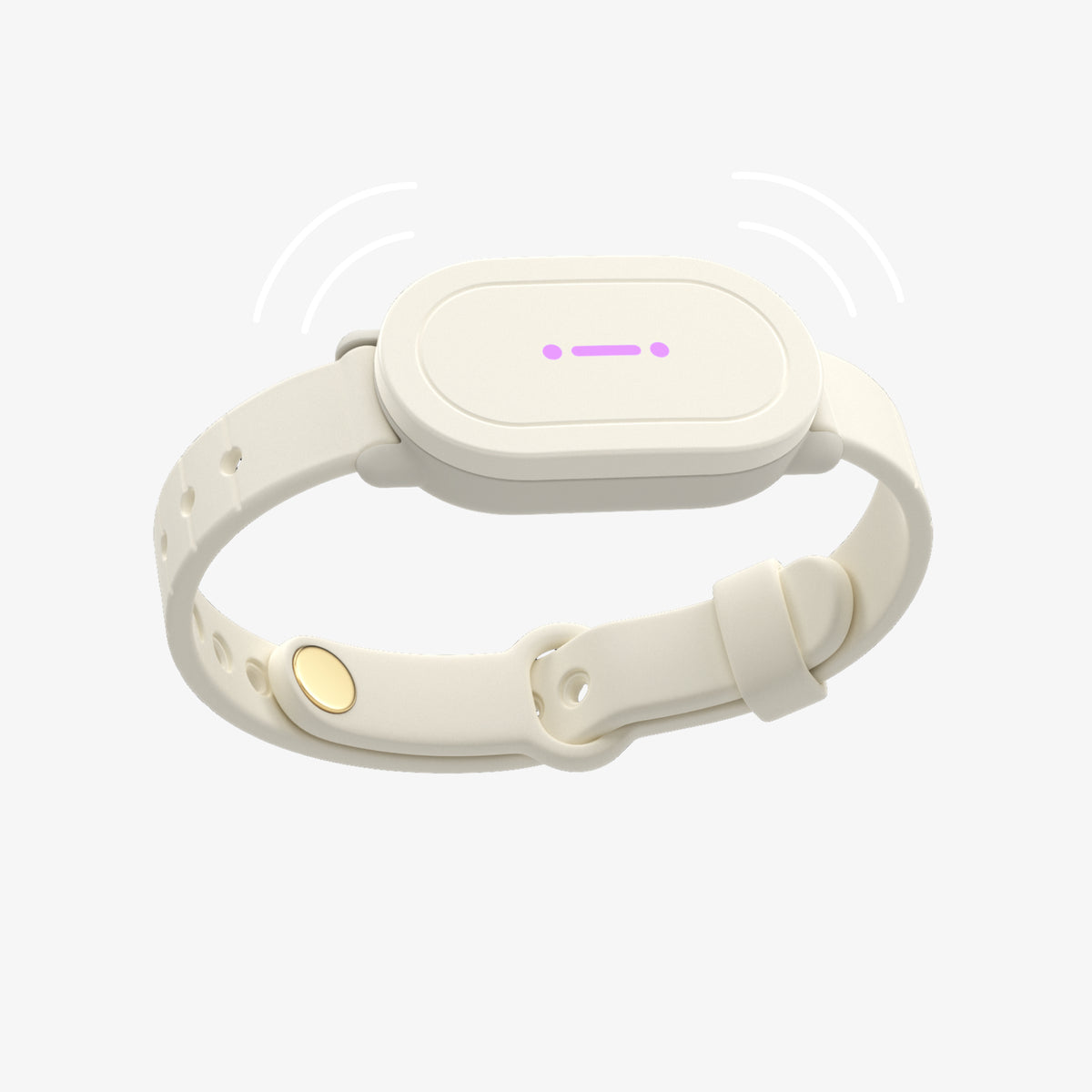
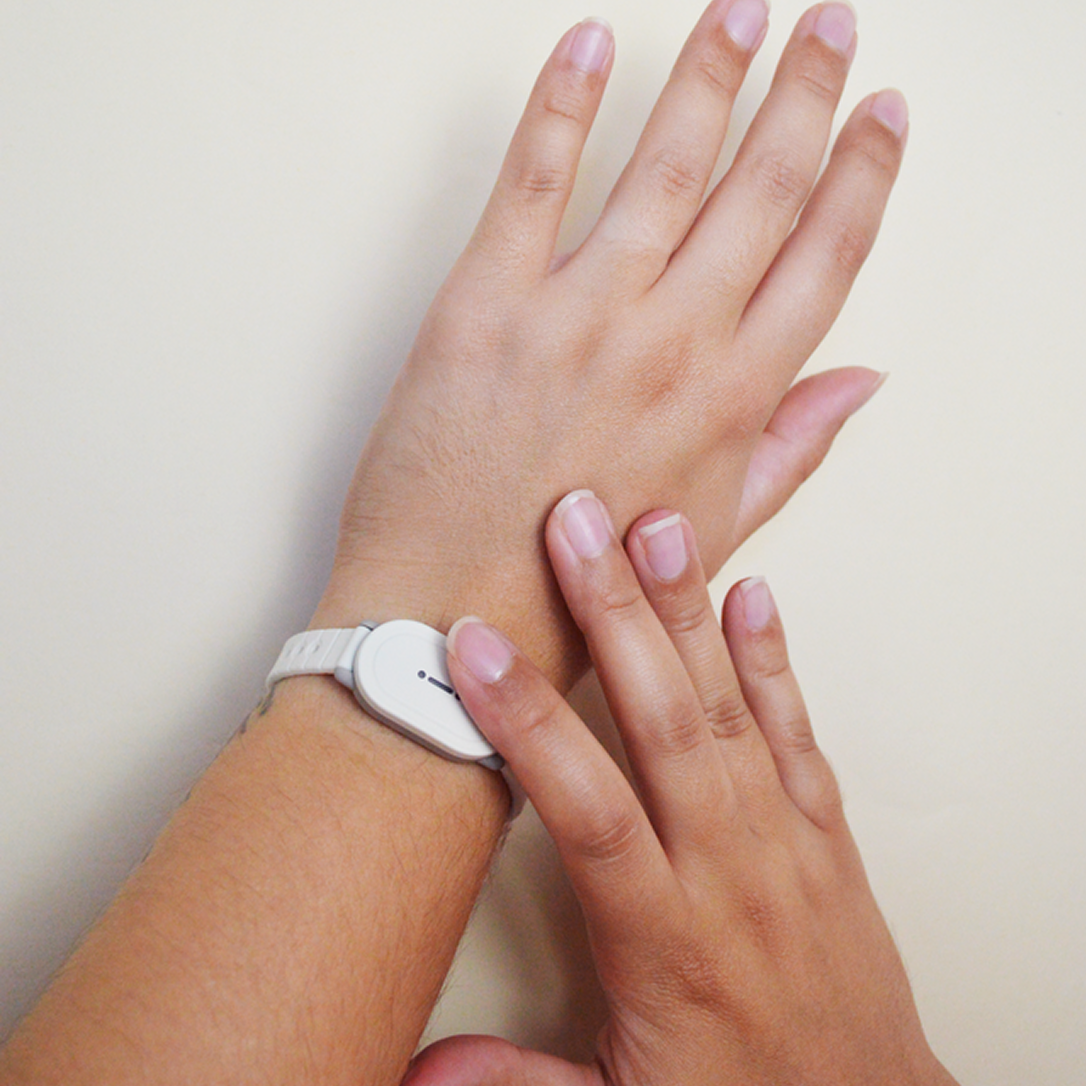
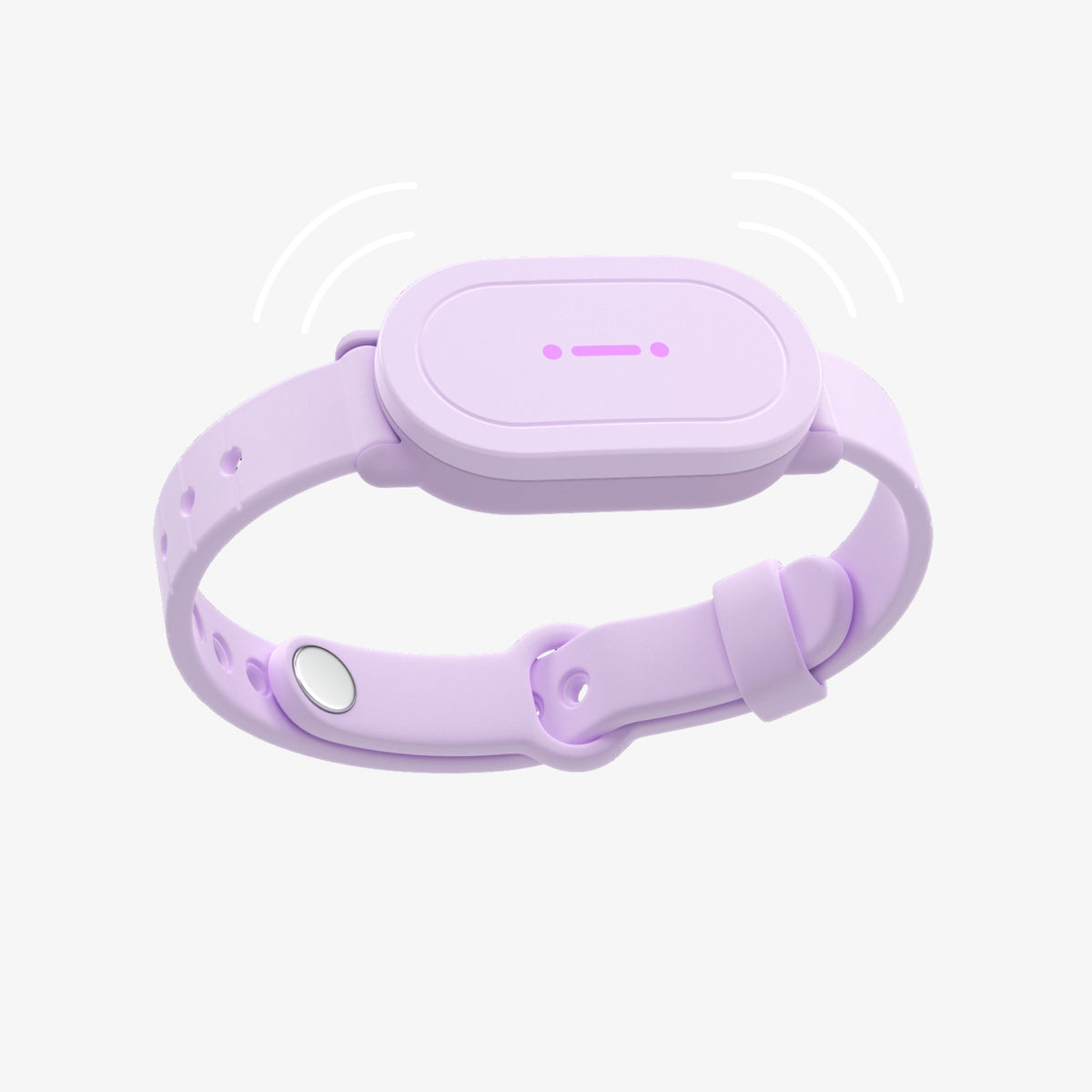
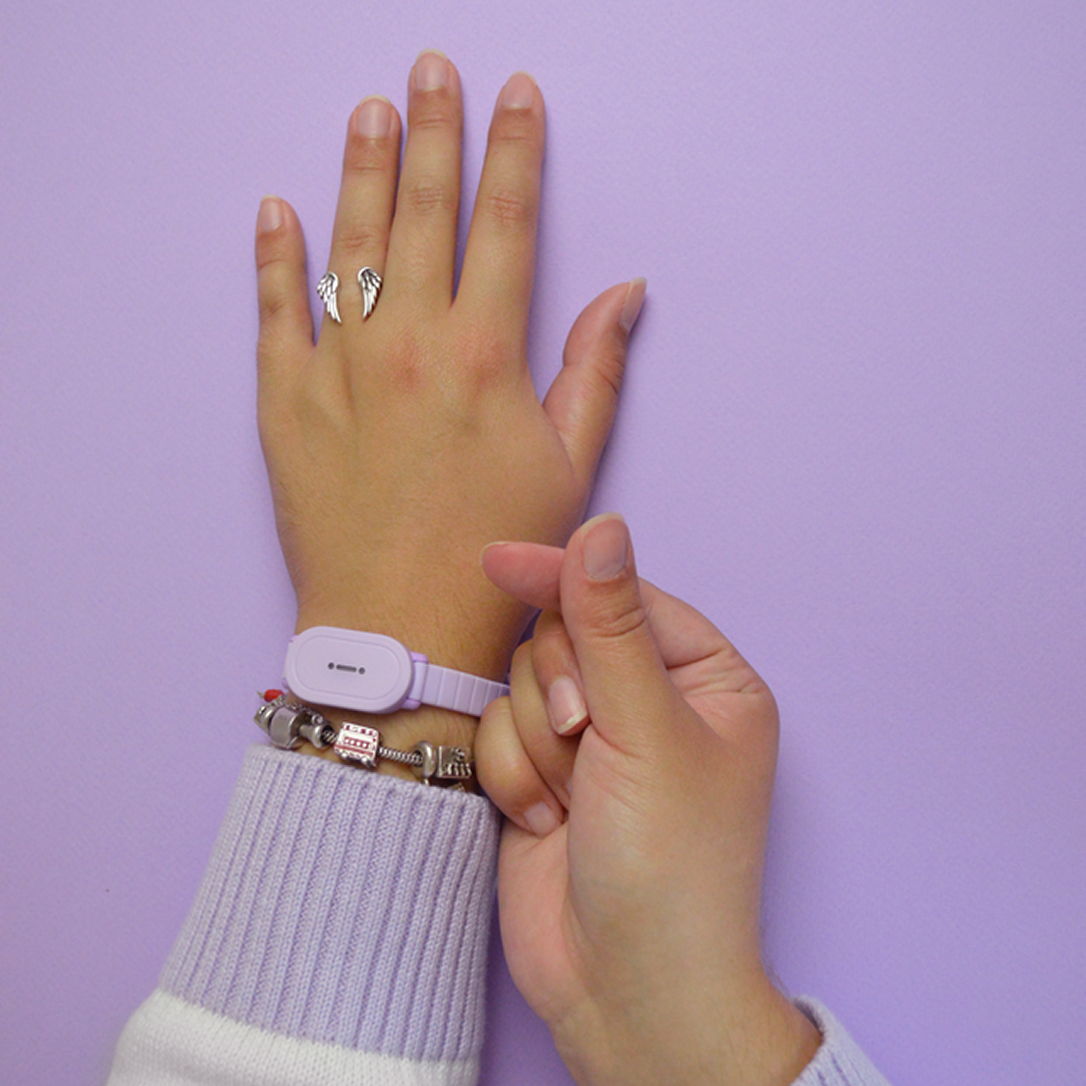
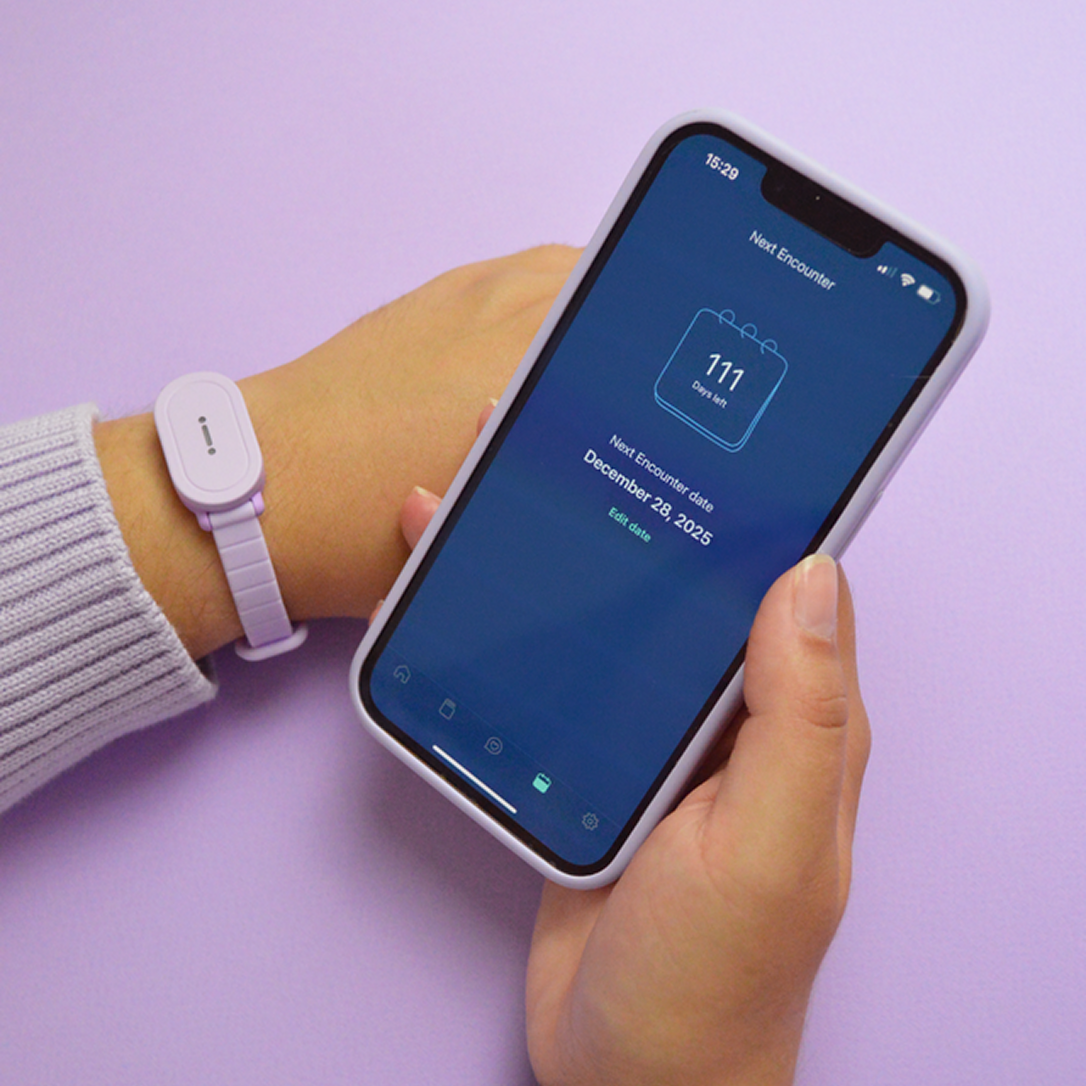
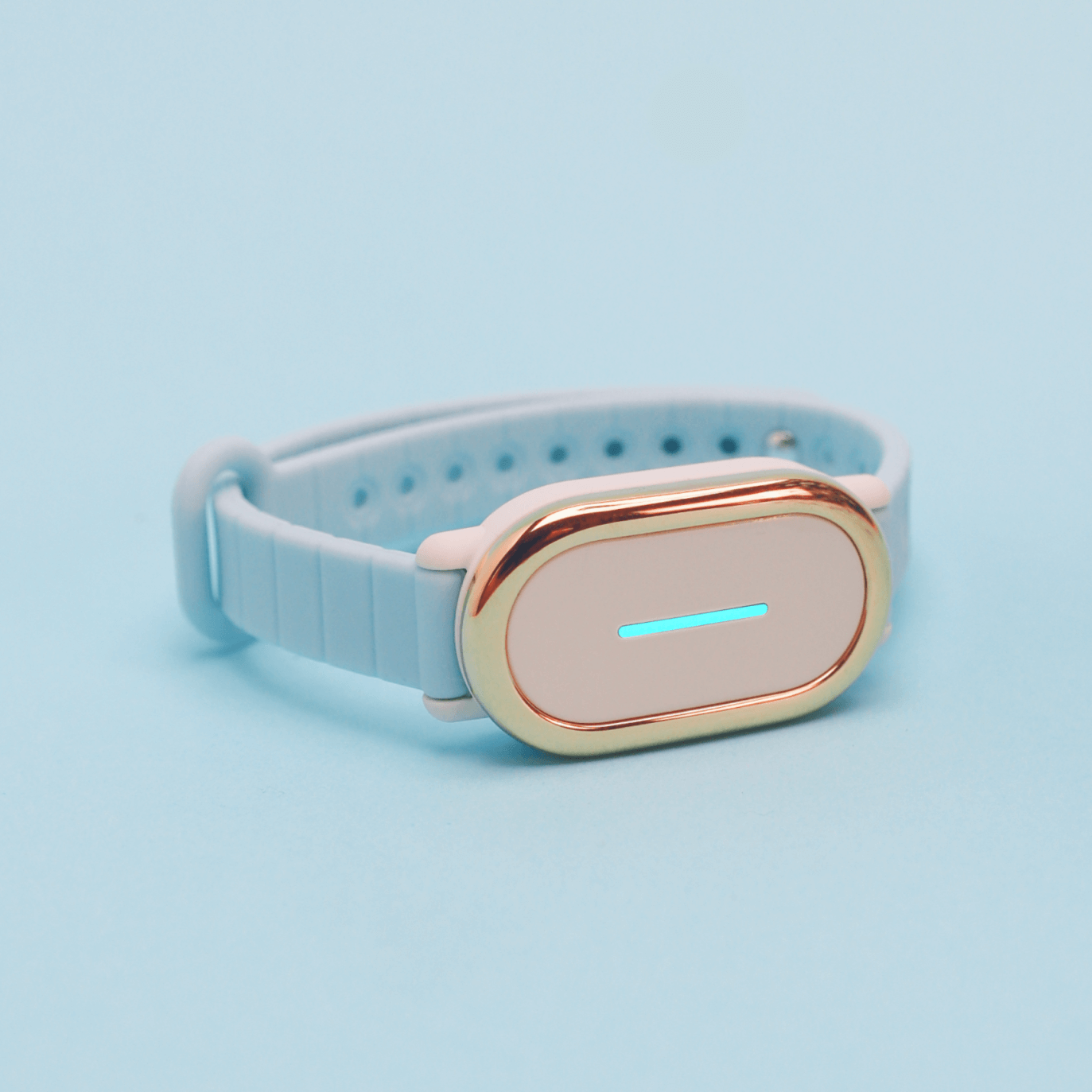
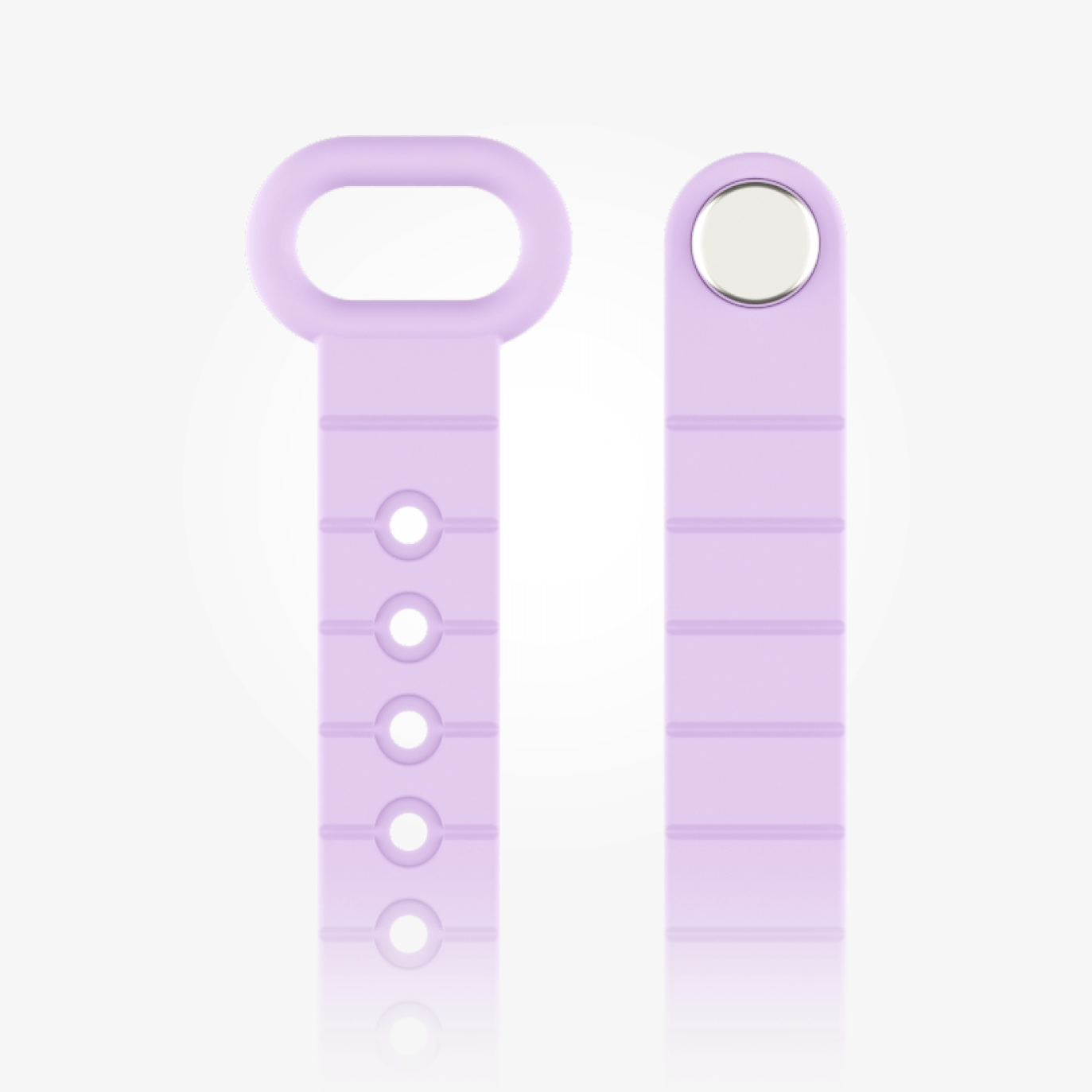
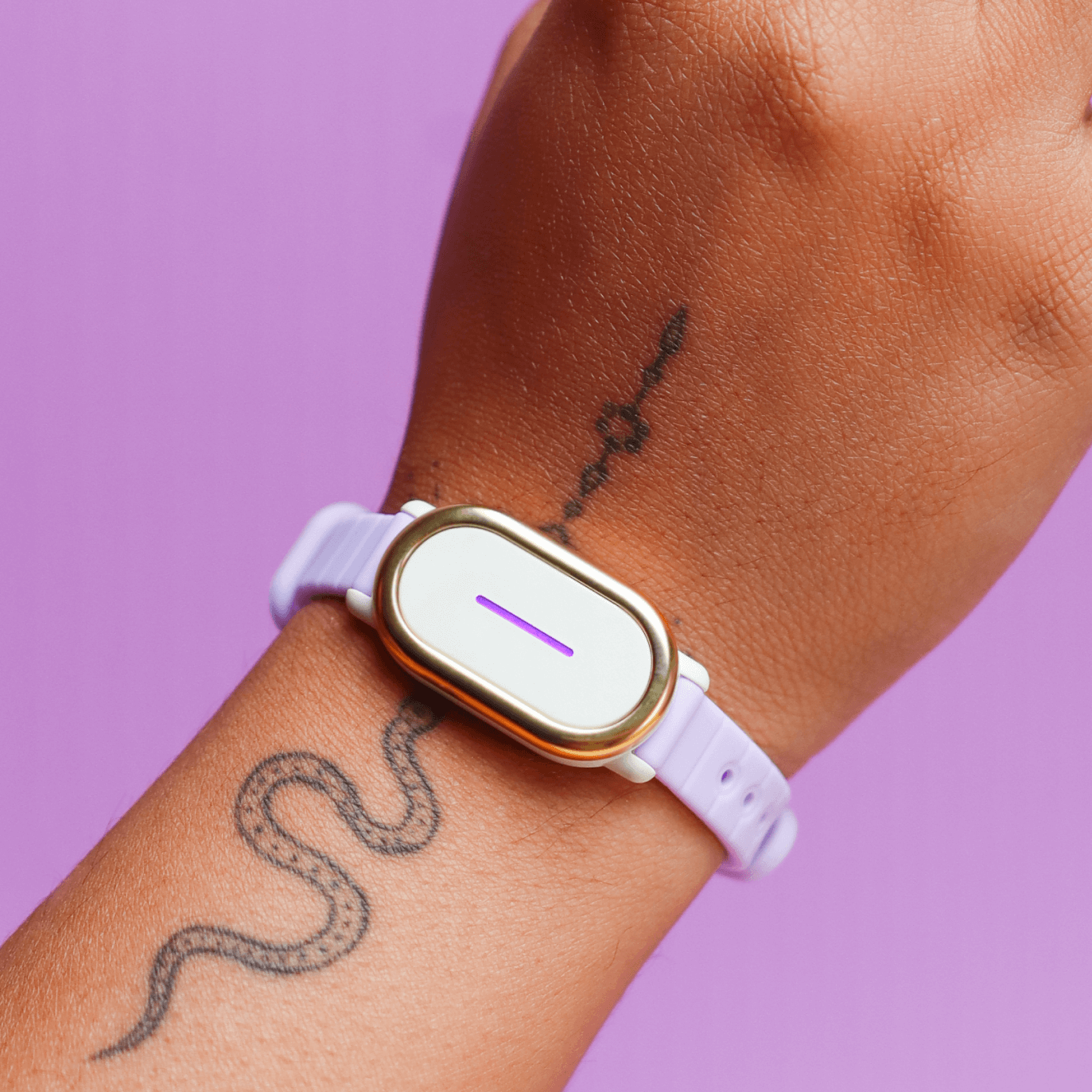
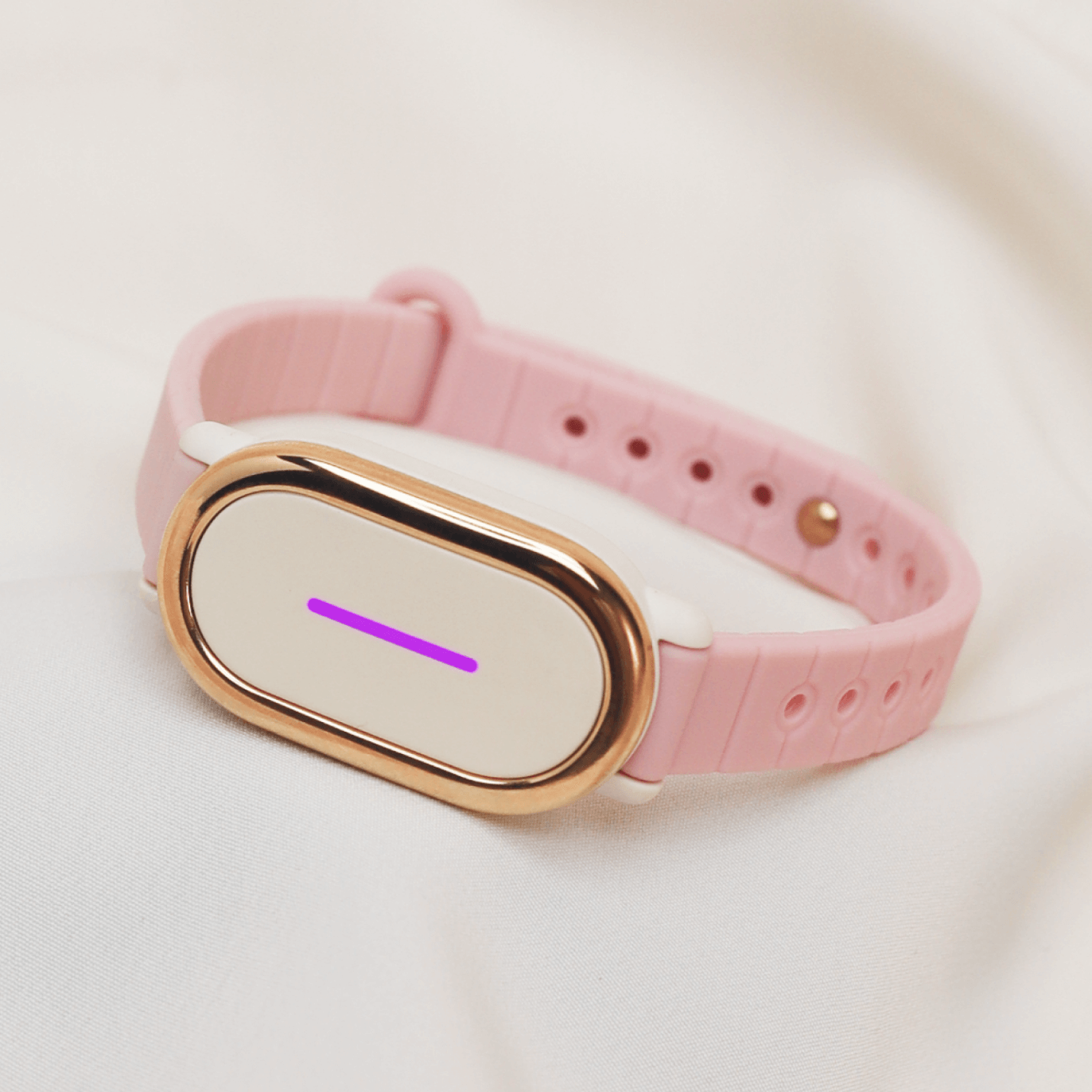
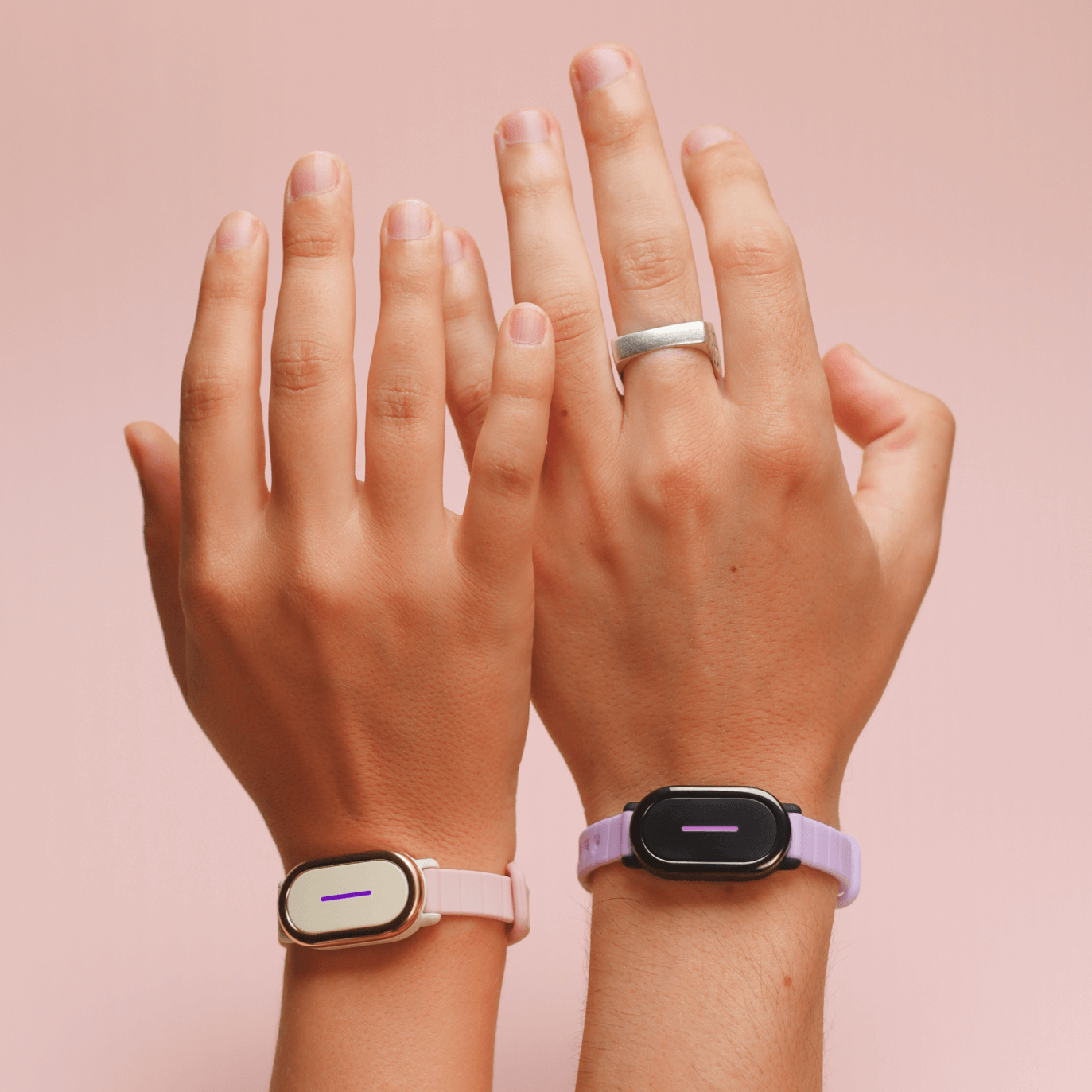
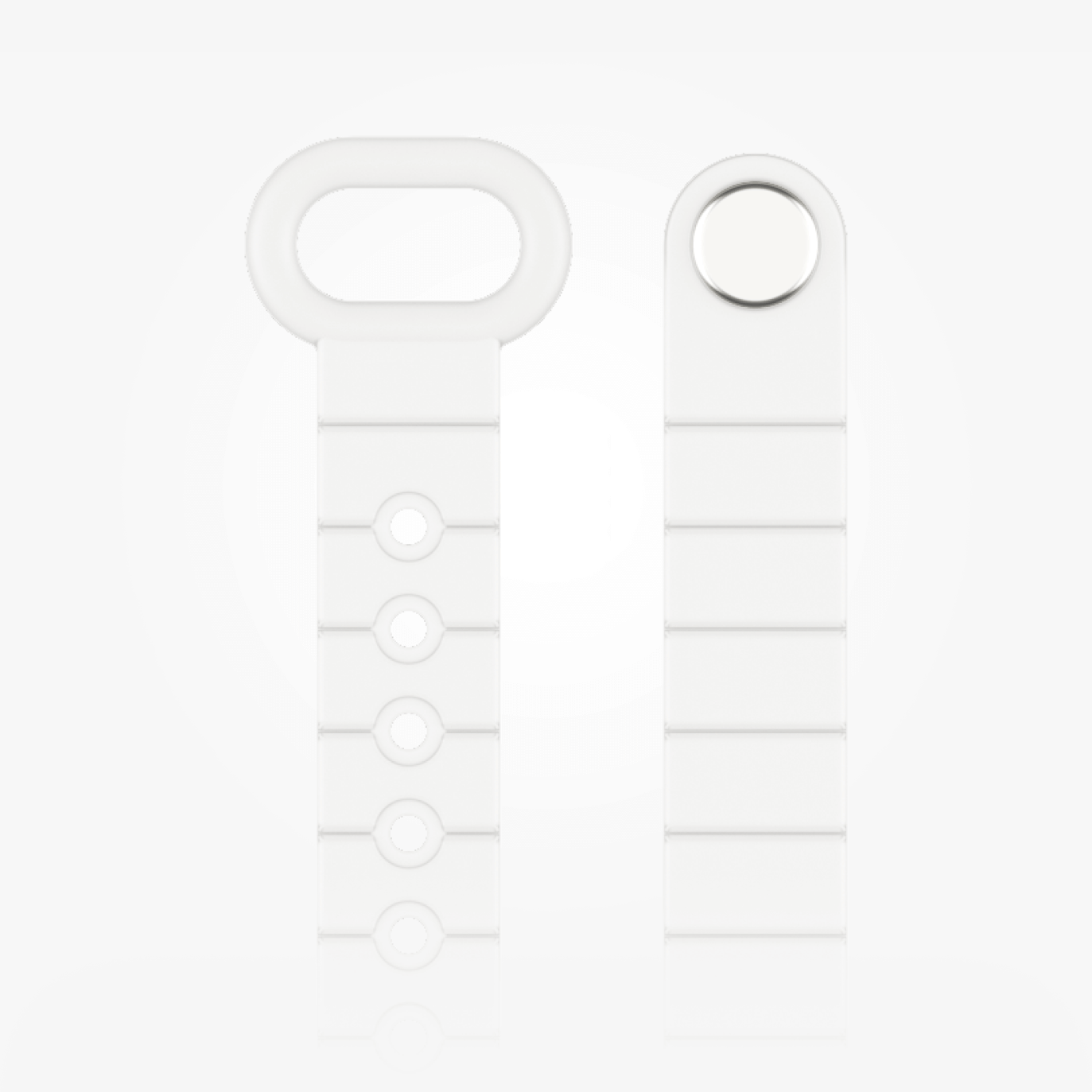
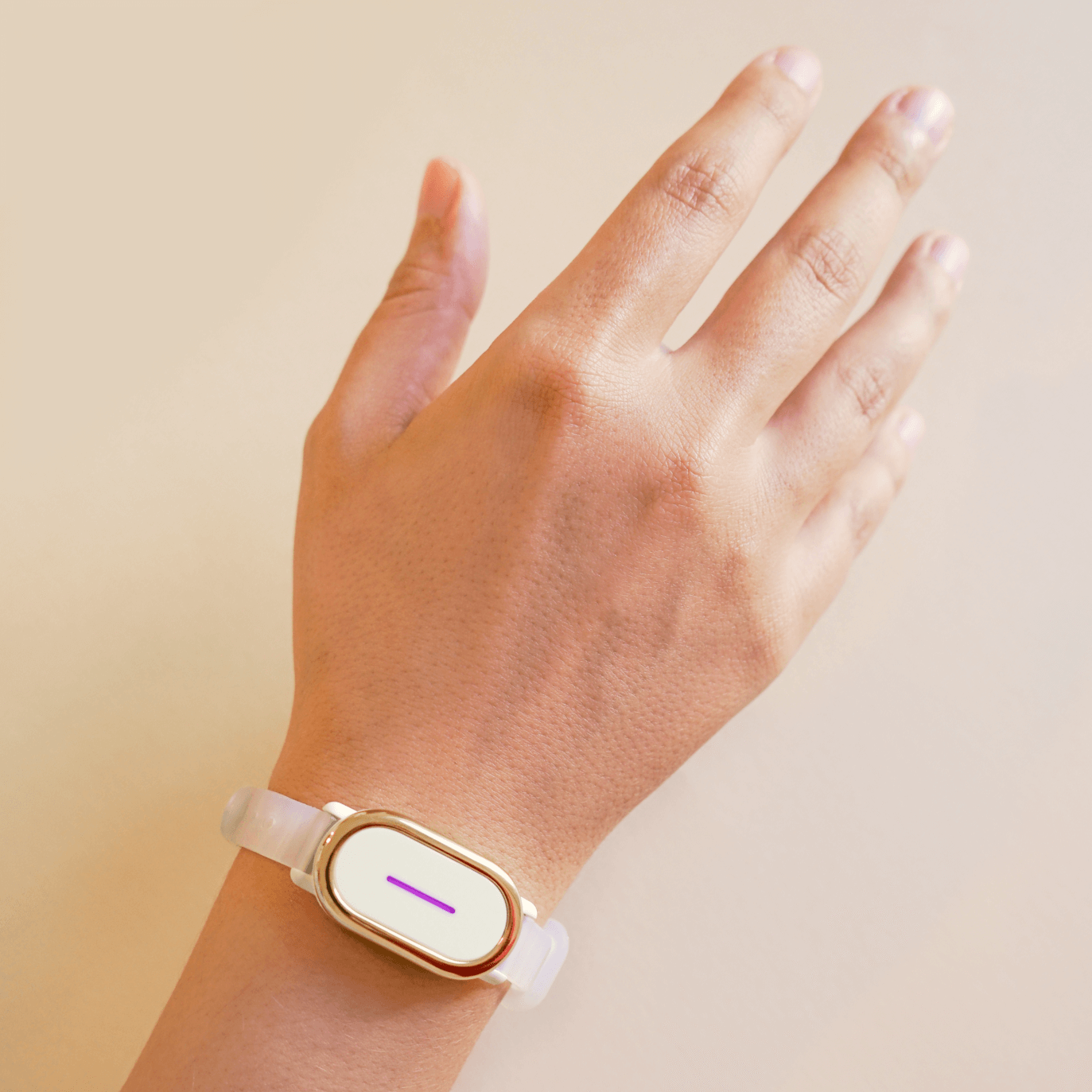
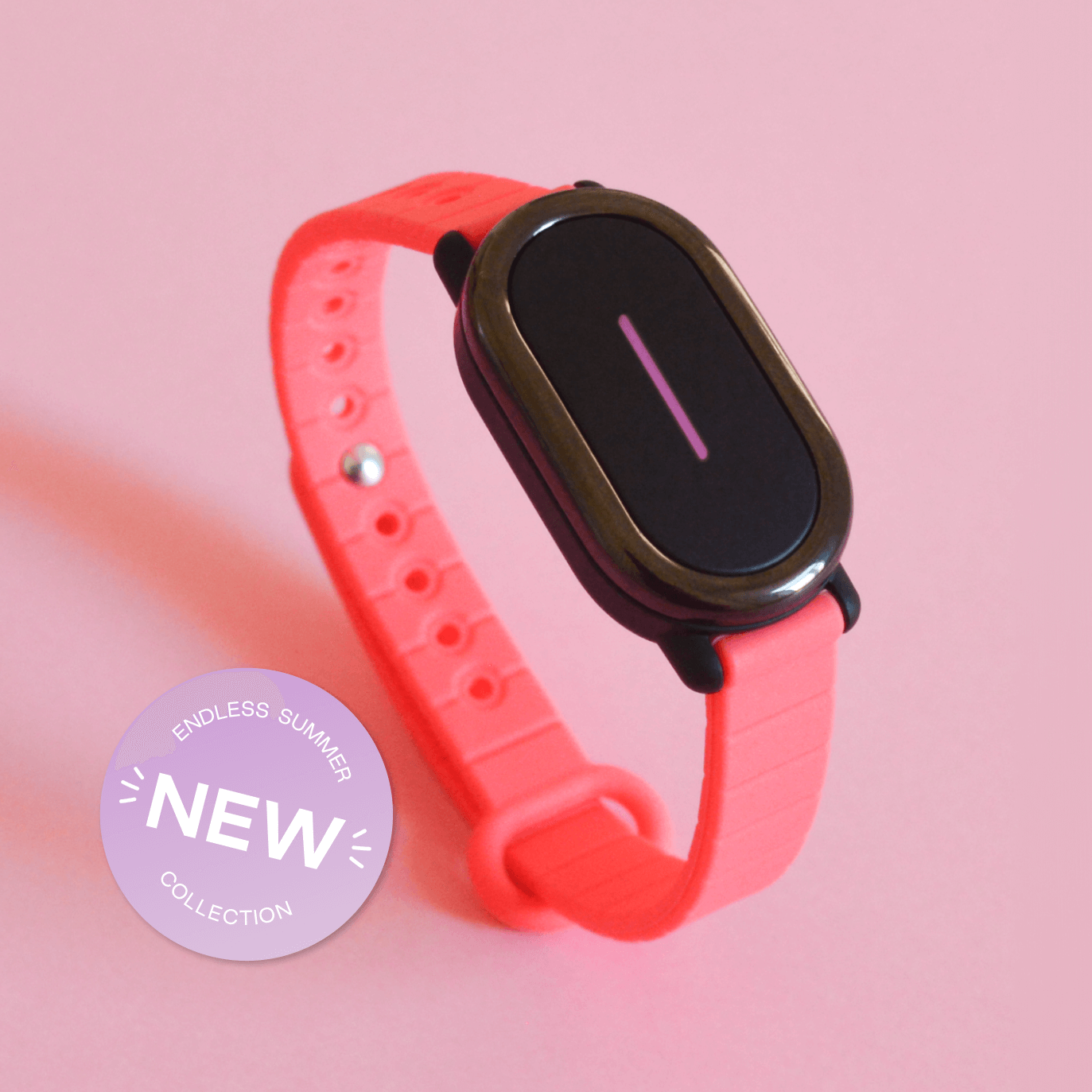
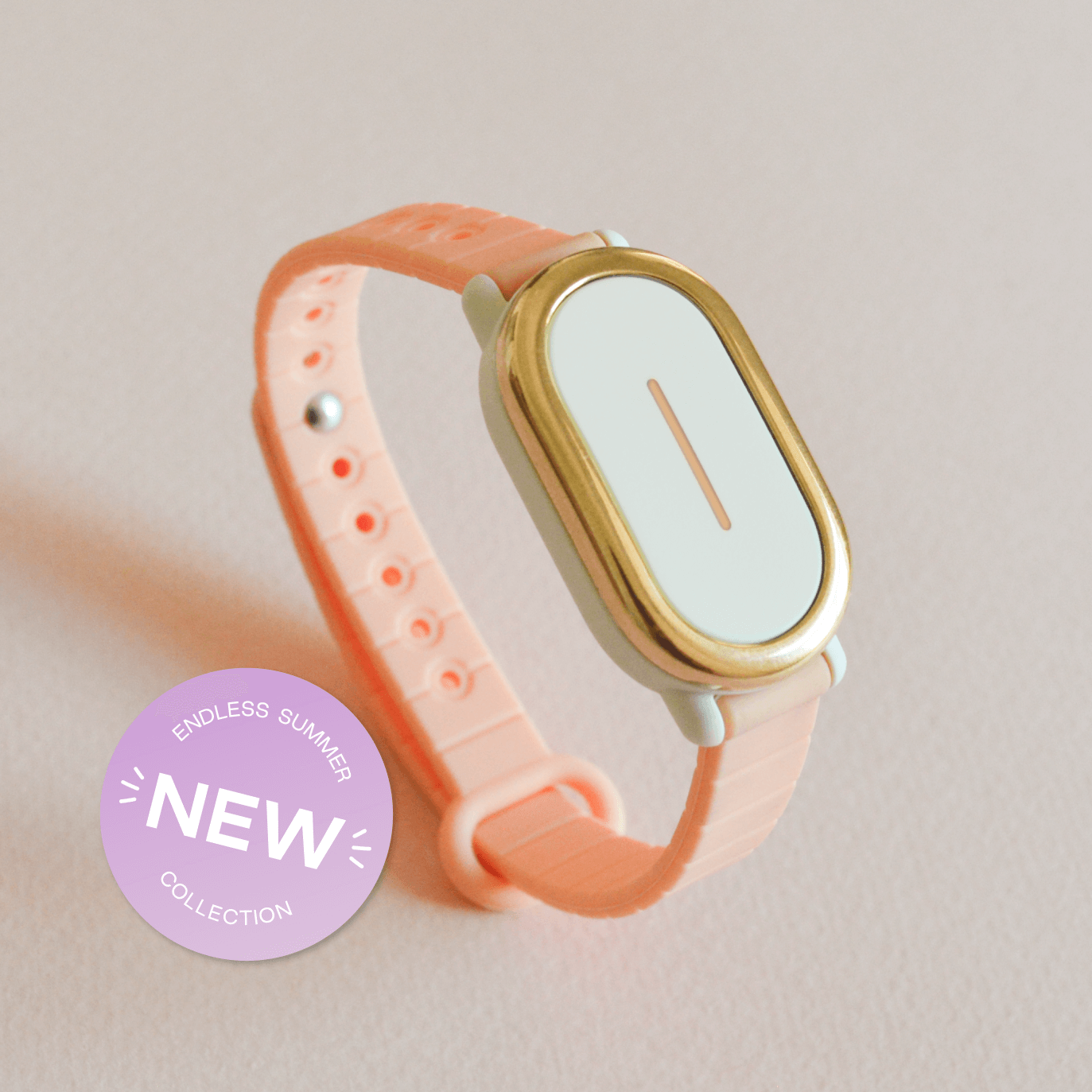
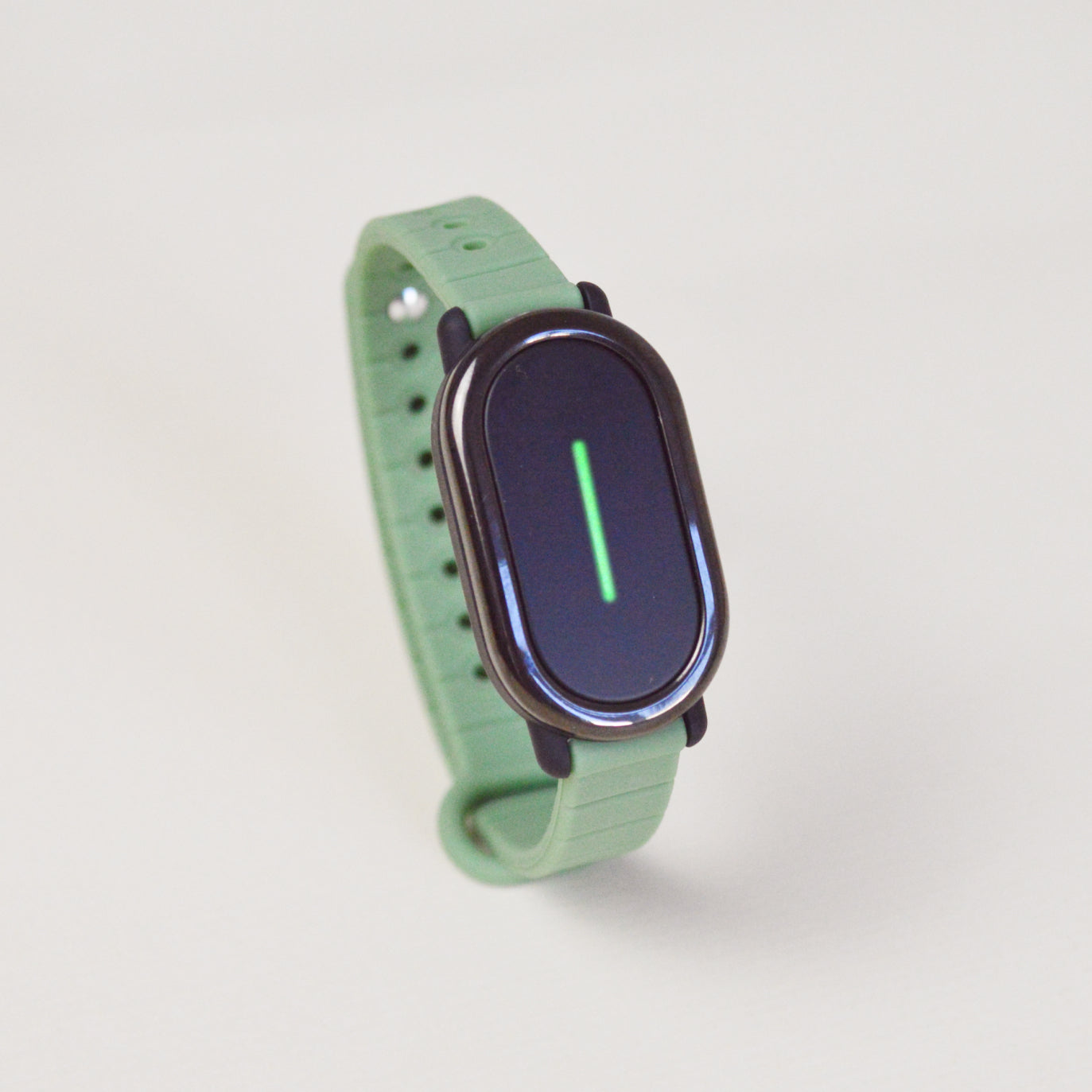
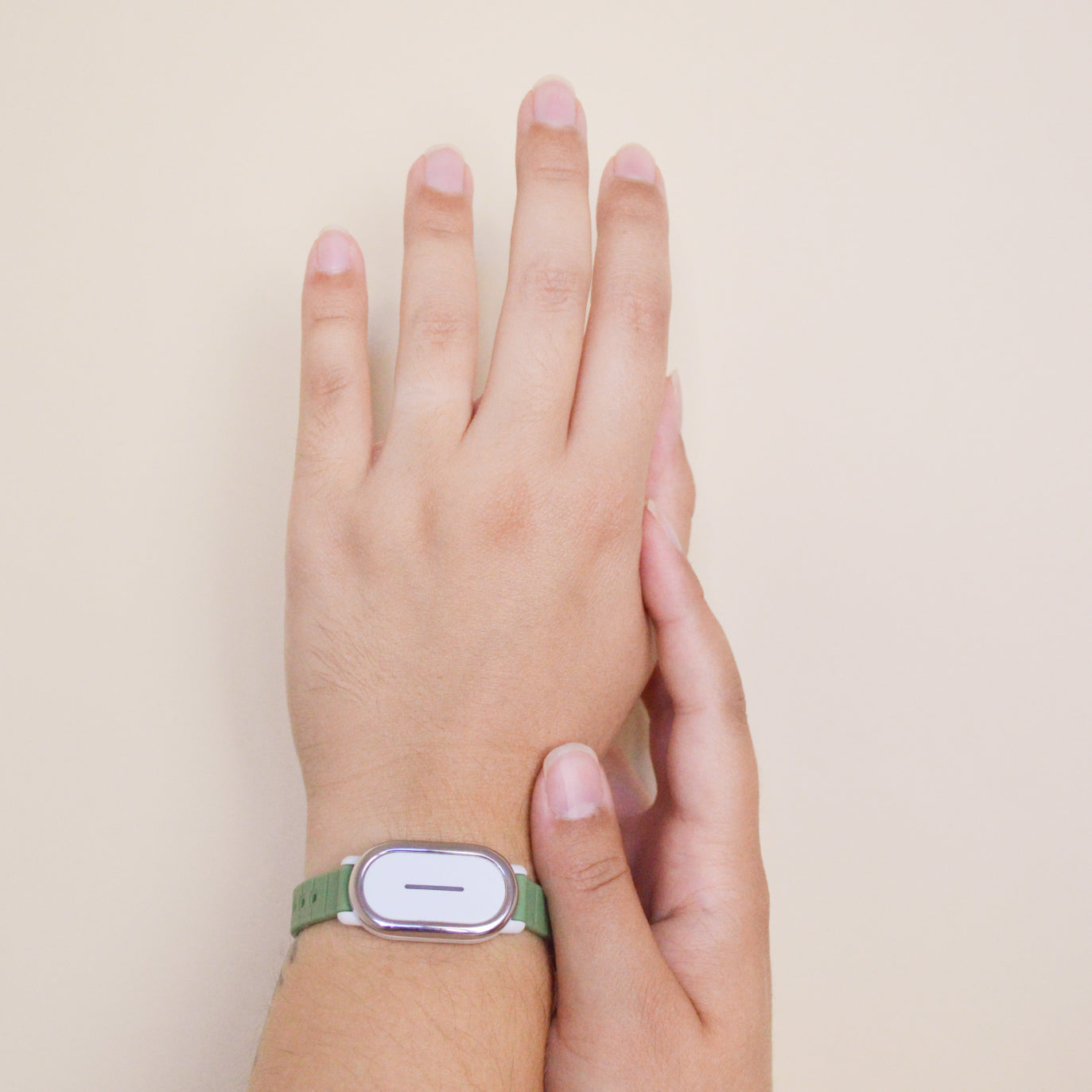
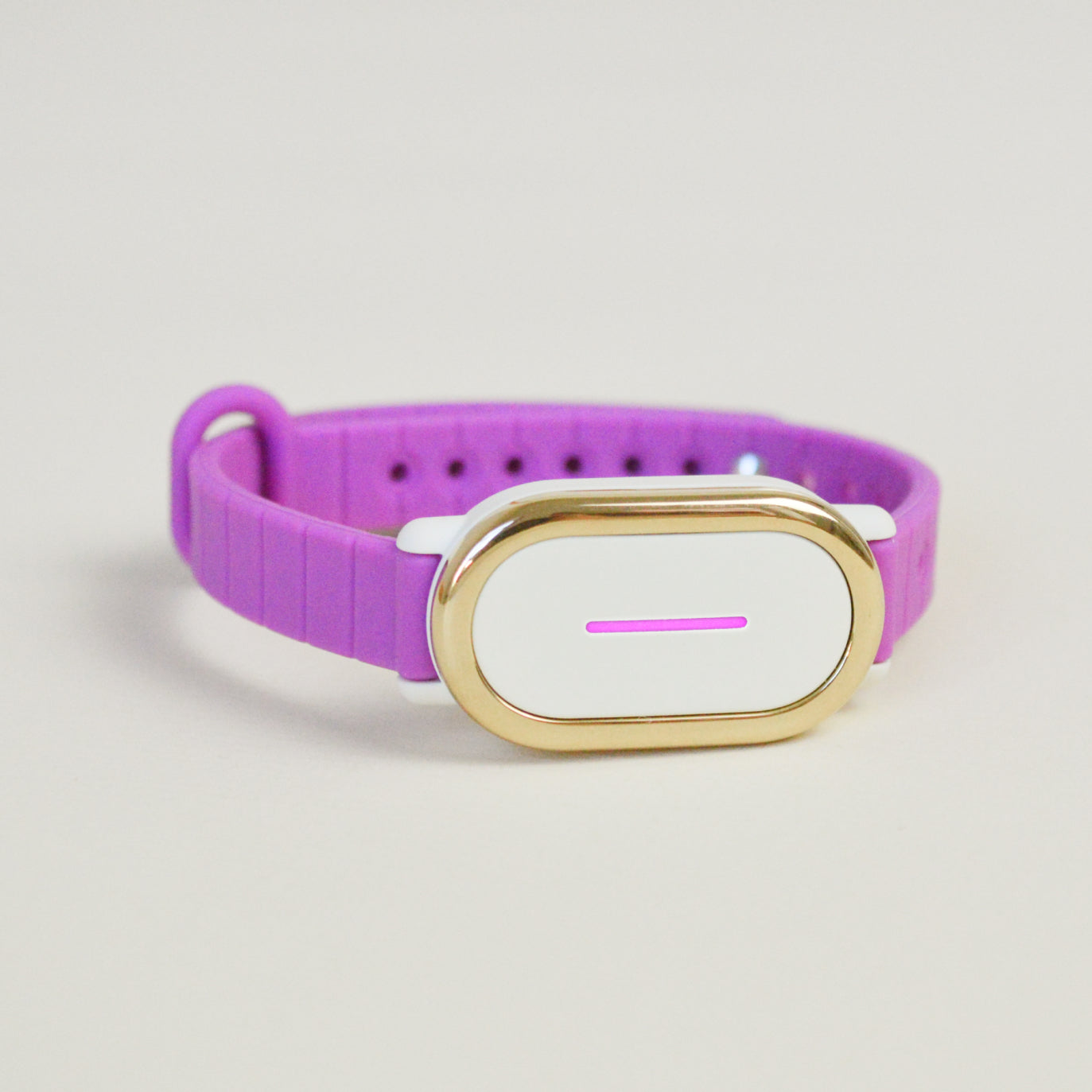
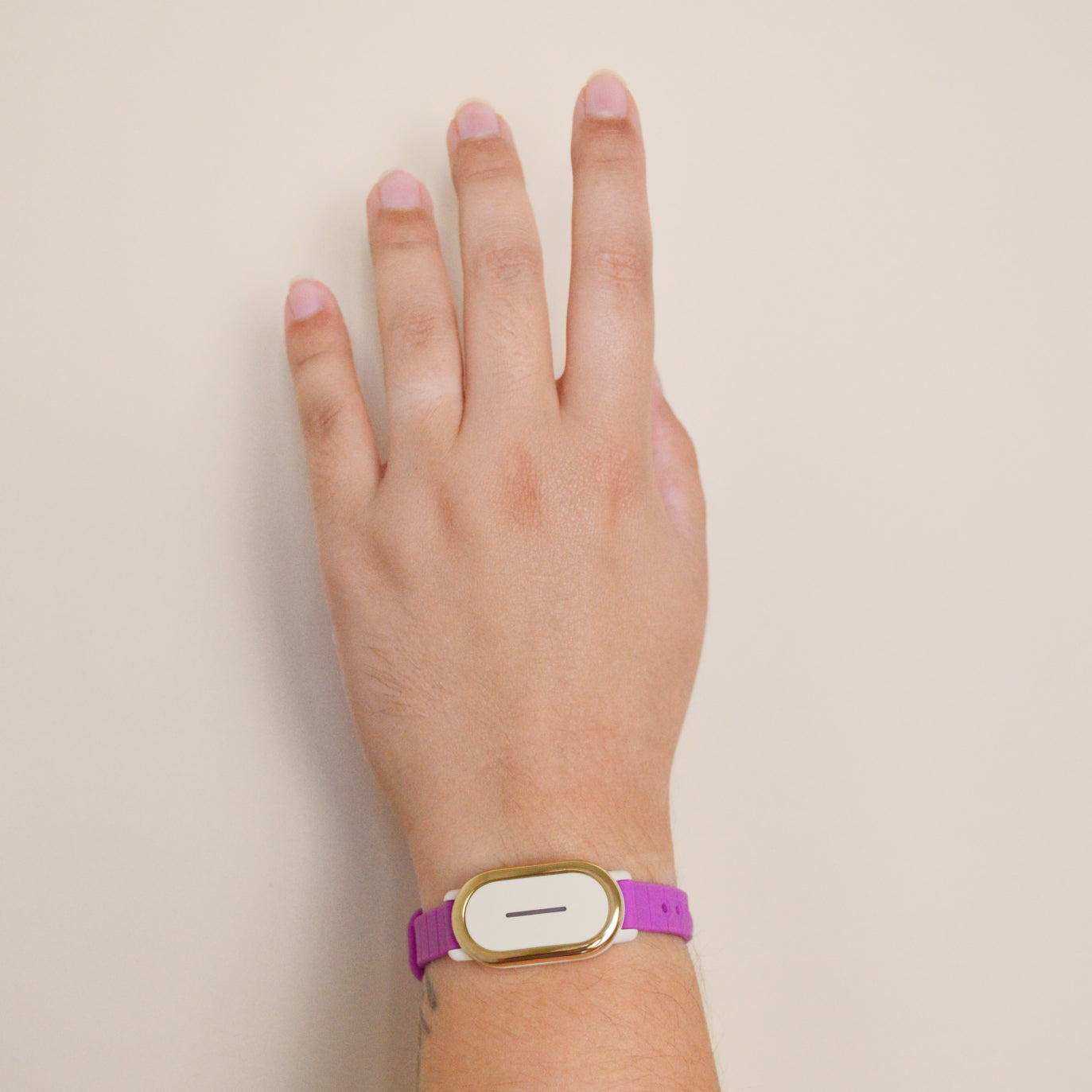
If you’re looking for a new way to connect with a very special someone, check out Bond Touch: a bracelet that lets you communicate through touch across any distance. Say it with a touch, stay in touch.