

You knew it was coming. You always do.
The whole visit, somewhere in the back of your mind, the countdown was running. Not the one on your phone — the one you can't turn off. The one that reminds you, in the middle of a perfect evening or a slow lazy morning, that this is temporary. That soon you'll be back to screens and time zones and the particular ache of a bed that feels too big.
And then the day arrives. And no matter how many times you've done this, it doesn't get easier. If anything, it gets harder — because every visit reminds you exactly what you're missing when they're gone.
If you're in the middle of that feeling right now, this blog post is for you.
Why Post-Visit Lows Hit So Hard
It's not just sadness. It's a specific kind of disorientation that comes from contrast.
Before the visit, you'd adapted to the distance. You had your routines, your rhythms, your ways of coping. Then they arrived, and your whole nervous system reorganized itself around their presence — the warmth of them, the ease of being together in person, the memories you created together, the thousand small things you can't replicate on a call.
And then they left. And your system has to adjust all over again, except now it knows exactly what it's missing.
This is why post-visit lows often feel worse than the regular distance. It's not that things got harder — it's that you got a reminder of how good it can be when you're together, and now you're feeling the gap between that and this.
That's not weakness. That's just love doing what it does.
The Goodbye Itself
There's no perfect way to say goodbye. But there's a difference between a goodbye that feels like a rupture and one that feels like a closing — a moment that acknowledges what just happened before you both step back into the distance.
Try not to rush it. Even if you're at an airport with a hard deadline, the last few minutes matter. Say the things you mean. Not just "I love you" on autopilot, but the specific things — what the visit meant, what you're taking with you, what you're already looking forward to.
And if you can, end on something forward-facing. Not to bypass the sadness, but to give both of you something to hold onto as you walk away. The next visit. The next call. The next small or big thing you're planning together. A closing that points toward something isn't denial — it's hope, and hope is good.
The First 24-48 Hours
This is the hardest window. Be honest with yourself about that rather than trying to power through it like it's nothing.
The first day back is usually a blur of logistics and exhaustion — travel, unpacking, re-entering your own life. Let it be that. Don't expect yourself to feel okay immediately, and don't perform okayness for their benefit either. You're both allowed to be sad.
When you do reconnect — and do it sooner rather than later, even just a short call or a voice note — keep it gentle. Not a debrief, not an immediate return to normal scheduling. Just contact. A reminder that you still have each other, even if "having" looks different now than it did 48 hours ago.
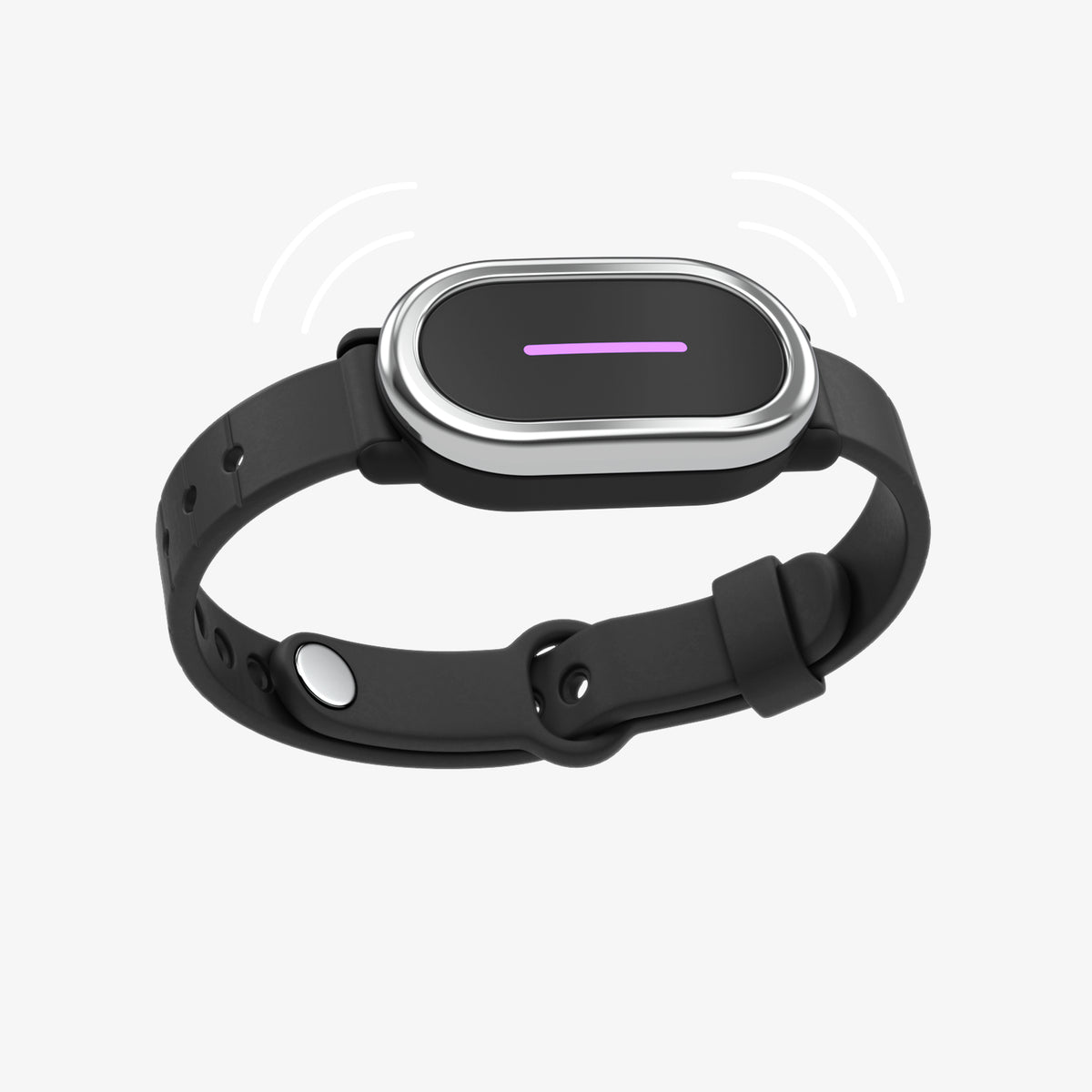
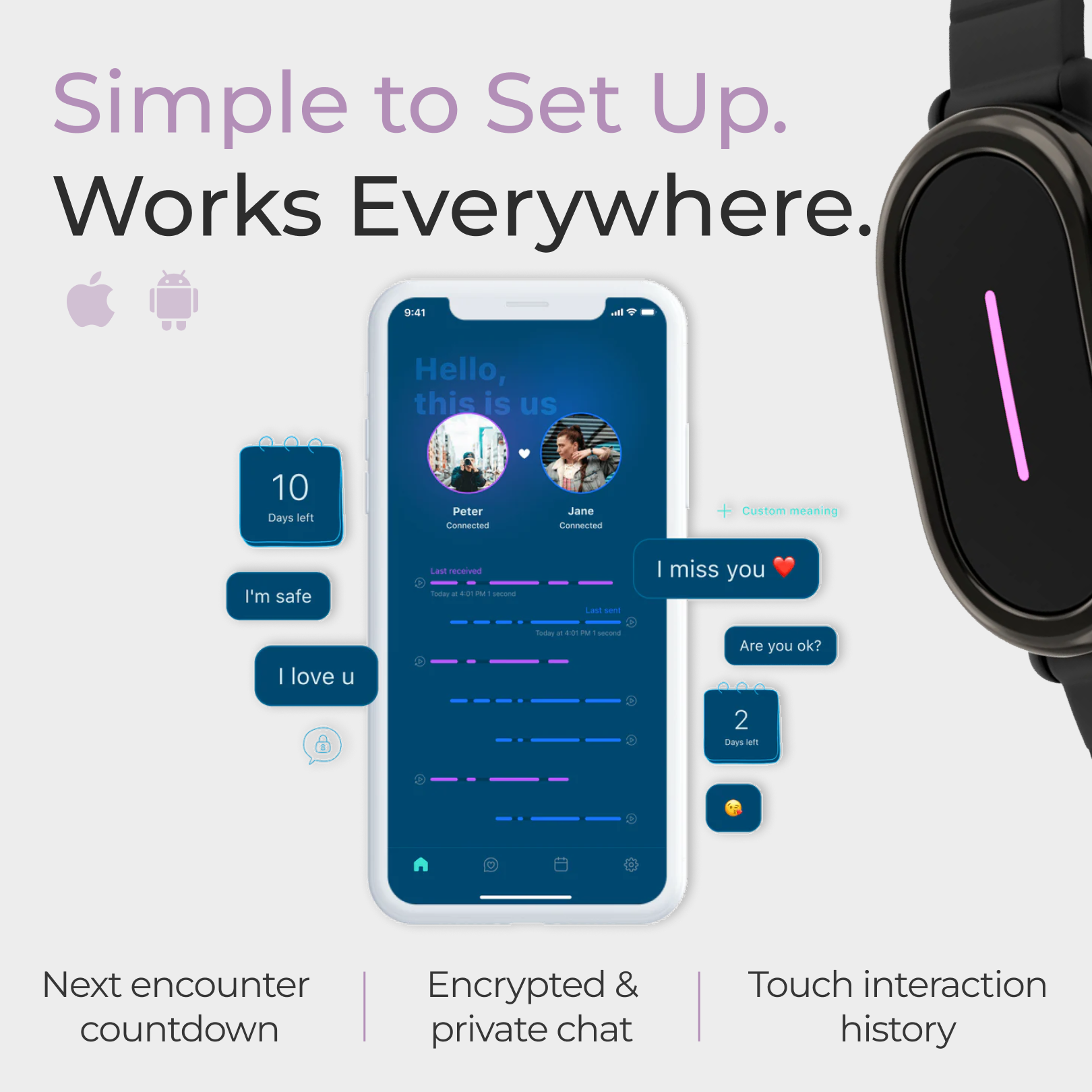
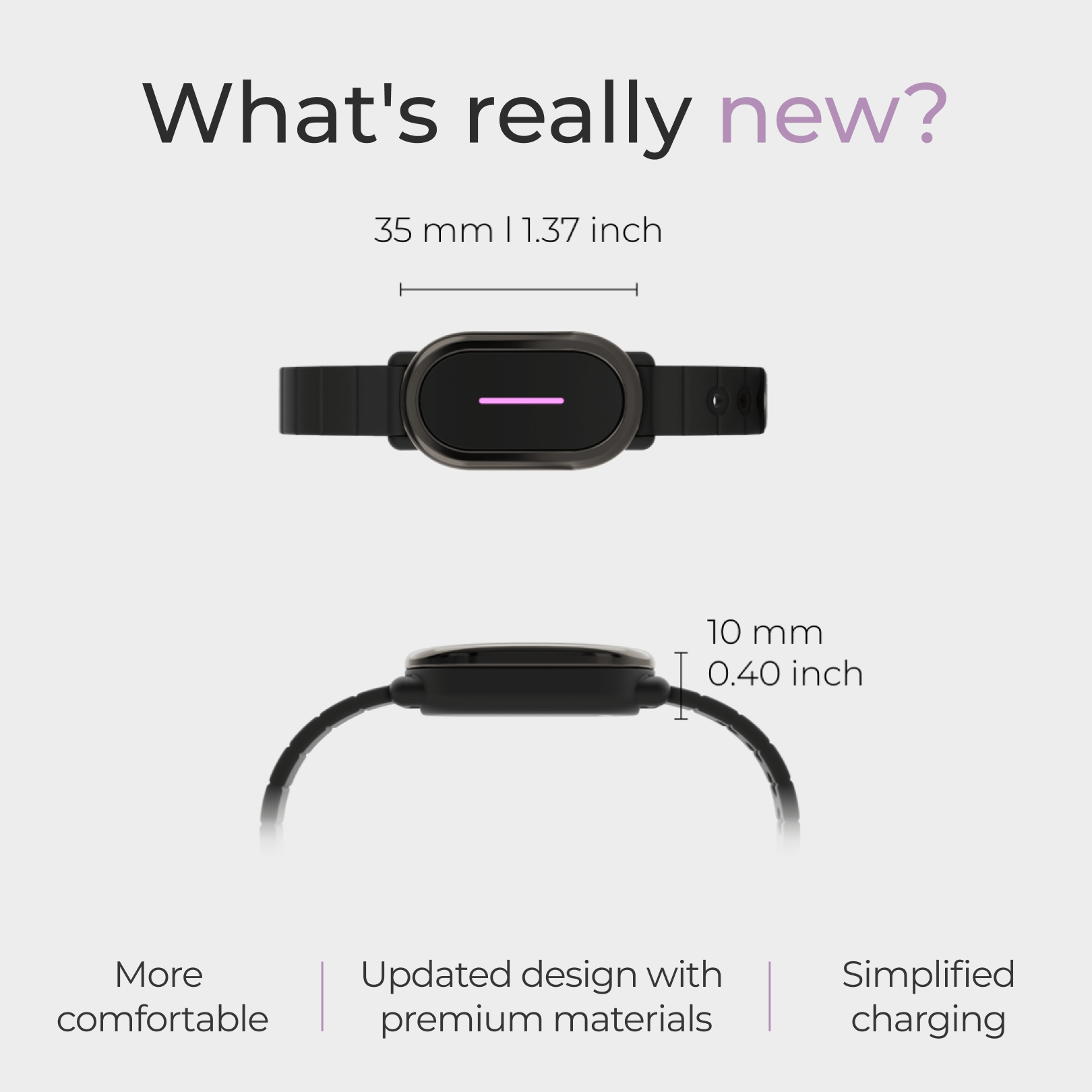
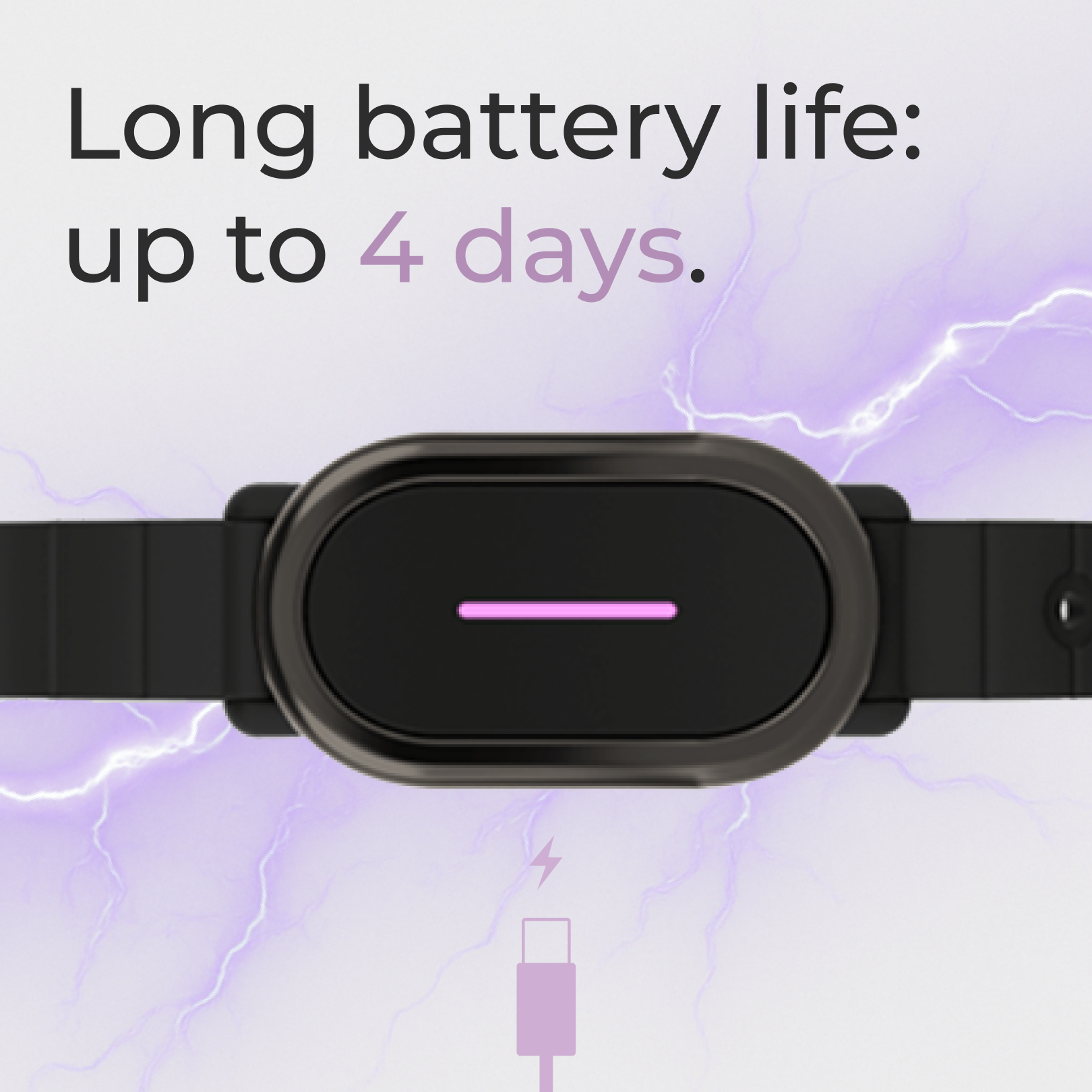
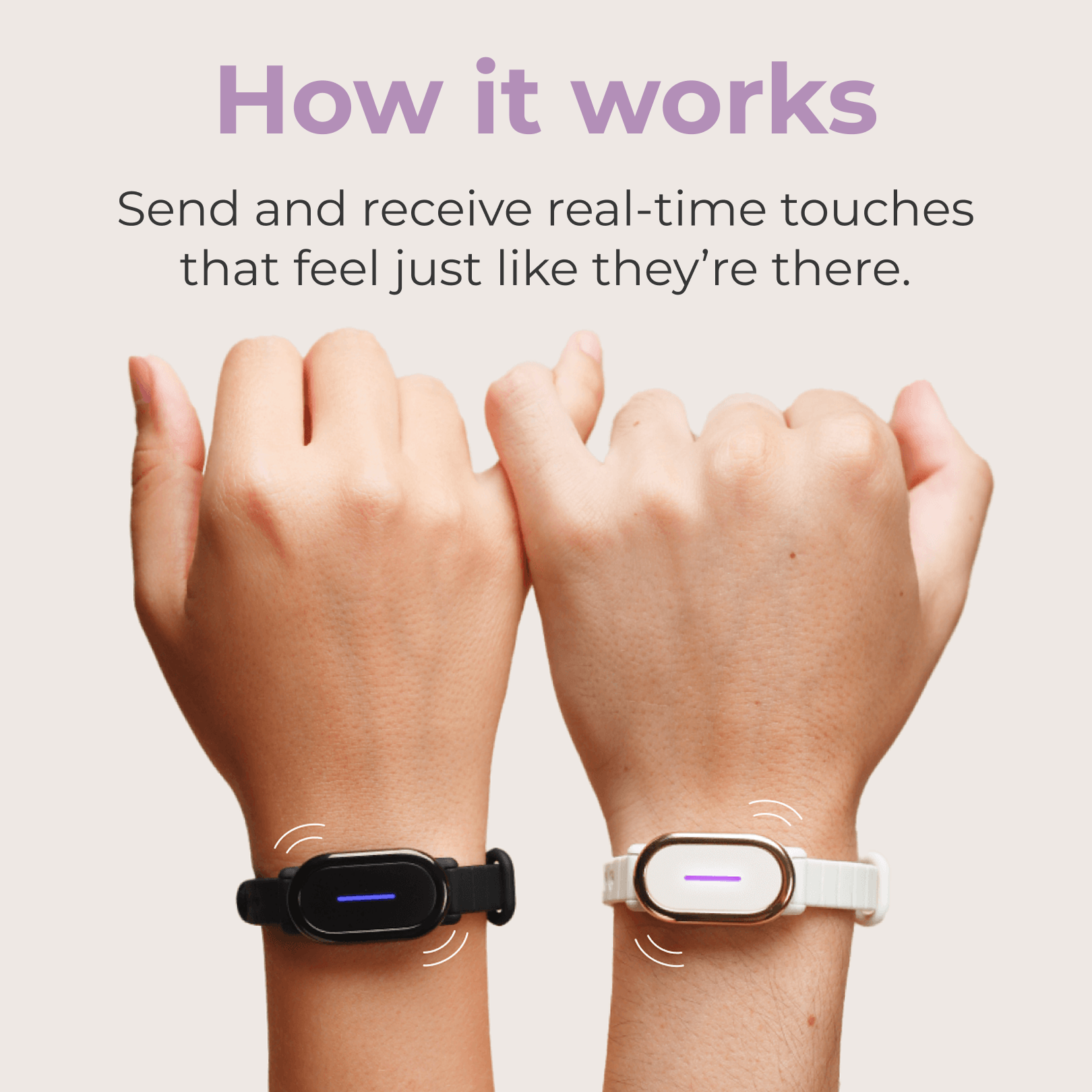
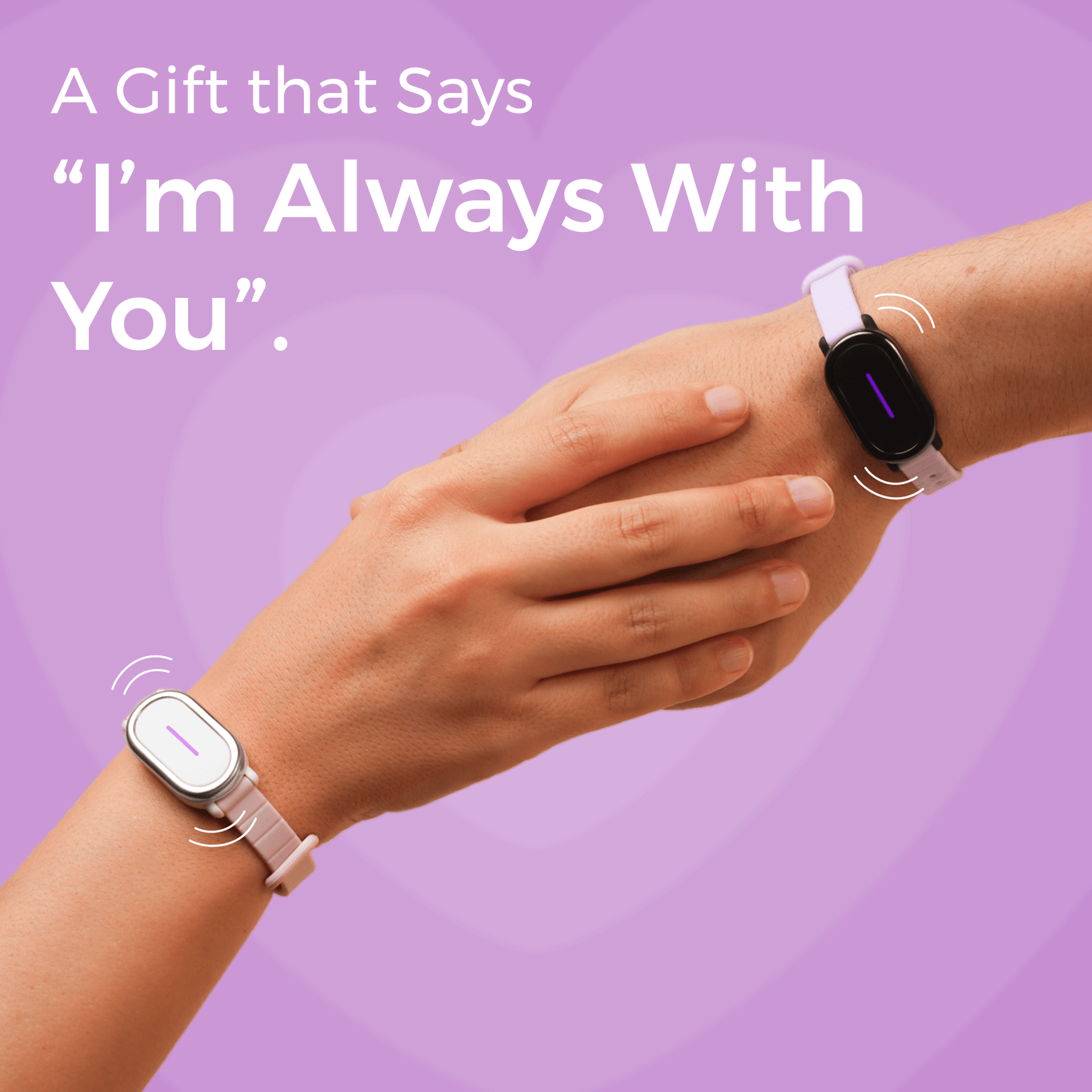
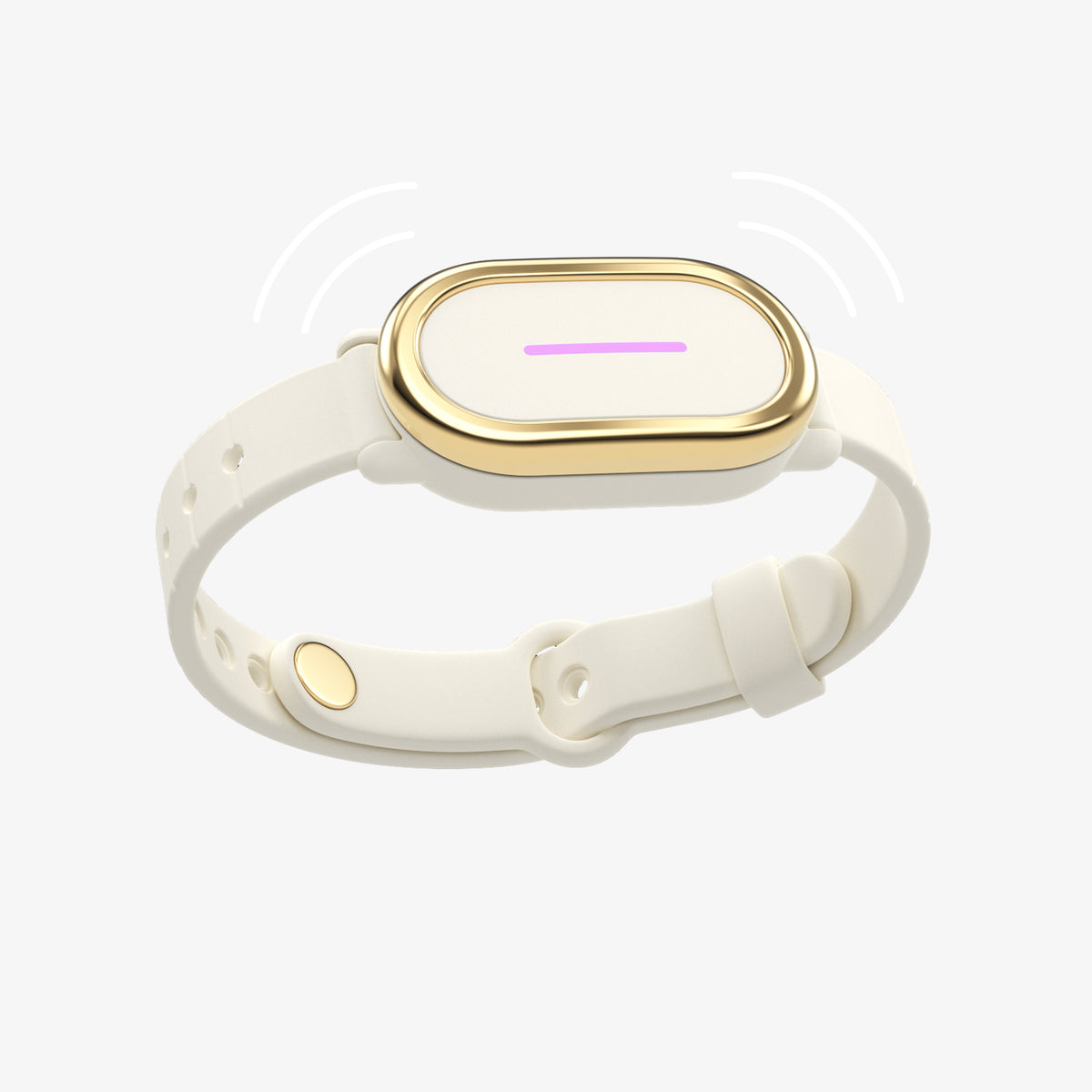
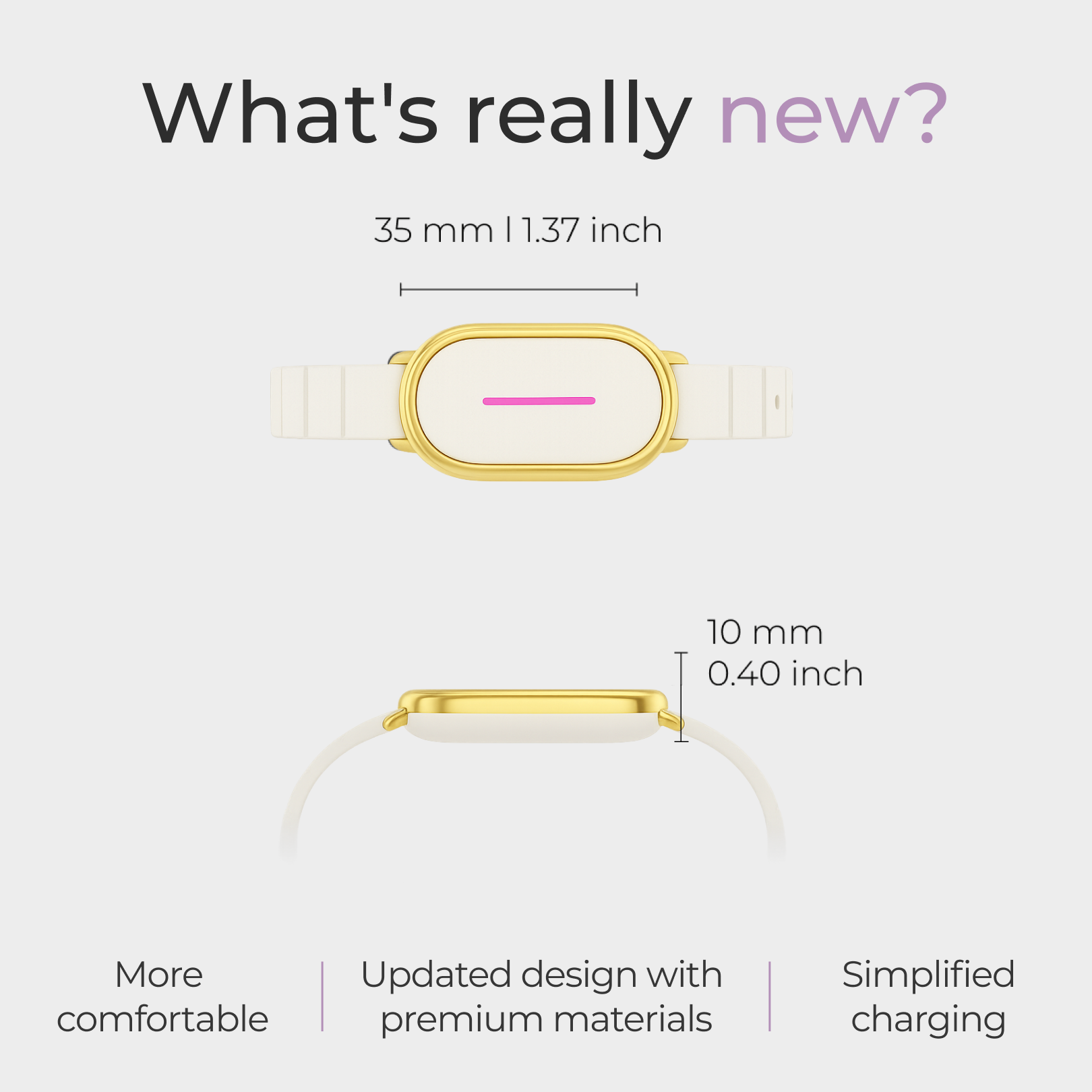
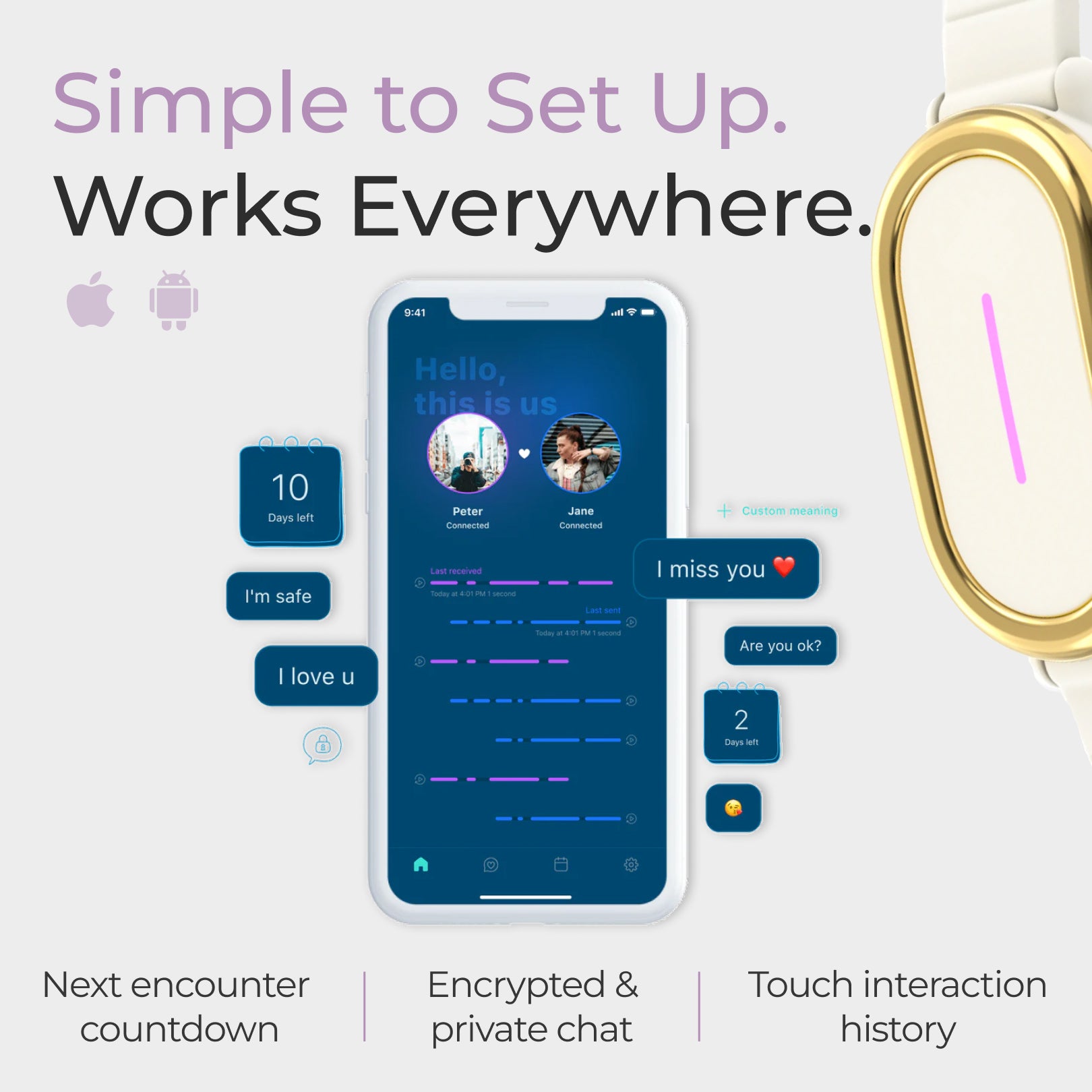
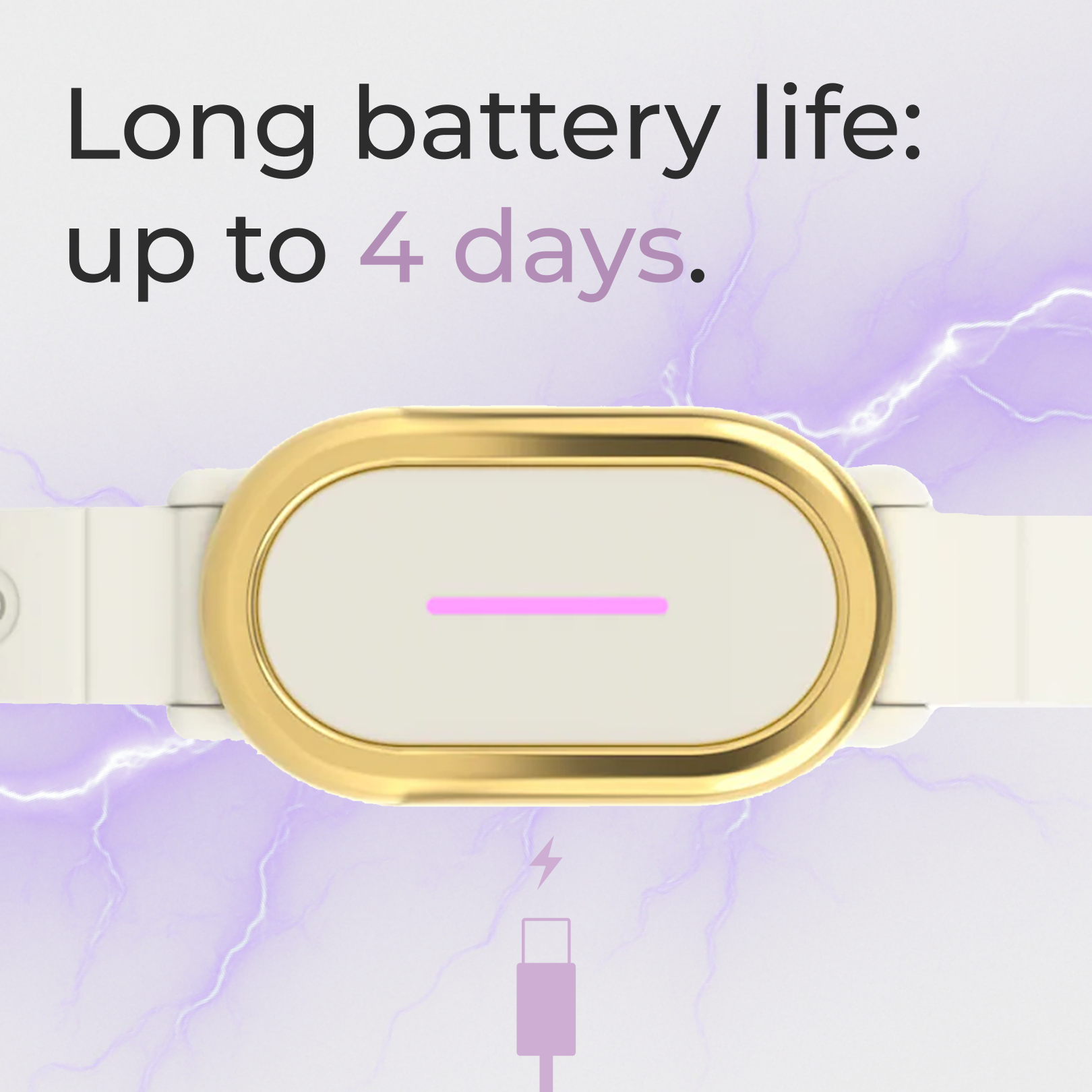
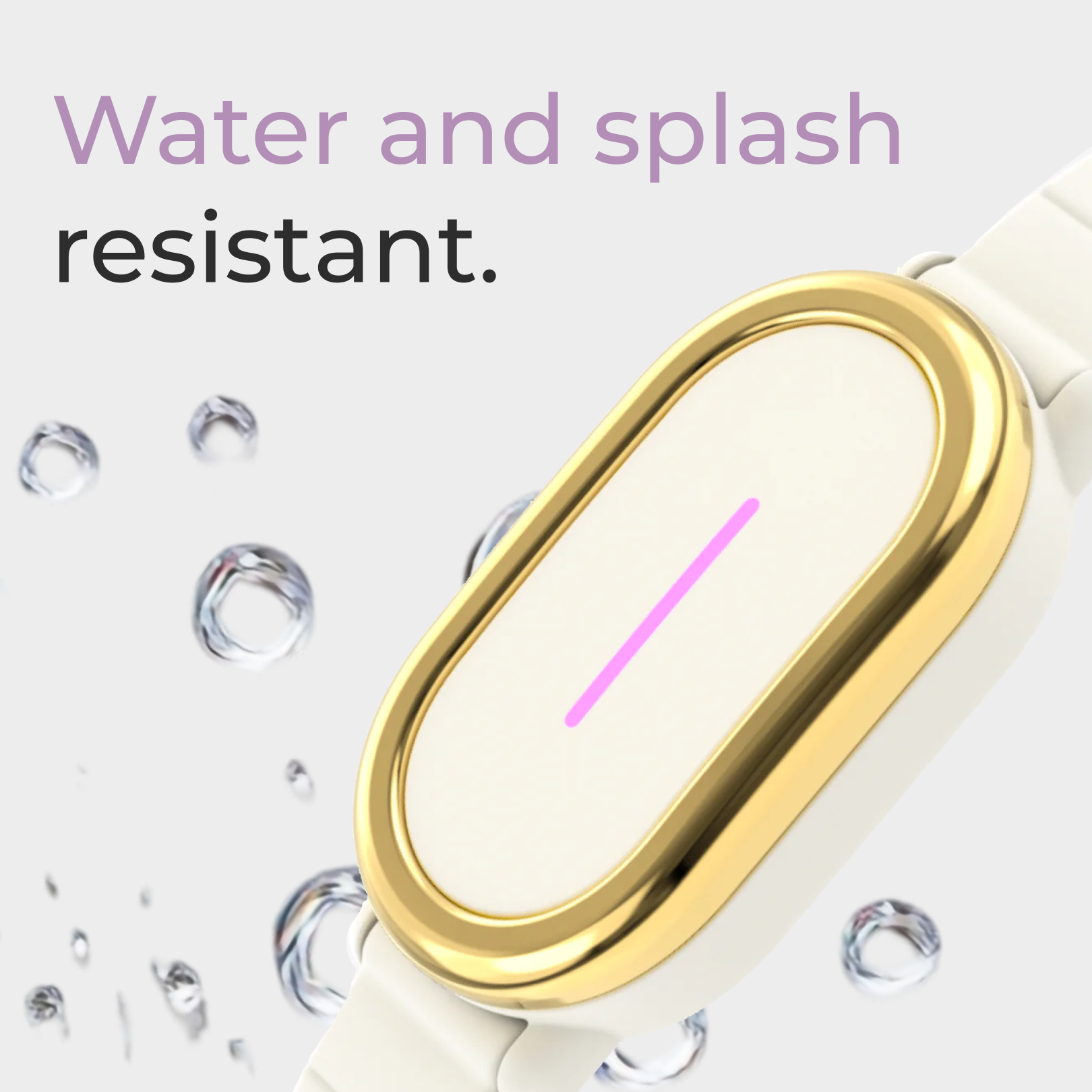
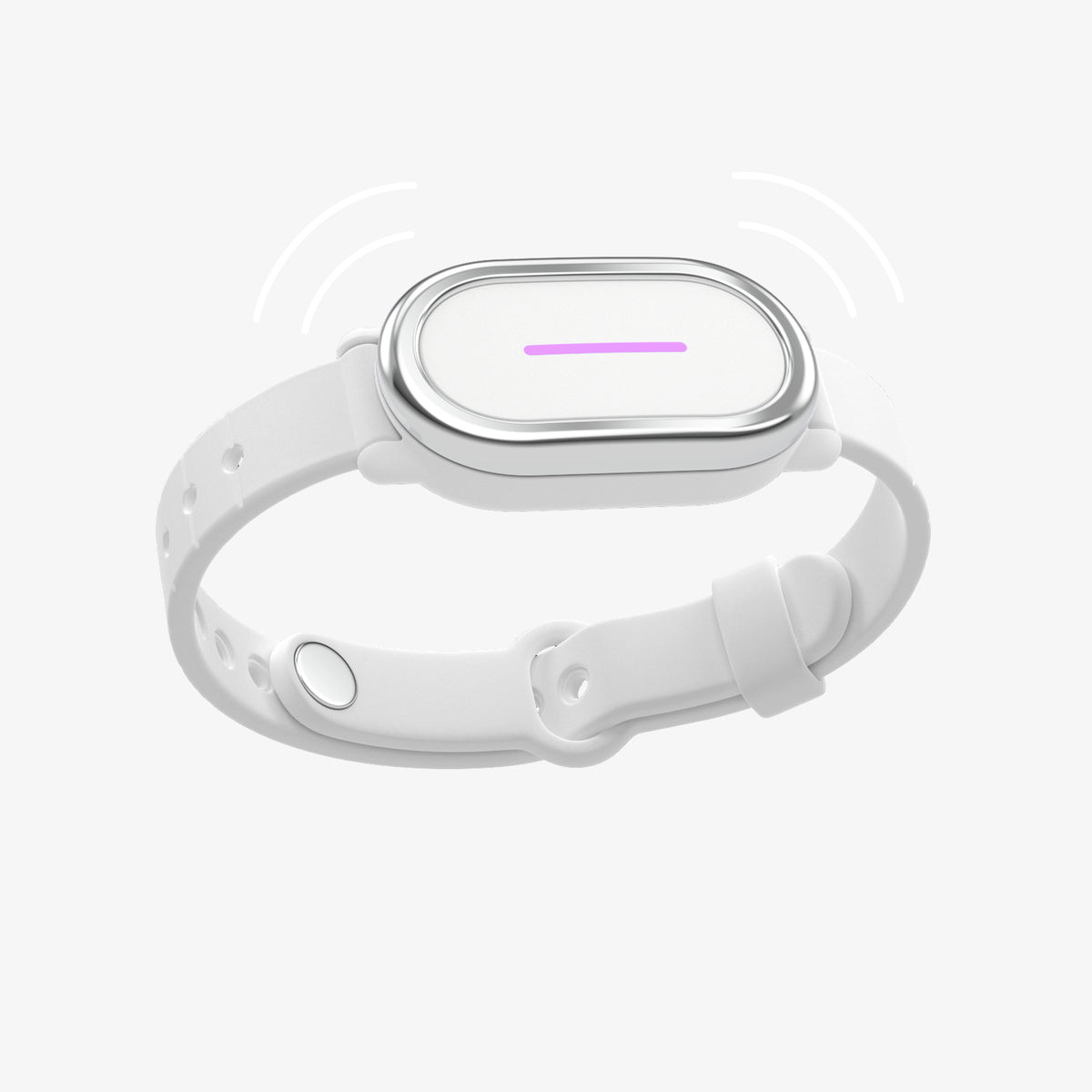
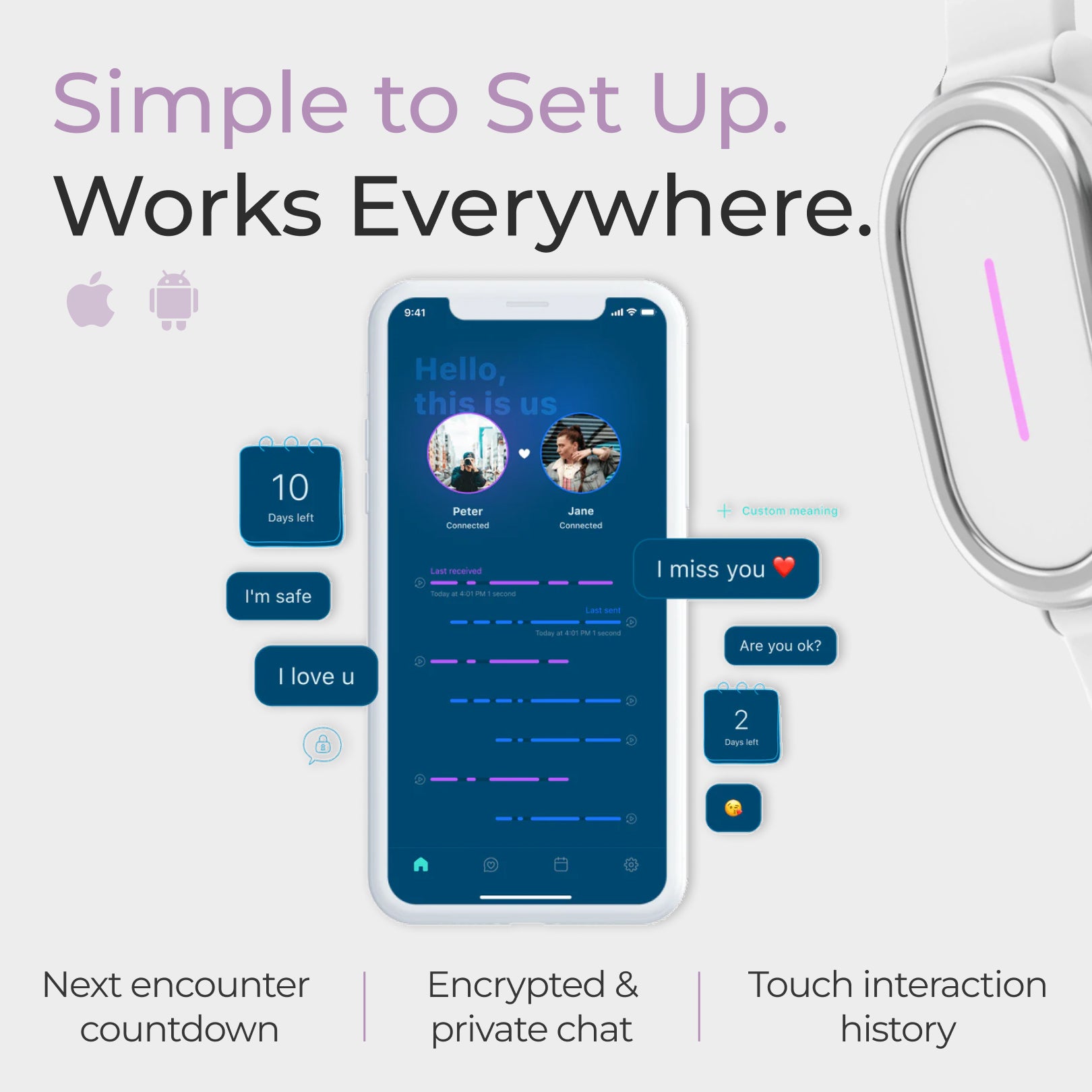
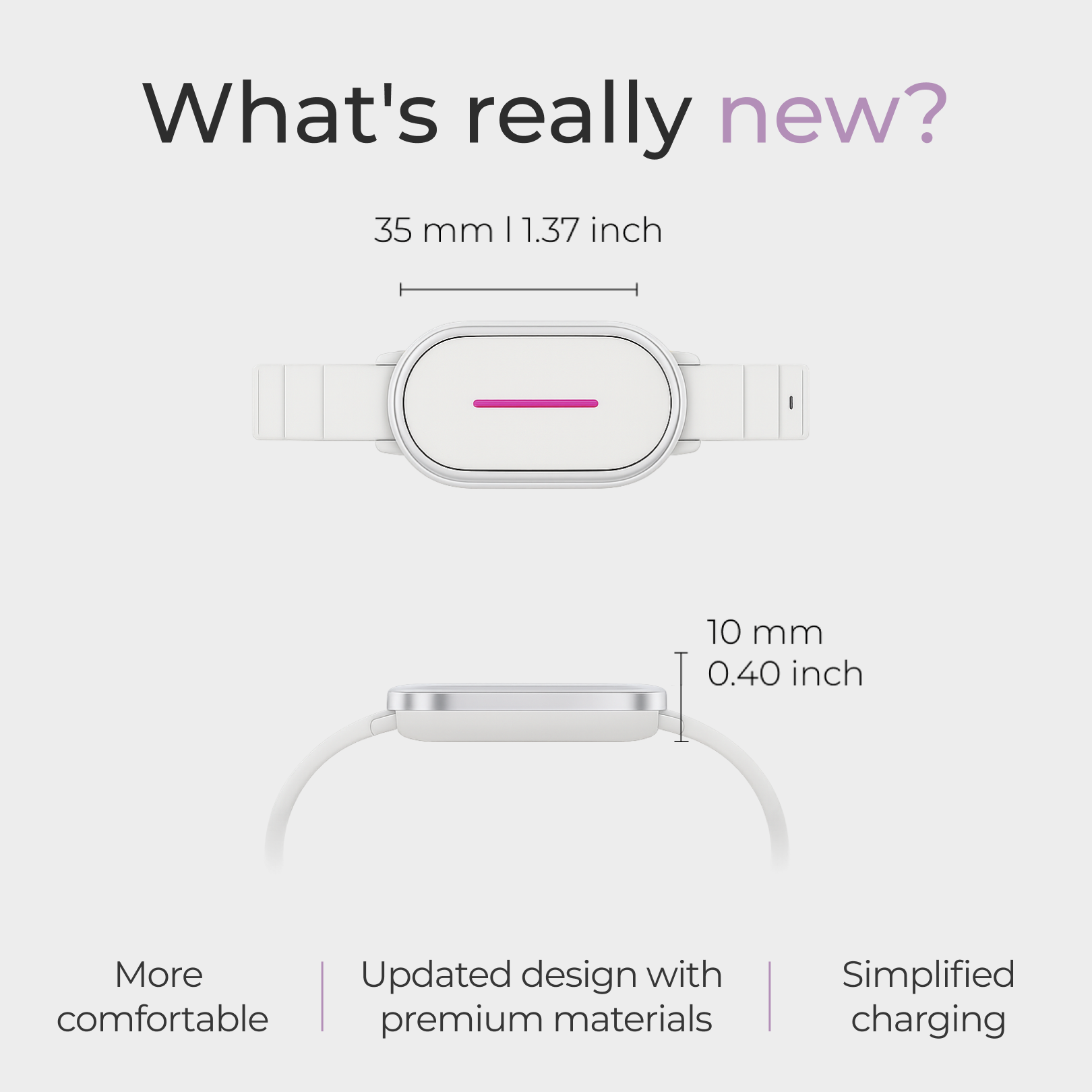
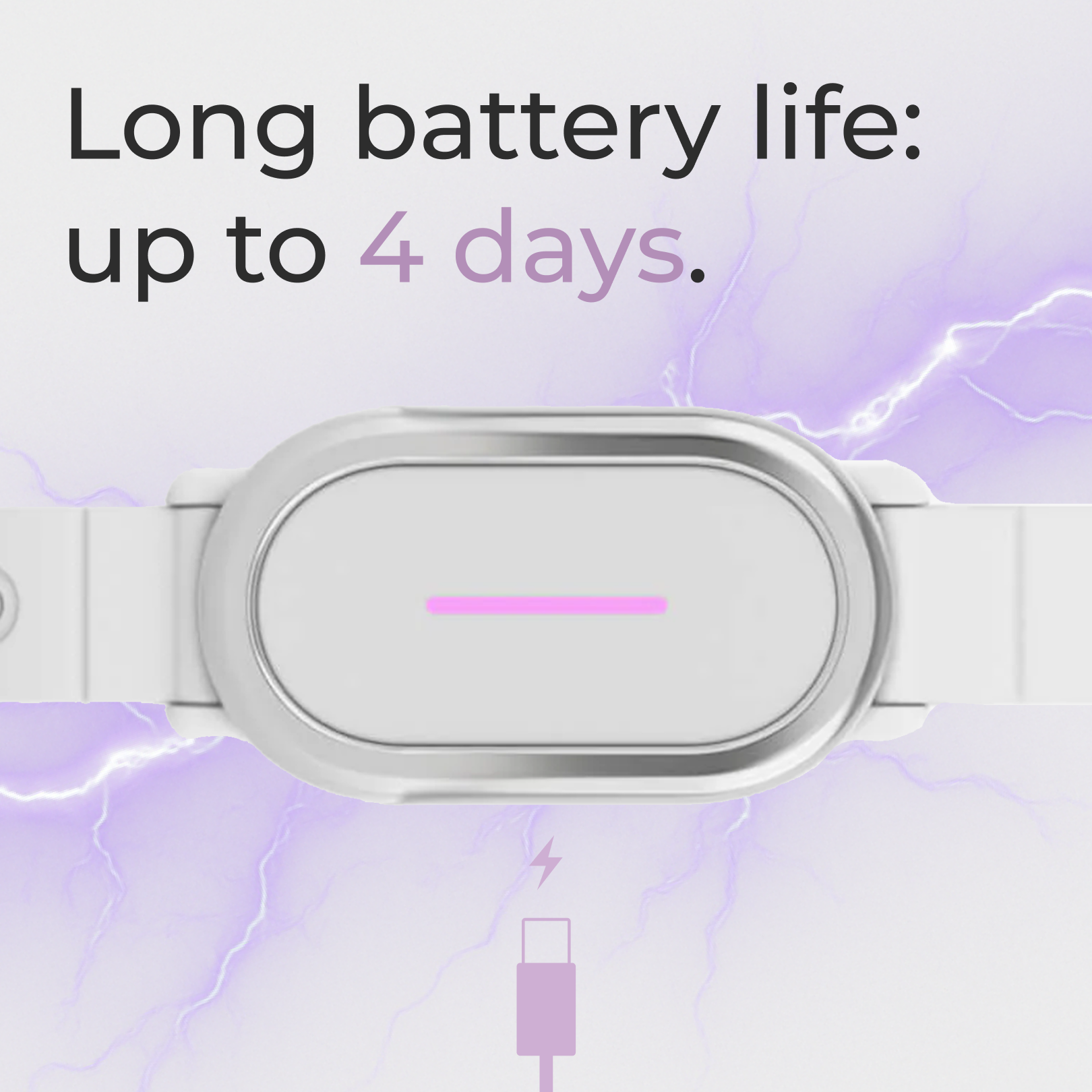
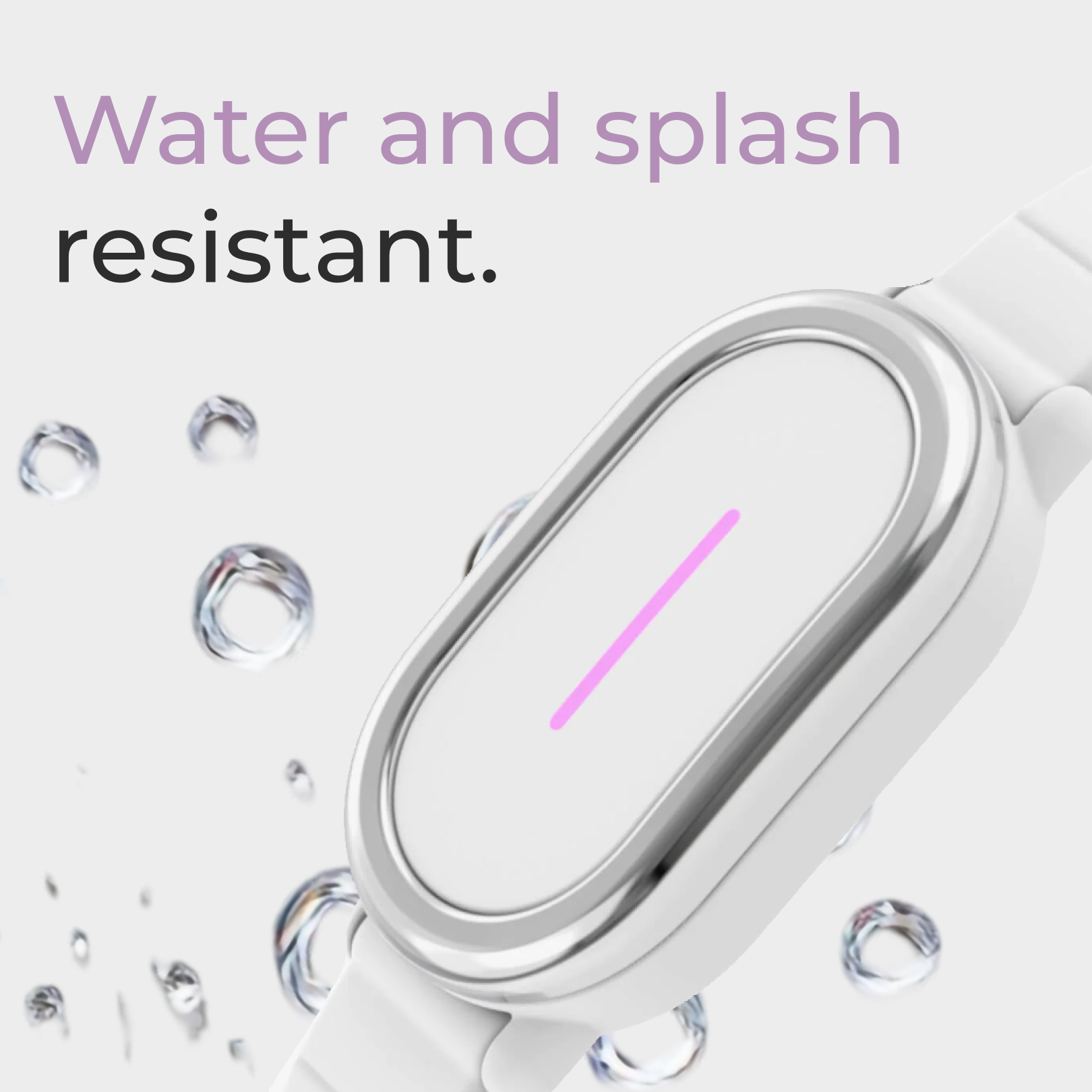
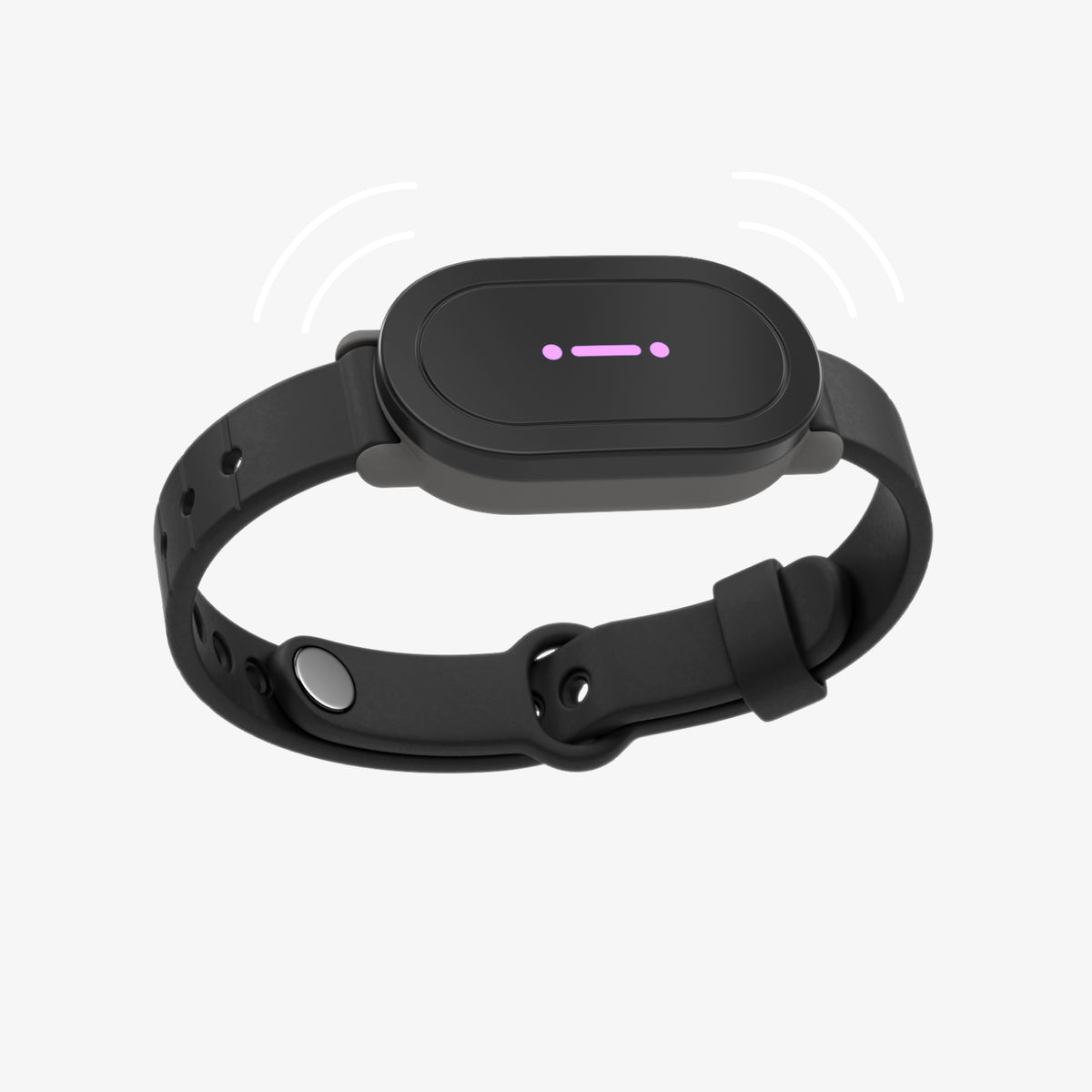
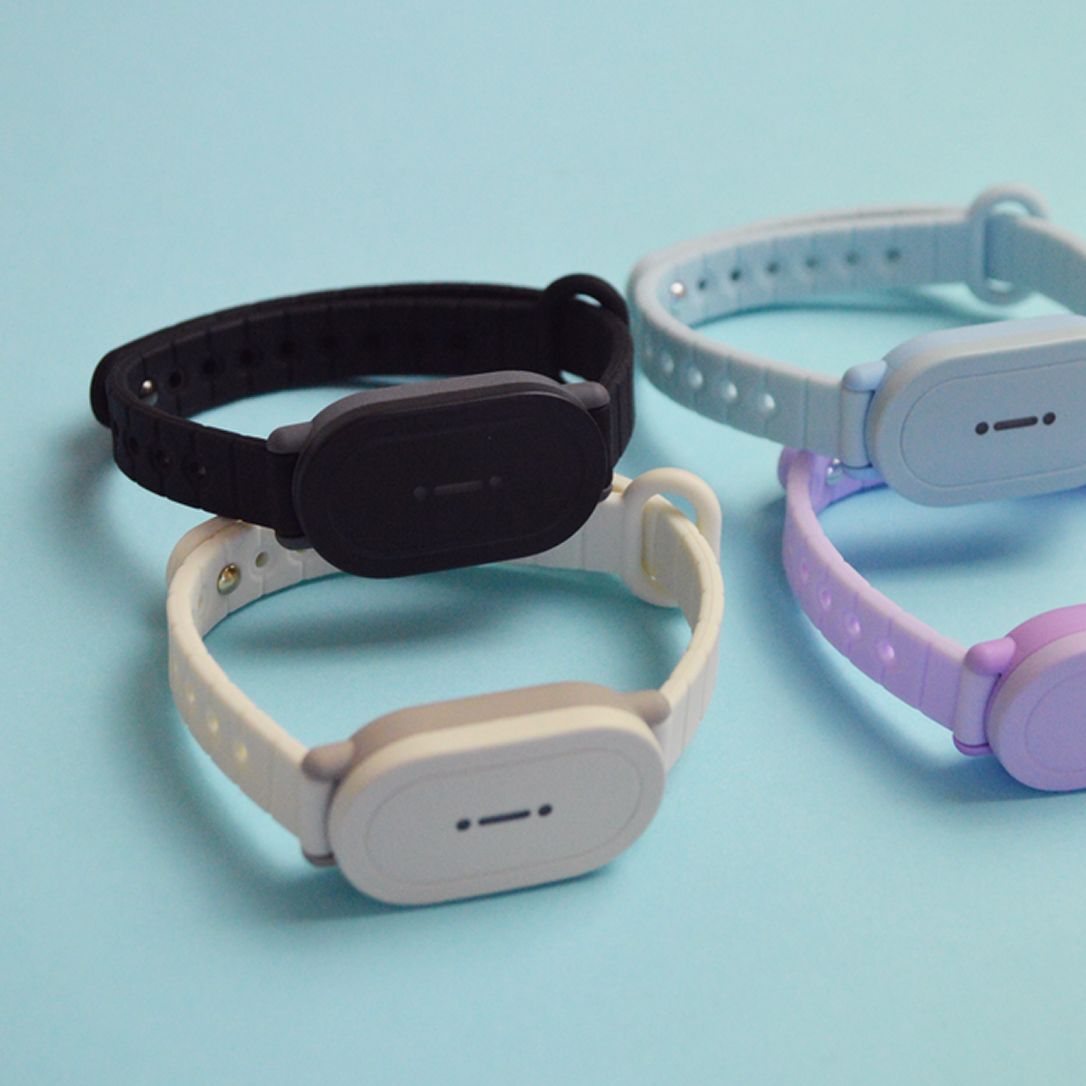
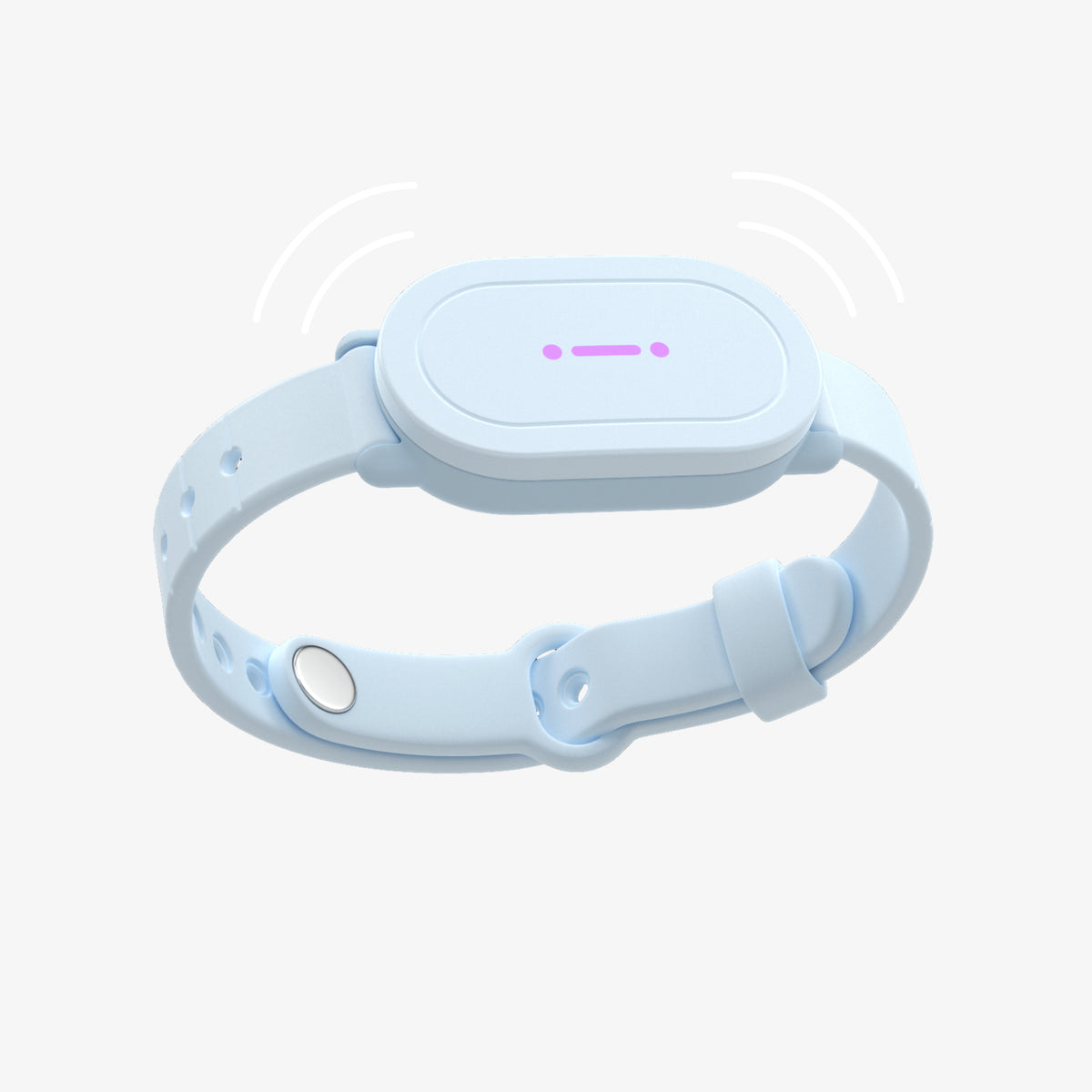
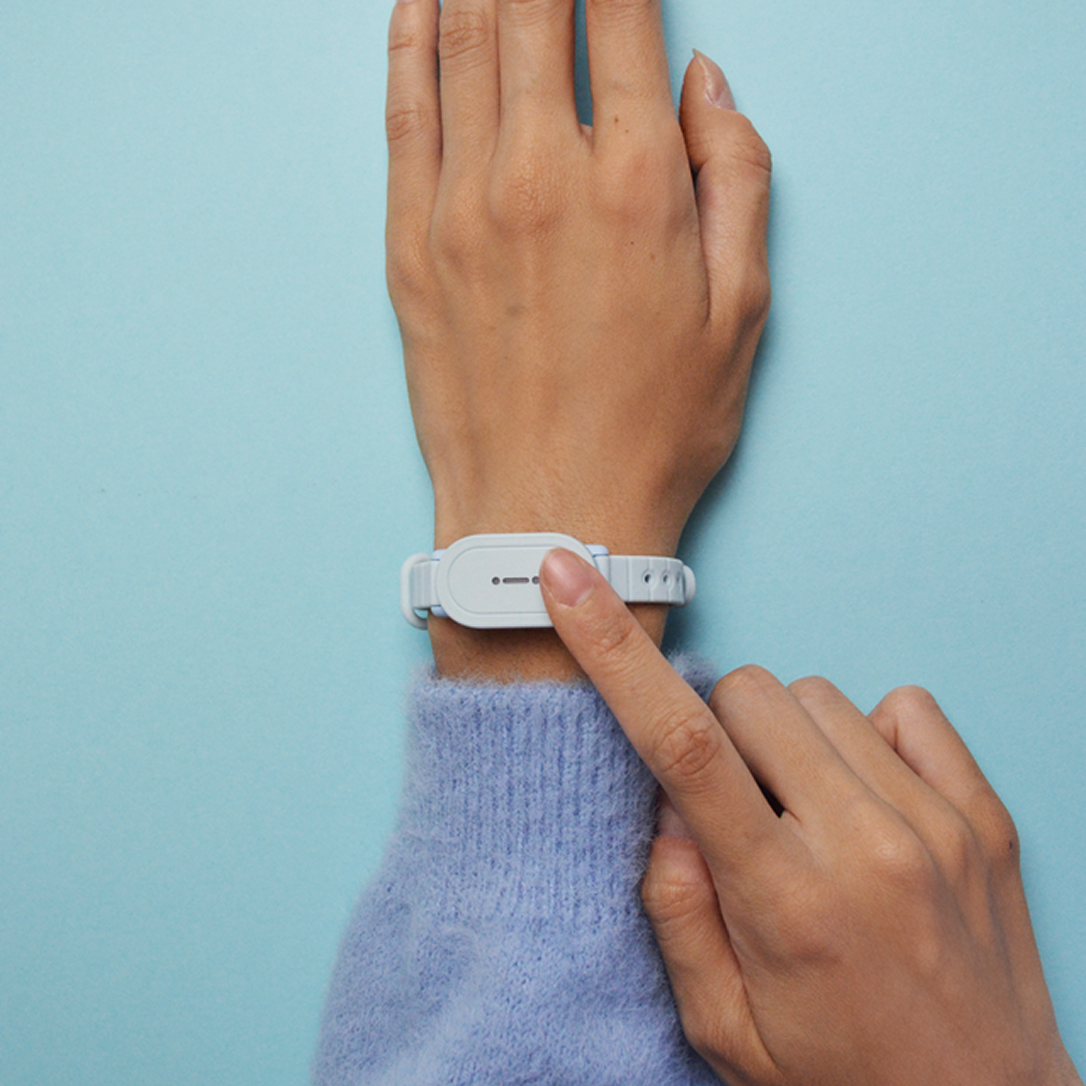
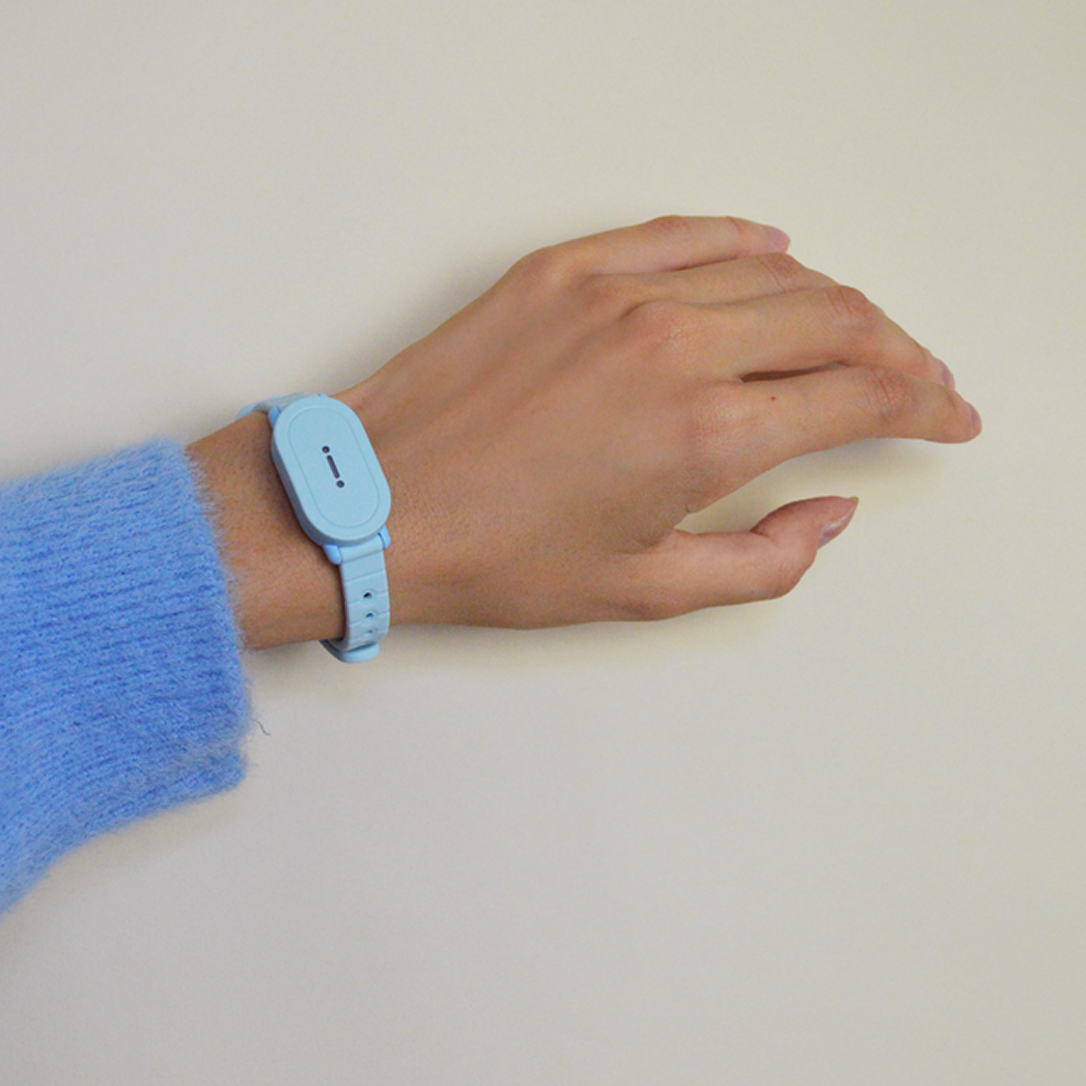
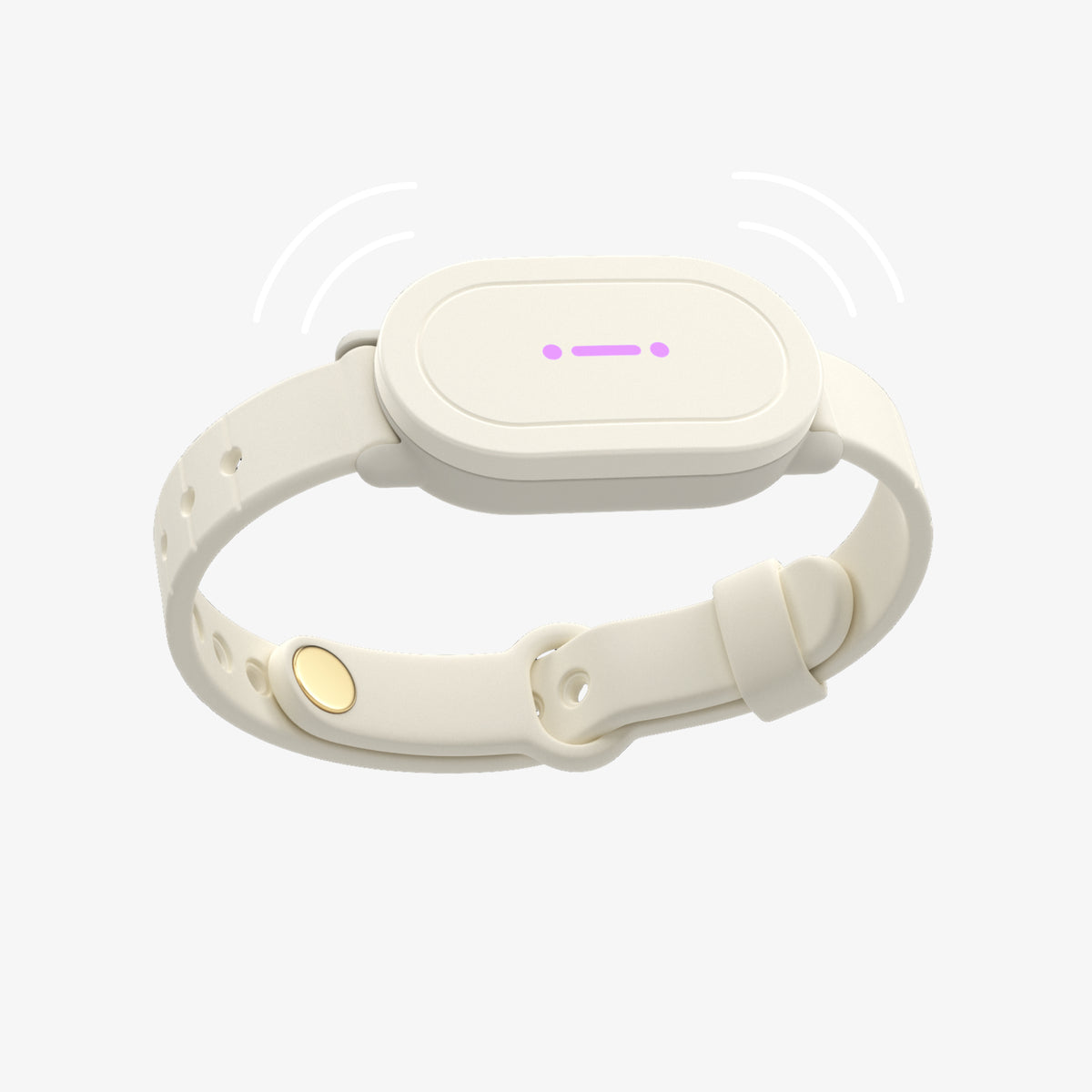
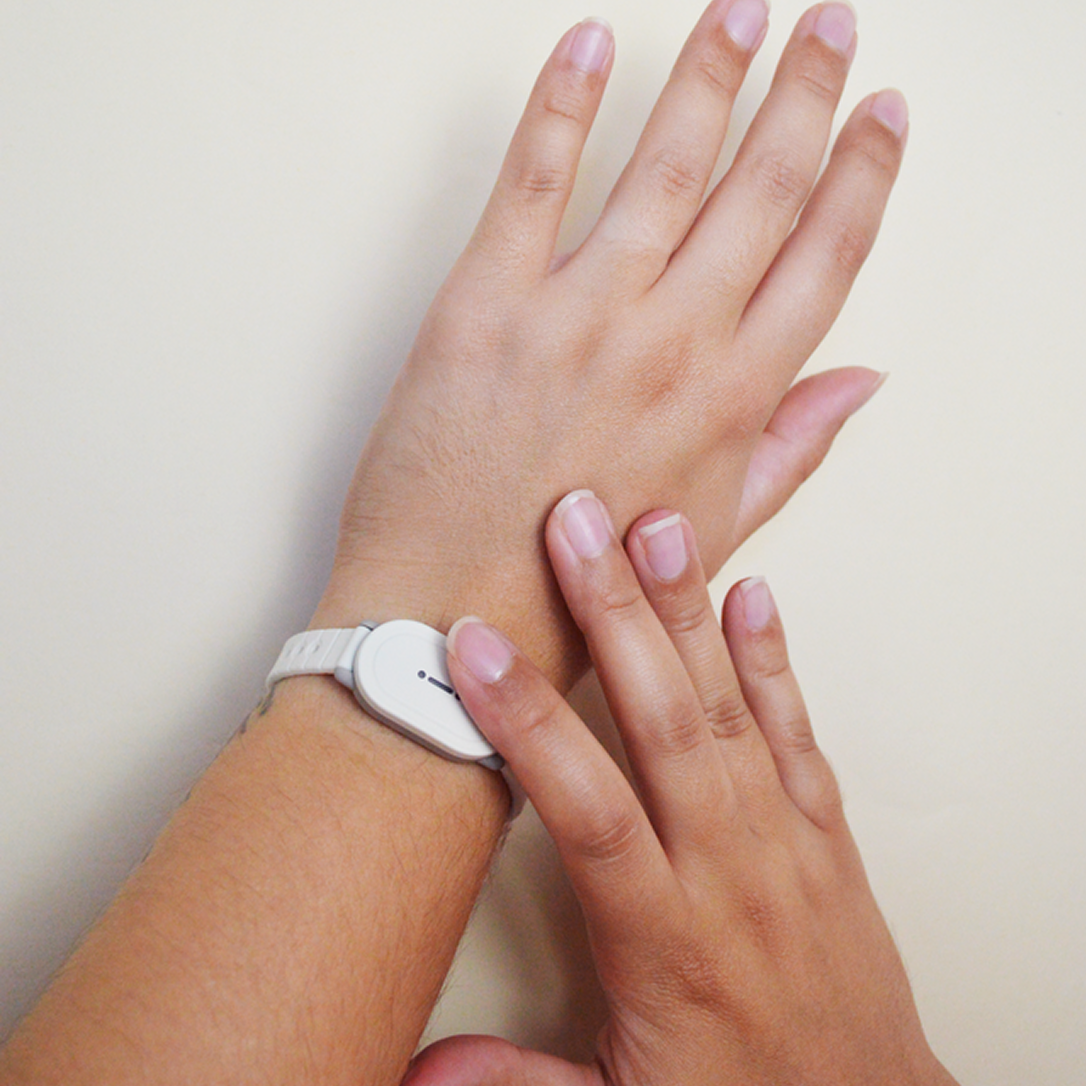
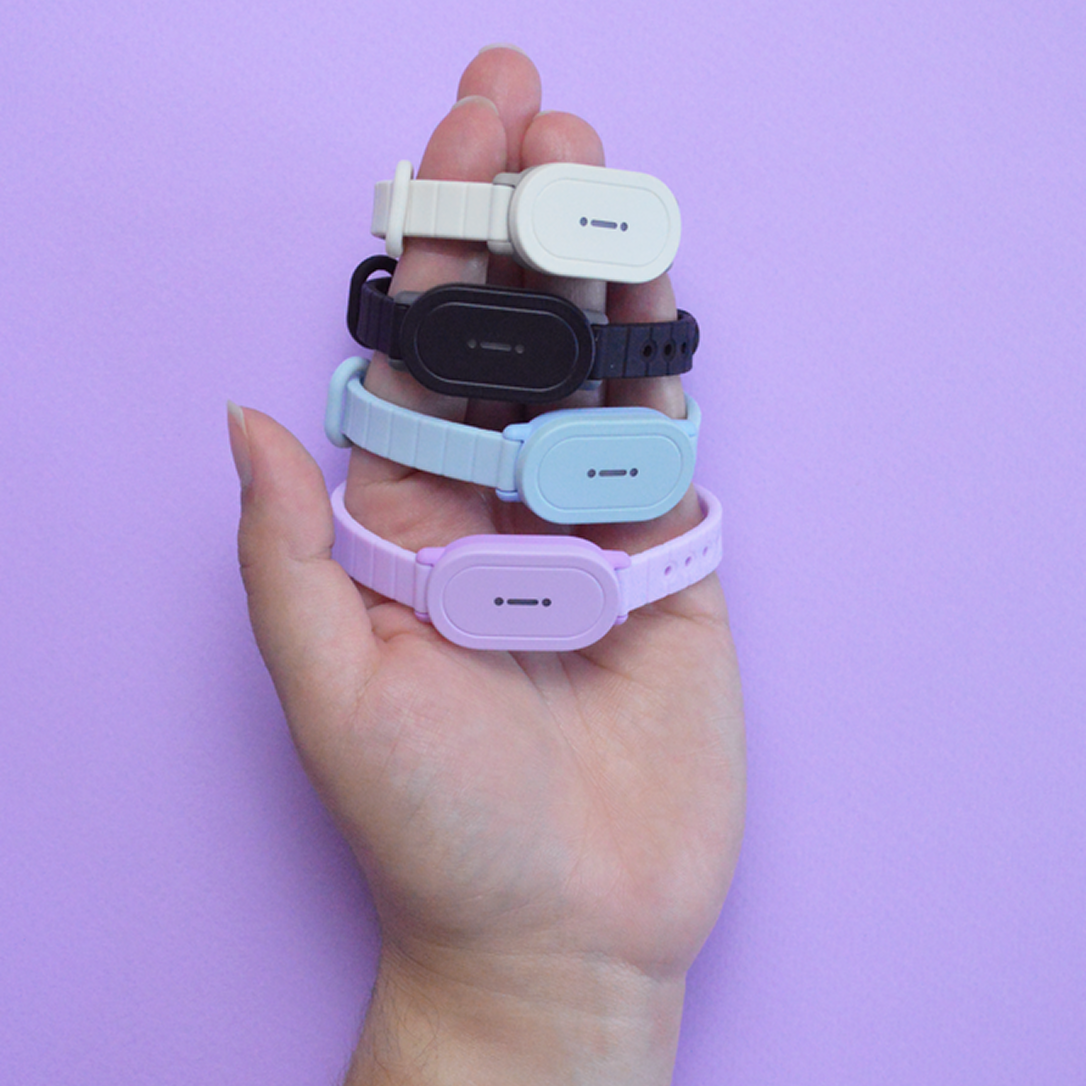
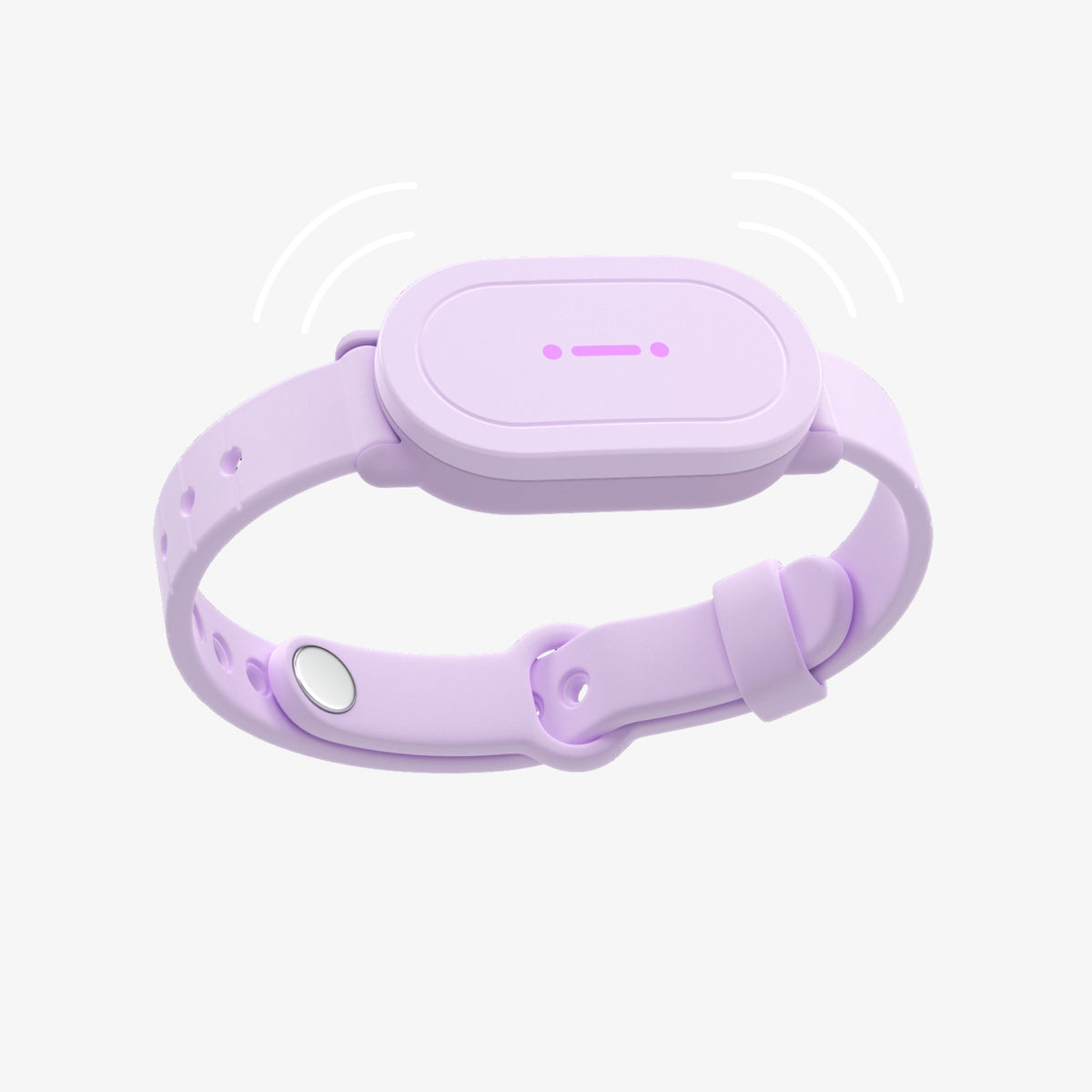
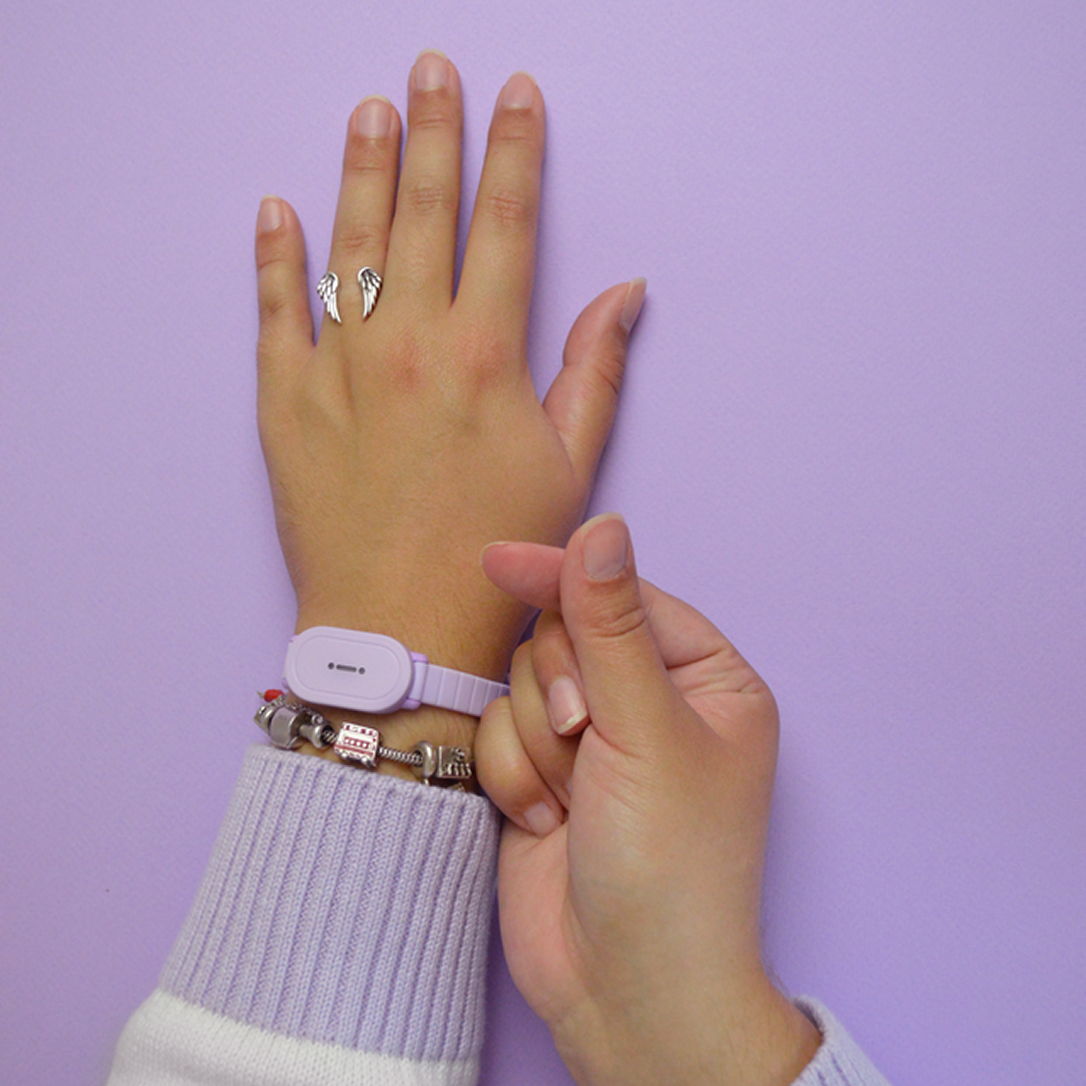
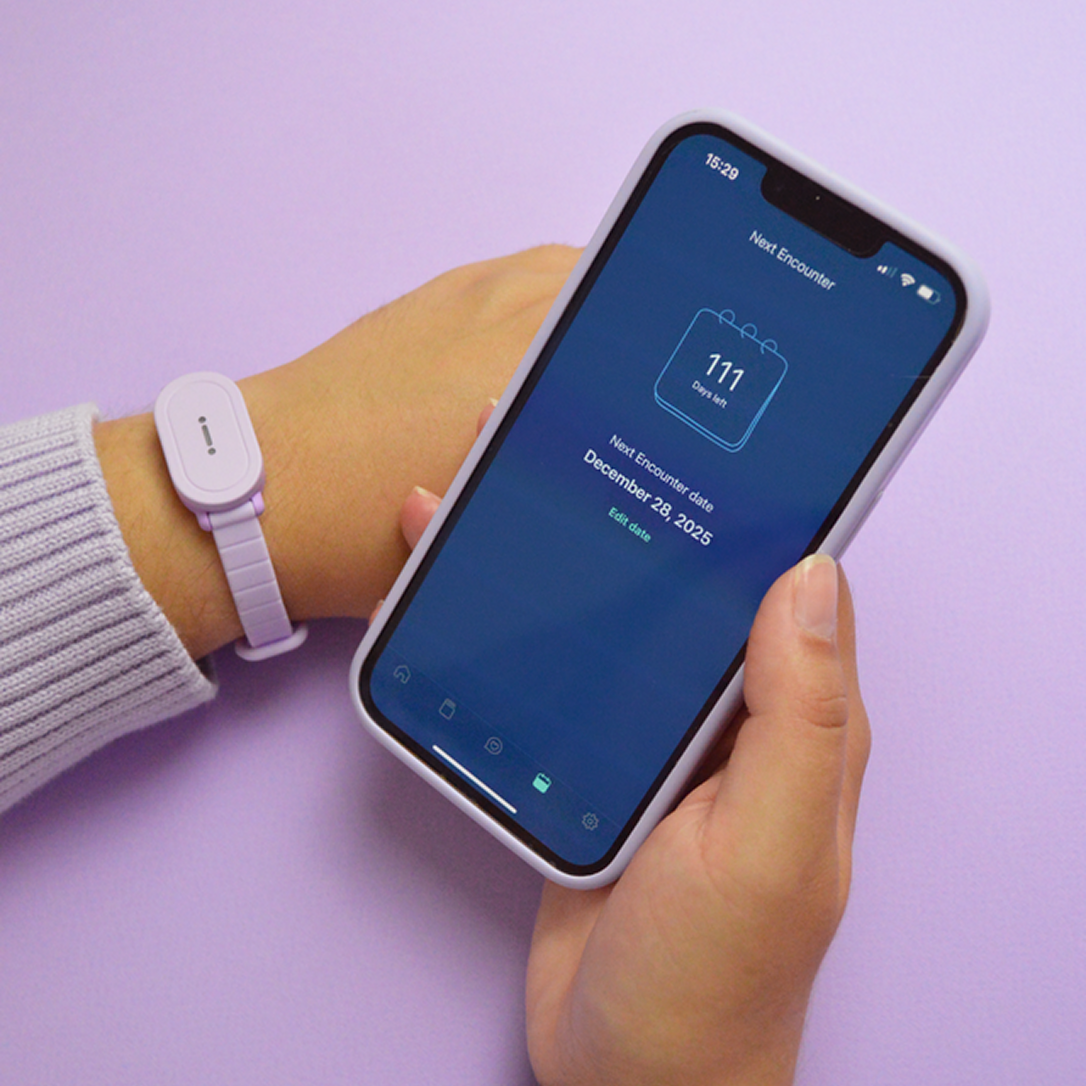
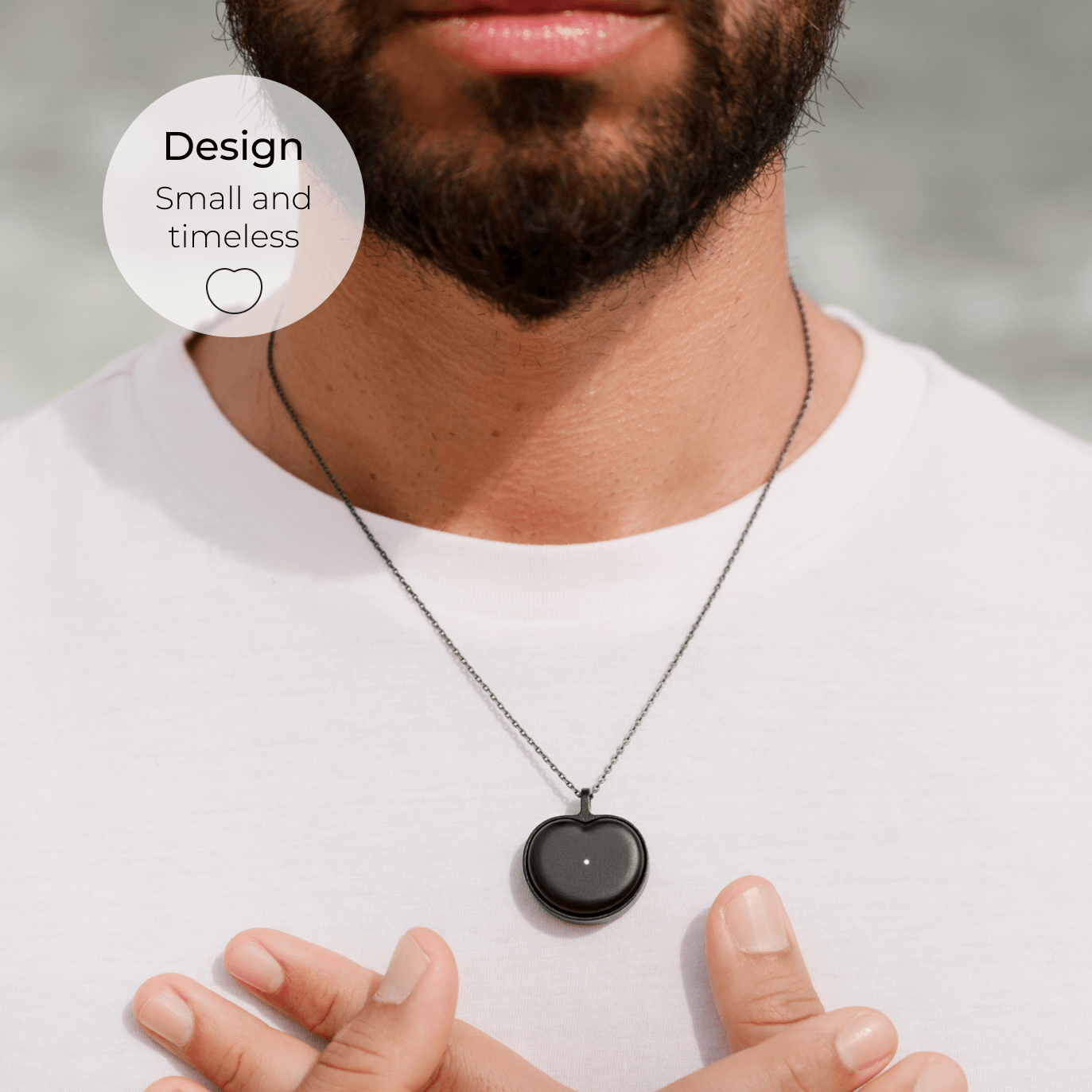
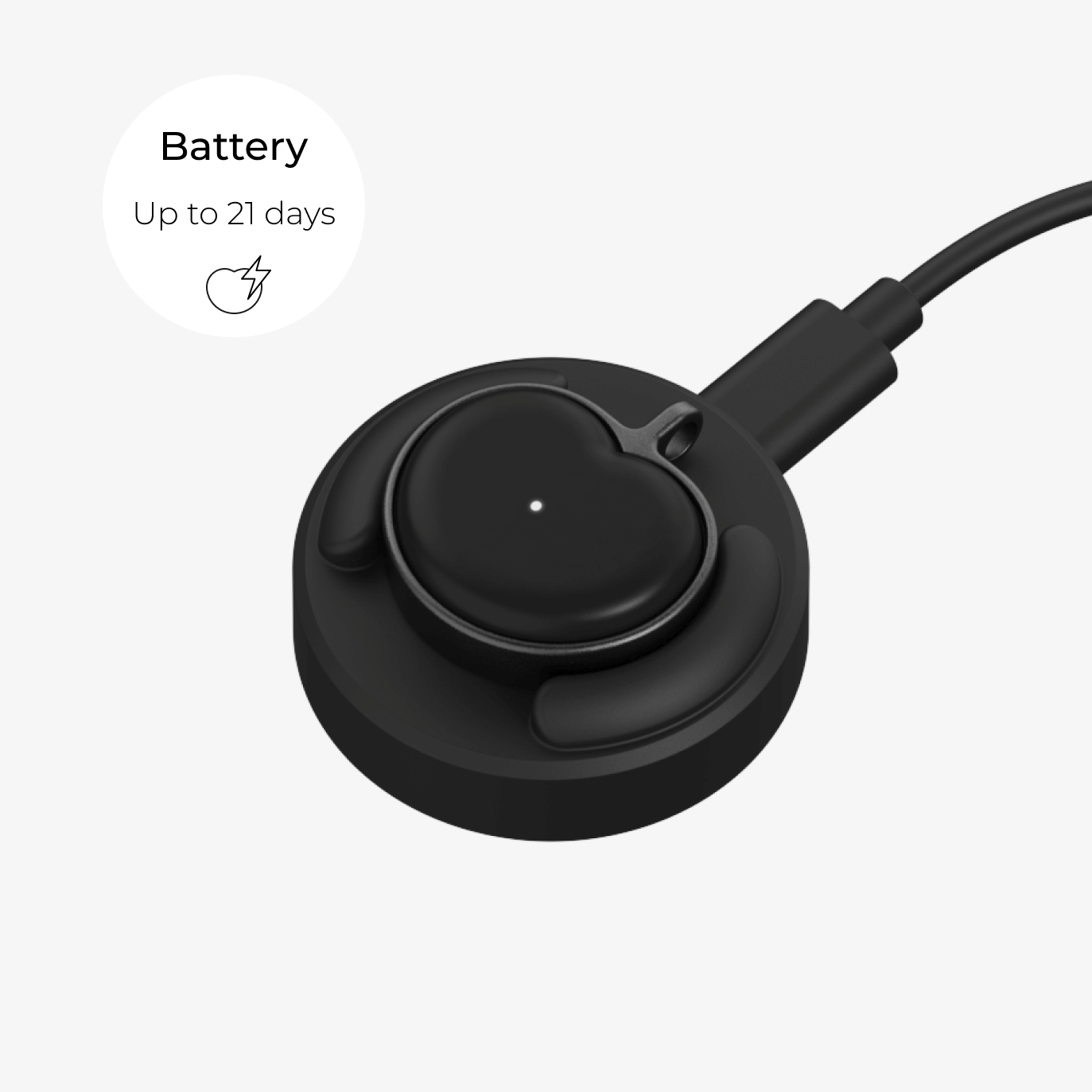
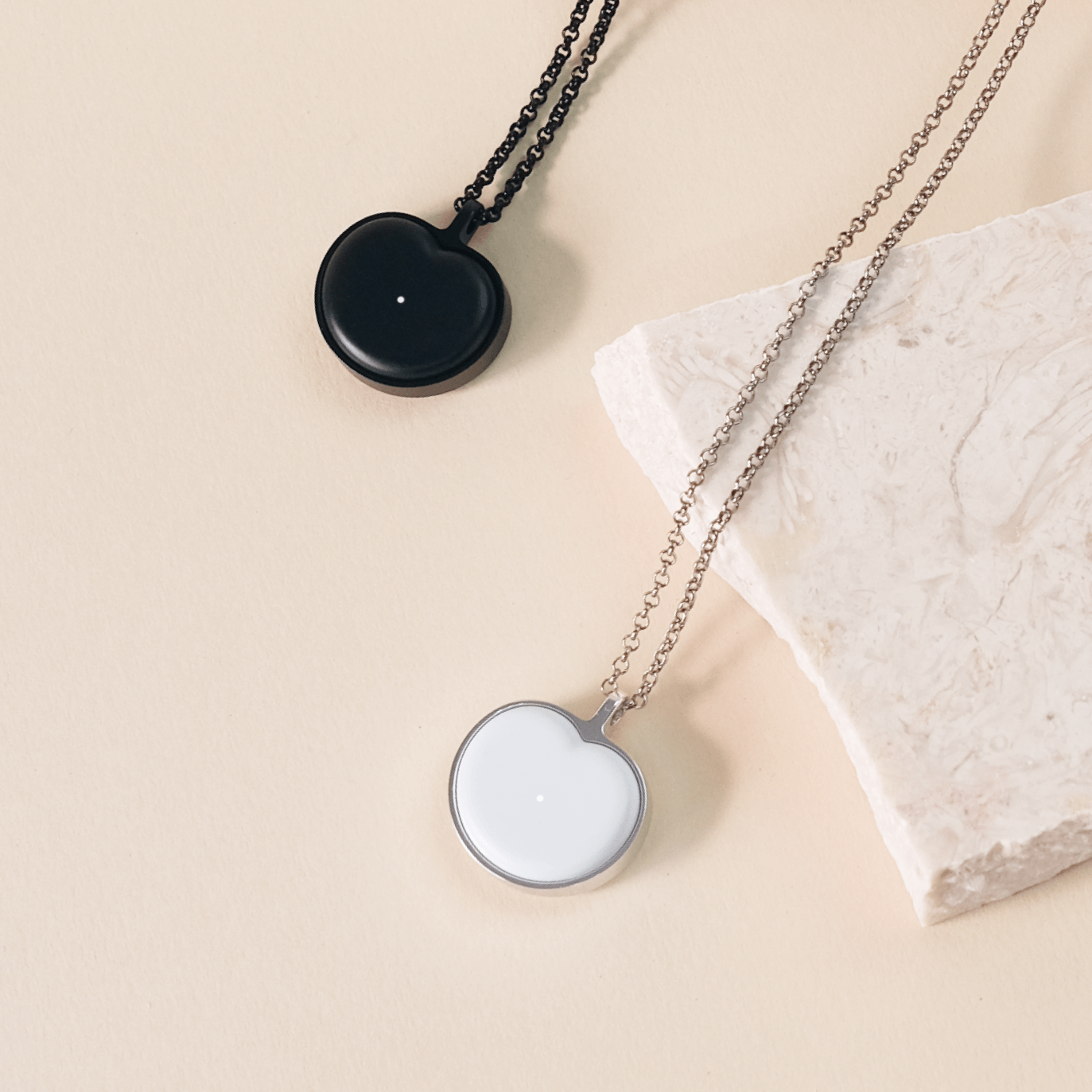
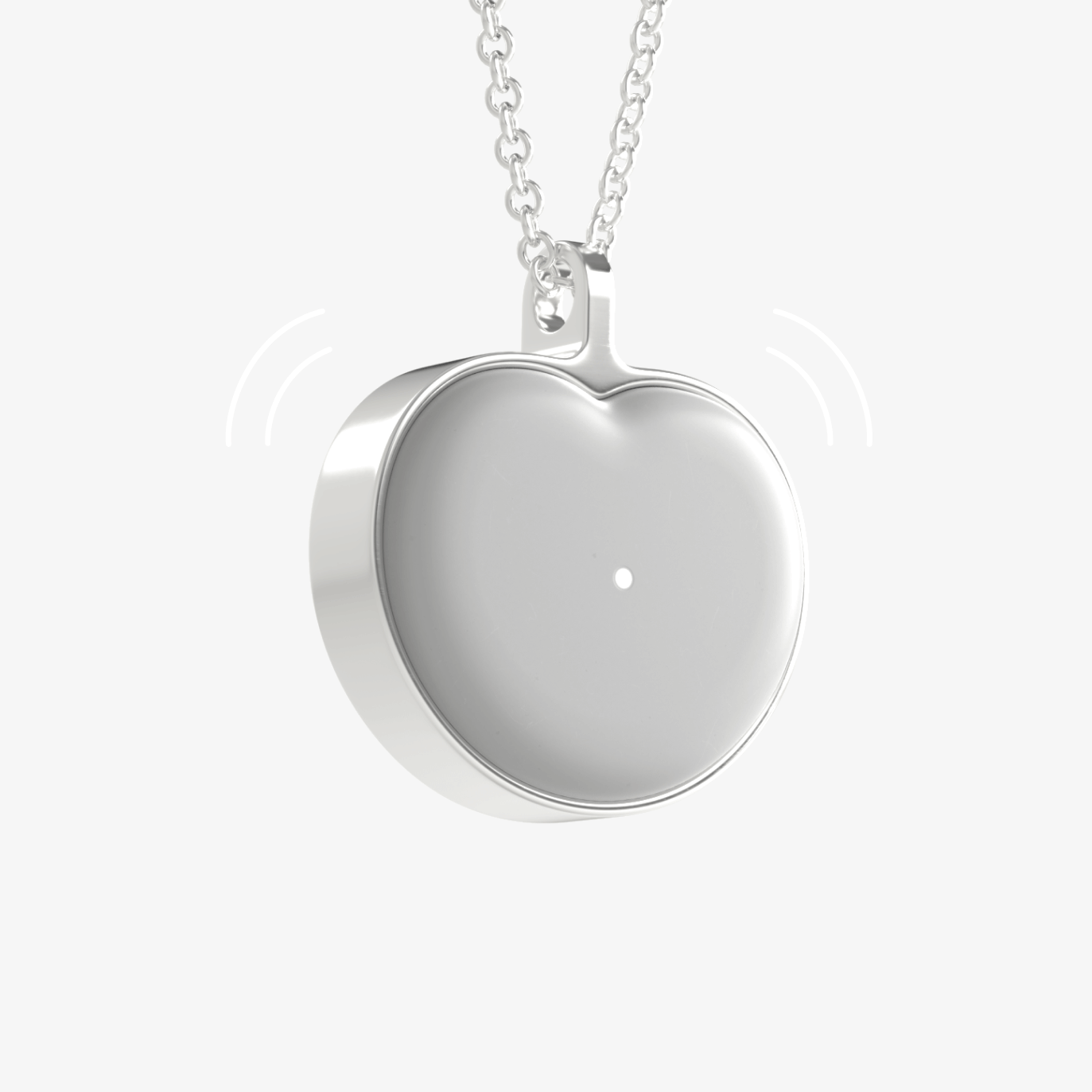
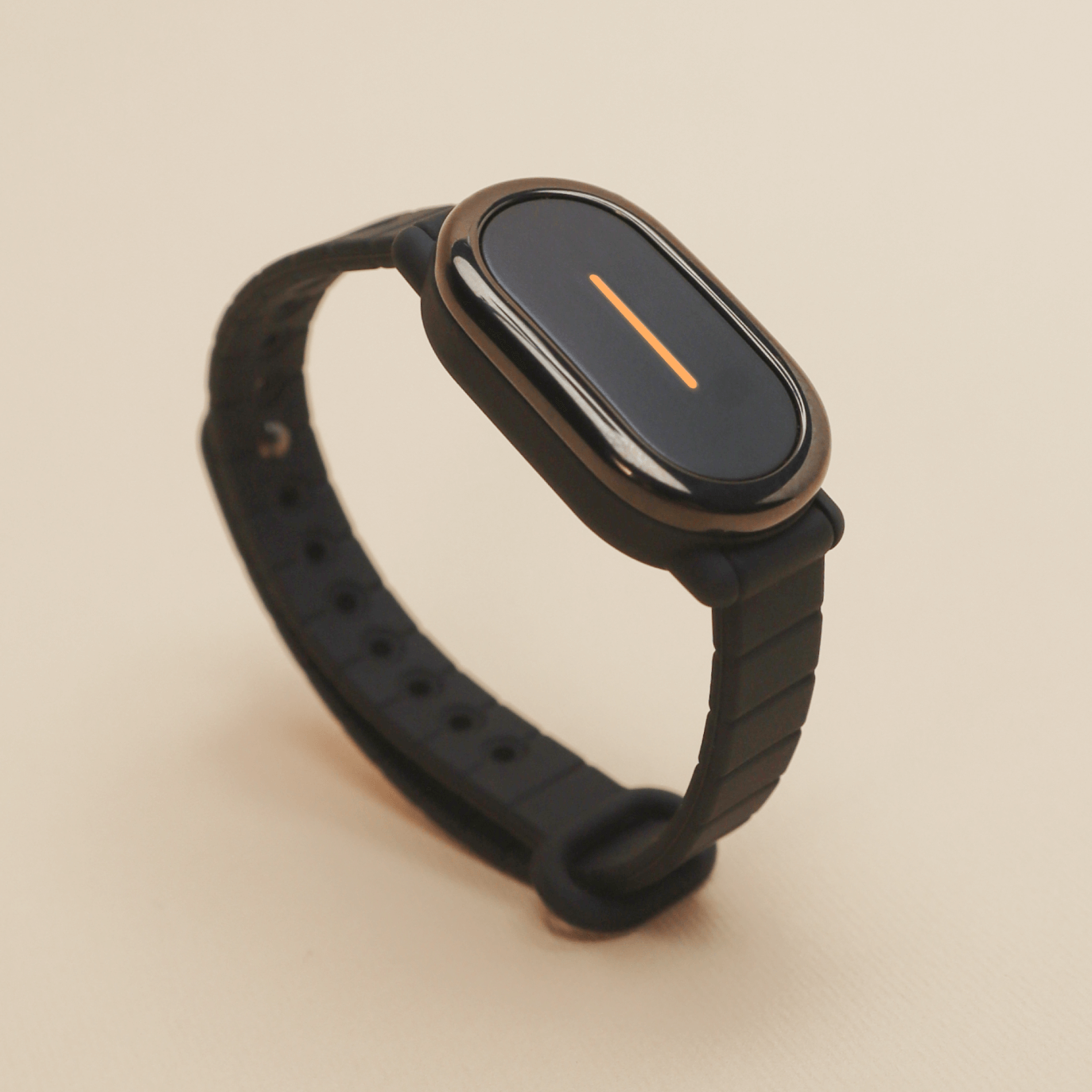
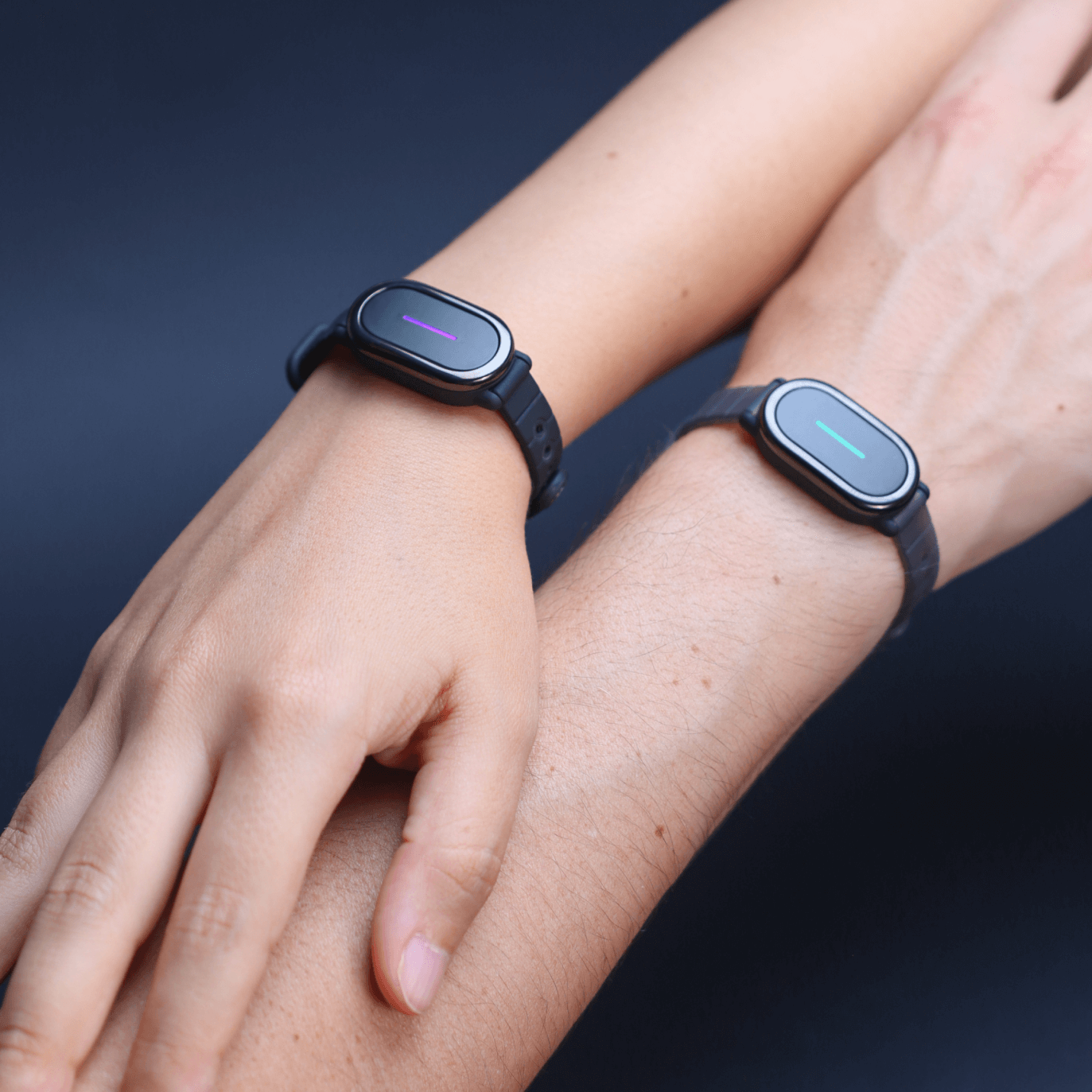
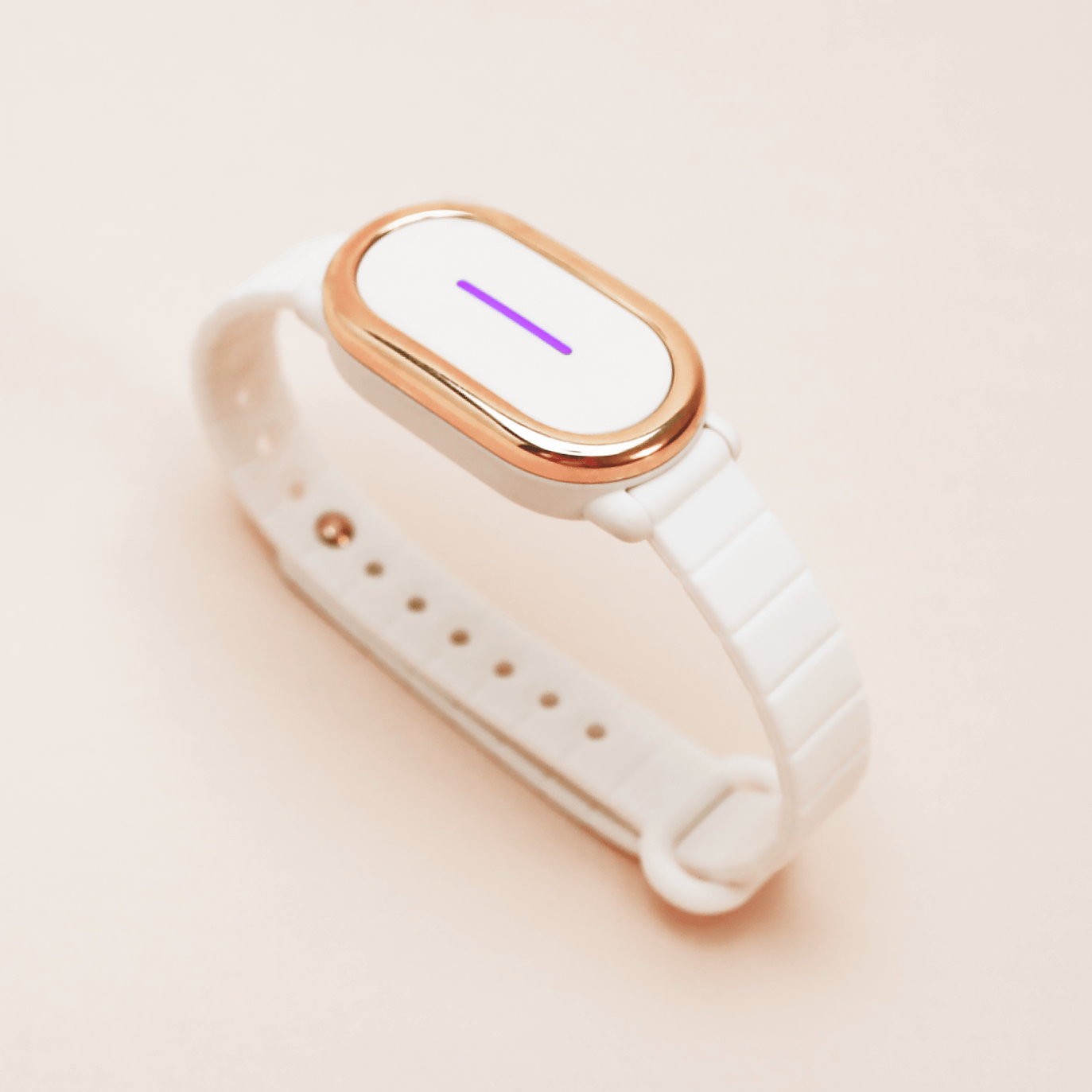
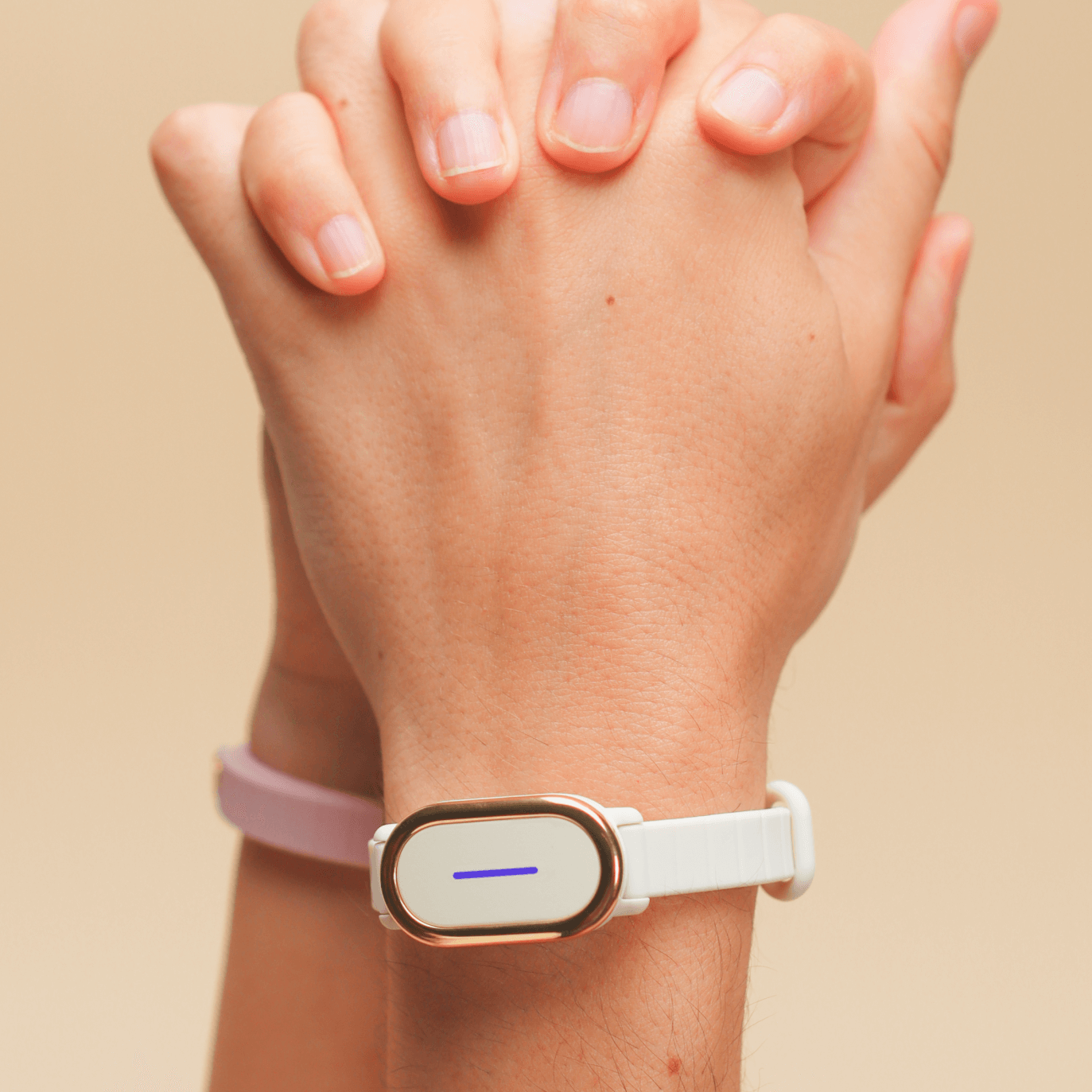
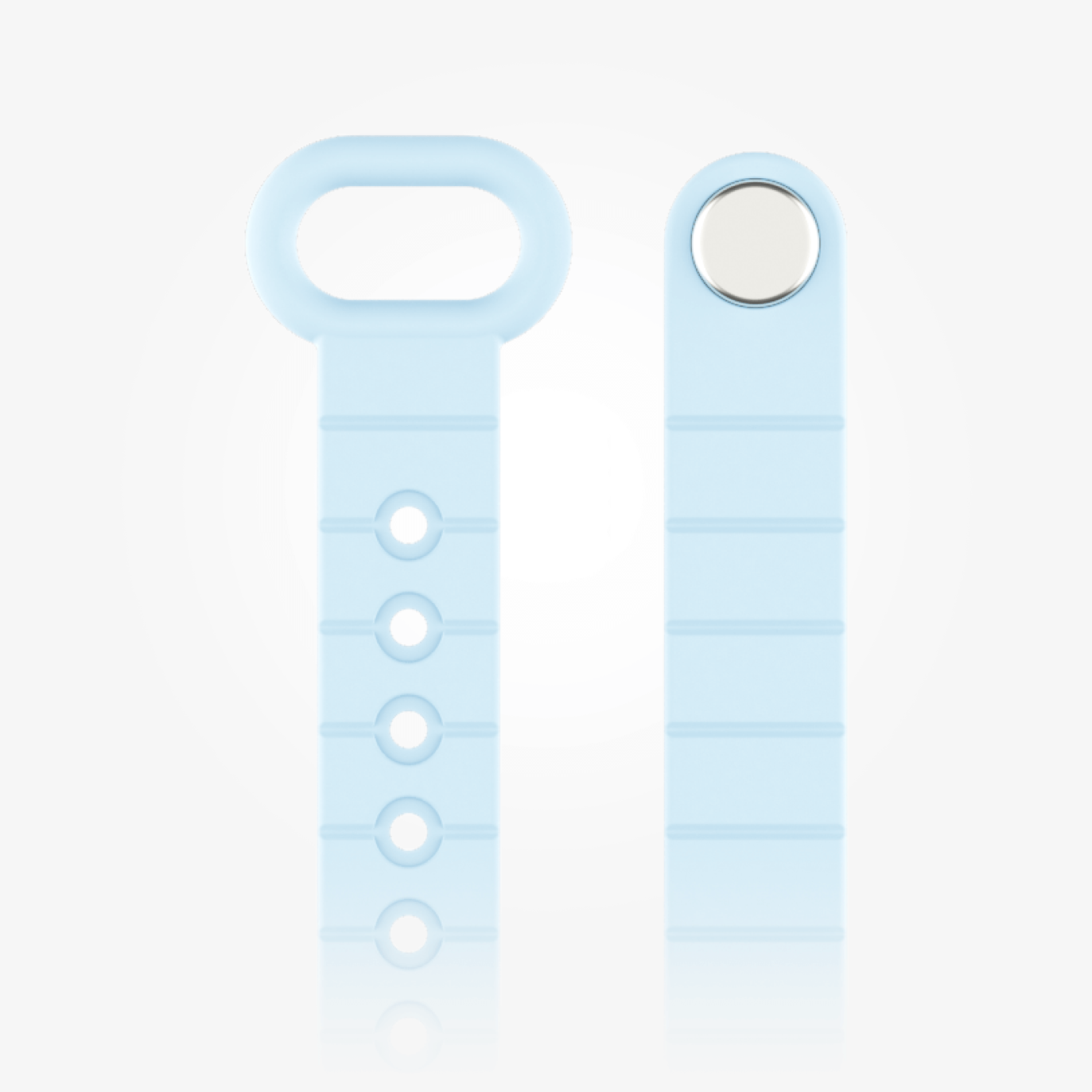
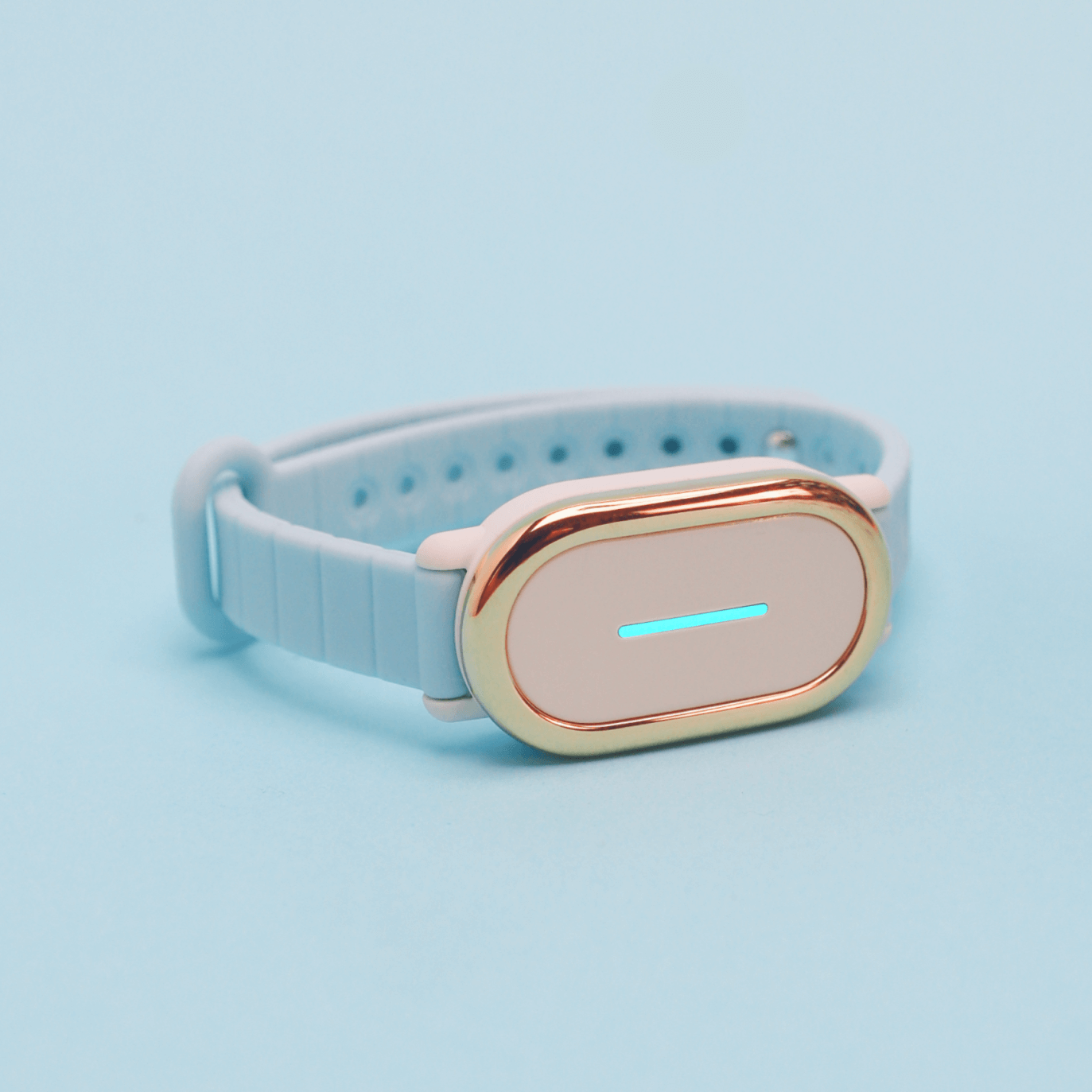
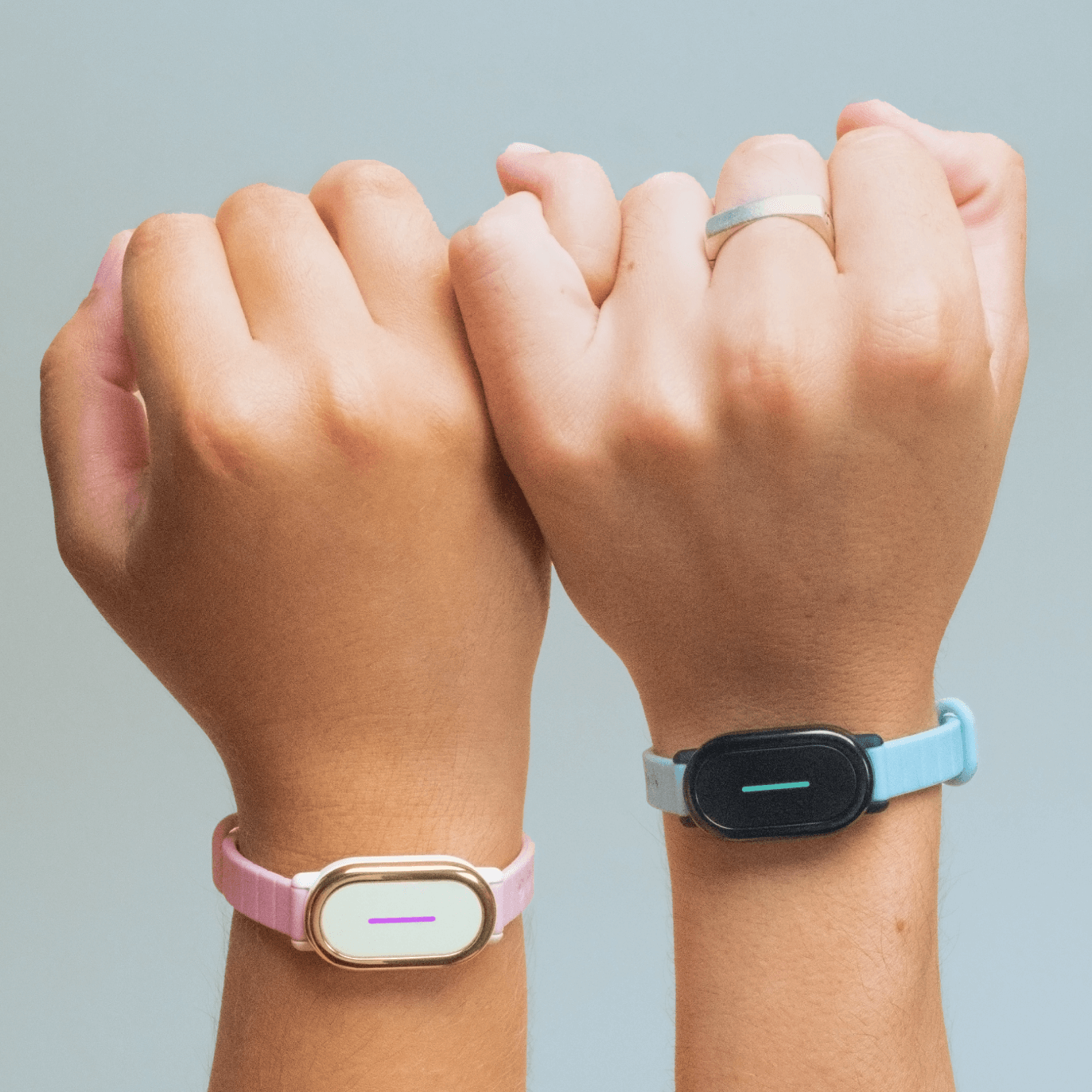
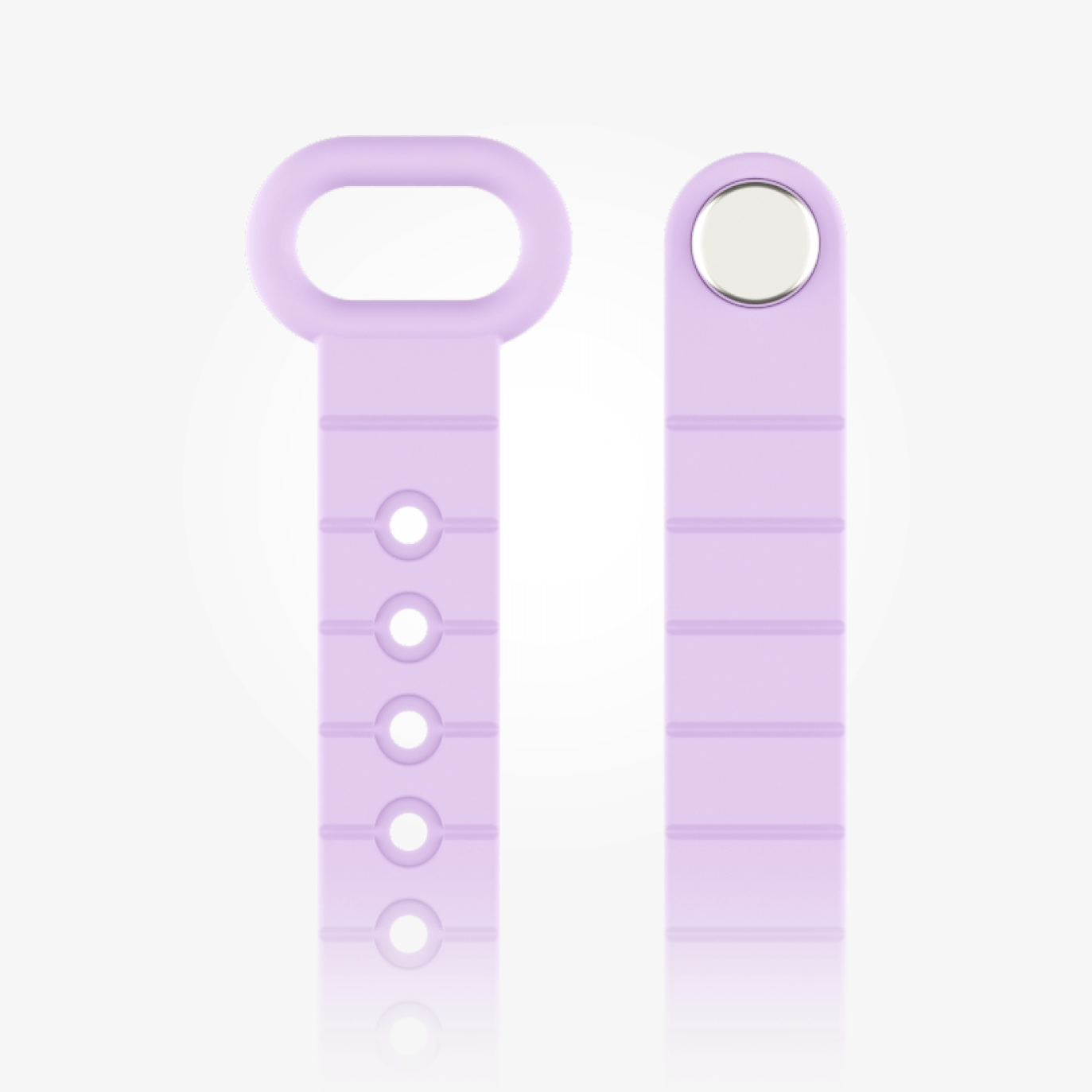
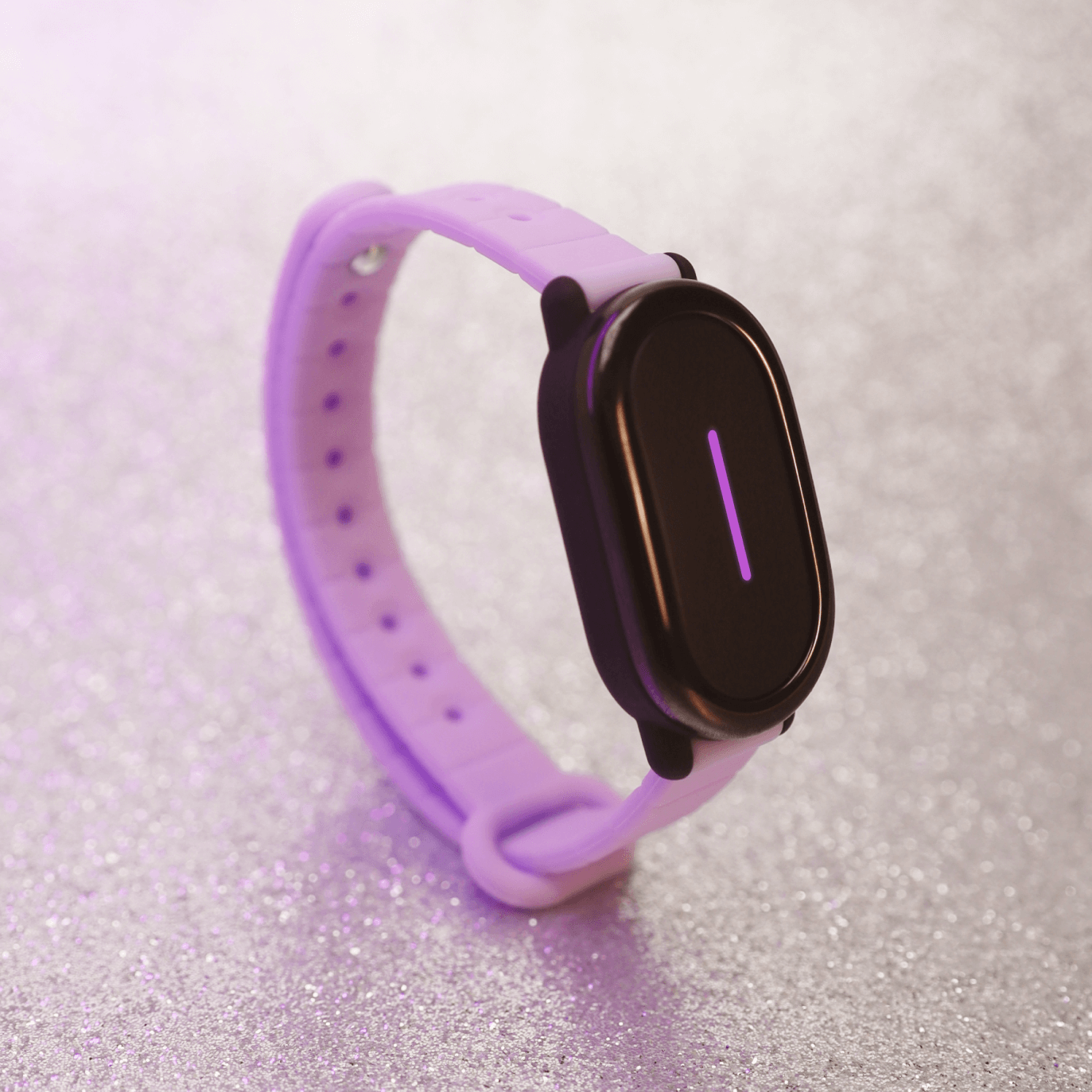
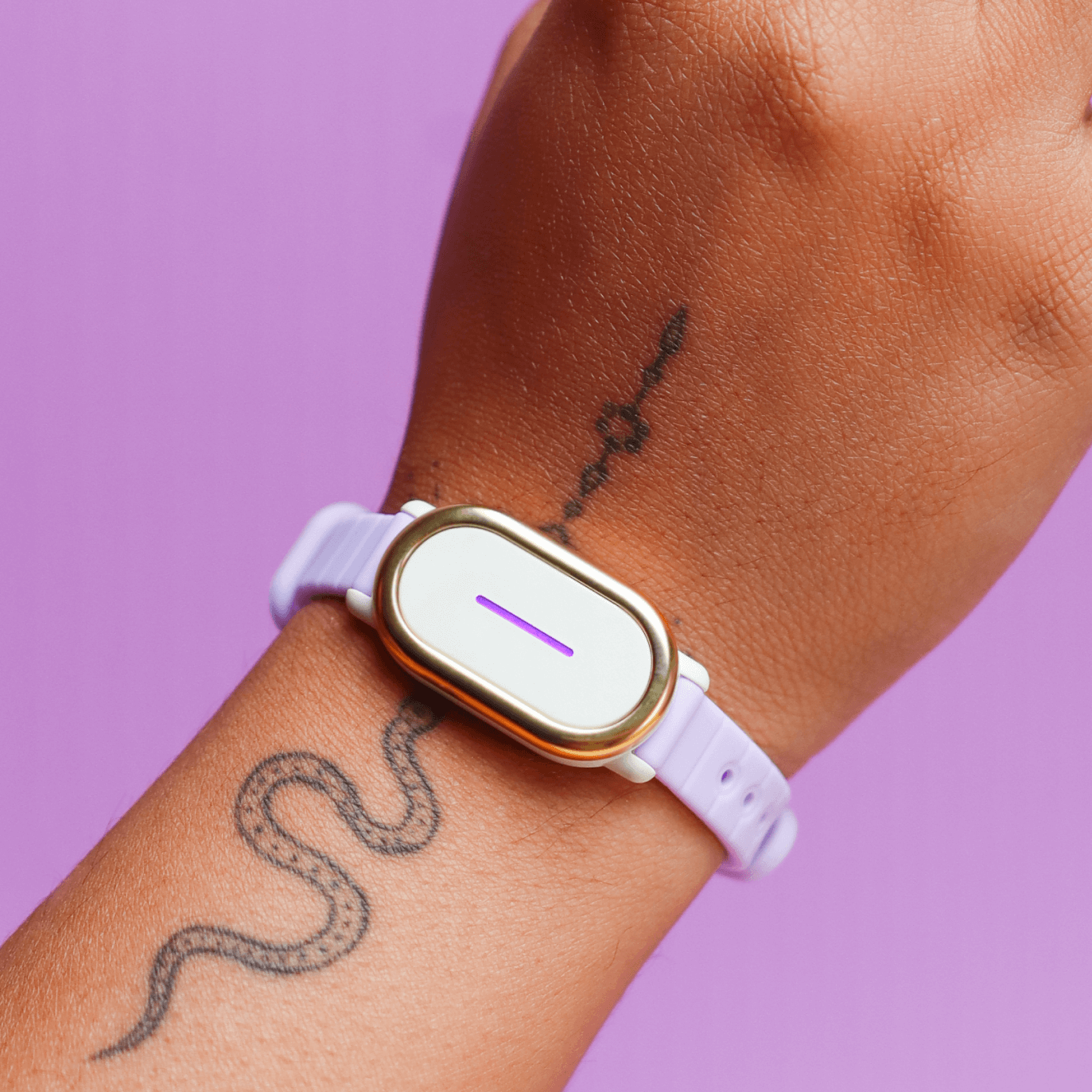
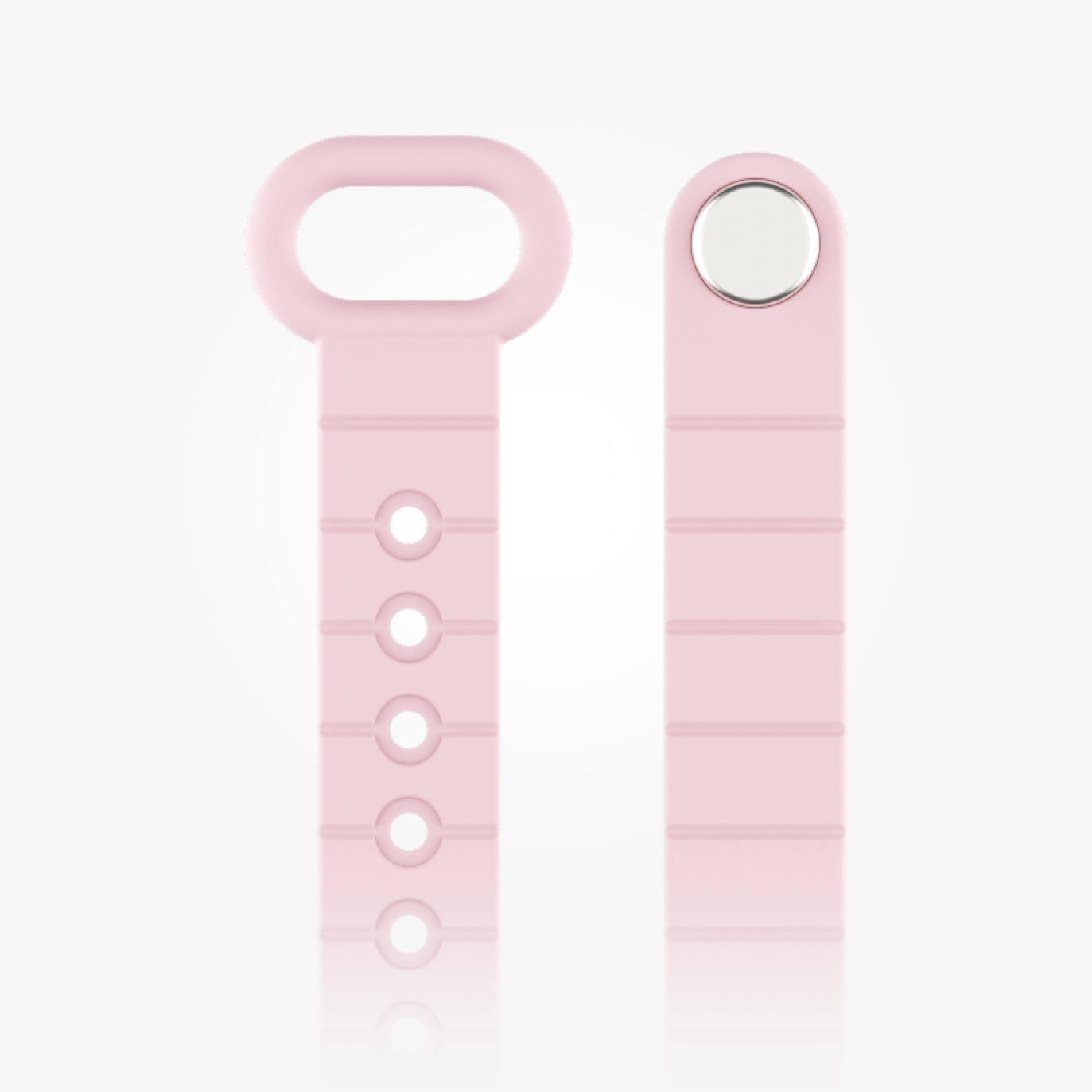
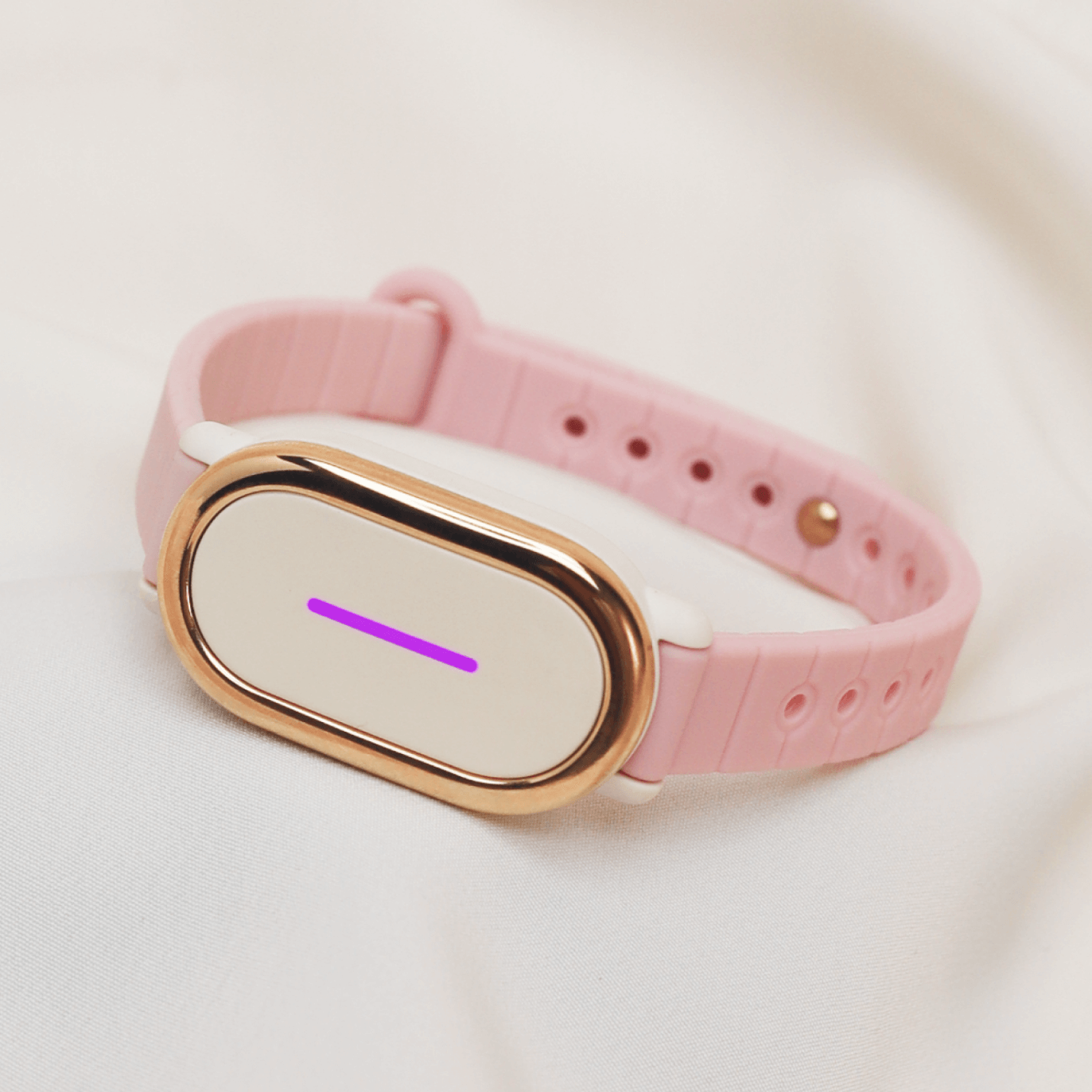
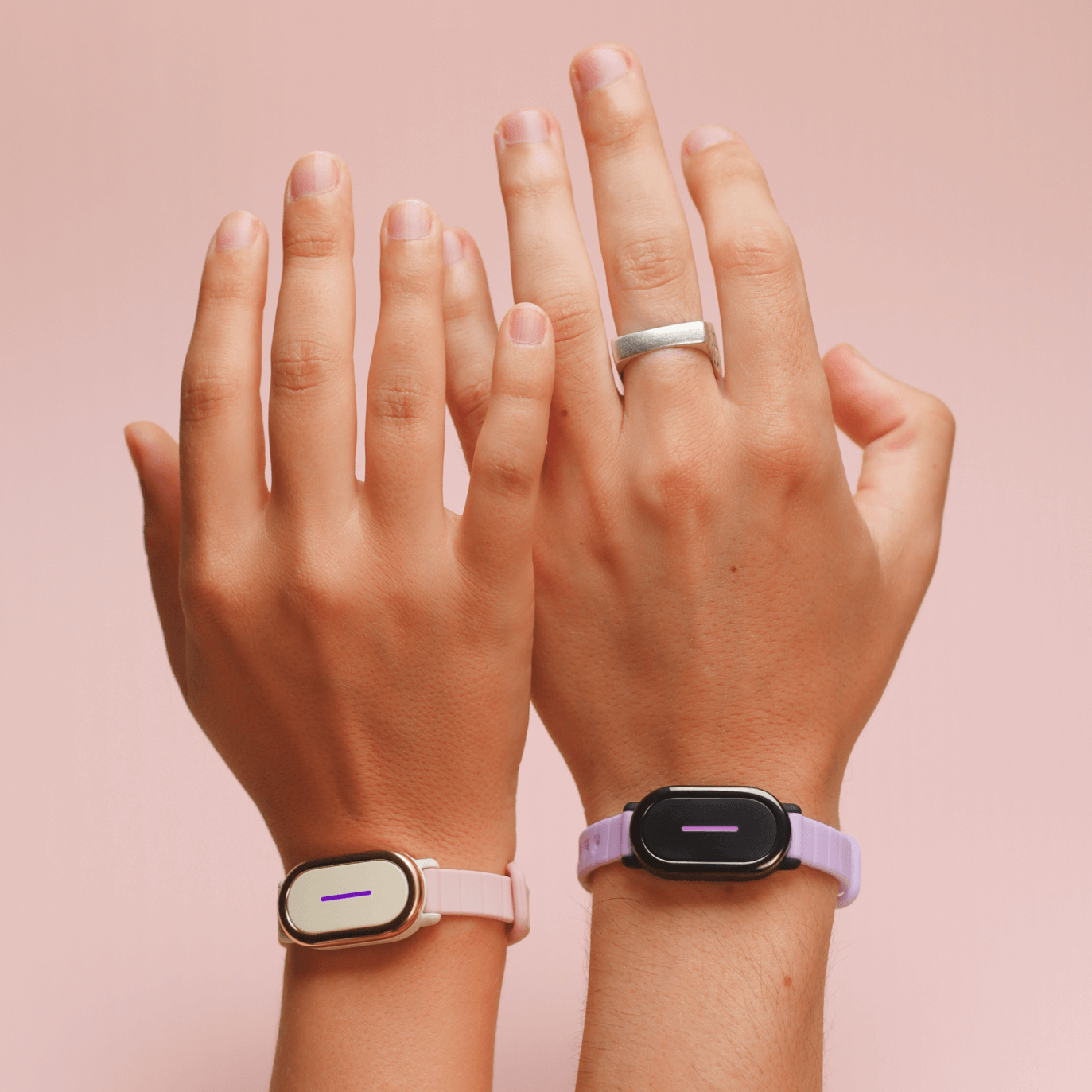
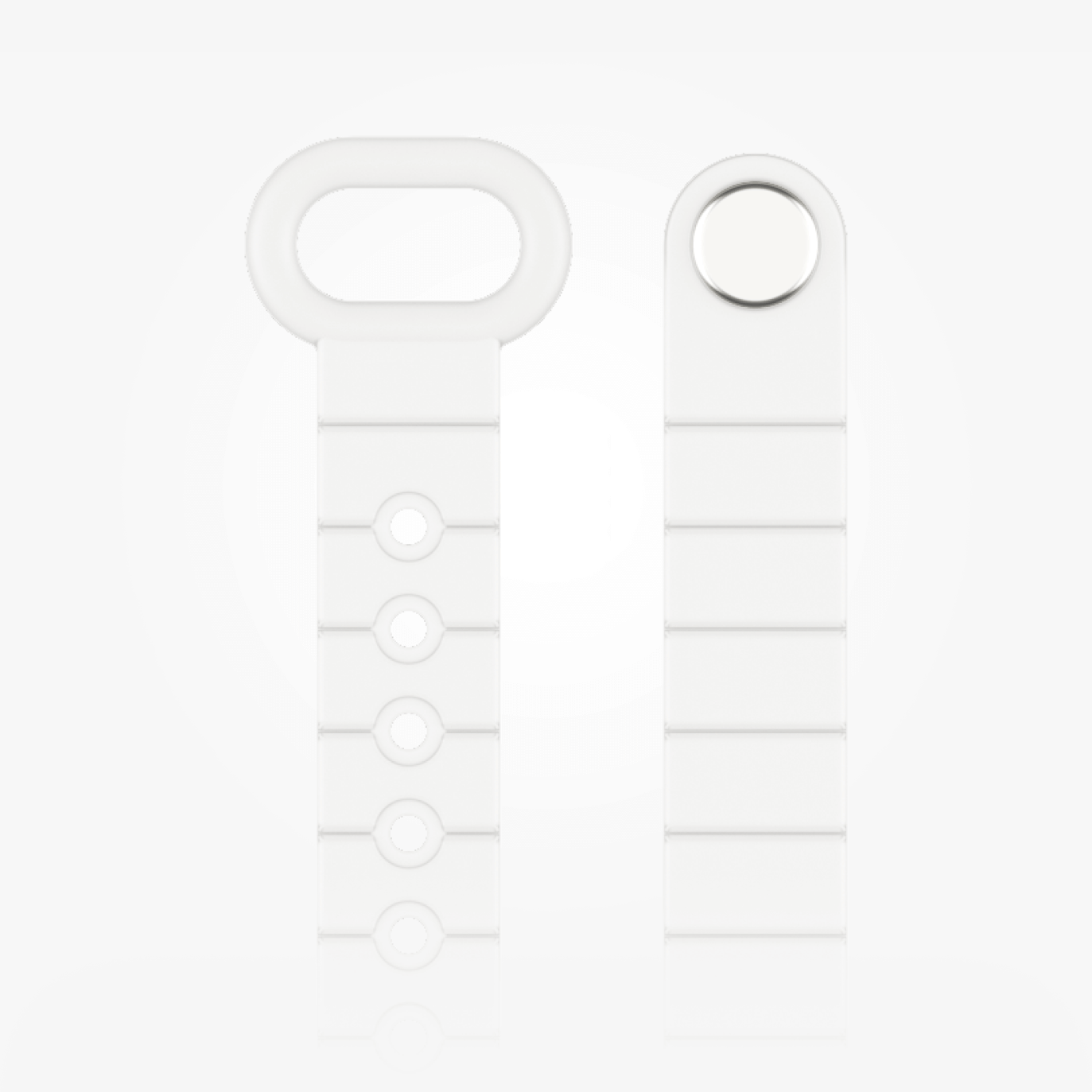
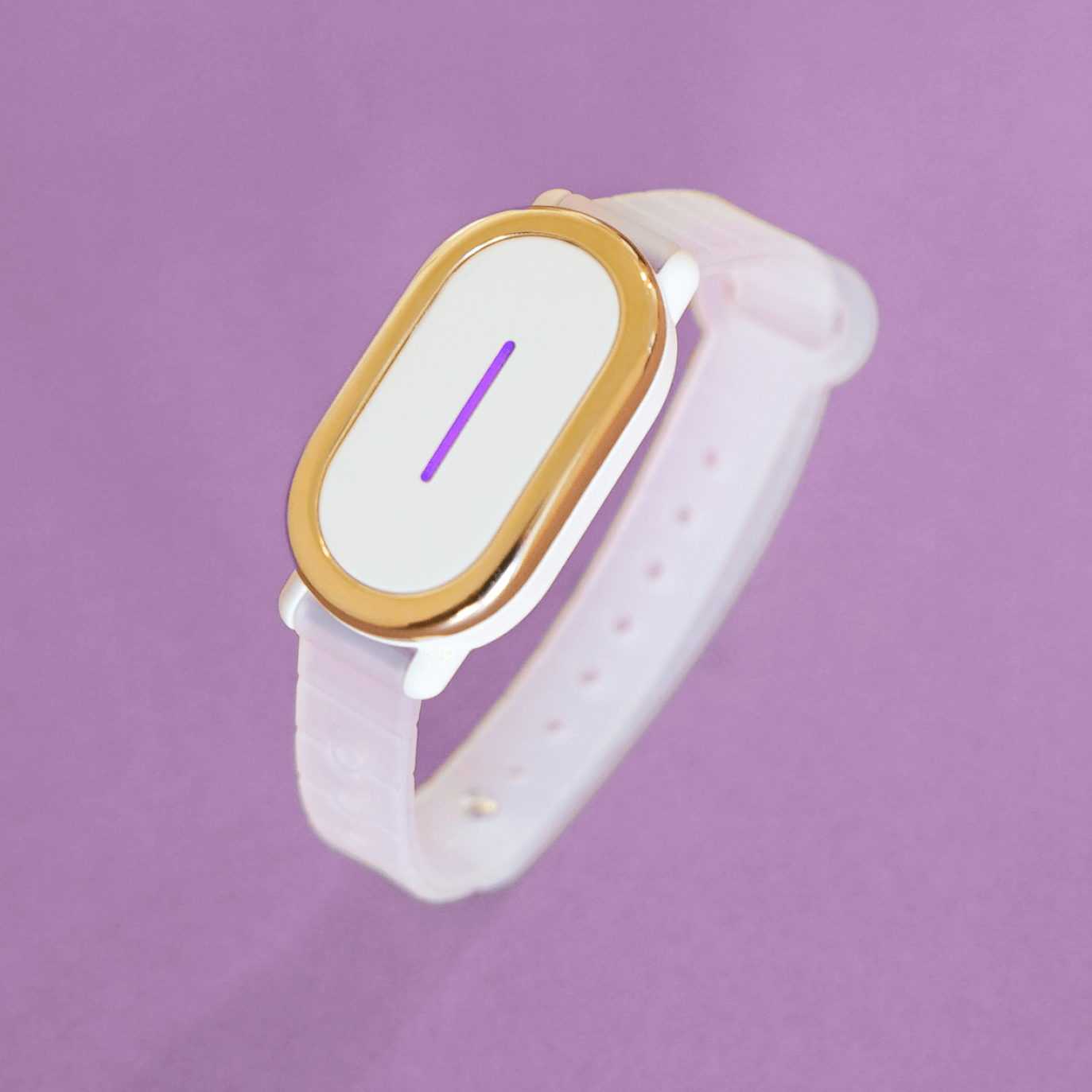
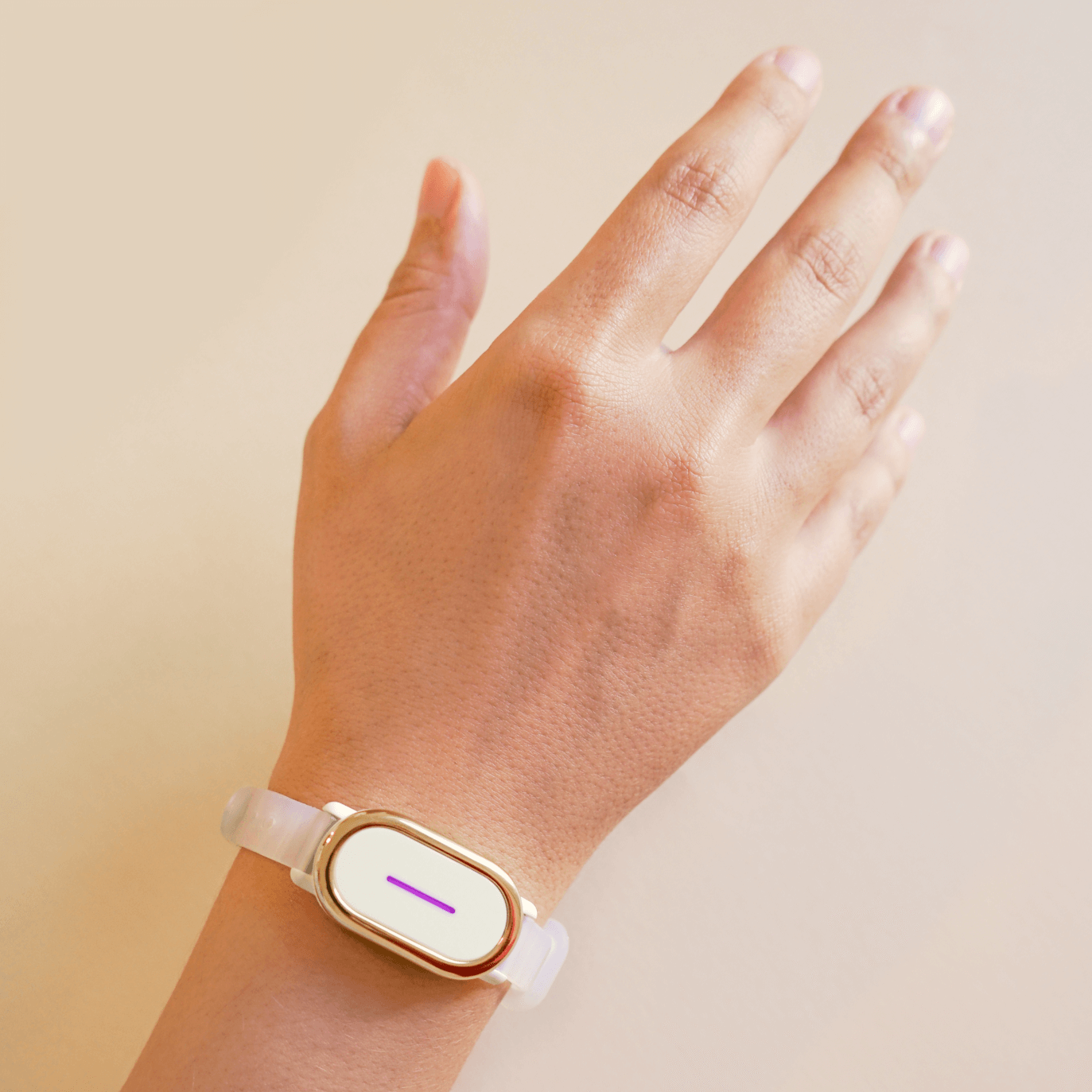
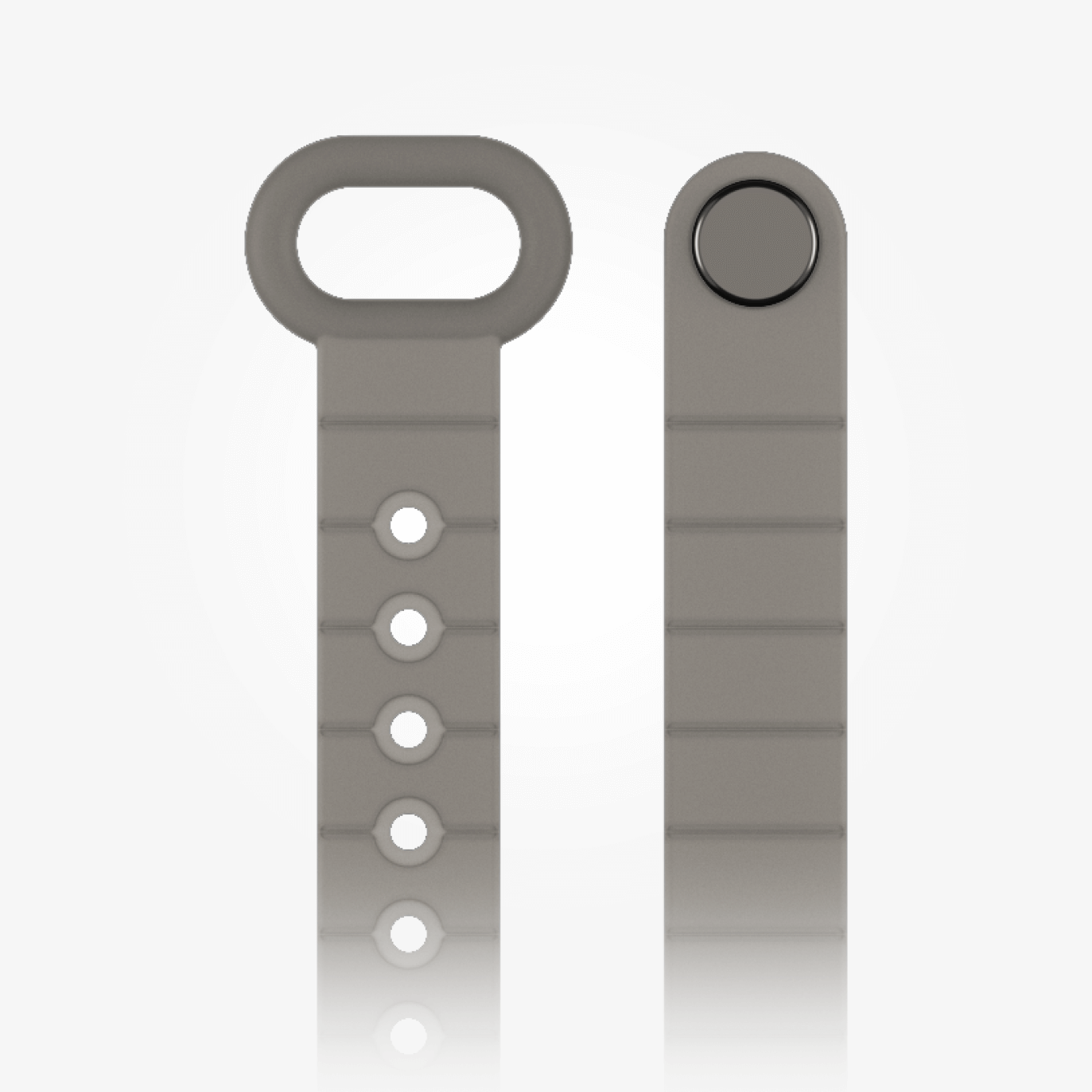
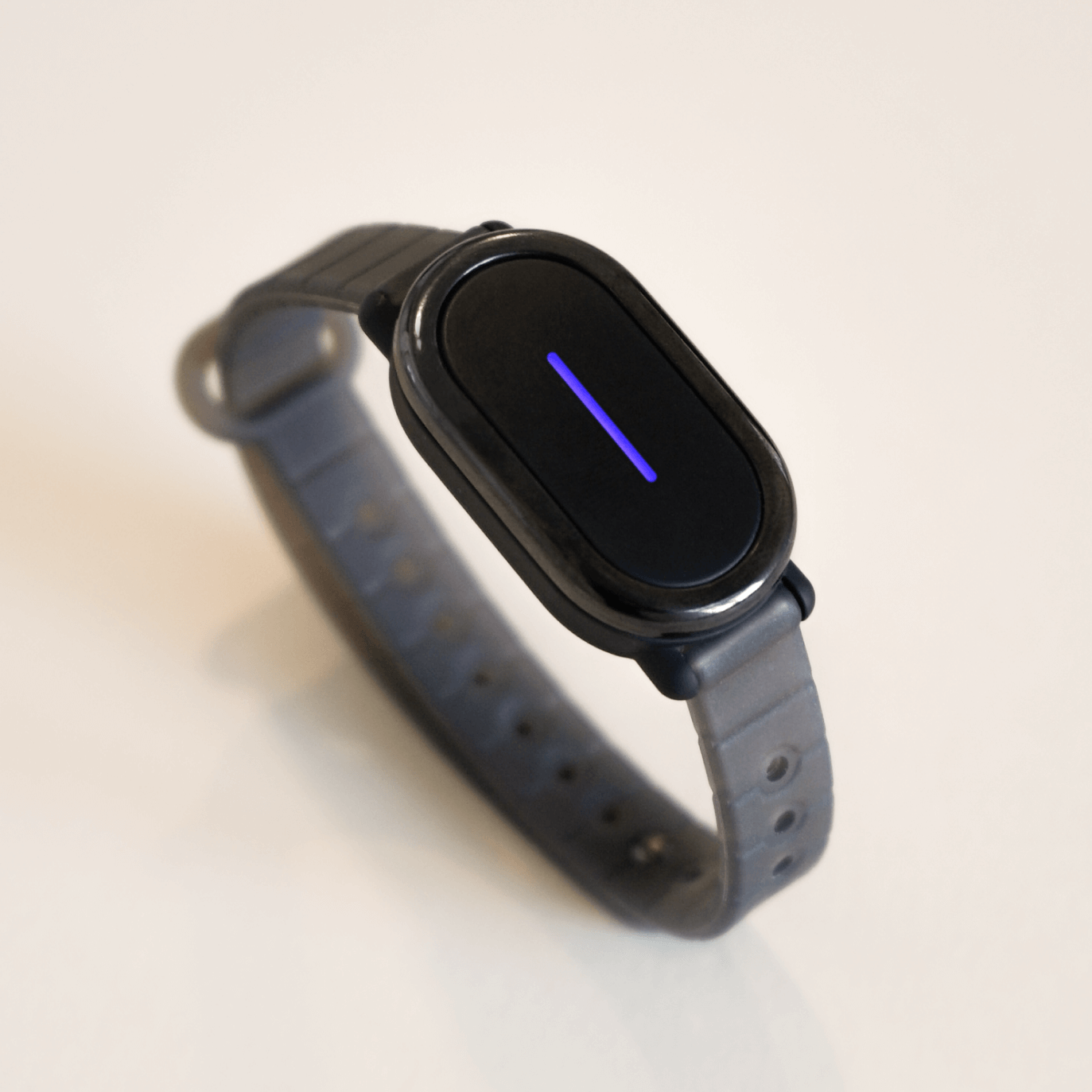
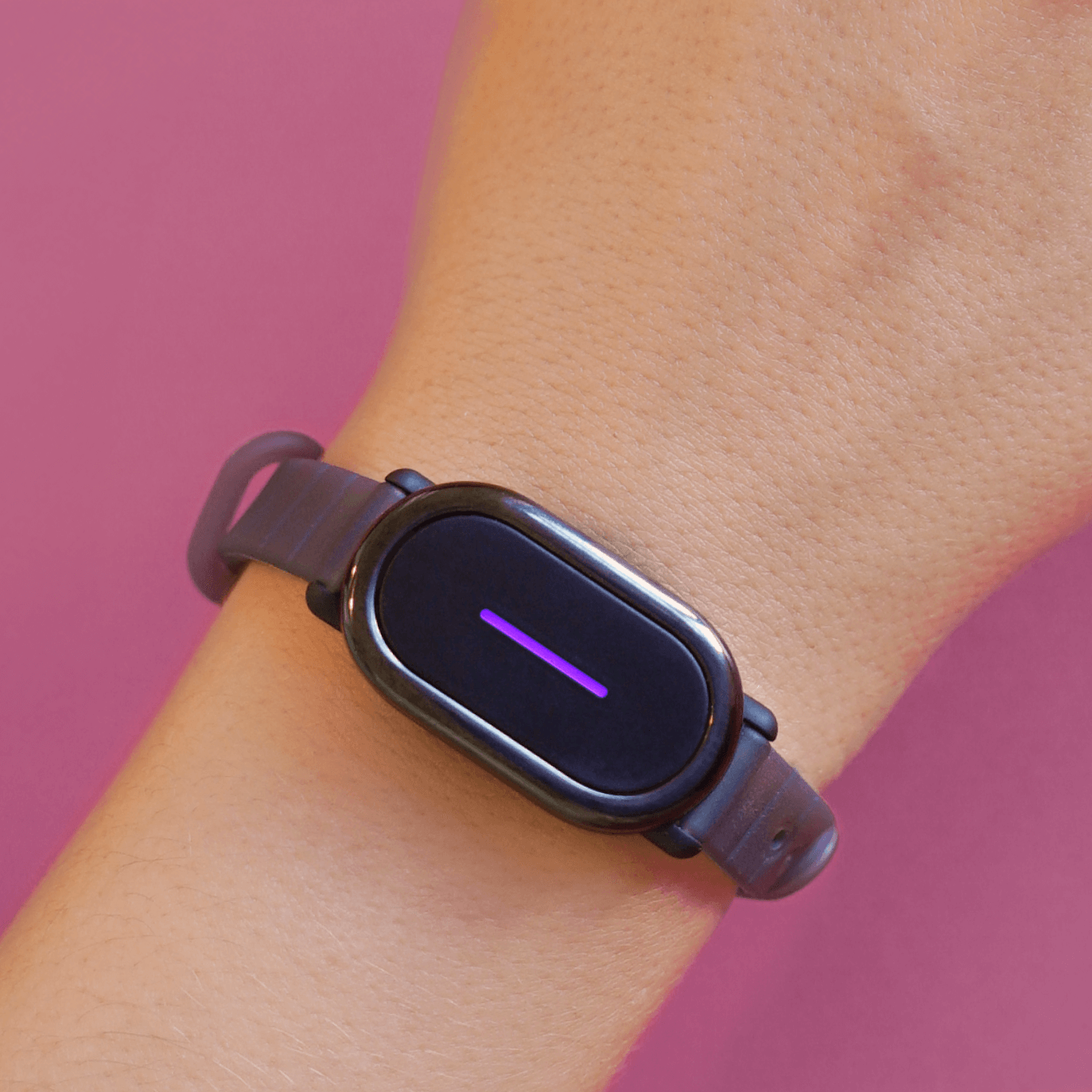
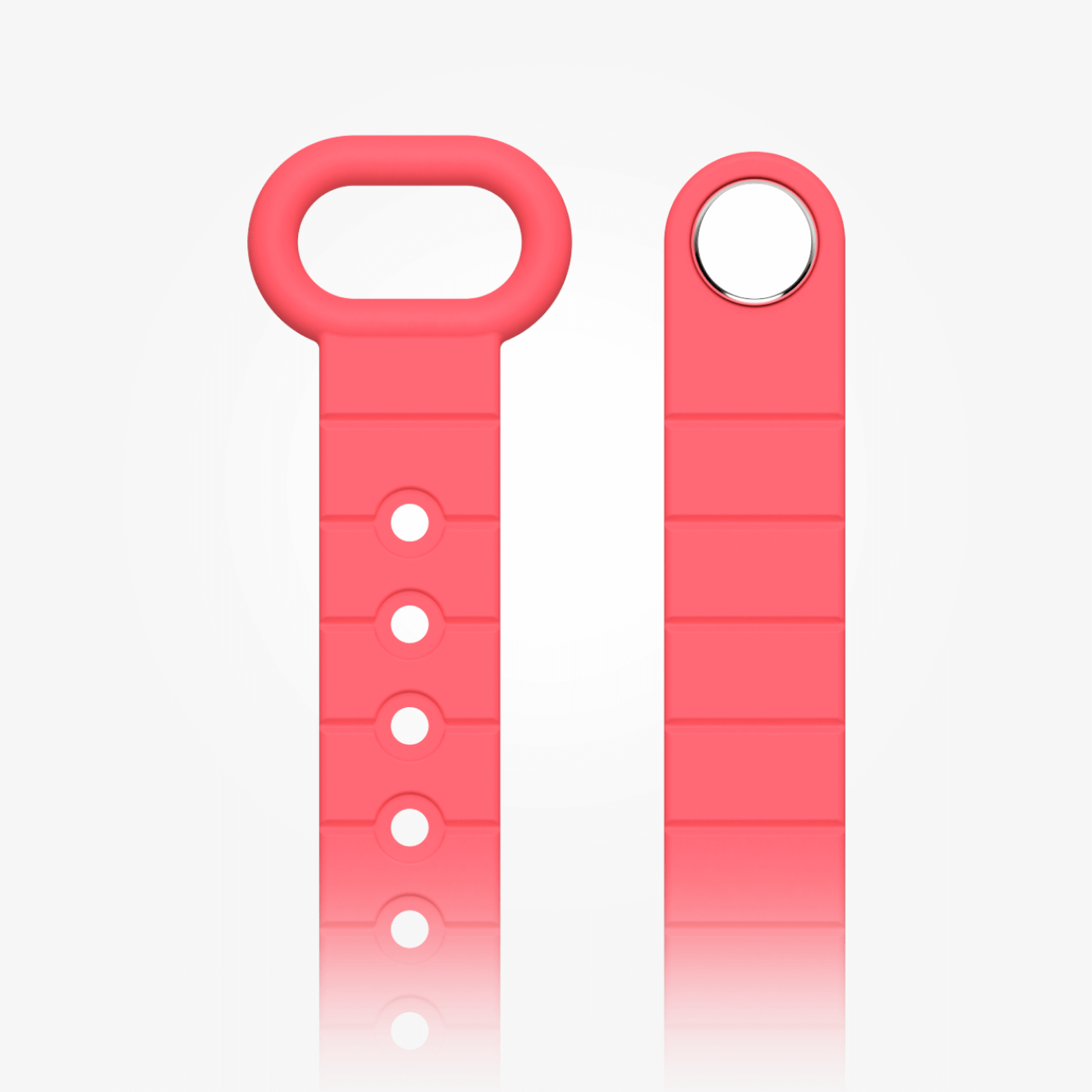
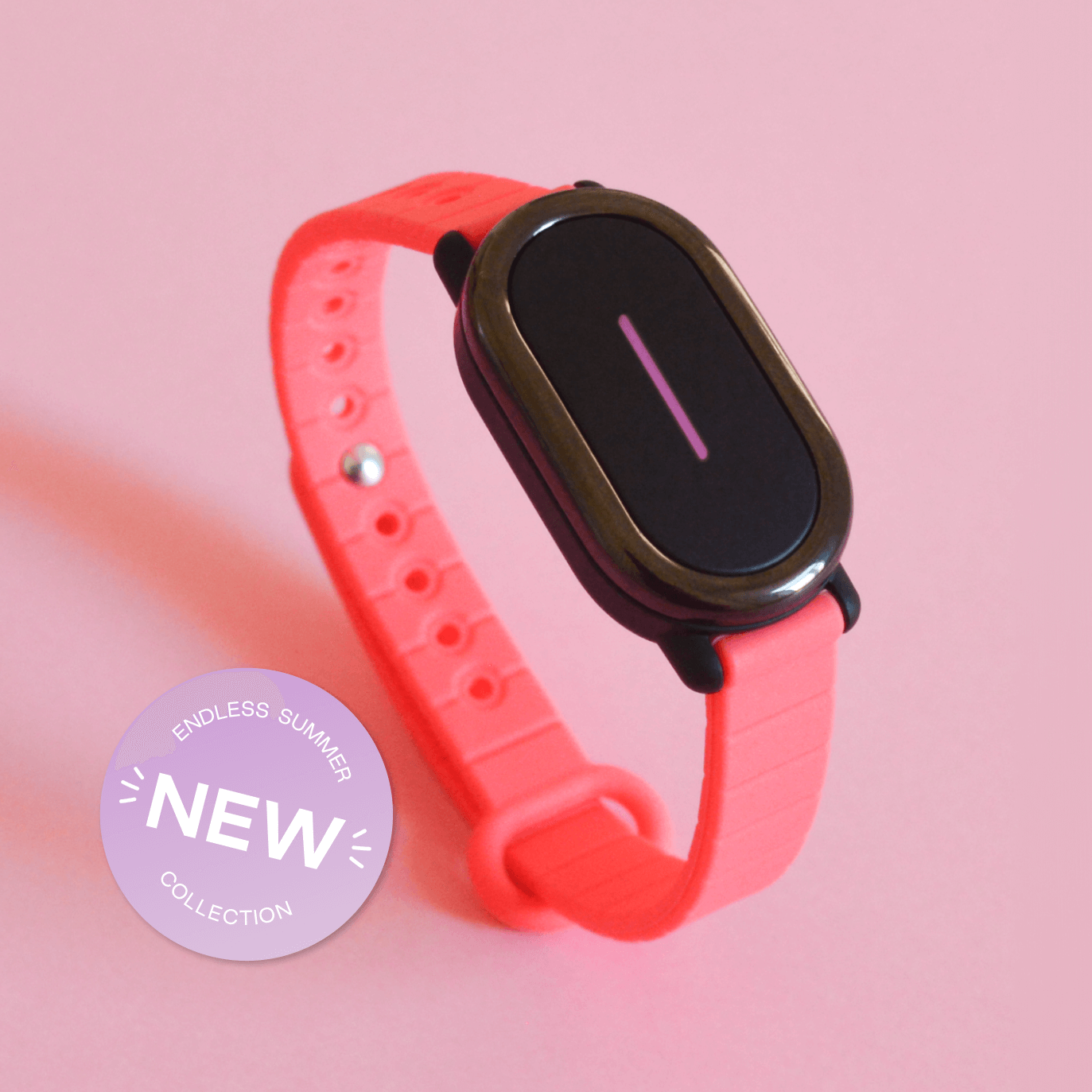
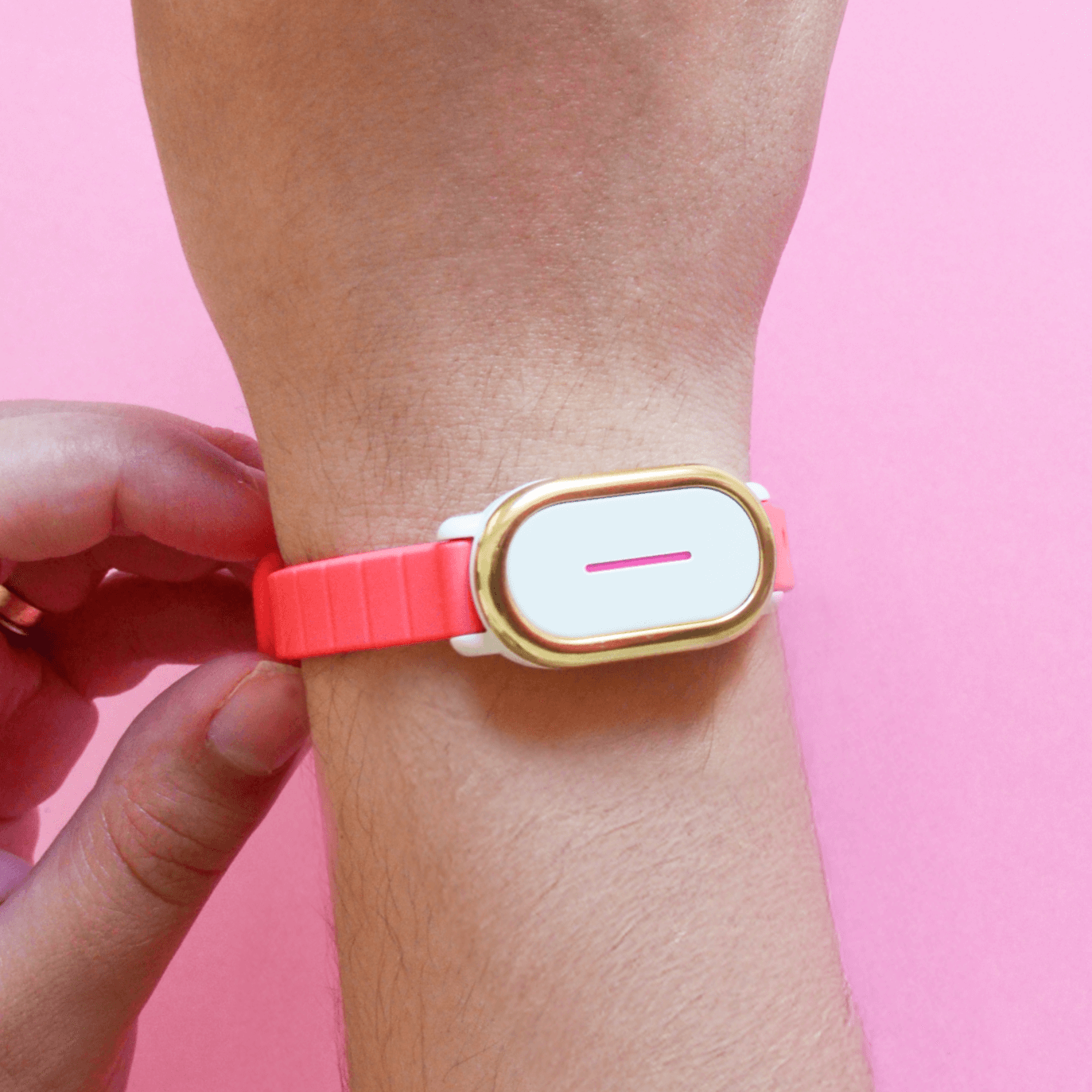
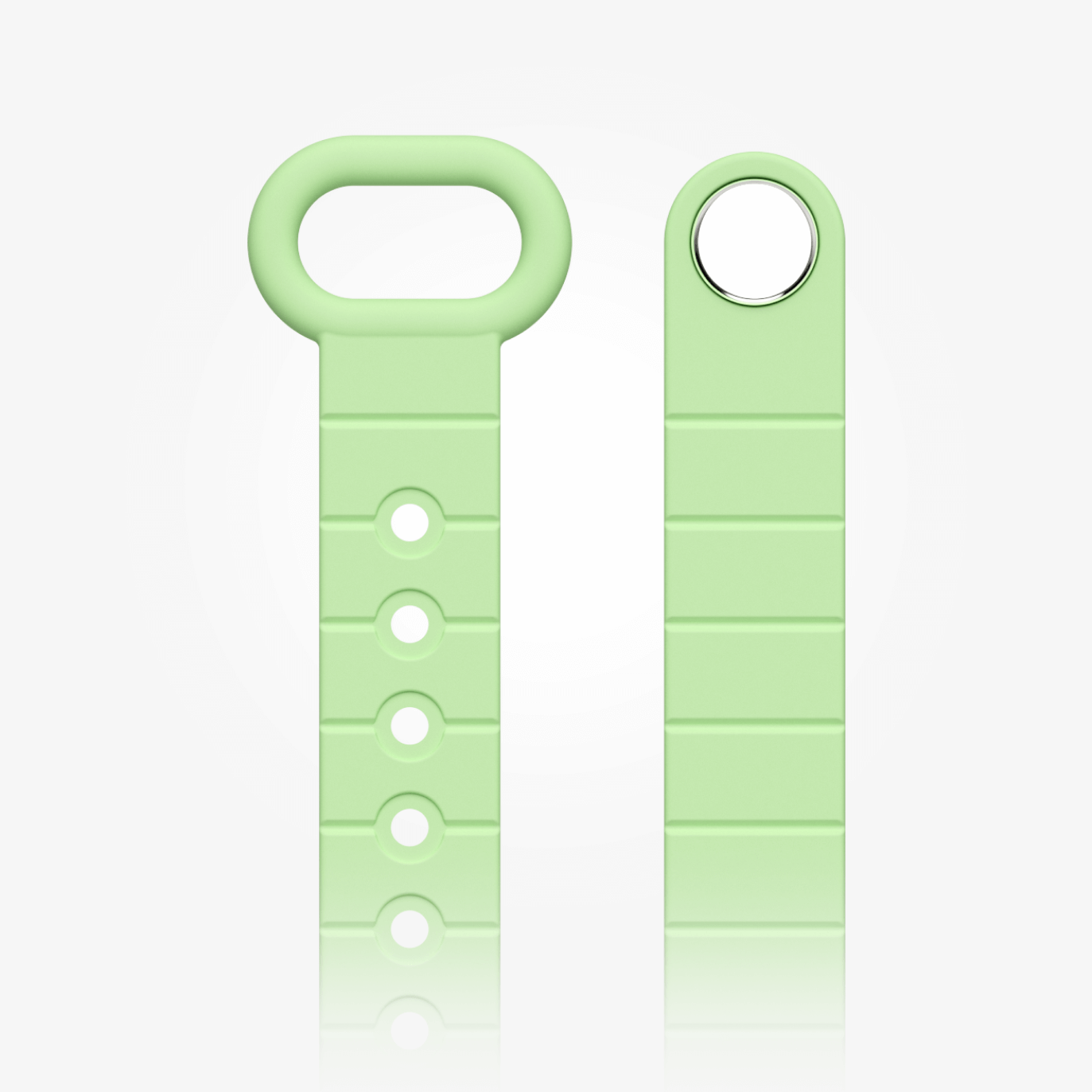
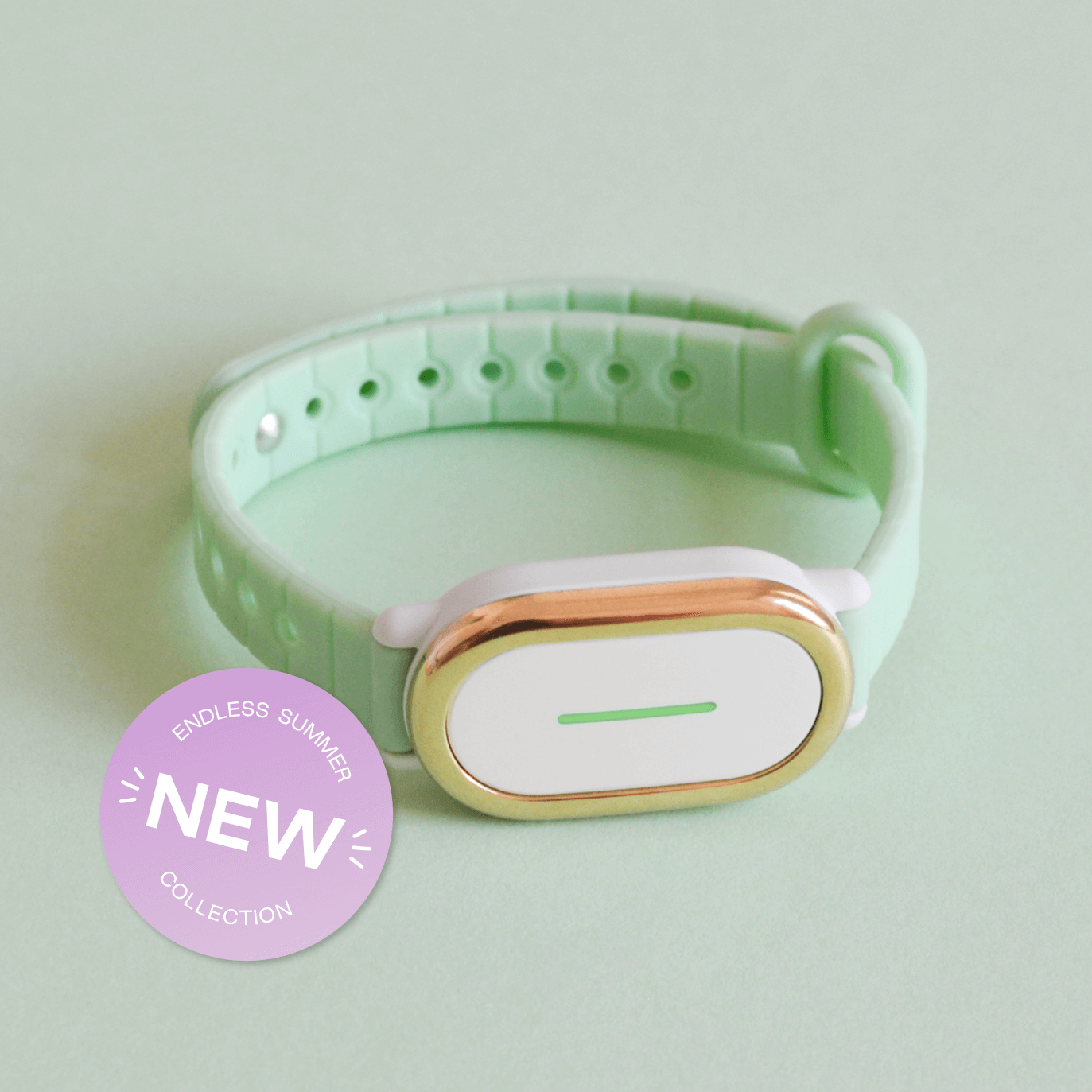
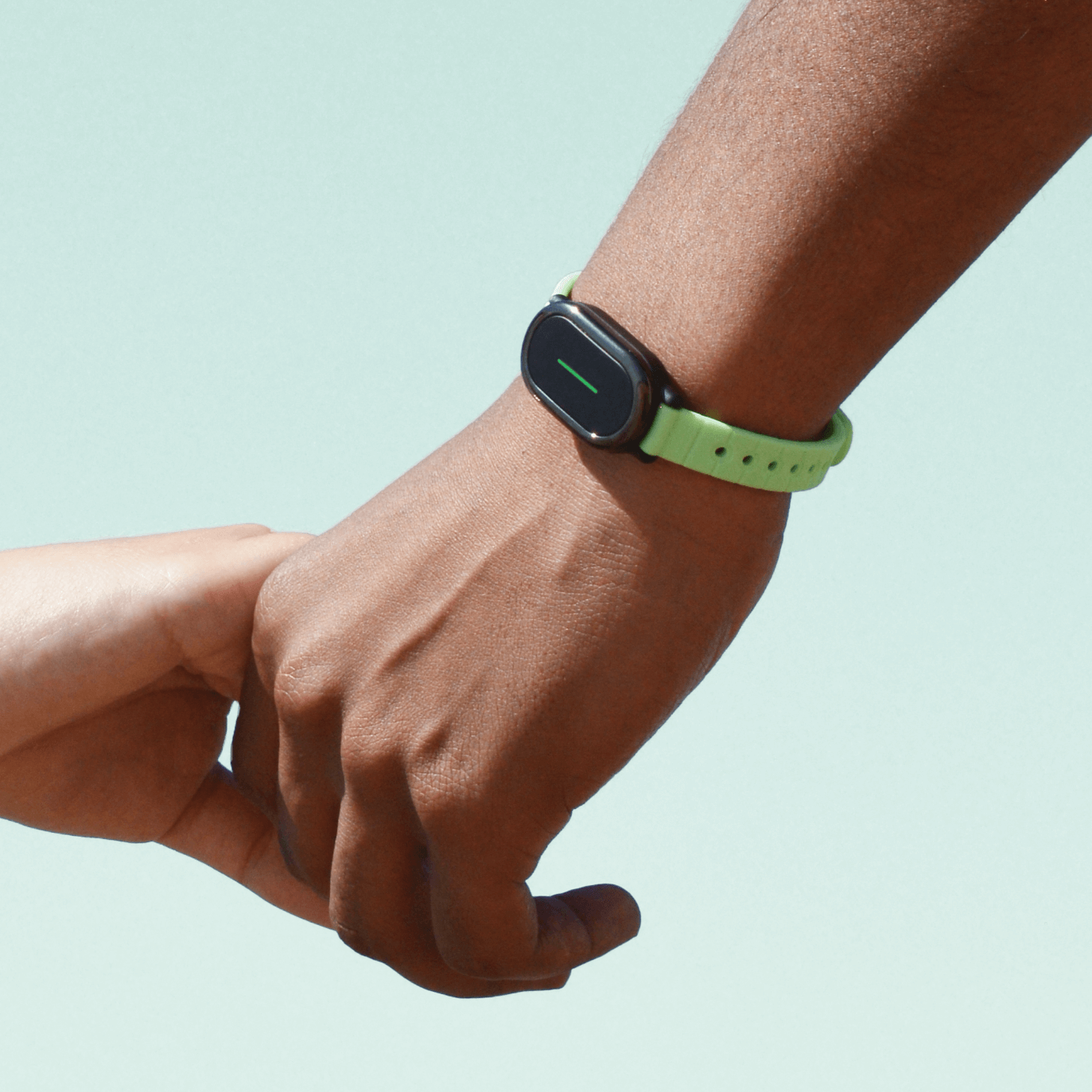
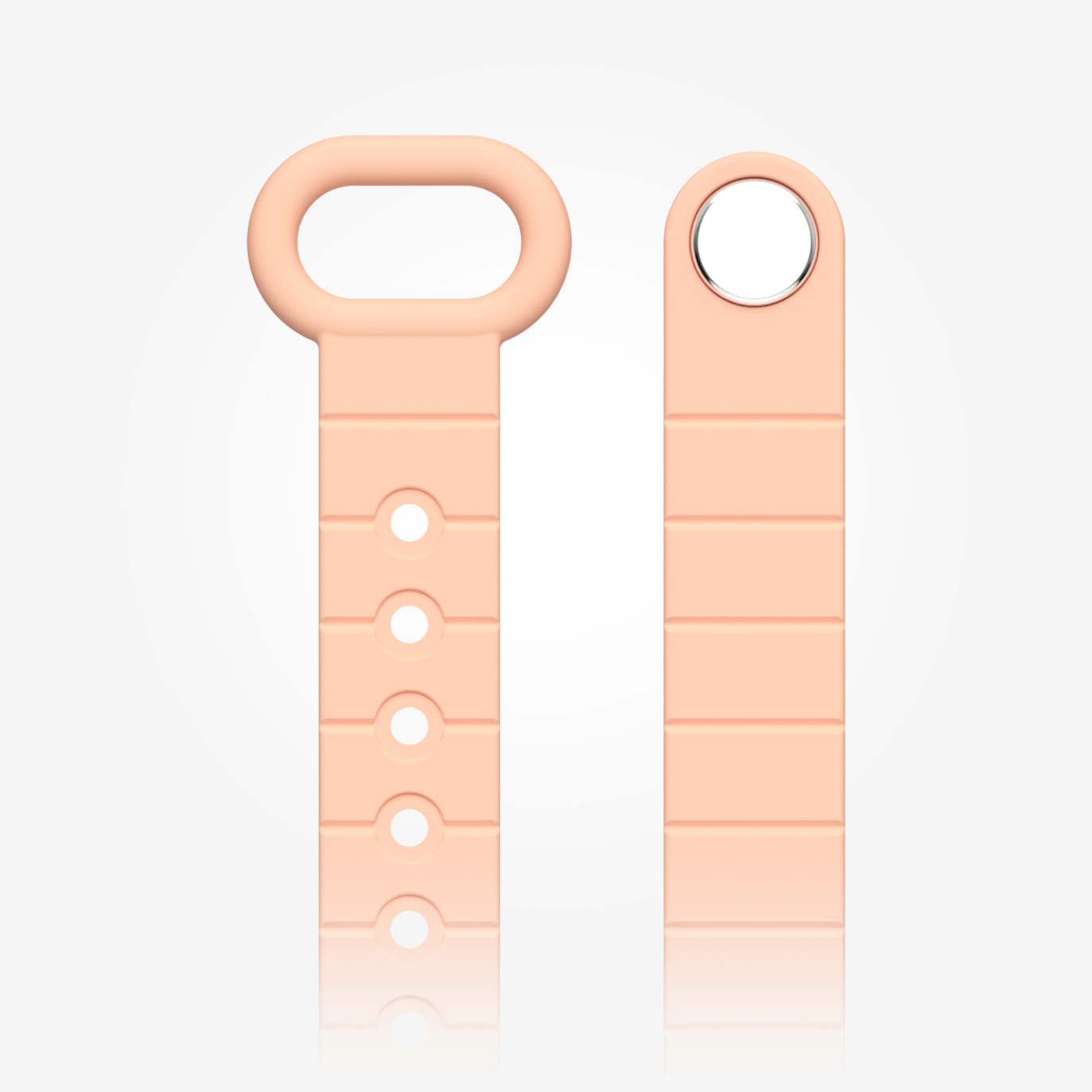
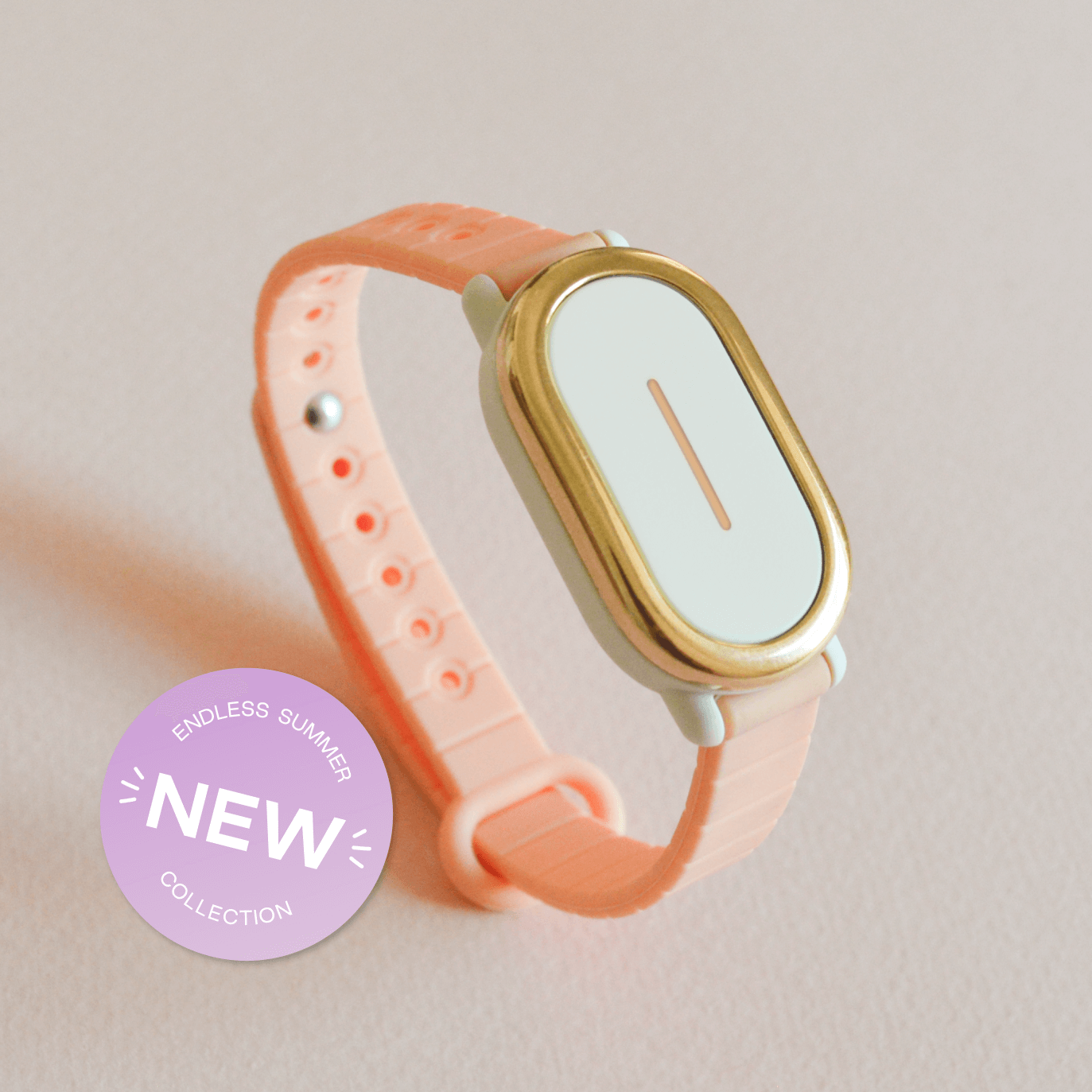
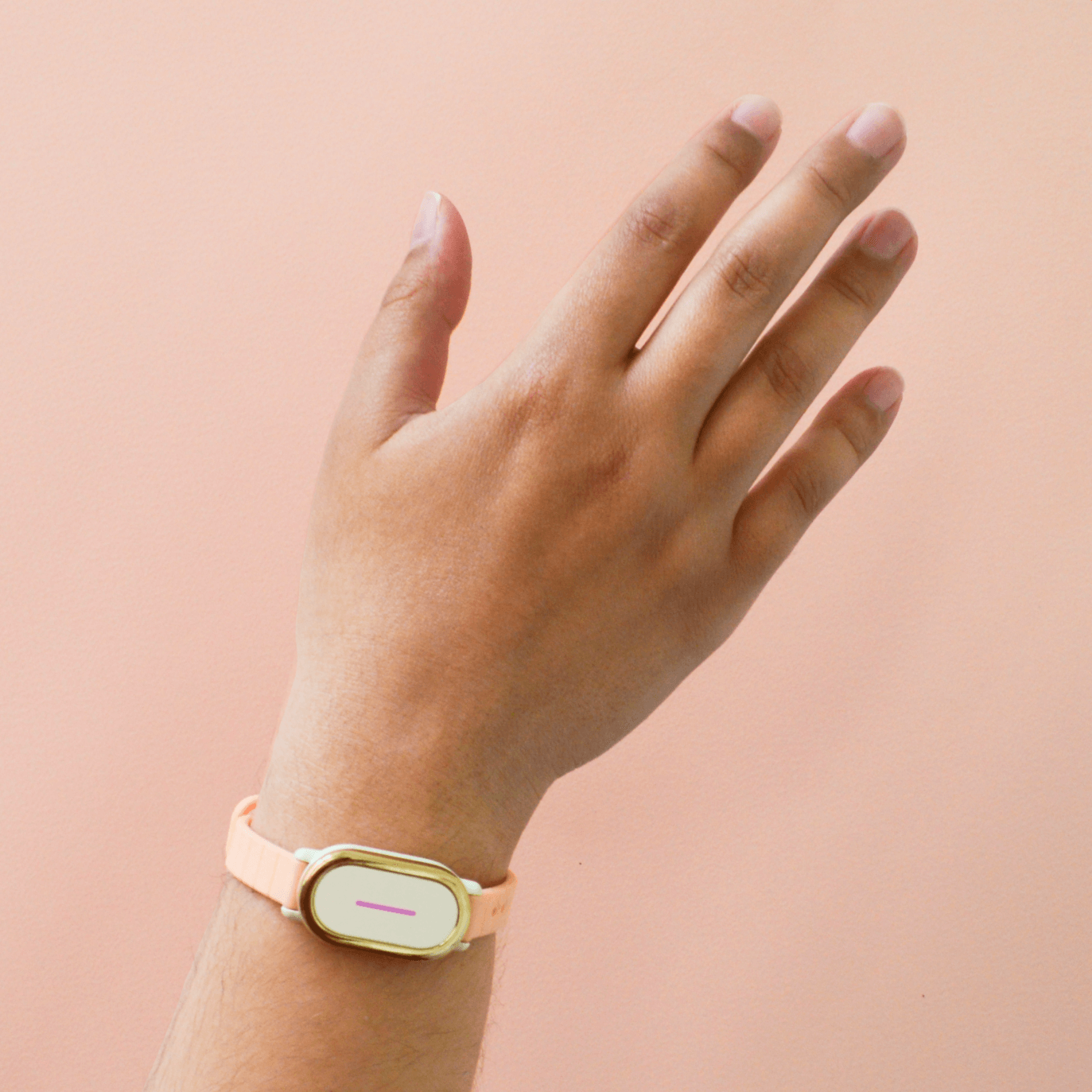
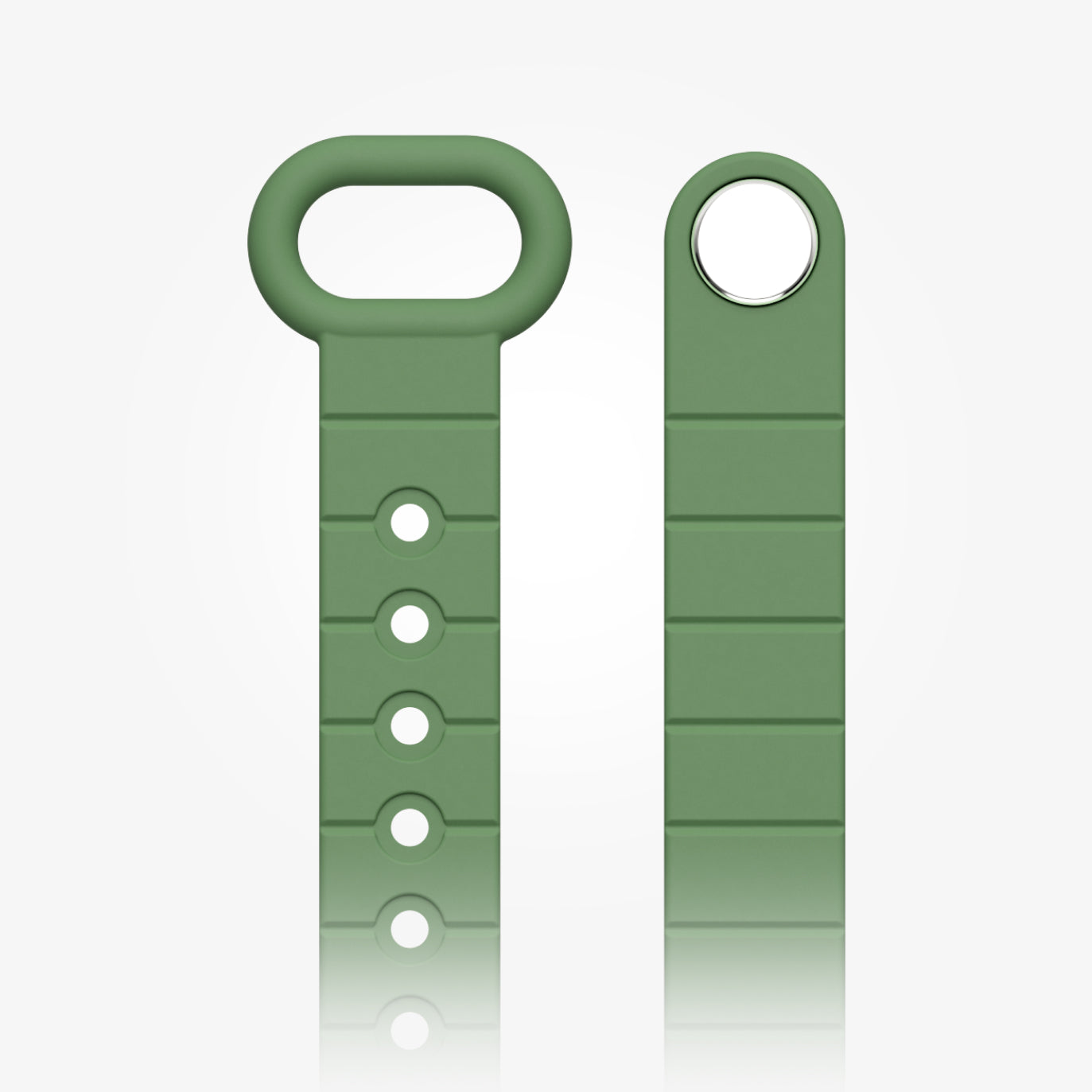
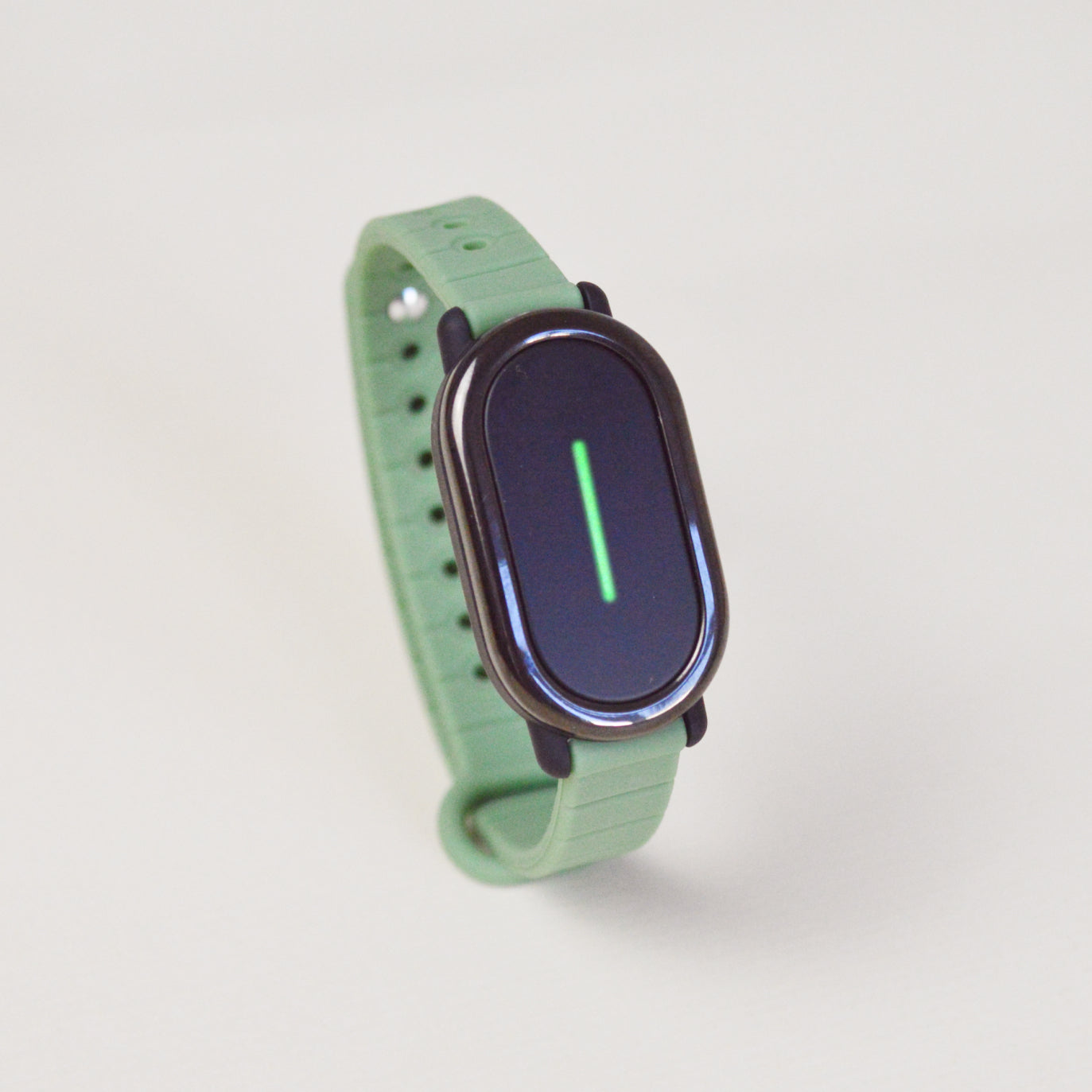
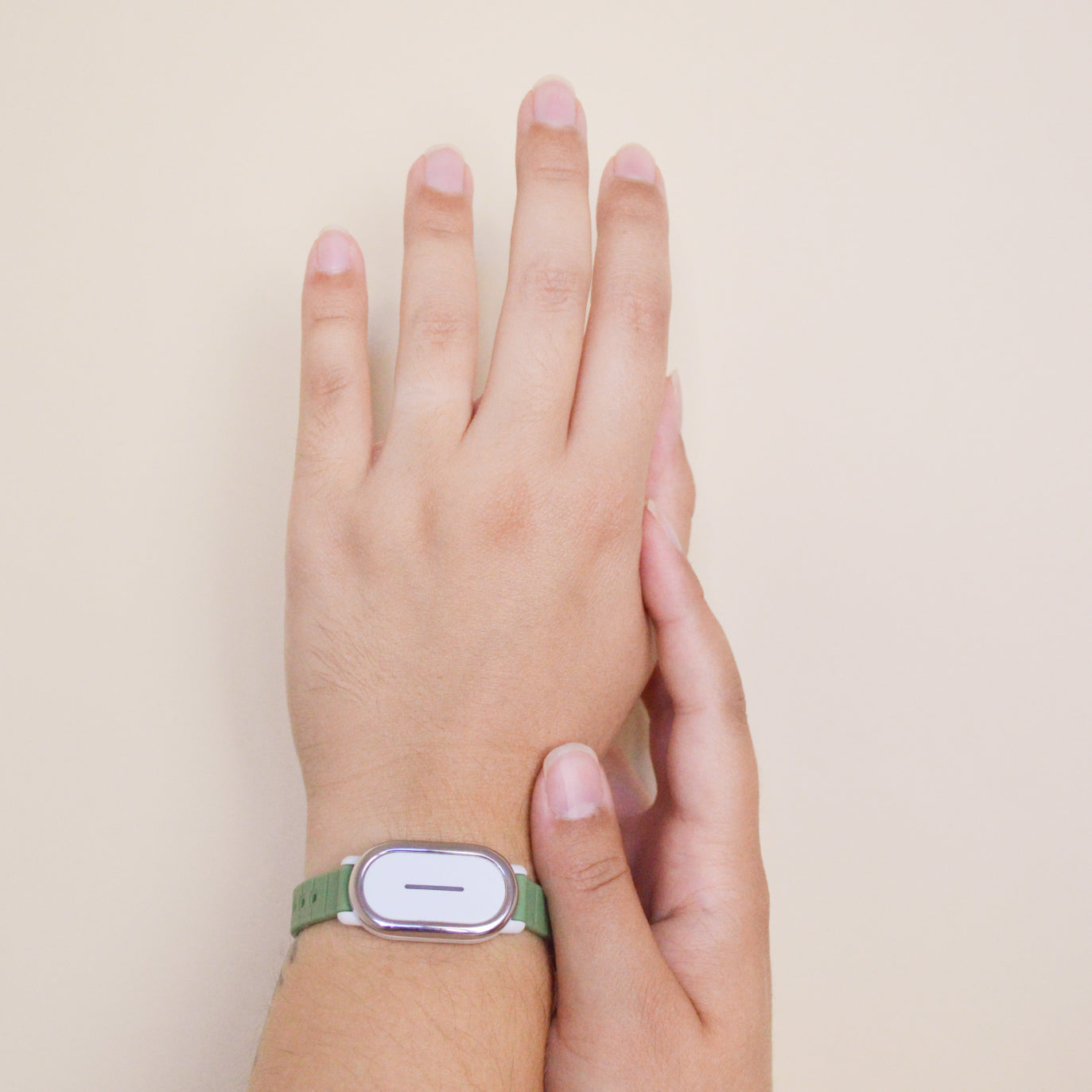
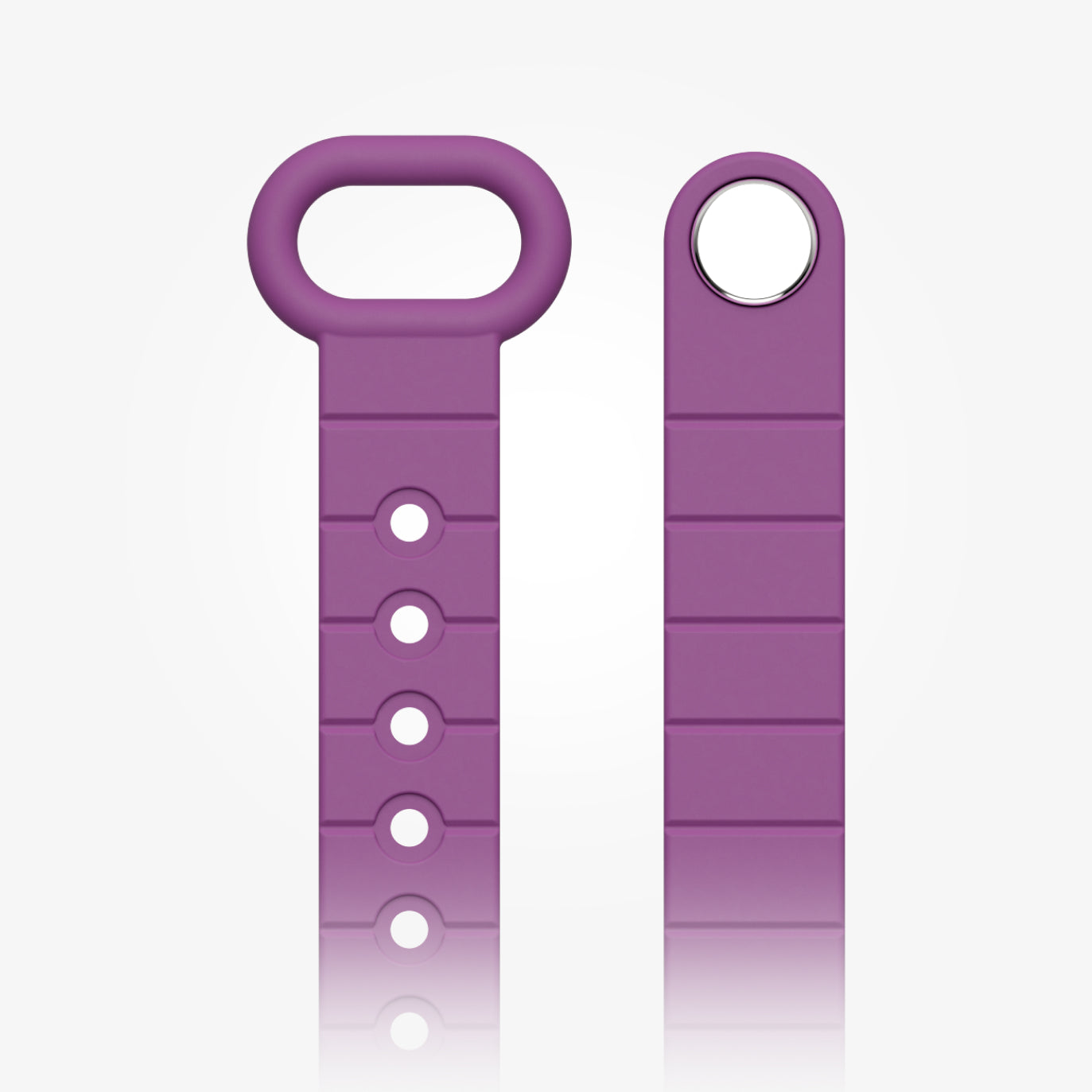
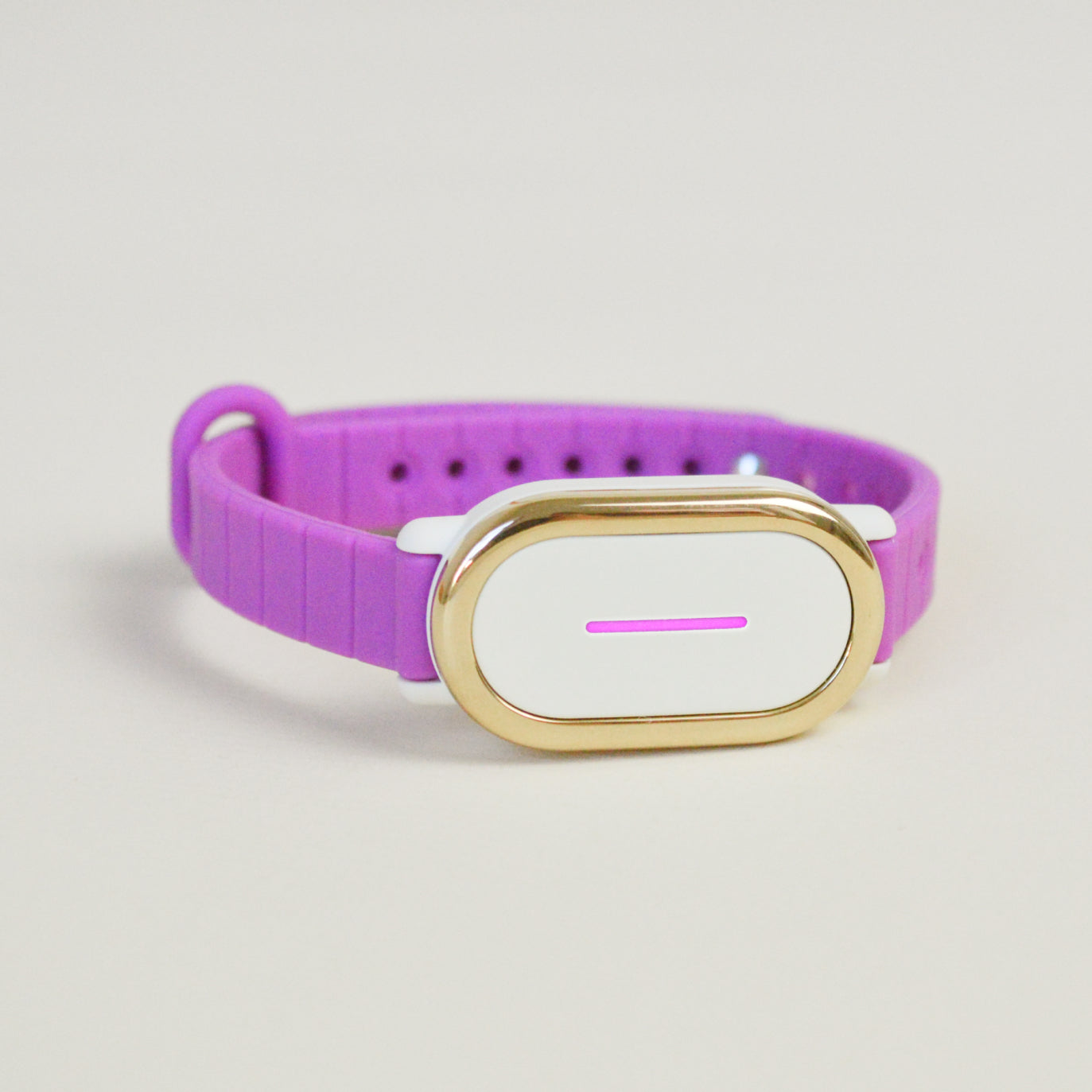
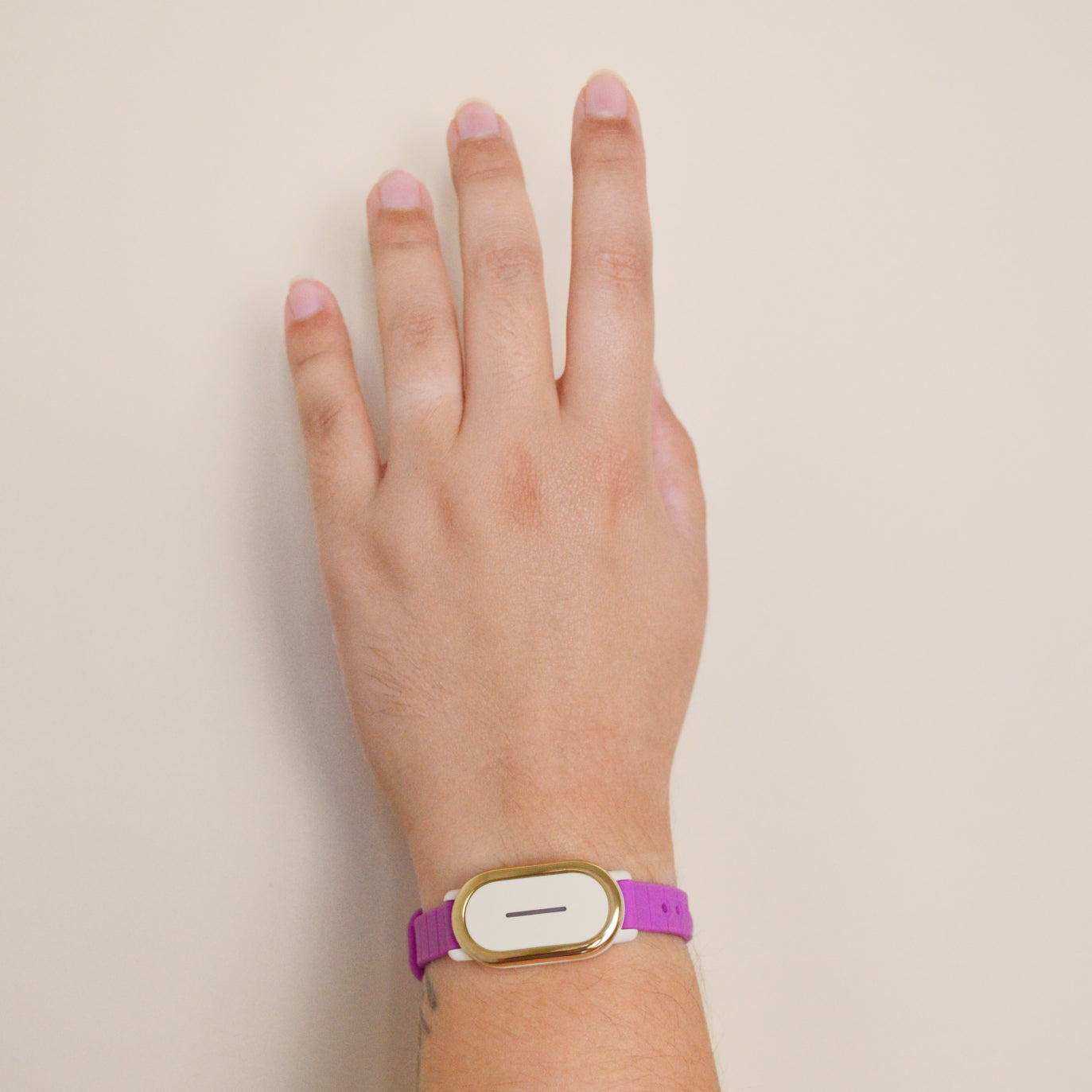
This is where your Bond Touch bracelet earns its place. In the hours after a goodbye, words can feel like a lot. A touch doesn't require anything — no energy, no composure, no knowing what to say. It's just presence, sent across whatever distance now separates you. A pulse that says I'm still here. Send one when you land. Send one before you sleep. Let the physical reminder do the work that words can't quite manage yet.
What Not to Do
A few patterns that feel instinctive after a goodbye but tend to make things harder:
Going quiet: The urge to retreat into yourself after a hard goodbye is understandable — but silence can read as withdrawal to your partner, who is processing the same loss from their side. Stay in contact, even imperfectly.
Overcompensating: The opposite problem, flooding the channel with messages and calls in an attempt to recreate the closeness you just lost. It usually creates pressure rather than comfort. Let the reconnection be gradual.
Fast-forwarding past the feeling: Jumping straight into planning the next visit, filling every moment with distraction, refusing to let yourself feel the sadness. The feeling will find you eventually. It's kinder to yourself — and your relationship — to let it move through you rather than around you.
Comparing: "This goodbye was harder than the last one" or "I shouldn't still be feeling this after all this time" — comparisons don't help. Each goodbye is its own thing. There's no correct way to feel, and no timeline you're supposed to be on.
How to Carry the Visit Forward
Instead of letting the visit become something you grieve, try to let it become something you carry.
Go through your photos together on a call — not right away, but a few days in, when the rawness has settled a little. Share the ones the other person didn't see. Talk about the moments that stood out. Let the visit exist as a memory you're building together, not just something that happened and ended.
Keep something small from the visit in your space. A photo, an object, something that holds a little of the warmth of those days. Physical anchors matter more than they should, and that's okay.
And keep the countdown going. Not as a way of skipping over the present, but as a reminder that this stretch of distance has an end point — that the goodbye you just said is temporary, and the next hello is already on its way.
Every Goodbye Is Proof That There Was Something Worth Coming Back For
The hardest goodbyes happen in the best relationships. That's not a consolation — it's just true.
If leaving didn't hurt at all, it would mean the visit hadn't mattered. The fact that you're feeling this — the weight of it, the specific grief of returning to distance after closeness — is evidence of something real and worth protecting.
You've done this before. You'll do it again. And somewhere on the other side of this stretch of distance, there's another hello waiting — one that will feel, as they always do, like coming home.
Hold onto that. It's enough to keep going.
-----------------------------
👇 About The Other Half 👇
Thanks for reading this! FYI, The Other Half is brought to you by Bond Touch: the brand that has been helping build healthier and happier relationships through emotional wearables since 2017. Connecting over 1 million people globally so far and counting!
If you’re looking for a new way to connect with a very special someone, check out Bond Touch: a bracelet that lets you communicate through touch across any distance. Say it with a touch, stay in touch.